
Category: News

  • [CALL FOR PAPERS] A+I WPS #03 Architecture, Colonialism, and East Asian Labour

    [CALL FOR PAPERS] A+I WPS #03 Architecture, Colonialism, and East Asian Labour

    Journal: A+I Working Paper Series, Issue #03
    Guest Editor: Jingliang Du
    Abstracts Submission Deadline: 8 June 2026


    Summary

    This issue invites contributions that examine how architectural labour sustained, mediated, and contested colonial and imperial power, with a focus on East Asian contexts through the twentieth century. The call asks what becomes visible when buildings, infrastructures, and urban spaces are approached through the labour that produced them. Who recruited, trained, and supervised those who built? How were skills transmitted, tools adapted, and materials handled across local, colonial, and imperial systems? How did subcontracting practices and everyday negotiations shape relations of authority on building sites? Taken together, what forms of knowledge, dependency, conflict, and resistance emerge when construction is treated as a social and political process?

    Labour has emerged as a generative lens for architectural and urban history, reorienting attention from completed objects toward the conditions and relations of their making. Recent work on Chinese workers on the Yunnan–Indochina Railway (Selda Altan, 2024) and initiatives such as the Stanford Chinese Railroad Workers in North America have demonstrated how historical narratives shift when builders, craft workers, and migrant labourers are moved from the margins to the centre of historical inquiry. Attending to labour extends and complicates histories of colonial architecture that have often centred on representation, planning, institutional power, and stylistic transfer. On colonial and imperial building sites, architectural authority was rarely stable: it was made and remade through encounters between supervisors and workers, local knowledge and imported technique, formal contracts and informal arrangements. By foregrounding sources such as wage records, apprenticeship documents, accident reports, subcontracting agreements, and related sources, this issue aims to open new lines of inquiry and prompt different questions about familiar structures, figures, and histories.

    East Asia provides a rich but open-ended regional frame. This issue welcomes contributions in two overlapping directions. The first concerns sites of colonial and imperial encounter within the region, including treaty ports, concessions, occupied territories, and colonial cities such as Shanghai, Macau, Taipei, Incheon, and Hanoi, where labour organisation, skill transfer, and building authority unfolded under conditions of contested sovereignty. The second follows East Asian labourers into broader global built environments, examining the material and social traces they left in construction sites, infrastructure projects, and urban landscapes worldwide. Cross-regional perspectives are especially encouraged.

    The issue is open to historical, empirical, theoretical, and critical approaches, including archival case studies, quantitative or systematic research, labour history, postcolonial theory, urban history, construction history, material culture studies, and digital methods. Contributions may address the nineteenth and twentieth centuries, as well as earlier periods. The working paper format is intended to support focused findings, methodological experiments, and exploratory arguments rather than exhaustive, fully resolved journal articles. Submissions from early-career researchers, independent scholars, and established academics are all warmly welcomed.

    Please send your 300-word abstract to dujl22@connect.hku.hk by 8 June 2026. All submissions should include a biography (max. 100 words) and contact information for each author. Text submissions should be sent as .doc files. Where applicable, images should be submitted at 72 dpi as uncompressed .tif files. All accepted authors will be asked to submit a 6,000-word article in British English that will be subject to a double-blind peer review.

    Final publication is expected by November 2026.

    Learn more about the A+I WPS journal, calls and guidelines here.

  • Villages as Construction Sites. Recording Compulsory Settlement in the Zambezi Valley Through Aerial Photographs, Mozambique (1970–1974)

    Villages as Construction Sites. Recording Compulsory Settlement in the Zambezi Valley Through Aerial Photographs, Mozambique (1970–1974)

    Journal: Ædificare, Revue internationale d’histoire de la construction, 2025 – 2, n. 18 [Construction Site Photography]
    Authors: Ana Vaz Milheiro

    Editors: Laurence Heindryckx, Tom Broes, Simon De Nys-Ketels, and Robby Fivez
    Publication: Garnier Classics, 2026


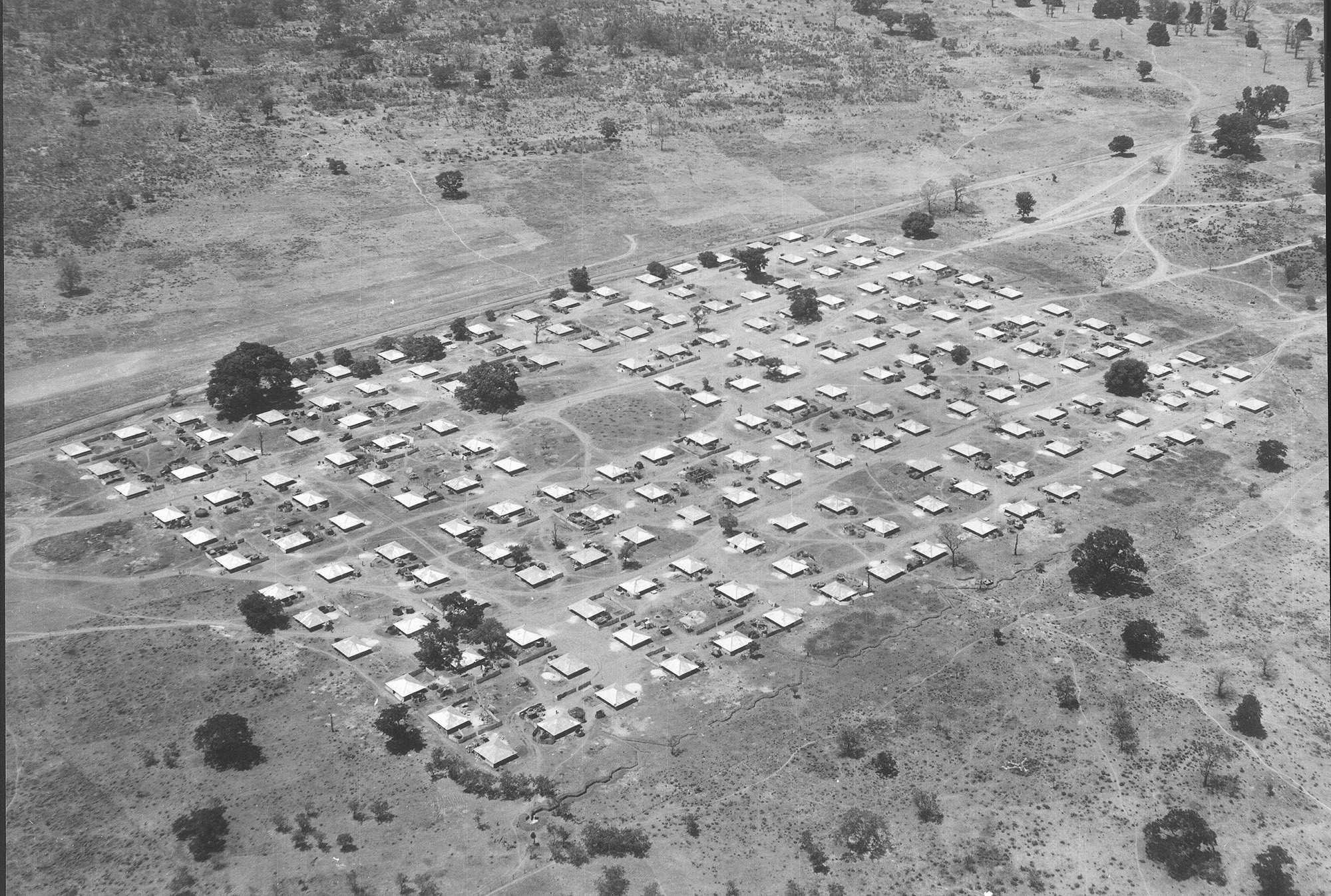
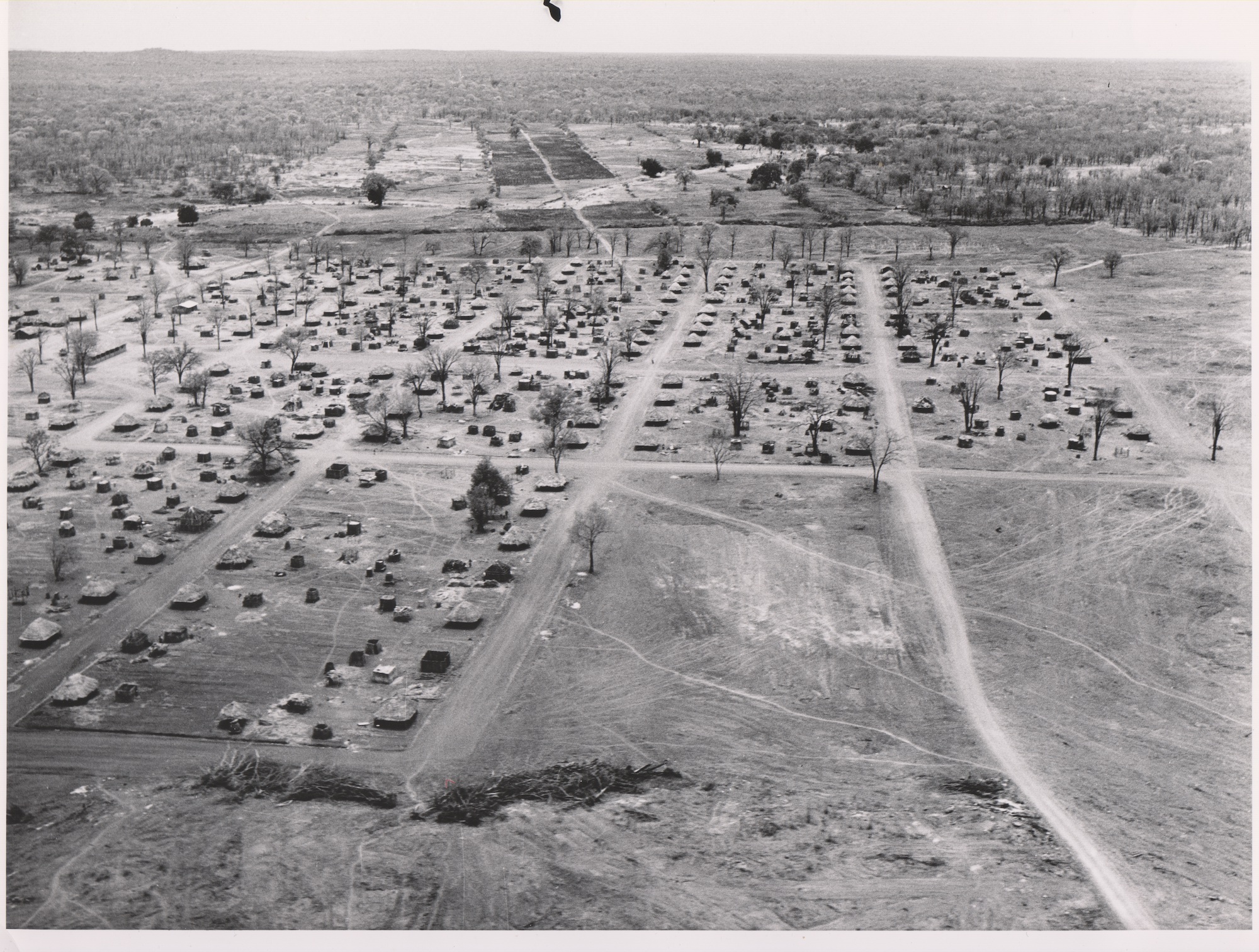
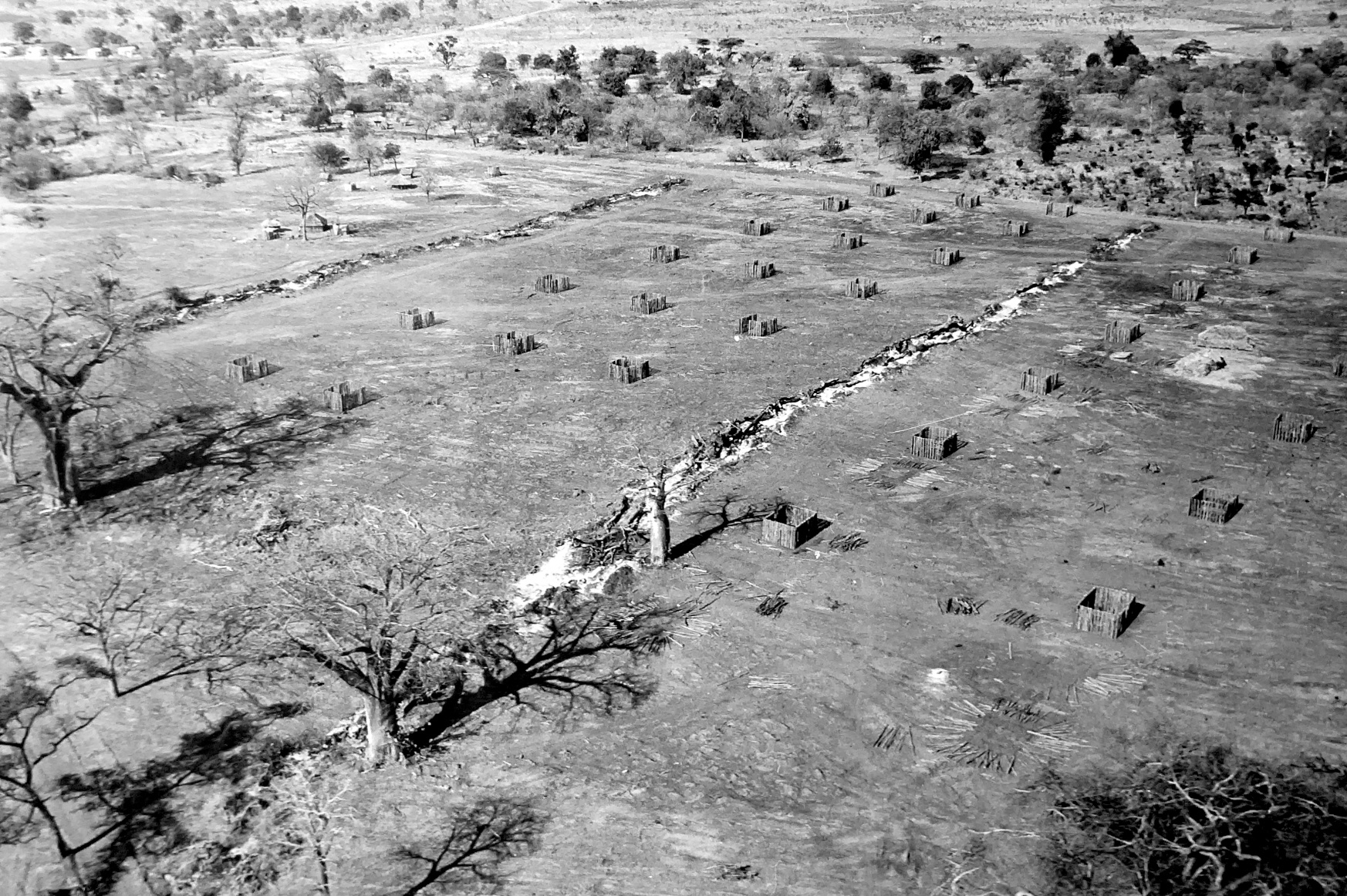
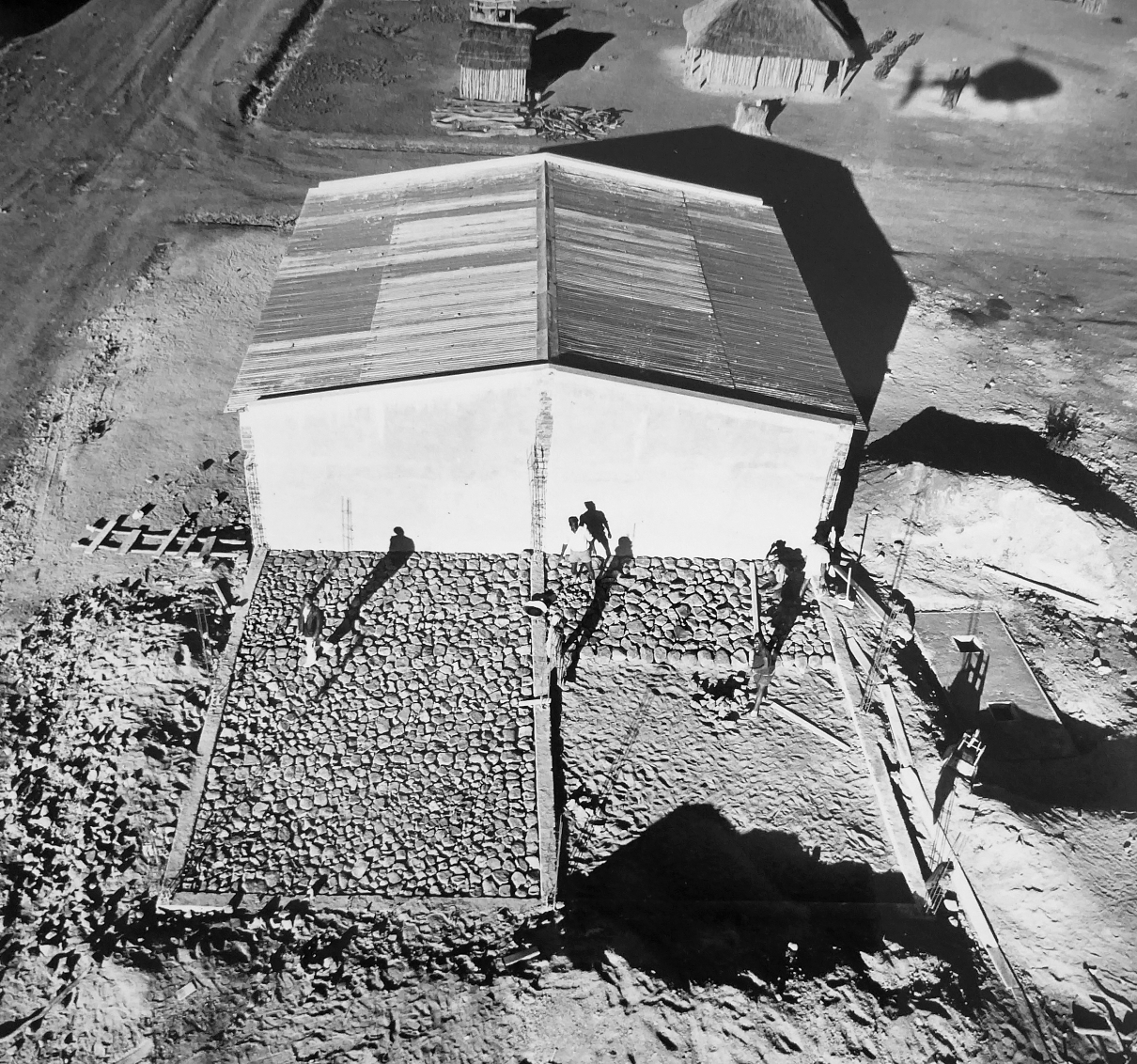
    Estima. Construction of a school. General view of the village. Sector B – Rural Redevelopment. Subsect. 11. July/1974 [96/7/74] Zambezi Plan Office. Photographic archive [AHU, PT/IPAD/MU/GM/GPZ/2332/07236]
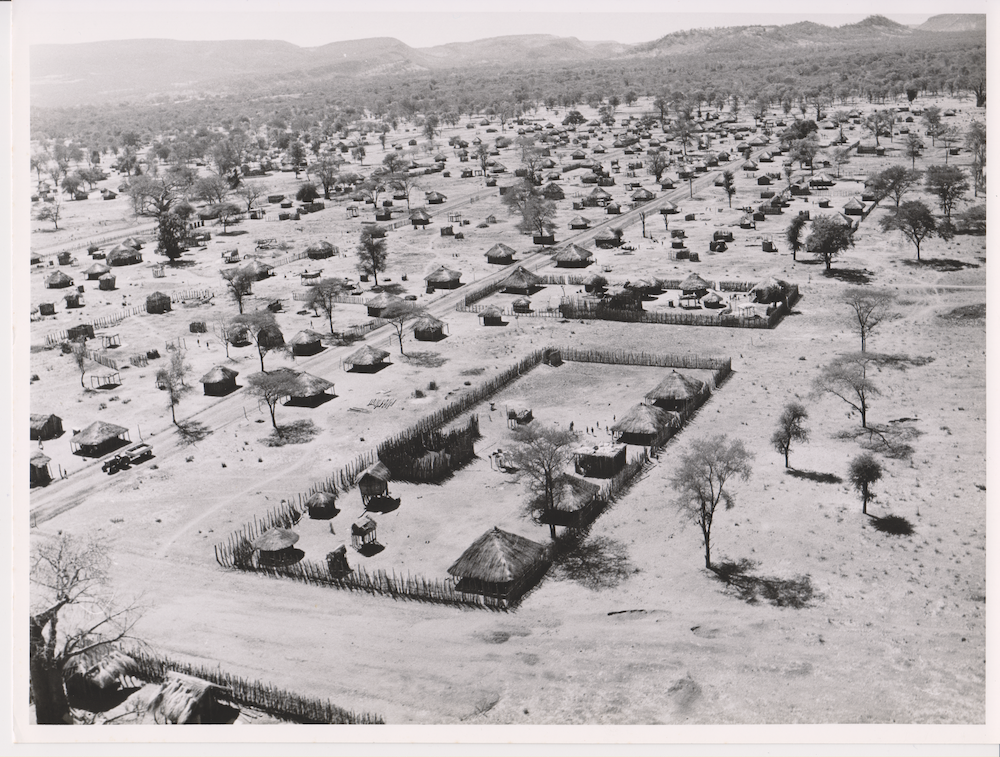
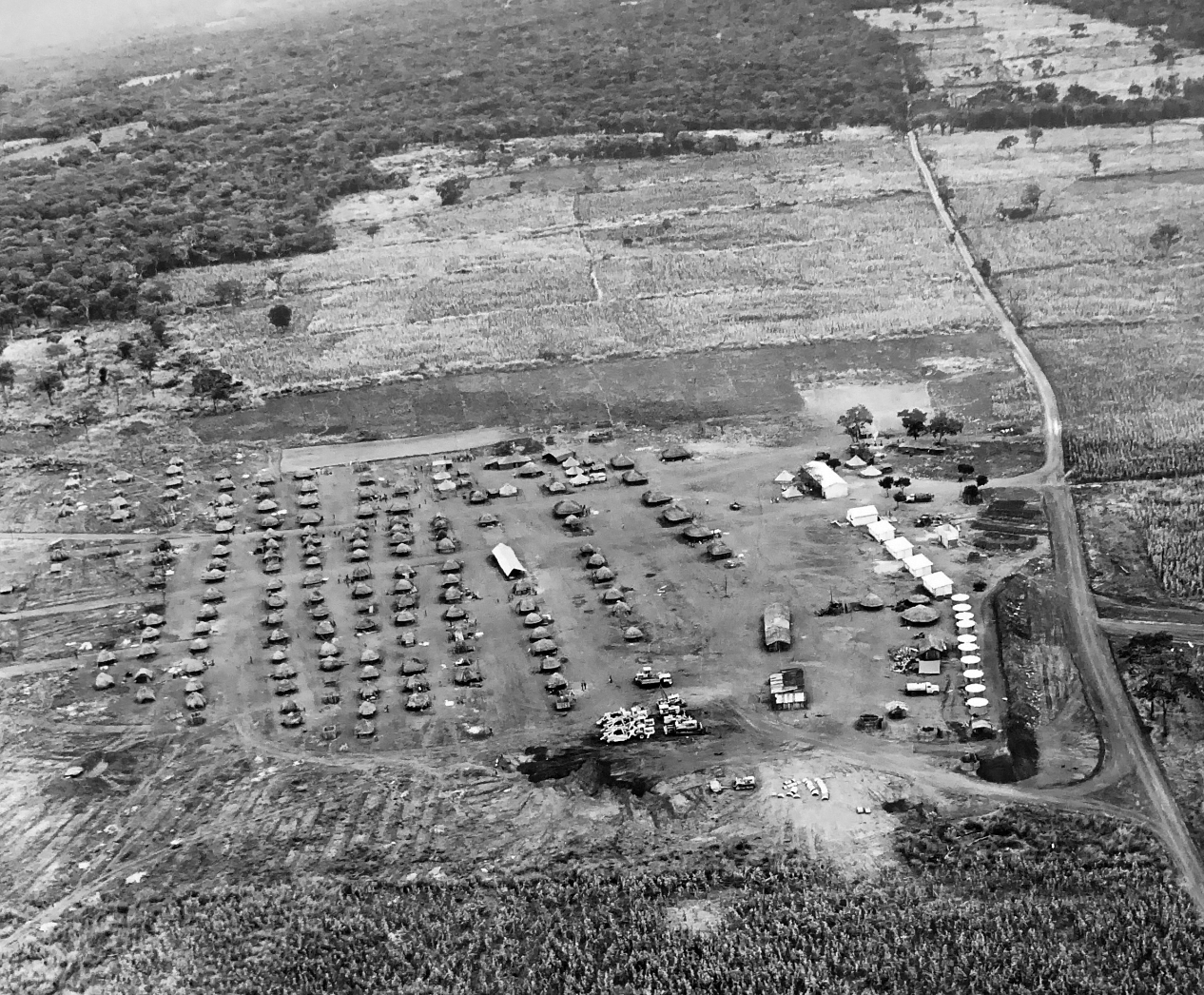
    Pandira village. Municipality of Barué – Vila Gouveia. Sector D – Subsector 8-17. May/1973 [99/5/73] Zambezi Plan Office. Photographic archive [AHU, PT/IPAD/MU/GM/GPZ/2332/07236].

    Summary

    The forced resettlement in the Zambezi Valley in the province of Tete brought together military and economic interests to serve the extension of Portuguese colonialism in Mozambique. It was set up during the Colonial War (1964-1974) as a means of halting the progress of the Mozambique Liberation Movement (FRELIMO), but also because of the launch of the Cabora Bassa dam’s construction.

    Although this construction produced one of the most complex construction sites in Portuguese colonial history, the focus of this analysis is on the colossal resettlement operation associated with its completion, as a double consequence of the reservoir and the war. The dynamics of territorial reordering, which began in 1968, transformed a region of around 100,724 square kilometers into a huge construction site of fluctuating intensity. Building systems that had been practiced in the region for centuries coexisted with new technologies resulting from the influx of industrial materials, creating a “creolized” rural landscape.

    To document the process, around 400 photographs were taken, many of them from helicopters or planes, reinforcing a view of a subalternized reality through a uniform and orthogonal layout that contrasted with the pre-colonial segmented landscape. The five photographs that make up this essay are part of this group of aerial photographs and have been titled in sequence: Foundation; Surveillance; Polyphony; Order; Skilled. Taken as an “bird’s-eye view”, they not only allowed to follow the perspective of the colonial authorities, avoiding direct contact with the population, but also to grasp the simultaneity of tasks in the construction of a village.

    One wonders about absence (Foliard, 2023): at no point did the camera stray into explicit violence. Contrary to the written documentation that also listed these operations, figurative evidence was denied for events such as the destruction of ancestral settlements or the frequent resistance to being an “aldeado”.

    Read the full article here.

  • The Technical Gaze. Exploring Photographic Dissonances and Colonial Narratives in the Mabubas Dam, Angola, 1948–1954

    The Technical Gaze. Exploring Photographic Dissonances and Colonial Narratives in the Mabubas Dam, Angola, 1948–1954

    Journal: Ædificare, Revue internationale d’histoire de la construction, 2025 – 2, n. 18 [Construction Site Photography]
    Authors: Ana Vaz Milheiro; Beatriz Serrazina

    Editors: Laurence Heindryckx, Tom Broes, Simon De Nys-Ketels, and Robby Fivez
    Publication: Garnier Classics, 2026


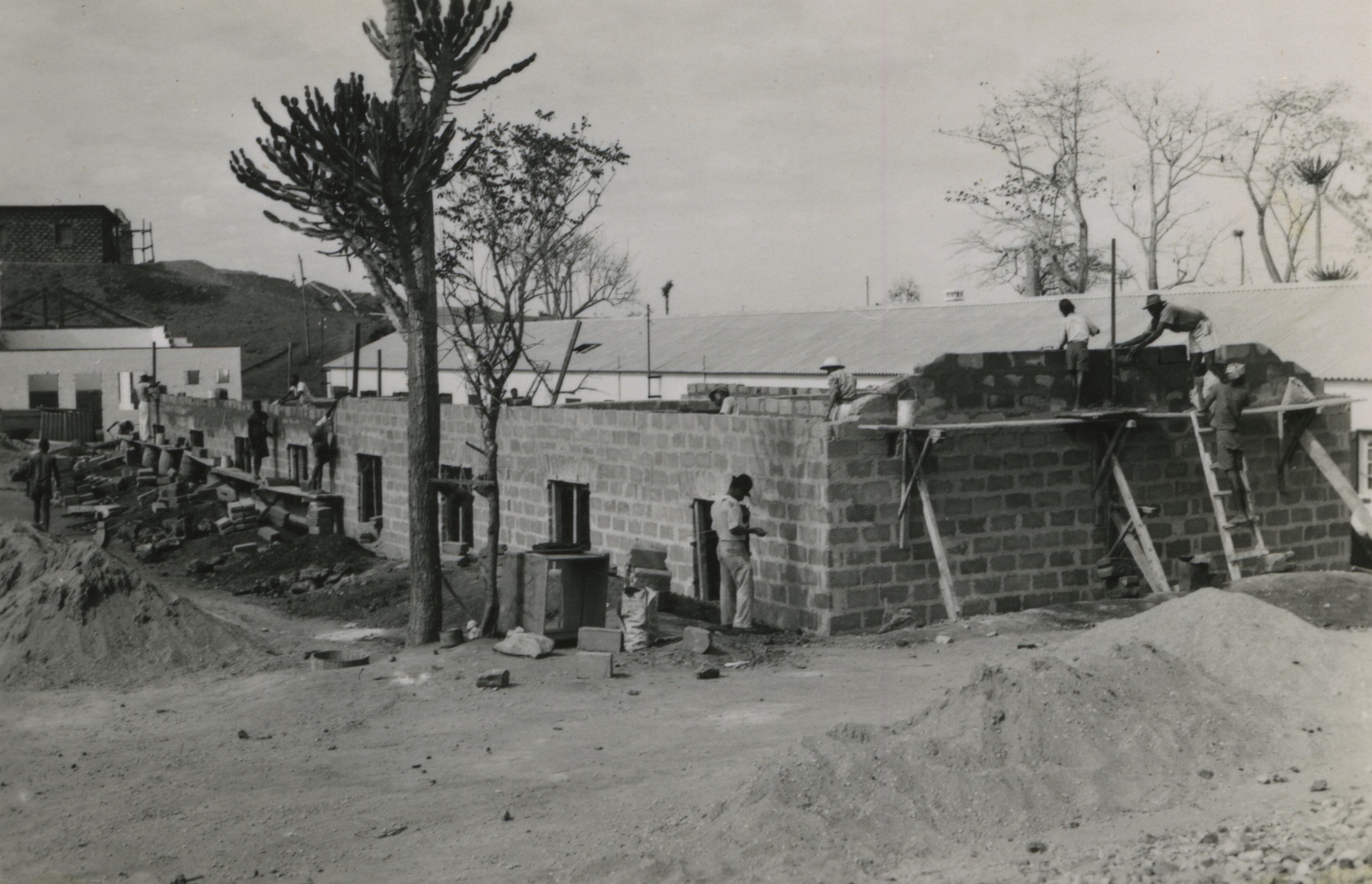
    Group of four houses for single workers [top right, a child laying bricks on the side wall of the house], Mabubas, 1948 [AHU, OP3010].
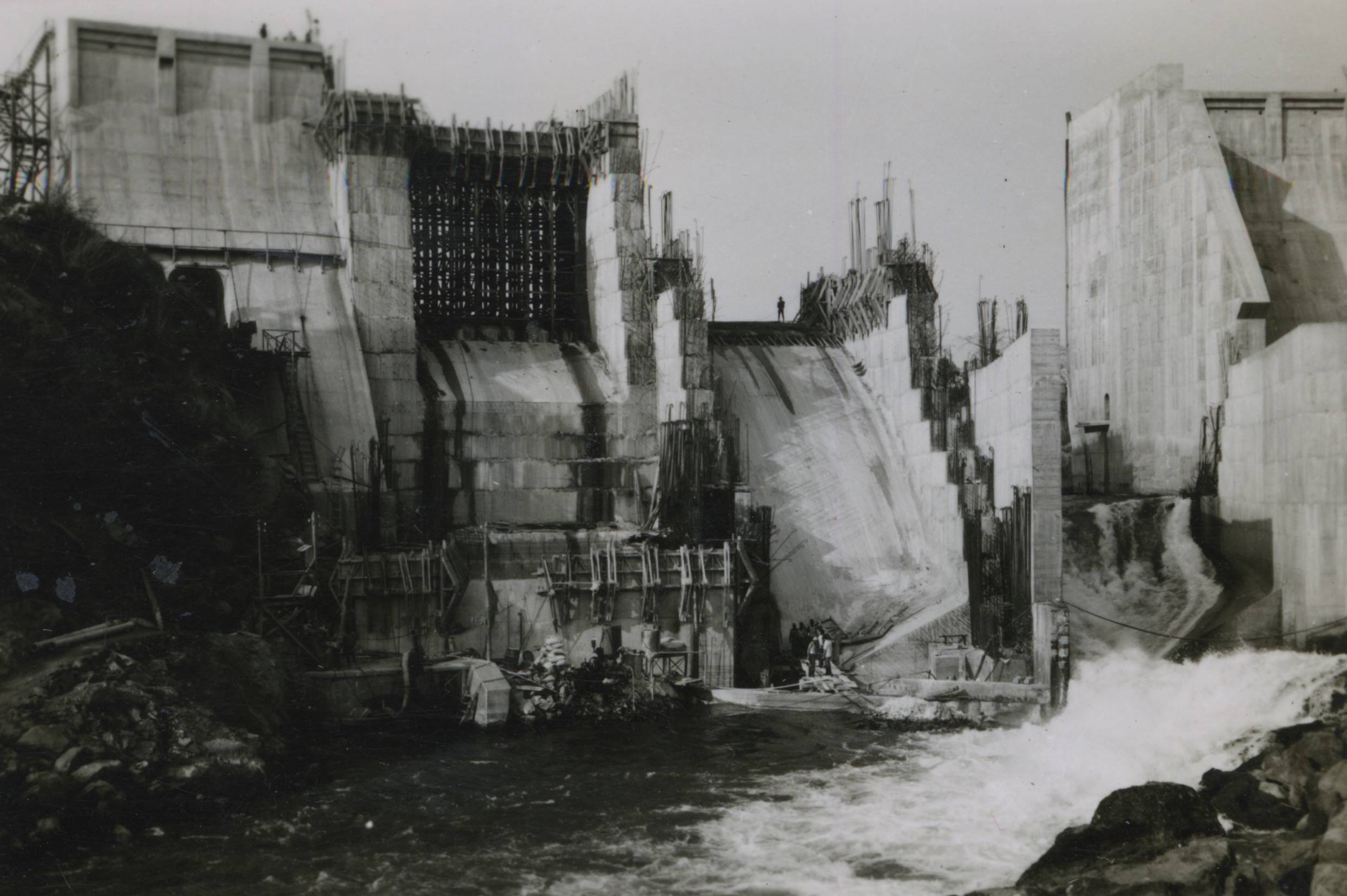
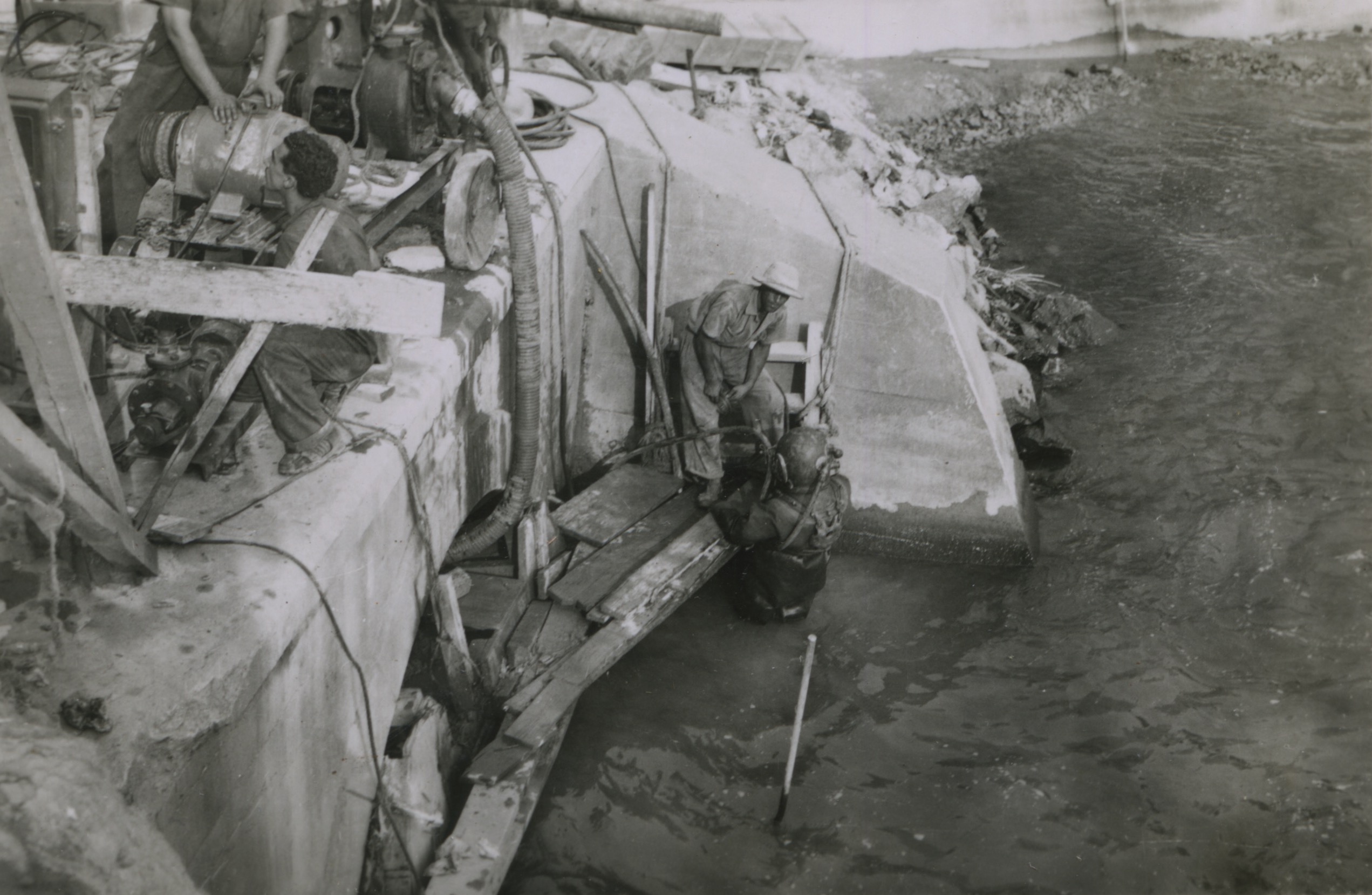
    Diversion tunnel; underwater works, Mabubas, Angola, 1951 [AHU, Inspection Report, OP3010]

    Summary

    The Mabubas Dam, built in Angola between 1948 and 1954, was the first major infrastructure project promoted by the Portuguese state in Africa. It was designed to bolster colonialism against the growing criticism after World War II. Located near the country’s capital, Luanda, the dam’s sheer size—70 meters in length—transformed the area into a bustling, dynamic construction site. This project involved thousands of people, multiple tasks, and complex labor interactions.

    This article delves into two illustrated reports written by Portuguese engineers at different stages of the dam’s construction, offering a unique insight into the project’s evolution and the contrasting perspectives of the experts involved. While their technical expertise was paramount, their observations reveal a more complex and often conflicting narrative about the colonial enterprise. The first report, dating from 1948, included a series of monthly accounts and emphasized the technological advancements and ‘modernity’ of the dam endeavor. The second report, written in 1949, shifts focus to the daily realities of the construction site, providing a more nuanced, and arguably more critical, view of the project’s socio-spatial dimensions.

    These materials reveal interactions, conflicts, and contradictions arising from different actors and agendas. In particular, the photographs provide new and deeper layers of information by telling parallel stories to the written records. This information highlights how the engineers navigated the site and the often-overlooked contributions and struggles of marginalized groups. Women, for example, who were absent from the text, could be seen in the images. This disparity between the textual and visual sources raises important questions: What can we learn about the roles and tasks assigned to workers, the racial inequalities embedded in the system, and the dynamics of gender relations? What can be learned from this technical gaze and different photograph perspectives – simultaneously “colonial” and “negotiated” – about the engineers’ interactions within the construction site, as well as those of the workers being photographed? The article explores the differences between the words and photographs in the reports from different perspectives and on different topics. This challenges the nature of colonial narratives and offers fresh insights into spatial production, labor interactions and how power and landscapes were constructed, documented and remembered.

    Read the full article here.

  • Participation in Seminar “Buildings, Space, Power: Postcolonial and Decolonial Histories of the Built Environment”

    Participation in Seminar “Buildings, Space, Power: Postcolonial and Decolonial Histories of the Built Environment”

    Seminar: Buildings, Space, Power: Postcolonial and Decolonial Histories of the Built Environment

    Organiser: Itohan Osayimwese (inviting Professor)
    Authors: Beatriz Serrazina
    Date: 13 April 2026

    Location: Brown University [online]


    Summary

    Participation in the Seminar Buildings, Space, Power: Postcolonial and Decolonial Histories of the Built Environment, coordinated by Professor Itohan Osayimwese, at Brown University. It consisted of a presentation on the ArchLabour project and a brief report on the Colonial and Post-Colonial Conference: Architecture, Cities, Labour, which took place in Lisbon in February 2026. It also included the presentation of ongoing research and a conversation with graduate students about the book chapter ‘Building the Fringes of Empire: Mining Companies, Transnational Experts, Race and Space in Colonial Africa’, which was published in the Critical Companion to Race and Architecture (Routledge, 2025), edited by Felipe Hernández and Itohan Osayimwese. Topics discussed ranged from oral history as a methodology and extractivism to race and racism, expertise and skills, the production of spatial knowledge over time, archives and the selective mobilisation of socio-spatial categories.

    More about the seminar here.

  • A construção territorial de Cabo Verde – Diálogos entre ilhas: As facetas invisíveis da ocupação do interior

    A construção territorial de Cabo Verde – Diálogos entre ilhas: As facetas invisíveis da ocupação do interior

    Publication: Arquipélagos em Diálogo, VI Seminário Internacional AEAULP
    Authors: Fernando Pires
    Editors: Pedro Rodrigues, Ljijana Čavić and Hugo L. Farias

    Date: 2026


    Áreas mais povoadas da Ilha de São Nicolau. Intervenção sobre pormenor da carta de António Carlos Andreas (c. 178.). Biblioteca Pública Municipal do Porto, Pasta 24. Figura 30.
    Áreas mais povoadas da Ilha da Boavista. Intervenção sobre pormenor da carta de António Carlos Andreas (c. 178.). Biblioteca Pública Municipal do Porto, Pasta 24. Figura 29.

    Summary

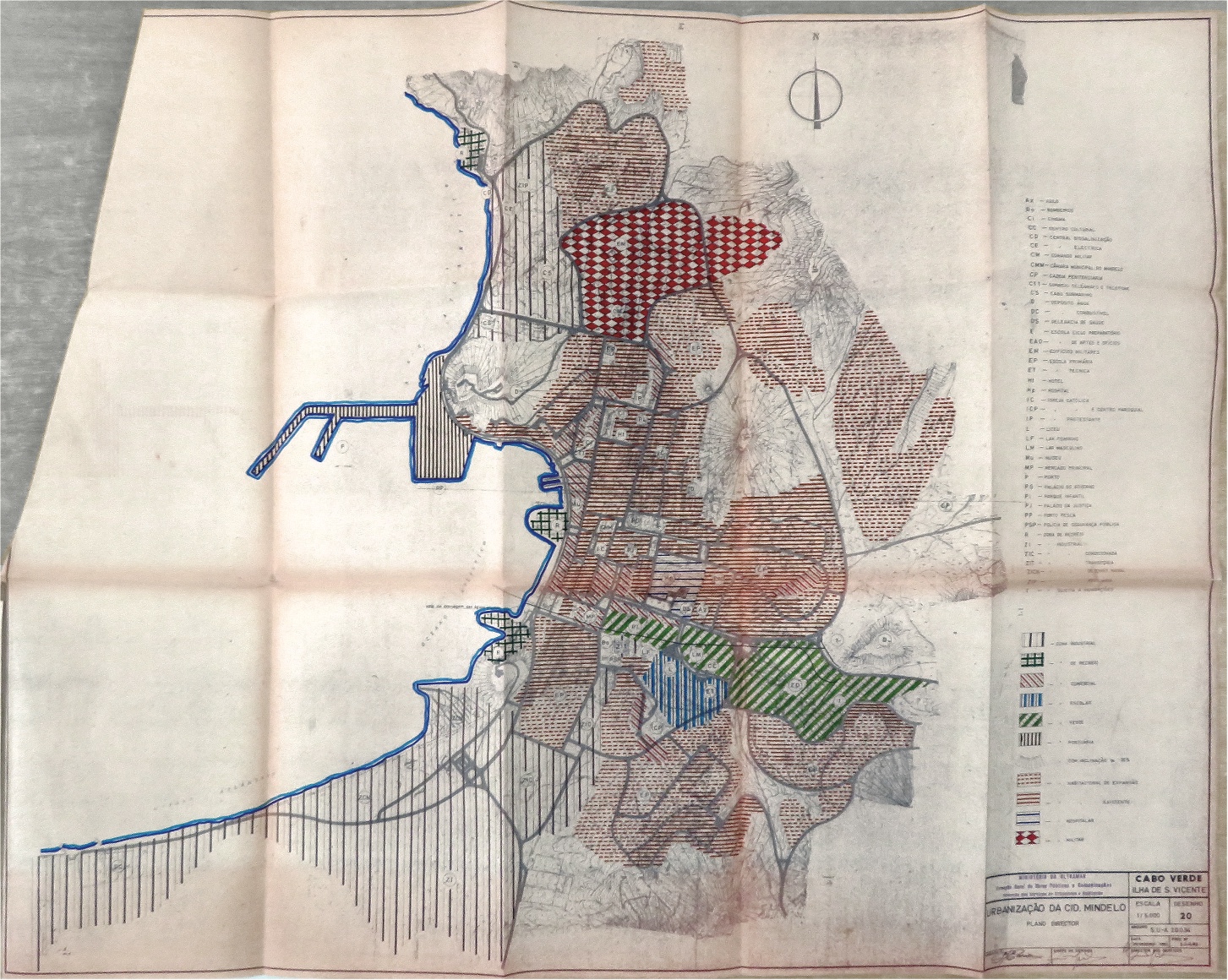
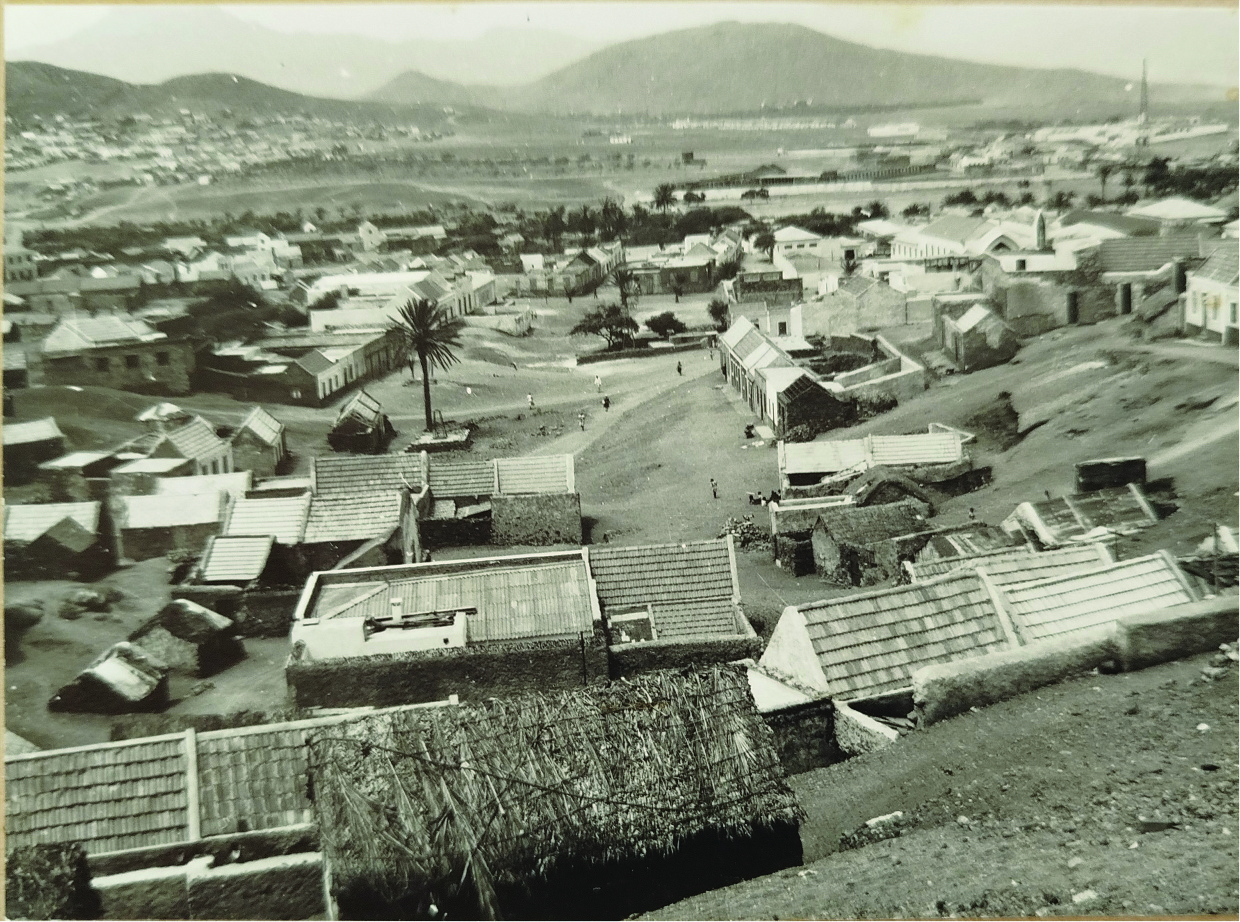
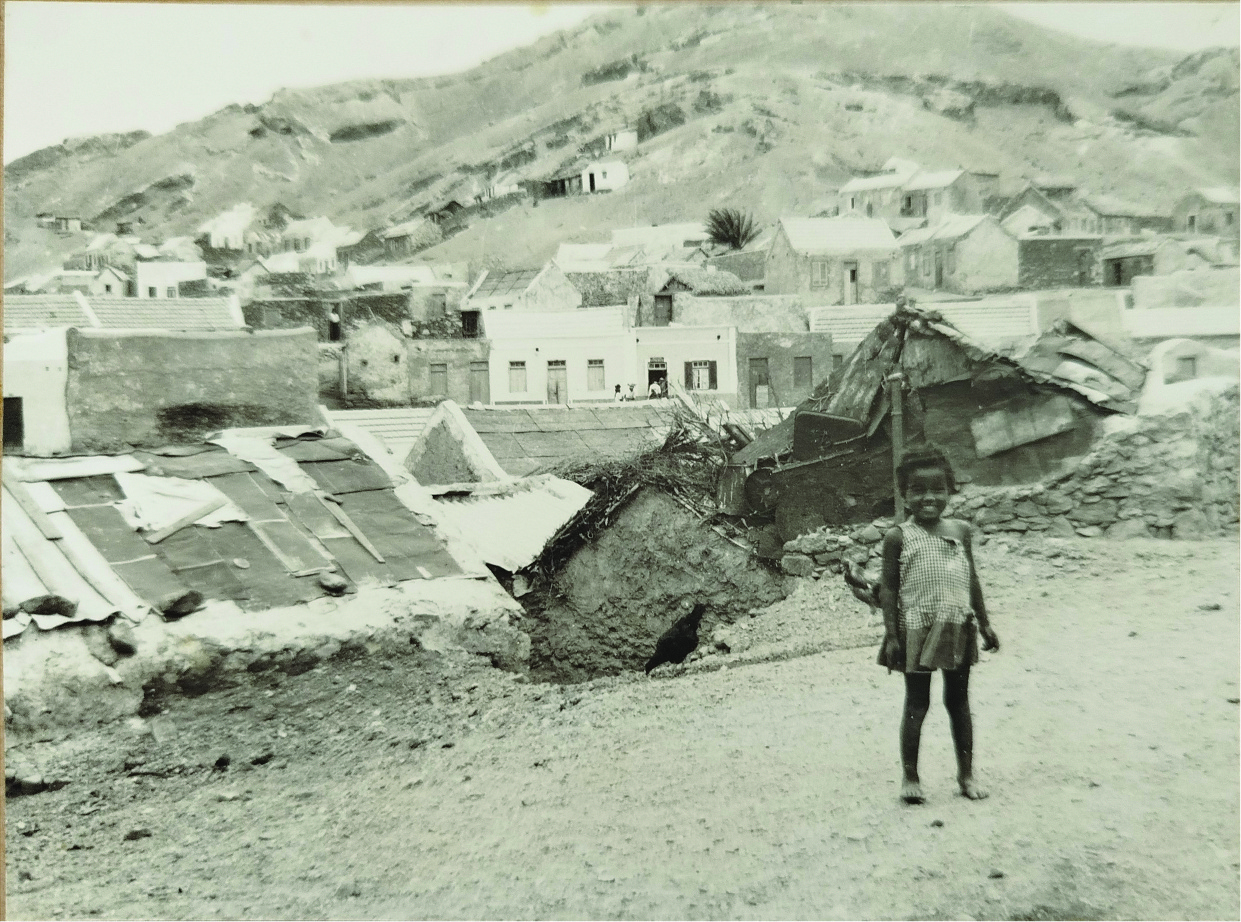
    O processo de construção e estruturação do território em Cabo Verde ocorreu de forma lenta e desigual. Essas caraterísticas confirmam a dificuldade em desenhar os seus contornos, sobretudo pela sua longa temporalidade, quase quatro séculos, e também pela natureza cíclica que o acompanha. Os ciclos de povoamento e ocupação das ilhas estão correlacionados com as diferentes fases da história do arquipélago e com a estreita ligação que se estabelece em cada uma delas com as sucessivas transformações da sociedade cabo-verdiana, de escravocrata em camponesa. Nestes ciclos, irromperam cidades, vilas e povoações que organizaram, estruturaram e modelaram o território. São elas os núcleos a partir de onde se estabeleceu um diálogo contínuo entre as ilhas levantando questões relativas à própria identidade do arquipélago, que sucessivamente se reconfigurava. Neste artigo, pretende-se trazer para a discussão este processo e clarificar os interstícios da formação e estruturação do território em Cabo Verde, tendo em conta os diferentes agentes e temporalidades das transformações do território, onde se incluem europeus, africanos e a população já nascida nas ilhas. A intenção é afastar-se da forma tradicional de leitura do processo, em que o foco prioritário são os núcleos urbanos do litoral, invertendo o olhar para o interior.


    [Eixo temático: 9. Cidade e território, (in)formalidades e temporalidades.]

    Read the article here.

  • Conhecer os trabalhadores e os processos de construção através de registos fotográficos de obras em Macau (1938-1973)

    Conhecer os trabalhadores e os processos de construção através de registos fotográficos de obras em Macau (1938-1973)

    Publication: Arquipélagos em Diálogo, VI Seminário Internacional AEAULP
    Authors: Ana Vaz Milheiro
    Editors: Pedro Rodrigues, Ljijana Čavić and Hugo L. Farias

    Date: 2026


    Construção de infra-estruturas na Rua Conselheiro Horta e Costa (Gastão Borges, Repartição Técnica de Obras Publicas de Macau, Relatório do ano de 1940, p. 138, AHU: OP01964/Photo)
    Hangar em construção com trabalhadores chineses em primeiro plano e ao fundo o tecnico com chapeu colonial(José Rodrigues Moutinho, Repartição Técnica de Obras Publicas de Macau, Relatório do ano de 1939, AHU: OP01963/Photo)

    Summary

    How did the workers who built Macau’s major infrastructure and public buildings under Portuguese rule influence the design and construction processes? What was the relationship between central institutions based in Portugal and the Macanese Public Works Office, which was also heavily influenced by technicians from China and Hong Kong?
    This presentation attempts to answer these questions by analysing two sets of photographs contained in two administrative reports separated by about four decades. While one of them anticipated the Second World War, corresponding to the full implementation of the Colonial Act (1930); the other was contemporary with the end of Portuguese colonialism in Africa, coinciding with a sequence of public works that would ultimately Portuguese governance until the 1999 handover, such as the Macau-Taipa Bridge.
    The first report was written in 1938 by engineer José Rodrigues Moutinho, who headed the Technical Department of Public Works in Macau. The second report reproduces the architect Pedro Quirino da Fonseca’s fieldtrip to Macau around 1973. This report serves this research by demonstrating how the architect’s gaze was often “sidetracked” to surveying the buildings rather than the construction process.
    Research on colonial public works in Macau, especially in the 20th century, is still scarce, and little is known about their management and labour. In response, this paper will assess the impact of the work reproduced in these images to investigate the role of these (still) invisible workers.


    [Eixo temático: 5. Património, lugar e memória.]

    Read the article here.

  • A Arquitecta Milanka Lima Gomes na Guiné-Bissau: da cooperação internacional às “brigadas” técnicas e de construção

    A Arquitecta Milanka Lima Gomes na Guiné-Bissau: da cooperação internacional às “brigadas” técnicas e de construção

    Publication: Arquipélagos em Diálogo, VI Seminário Internacional AEAULP
    Authors: Francesca Vita, Leonor Matos Silva
    Editors: Pedro Rodrigues, Ljijana Čavić and Hugo L. Farias

    Date: 2026


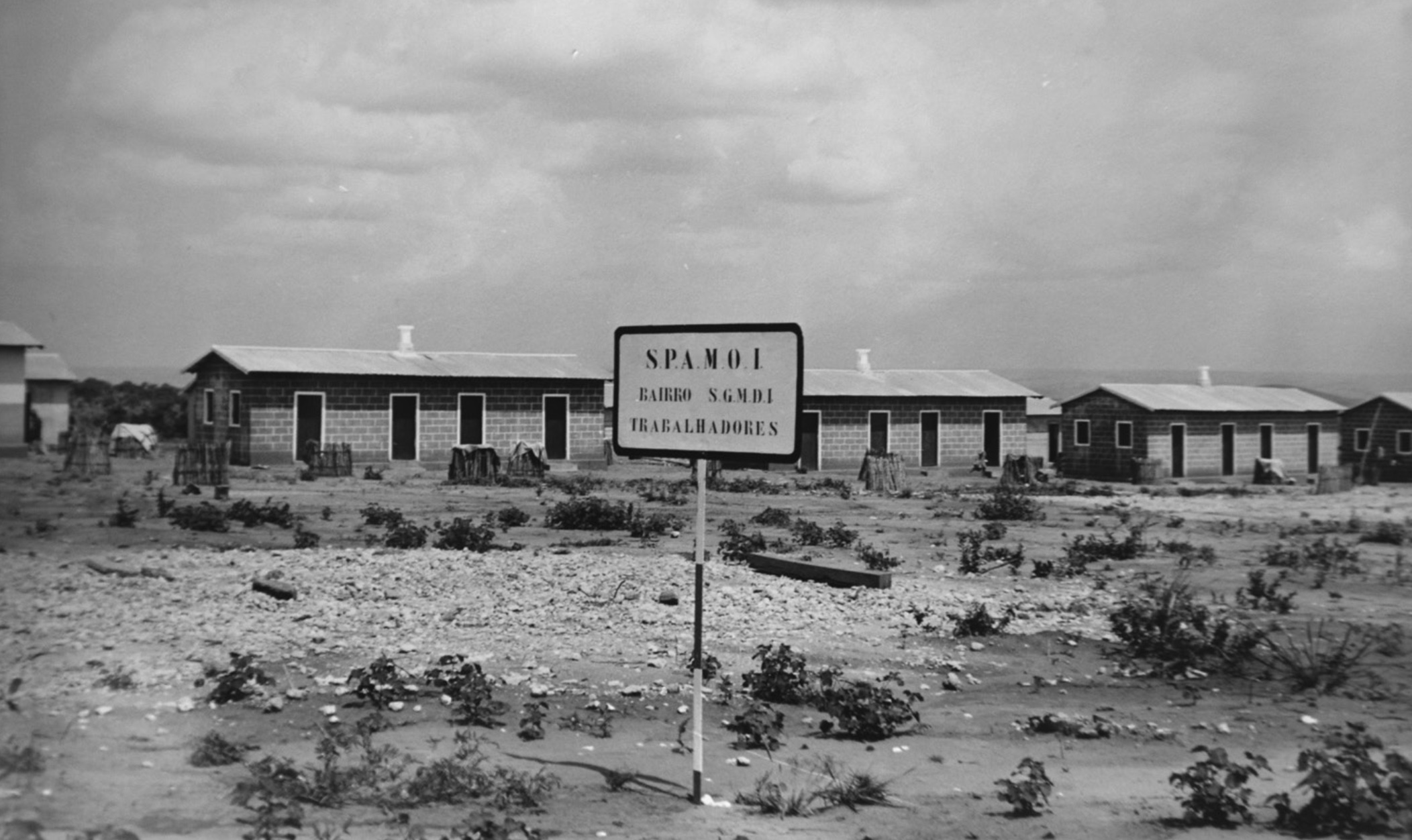
    Estaleiro de obra das casas do Bairro-piloto de trabalhadores em Brá, Bissau (1978). Colecção privada de Milanka Lima Gomes.
    Produção de blocos de terra estabilizada “nô cumpu”, Bairro-piloto de trabalhadores em Brá, Bissau (1978). Colecção privada de Milanka Lima Gomes.

    Summary

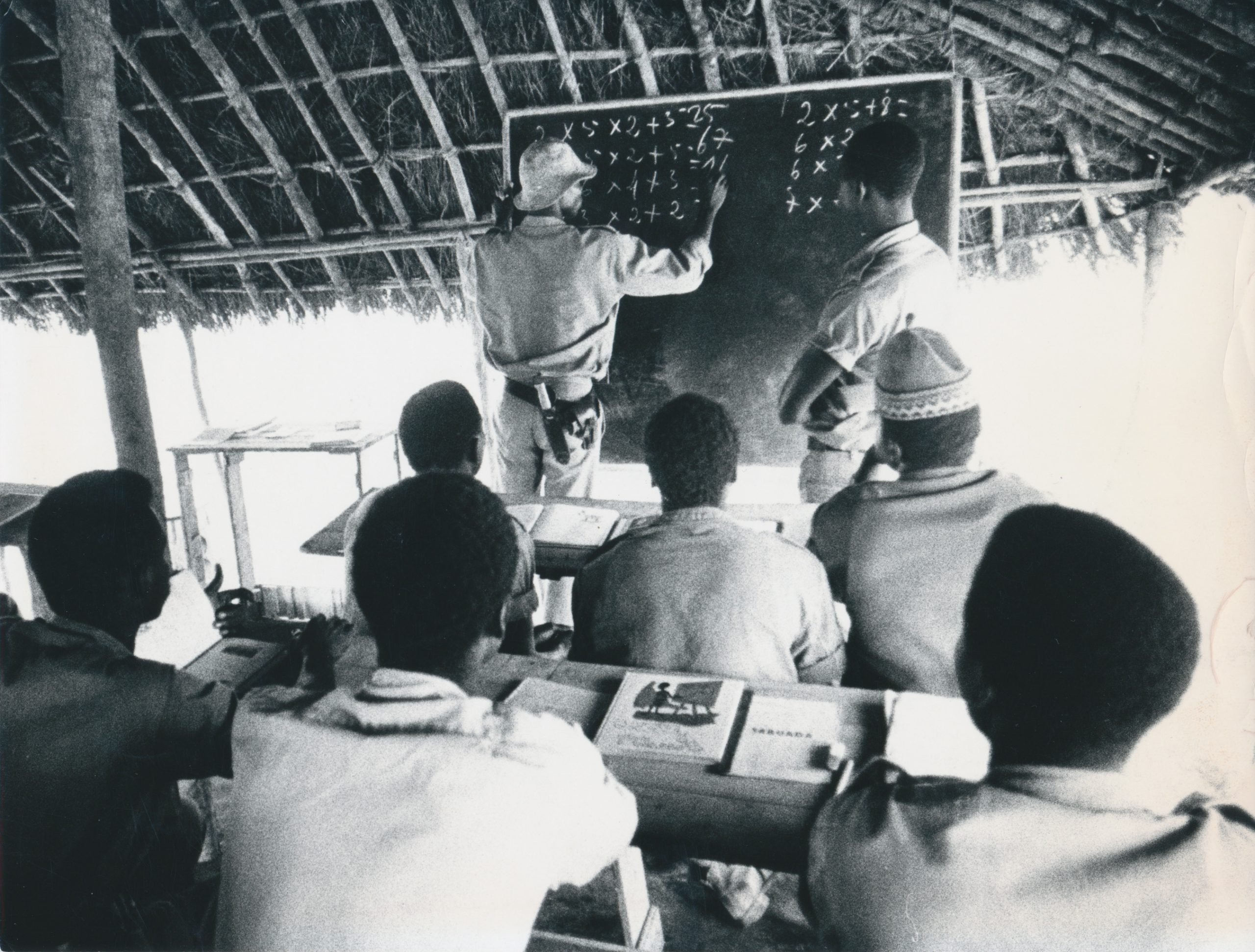
    Depois da independência de Portugal em 1974, a Guiné-Bissau iniciou um período de construção do recém estado-nação durante o qual a arquitectura e a construção civil ganharam protagonismo. Apoiados pela cooperação internacional, os esforços pós-independência assistiram à formação de equipas, ou “brigadas” técnicas e de construção multidisciplinares nas quais a arquitecta Milanka Lima Gomes, desempenhou um papel crucial. Este artigo examina o papel da arquitecta servo-guineense Lima Gomes, primeira Directora Geral de Planificação Urbana e Projectos (1974-1991), com cerne de uma rede única de profissionais, homens e mulheres dedicados à construção da nação pós-independência, onde a arquitectura, a política, e as alianças internacionais se cruzaram. Através da recolha de fontes primarias, este estudo destaca, o papel de Lima Gomes na coordenação das referidas “brigadas” e delineia pela primeira vez os actores que nelas participaram, as suas trajectórias e os sistemas de apoio e mútua influência que estes técnicos criaram enraizados na solidariedade e alinhados com os ideais políticos do Estado recém soberano. Os cooperantes, politicamente empenhados, muitas vezes vistos como uma elite, criaram laços no seio das suas “brigadas” bem como nas comunidades locais, fundindo a colaboração profissional com o empenho partilhado no crescimento da nação.


    [Eixo temático: 4. Contaminações e transversalidades]

    Read the article here.

  • [CALL FOR ABSTRACTS] Displacing the Drafting Board: Women, Labor, and the Construction Site

    [CALL FOR ABSTRACTS] Displacing the Drafting Board: Women, Labor, and the Construction Site

    Event: Society of Architectural Historians 2027 Annual International Conference
    Chairs: Ana Vaz Milheiro, Francesca Vita
    Date: 14 – 18 April 2026

    Location: Chicago, Illinois


    Summary

    Architectural historiography has addressed women’s agency in architecture through two predominant, yet often isolated, approaches. On the one hand, it has relied on biographical methodologies that highlight leading figures as designers and decision-makers who stood out in the conception of buildings and infrastructure, following the pioneering work of Susana Torre (1977). On the other hand, scholars have sought to recognize the collective role of women as part of the labor force, often categorized as unskilled workers within contexts of precarity (Jha, 2020; Melsens, 2024 Milheiro, 2025). Based on this dual approach, this session focuses on the construction site as the central stage for expanding women’s role in architecture, metaphorically shifting the drafting board to the place where the project is actual built. The aim of this session is to interrogate the physical and social dimension of architectural construction not merely as a site for project execution, but as an ecosystem where diverse forms of female agency also existed. We are looking for papers that intersect biographical histories of women – ranging from designers, work yard supervisor, craftswoman, and others who possessed technical or vocational training and earned wages (Kleinöder, 2022) – with construction sites. By investigating these professional and labor trajectories within the construction site, this session seeks to question: In what ways did the physical presence of women on-site alter construction dynamics and the material culture of architecture? How did gender shape technical authority across different geographical and chronological contexts, with particular emphasis on the 18th, 19th, 20th century?

    By combining archival material and oral history, this session seeks to expand the historiographical canon by recognizing the construction site as a space of social negotiation where intellectual and manual labor meet, thereby revealing the complexity of women’s participation in the materialization of the built environment.

    Click here to submit your proposal

  • Concrete Colonialism: Material Power and Non-human Agency in Angola and Mozambique

    Concrete Colonialism: Material Power and Non-human Agency in Angola and Mozambique

    Event: VII CHAM Conference: On the Move
    Authors: Beatriz Serrazina, Francesca Vita
    Date: 15 – 18 April 2026

    Location: Colégio Almada Negreiros, Faculdade de Ciências Sociais e Humanas da Universidade Nova de Lisboa


    Mabubas Dam, Upstream and downstream views of the spillway, 1951
    [AHU, OP5602]
    Cabora Bassa, Construction site with cement and aggregate silos in the foreground [ANTT, 010/0027/00027]

    Summary

    This paper explores the role of concrete as a central nonhuman actor in the construction of the Mabubas Dam (Angola, 1948–1956) and the Cahora Bassa Dam (Mozambique, 1969–1974), two of the most ambitious infrastructural projects undertaken during Portuguese colonial rule in Africa. Far from being a passive material, concrete actively shaped the colonial built environment through its circulation, adaptation, and resistance. Drawing on colonial engineering reports and construction site photographs, the paper argues that the mobilities and immobilities of concrete – its extraction, transport, building techniques and structural limitations – impacted colonial ambitions, dictating where and how power could be spatially imposed, by who or what.

    The dams were not just technical achievements, but also symbols of colonial modernity, progress and imperial permanence. Yet their construction depended on the successful movement and response of concrete across challenging landscapes, labour regimes and other non-human agents, like rivers. In both Angola and Mozambique, concrete had to be localised and moulded – to climatic conditions, terrain, and available raw materials – demonstrating its active role in shaping every stage of the building process from conception to construction. These processes reveal how concrete connected colonial building sites through standardised technologies, not just as a medium but also as a co-author of form and temporality, while also producing uneven landscapes of extraction and labour exploitation.

    This paper places material infrastructure at the centre of (trans)colonial negotiations, emphasising the agency of concrete within a shared imperial framework. It discusses how the materiality and limitations of concrete reflected and enacted various dynamics of power, construction skills and design practices throughout the Portuguese empire in Africa. In doing so, it aims to contribute to ongoing discussions on non-human actors in architectural history.

    [Panel 20: Nonhumans Mobilities and Immobilities in the Colonial Built Environment, organized by Alice Santiago Faria].

  • Fragmentos de resistência. Uma contranarrativa sobre os aldeamentos estratégicos na Guiné- Bissau (1968-1974)

    Fragmentos de resistência. Uma contranarrativa sobre os aldeamentos estratégicos na Guiné- Bissau (1968-1974)

    Event: Workshop “Ditadura, instituições e quotidianos coloniais”
    Authors: Francesca Vita
    Date: 19 – 20 Março 2026

    Location: Universidade de Cabo Verde, Polo 3, Santa Catarina, Cabo Verde


    Saltinho resettled village, close up, GNB
    Strategic villages instructions, 1971

    Summary

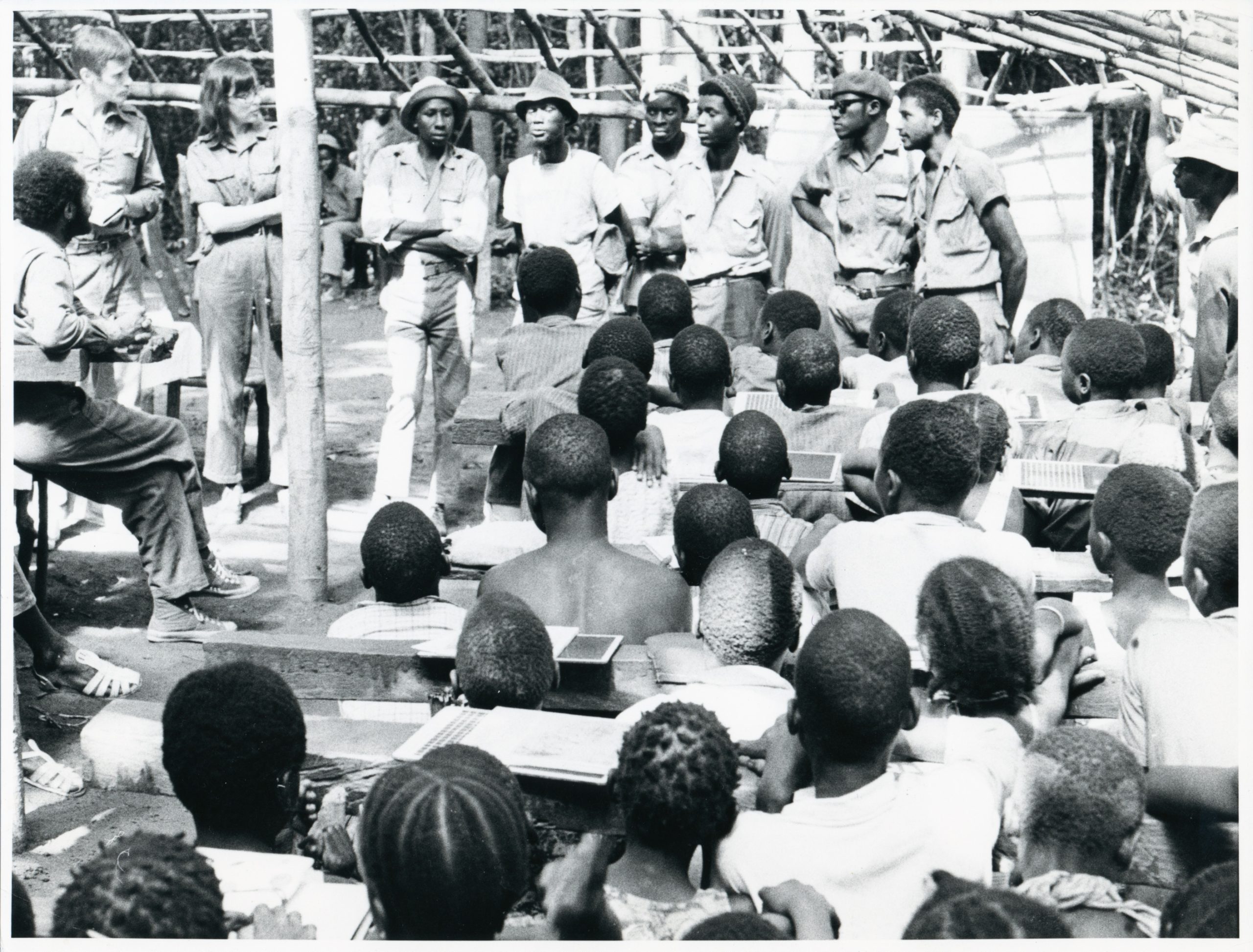
    Esta contribuição pretende estudar atos de resistência ativados por parte da população africana durante o programa de aldeamentos estratégicos implementado na fase final da guerra de libertação na Guiné-Bissau (1968-1974). Este programa, promovido a partir de 1968 pelo governador general António de Spínola, fazia parte de uma ampla estratégia de contrassubversão apta a conquistar o apoio da população, especialmente quem vivia em zonas militarmente estratégicas. Através da concentração, deslocação forçada e construção de novas infraestruturas, os aldeamentos estratégicos foram uma experiência disruptiva no modo de vida das populações rurais que foram sujeitas a uma nova organização socio-espacial e económica.

    Esta contribuição propõe discutir uma questão fundamental, até agora abordada apenas marginalmente pela literatura recente: de que forma estas populações reagiram à prática de serem “aldeadas”? Para resgatar a história dos aldeamentos estratégicos a partir da perspetiva das populações que aí viveram, examinam-se documentos visuais e audiovisuais produzidos por órgãos coloniais que retratam aparentemente “a distância” os aldeamentos concretizados. Através destas imagens e do discurso intrínseco a elas que celebra a ordem e o rigor militar do empreendimento, este artigo volta a olhar de perto os aldeamentos estratégicos, identificando fragmentos de resistência que no dia a dia desafiou (e continua a desafiar) as lógicas coloniais. Estes fragmentos são revelados, por exemplo, na forma como as casas-tipo foram adaptadas aos usos tradicionais subvertendo formas e funcionalidades da casa colonial. A análise fotográfica é acompanhada pela revisão de documentos de caráter militar, como as histórias das companhias que operaram no terreno ou os documentos enviados e recebidos pelo próprio Spínola, destacando uma realidade complexa, heterogénea e feita de negociações com as populações rurais e com a morfologia do país, desde as fases de construção. Esta comunicação propõe uma contranarrativa, feitas de fragmentos de pequenas histórias e locais, que contribui para o estudo dos aldeamentos estratégicos na Guiné-Bissau colocando as populações rurais no cerne da análise.