

Communication
Concrete Colonialism: Material Power and Non-human Agency in Angola and Mozambique
Event: VII CHAM Conference: On the Move
Authors: Beatriz Serrazina, Francesca Vita
Date: 15 – 18 April 2026
Location: Colégio Almada Negreiros, Faculdade de Ciências Sociais e Humanas da Universidade Nova de Lisboa
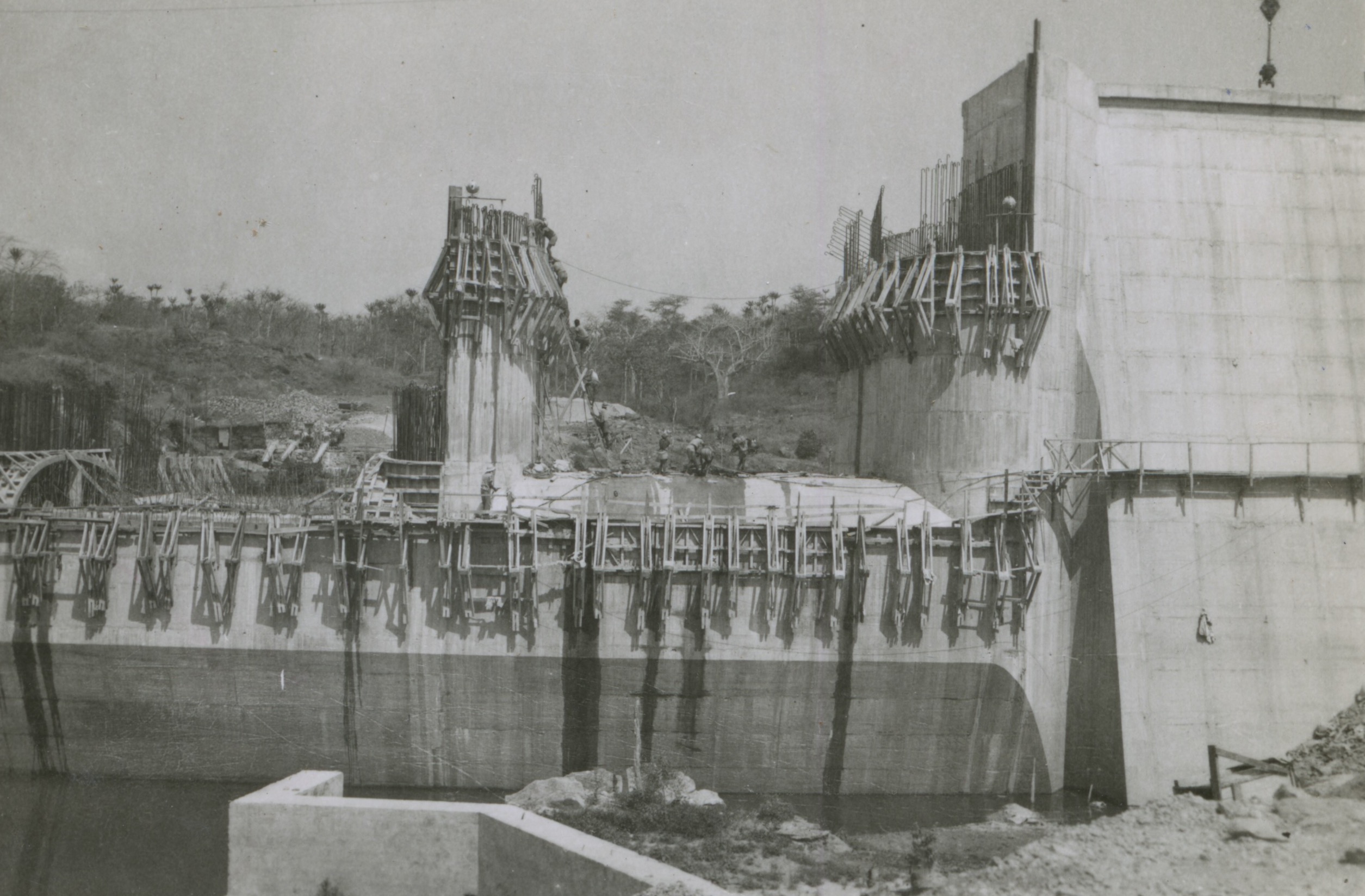
[AHU, OP5602]
Summary
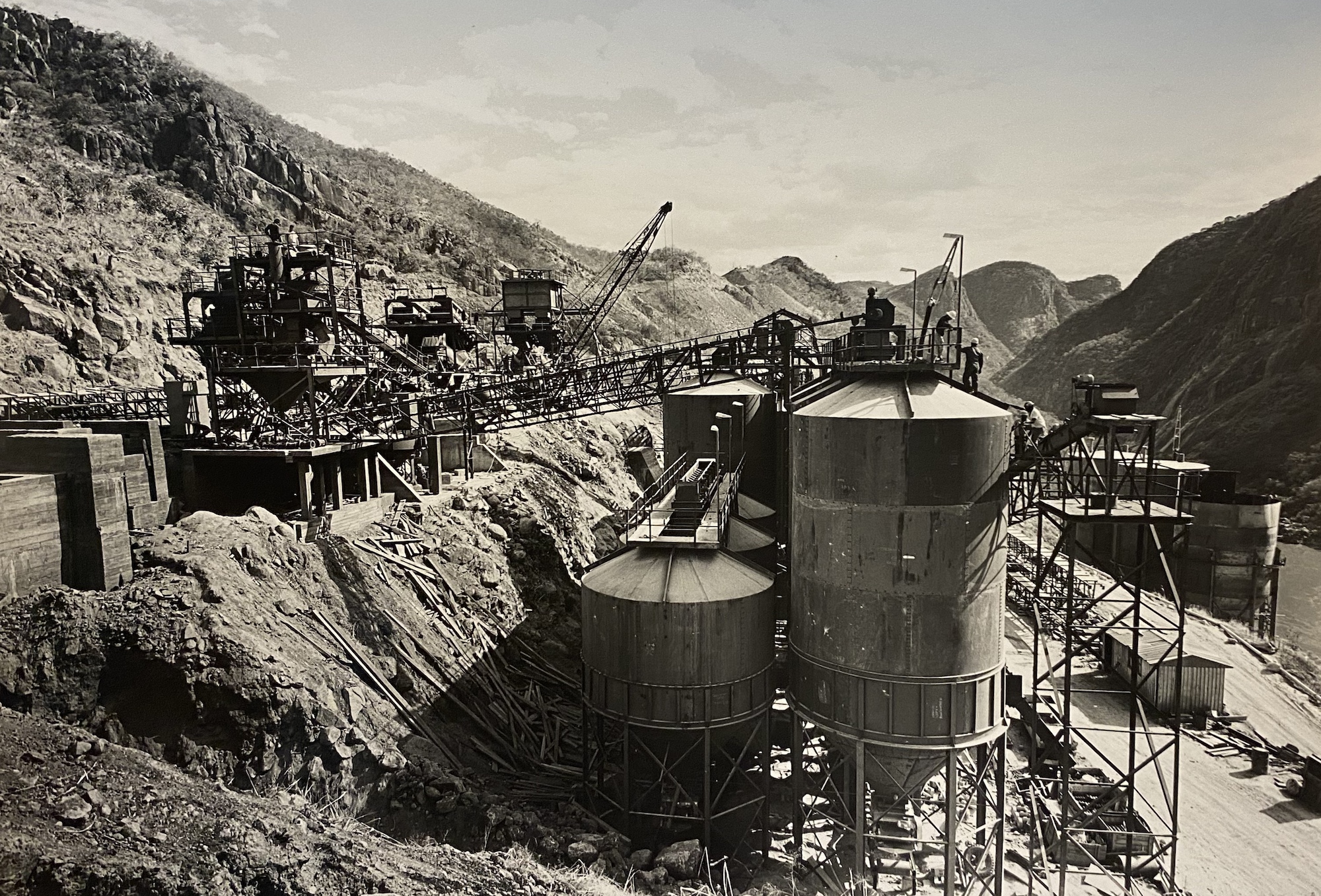
This paper explores the role of concrete as a central nonhuman actor in the construction of the Mabubas Dam (Angola, 1948–1956) and the Cahora Bassa Dam (Mozambique, 1969–1974), two of the most ambitious infrastructural projects undertaken during Portuguese colonial rule in Africa. Far from being a passive material, concrete actively shaped the colonial built environment through its circulation, adaptation, and resistance. Drawing on colonial engineering reports and construction site photographs, the paper argues that the mobilities and immobilities of concrete – its extraction, transport, building techniques and structural limitations – impacted colonial ambitions, dictating where and how power could be spatially imposed, by who or what.
The dams were not just technical achievements, but also symbols of colonial modernity, progress and imperial permanence. Yet their construction depended on the successful movement and response of concrete across challenging landscapes, labour regimes and other non-human agents, like rivers. In both Angola and Mozambique, concrete had to be localised and moulded – to climatic conditions, terrain, and available raw materials – demonstrating its active role in shaping every stage of the building process from conception to construction. These processes reveal how concrete connected colonial building sites through standardised technologies, not just as a medium but also as a co-author of form and temporality, while also producing uneven landscapes of extraction and labour exploitation.
This paper places material infrastructure at the centre of (trans)colonial negotiations, emphasising the agency of concrete within a shared imperial framework. It discusses how the materiality and limitations of concrete reflected and enacted various dynamics of power, construction skills and design practices throughout the Portuguese empire in Africa. In doing so, it aims to contribute to ongoing discussions on non-human actors in architectural history.
[Panel 20: Nonhumans Mobilities and Immobilities in the Colonial Built Environment, organized by Alice Santiago Faria].