
Category: News

  • Impérios corporativos: As genealogias transnacionais da arquitectura sócio-recreativa no colonialismo português (1930–1970)

    Impérios corporativos: As genealogias transnacionais da arquitectura sócio-recreativa no colonialismo português (1930–1970)

    Event: Workshop “Ditadura, instituições e quotidianos coloniais”
    Authors: Beatriz Serrazina
    Date: 19 – 20 Março 2026

    Location: Universidade de Cabo Verde, Polo 3, Cabo Verde


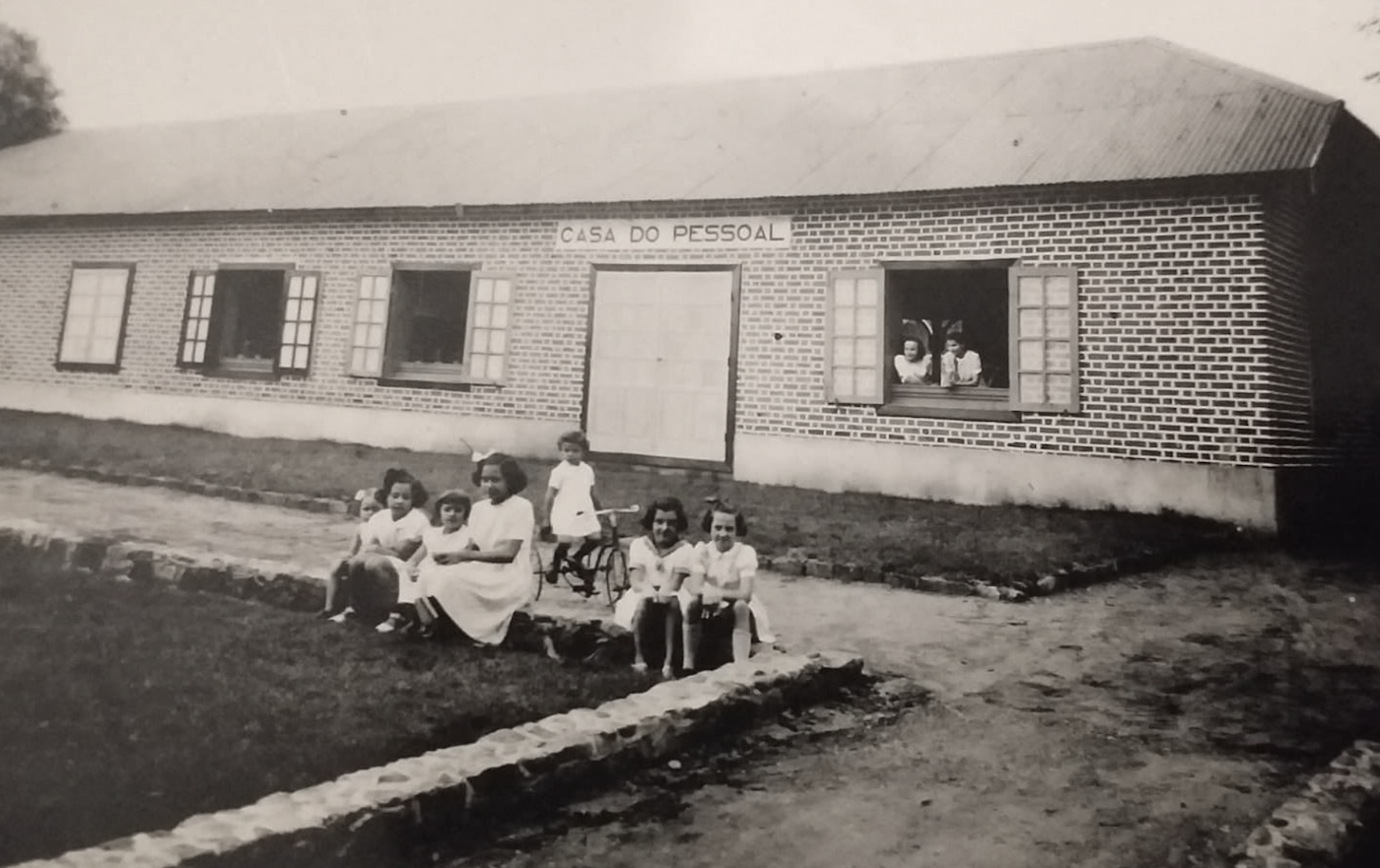
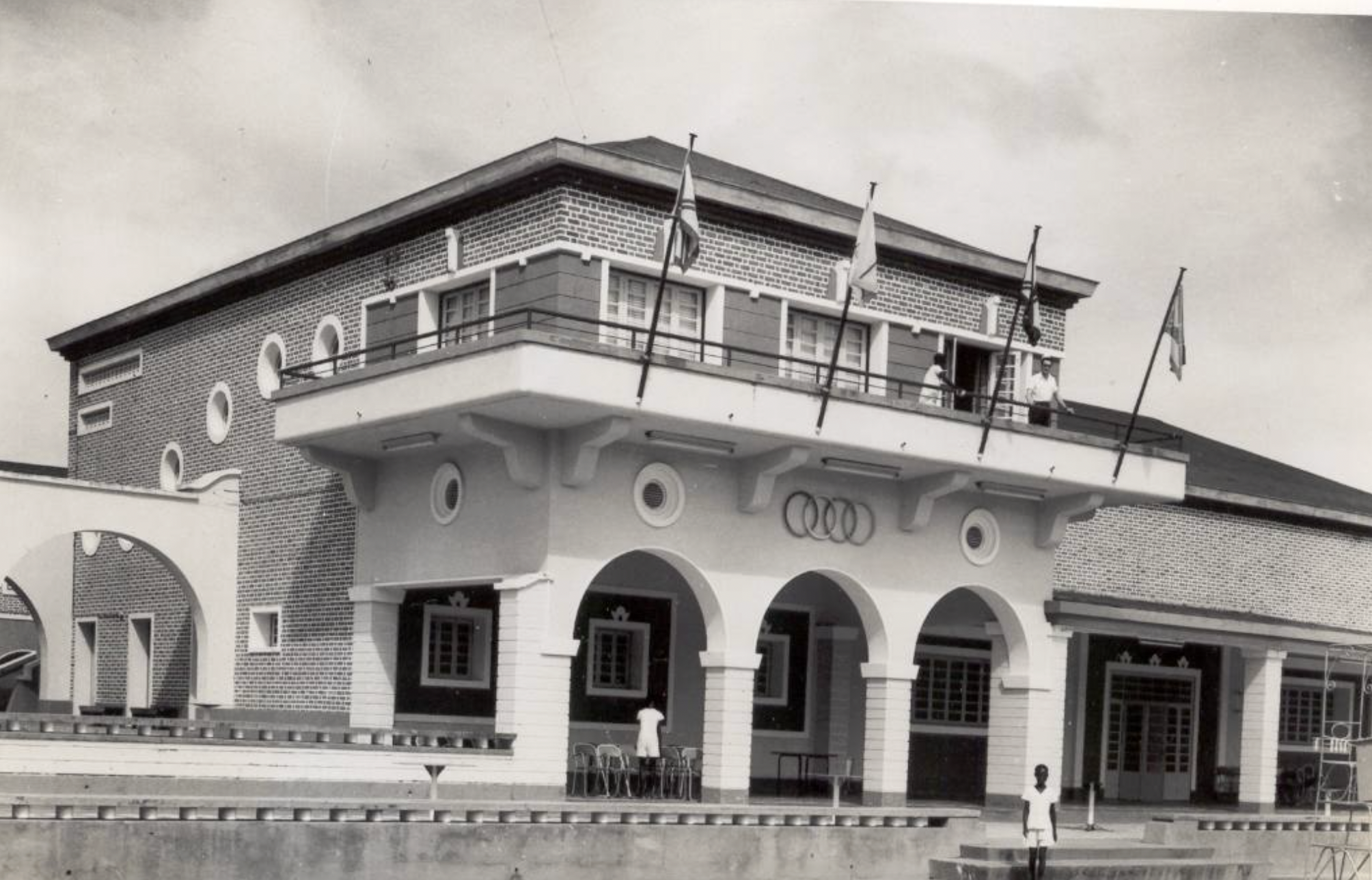
    Diamang Main Staff House, Dundo, 1950s [DCV-UC/AD]
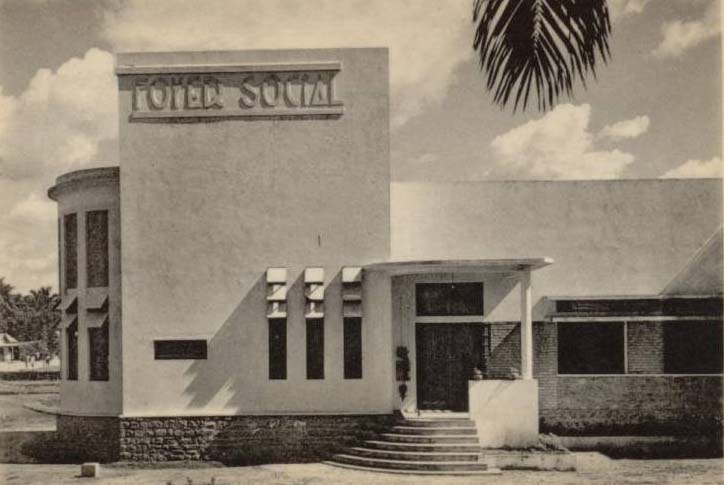
    Foyer Social, Kinshasa, Belgian Congo, 1940

    Summary

    As actividades da Diamang na Lunda, no nordeste de Angola, ao longo do século XX, no âmbito do colonialismo português, envolveram não só a extracção de diamantes como também a construção de infraestruturas, habitação e equipamentos colectivos nas mais variadas escalas e programas. Esta apresentação visa a Casa do Pessoal da companhia, criada em 1936 e com sucessivas expansões nas décadas seguintes, explorando as diversas materializações da instituição e respectivos contextos de produção. Organizada como espaço fundamental na ordem social na Diamang, simultaneamente incluindo e separando diferentes grupos sócio-raciais, a Casa do Pessoal revela múltiplas interacções com a população e o seu quotidiano, do planeamento e construção à utilização, adaptação e negociação.

    As dimensões formais e funcionais da arquitectura parecem evidenciar semelhanças que desafiam concepões tipológicas e retóricas das instituições sociais e recreativas que sustentaram ambições políticas de controlo social. Neste sentido, a apresentação propõe uma abordagem cruzada entre a Casa do Pessoal, a Casa do Povo e os Centros Recreativos – instituições planeadas e construídas entre as décadas de 1930 e 1970 em geografias industriais que dialogaram com Diamang, tanto a nível territorial, como do ponto de vista económico e corporativo. A análise sublinha a importância de considerar conexões mais amplas e complexas entre o aparelho do Estado Novo português e a sua dimensão colonial, num campo historiográfico em que as intersecções no eixo metrópole-colónias suscitam ainda importantes questões analíticas, e também com outras geografias próximas, nomeadamente o caso do Congo Belga, desafiando os limites do nacionalismo metodológico. As relações directas com as pretensões sócio-recreativas da FNAT ou as cartilhas laborais belgas, anunciadas pela própria companhia, ou as apropriações formais feitas na Lunda a partir das propostas arquitectónicas para as Casas do Povo em Portugal, no final da década de 1940, indiciam diálogos que complicam genealogias de poder, ordem e contestação.

  • Construction and labour in motion. A methodological approach to film images of colonial infrastructures

    Construction and labour in motion. A methodological approach to film images of colonial infrastructures

    Event: Construction History and Films International Symposium
    Authors: Francesca Vita, Beatriz Serrazina, Ana Vaz Milheiro
    Date: 19 – 20 February 2026

    Location: CIUL, Lisbon, Portugal


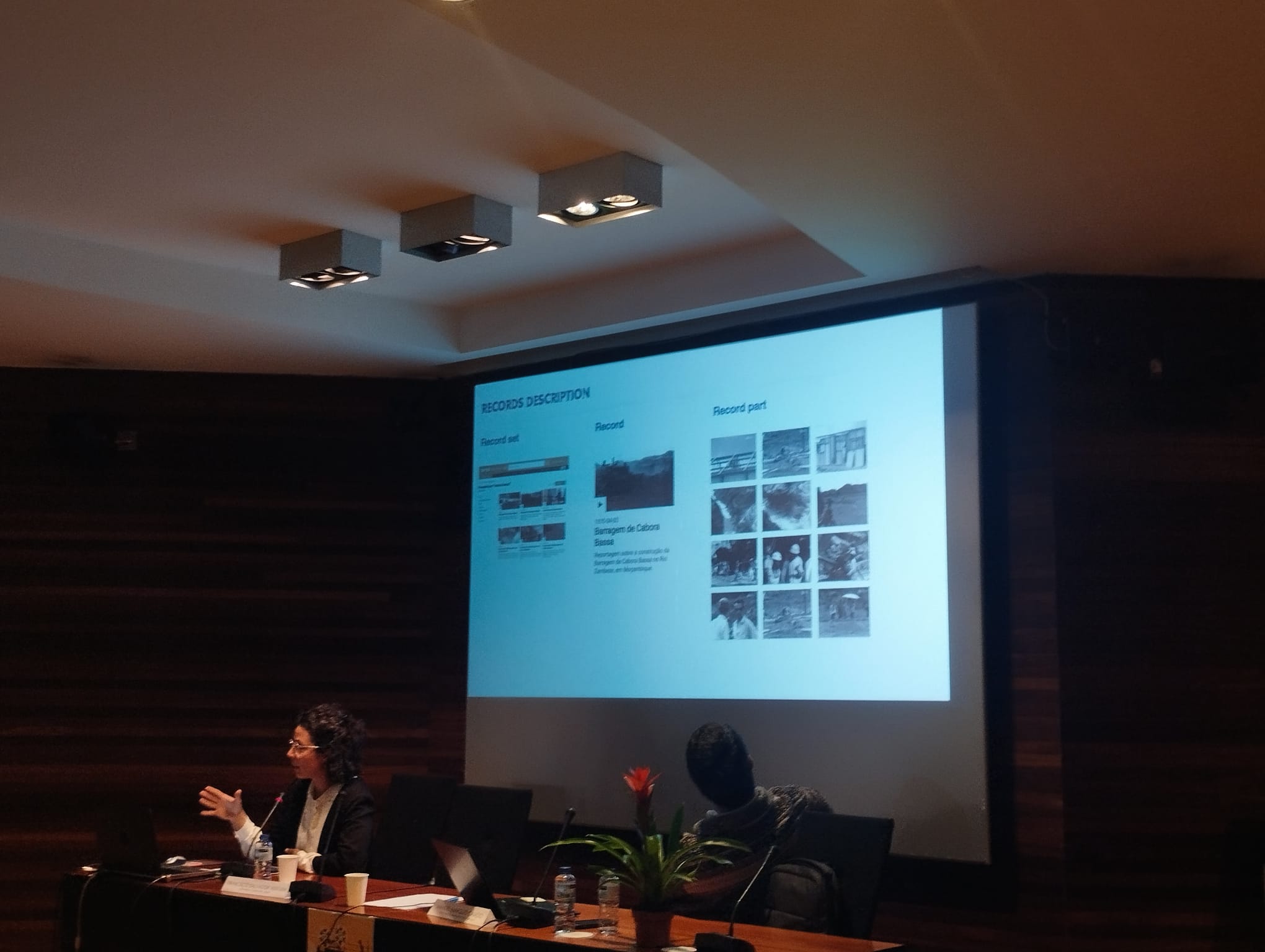
    “Construction and Labour in motion” presentation, 2026
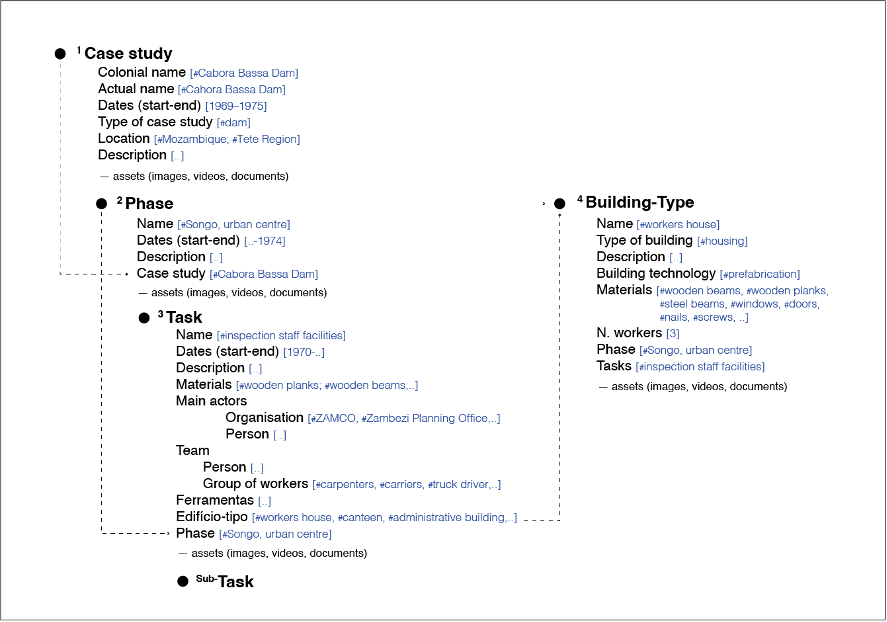
    Database structure

    Summary

    This paper focuses on the cataloguing, data processing and visualisation of film images for studying construction and labour history during Portuguese colonial rule in Africa. As part of the European-funded project Architecture, Colonialism and Labour (ArchLabour), which examines the impact of labour on colonial architecture, this paper explores how the ArchLabour team has shaped a methodology of visual information management through the creation of a digital database that places film images at the centre of queries on the construction and labour of major colonial infrastructures, including dams, railways, settlements, ports and airports. What methods can be used to trace the multiple dimensions of construction and labour represented in colonial film images? How do tools of data management can assist research on construction history, establishing new relationships between categories and revealing unnoticed aspects of construction? How can data from the visualisation of films help research on construction history and labour?

    The paper discusses the design of a digital database, built from scratch by the ArchLabour team together with a group of visual programming experts, and explores how visual data management can be applied for studying colonial construction and labour. In this light, it contributes with a practical example of film images analysis and proposes operational ways to unveil invisibilities of construction history, subaltern labour, non-human actors and material agency.

  • Colonial Construction Practices in Portuguese News (1960s–1970s)

    Colonial Construction Practices in Portuguese News (1960s–1970s)

    Event: International Symposium Construction History & Film
    Authors: Beatriz Serrazina
    Date: 19 – 20 February 2026

    Location: CIUL, Lisbon, Portugal


    Two workers using trowels to plaster a brick wall [Construção civil em Benguela, 1968, RTP Arquivos]
    Team assembling moulds on a viaduct along the Cubal variant construction [Construção do caminho de ferro do Cubal, 1973, RTP Arquivos]

    Summary

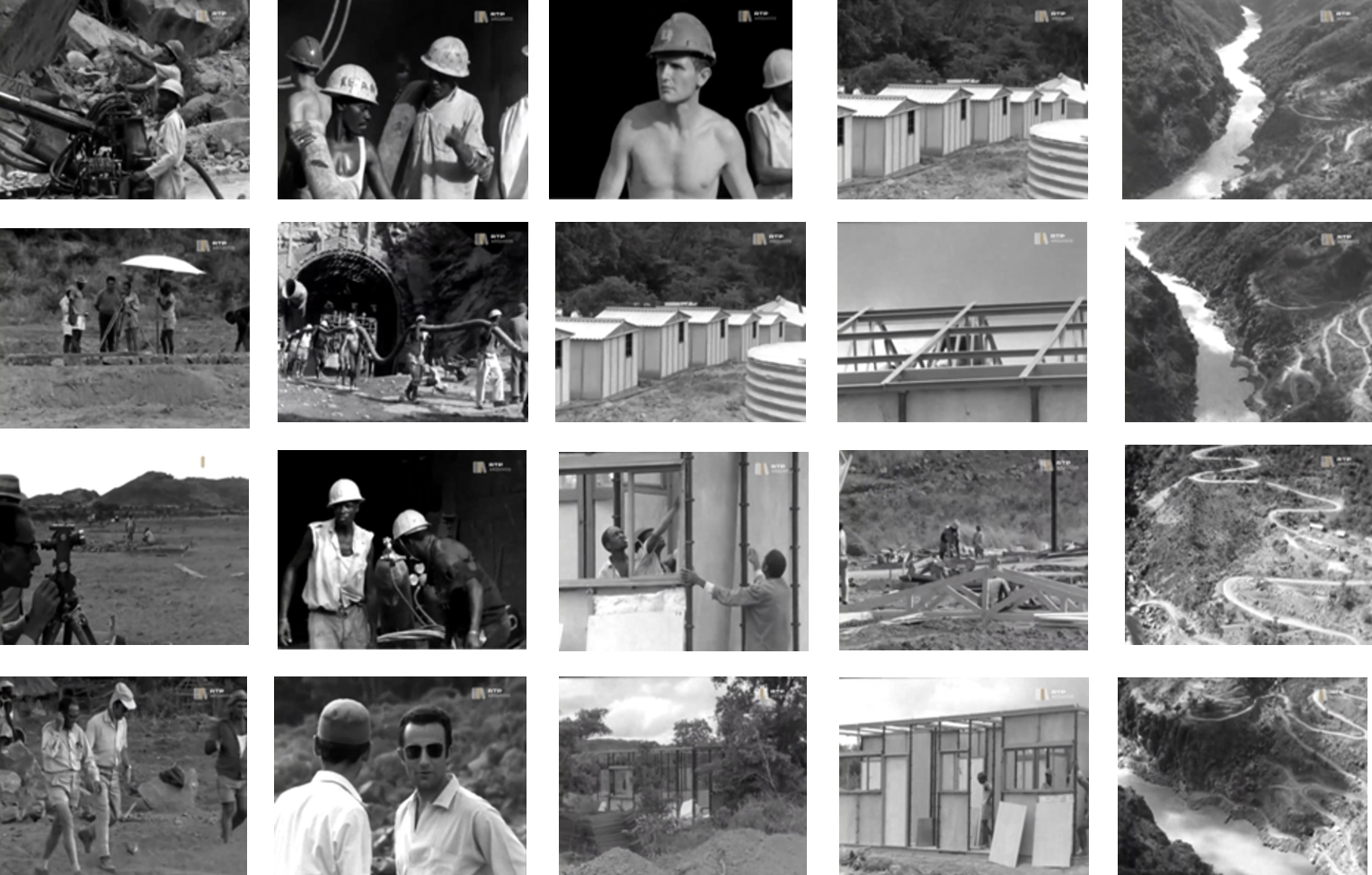
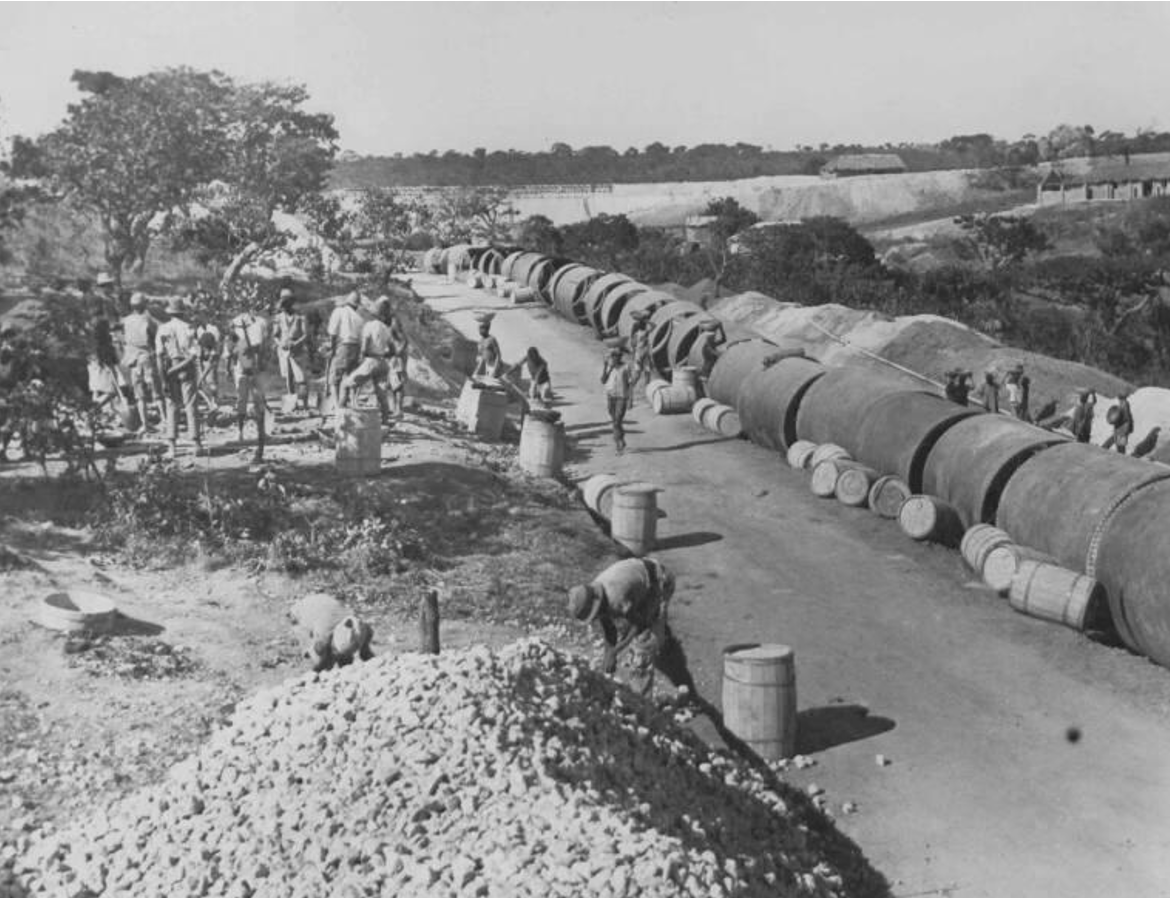
    This presentation examines a selection of short documentary films from the archives of RTP (Rádio e Televisão de Portugal), originally broadcasted on the Noticiário Nacional [National News] programme in Portugal in the 1960s and 1970s. Produced during the country’s late colonial period, these black-and-white films – between two to five minutes long – documented construction work in several territories in Africa under Portuguese rule. They covered a variety of contexts, typologies and scales: sanitation projects in Beira, Mozambique, building sites in Luanda, Angola, road construction in São Tomé, railways and bridges, and the monumental hydroelectric dams of Gove, Cambambe, and Cabora Bassa. Unlike written records, which mostly emphasised technical plans and quantitative aspects such as costs or completion deadlines, the moving images reveal the practical, hands-on dimensions of construction and public works, from materials to the coexistence of manual and mechanical work. They capture how infrastructures were assembled, how tools and machinery were handled by workers – frequently absent from technical reports –, and how labour was organised on site. The paper argues that these archival films constitute an invaluable visual archive for rethinking the history of construction and architecture within the context of empire, intersecting multiple dimensions of labour, technology, and material power.

  • Typology in Transition: Modern Housing and Postcolonial Urbanism in Luanda (Working Paper)

    Typology in Transition: Modern Housing and Postcolonial Urbanism in Luanda (Working Paper)

    Journal: Architecture + Infrastructures Working Paper Series 1: Colonial and Post-Colonial Landscapes: Architecture, Cities and Labour
    Authors: Inês Lima Rodrigues, Maria Alice Mendes Correia
    PrintDinâmia’CET-Iscte, 2026


    Built blocks Lots 3, 4 and 5, CTT Neighbourhood, Luanda. Simões de Carvalho and Lobo de Carvalho. Fernão Simões de Carvalho, personal archive.
    Kilamba Neighbourhood, Luanda. Works by Third Year students. Academic Year 2024-2025 MAC, AUN.

    Summary


    The architectural patterns of Luanda show how buildings survive political divisions and take on fresh ideological meanings throughout the urban past. The CTT district, developed between 1968 and 1974 by Fernão Simões de Carvalho and Lobo de Carvalho, combines the ultimate aims of Portuguese colonial modernism by seeking to strike a balance among logical planning, social diversity, and climatic adaptation. Emerging after CIAM’s internal discussions and the criticism of a universal modernism, the project converted these changing ideas into a colonial setting characterised by entrenched racial hierarchies and demographic pressure. Though only partially completed, the CTT complex served as a laboratory where post-CIAM issues with flexibility and urban identity were refracted through the managerial rationale of the Estado Novo. Following independence, the typological concepts employed in CTT reappeared in the twenty-first century “new centralities”, including Kilamba and Sequele. Created through Sino-Angolan collaboration and entrenched in neoliberal and post-socialist programs, these vast satellite cities recycled modernist superblock urbanism as a tool for state-led development, market creation, and socio-spatial control. Looking at the CTT complex in conjunction with its postcolonial legacies shows not only the tenacity of modern spatial logic but also the contested development of postcolonial identity, government, and labour, as revealed in typological continuities in Luanda. Hence, the CTT neighbourhood becomes a key hinge connecting late-colonial modernism to modern urbanism in Angola.

  • Tracing Public Works and Labour in Historical Archives: From the Arquivo Histórico Ultramarino to the National Archives of Cabo Verde

    Tracing Public Works and Labour in Historical Archives: From the Arquivo Histórico Ultramarino to the National Archives of Cabo Verde

    Journal: Architecture + Infrastructures Working Paper Series 2: Colonial and Post-Colonial Landscapes: Architecture, Cities and Labour
    Authors: Sónia Pereira Henrique, Filipa Lopes
    Print: Dinâmia’CET-Iscte, 2026


    Invoices for the purchase of materials for the public
    works project to repair the Central School of Praia, 1948.
    Courtesy of the CV, IANCV.
    Part of a salary sheet issued to destitute individuals
    employed on public works projects during the preparation of
    a main road on the island of Santiago, 1927.
    Courtesy of the CV, IANCV.

    Summary

    This paper outlines archival research conducted within the framework of the ERC ArchLabour project and examines the methodological potential of cross‑referencing metropolitan archives with local archives in former Portuguese colonial territories, with Cabo Verde as a focal point. The paper is organised into three sections. The first addresses the archival processing and study of public works records undertaken over the past fifteen years at the Arquivo Histórico Ultramarino in Lisbon. The second presents a preliminary survey of fonds and records relating to public works and labour at the National Archives Institute of Cabo Verde. The final section assesses the challenges and possibilities of cross‑referencing documentation between the two archives, drawing on a case study developed within the ArchLabour. Archival records are used to reconstruct the technical and administrative dimensions of public works projects, while personnel files and labour documentation from Cabo Verde provide insight into the everyday practices and labour experiences that shaped their execution. Combined, these materials demonstrate the methodological value of reading metropolitan and local archives in parallel to understand how colonial administrative processes were planned, negotiated and carried out.


    [Cover] Photograph of berm-side works at the São Nicolau aerodrome, from the BEAPU Report – Cabo Verde Detachment, 1961. PT/AHU/IPAD/MU/DGOPC/DSUH/1886/07501. Courtesy of the PT, AHU.

  • Promising forms and people: narrating the “Golden Age of Construction” in colonial Hong Kong

    Promising forms and people: narrating the “Golden Age of Construction” in colonial Hong Kong

    Promising forms and people: narrating the “Golden Age of Construction” in colonial Hong Kong

    Event: Colonial and Post-Colonial Landscapes. Architecture, Cities, Labour
    Author: Cecilia L. Chu, Chinese University of Hong Kong 
    Date: 13 Feb 2026
    Location: Calouste Gulbenkian Foundation, Lisbon

    Biographical note

    Cecilia L. Chu is an Associate Professor in the School of Architecture at the Chinese University of Hong Kong. Trained as an urban historian with a background in design and conservation, her work focuses on the intersection of professional and popular knowledge of architecture and the built environment. She is the author of Building Colonial Hong Kong: Speculative Development and Segregation in the City, which received the 2023 Best Book Award from the Urban History Association and the 2024 International Planning History Society Book Prize. Chu is a co-founder and past president of DOCOMOMO Hong Kong and an editorial board member of the Journal of Urban History, Journal of the Royal Asiatic Society Hong Kong, Surveying and Environment, and Built Environment. She received her PhD in Architecture from the University of California, Berkeley.

  • Building the Cunene agricultural settlement in Angola: a perspective on labour

    Building the Cunene agricultural settlement in Angola: a perspective on labour

    Event: III International Congress on Colonial and Post-colonial Landscapes: Architecture, Cities, Labour
    Authors: Filipa Fiúza
    Date: 11 – 13 February 2026

    Location: Lisbon, Calouste Gulbenkian Foundation


    The main irrigation canal of the Cunene agricultural scheme. Designed by a team headed by engineer Armando da Palma Carlos. Photo by Filipa Fiúza, 2024.
    A former settler’s house by architect João Tinoco, head of the 5th Technical Section – Urbanisation and Buildings of the Cunene Technical Brigade for Development and Settlement. Photo by Filipa Fiúza, 2024.

    Summary

    This paper analyses the construction of the Cunene Agricultural Settlement in southern Angola through the perspective of labour within Portuguese colonial development and settlement policies. In Angola, European-style agricultural exploitation of the territory began in the late nineteenth century with the settlement of European farmers and became more systematic in the second half of the twentieth century, when technical and financial means converged with colonial strategies that aligned development works with colonial settlement efforts, as articulated by Vicente Ferreira in 1927. The Cunene settlement followed this logic closely.

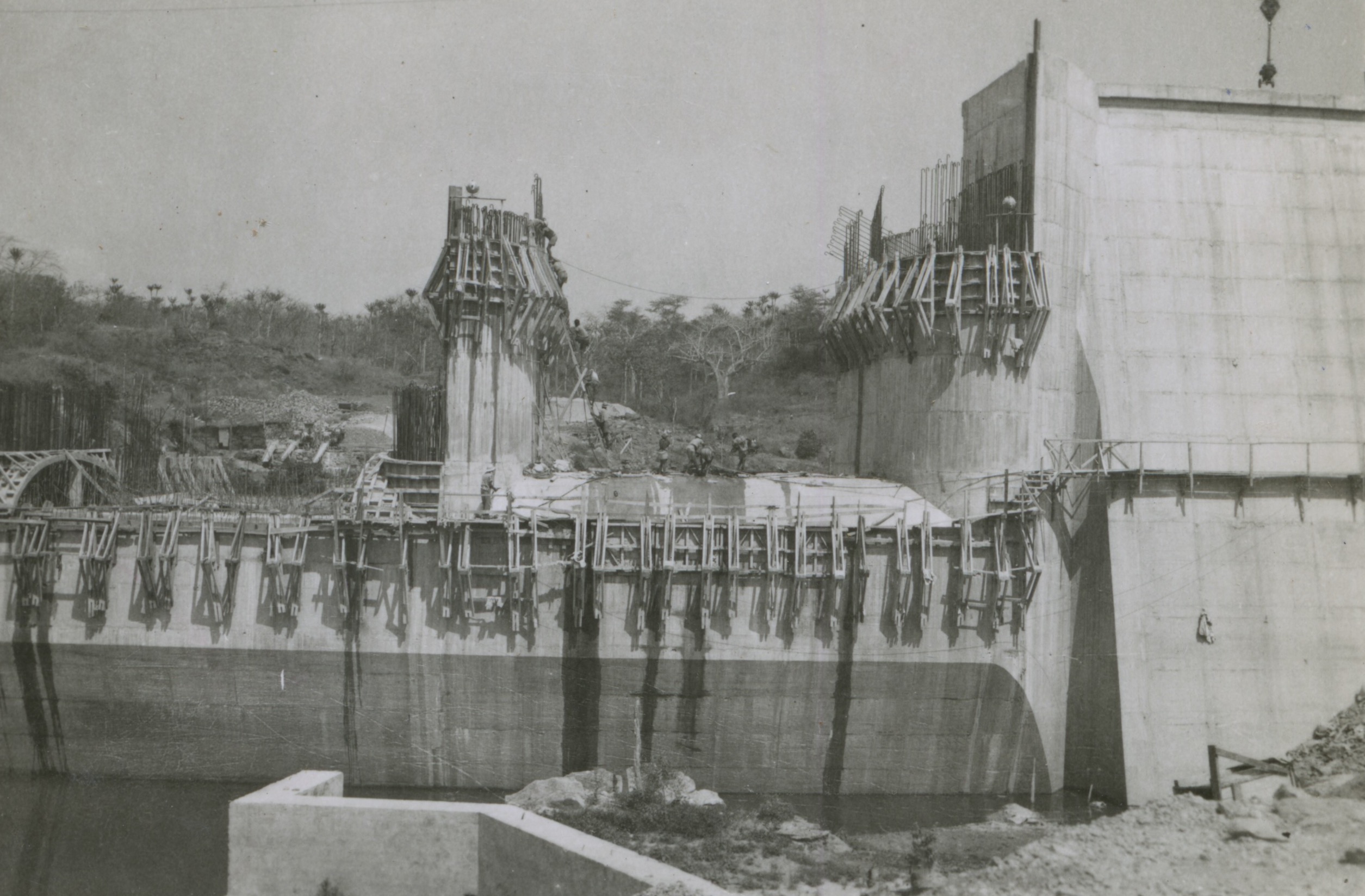
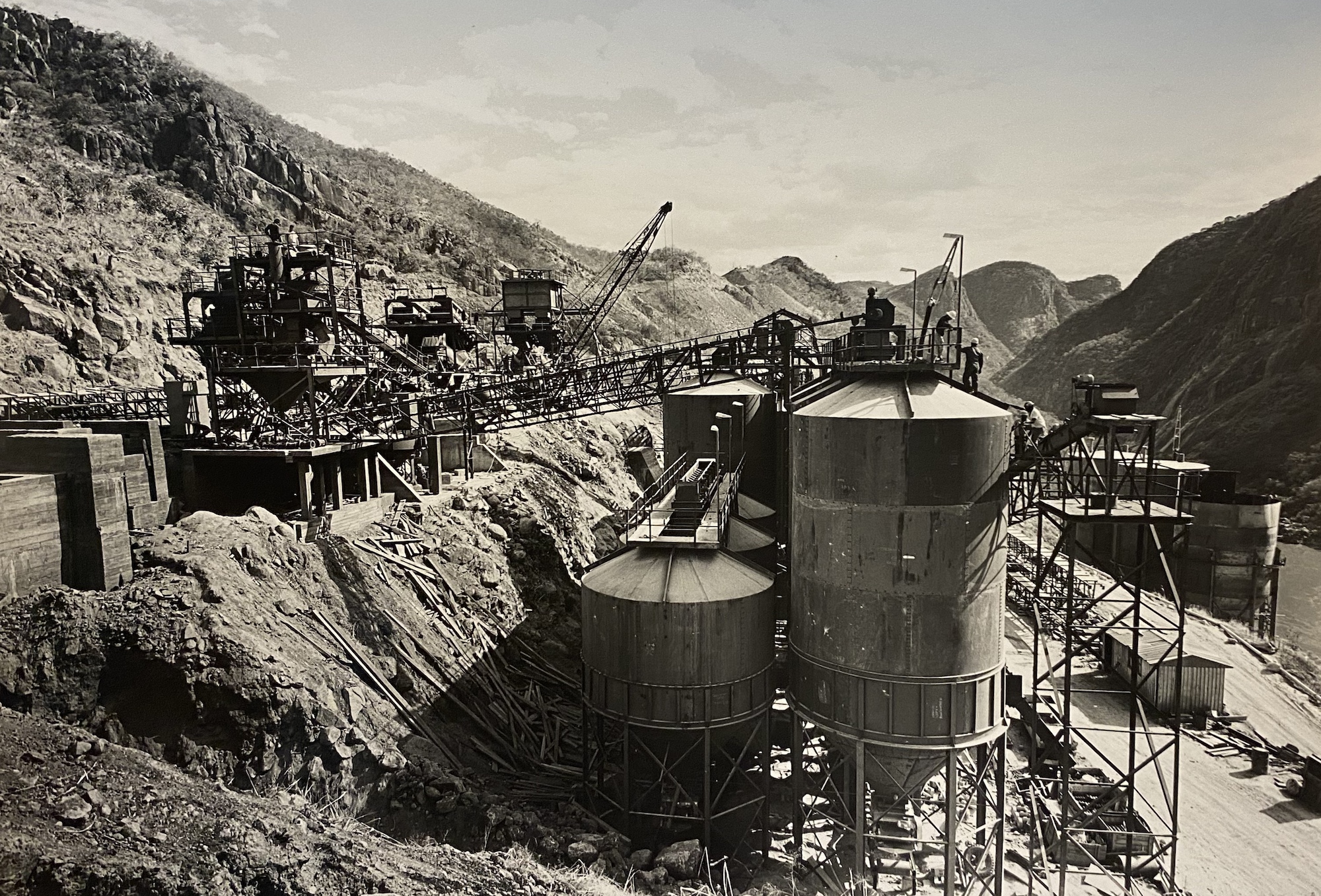
    Under the direction of civil engineer Trigo de Morais, the hydroelectric and hydro-agricultural development plan for the Cunene region was initiated in 1953 in the Matala area, based on a preliminary project produced by the Southern Angola Mission in 1946. Moving beyond the amateurism that had characterised earlier agricultural settlements, this large-scale enterprise fulfilled several objectives: generating electricity through a dam to respond to the rapid demographic growth of the province, particularly in urban centres and emerging industries; promoting livestock and agricultural production to supply local populations and external markets; and consolidating territorial occupation in Angola’s hinterland through the extension of the Moçâmedes railway and the settlement of migrants from the Portuguese metropole.

    Drawing on colonial administrative records, technical reports, planning documents and visual sources, the paper analyses the organisation of construction work, focusing on workforce composition, recruitment practices, wage structures and labour hierarchies that shaped the building of the Cunene Agricultural Settlement, while also reflecting on the methodological challenges of tracing construction workers in colonial archives.  

    [Panel 12:  Material landscapes of labour exploitation, organized by Robby Fivez and Simon De Nys-Ketels].

  • ArchLabour Presentation

    ArchLabour Presentation

    Event: Colonial and Post-Colonial Landscapes. Architecture, Cities, Labour
    Authors:
    Ana Vaz Milheiro, Dinâmia’CET-Iscte 
    Date:
    13 Feb 2026
    Location:
    Calouste Gulbenkian Foundation, Lisbon

    Biographical note

    Full Researcher at ISCTE-IUL (DINÂMIA’CET) and ERC Advanced Grantee, she leads the project ArchLabour (2024–2028). A former Associate Professor with Aggregation at the Faculty of Architecture, University of Lisbon (FAUL), she holds a PhD from the University of São Paulo (2004) and a Post-Doc from the University of Porto (FAUP). As a leading expert in colonial and post-colonial architecture, she has served as Principal Investigator for seven major FCT-funded projects, including the ongoing LabourMap-Macau. Her international leadership is evidenced by her role as Chair of the COST Action CA18137 (2019–2023) and as a Fellow at the Israel Institute for Advanced Studies (2019–2020).

    Her award-winning scholarship includes Nos Trópicos sem Le Corbusier (AICA/Carmona e Costa Prize, 2013). She has further distinguished herself in gender studies, notably through the project WomArchStruggle (2023–2024), focusing on women architects in former Portuguese colonial Africa, and her specialized research on female labor at construction sites. She has held research visiting positions at Ghent University and the University of São Paulo and has curated major exhibitions for CCB (Lisbon) and UIA Rio 2021. She is currently a researcher at the African Studies Center (University of Porto) and a professor in several international postgraduate programs in Portugal, Brazil and Macao. More recently she served as a juror for the 2026 Kristine Fallon Prize, which honors scholarship on women navigating and negotiating repressive political, economic, or cultural conditions (IAWA, Virginia Tech).

  • Architecture + Infrastructures Working Paper Series 2. Colonial and Post-Colonial Landscapes: Architecture, Cities and Labour

    Architecture + Infrastructures Working Paper Series 2. Colonial and Post-Colonial Landscapes: Architecture, Cities and Labour

    Editors: Beatriz Serrazina, Francesca Vita

    Series Coordinator: Ana Vaz Milheiro
    Publisher: Dinâmia’CET-Iscte, 2026

    Design: vivóeusébio

    Edition: 1st Edition


    Authors: Aahd Benchaouch; Abigail Duke; Adarsh Lanka; Adarsh Lanka; Asu Tozan; Chidi Siene Eghelle; Dhara Patel; Excellent Hansda; Filipa Lopes; Inês Lima Rodrigues; Joana Borges Pereira; Kieran Gaya; Lutherking Petercan Asuru; Manlio Michieletto; Maria Alice Correia; Sónia Pereira Henrique; Victor Mukanya Bay


    Summary

    The second volume of the Architecture + Infrastructures Working Paper Series brings together articles presented at the third International Conference Colonial and Post-Colonial Landscapes: Architecture, Cities and Labour, held at the Calouste Gulbenkian Foundation in Lisbon in February 2026. The articles cover a variety of geographical areas, historical periods and topics, shedding light on the many landscapes, buildings, construction practices, individuals, interactions, dimensions and narratives that intersect with the history of colonial architecture, social and labour history, and construction technology.

    The relationship between architecture and labour in colonial contexts provides a promising approach to addressing some of the challenges faced by post-colonial societies, offering diverse perspectives. These include the relationship with “Western” building technologies and materials; the scarcity of traditional construction systems; the undervaluation of these systems in terms of climate adaptation and sustainable solutions; and the persistence of racial and gender inequalities in work environments. This WPS#02 focuses on housing, modernism, and socio-spatial legacies.

  • Architecture + Infrastructures Working Paper Series 1. Colonial and Post-Colonial Landscapes: Architecture, Cities and Labour

    Architecture + Infrastructures Working Paper Series 1. Colonial and Post-Colonial Landscapes: Architecture, Cities and Labour

    Editors: Beatriz Serrazina, Francesca Vita

    Series Coordinator: Ana Vaz Milheiro
    Publisher: Dinâmia’CET-Iscte, 2026

    Design: vivóeusébio

    Edition: 1st Edition


    Authors: Ana Vaz Milheiro, Arzu Kusaslan, Elke Beyer, Igor Bloch, João Marcos de Almeida Lopes, Lara Melotti Tonsig, Lía Duarte Rodríguez, Liora Bigon, Lucia Riba-Hernández, Maria Luisa Palumbo, Oyewale Oyeleye, Philippe Zourgane, Rafael Manhães


    Summary

    The first volume of the Architecture + Infrastructures Working Paper Series brings together articles presented at the third International Conference Colonial and Post-Colonial Landscapes: Architecture, Cities and Labour, held at the Calouste Gulbenkian Foundation in Lisbon in February 2026. The articles cover a variety of geographical areas, historical periods and topics, shedding light on the many landscapes, buildings, construction practices, individuals, interactions, dimensions and narratives that intersect with the history of colonial architecture, social and labour history, and construction technology.

    The relationship between architecture and labour in colonial contexts provides a promising approach to addressing some of the challenges faced by post-colonial societies, offering diverse perspectives. These include the relationship with “Western” building technologies and materials; the scarcity of traditional construction systems; the undervaluation of these systems in terms of climate adaptation and sustainable solutions; and the persistence of racial and gender inequalities in work environments. This WPS#01 focuses on land, infrastructure, commodities, knowledge transfers, and theory.