
Category: News

  • Colonial labour housing: a ‘propaganda’ tool?

    Colonial labour housing: a ‘propaganda’ tool?

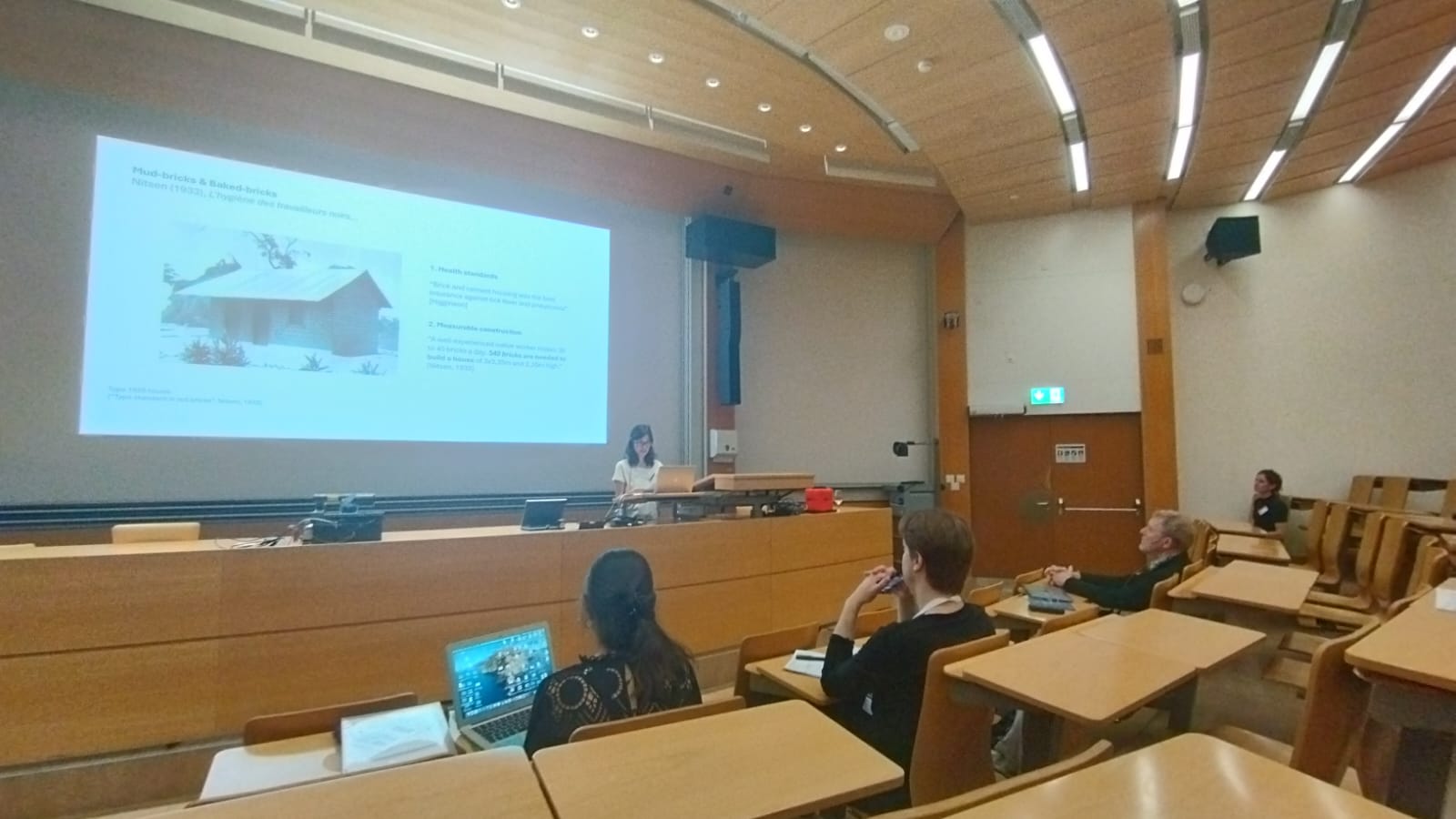
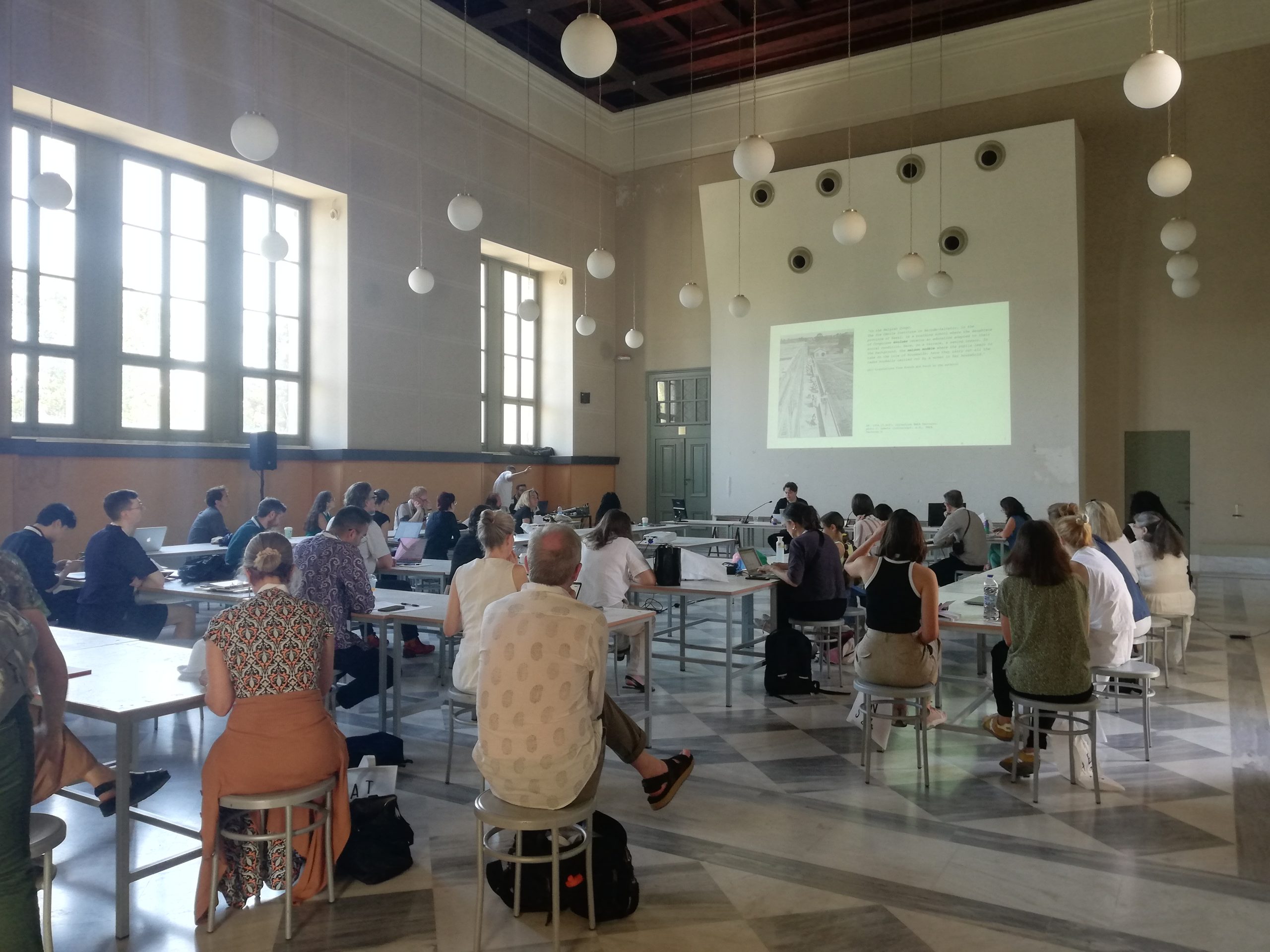
    Event: European Architectural History Network. 8th International Conference
    Authors: Beatriz Serrazina
    Date: 19 – 23 June 2026

    Location: National Technical University of Athens, Greece


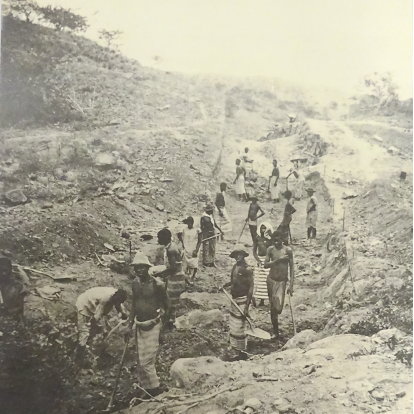
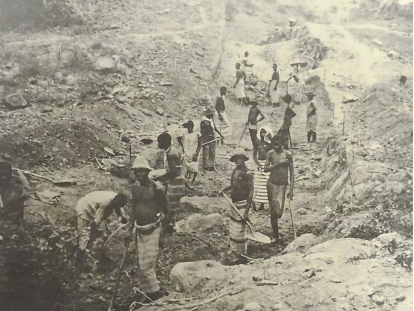
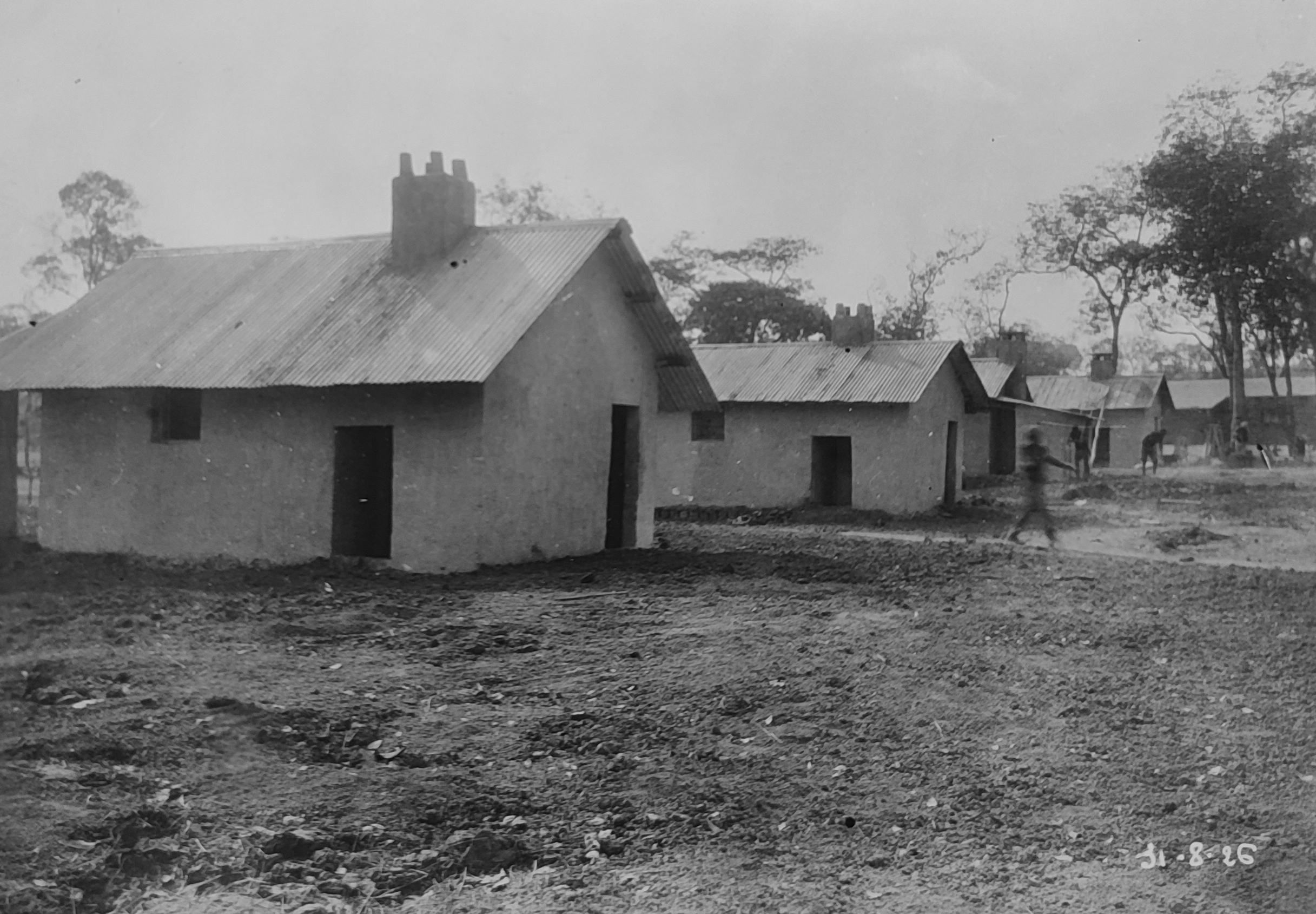
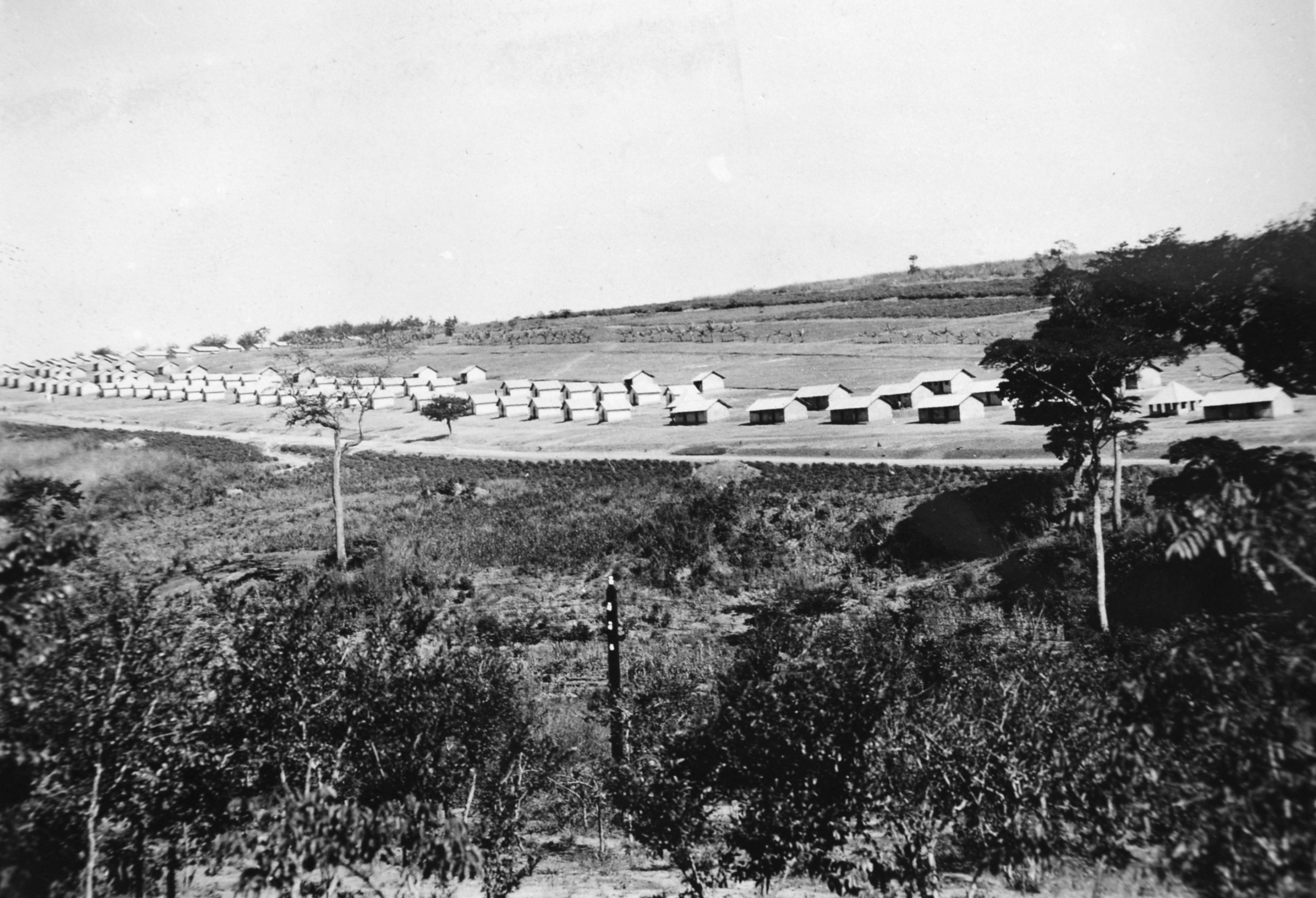
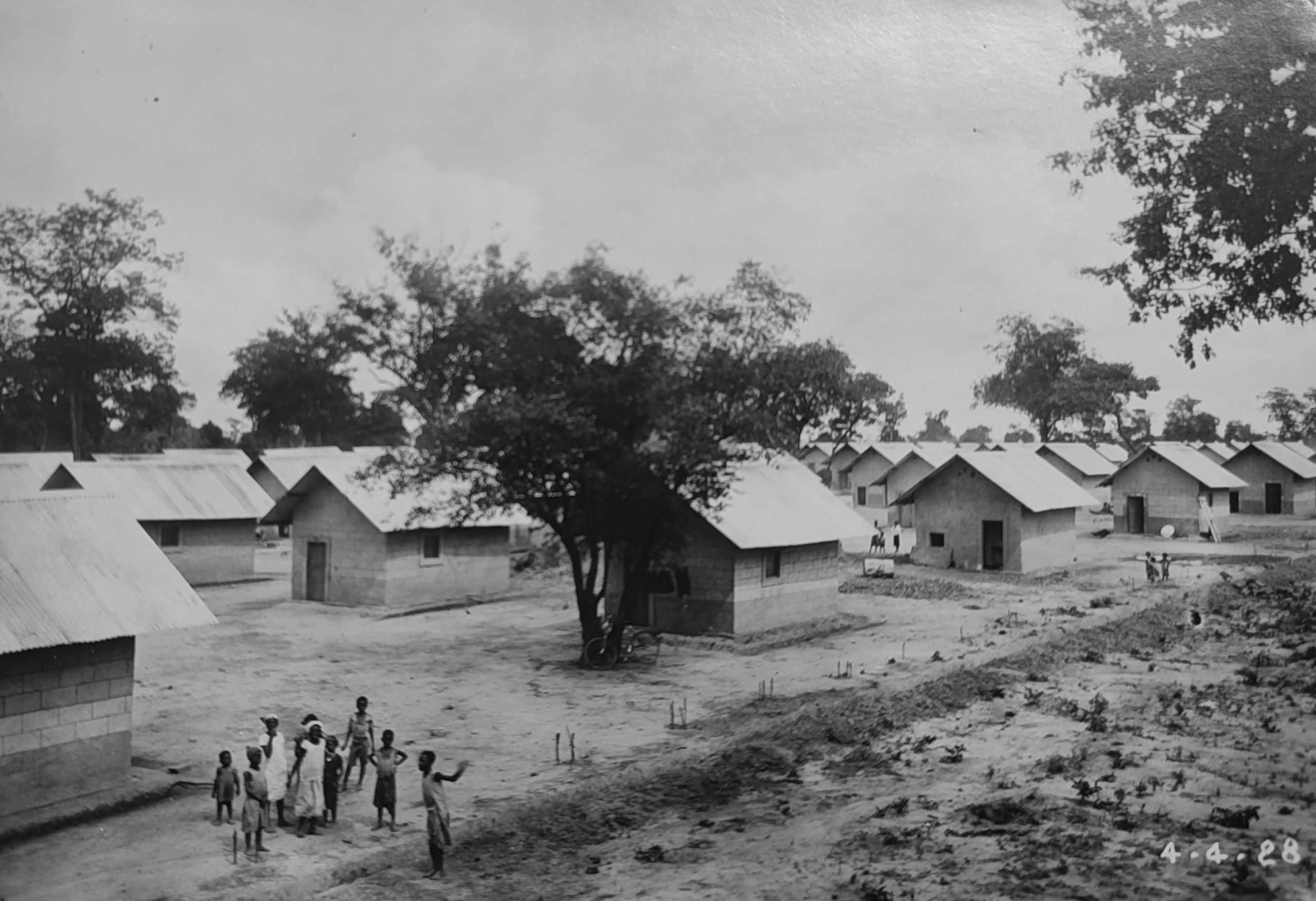
    Union Minière, Lubumbashi Camp, Katanga, 1928[AGR, Sibeka, 530]
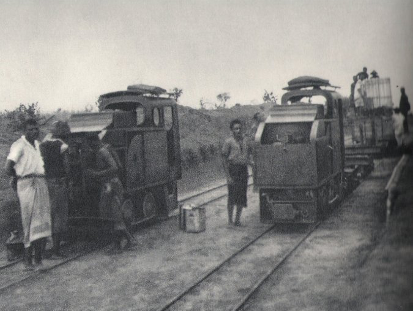
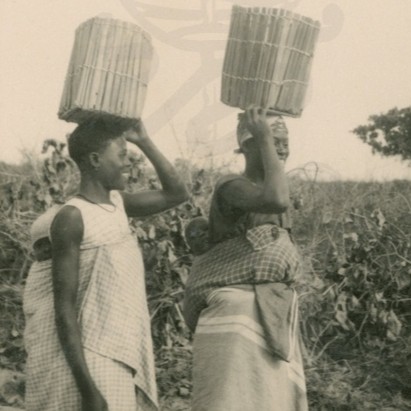
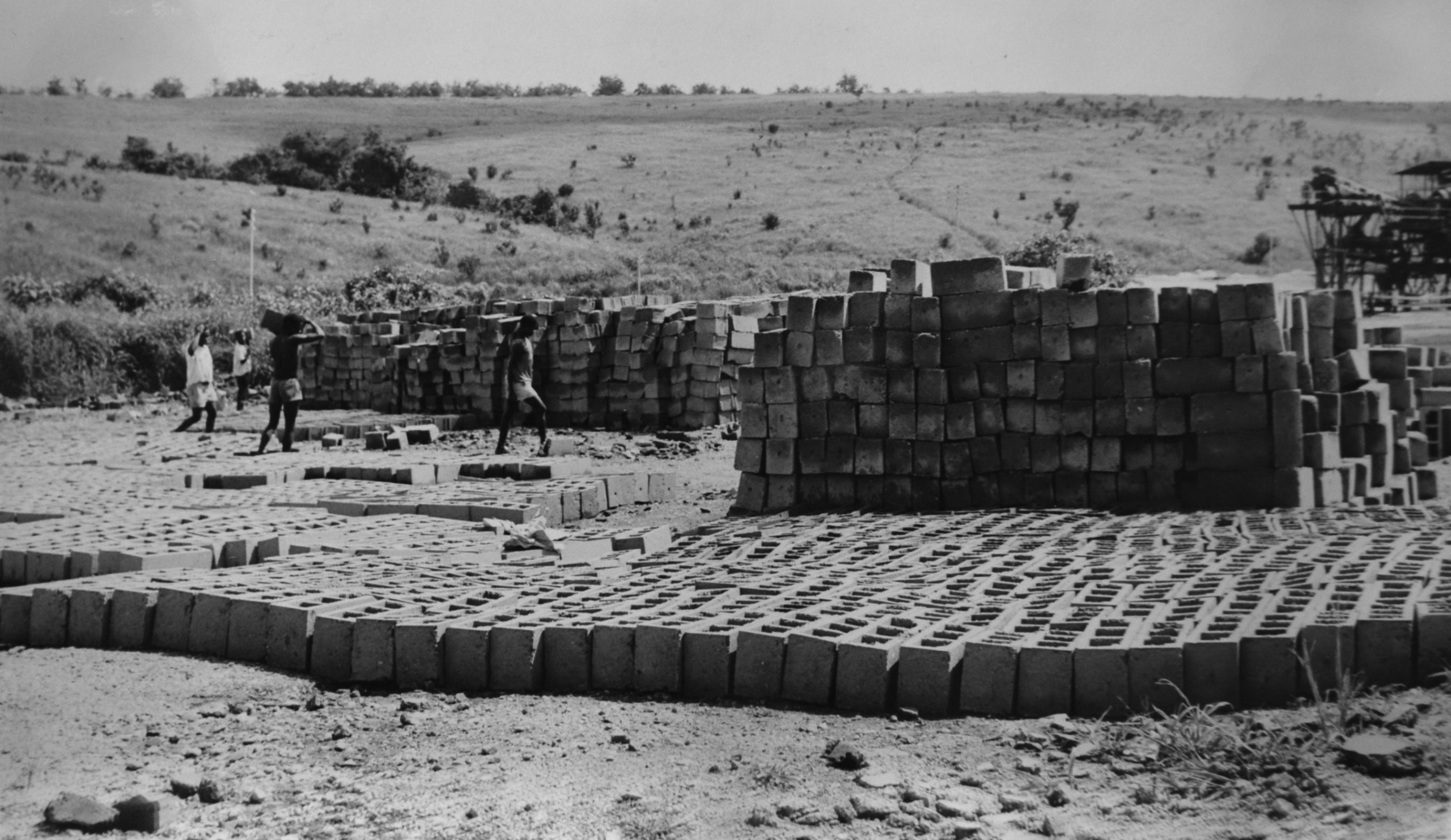
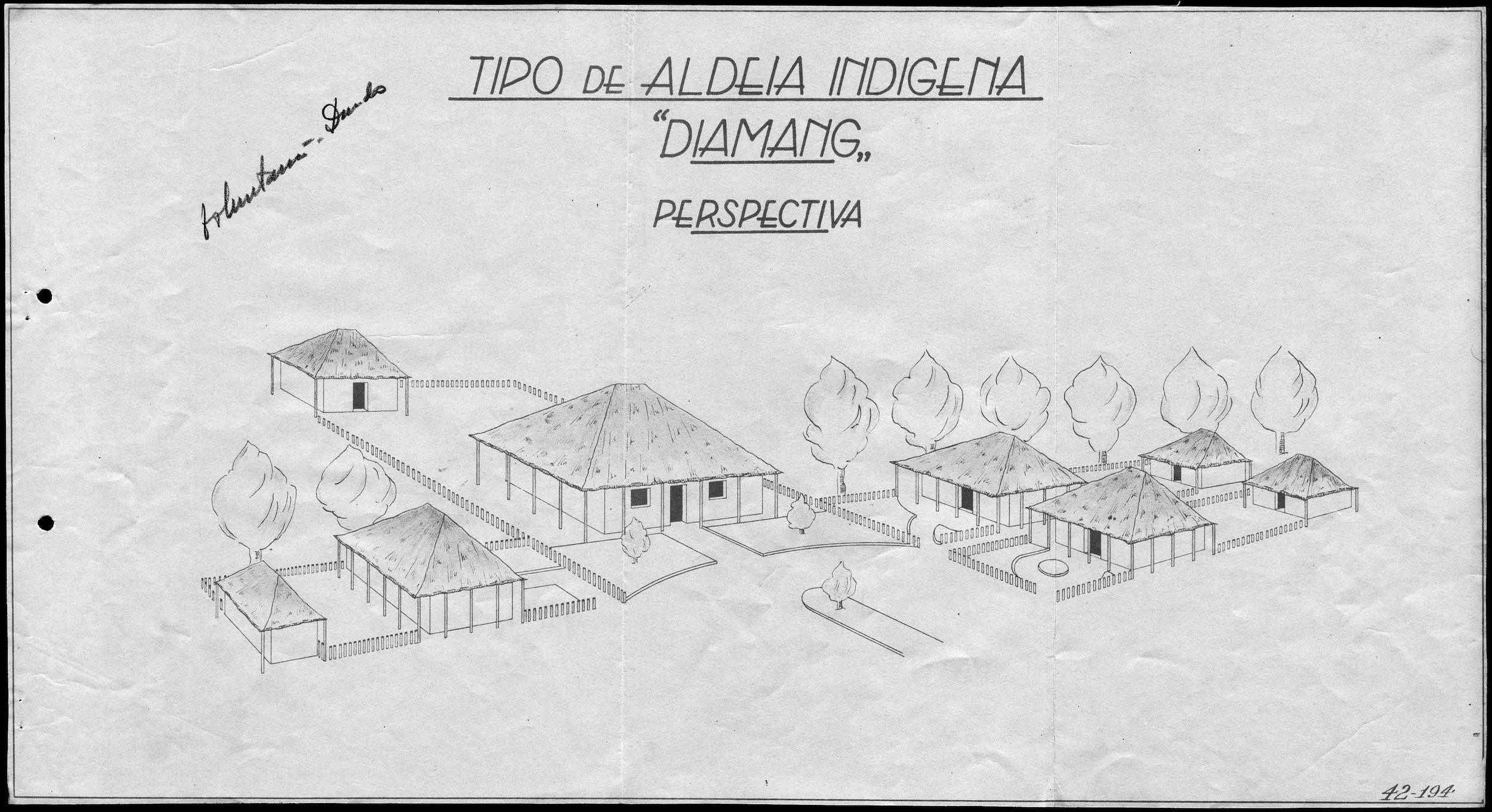
    Tipo de aldeia indígena Diamang, 1942 [DCV-UC/AD]

    Summary

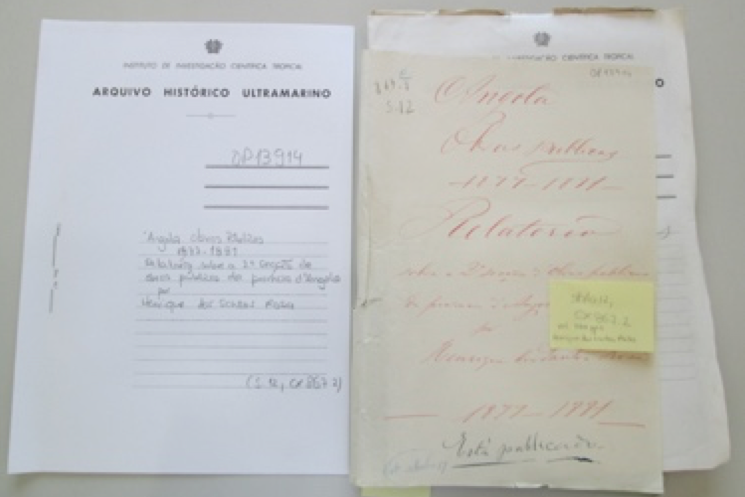
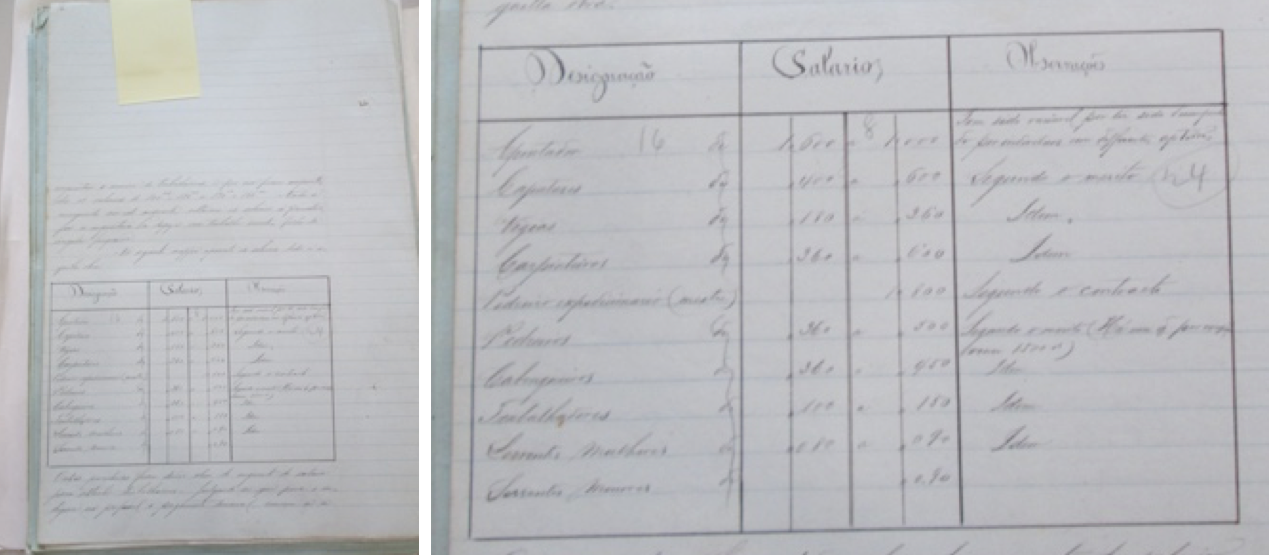
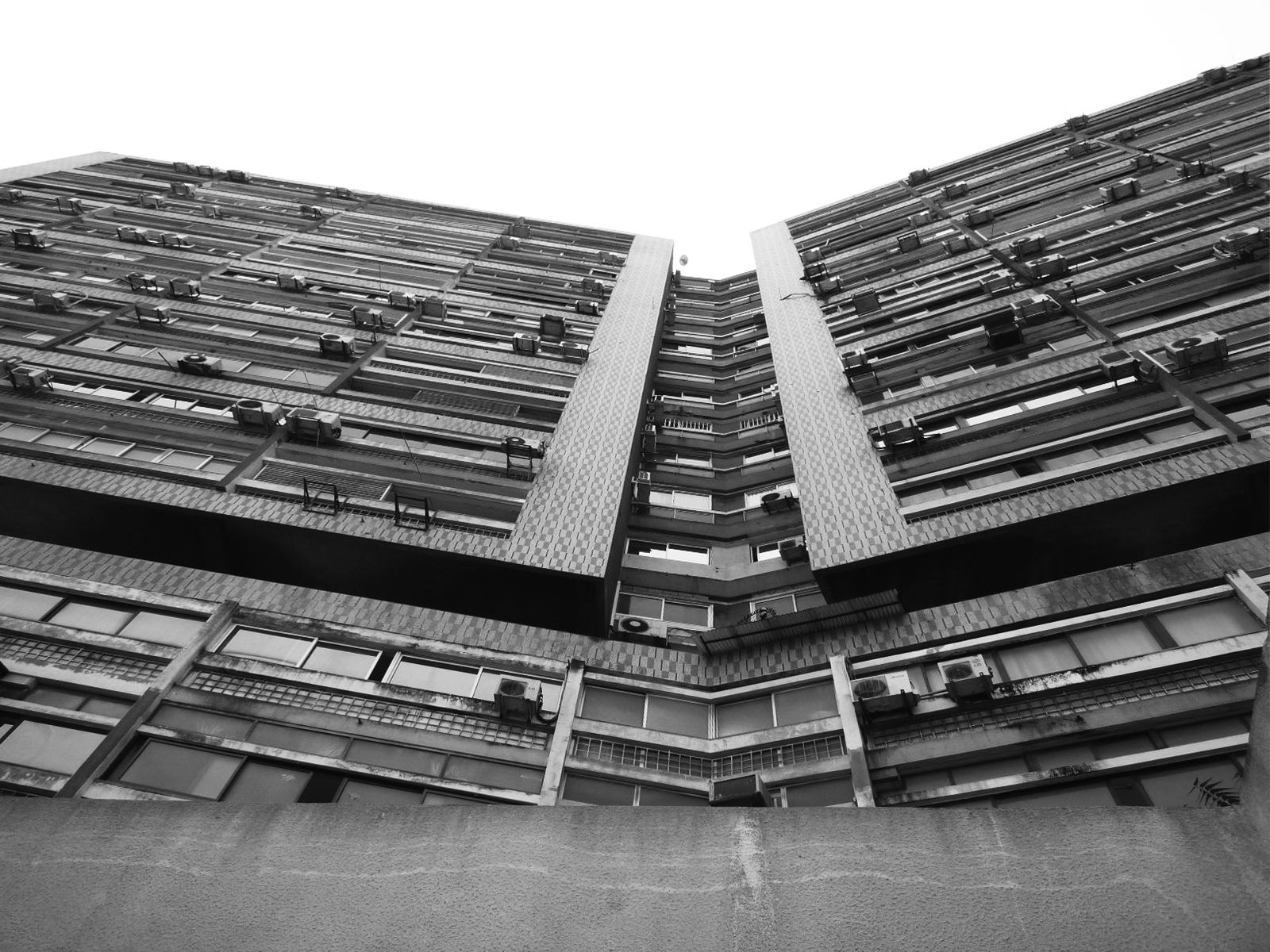
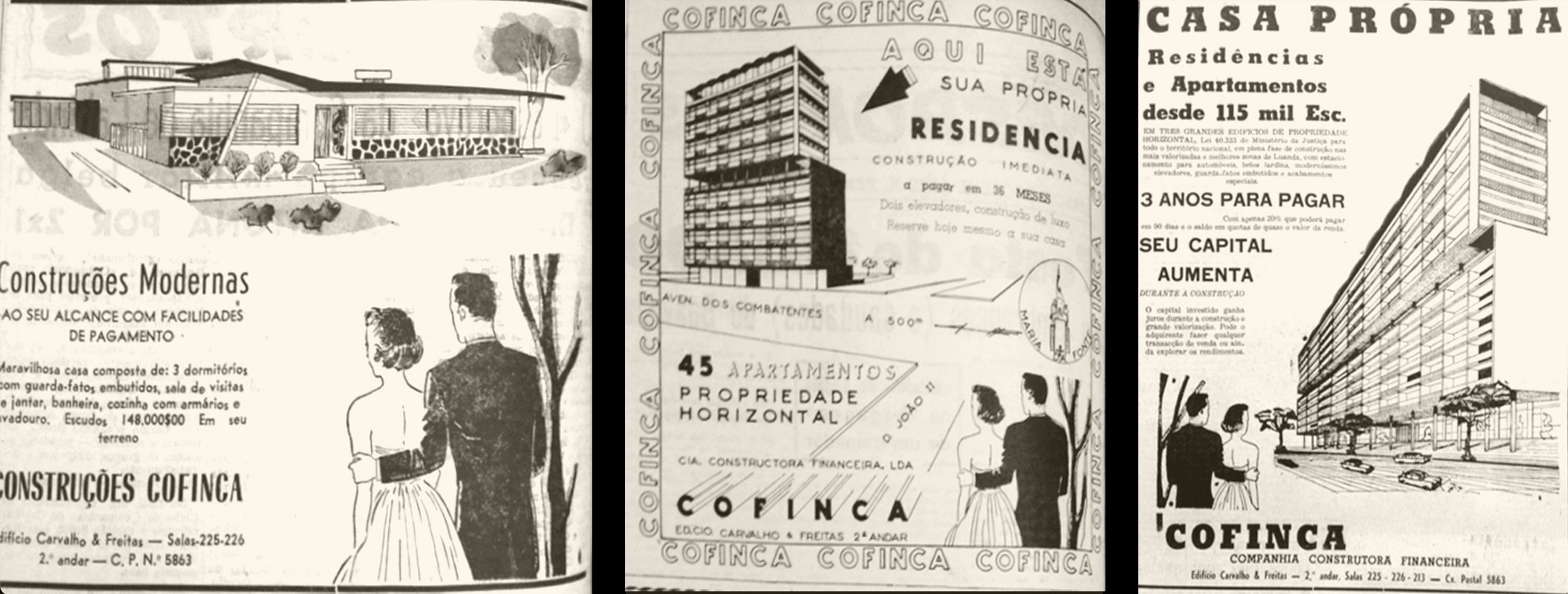
    Colonial space was often produced for and supported by mineral extraction. Yet, none of the extractive businesses set up in Africa throughout the first half of the 20th century could run without workforce. By requiring the engagement of thousands of African people, private companies responsible for housing their labourers. Since both enterprises and governments believed disruption within the intimacy of household could serve multiple ends, villages became critical spaces for simultaneously running industrial areas and carrying out a “modernising” mission envisioned by European powers. In 1961, the director of a mining company’s labour service, operating in north-eastern Angola, wrote a few telling words: “The advantages of a well-built brick house are well known. Adding to labour productivity and stability, we must highlight the propaganda factor. What a valuable propaganda tool a permanent house is!”

    By following transformations in labour housing typologies over time, and while acknowledging strong inter-imperial networks connecting private corporations across Central Africa, mainly between Angola and Belgian Congo, this presentation aims to question the domestic space as a core arena for shaping, enduring and contesting colonialism. It will unpack house planning, design and materials, from the first “propaganda villages” in the 1930s to the later “modern neighbourhoods” built in the 1960s. Companies repeatedly tried to work with “models” and “types” of houses to create “legible” landscapes and “modern” communities – but reports show that reality on the ground was often messier than intended. Despite colonial imaginaries, “modern” houses run along native domesticities, thus shaping an intricate landscape.

    The overall goal is to understand how and to what extent transformations in housing have resulted from and been fuelled by different agents and agendas: the demands and know-how of local communities, the requests of international and inter-imperial organisations, the possibilities of growing scientific and technological research, alongside companies’ productivity drives.

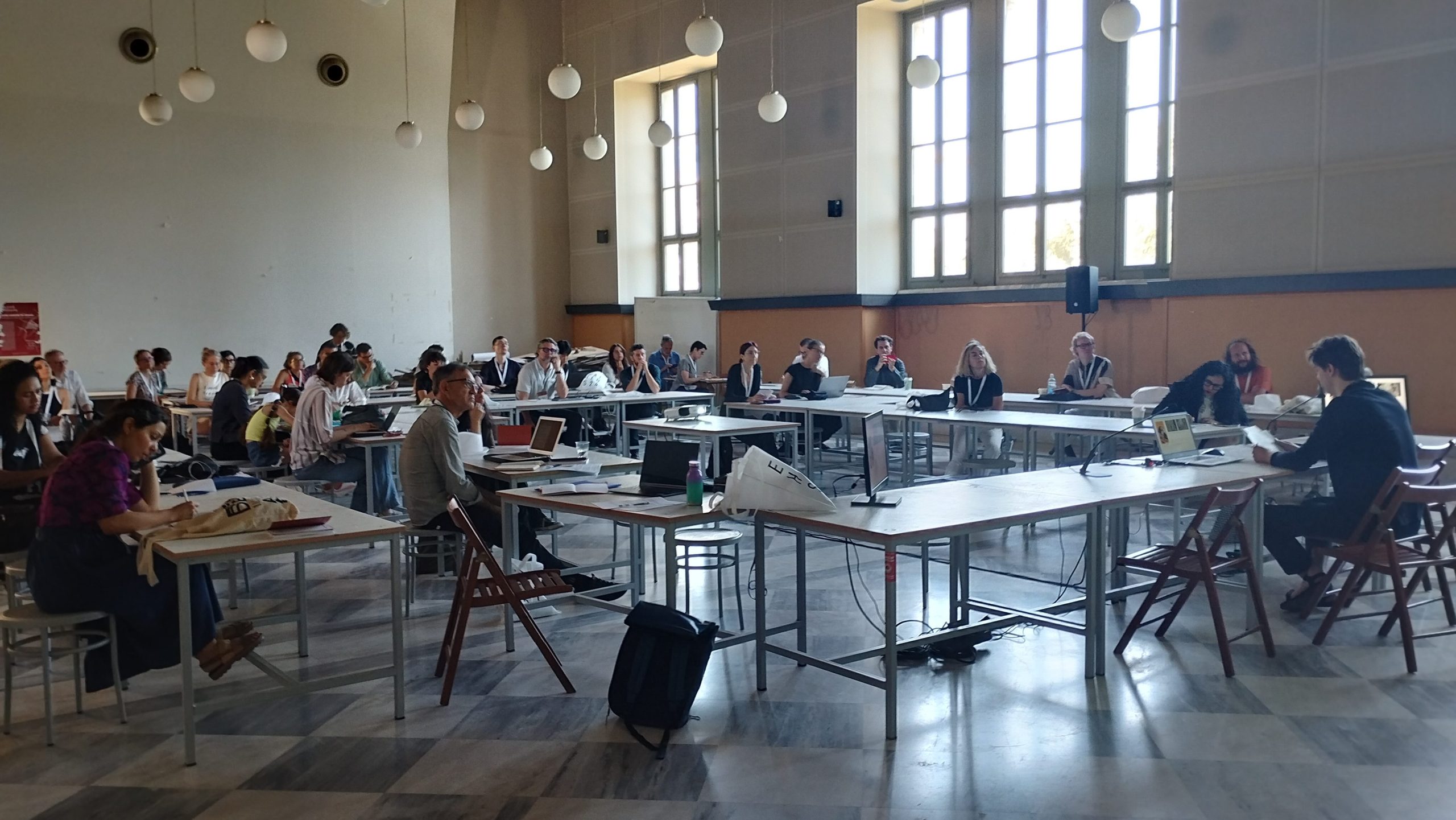
  • ArchLabour “Projects in Progress” (Poster Session)

    ArchLabour “Projects in Progress” (Poster Session)

    Communication/Exhibition

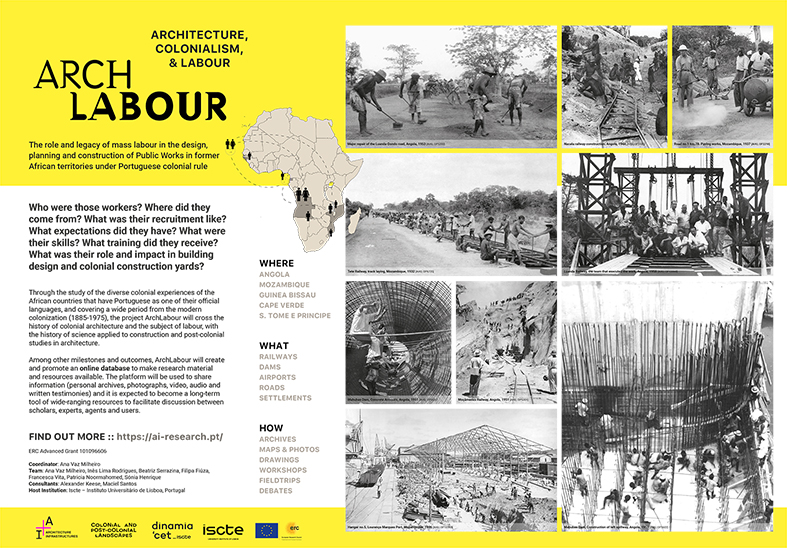
    ArchLabour: Architecture, Colonialism and Labour. The role and legacy of mass labour in the design, planning and construction of Public Works in former African territories under Portuguese colonial rule

    Event: SAH Annual International Conference 2024
    Authors: Ana Vaz Milheiro, Beatriz Serrazina
    Date: 17 – 21 Abril 2024

    Location: Albuquerque, USA


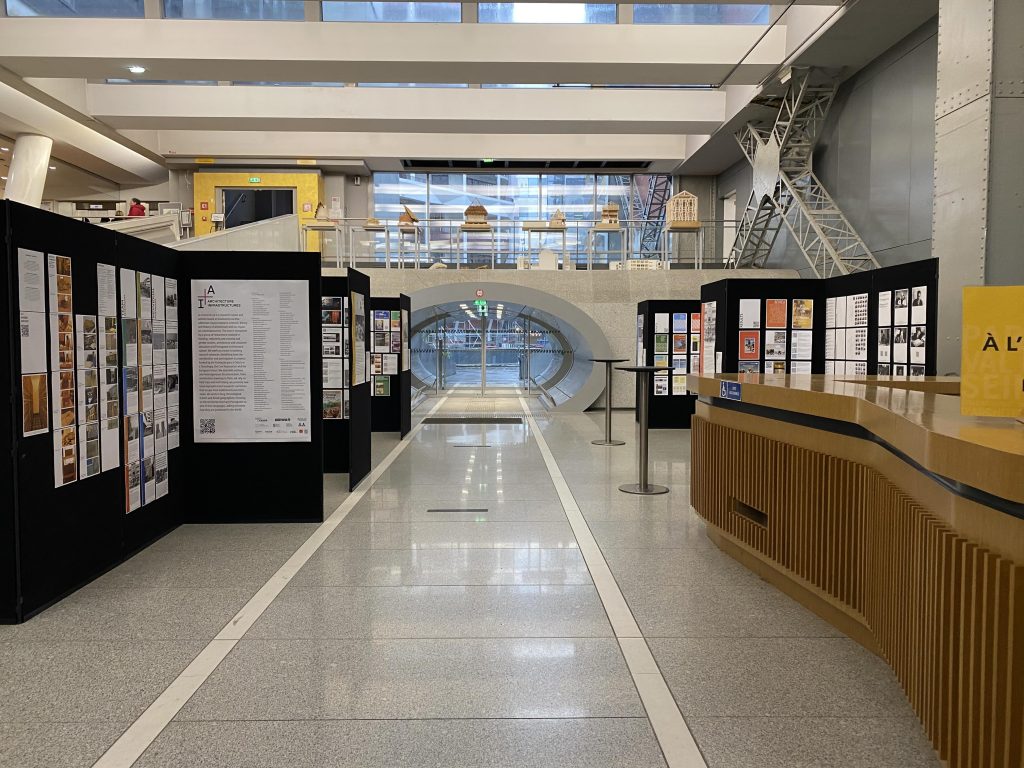
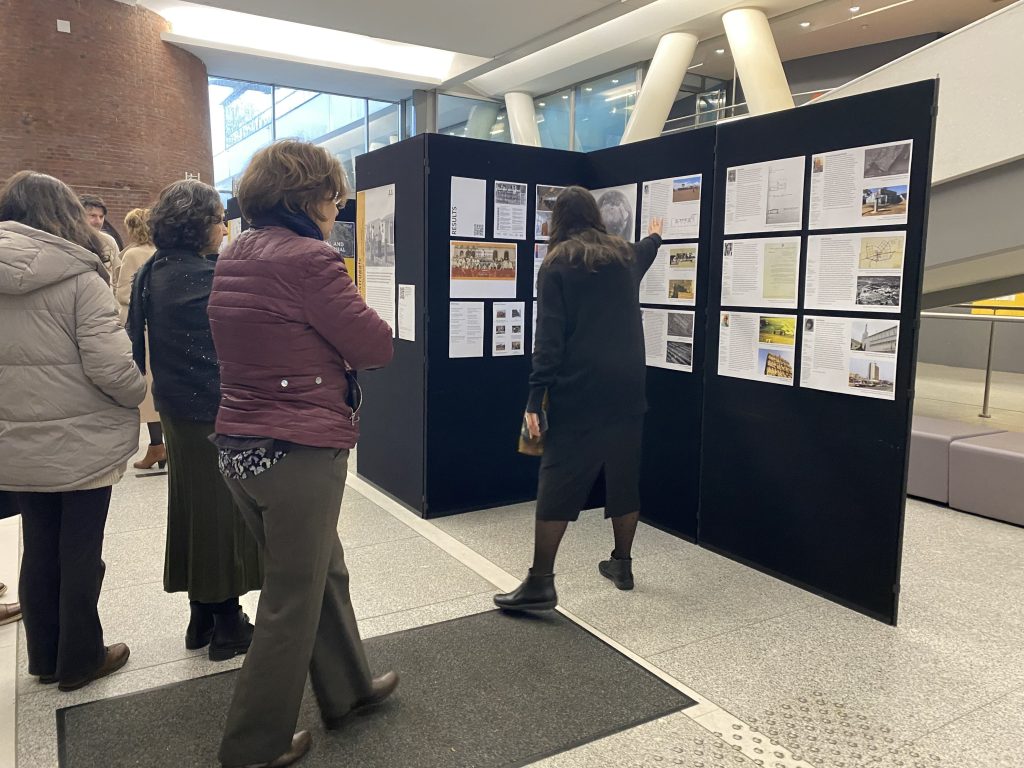
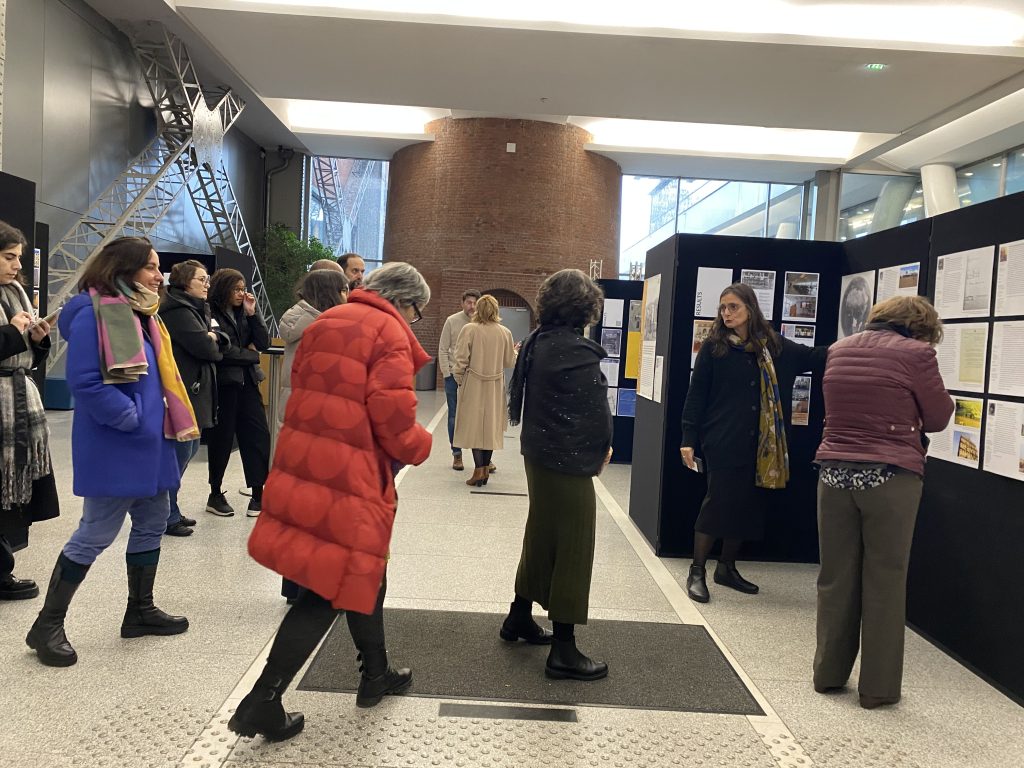
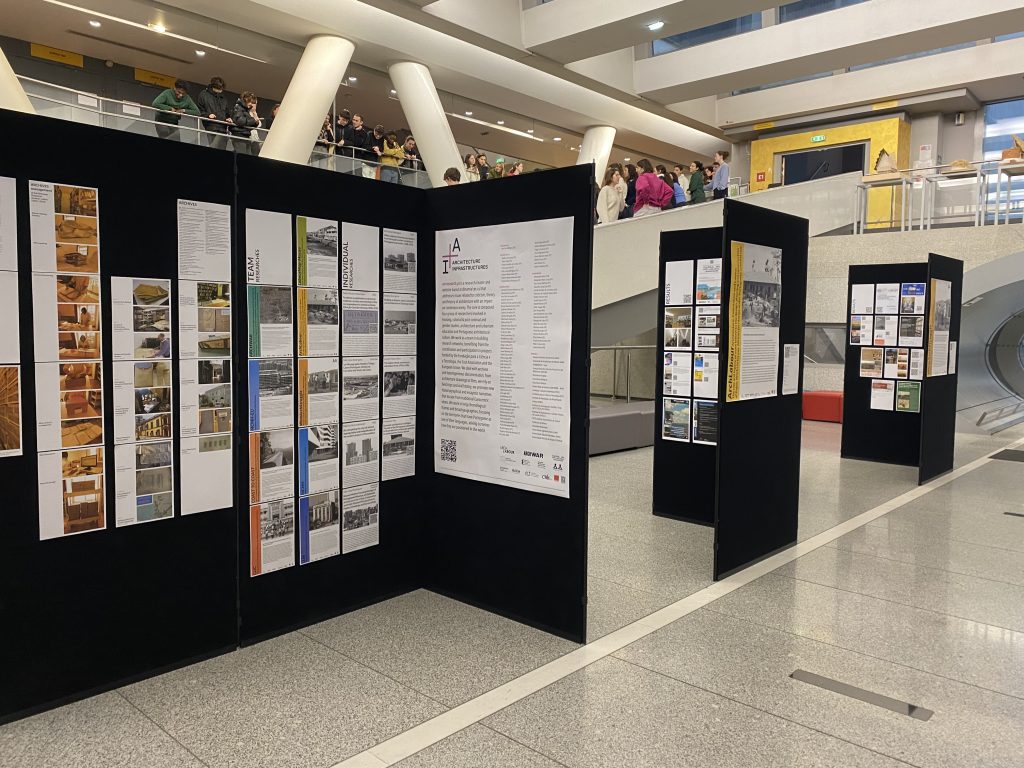
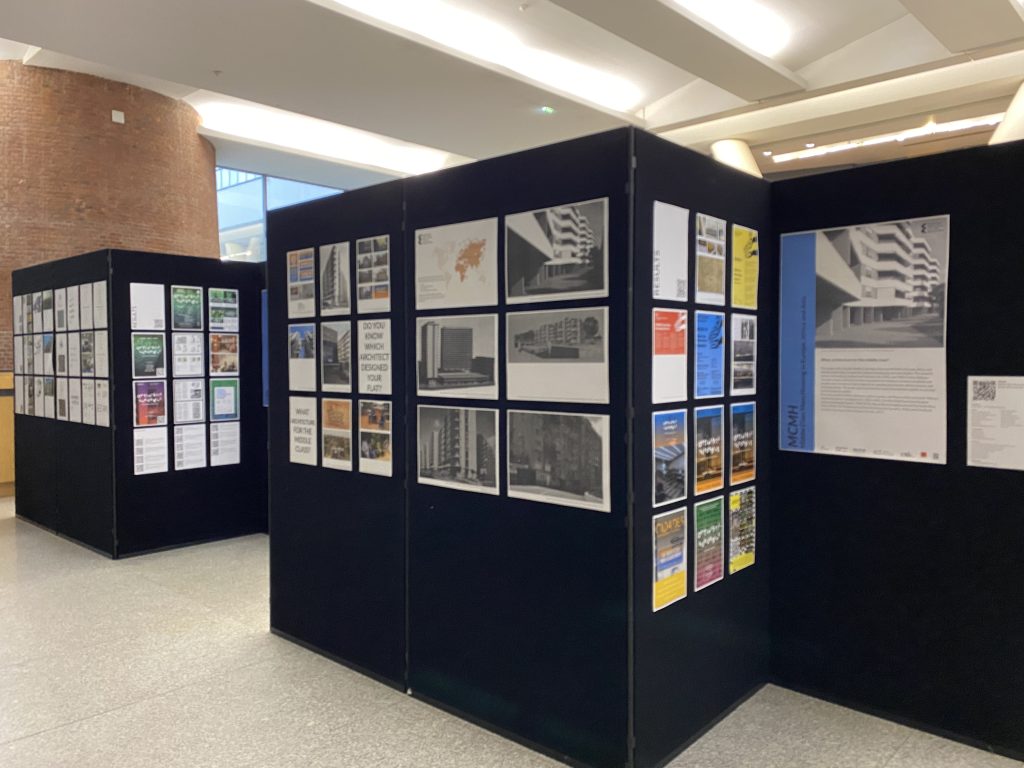
    Exhibition room for posters section, SAH Annual International Conference, Albuquerque, 2024
    Exhibition room for posters section, SAH Annual International Conference, Albuquerque, 2024

    Summary

    The discipline of architecture, when dealing with Public Works associated with colonialism and territorial occupation, still focuses on the analysis of the constitution of the design teams, of the colonial Public Works (CPW) offices, of the architects and engineers themselves. This focus on the “designing elite” misses a critical input to these Public Works, namely the labour force responsible for realising these structures. As such, critical questions about the labour force engaged in the spatialization of architectural plans are still missing: who were those workers? What ethnic groups did they come from? How did they emerge in contingents that could aggregate a few thousand individuals? What was their recruitment like? What expectations did they have? How were they paid? What training did they receive? What repercussions did these (often compulsory) work experiences have? What conflicts did they provoke in colonial societies? How did they resist recruitment? How did they collaborate? How to deal with this legacy?

    Among other milestones and outcomes, ArchLabour will create and promote an online database to make research material and resources available. One of ArchLabour’s main goals is to collect and co-produce information about architectural culture, particularly CPW, and share and discuss it with the community. The database will follow a dynamic structure to engage both ArchLabour researchers and different users who may register, including other scholars interested in similar topics and anonymous persons with experiences linked to colonial construction, territorial infrastructure and urbanization. The platform will be used to share information (personal archives, photographs, video, audio and written testimonies) and it is expected to become a long-term tool of wide-ranging resources to facilitate discussion between scholars, experts, agents and users.


  • Building from non-simultaneities: Mabubas Dam, Angola

    Building from non-simultaneities: Mabubas Dam, Angola

    Communication

    Event: SAH Annual International Conference Albuquerque 2024
    Authors: Ana Vaz Milheiro, Beatriz Serrazina
    Date: 17 – 21 April 2024

    Location: Albuquerque, United States


    Construction of the bridge over the central spillway. Source: Inspection Report, 1951. AHU, OP5602
    Workers during the concreting of a dam section. Source: Inspection Report, 1950. AHU, OP5599

    Summary

    The Mabubas Dam, built in Angola between 1948 and 1954, was the first large infrastructural work promoted by the Portuguese state in Africa to sustain colonialism against the growing local and international scrutiny after World War II. Its 70-metre length, located in an isolated place near Luanda, resulted in an extensive and highly dynamic building site.

    Acknowledging the political, social and technological circumstances in the Mabubas case, this presentation aimed to investigate the overlooked histories of colonial construction spaces to contribute to broader debates on building site conditions. As a fixed construction yard, later giving rise to a new settlement, the Mabubas Dam offers an intricate research ground, merging thousands of people, different tasks and labour hierarchies. Three significant relationships were explored: the intricacies between European and African workers, the tensions among African communities and the manifold interactions across the specialization strata, namely the hostilities towards workers from other colonial geographies, as the Cape Verdean labourers, considered more “civilized” and therefore more “skilled”.

    Drawing from the thought-provoking “non-simultaneity” approach, by Heine and Rauhut, the presentation aimed to add new perspectives to the field from the peculiarities and complexities of colonial construction sites. While European building sites were based on familiar know-how systems and techniques, the construction spaces produced under colonialism arguably had a greater level of uncertainty, frequently exposed in reports. The colonial authorities did not control the traditional skills of the African communities nor the local materials, thus having to deal with unpredictable outcomes. Besides presenting a critical mapping of the colonial construction site, the presentation analysed its materialization in the archive. What information can be gathered in reports – from income to architectural design? What layers are absent (namely concerning women’s presence or building constraints)? How can these conditions contribute to more nuanced architectural histories?


    Related Case Studies

  • Colonial and Post-Colonial Landscapes: roundtable series I. Infrastructures + Labour + War

    Colonial and Post-Colonial Landscapes: roundtable series I. Infrastructures + Labour + War

    Event: Colonial and Post-Colonial Landscapes: roundtable series I
    Date: 9 April 2024

    Location: Centro Cultural de Belém, Lisbon, Portugal


    Summary

    Since 2019, the Colonial and Post-Colonial Landscapes International Congresses (CPCL) have been critical forums in enquiring about the entanglements between Architecture and Portuguese colonialism. While built works have often been the focus of Architectural history, multiple agents and agendas remain to be grasped. This first Roundtable on Infrastructures + Labour + War aims to question the role of still overlooked actors and agencies on different occupation strategies during late Portuguese colonialism. The debate will bring together the teams from the research projects ArchWar, funded by the Portuguese Foundation for Science and Technology (FCT), and ArchLabour, funded by the European Research Council (ERC), both based at Dinâmia’CET-Iscte, along with invited consultants and scholars.

    The morning session will feature the launch of the special issue “Colonial and Post-Colonial Landscapes: Architecture, Cities and Infrastructures” (no. 39) of the journal Africana Studia (ed. CEAUP). The volume brings together a set of articles selected from the first edition of the CPCL Congresses, held in Calouste Gulbenkian Foundation, Lisbon. The session will be moderated by Ana Silva Fernandes (University of Porto), editor of this issue, and participated by the authors, either in person or remotely.

    In the afternoon, Cristiana Bastos (University of Lisbon), Peter Scriver (University of Adelaide), and Johan Lagae (University of Ghent) will share their perspectives on unskilled labour, building yards and colonial public works, crossing different inter-imperial experiences and setting forward new avenues for research. Ana Vaz Milheiro (Iscte-IUL), the Principal Investigator of ArchWar and ArchLabour projects, will chair the debate.

  • Wartime residential rural landscapes the Guinea- Bissau case during the colonial/liberation war with the Portuguese (1963–1974)

    Wartime residential rural landscapes the Guinea- Bissau case during the colonial/liberation war with the Portuguese (1963–1974)

    Journal: Cogent Arts & Humanities, Vol. 11, No. 1, 2303184
    Author: Ana Vaz Milheiro
    Date: 2024


    Empada resettlement, Guinea, Plano de Reordenamento de Empada, António Moreira Veloso, Urbanism and Housing Services Board of the General-Directorate of Public Works and Communications, Overseas Ministry, 1970, Source: Arquivo Histórico Ultramarino [IPAD 858].
    Empada resettlement, Guinea, Plano de Reordenamento de Empada, António Moreira Veloso, Urbanism and Housing Services Board of the General-Directorate of Public Works and Communications, Overseas Ministry, 1970, Source: Arquivo Histórico Ultramarino [IPAD 858].

    Summary

    This paper aims to study the military housing campaigns carried out in the last 14 years of Portuguese colonialism (1961–1975), through archival and documentary treatment, cartography, historical and architectural description. Critical assessment and architectural analysis of the settlements and villages promoted in a warfare context allows an assessment of how large-scale housing programs are still present in the built and social landscapes of formerly colonized countries. Some of the data recollected suggests that, in Guinea, about 100 military resettlements were built; in Angola, only in the Lunda region, 730 villages were intervened; and in Mozambique the new settlements caused the displacement of one million peasants. The article will focus on the Guinea case by introducing what is described here as ‘the architects’ feebleness’, debating the pragmatism of the military in opposition to the idealism of the architects.


    Related Case Studies

  • “Uma Guiné Melhor”:  the psychological action and the spatialization of population control in rural areas. The strategic villages in Guinea-Bissau between 1968 -1973

    “Uma Guiné Melhor”: the psychological action and the spatialization of population control in rural areas. The strategic villages in Guinea-Bissau between 1968 -1973


    Bajocunda village after military occupation, before António de Spínola’s policy. Source: AHM/DIV/3/47/AP2/19040
    Dwelling typology implemented by the army (1969). Source: INEP/B.1.2/13

    Summary

    In the last decade of Guinea-Bissau colonization, the Portuguese government accelerated the process of territory occupation. While colonial administration announced to promote and improve living conditions of the Guinean population, nevertheless the population experienced a violent intrusion in their private and public life by the colonial authorities. The effective territory occupation and the clash with the rural population started during the War of Independence and especially during the government of Governor General António de Spínola (1968-1972), under the so-called “Uma Guiné Melhor” (“A Better Guinea”) plan. The plan has not only been a psychological-propaganda campaign, but it revealed a clear military occupation strategy to achieve through the construction and the development of “strategic camps that imprison” the local population (Ledda, 1970:119). The aim of this paper is to examine the construction of those strategic camps, to explore the housing typologies and to question the social, spatial and economic impact on the life of the rural Guinean population. This article aims to frame the controversial messages of the integration policy acclaimed in the “Uma Guiné Melhor” plan by exploring and analysing the strategies of spatialization of people in action between 1968-1973.


    Related Case Studies

  • Africana Studia no. 39 – Paisagens coloniais e pós-coloniais: arquitetura, cidades, infraestruturas

    Africana Studia no. 39 – Paisagens coloniais e pós-coloniais: arquitetura, cidades, infraestruturas

    Journal: Africana Studia no. 39 – Paisagens coloniais e pós-coloniais: arquitetura, cidades, infraestruturas
    Date: 9 April 2024

    Location: Lisbon, Portugal


    Cover Africana Studia No. 39

    Summary

    This special number of Africana Studia results from a selection of papers submitted to the “Colonial and Postcolonial Landscapes: Architecture, Cities, Infrastructures – I International Congress”, which took place at the Calouste Gulbenkian Foundation, in Lisbon, in January 2019. The congress was part of the research project entitled “Coast to Coast – Late Portuguese Infrastructural Development in Continental Africa (Angola and Mozambique): Critical and Historical Analysis and Postcolonial Assessment” funded by ‘Fundaçã o para a Ciência e Tecnologia’ (FCT – Foundation for Science and Technology), with the reference PTDC/ATP- AQI/0742/2014, which lasted from 2015 to 2020. Gathering several institutions from Angola, Mozambique and Portugal as research partners, this project analyzed how the colonial strategies for territorial domination in Angola and Mozambique reflected upon the post-independent and current socio-spatial developments, especially focusing on three specific typologies of colonial public works: transport networks, hydroelectric facilities and settlements for resource exploitation.

    Within this framework, the congress sought to broaden these concerns in three dimensions:
    (i) at geographical level, by opening up the discussion to different territories of former colonial history, beyond Angola and Mozambique, thus creating opportunities for the discussions on colonial structural impacts in diverse contexts, allowing for contrasting strategies and agents,
    as well as socio-spatial transformations;
    (ii) at disciplinary level, by sharing perspectives from several scientific backgrounds with implications in the built environment, therefore promoting the joint discussions over the complex issues that are present in the production of space, in particular the creation and reproduction of social and territorial asymmetries; and
    (iii) at the materiality level, aiming to discuss not only built testimonies of colonial administration, but also immaterial or invisible actions that led to spatial definitions of power and dominance, and mechanisms of segregation or democratization of access to resources and common goods. Therefore, the selected papers provide contributions to rethink colonial projects and interventions, considering their circumstances, complexities and impacts, often contradictory and perverse, from different perspectives and case-studies, allowing for a multi-layered interpretation of architecture and urbanism’s roles within colonial frameworks.

    This group of texts therefore exposes contradictions and complexities of the late colonial administration in several contexts which, while presenting different cases and specificities, broadly show how colonial discourses of modernization, democratization and integration of local populations were simultaneously mechanisms of reproduction of domain and legitimation of territorial occupation, through more visible or subtle means, in which architecture and urbanism served this agenda. Therefore, this demonstrates the importance of a reflection not only on impacts and long-term repercussions of these processes, but also of a critical and ethical questioning on the roles of these disciplines as tools of segregation or effective democratization towards our future societies and territories.

  • Confessions on a construction site. Comparative histories of gender-based work during the former ‘Portuguese Empire’

    Confessions on a construction site. Comparative histories of gender-based work during the former ‘Portuguese Empire’

    Communication

    Event: IASTE 2024 “The Dinamism of Tradition”
    Authors: Ana Vaz Milheiro

    Date: 6 January 2024

    Location: Riyadh, Saudi Arabia


    Praia’s airfield hangar, paving works, Santiago, Cape Verde, 1956-1957. Source: Instituto do Arquivo Nacional de Cabo Verde
    Women on the building site of the Ofir tourist resort, designed by the Portuguese architect Alfredo de Magalhães, Portugal, 1946. Source: Courtesy of Tiago Bragança

    Summary

    This paper addresses the daily-life on building sites experienced by women in the territories colonised by the Portuguese beginning from a kick-start question: what would be their expectations? It is considered that these sites can today be characterised as “places of innovation and knowledge” (Valérie Nègre, 2021). It is thus suggested that they were spots that opened the possibility of social ascension through qualified and professional training, viewing this transfer process as a development of the trading zone concept described by Pamela O. Long in 2019 as “an arena in which there is a substantive communication between someone trained by apprenticeship in a workshop and someone trained in a text-based system, usually in a university”. But was this possibility of knowledge displacement open to men and women on an equal footing? If the answer is no and women were not recognised as having any qualifications/skills, what role was reserved for them on the building site? How would their presence be felt and what impact would it have on the organisation of labour and decisions on the agenda and design of infrastructure and architecture? Did their “biological nature” as carers could give them any leading role in the management of domestic spaces, their organisation, plastic options and technological material resources? While focusing the debate on women who had experiences in colonial environments, the paper looks at the Portuguese condition of economically poor women in “metropolitan” Portugal before the April 1974 revolution. These “other women” identified here as “metropolitan”, and also “builders”, would become visible in the images that Portuguese architects recorded in their search for vernacular architecture in the second half of the 1950s (the same learning would eventually migrate to the colonial territories, where architects would begin to take an interest in vernacular systems on the eve of the 1960s). These Portuguese women were integrated in rural or fishing communities that circulated in family units, manipulating ancestral techniques. Shown as field helpers, carrying earth for mud construction, or in less technically demanding tasks, such as the whitewashing of houses, they did not compete in the arena with men, “the real players”, considered to be the real bearers of knowledge that was being valued at the time (in a dynamic that had something of a bottom-top feel to it, even if the architects were not in a position to assimilate it from today’s perspective). They would belong to the same cycle of poverty as their colleagues from the colonial territories, but their expectations would be on another level, since a third fatality of being a woman, being poor and being colonised would be added to the latter, and it is this that the presentation seeks to answer through the identification of some case studies, between Cape Verde and Angola. The intention is thus to begin to unveil the stories that the building sites also tell us from the perspective of gender-based labour and through the comparison between the metropolis and the colonies, making possible readings richer and more substantiated.