

Journal Article
The Technical Gaze. Exploring Photographic Dissonances and Colonial Narratives in the Mabubas Dam, Angola, 1948–1954
Journal: Ædificare, Revue internationale d’histoire de la construction, 2025 – 2, n. 18 [Construction Site Photography]
Authors: Ana Vaz Milheiro; Beatriz Serrazina
Editors: Laurence Heindryckx, Tom Broes, Simon De Nys-Ketels, and Robby Fivez
Publication: Garnier Classics, 2026
Summary
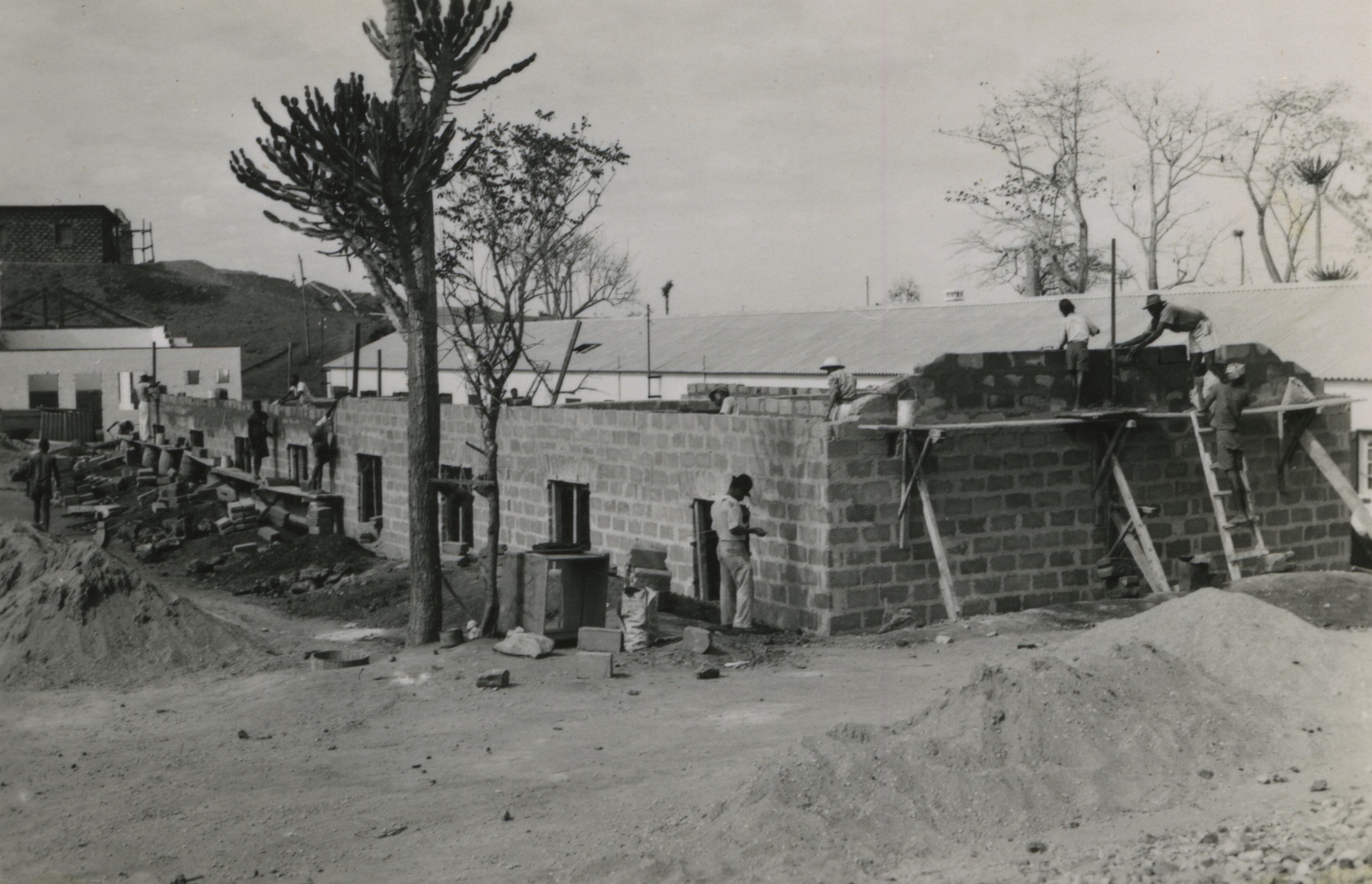
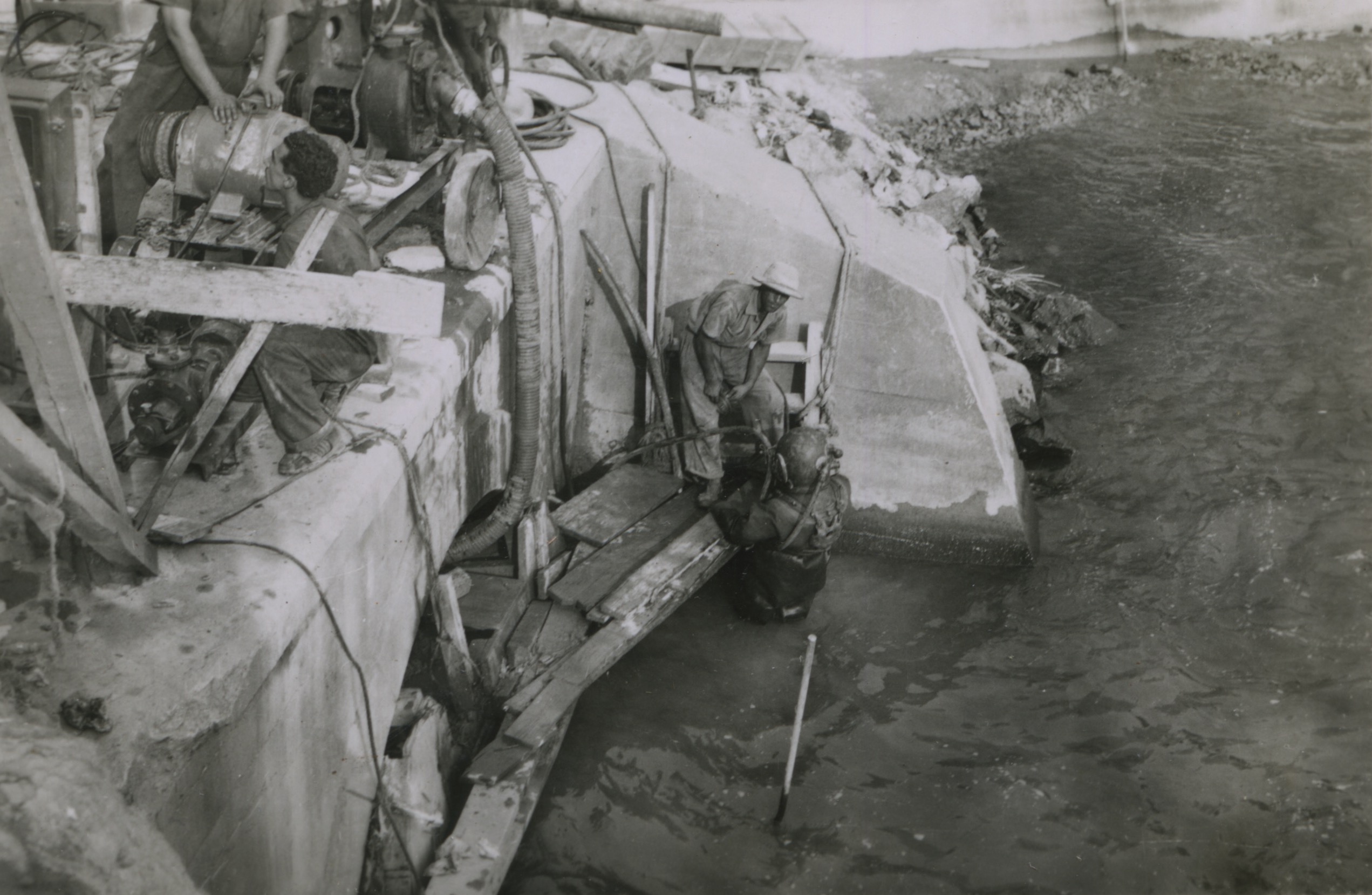
The Mabubas Dam, built in Angola between 1948 and 1954, was the first major infrastructure project promoted by the Portuguese state in Africa. It was designed to bolster colonialism against the growing criticism after World War II. Located near the country’s capital, Luanda, the dam’s sheer size—70 meters in length—transformed the area into a bustling, dynamic construction site. This project involved thousands of people, multiple tasks, and complex labor interactions.
This article delves into two illustrated reports written by Portuguese engineers at different stages of the dam’s construction, offering a unique insight into the project’s evolution and the contrasting perspectives of the experts involved. While their technical expertise was paramount, their observations reveal a more complex and often conflicting narrative about the colonial enterprise. The first report, dating from 1948, included a series of monthly accounts and emphasized the technological advancements and ‘modernity’ of the dam endeavor. The second report, written in 1949, shifts focus to the daily realities of the construction site, providing a more nuanced, and arguably more critical, view of the project’s socio-spatial dimensions.
These materials reveal interactions, conflicts, and contradictions arising from different actors and agendas. In particular, the photographs provide new and deeper layers of information by telling parallel stories to the written records. This information highlights how the engineers navigated the site and the often-overlooked contributions and struggles of marginalized groups. Women, for example, who were absent from the text, could be seen in the images. This disparity between the textual and visual sources raises important questions: What can we learn about the roles and tasks assigned to workers, the racial inequalities embedded in the system, and the dynamics of gender relations? What can be learned from this technical gaze and different photograph perspectives – simultaneously “colonial” and “negotiated” – about the engineers’ interactions within the construction site, as well as those of the workers being photographed? The article explores the differences between the words and photographs in the reports from different perspectives and on different topics. This challenges the nature of colonial narratives and offers fresh insights into spatial production, labor interactions and how power and landscapes were constructed, documented and remembered.
Read the full article here.