
Author: admin
-

How construction, technologies, materials and labour made Macanese architecture (2)
Undergraduate Module
How construction technologies, materials and labour made Macanese architecture (2)
Event: Undergraduate Module “How built technologies and materials made architecture?”
LAR247 – Premodern Architectural History and Theory
Authors: Ana Vaz Milheiro (professor)
Date: October 2025Location: University of Saint Joseph, Macau


Summary
The focus of the undergraduate module assessment work, “How did built technologies and materials make architecture?”, was on the construction techniques and workers of Macau’s old buildings. Topics were chosen from a variety of architectural programs, ranging from religious architecture (churches or temples), domestic architecture (Chinese houses), military architecture (fortresses), or other facilities. Starting from the “Macau Cultural Heritage” website, students produced a poster presentation and entered a photography competition.
After a first round of presentations, with professors Ana Vaz Milheiro, Filipa Fiúza and Sónia Henrique, students made a final delivery on 1 November 2025. Posters were printed and presented in class, where they were commented on by Architect Carlotta Bruni.


LabourMap-Macao is an Exploratory Project funded by the Portuguese Foundation for Science and Technology (2023.14980.PEX).
Beta trial disclaimer
The LabourMap-Macao team is responsible for the maintenance of this website, which is intended to facilitate public access to information about the group’s initiatives. Although this is still a beta trial, the intention is to release the information in a timely and accurate manner. Should any errors be brought to the attention of the team, they will be corrected.
-

International Seminar – Colonial and Post-Colonial Landscapes: Macau, Architecture and Labour
Event
Colonial and Post-Colonial Landscapes: Macau, Architecture and Labour
Event: International Seminar “Colonial and Post-Colonial Landscapes: Macau, Architecture and Labour”
Authors: Ana Vaz Milheiro, Beatriz Serrazina, Cassandra (Xian Luk), Cecilia Chu, Filipa Fiúza, Inês Lima Rodrigues, Leonor Matos Silva, Rui Leão, Sónia Pereira Henrique
Date: 24-25 October 2025Location: University of Saint Joseph, Macau


Summary
The International Seminar Colonial and Post-Colonial Landscapes: Macau, Architecture and Labour will take place on 24 and 25 October at the University of Saint Joseph in Macau. This event will bring together the LabourMap-Macao research project team, based at Dinâmia’CET-Iscte (Portugal), and coordinated by Ana Vaz Milheiro. The project is partnered by the University of Saint Joseph (USJ), Docomomo Macau, the Rui Cunha Foundation, the Centre for Architecture and Urbanism of Macau (CURB), and the Portuguese Overseas Historical Archive (AHU).
LabourMap-Macao aims to analyse the impact of mass labour on the construction of infrastructure and public buildings during the period of Portuguese rule in Macau, highlighting the often-invisible role of the workers involved in these projects. Through studying master plans, architectural designs, construction sites and labour movements, the project offers a more nuanced interpretation of the relationship between Portuguese colonisation and Macau’s history, focusing on public works. The research crosses Portuguese and British colonial contexts through the case studies of Macau and Hong Kong, exploring the intersections between architecture, labour, and construction history.
During the seminar, LabourMap-Macao researchers will present their ongoing work, addressing topics such as colonial public works in Macau, architects and workers, traditional and modern construction materials and systems, photographs of construction sites, gender issues, as well as buildings and infrastructures such as the Pedro Nolasco School (now Macao Portuguese School), the Taipa–Macau Bridge and the São Januário Hospital. The programme also includes a roundtable discussion with Principal Investigator Ana Vaz Milheiro and project consultants Cecilia Chu (Chinese University of Hong Kong) and Rui Leão (LBA Arquitectos / Docomomo Macau).
Click here for the conference program.


LabourMap-Macao is an Exploratory Project funded by the Portuguese Foundation for Science and Technology (2023.14980.PEX).
Beta trial disclaimer
The LabourMap-Macao team is responsible for the maintenance of this website, which is intended to facilitate public access to information about the group’s initiatives. Although this is still a beta trial, the intention is to release the information in a timely and accurate manner. Should any errors be brought to the attention of the team, they will be corrected.
-

Exhibition – Colonial and Post-Colonial Landscapes: Macau, Architecture and Labour
Exhibition
Exhibition – Colonial and Post-Colonial Landscapes: Macau, Architecture and Labour
Event: Exhibition “Colonial and Post-Colonial Landscapes: Macau, Architecture and Labour”
Authors: Ana Vaz Milheiro, Beatriz Serrazina, Francesca Vita (design), Inês Lima Rodrigues (design), Sónia Pereira Henrique
Date: October 2025Location: University of Saint Joseph, Macau


LabourMap-Macao is an Exploratory Project funded by the Portuguese Foundation for Science and Technology (2023.14980.PEX).
Beta trial disclaimer
The LabourMap-Macao team is responsible for the maintenance of this website, which is intended to facilitate public access to information about the group’s initiatives. Although this is still a beta trial, the intention is to release the information in a timely and accurate manner. Should any errors be brought to the attention of the team, they will be corrected.
-

How construction, technologies, materials and labour made Macanese architecture (1)
Undergraduate Module
How construction technologies, materials and labour made Macanese architecture (1)
Event: Undergraduate Module “How built technologies and materials made architecture?”
LAR247 – Premodern Architectural History and Theory
Authors: Ana Vaz Milheiro (Professor)
Date: September – October 2025Location: University of Saint Joseph, Macau


Summary
The focus of the undergraduate module assessment work, “How did built technologies and materials make architecture?”, was on the construction techniques and workers of Macau’s old buildings. Topics were chosen from a variety of architectural programs, ranging from religious architecture (churches or temples), domestic architecture (Chinese houses), military architecture (fortresses), or other facilities. Starting from the “Macau Cultural Heritage” website, students produced a poster presentation and entered a photography competition.
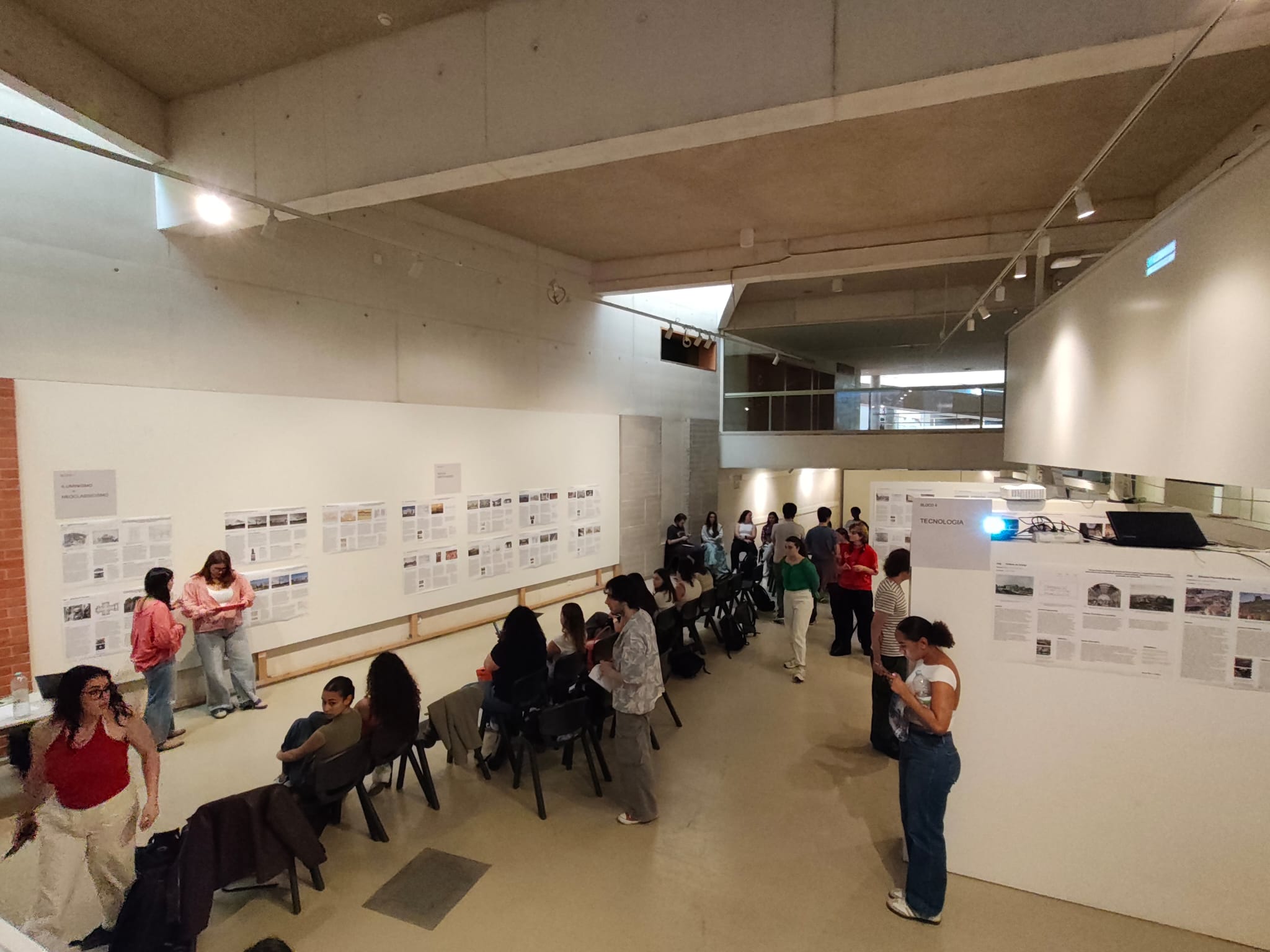
On 23 October 2025, the posters were printed and presented in class, where they were commented on by Professors Ana Vaz Milheiro, Filipa Fiúza and Sónia Henrique. The aim of this feedback was to improve the posters for the final delivery, incorporating the jury’s comments if necessary. The jury also chose the winning selfie. The selfies and posters were displayed.
Exercise
1. Poster
Part 1: a) Project title (name of the building, e.g., St. Anthony’s Church and Square; St. Francis Fort and Barracks; Chio Family Mansion; Mandarin’s House; Sam Seng Temple…); Author; Date; Location; Developer/Owner; Contractor; Financing/Cost; b) Construction; Historical context; Materials and systems; Workers and skills (e.g., carpenters, masons, laborers…)
Part 2: Several images of the building (including archival documentation such as old drawings and photographs), schematics and diagrams, and current photos taken by you.
2. Photography Contest In addition to the images of the buildings under study, which should make up the two pages of the poster, each student took photos of themselves in the building under study (like a “selfie”), choosing one for the “photography contest” and printing it in large format (minimum A3). One of the objectives is for the building’s construction materiality to be conveyed through this “selfie” or self-portrait.


LabourMap-Macao is an Exploratory Project funded by the Portuguese Foundation for Science and Technology (2023.14980.PEX).
Beta trial disclaimer
The LabourMap-Macao team is responsible for the maintenance of this website, which is intended to facilitate public access to information about the group’s initiatives. Although this is still a beta trial, the intention is to release the information in a timely and accurate manner. Should any errors be brought to the attention of the team, they will be corrected.
-

“Creolizar” para resistir: A escola de Chorão Ramalho em Macau
Communication
“Creolizar” para resistir: A escola de Chorão Ramalho em Macau
Event: Docomomo Portugal
Authors: Ana Vaz Milheiro, Beatriz Serrazina
Date: 20-21 October 2025Location: Coimbra, Portugal


Summary
How were educational spaces constructed at the end of the Portuguese colonial period in Macau? How was the discipline of architecture used to establish proximity with cultures that the Portuguese considered ‘autonomous and closed’? How did modern Western languages become inclusive through ‘detail’ and ‘multiple codes’ (Colquhoun, 1991)? What role did Macanese workers play in this process? This article examines two schools: the Pedro Nolasco Commercial School, designed in 1962 by Raúl Chorão Ramalho (1914–2002), and the Infante D. Henrique National High School, designed in 1956 by the Overseas Urbanisation Office. The contrast between the two buildings reveals the ‘linguistic evolution’ of teaching programmes within colonial agencies.
The Commercial School is considered a milestone in the ‘creolisation’ (‘patuá’) of architecture in the territory, combining Eastern references with Portuguese identity elements. This contrasted with the monumentalised, historicist composition of the Lyceum, which supposedly embodied the “anti-modern” character of the metropolitan agency. In 1989, the old high school was demolished without protest. However, Chorão Ramalho’s building survived threats of destruction thanks to interventions by Carlos Marreiros (1999) and Rui Leão and Carlotta Bruni (‘Reading Room’, 2008).
This text questions the stylistic differences between the two schools, arguing that it was Chorão Ramalho’s modernist approach that ensured the building’s preservation. It examines the Commercial School in terms of the composition of the construction teams to illustrate how its materiality also depended on the workforce. The aim is to describe the building’s quality as a shared action between the various players on the construction site, from architects to labourers and workers. Finally, it considers whether the building’s familiarity to the Macanese community, due to the presence of these latter construction agents, played a role.
Click here for the conference program.


LabourMap-Macao is an Exploratory Project funded by the Portuguese Foundation for Science and Technology (2023.14980.PEX).
Beta trial disclaimer
The LabourMap-Macao team is responsible for the maintenance of this website, which is intended to facilitate public access to information about the group’s initiatives. Although this is still a beta trial, the intention is to release the information in a timely and accurate manner. Should any errors be brought to the attention of the team, they will be corrected.
-

Lecture Macau: Micro-Stories on Collective Housing between the 50s and the 80s
Event
Macau: Micro-Stories on Collective Housing between the 50s and the 80s
Event: Docomomo Macau – The Advent of Collective Housing in the 20th Century
Authors: Ana Vaz Milheiro
Date: 05 September 2025Location: Casa Garden Auditorium, Macau


LabourMap-Macao is an Exploratory Project funded by the Portuguese Foundation for Science and Technology (2023.14980.PEX).
Beta trial disclaimer
The LabourMap-Macao team is responsible for the maintenance of this website, which is intended to facilitate public access to information about the group’s initiatives. Although this is still a beta trial, the intention is to release the information in a timely and accurate manner. Should any errors be brought to the attention of the team, they will be corrected.
-

Session Asian (post)colonial works, labour and gender through the camera lens
Panel
Asian (post)colonial works, labour and gender through the camera lens
Event: SAH Virtual 2025
Authors: Ana Vaz Milheiro, Beatriz Serrazina (chair), Inês Lima Rodrigues, Cecilia Chu, Leonor Matos Silva (chair)
Date: 18 September 2025Location: Online


Summary
The session examines how photography intersects with the histories of labour, architecture, and gender in Asian (post-)colonial contexts, particularly in Macau. It brings together researchers and consultants from the LabourMap-Macao project and has Professor Kathleen James-Chakraborty as respondent. The project explores how photography has documented and, at times, obscured the presence and roles of workers in construction processes. Despite its inherent subjectivities and limitations, photography captures both the built environment and the point of view of those behind the lens, revealing dynamics of power, visibility and authorship.
Click here for the conference program.
Presentations
– Beatriz Serrazina and Leonor Matos Silva (Chairs, Dinâmia’CET-Iscte)
– Ana Vaz Milheiro (Dinâmia’CET-Iscte), “Getting to know the workers and the construction processes through photographic records of building sites in Macau (1938-197-)”
– Cecilia Chu (University of Hong Kong), “Engineering the Modernist Landscapes: Chinese Architecture and the “Ethnic Supplement”.
– Inês Leonor Nunes (University of Coimbra), “Photographing Chandigarh: Modern India Through Pierre Jeanneret and Jeet Malhotra’s Rolleiflex”.
– Leonor Matos Silva (Dinâmia’CET-Iscte), “Captured in Transit: Two Women Architects and the Story of Labour Mobility from Portugal to Macau (1960s–1985)”.
– Inês Lima Rodrigues (Dinâmia’CET-Iscte), “Framing labour through the colonial lens: Photography and the (in)visibility of work on the construction of the Macau-Taipa Bridge (1969–1974)”.
– Kathleen James-Chakraborty (Respondent, University College Dublin).


LabourMap-Macao is an Exploratory Project funded by the Portuguese Foundation for Science and Technology (2023.14980.PEX).
Beta trial disclaimer
The LabourMap-Macao team is responsible for the maintenance of this website, which is intended to facilitate public access to information about the group’s initiatives. Although this is still a beta trial, the intention is to release the information in a timely and accurate manner. Should any errors be brought to the attention of the team, they will be corrected.
-

On What Material Do You Want It to be Made…? Negotiations and Colonial Building Sites in African Territories Under Late Portuguese Rule (Working Paper)
Communication
On What Material Do You Want It to be Made…? Negotiations and Colonial Building Sites in African Territories Under Late Portuguese RuleJournal: TRADITIONAL DWELLINGS AND SETTLEMENTS WORKING PAPER SERIES, vol. 343
Authors: Ana Vaz Milheiro
Date: 2025

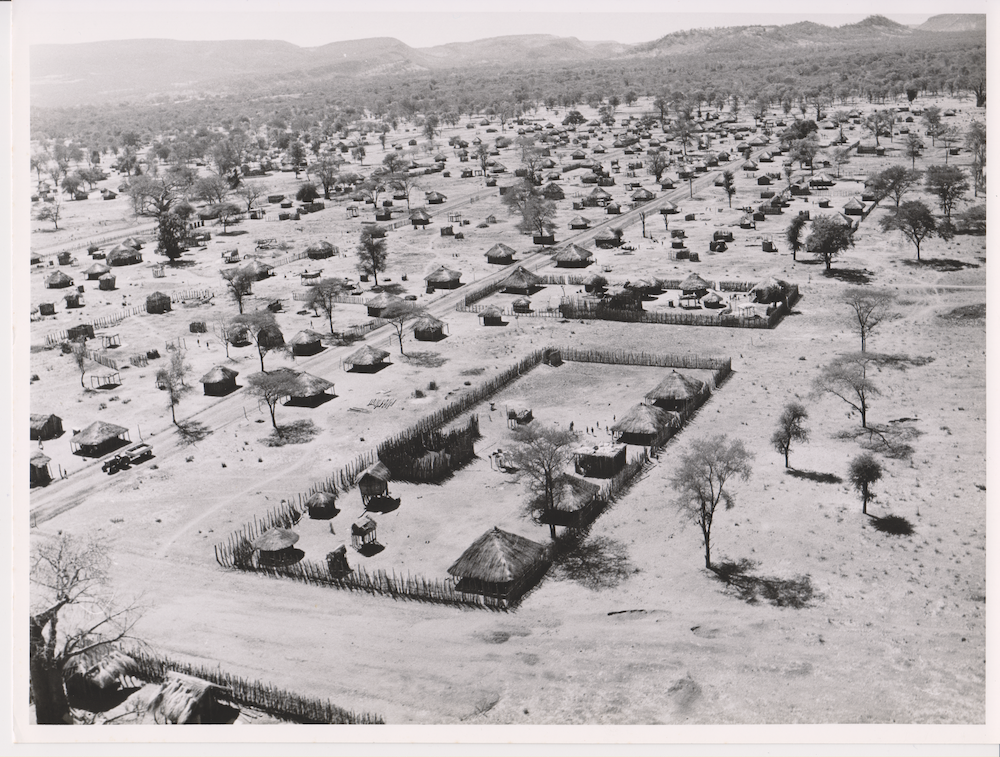
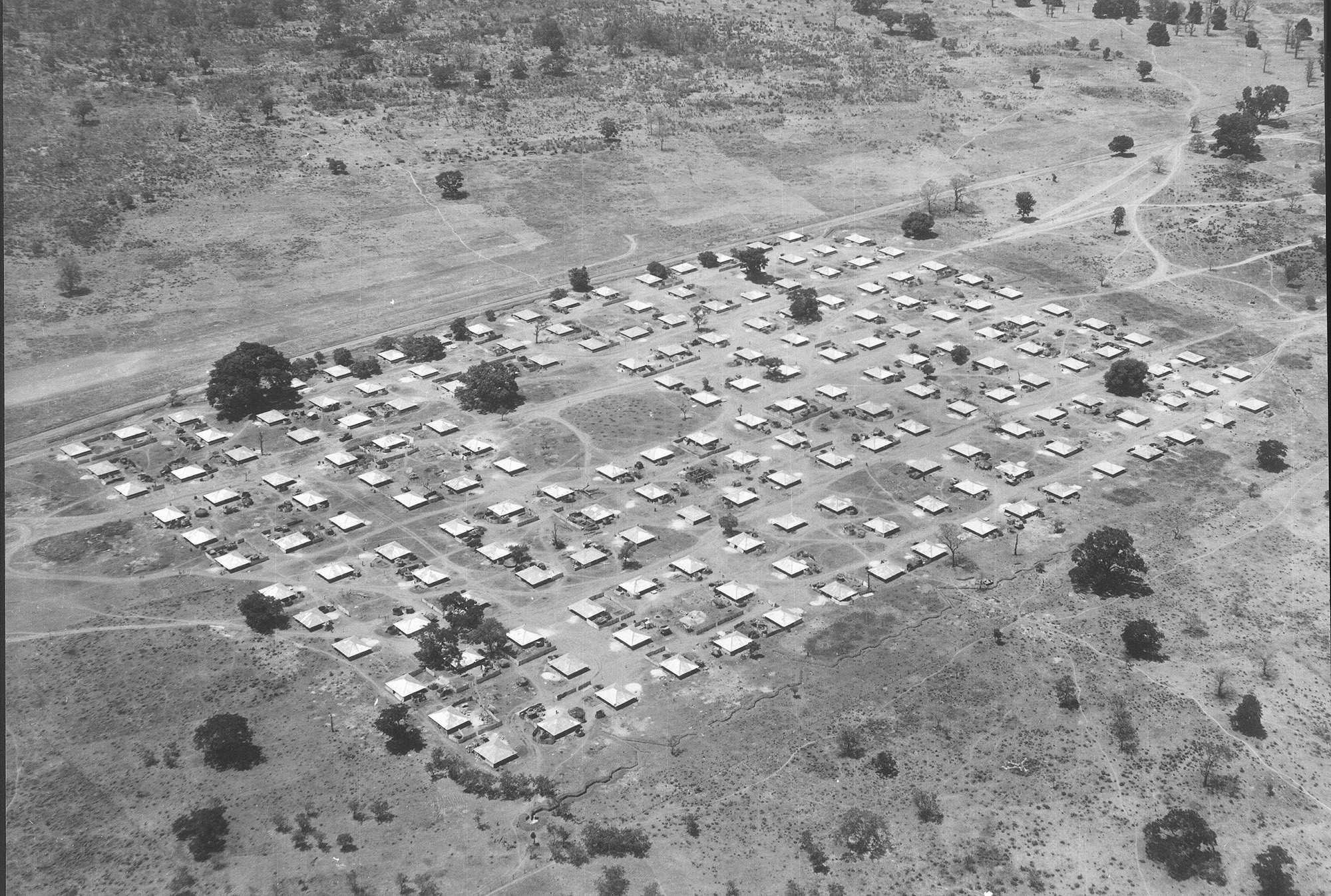
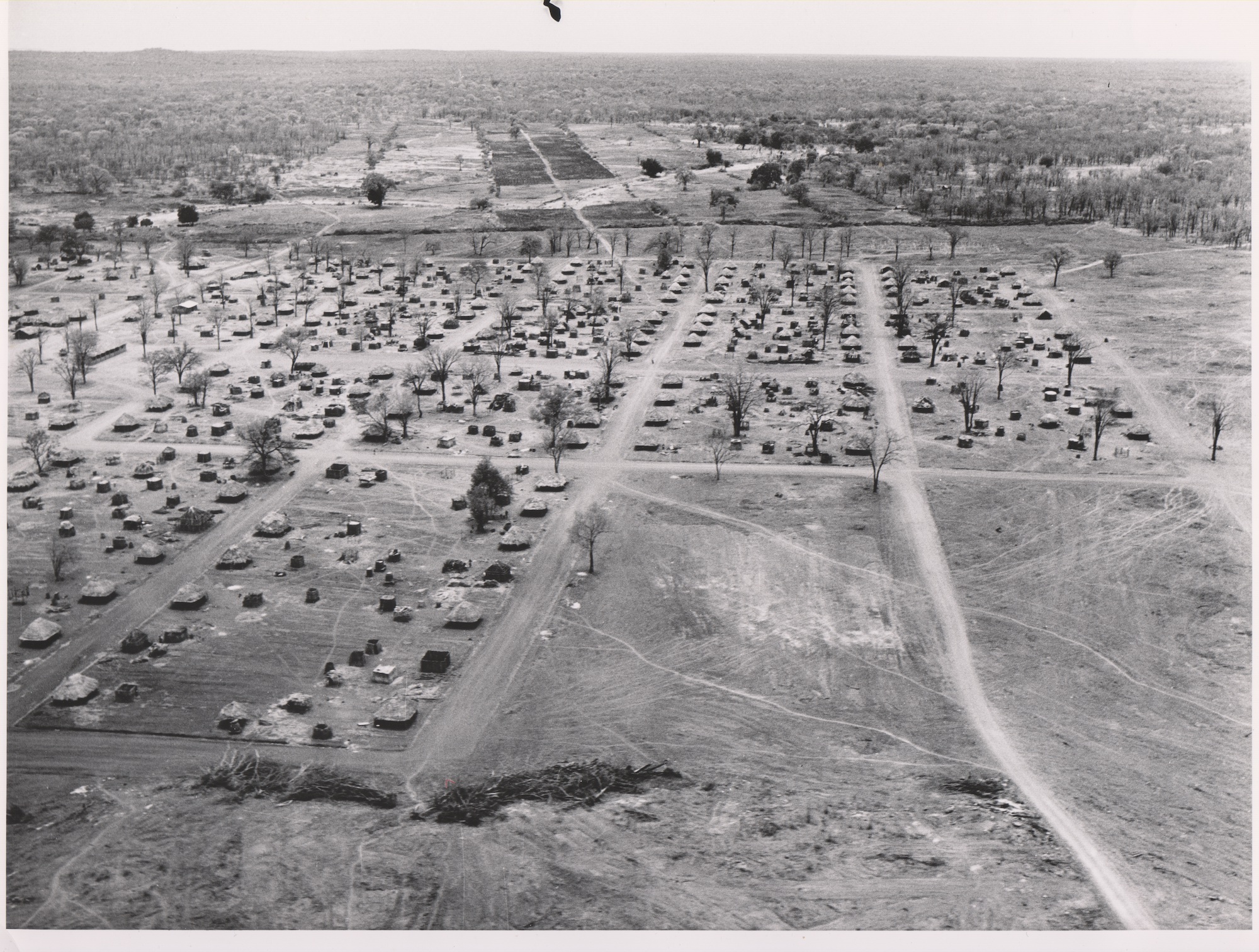
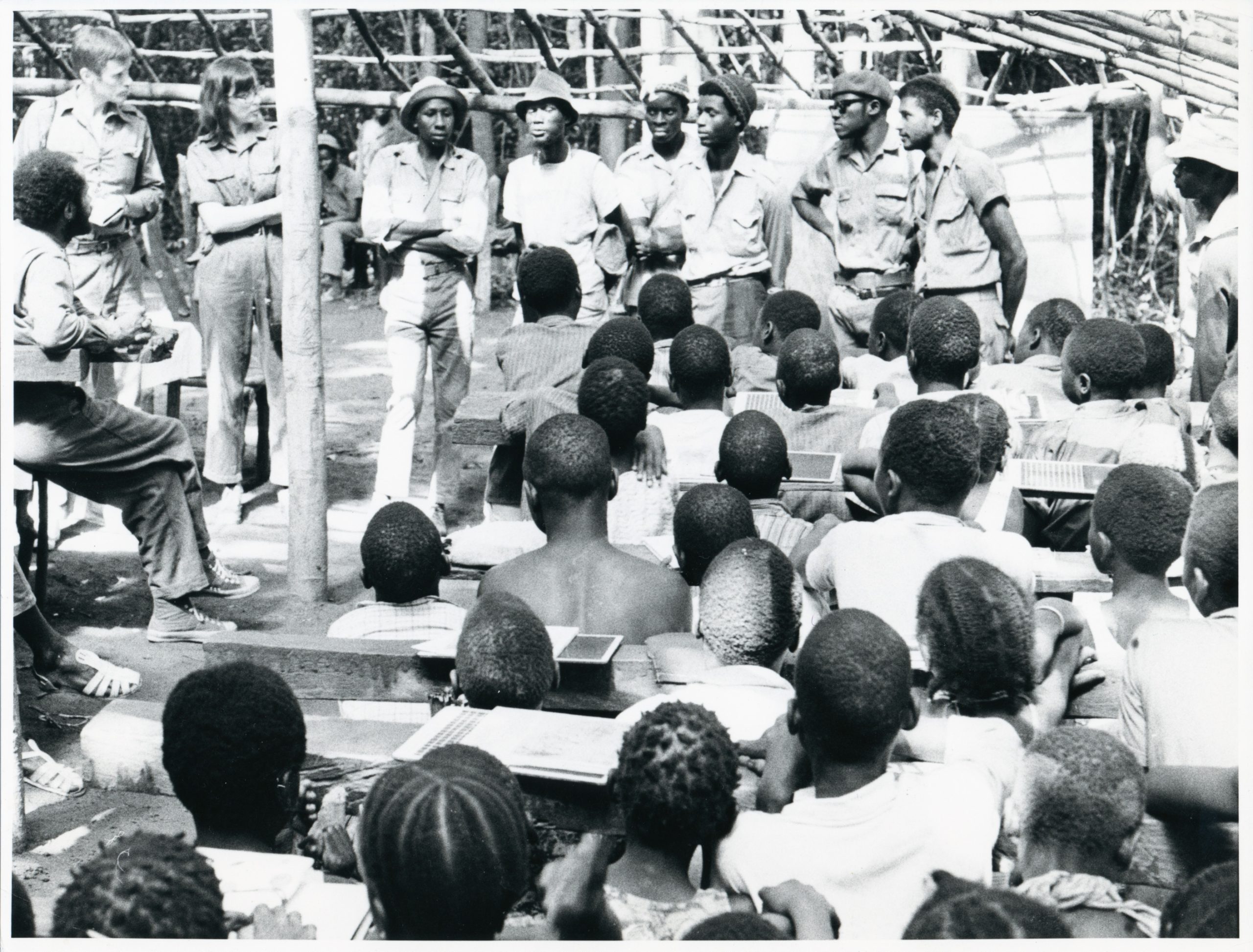
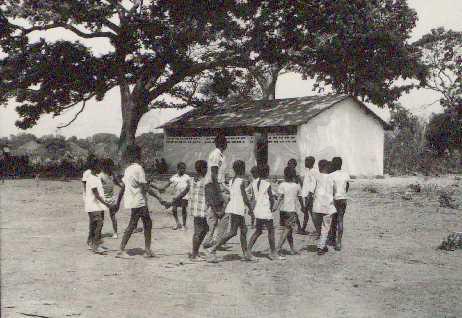
Population and soldiers involved in the construction of Nhabijões, Bambadinca Sector, Guinea-Bissau. c. 1970 
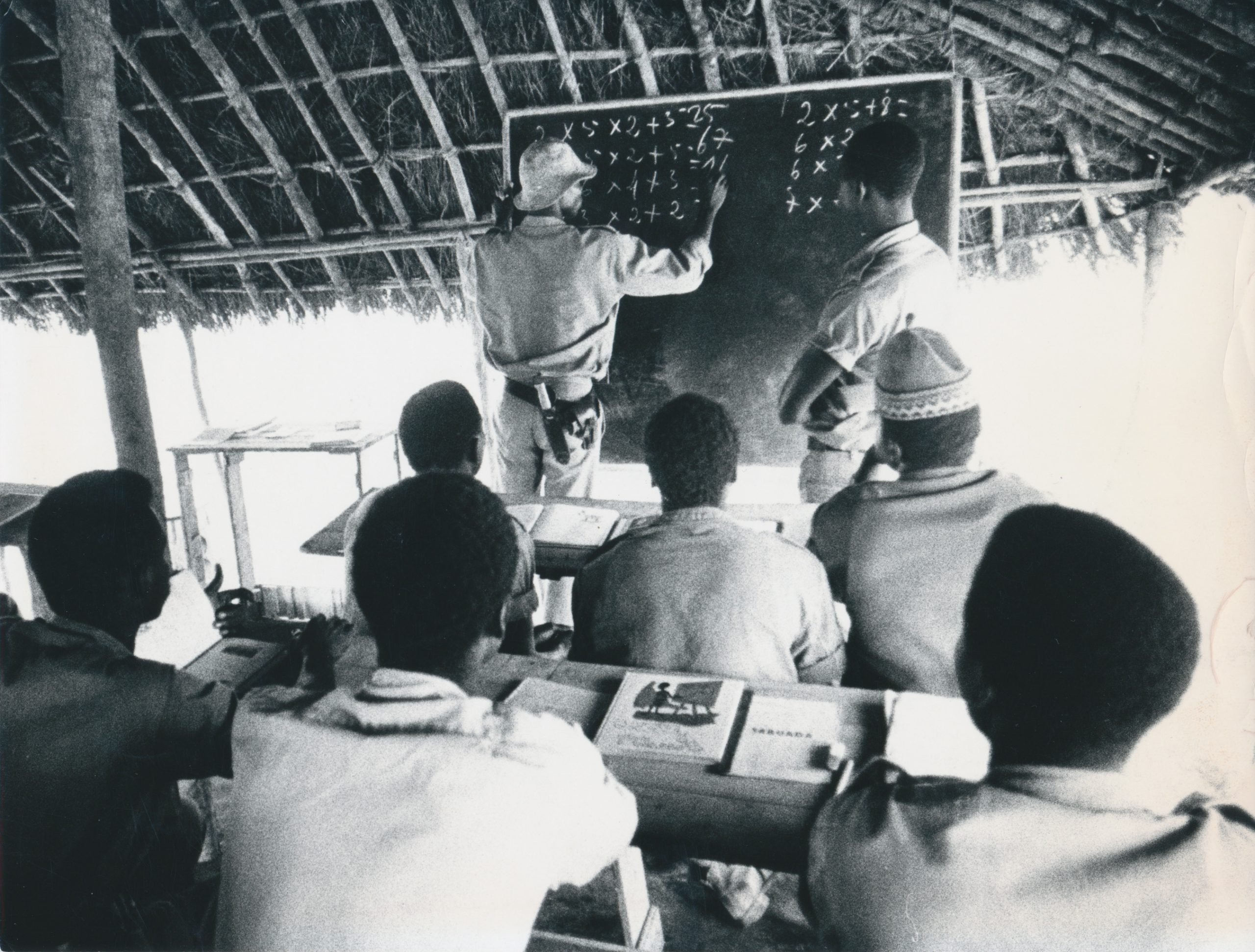
Construction of Casa Axiluanda: framing the roof with coconut tree slats, Island of Luanda, Angola, c. 1965
Summary
This paper examines the concept of “community development” in the construction of single-family homes in former Portuguese colonial territories in Africa during the Cold War to gain insight into the strategies of self-production housing. It traces a narrative of the colonial building sites of these residential landscapes through three processes of optimization: how technicians described the core tasks of domestic scale works, identifying local agents with the “right skills”; how they tested the capacity for self-construction; how they managed the interplay between local labor, traditional techniques and industrialized materials. Finally, the paper questions how the building sites’ dynamics impacted project design.
Click here to download the paper.
-

Mining Labor, Housing, and Building Sites Across Central Africa (Working Paper)
Communication
Mining Labor, Housing, and Building Sites Across Central AfricaJournal: TRADITIONAL DWELLINGS AND SETTLEMENTS WORKING PAPER SERIES, vol. 343
Authors: Beatriz Serrazina
Date: 2025

“Experiments with earth blocks in the village of Chilupuca”, Lunda, 1954 
“This brickmaker has already filled and scraped one half of his mold”, Belgian Congo; “Dundo brickworks [Lunda]. Brick molding using quadruple forms”, 1955
Summary
This paper will critically analyze the intersections and interactions between African labor, skills, tasks, building materials and methods in the construction of mining camps in Angola and the Belgian Congo during the 20th century. It argues that camps are a fruitful environment in which to explore multiple dimensions of cosmopolitanism within the colonial context. The construction processes and the influence of construction methods and training are examined. The paper concludes that workers played a pivotal role in shaping their dwellings and camps, and their involvement in construction resulted in cosmopolitan relations and spaces.
Click here to download the paper.