
Author: admin

  • Building the Cunene agricultural settlement in Angola: a perspective on labour

    Building the Cunene agricultural settlement in Angola: a perspective on labour

    Event: III International Congress on Colonial and Post-colonial Landscapes: Architecture, Cities, Labour
    Authors: Filipa Fiúza
    Date: 11 – 13 February 2026

    Location: Lisbon, Calouste Gulbenkian Foundation


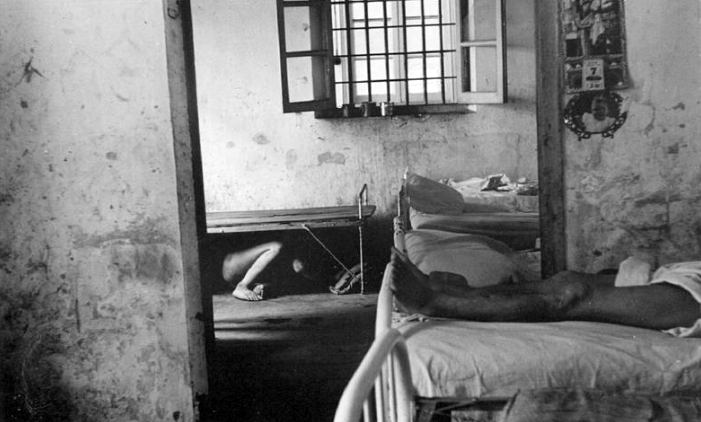
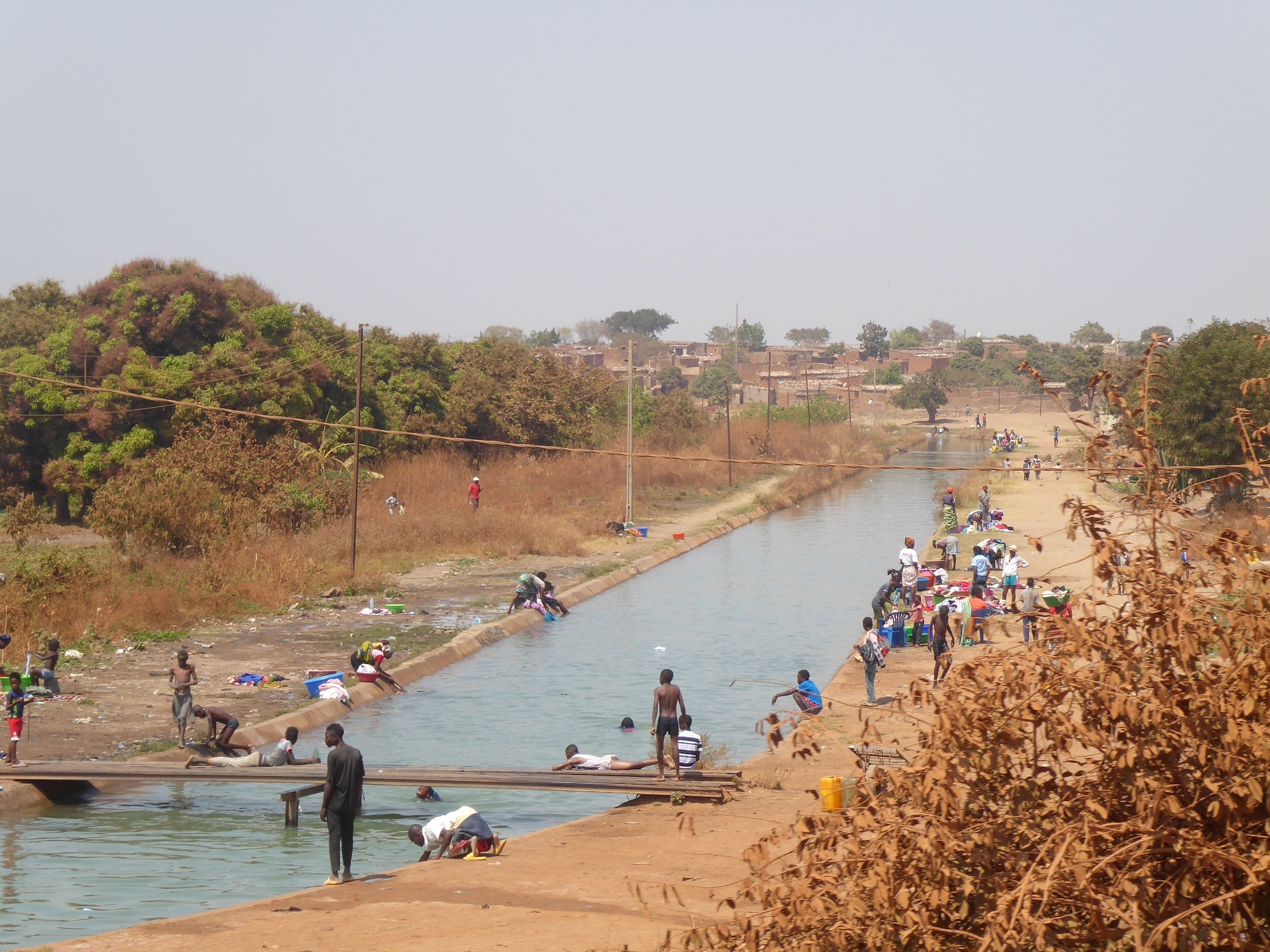
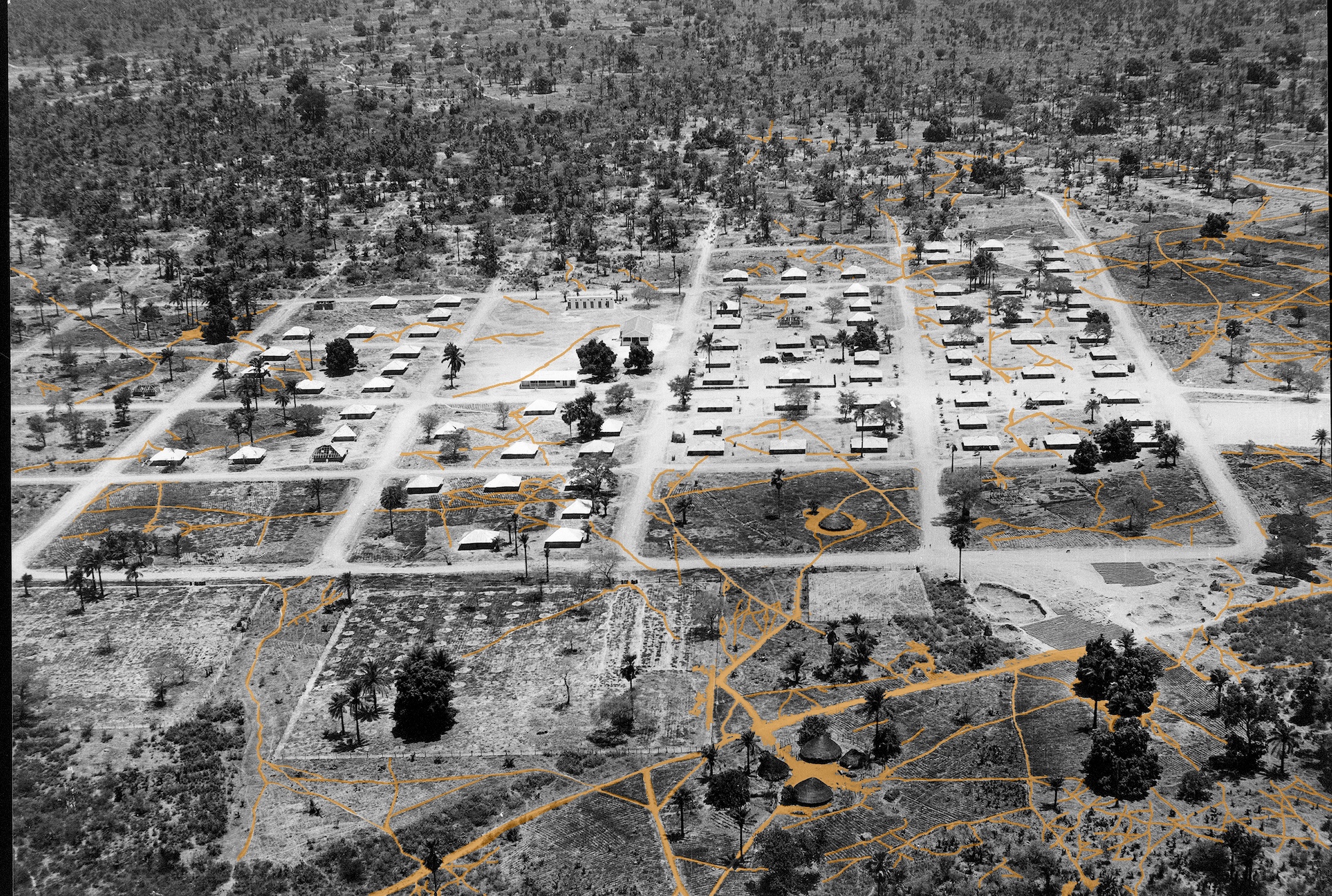
    The main irrigation canal of the Cunene agricultural scheme. Designed by a team headed by engineer Armando da Palma Carlos. Photo by Filipa Fiúza, 2024.
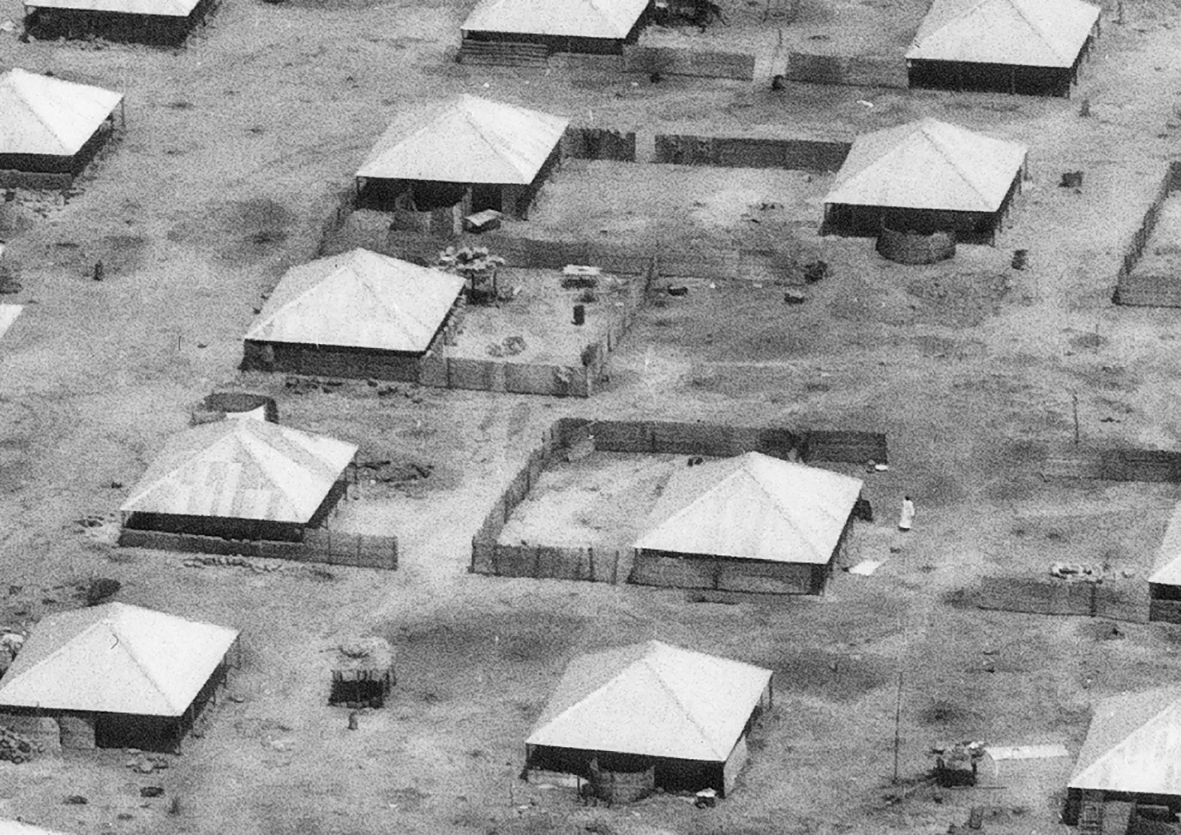
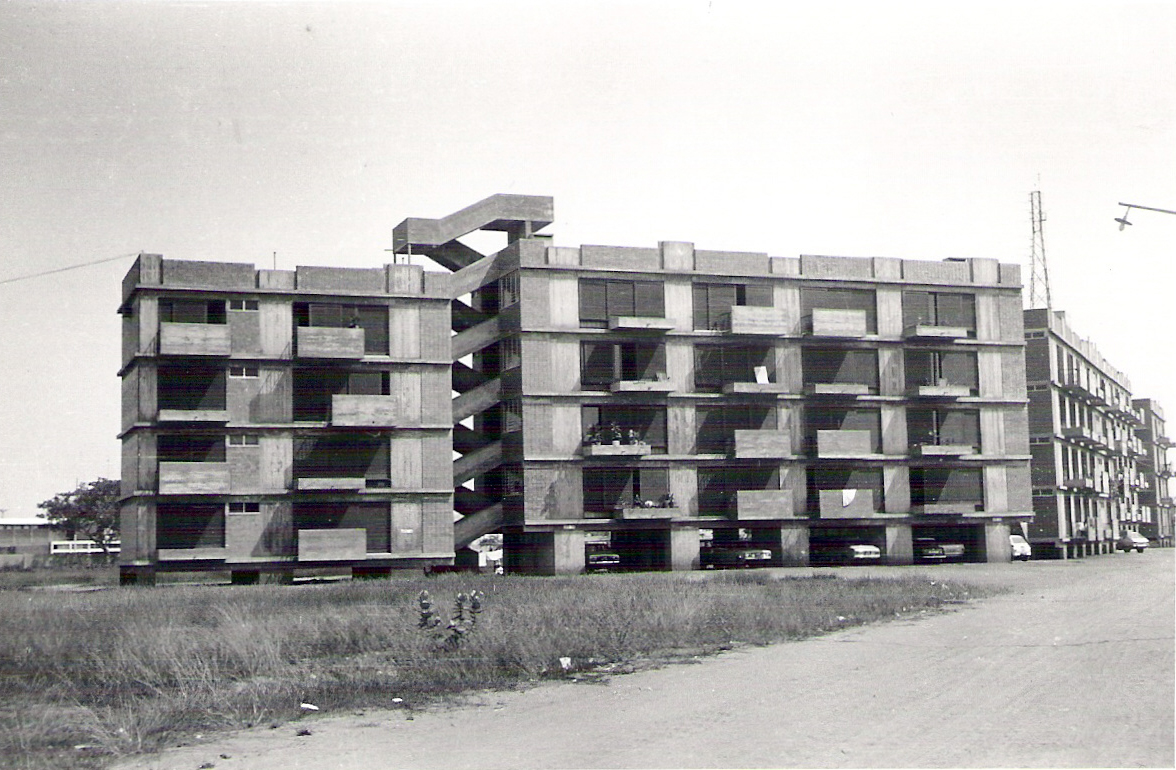
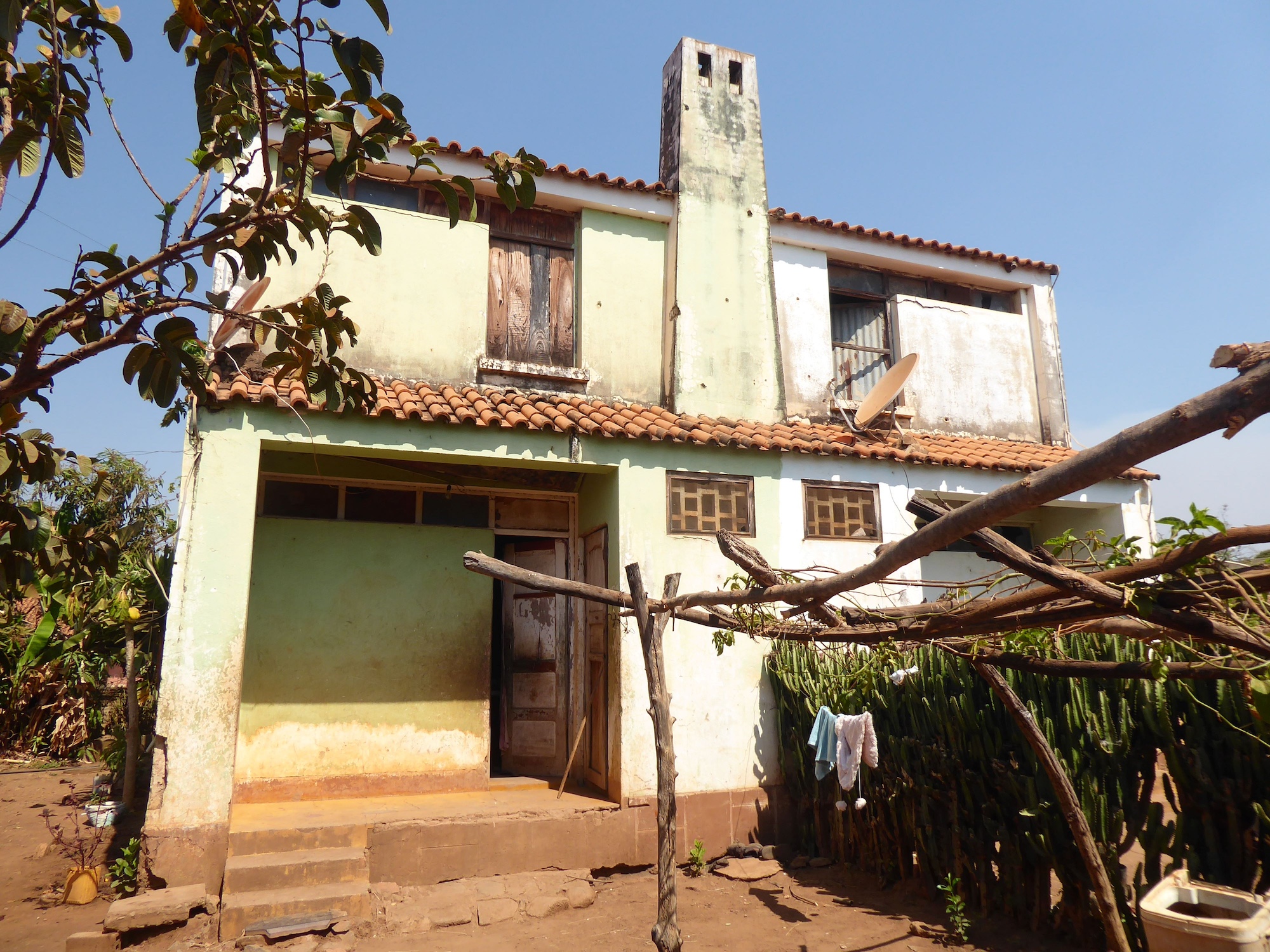
    A former settler’s house by architect João Tinoco, head of the 5th Technical Section – Urbanisation and Buildings of the Cunene Technical Brigade for Development and Settlement. Photo by Filipa Fiúza, 2024.

    Summary

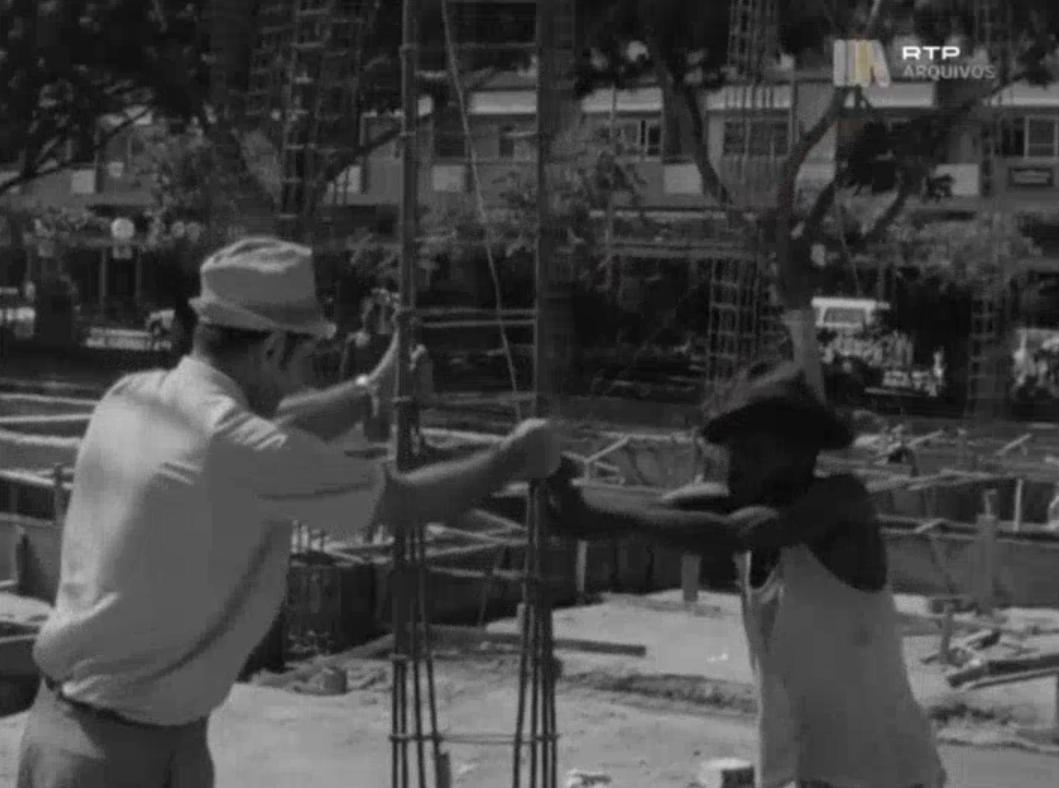
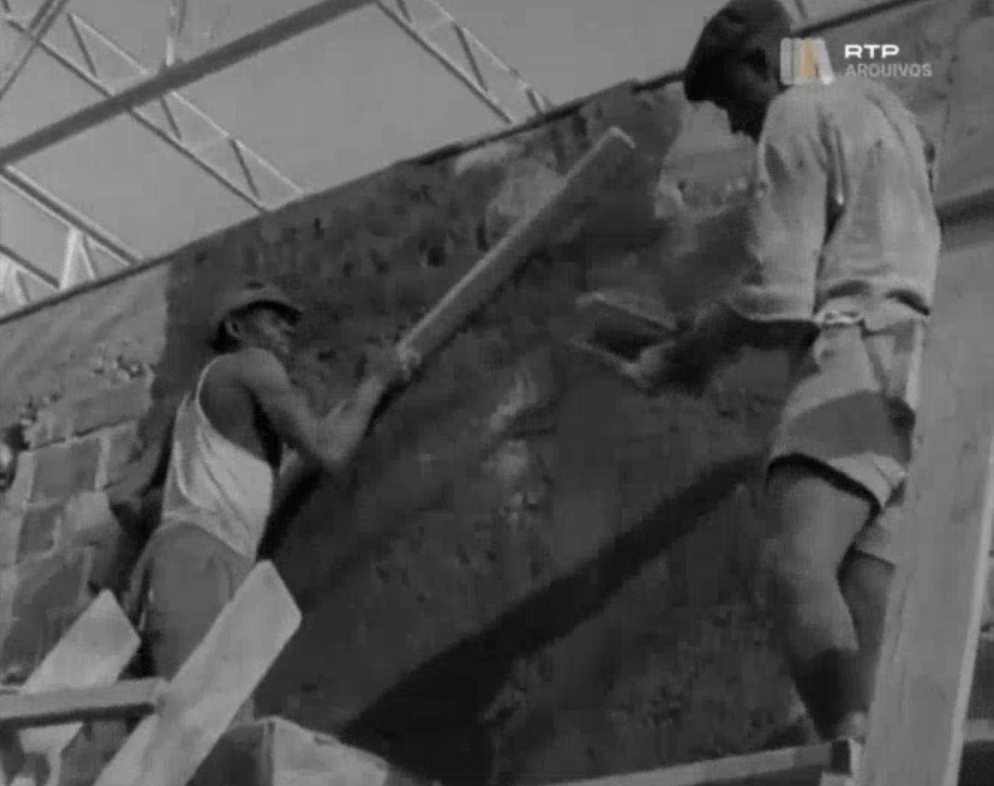
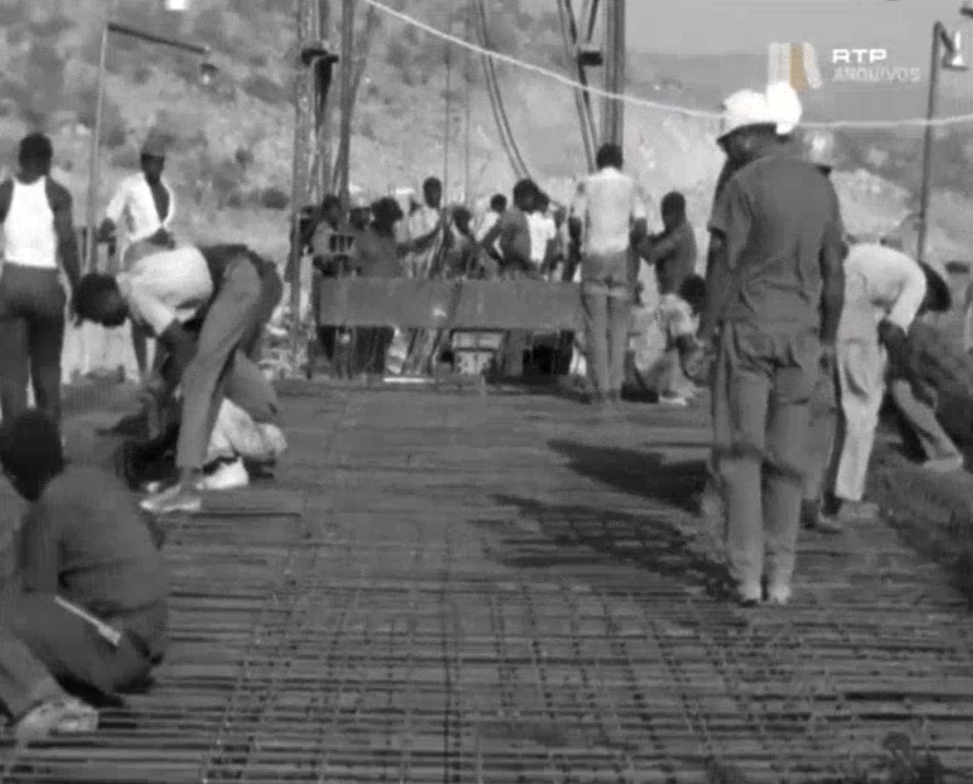
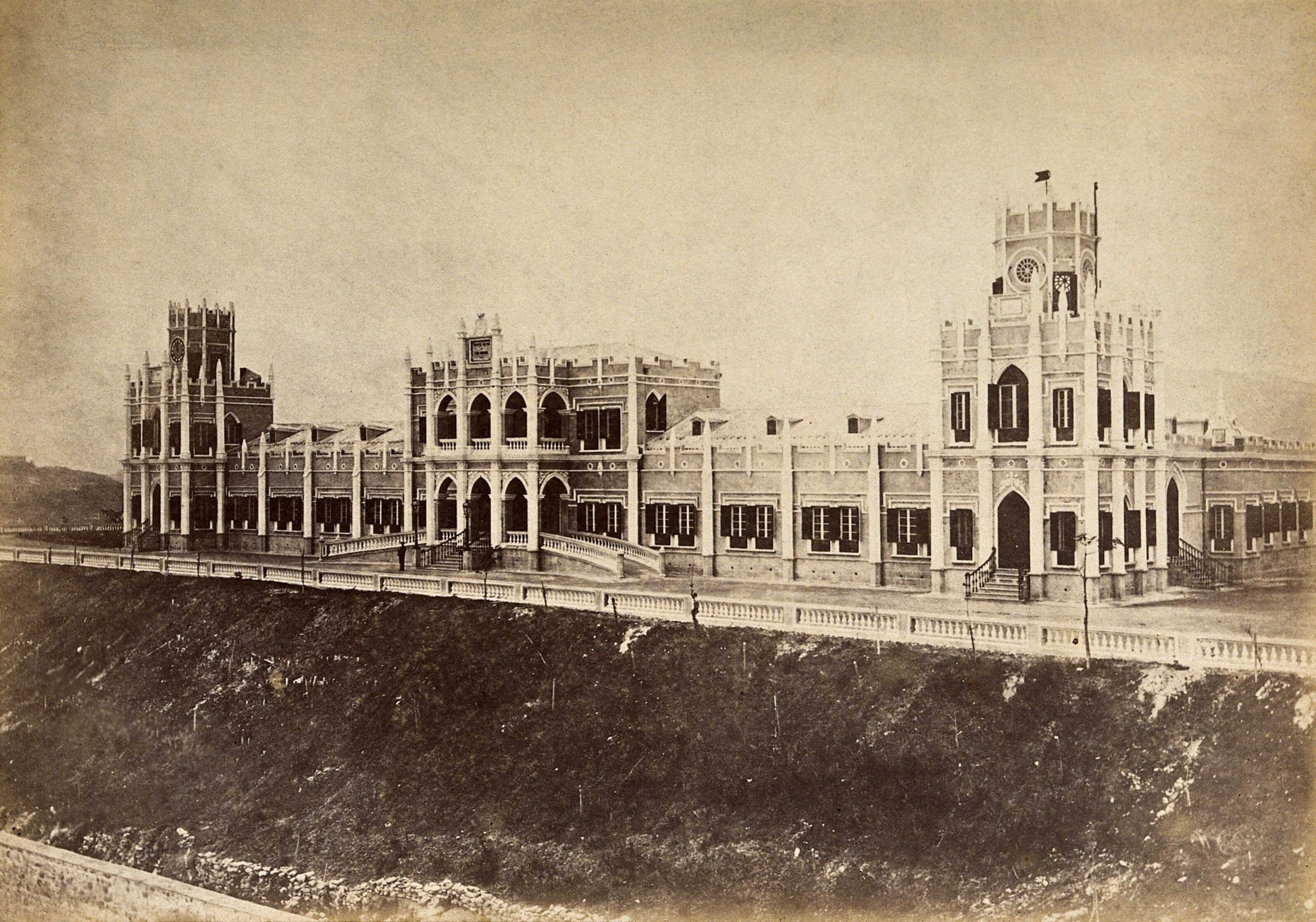
    This paper analyses the construction of the Cunene Agricultural Settlement in southern Angola through the perspective of labour within Portuguese colonial development and settlement policies. In Angola, European-style agricultural exploitation of the territory began in the late nineteenth century with the settlement of European farmers and became more systematic in the second half of the twentieth century, when technical and financial means converged with colonial strategies that aligned development works with colonial settlement efforts, as articulated by Vicente Ferreira in 1927. The Cunene settlement followed this logic closely.

    Under the direction of civil engineer Trigo de Morais, the hydroelectric and hydro-agricultural development plan for the Cunene region was initiated in 1953 in the Matala area, based on a preliminary project produced by the Southern Angola Mission in 1946. Moving beyond the amateurism that had characterised earlier agricultural settlements, this large-scale enterprise fulfilled several objectives: generating electricity through a dam to respond to the rapid demographic growth of the province, particularly in urban centres and emerging industries; promoting livestock and agricultural production to supply local populations and external markets; and consolidating territorial occupation in Angola’s hinterland through the extension of the Moçâmedes railway and the settlement of migrants from the Portuguese metropole.

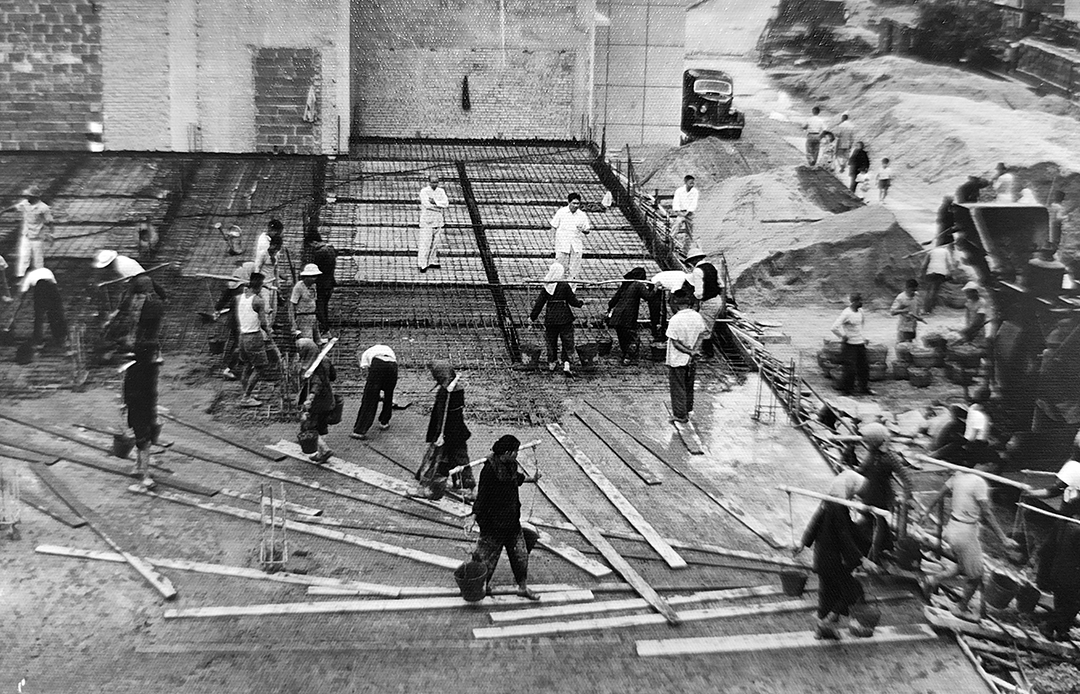
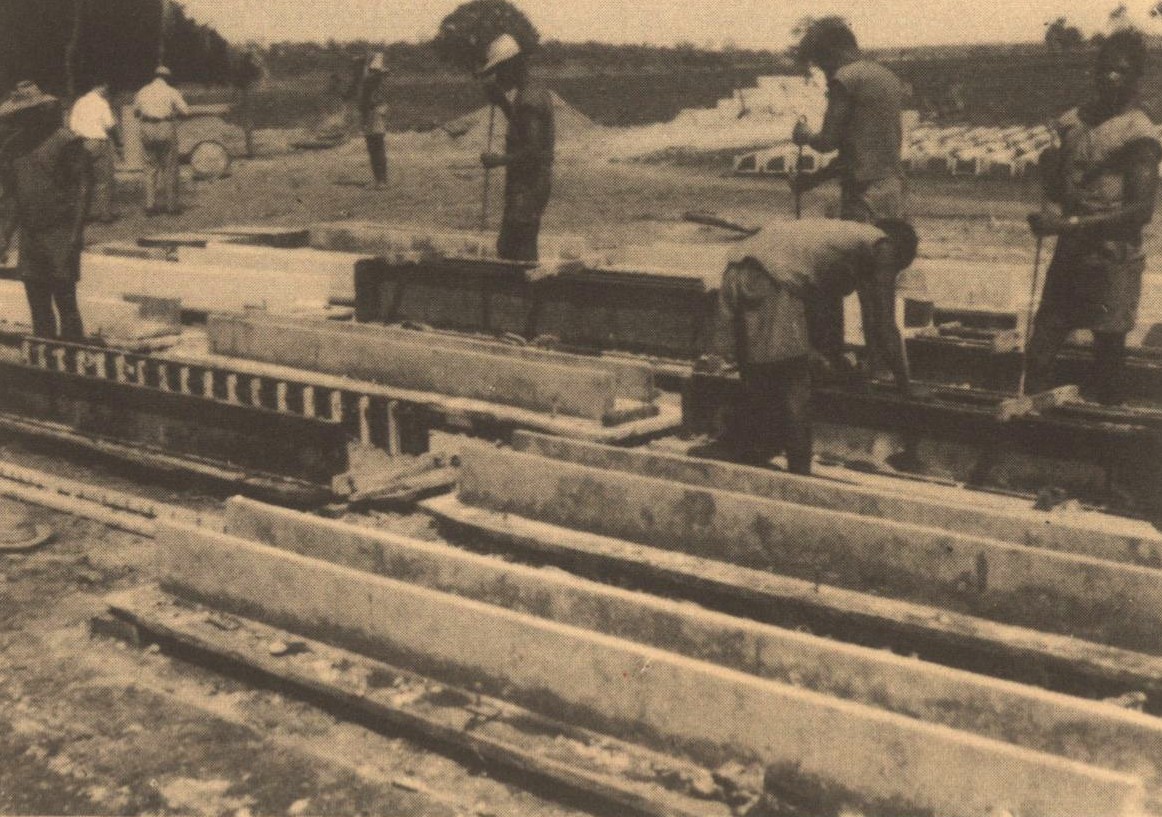
    Drawing on colonial administrative records, technical reports, planning documents and visual sources, the paper analyses the organisation of construction work, focusing on workforce composition, recruitment practices, wage structures and labour hierarchies that shaped the building of the Cunene Agricultural Settlement, while also reflecting on the methodological challenges of tracing construction workers in colonial archives.  

    [Panel 12:  Material landscapes of labour exploitation, organized by Robby Fivez and Simon De Nys-Ketels].

  • ArchLabour Presentation

    ArchLabour Presentation

    Event: Colonial and Post-Colonial Landscapes. Architecture, Cities, Labour
    Authors:
    Ana Vaz Milheiro, Dinâmia’CET-Iscte 
    Date:
    13 Feb 2026
    Location:
    Calouste Gulbenkian Foundation, Lisbon

    Biographical note

    Full Researcher at ISCTE-IUL (DINÂMIA’CET) and ERC Advanced Grantee, she leads the project ArchLabour (2024–2028). A former Associate Professor with Aggregation at the Faculty of Architecture, University of Lisbon (FAUL), she holds a PhD from the University of São Paulo (2004) and a Post-Doc from the University of Porto (FAUP). As a leading expert in colonial and post-colonial architecture, she has served as Principal Investigator for seven major FCT-funded projects, including the ongoing LabourMap-Macau. Her international leadership is evidenced by her role as Chair of the COST Action CA18137 (2019–2023) and as a Fellow at the Israel Institute for Advanced Studies (2019–2020).

    Her award-winning scholarship includes Nos Trópicos sem Le Corbusier (AICA/Carmona e Costa Prize, 2013). She has further distinguished herself in gender studies, notably through the project WomArchStruggle (2023–2024), focusing on women architects in former Portuguese colonial Africa, and her specialized research on female labor at construction sites. She has held research visiting positions at Ghent University and the University of São Paulo and has curated major exhibitions for CCB (Lisbon) and UIA Rio 2021. She is currently a researcher at the African Studies Center (University of Porto) and a professor in several international postgraduate programs in Portugal, Brazil and Macao. More recently she served as a juror for the 2026 Kristine Fallon Prize, which honors scholarship on women navigating and negotiating repressive political, economic, or cultural conditions (IAWA, Virginia Tech).

  • Architecture + Infrastructures Working Paper Series 2. Colonial and Post-Colonial Landscapes: Architecture, Cities and Labour

    Architecture + Infrastructures Working Paper Series 2. Colonial and Post-Colonial Landscapes: Architecture, Cities and Labour

    Editors: Beatriz Serrazina, Francesca Vita

    Series Coordinator: Ana Vaz Milheiro
    Publisher: Dinâmia’CET-Iscte, 2026

    Design: vivóeusébio

    Edition: 1st Edition


    Authors: Aahd Benchaouch; Abigail Duke; Adarsh Lanka; Adarsh Lanka; Asu Tozan; Chidi Siene Eghelle; Dhara Patel; Excellent Hansda; Filipa Lopes; Inês Lima Rodrigues; Joana Borges Pereira; Kieran Gaya; Lutherking Petercan Asuru; Manlio Michieletto; Maria Alice Correia; Sónia Pereira Henrique; Victor Mukanya Bay


    Summary

    The second volume of the Architecture + Infrastructures Working Paper Series brings together articles presented at the third International Conference Colonial and Post-Colonial Landscapes: Architecture, Cities and Labour, held at the Calouste Gulbenkian Foundation in Lisbon in February 2026. The articles cover a variety of geographical areas, historical periods and topics, shedding light on the many landscapes, buildings, construction practices, individuals, interactions, dimensions and narratives that intersect with the history of colonial architecture, social and labour history, and construction technology.

    The relationship between architecture and labour in colonial contexts provides a promising approach to addressing some of the challenges faced by post-colonial societies, offering diverse perspectives. These include the relationship with “Western” building technologies and materials; the scarcity of traditional construction systems; the undervaluation of these systems in terms of climate adaptation and sustainable solutions; and the persistence of racial and gender inequalities in work environments. This WPS#02 focuses on housing, modernism, and socio-spatial legacies.

  • Architecture + Infrastructures Working Paper Series 1. Colonial and Post-Colonial Landscapes: Architecture, Cities and Labour

    Architecture + Infrastructures Working Paper Series 1. Colonial and Post-Colonial Landscapes: Architecture, Cities and Labour

    Editors: Beatriz Serrazina, Francesca Vita

    Series Coordinator: Ana Vaz Milheiro
    Publisher: Dinâmia’CET-Iscte, 2026

    Design: vivóeusébio

    Edition: 1st Edition


    Authors: Ana Vaz Milheiro, Arzu Kusaslan, Elke Beyer, Igor Bloch, João Marcos de Almeida Lopes, Lara Melotti Tonsig, Lía Duarte Rodríguez, Liora Bigon, Lucia Riba-Hernández, Maria Luisa Palumbo, Oyewale Oyeleye, Philippe Zourgane, Rafael Manhães


    Summary

    The first volume of the Architecture + Infrastructures Working Paper Series brings together articles presented at the third International Conference Colonial and Post-Colonial Landscapes: Architecture, Cities and Labour, held at the Calouste Gulbenkian Foundation in Lisbon in February 2026. The articles cover a variety of geographical areas, historical periods and topics, shedding light on the many landscapes, buildings, construction practices, individuals, interactions, dimensions and narratives that intersect with the history of colonial architecture, social and labour history, and construction technology.

    The relationship between architecture and labour in colonial contexts provides a promising approach to addressing some of the challenges faced by post-colonial societies, offering diverse perspectives. These include the relationship with “Western” building technologies and materials; the scarcity of traditional construction systems; the undervaluation of these systems in terms of climate adaptation and sustainable solutions; and the persistence of racial and gender inequalities in work environments. This WPS#01 focuses on land, infrastructure, commodities, knowledge transfers, and theory.

  • Films Screening at Cinemateca Portuguesa

    Films Screening at Cinemateca Portuguesa

    Event: Colonial and Post-Colonial Landscapes. Architecture, Cities, Labour
    Authors: Alexandra Areia, Dinâmia’CET-Iscte, FAUP 
    Date: 12 February 2026
    Location: Cinemateca Portuguesa, Lisbon

    Summary

    The session Landscapes of labour and construction in colonial films. A glimpse into the archival collection of the Portuguese Cinemateca will screen a curated selection of six films from Cinemateca Portuguesa’s archival collection, illustrating a wide range of provenances, purposes, geographic locations, and historical circumstances. The films will be presented chronologically, from the 1920s to 1969, and will cover different sites in Angola, Mozambique, and Cape Verde. Rooted in propagandistic agenda and in underlying narratives of dominance and oppression, which must be critically assessed and acknowledged, the films produced under Portuguese colonial system provide vivid, nuanced and multidimensional insights into the topic of labour within Portugal’s territorial activities in Africa during the 20th century. Considering the political and ideological framework of Portuguese colonialism, this collection of moving images invites reflection on the labour strategies and mechanisms employed by the colonizers in their exploration of African land, nature, and human resources.

  • Archlabour: Architecture, Colonialism and Labour in Portuguese Colonial Rule

    Archlabour: Architecture, Colonialism and Labour in Portuguese Colonial Rule

    Event: Colonial and Post-Colonial Landscapes: Architecture, Cities, Labour
    Chairs: Fernando Pires, Leonor Matos Silva
    Date: 12 February 2026

    Location: Calouste Gulbenkian Foundation, Lisbon (PT)


    Session Speakers (from the right): Ana Vaz Milheiro, Francesca Vita, Filipa Lopes and Beatriz Serrazina. Session chair Fernando Pires on the left.
    Session Speaker: Ana Vaz Milheiro.

    Summary

    Who were the workers involved in architecture and construction works in Portuguese colonial territories in Africa? Where did they come from? How were they recruited? What were their expectations? How were they paid? What were their skills and tasks? What materials and construction systems did they work with? What training did they receive? How did they resist and collaborate? What were the repercussions of these (often compulsory) work experiences? How should this legacy be dealt with? Where to find and how to examine construction workers in archives and sources?

    In this session, researchers from the ArchLabour project will present their ongoing research and discuss some of the project’s questions. The presentations will cover a variety of topics, time frames, geographies and building typologies, ranging from large-scale infrastructure to archival research. The spotlight will be on ArchLabour case studies, main sources and methodologies, including an analysis of construction work on railways, dams, housing and settlements in Angola, Mozambique, Guinea-Bissau, Cape Verde and São Tomé e Príncipe in the 20th century. Key concepts such as subalternity, policies, race, gender, conflict and resilience will be examined in relation to construction materials and systems, the production of localised knowledge and labour skills and categories.


    Presentations

  • The spaces and movements of colonial forced labour: an “ecosystem of running”, a reality of everyday life, 1918–1962

    The spaces and movements of colonial forced labour: an “ecosystem of running”, a reality of everyday life, 1918–1962

    The spaces and movements of colonial forced labour: an “ecosystem of running”, a reality of everyday life, 1918–1962

    Event: Colonial and Post-Colonial Landscapes. Architecture, Cities, Labour
    Authors: Alexander Keese, Université de Genève 
    Date: 12 Feb 2026
    Location: Calouste Gulbenkian Foundation, Lisbon

    Biographical note

    Full professor of Sub-Saharan African history since 2019. He joined the University of Geneva as an SNSF scholarship professor in 2015, after leading the ForcedLabourAfrica research group (ERC Starting Grant) at the Centro de Estudos Africanos da Universidade do Porto in Portugal (2010–2011) and then at Humboldt University in Berlin (2011–2015). He defended his doctoral thesis in modern and contemporary history in 2004 at the University of Freiburg im Breisgau and his habilitation thesis in 2010 at the University of Bern. Alexander Keese was a visiting researcher at the Centre of European and International Studies and Research (CEISR) at the University of Portsmouth in the United Kingdom and a visiting professor at the École des Hautes Études en Sciences Sociales (EHESS). A specialist in the comparative history of decolonisation in West and Central Africa, the history of forced labour and ethnic mobilisation in the context of conflict, he is also interested in several global issues, including a global history of forced labour and a comparative perspective on plantation systems (African and non-African; he has conducted research in Suriname and Brazil, where he has several research collaborations).

  • The Crafts that shape(d) Senegalese Modern Architecture

    The Crafts that shape(d) Senegalese Modern Architecture

    The Crafts that shape(d) Senegalese Modern Architecture

    Event: Colonial and Post-Colonial Landscapes. Architecture, Cities, Labour
    Authors: Nzinga B. Mboup
    Date: 11 Feb 2026
    Location: Calouste Gulbenkian Foundation, Lisbon

    Biographical note

    Nzinga Biegueng Mboup is a Senegalese architect and co-founder of Worofila, a Dakar-based practice that specializes in bioclimatic architecture and construction using earth and other local natural materials. Some of her most notable projects include the Ngor Vertical house and the upcoming Rainforest Gallery of the MOWAA Campus in Nigeria. She is also active as a researcher and has made significant contributions to urban and cultural heritages studies in Dakar. Since 2023, Mboup has been collaborating with the Canadian Centre for Architecture as the leader of CCA c/o Dakar, a 3-year research program investigating Senegal’s unarchived architectural heritage. She has been appointed to teach an Advanced Architecture Design Studio over the 2025 summer at Columbia University focusing on “Assessing Endogenous Building Practices”.

  • Colonial and Post-colonial Landscapes International Congress 11-13 February 2026

    Colonial and Post-colonial Landscapes International Congress 11-13 February 2026

  • Gendered work in former Portuguese colonial Africa: Mass labor and public works

    Gendered work in former Portuguese colonial Africa: Mass labor and public works

    Journal: The Journal Modern Craft, 18
    Author: Ana Vaz Milheiro

    Author: 2025


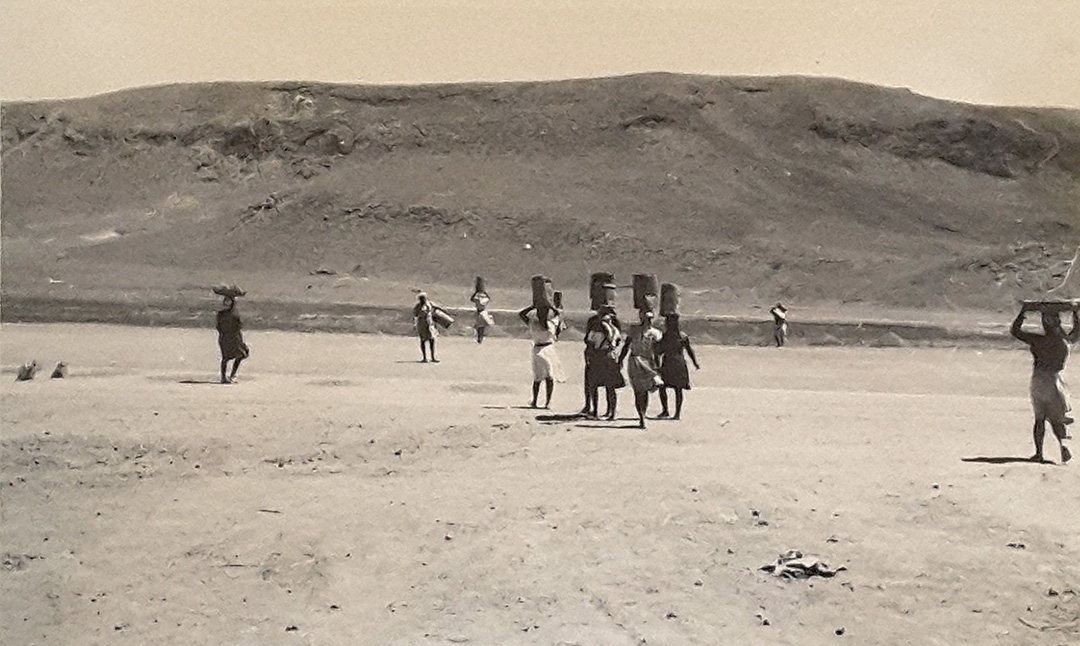
    “Ilha do Fogo. Girl carrying boulders to the water abstraction at Praia do Ladrao beach. Salary: 3$00 daily.” Antonio de Almeida (1948).
    “Santiago. Women working to repair a street in Praia, next to two bullies…” Antonio de Almeida (1948).

    Summary

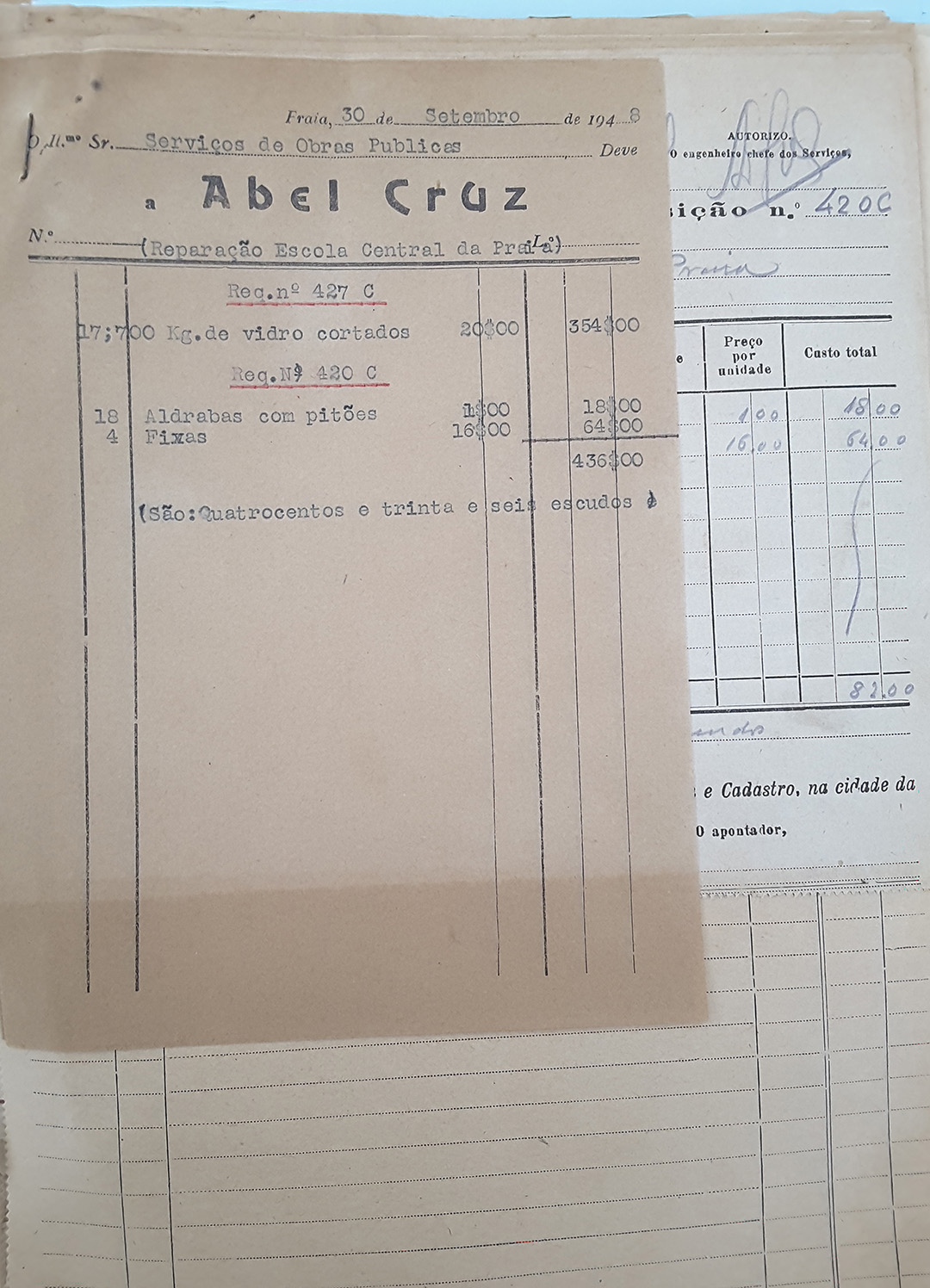
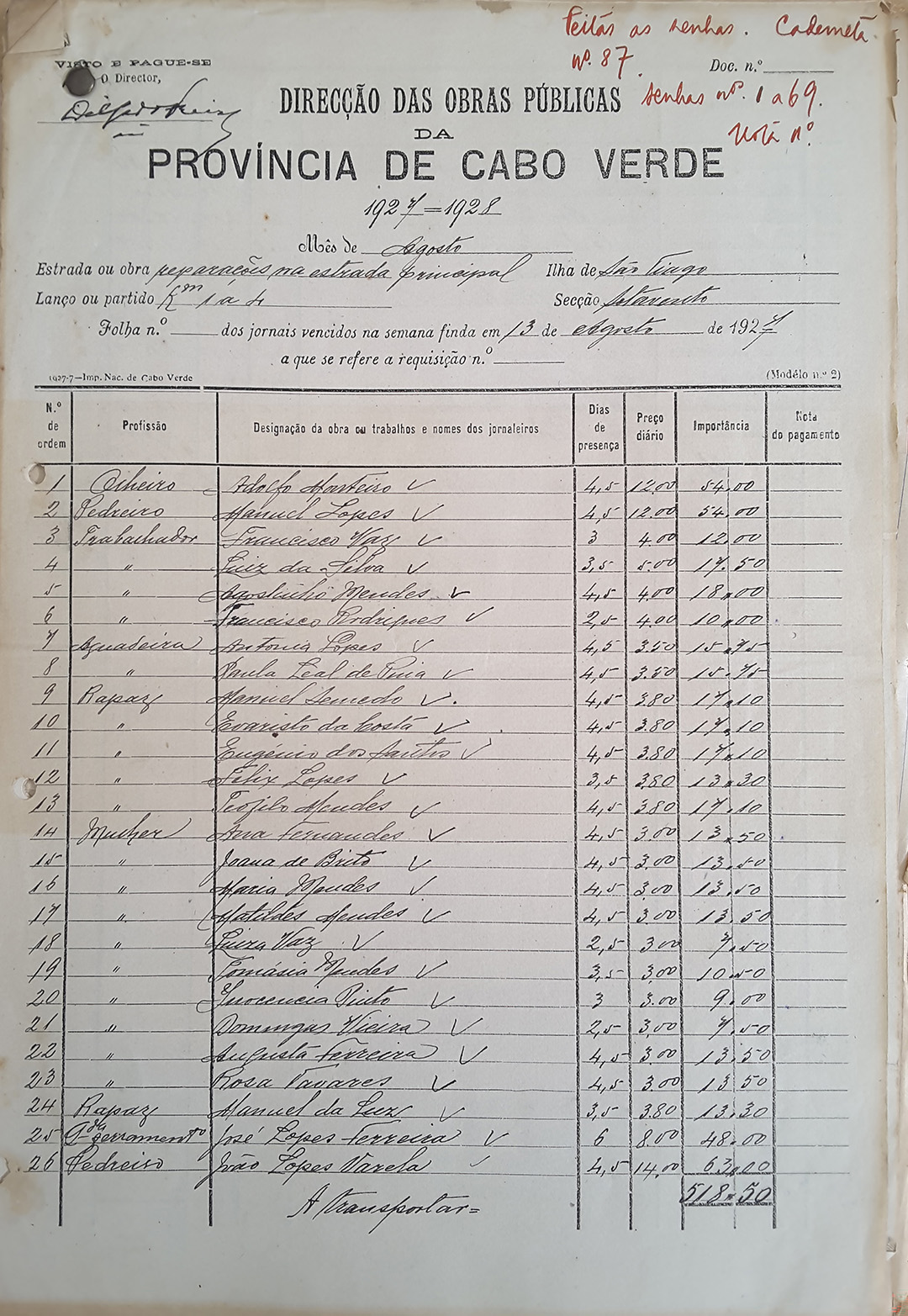
    References to the existence of women in Portuguese Colonial Public Works can be found on payrolls since the turn of the nineteenth century. Their work was subordinated to men’s work and they consistently earned lower wages. After World War II, their presence in quarries, or dealing with small pavement repairs, would endure in economically precarious geographies. One of these locations was Cape Verde, where positions for carpenters, bricklayers, and construction helpers were left vacant after the emigration of men. This situation was not very different from that in rural Portugal, where women, mostly illiterate, also constituted a cheap workforce. Examining gendered labor in colonial Cape Verde, this article analyzes the complex coexistence of subalternity, race, and extreme poverty in an understudied context. Women workers were generally associated with unskilled labor and high demands on a large scale. In light of their apparent invisibility in colonial records, this paper considers whether and how the characteristics of this group impacted design projects. It also explores whether working in Public Works meant the emancipation of women who were heads of single-parent families or only represented the perpetuation of inequality.

    Click here to access the article.