

Communication
Portuguese Modern Design and the Contemporary Materialities of the Empire
Event: Crafting Furniture in the Global South: Contemporary Practices, Histories and Futures
Organiser: Dr Rukmini Chaturvedi
Author: Francesca Vita
Date: 9 May 2026
Location: Design History Society online symposium
Summary
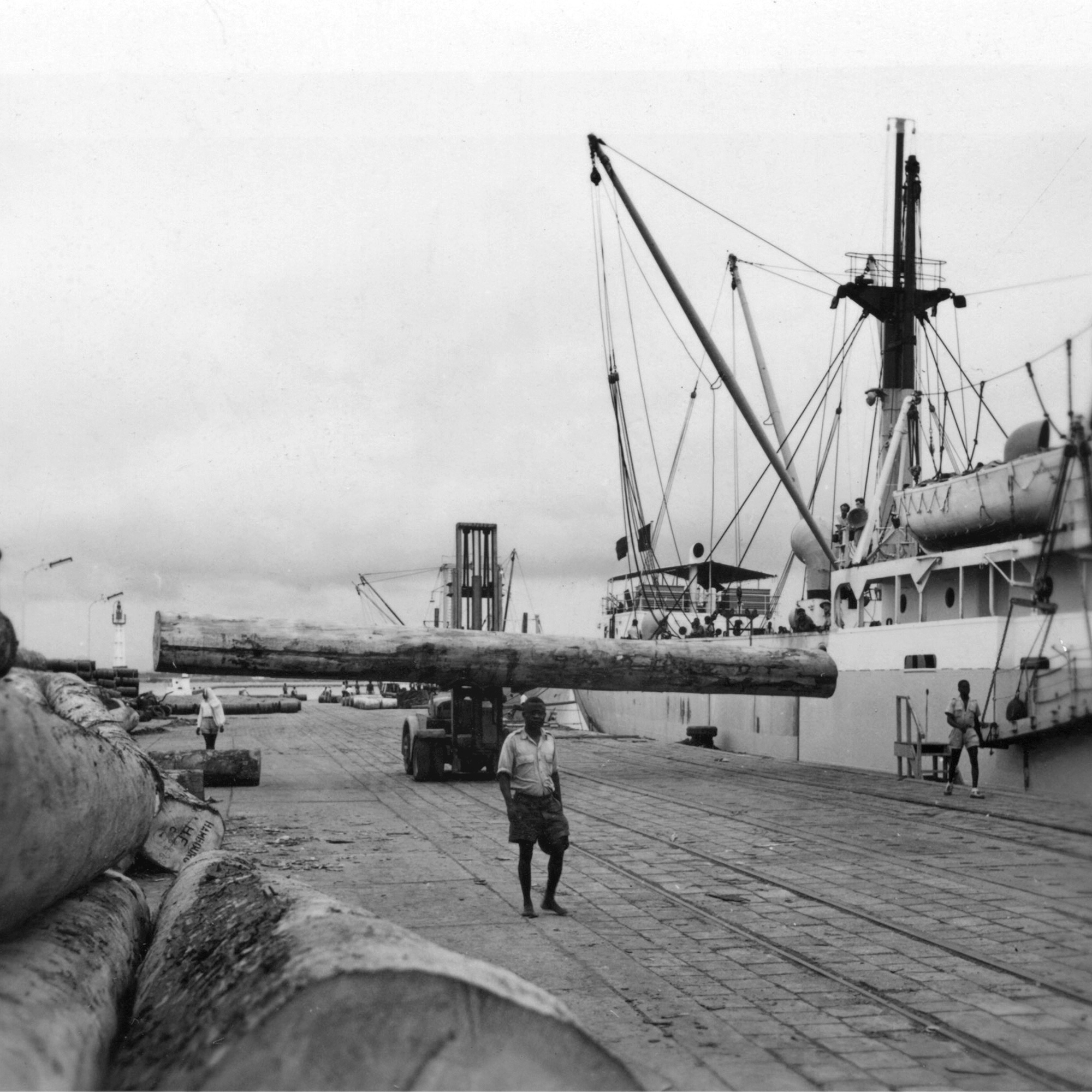
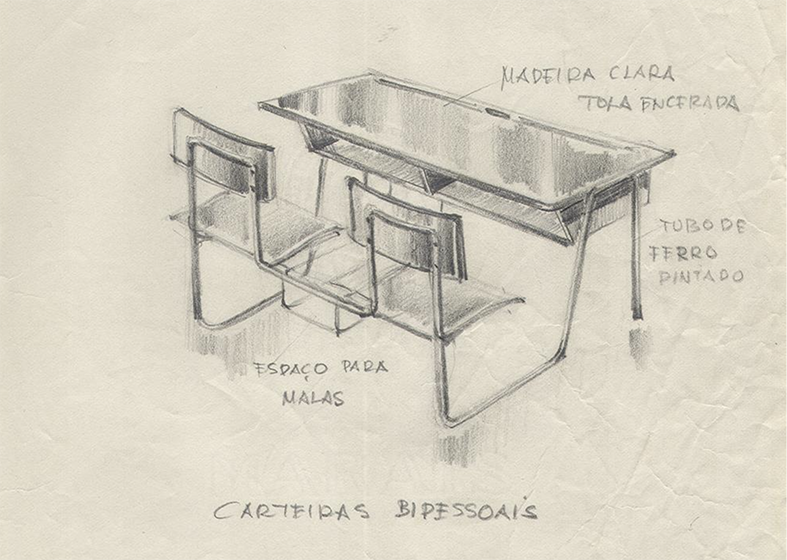
This article examines the materialities of the Portuguese Empire in everyday furniture, raising questions about the relationship between extractive material ecology in Guinea-Bissau, Angola, and Mozambique and furniture in post-war Portugal. In the post-war years, public buildings and middleclass houses were characterized by furnishings mostly made of tropical woods. African timber was extracted, processed, and shipped from the colonies to the metropole, where it was primarily used in the production of furniture and in interior design. Renowned Portuguese companies, such as Olaio, produced a wide range of design products from African woods, contributing to furnishing both the private and public dimensions of the Empire and to developing a modern lifestyle in Portugal.
On the one hand, by drawing from the analysis of iconic pieces of design that shaped the history of furniture in Portugal and that are still in use in public and private spaces and, on the other hand, by examining the imperial trade of timber in the post-war period, this article raises questions about the relationship between Empires and the design industry, between furniture making and the transimperial economy, and between the Global North and South regarding furniture.
Based on archival materials from Portuguese manufacturers, architects, and designers, as well as documentation from colonial archives regarding timber trade, this article simultaneously highlights the place of production and the point of consumption of modern design. In doing so, it challenges the Western-centric history of design in the post-war era that has minimized the connection between modern design and extractive material ecology in the Global South. The Portuguese case study is treated as a pilot subject matter to broaden the discussion to other European countries about the interdependence between modern design and imperial projects, questioning what remains of this legacy today both in the history and practice of furniture making.
Cover image: Log’s sawing at Olaio factory, Loures (196?) [courtesy of Museu de Cerâmica de Sacavém ]