
Category: News

  • Capitalist Colonization vs. Assisted Colonization: Italian Practices Highlighted in the Colonization of Angola (1925–1971)

    Capitalist Colonization vs. Assisted Colonization: Italian Practices Highlighted in the Colonization of Angola (1925–1971)

    Event: Congresso Internacional “À margem: Itália Portugal”
    Authors: Ana Vaz Milheiro, Filipa Fiúza
    Date: 10 – 11 April 2025

    Location: Faculty of Architecture of University of Lisbon, Portugal


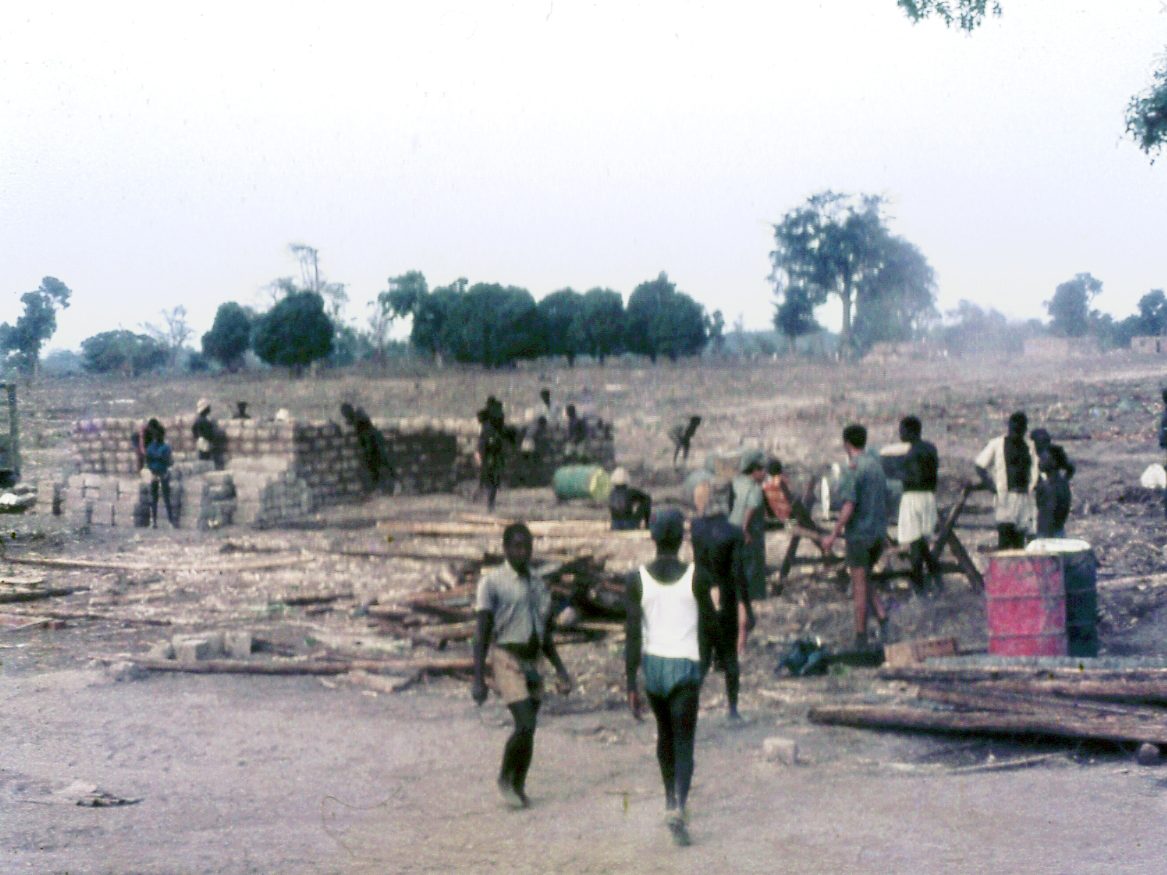
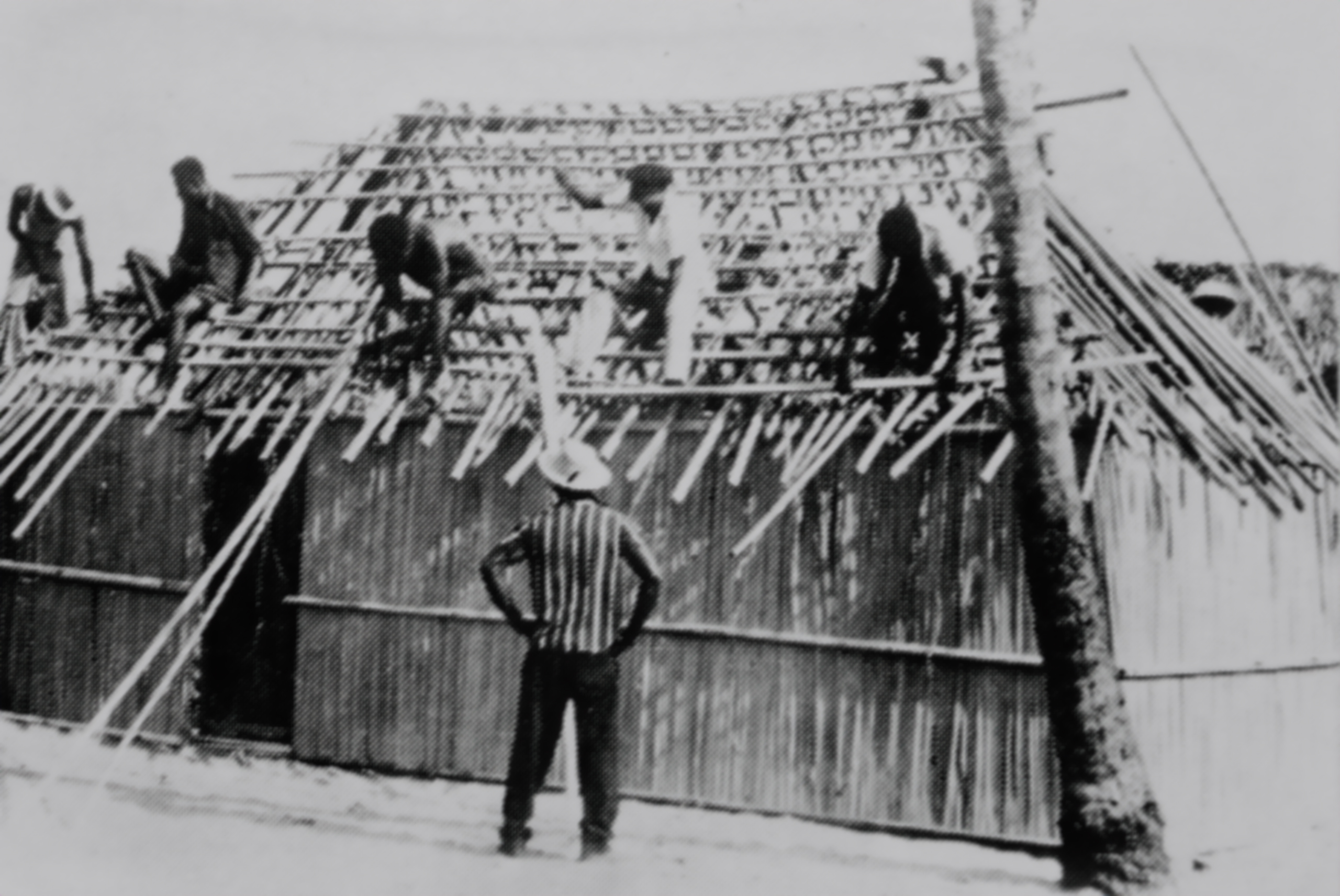
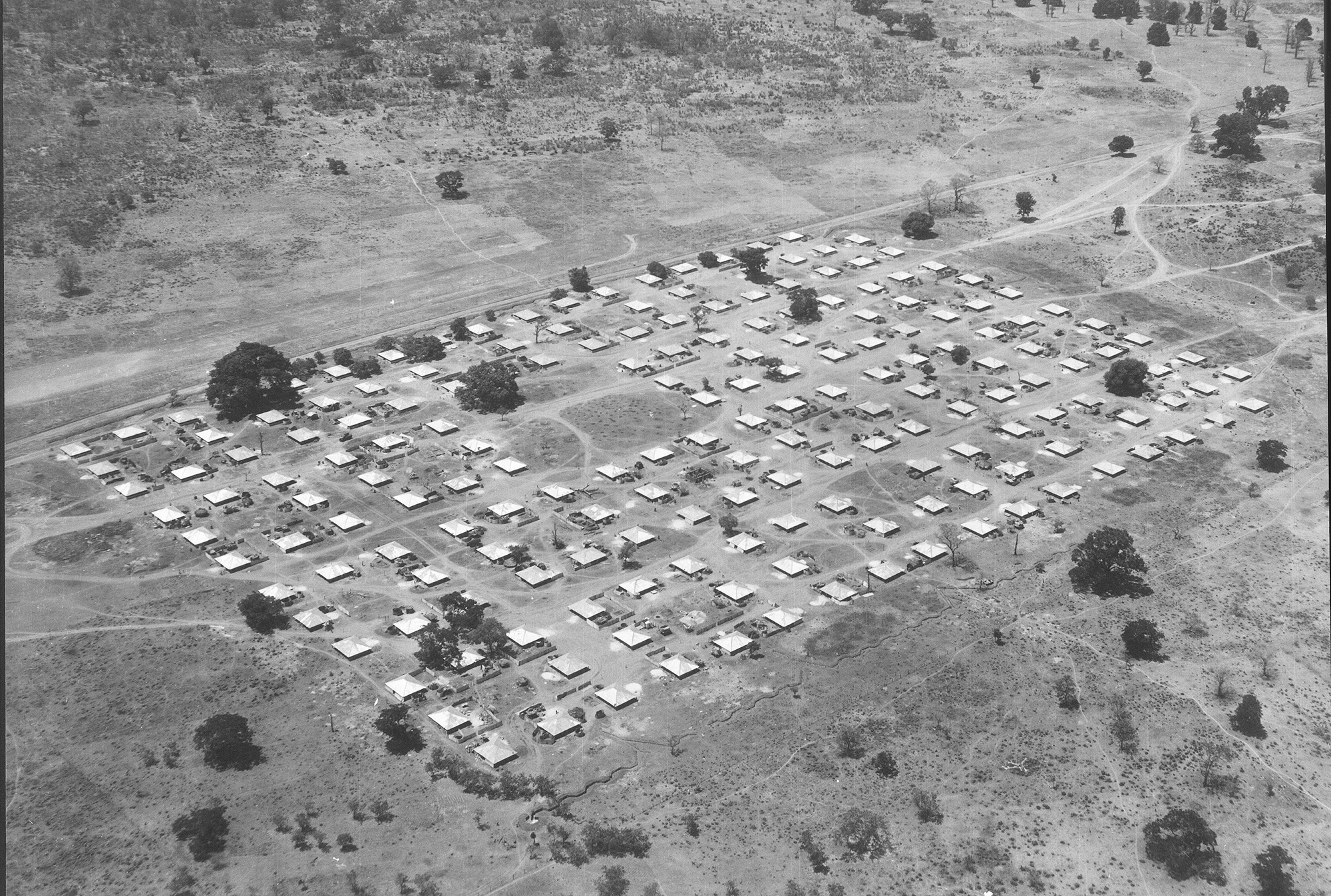
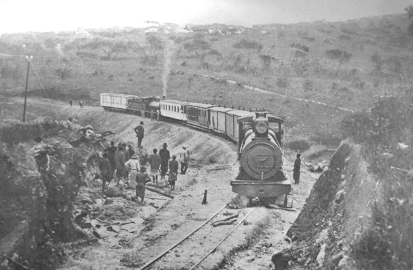
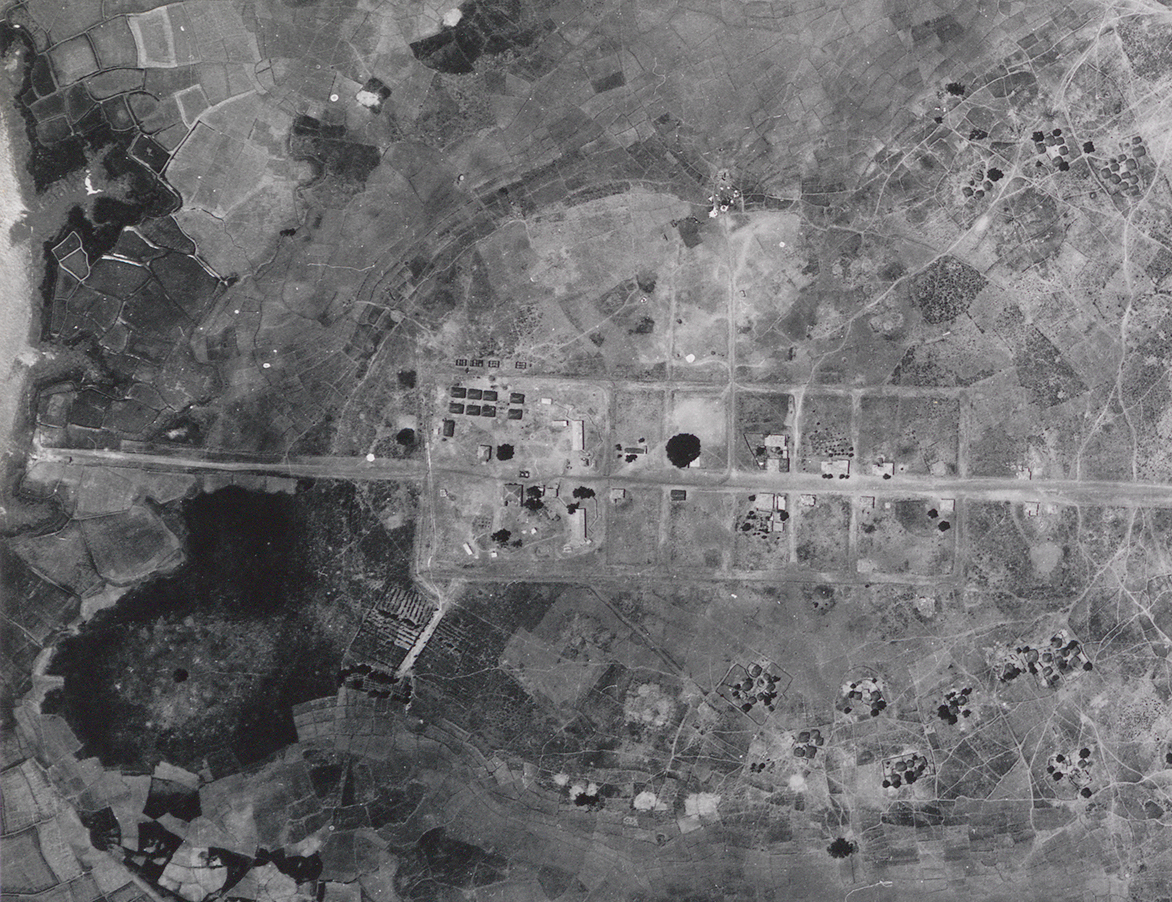
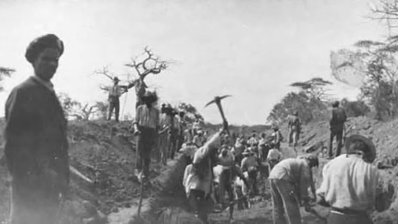
    Junta Provincial de Povoamento – Brigada de Estudos e Construção de Obras de Engenharia, relatório anual, 1964. Source: Arquivo Histórico Ultramarino OP13016
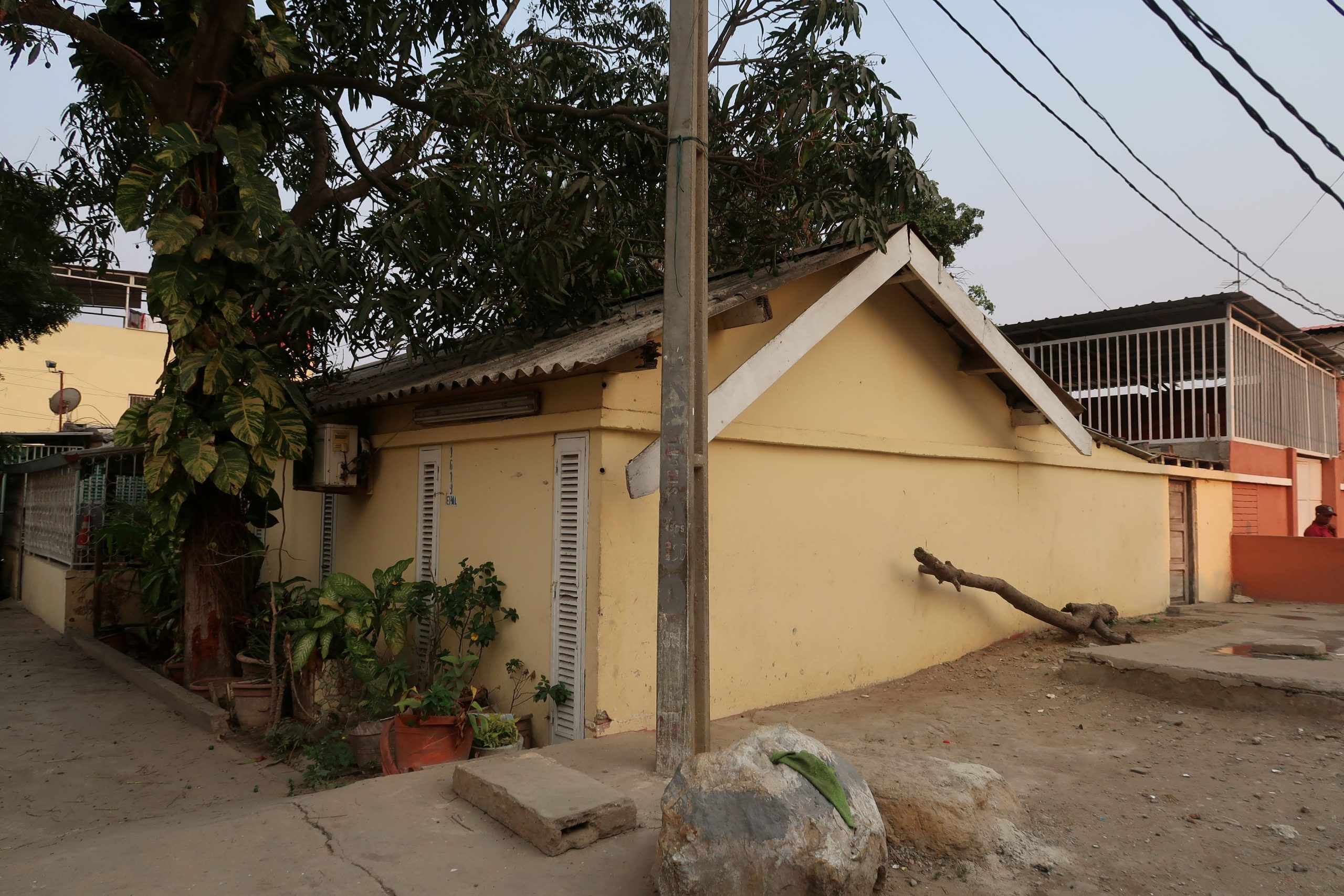
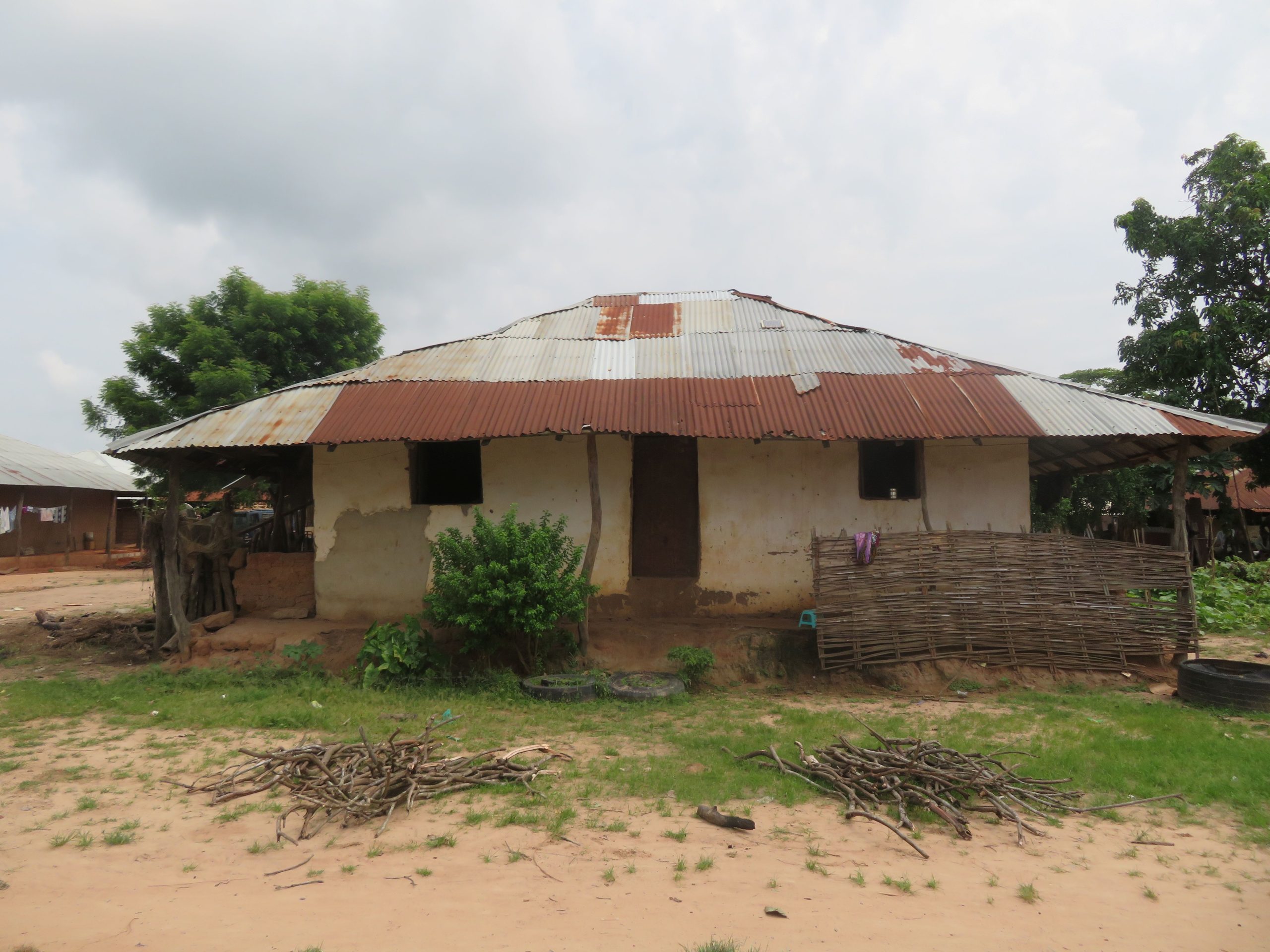
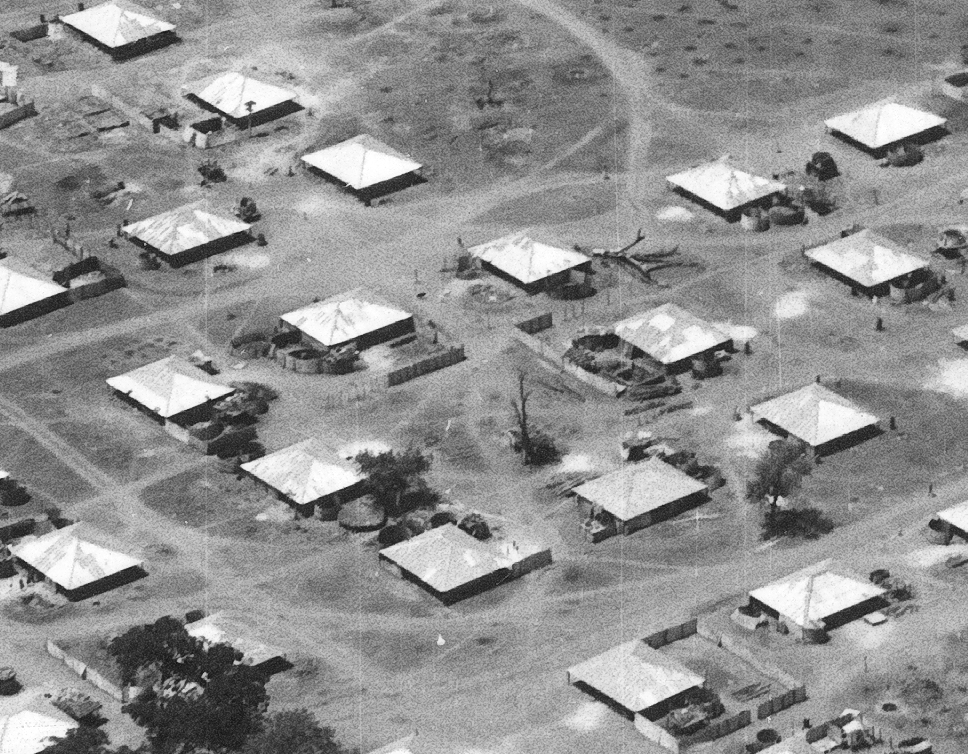
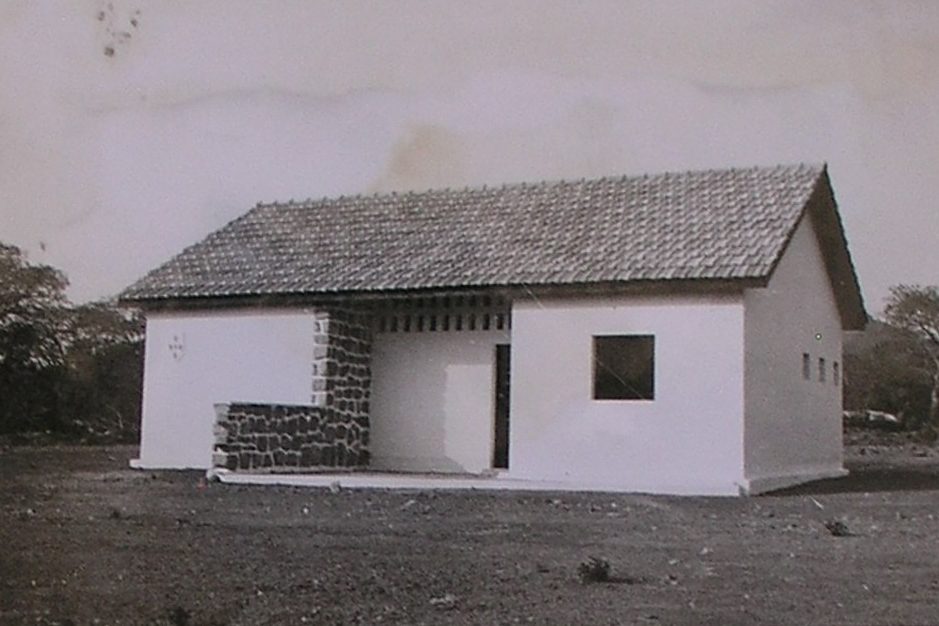
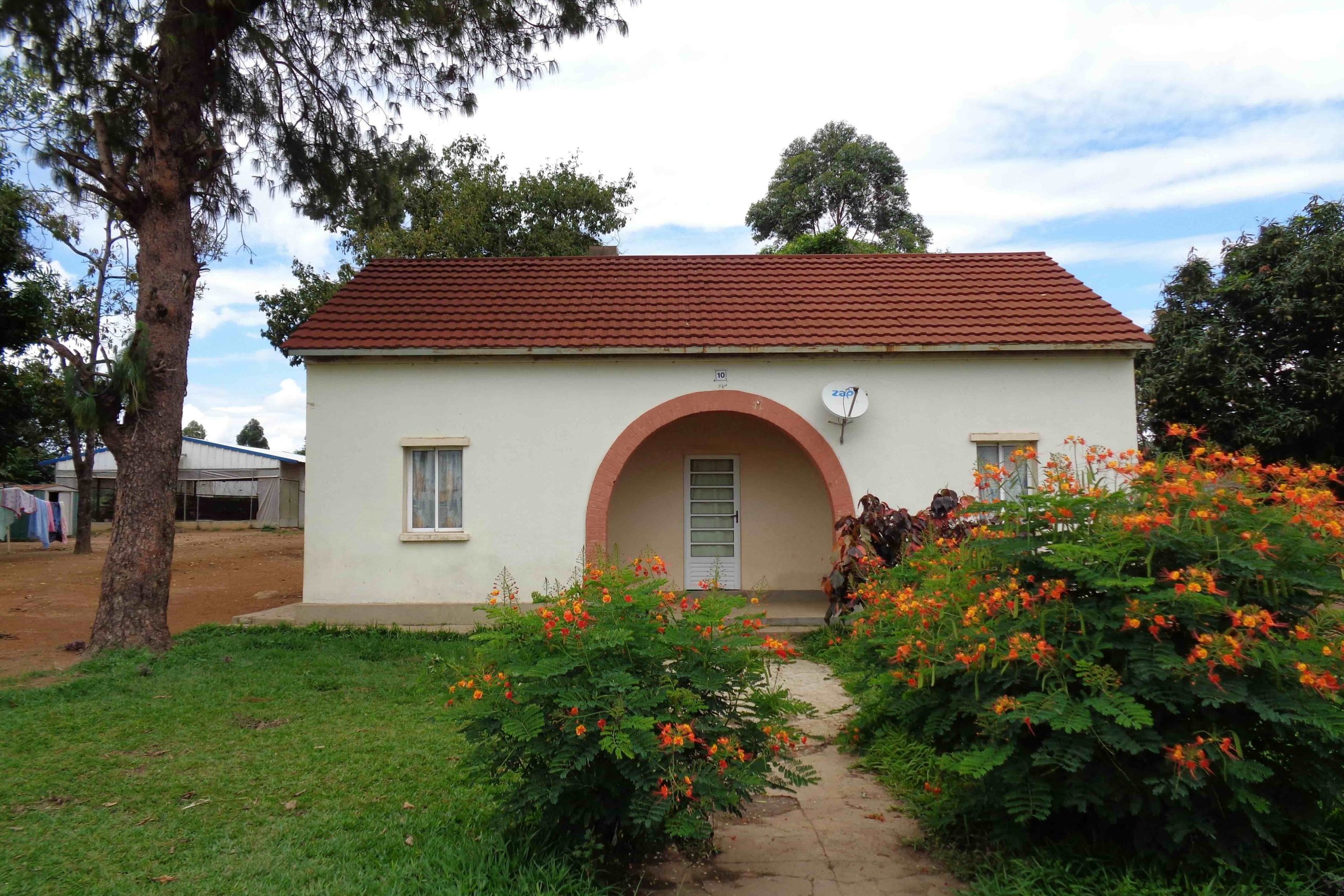
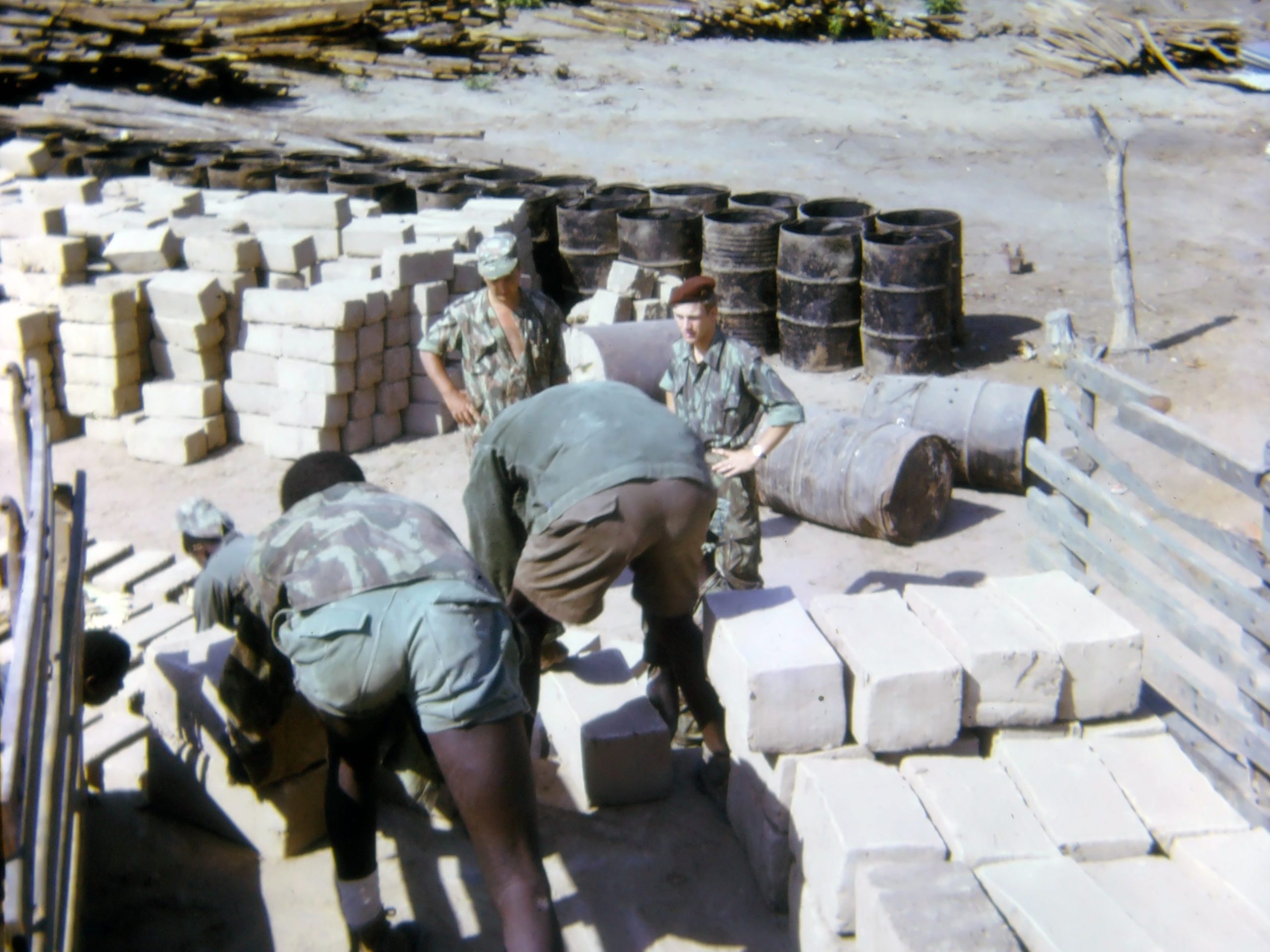
    Antigo colonato da Cela, Angola. Source: Ana Vaz Milheiro, 2014

    Summary

    Em 1971, a revista “Reordenamento” da Junta Provincial de Povoamento de Angola (JPPA) analisava em retrospectiva as estratégias italianas de colonização da Líbia, interrompidas pela segunda guerra mundial. Opunha-se então uma “colonização capitalista” com recurso a “mão de obra indígena”, a uma ocupação que colocava o “colono” no centro das políticas de imigração e de assistência. A retirada italiana da Líbia não permitiu a verificação dos resultados destas políticas de ocupação, dando azo à aplicação dos dois modelos em colónias como Angola. Como reagiram os responsáveis portugueses pela colonização dos territórios rurais às experiências promovidas pelo colonialismo italiano em África? Que lições poderiam ser colhidas pelo regime português, apostado em prolongar a ocupação colonial, 28 anos após o fim do colonialismo italiano neste continente? Este paper aborda o caso italiano no âmbito dos debates sobre as estratégias portuguesas tardias de colonização europeia. Analisa as primeiras tentativas que procuraram “aportuguesar” o território angolano, considerando aspectos como, por exemplo, as operações de redistribuição de população rural pelo “império” realizadas pelas autoridades italianas. Recorre a documentação administrativa do período colonial à guarda de instituições como o Arquivo Histórico Ultramarino. Cruza esse material com artigos publicados por agências próximas ao regime colonial português, como o Boletim Geral das Colónias/Ultramar ou publicações da JPPA que, entre 1925 e 1971, foram lançando algumas reflexões sobre o processo italiano e seus possíveis desdobramentos nas colónias portuguesas.

  • Trânsitos coloniais e gênero

    Trânsitos coloniais e gênero

    University: Universidade Federal de Pernambuco, Brazil
    Author: Ana Vaz Milheiro
    Date: 3 – 8 April 2025

    Location: Recife, Brazil


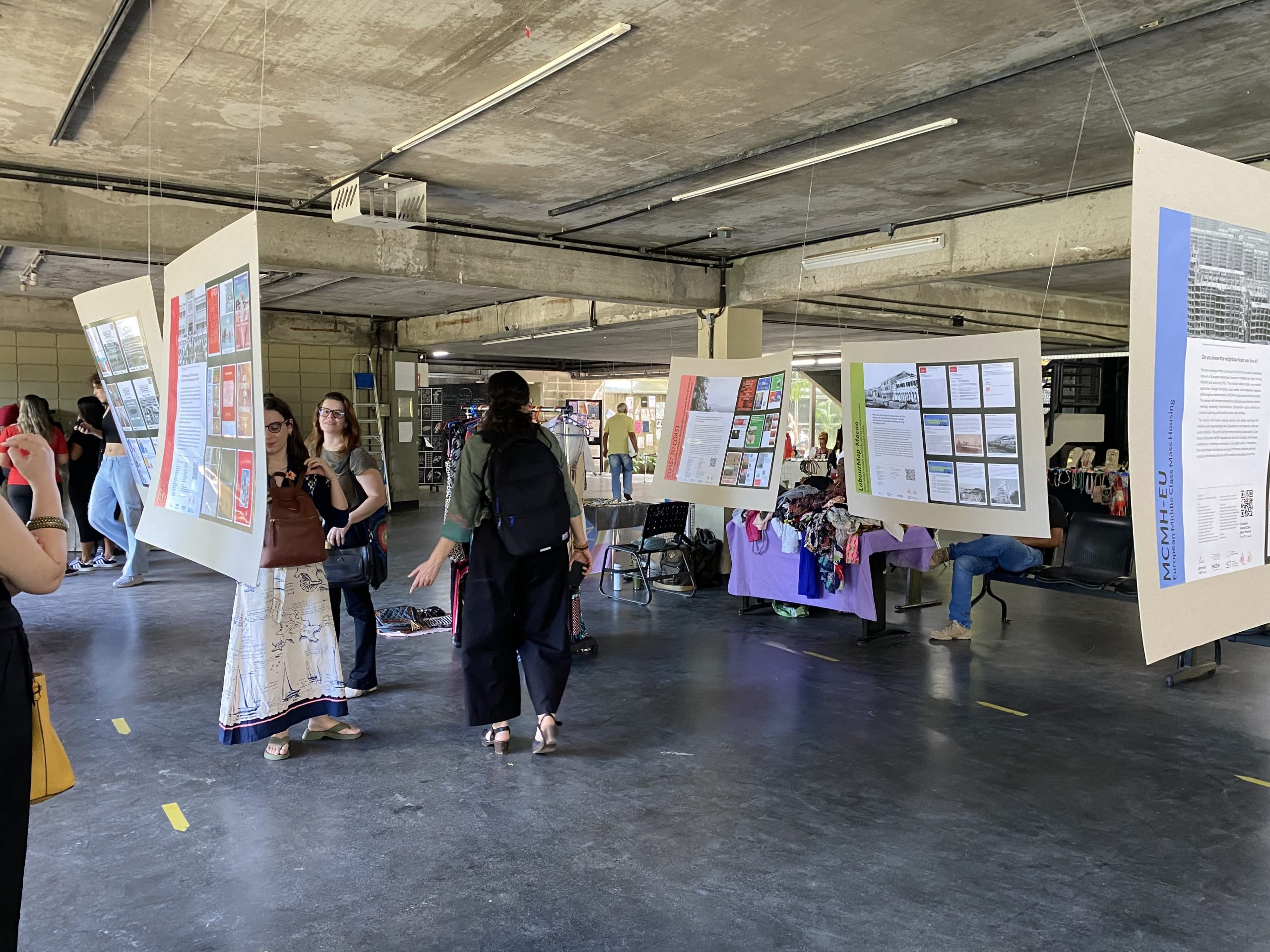
    A+I exhibition held during the course “Trânsitos Coloniais e Gênero”
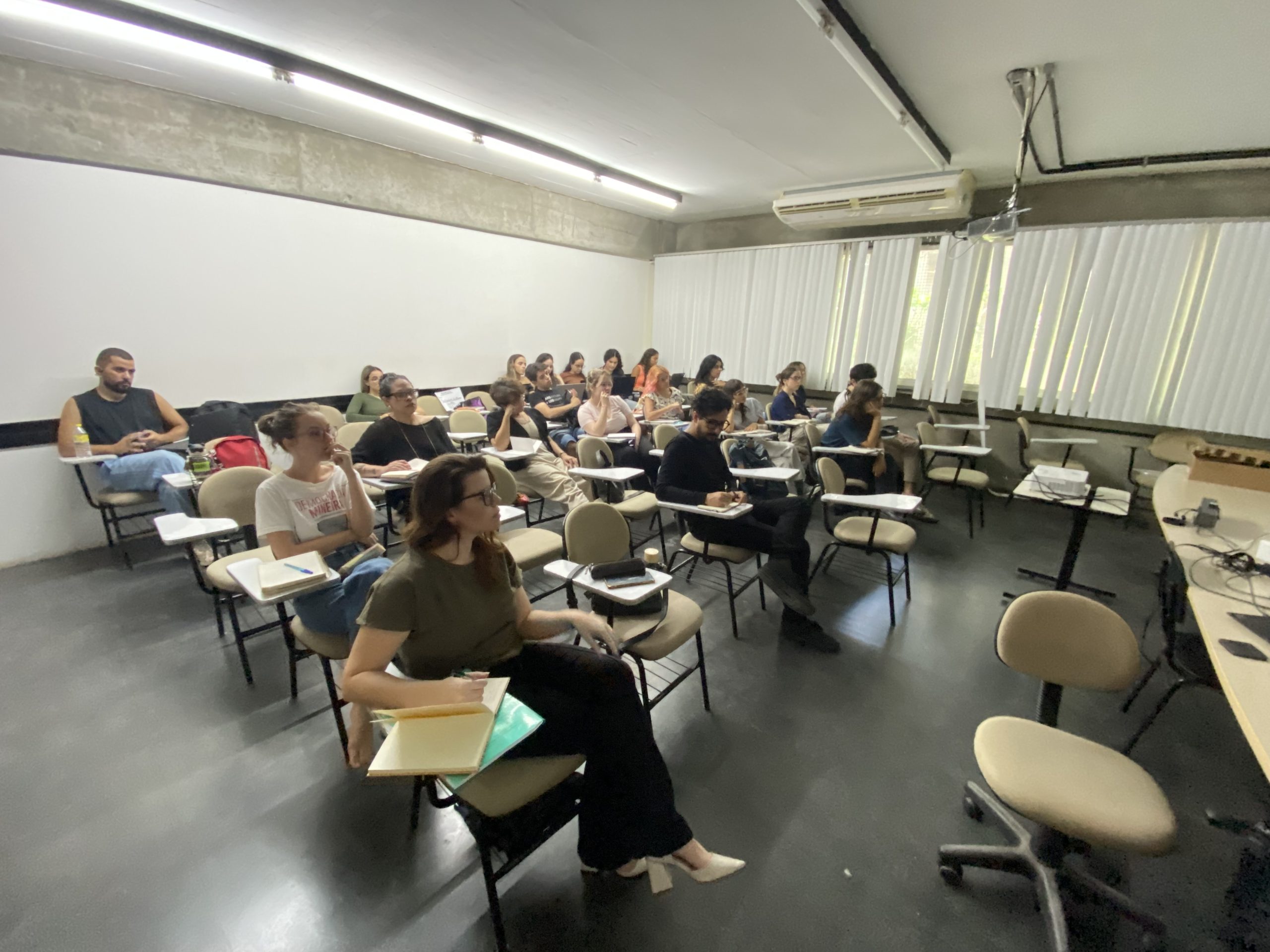
    Participants in the course “Trânsitos Coloniais e Gênero”

    Summary

    The course addresses the participation of female architects and women in the construction of territory in Africa and Macau during Portuguese colonialism. It also analyses the relationship between large-scale labour and the production of the colonial landscape, including the design, construction and maintenance of infrastructure and buildings.

    Programme:

    03/04 – Infrastructure + Work + Gender | Research by the A+I Collective

    04/04 – Architecture and gender in former African territories under Portuguese colonial rule 1: Modern Tropical Interiors in Africa

    07/04 – Architecture and gender in former African territories under Portuguese colonial rule 2: Housing and Gender Studies

    08/04 – Women and public works in former territories under Portuguese colonial rule (Africa + Macau)

  • Architecture + Infrastructures. Questioning the contemporary landscapes, 2010-2025

    Architecture + Infrastructures. Questioning the contemporary landscapes, 2010-2025

    Event: Architecture + Infrastructures. Questioning the contemporary landscapes, 2010-2025
    Curator: Coletivo A+I

    Date: 1 April 2025 – 30 June 2025

    Location: ISCTE, Lisbon, Portugal

    Sights from the exhibition
    Sights from the exhibition

    Summary

    A+I architecture+infrastructures is a collaborative research collective based at the DINÂMIA’CET-Iscte, working on a variety of issues concerning the Critique, Theory and History of architecture with implications for the present. It involves a group of independent researchers interested in housing, colonial and postcolonial studies, gender, and the teaching of architecture and urbanism. It aims to map Portuguese architectural culture with links to countries and/ or regions where Portuguese is one of the official languages. It maintains partnerships with research centers and cultural institutions in Europe, Africa, the Americas and Asia. It promotes teamwork to build research networks and cultural interventions, benefiting from the coordination and participation in projects funded by the Portuguese Foundation for Science and Technology (FCT), the Cost-Action Association and the European Research Council (ERC). 

    The group works with archives and diverse sources, from cartography to architectural drawings and/or audiovisual materials, using study visits, oral histories, and workshops with local communities. It promotes new historiographical, essayistic, and artistic narratives. It offers alternatives to traditional Eurocentric visions by investigating long chronological periods and broad geographies, focusing on territories that intersect or have intersected with Portugal, and questioning its position in the world.

  • Colonial and Post-Colonial Landscapes I – Architecture, Cities, Infrastructures in Africa

    Colonial and Post-Colonial Landscapes I – Architecture, Cities, Infrastructures in Africa

    Book: Ana Vaz Milheiro (coord.)(2025). Colonial and Post-Colonial Landscapes I – Architecture, Cities, Infrastructures in Africa. Coast to Coast Researchers’ book. Lisbon: Dinâmia’CET-Iscte
    Date: 1 April 2025

    Location: Lisbon, Portugal


    Book cover
    Inês Lima Rodrigues and Leonor Matos Silva with some of the authors: António Deus, Elisiário Miranda and Sónia Henrique

    Summary

    This first volume of the book series Colonial and Post-Colonial Landscapes presents the work of a group of researchers who, since 2010, have organised themselves into teams, crossing different research projects funded by the Portuguese Foundation for Science and Technology (FCT), starting with The Colonial Urbanisation Offices: Architectural Culture and Practice (PTDC/ AUR-AQI/104964/2008). The book brings together the main themes and arguments presented at the I International Congress Colonial and Post-Colonial Landscapes: Architecture, Cities, Infrastructures, as a result of the project ‘Coast to Coast’ – Late Portuguese Infrastructural Development in Continental Africa (Angola and Mozambique): Critical and Historical Analysis and Postcolonial Assessment (PTDC/ATP- AQI/0742/2014). The congress was held in Lisbon, at the Calouste Gulbenkian Foundation, from the 16th to 18th of January 2019, and was attended by 166 scholars. Its parallel programme included the exhibition Colonizing Africa – Reports on Colonial Public Works in Angola and Mozambique (1875-1975) at the Overseas Historical Archive [Arquivo Histórico Ultramarino], also in Lisbon. As a follow-up, a cycle of six seminars and a workshop for children were based on the exhibition theme and held at the Archive’s facilities, until April 2019.

    The Coast to Coast project aimed to survey, catalogue and contextualize the infrastructural process of the former Portuguese colonial territory in continental Africa (Angola and Mozambique) during the last century of Portuguese colonisation (1875-1975). The research questioned the influence of colonial strategies on current architectural and urban praxis in both these countries. It started from the analysis of the infrastructure process by mapping three specific typologies of colonial public works, approached from the perspective of archival and documental analysis, cartography, and histo- riographical description to the phase of identification and critical analysis of the state of these infrastructures (reuse, consolidation or abandonment) after Angolan and Mozambican independence in 1975. The central argument was based on the hypothesis that colonial territorial infrastructure processes left resilient marks on the post-colonial landscape, whose impact should be analysed to support future actions. Three programmatic typologies were chosen which were decisive in the territorial occupation and are still visible today: (i) transport networks (roads, ports, railways, and airports); (ii) hydro-electric power production (dams and facili- ties); (iii) settlements associated with the exploitation of natural resources (mining and agriculture). The three programmes were interconnected, reproducing the centralising model of Portuguese colonial exploitation. The team gathered Portuguese, Angolan and Mozambican researchers, architects, historians, and archivists. The Calouste Gulbenkian Foundation, Arquivo Histórico Ultramarino, Eduardo Mondlane University (Mozambique) and Universidade Técnica de Angola were partner institutions. 

  • Colonial and Post-Colonial Landscapes: roundtable series II.  Infrastructures + Labour + Transport

    Colonial and Post-Colonial Landscapes: roundtable series II. Infrastructures + Labour + Transport

    Event: Colonial and Post-Colonial Landscapes: roundtable series II
    Date: 1 April 2025

    Location: ISCTE – University Institute of Lisbon, Lisbon, Portugal


    Elisiário Miranda (Universidade do Minho, PT) delivering the lecture “From the Colonial Era: Transportation Systems and Infrastructure in Mozambique”
    Nina Kleinöder (University of Bamberg, DE) delivering the lecture “Building the Empire. German Construction Companies in West and South-West Africa, ca. 1900-1915”

    Summary

    Since 2019, the Colonial and Post-Colonial Landscapes International Congresses (CPCL) have been critical forums in enquiring about the entanglements between Architecture and Colonialism. While built works have often been the focus of architectural history, many actors and agendas remain to be understood. This second Roundtable on Infrastructures + Labour + Transport aims to question the role of still overlooked actors, namely mass labor, in different occupation strategies during late colonialism. The debate will bring together the team of the research project ArchLabour, funded by the European Research Council (ERC), based at Dinâmia’CET-Iscte, along with invited scholars.

    The morning session will feature the launch of the book Colonial and Post-Colonial Landscapes I – Architectures, Cities, Infrastructures in Africa. Coast to Coast Researchers’ Book. The volume offers a series of articles by the “Coast to Coast” research team (PTDC/ATP-AQI/0742/2014), that were presented at the first edition of the CPCL Congresses, held at the Calouste Gulbenkian Foundation, Lisbon. The session will be moderated by Inês Lima Rodrigues and Leonor Matos Silva (Dinâmia’CET-Iscte) and with the participation of the authors, either in person or remotely.

    In the afternoon, Elisiário Miranda (Universidade do Minho) and Nina Kleinöder (University of Bamberg) will be invited to share their perspectives on transport infrastructures – namely airports and railways –, construction sites and companies, mass labour, and colonial public works, crossing different colonial experiences and opening new avenues for research. Ana Vaz Milheiro (Iscte-IUL), ArchLabour’s Coordinator, will chair the debate.

  • Beyond family. How to house highly skilled European male workers in colonial Angola in the aftermath of the Second World War

    Beyond family. How to house highly skilled European male workers in colonial Angola in the aftermath of the Second World War

    Event: Research Seminar ‘Housing for Single People’
    Authors: Ana Vaz Milheiro, Filipa Fiúza
    Date: 21 March 2025

    Location: Politecnico di Milano, Italy (online)


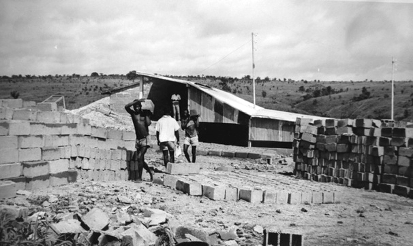
    Mabubas dam construction site: dormitory for single skilled workers. Source: Ana Vaz Milheiro 2024
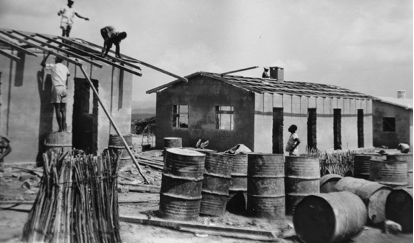
    Mabubas dam construction site: dormitory for single skilled workers (interior). Source: Ana Vaz Milheiro 2024

    Summary

    In colonial Angola, in the aftermath of the Second World War, the housing of male celibates began to be questioned as a matter of planning, a “zoning” exercise. Where to put these men, newly arrived from the metropolis, uprooted from their families and at high risk of “cafrealization”? In the capital Luanda, only 20% of European descendants were integrated into their families. The majority were civil servants and commercial workers, making up a middle-income social class that required a residential solution. Only healthy, hygienic and structured housing could pacify these urban dwellers. Meanwhile, pragmatic proposals emerged for migrant peasants, consolidated as schematic solutions: bedroom, kitchen, storeroom and sanitary facilities. With no aesthetic counterparts, they reduced the entire architectural apparatus to hygienic conditions. The Colonial Public Works agencies, through professionals trained in design for sub-Saharan regions, systematized identical solutions, where aligned batteries of shared rooms and services by galleries guaranteed the minimum for a collective housing experience. The speculative and essayistic nature of these visions contrasted with their implementation on the ground. In Angola, accommodation for celibates was essentially a problem associated with highly skilled and expert labour for displaced workers on construction sites or natural resource exploitation companies. Through administrative and photographic documentation, as well as field missions, this article aims to understand the impact of bachelor houses on the debate about colonial housing. What balance did they propose between an efficient response in terms of housing and the promotion of a sociability that would “protect” these settlers from the “anxieties” and dangers of colonial life? What communities were built from these residential configurations? Projects such as the residential blocks created during the construction of the Mabubas Dam or the Jamba complex, operated by the Lobito Mining Company, will serve as a framework.


    Related Case Studies
  • A “Casa do cacuaco” de Antonieta Jacinto (1957-1964): Protótipos e Réplicas na Região de Luanda

    A “Casa do cacuaco” de Antonieta Jacinto (1957-1964): Protótipos e Réplicas na Região de Luanda

    Event: CEAFE 2025 – 3a Conferência de Engenharia e Arquitectura da Faculdade de Engenharia da Universidade Agostinho Neto
    Authors: Ana Vaz Milheiro, Leonor Matos Silva
    Date: 13 – 14 February 2025

    Location: Universidade Agostinho Neto, Luanda, Angola (online)


     Casa de Pescadores, Cacuaco, 2024. Source: Ana Vaz Milheiro
    Ana Vaz Milheiro and Leonor Matos Silva presenting the paper online

    Summary

    No início dos anos 60, Antonieta Cândida Pires Jacinto, a primeira arquiteta nascida em Angola, mudou-se para Portugal. Deixou para trás uma curta carreira de cerca de dois anos na Direção dos Serviços de Obras Públicas e Transportes de Angola, na Secção de Urbanização desta antiga colónia portuguesa. Uma das suas obras mais famosas que está inscrita na história da arquitetura colonial de Angola é um bairro em Cacuaco, a 20 km de Luanda, projetado em 1957. A tipologia residencial utilizada viria a ser replicada no ano seguinte em vários locais da capital angolana, nomeadamente no Bairro Indígena no. 1, entre as actuais ruas da Cela e Portugália, junto ao bairro do Rangel.

    A Luanda contemporânea mostra que o modelo habitacional que propôs para esta comunidade persistiu após a sua partida, sendo implantado em outros núcleos próximos a antigos “musiques”, atingindo cerca de mil unidades. A “casa de Cacuaco”, originalmente projectada para pescadores, é utilizada nesta apresentação para melhor compreender os programas residenciais erguidos durante os últimos anos de ocupação colonial. Contextos como aquele em que foi produzida permitem-nos analisar o papel desempenhado pelas mulheres arquitectas, muito para além da sua identidade de género. A apresentação recorre a material de arquivo e visitas ao lugar, assim como a algumas entrevistas com actuais moradores.

  • A “Não-Simultaneidade” nas Construções Coloniais: o caso da Barragem das Mabubas, Angola

    A “Não-Simultaneidade” nas Construções Coloniais: o caso da Barragem das Mabubas, Angola

    Event: CEAFE 2025
    Authors: Ana Vaz Milheiro, Beatriz Serrazina
    Date: 13 February 2025

    Location: Faculdade de Engenharia, Universidade Agostinho Neto, Angola [online]


    Houses and workshops in the construction site, 1948 [AHU, OP3010)
    One of the indigenous villages near the Mabubas construction site, 1948 [AHU, OP3010)

    Summary

    A Barragem das Mabubas, construída em Angola entre 1948 e 1954, foi a primeira grande obra de infraestrutural promovida pelo Estado português em África para sustentar o colonialismo face ao crescente escrutínio após a Segunda Guerra Mundial. A sua extensão de 70 metros, perto de Luanda, resultou num estaleiro de grandes dimensões. A partir das circunstâncias políticas, sociais e tecnológicas do caso das Mabubas, esta apresentação pretende investigar os estaleiros de construção colonial para contribuir para debates mais amplos sobre estes lugares. Enquanto estaleiro fixo, que deu origem a uma nova povoação, a obra das Mabubas oferece um terreno de investigação complexo, que reuniu milhares de pessoas, diferentes tarefas e hierarquias laborais. Serão exploradas três relações: as dinâmicas entre trabalhadores europeus e africanos, as tensões entre as comunidades africanas e as interações entre vários níveis de especialização, tais como as hostilidades em relação a outras geografias coloniais, como os trabalhadores cabo-verdianos, considerados mais “qualificados”. Através da “não-simultaneidade” proposta por Heine e Rauhut, a apresentação visa acrescentar novas perspetivas à análise das peculiaridades e complexidades dos estaleiros coloniais. Enquanto os estaleiros europeus se baseavam em sistemas conhecidos pelos técnicos superiores, os espaços de construção produzidos sob o colonialismo apresentavam maiores níveis de incerteza. As autoridades coloniais não controlavam as competências das comunidades africanas nem materiais locais. Para além de apresentar um mapeamento crítico do estaleiro, a comunicação questionará a sua materialização no arquivo. Que informação pode ser recolhida nos relatórios? Que camadas estão ausentes (nomeadamente sobre a presença de mulheres)?

  • A habitação para trabalhadores na concessão da Diamang: modelos, materiais e disputa no colonialismo português

    A habitação para trabalhadores na concessão da Diamang: modelos, materiais e disputa no colonialismo português

    Journal: Revista de História das Ideias (Dossier Temático Culturas do Habitar, nº 43, 2ª série). Coimbra: Imprensa da Universidade
    Author: Beatriz Serrazina
    Date: 2025


    SPAMOI works: Village lined with cassia trees in the background, 1945. Source: Relatório da viagem a África de Simões Neves Arquivo Oliveira Salazar, UL-8A4, cx. 718, pt 1, PT/TT/AOS/D-N/002/0008/00001, Imagem cedida pelo ANTТ
    Workers’ neighbourhood in Caingági, 1963. Source: Relatório do Serviço de Construção Civil, 1960-63, DCV-UC/AD

    Summary

    As atividades extrativas da Diamang numa ampla região concessionada no distrito da Lunda, no nordeste de Angola, entre as décadas de 1910 e 1980, exigiram a construção de estruturas em diversas escalas, programas e contextos. Este artigo analisa a produção de habitação para os trabalhadores da companhia mineira, inquirindo os modelos desenhados e adaptados ao território, a diversidade de materiais de construção, assim como os processos de apropriação e contestação que os permearam. Cruzando diversos períodos do colonialismo português em África, o artigo explora agendas transversais que desafiam leituras dicotómicas e padronizadas dos modos de habitar. Entre centenas de aldeias e povoações, habitadas por milhares de trabalhadores e famílias, sobretudo oriundos de várias partes de Angola e Portugal, a Diamang procurou criar um «dialeto corporativo» que, contudo, esbarrou amiúde na ambivalência entre imagéticas urbanas, tanto por parte do poder colonial como por parte das comunidades locais.

  • The digitisation of shared archival heritage: a strategy for locating and accessing the Portuguese Public Works records in Africa

    The digitisation of shared archival heritage: a strategy for locating and accessing the Portuguese Public Works records in Africa

    Event: 12th Iberian Congress of African Studies “African responses to the decolonial dilemma”
    Authors: Sónia Pereira Henrique
    Date: 29 – 31 January 2025

    Location: University of Barcelona, Spain


    Communication presentation cover slide

    Summary

    The inscription of information in digital environments presents a range of factors that warrant consideration, including the establishment of distinct forms of access regarding archival sources. Nevertheless, there is still considerable scope for improvement in the accessibility of historical archives. The transition from paradigms of scarcity and difficulty in accessing colonial sources, whether due to displacement, neglect, or destruction, is still hindered by various constraints that influence the management and study of collections. This paper, which stems from the ArchLabour research project (ERC-funded), examines the current state of archival source mapping for the study of Portuguese public works in Africa (Angola, Mozambique, São Tomé and Príncipe, Guinea Bissau and Cape Verde). The recent collaborative project between the National Archives of the Ministry of Culture of Cape Verde, the Portuguese Overseas Historical Archives and the Portuguese National Archives of Torre do Tombo through the project, entitled “RESGATE”, enabled the recovery of Cape Verde’s documentary collections at the Portuguese Overseas Historical Archive in Lisbon. This joint venture permitted the digitisation and online dissemination of the documentary output of the Portuguese Administration in Cape Verde and Guinea-Bissau, covering the period from 1602 to 1834. It is our contention that these collaborations are pivotal to historical studies, facilitating historical research, archival management and community engagement regarding shared heritage.