
Category: News

  • Beyond family. How to house highly skilled European male workers in colonial Angola in the aftermath of the Second World War

    Beyond family. How to house highly skilled European male workers in colonial Angola in the aftermath of the Second World War

    Event: Research Seminar ‘Housing for Single People’
    Authors: Ana Vaz Milheiro, Filipa Fiúza
    Date: 21 March 2025

    Location: Politecnico di Milano, Italy (online)


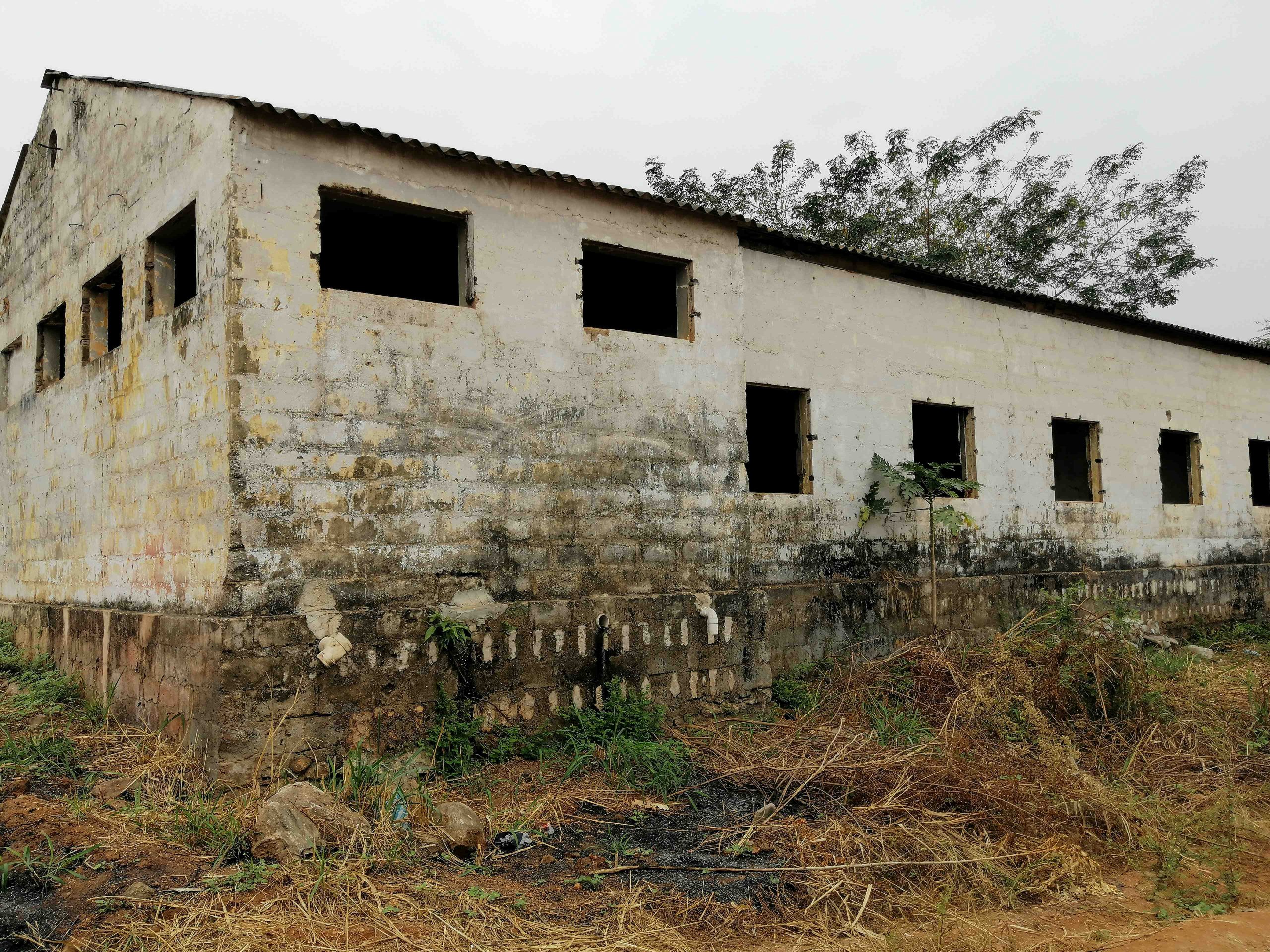
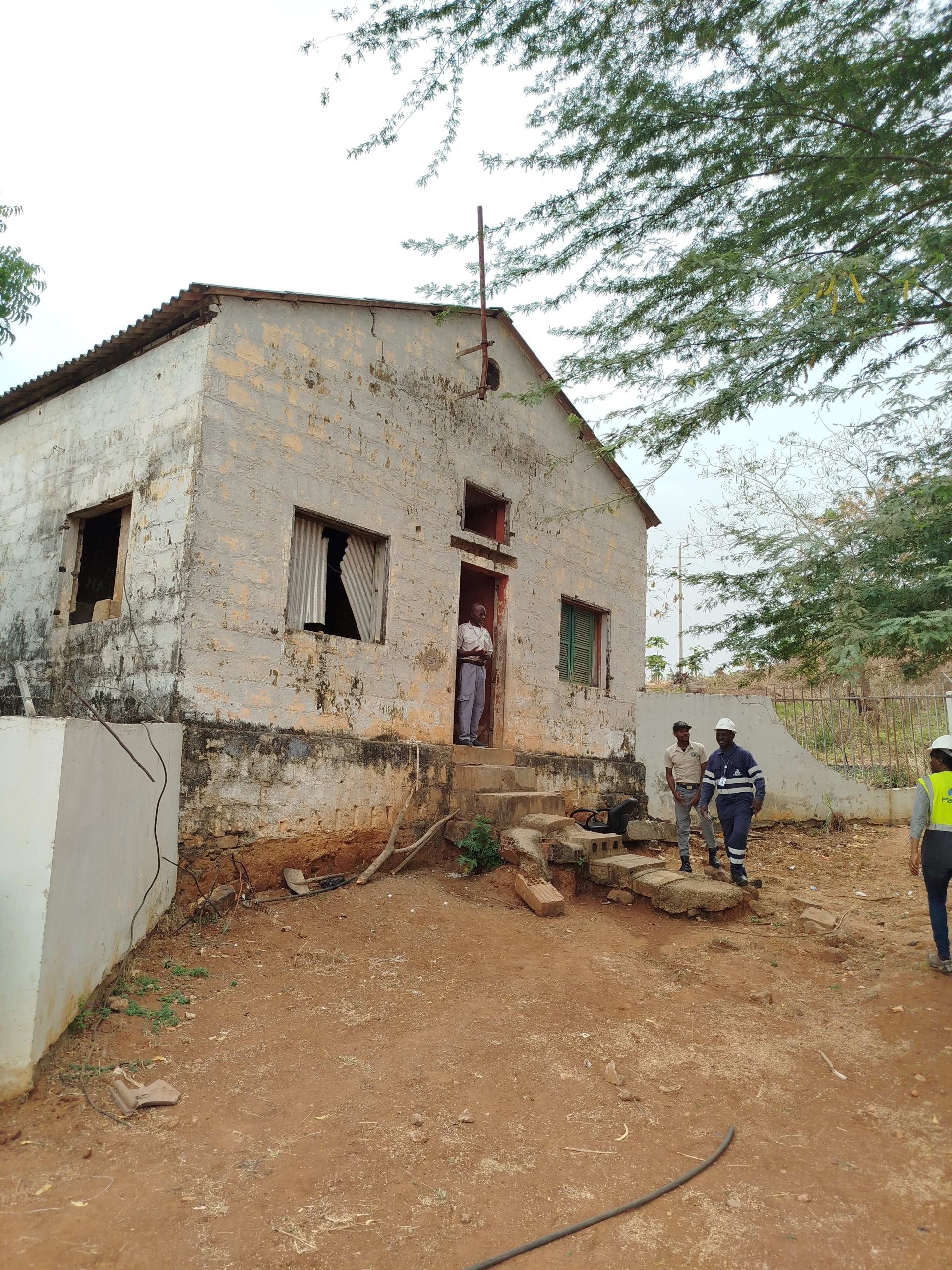
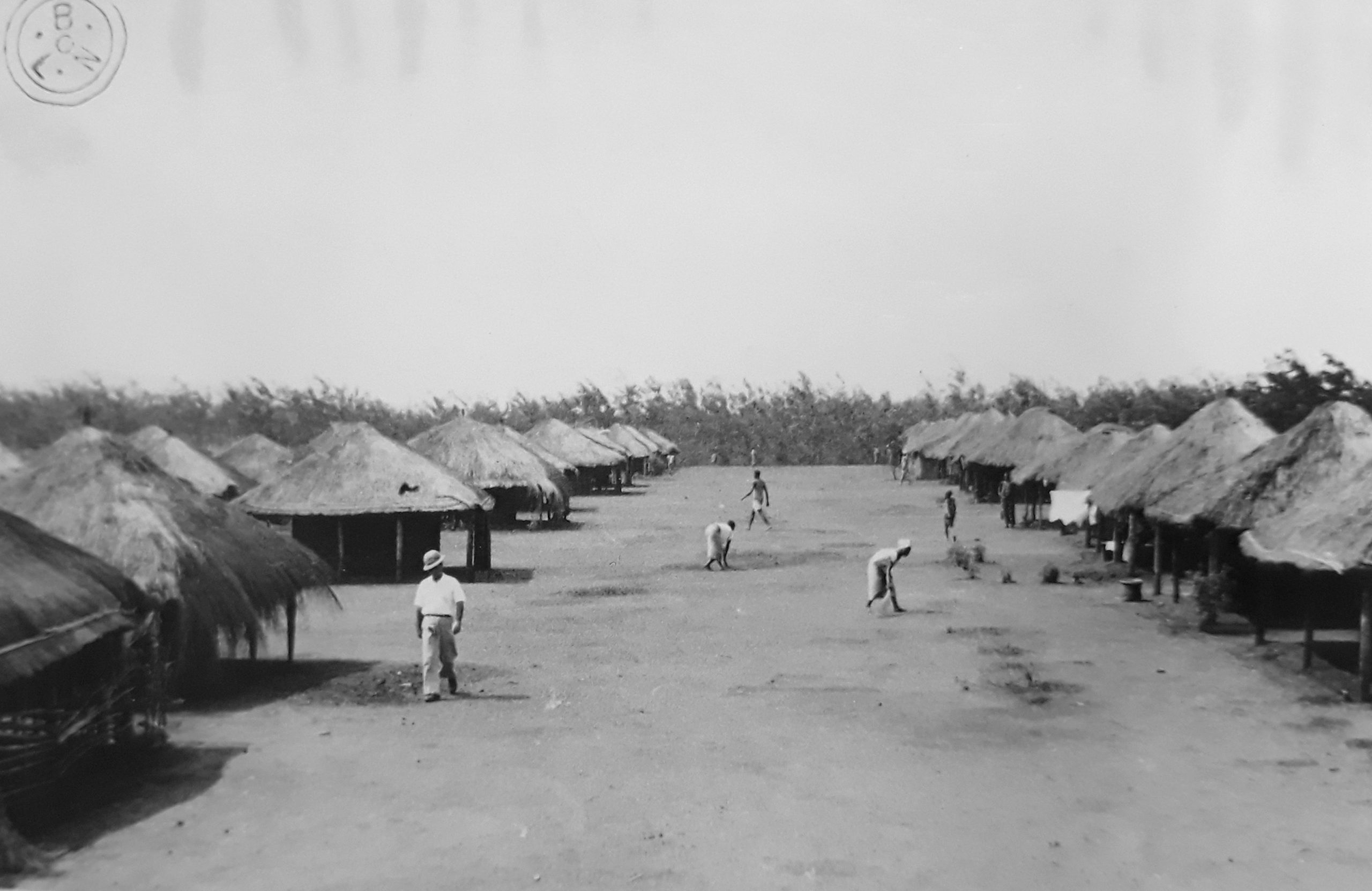
    Mabubas dam construction site: dormitory for single skilled workers. Source: Ana Vaz Milheiro 2024
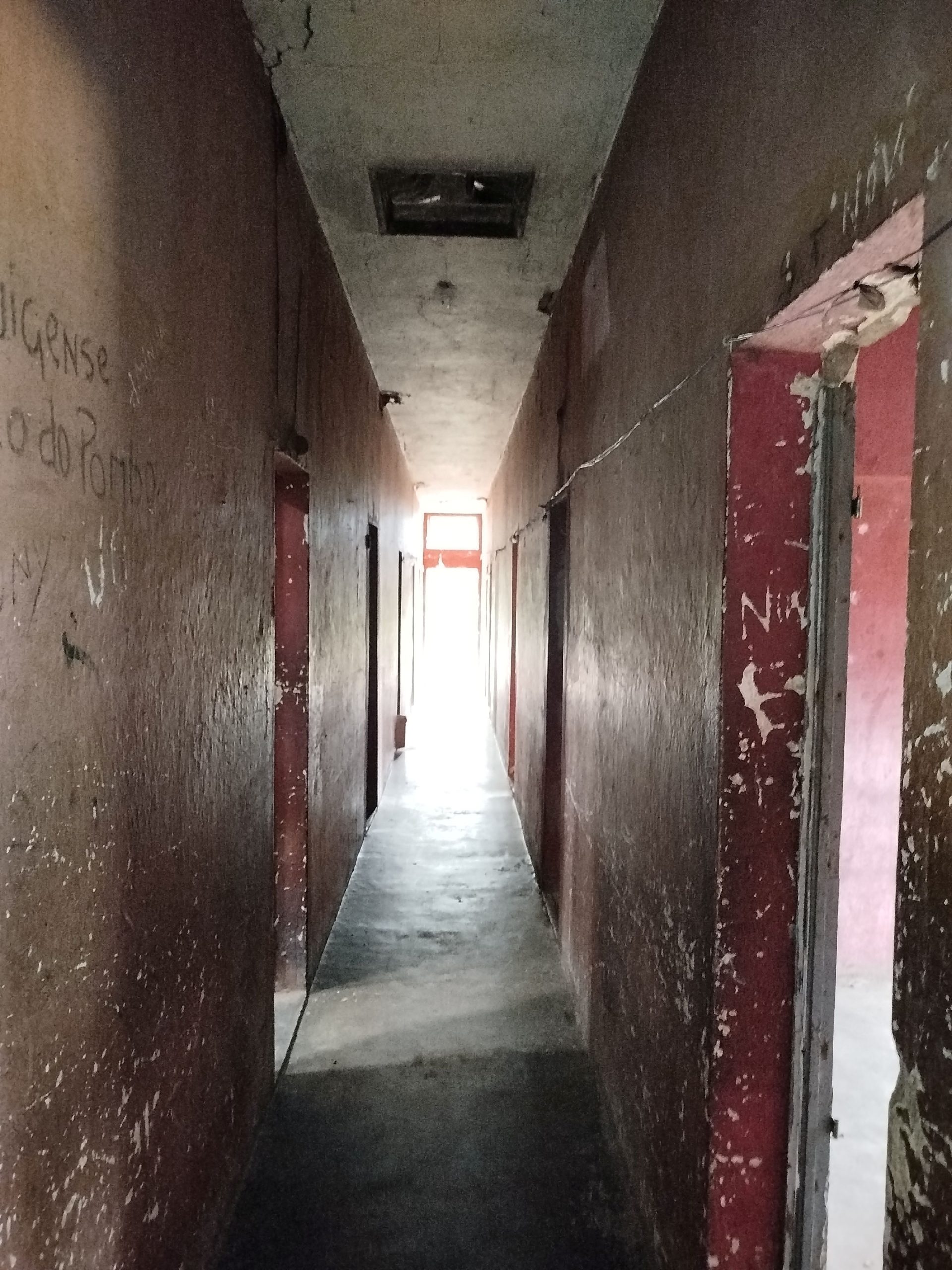
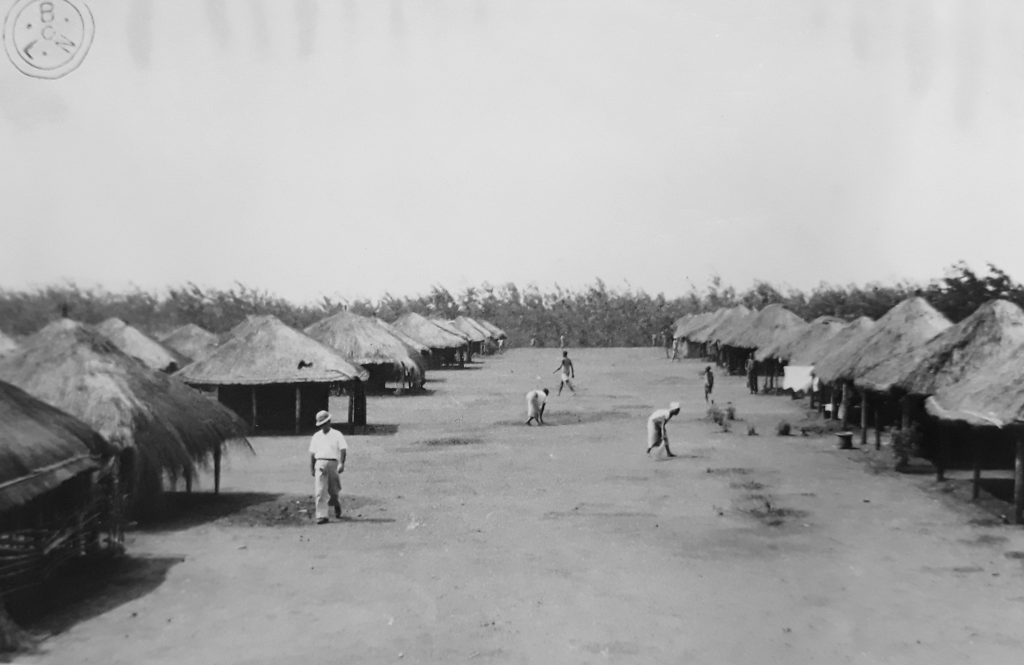
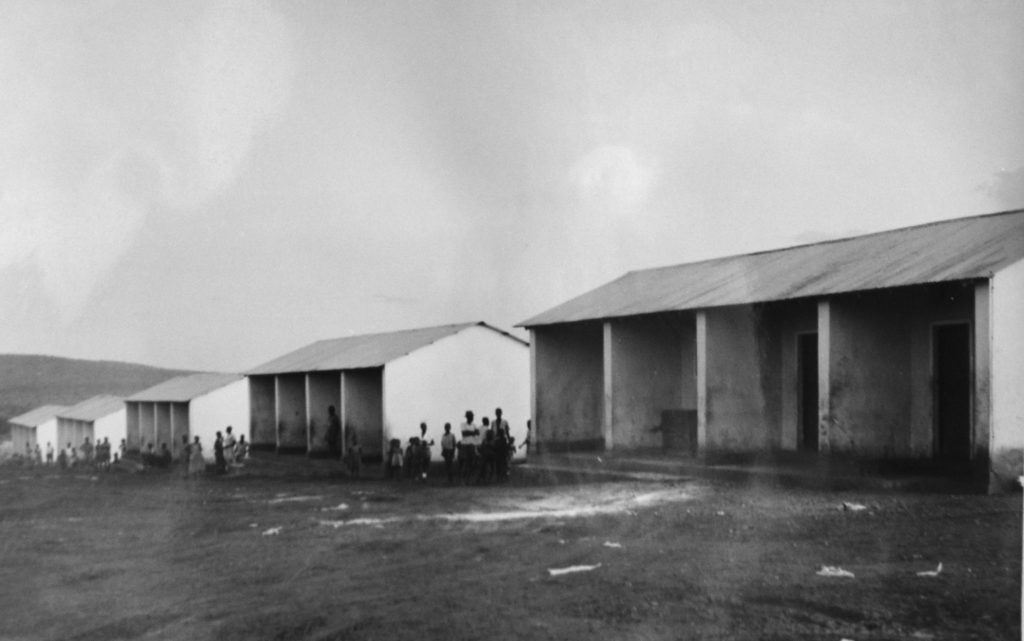
    Mabubas dam construction site: dormitory for single skilled workers (interior). Source: Ana Vaz Milheiro 2024

    Summary

    In colonial Angola, in the aftermath of the Second World War, the housing of male celibates began to be questioned as a matter of planning, a “zoning” exercise. Where to put these men, newly arrived from the metropolis, uprooted from their families and at high risk of “cafrealization”? In the capital Luanda, only 20% of European descendants were integrated into their families. The majority were civil servants and commercial workers, making up a middle-income social class that required a residential solution. Only healthy, hygienic and structured housing could pacify these urban dwellers. Meanwhile, pragmatic proposals emerged for migrant peasants, consolidated as schematic solutions: bedroom, kitchen, storeroom and sanitary facilities. With no aesthetic counterparts, they reduced the entire architectural apparatus to hygienic conditions. The Colonial Public Works agencies, through professionals trained in design for sub-Saharan regions, systematized identical solutions, where aligned batteries of shared rooms and services by galleries guaranteed the minimum for a collective housing experience. The speculative and essayistic nature of these visions contrasted with their implementation on the ground. In Angola, accommodation for celibates was essentially a problem associated with highly skilled and expert labour for displaced workers on construction sites or natural resource exploitation companies. Through administrative and photographic documentation, as well as field missions, this article aims to understand the impact of bachelor houses on the debate about colonial housing. What balance did they propose between an efficient response in terms of housing and the promotion of a sociability that would “protect” these settlers from the “anxieties” and dangers of colonial life? What communities were built from these residential configurations? Projects such as the residential blocks created during the construction of the Mabubas Dam or the Jamba complex, operated by the Lobito Mining Company, will serve as a framework.


    Related Case Studies

  • A “Casa do cacuaco” de Antonieta Jacinto (1957-1964): Protótipos e Réplicas na Região de Luanda

    A “Casa do cacuaco” de Antonieta Jacinto (1957-1964): Protótipos e Réplicas na Região de Luanda

    Event: CEAFE 2025 – 3a Conferência de Engenharia e Arquitectura da Faculdade de Engenharia da Universidade Agostinho Neto
    Authors: Ana Vaz Milheiro, Leonor Matos Silva
    Date: 13 – 14 February 2025

    Location: Universidade Agostinho Neto, Luanda, Angola (online)


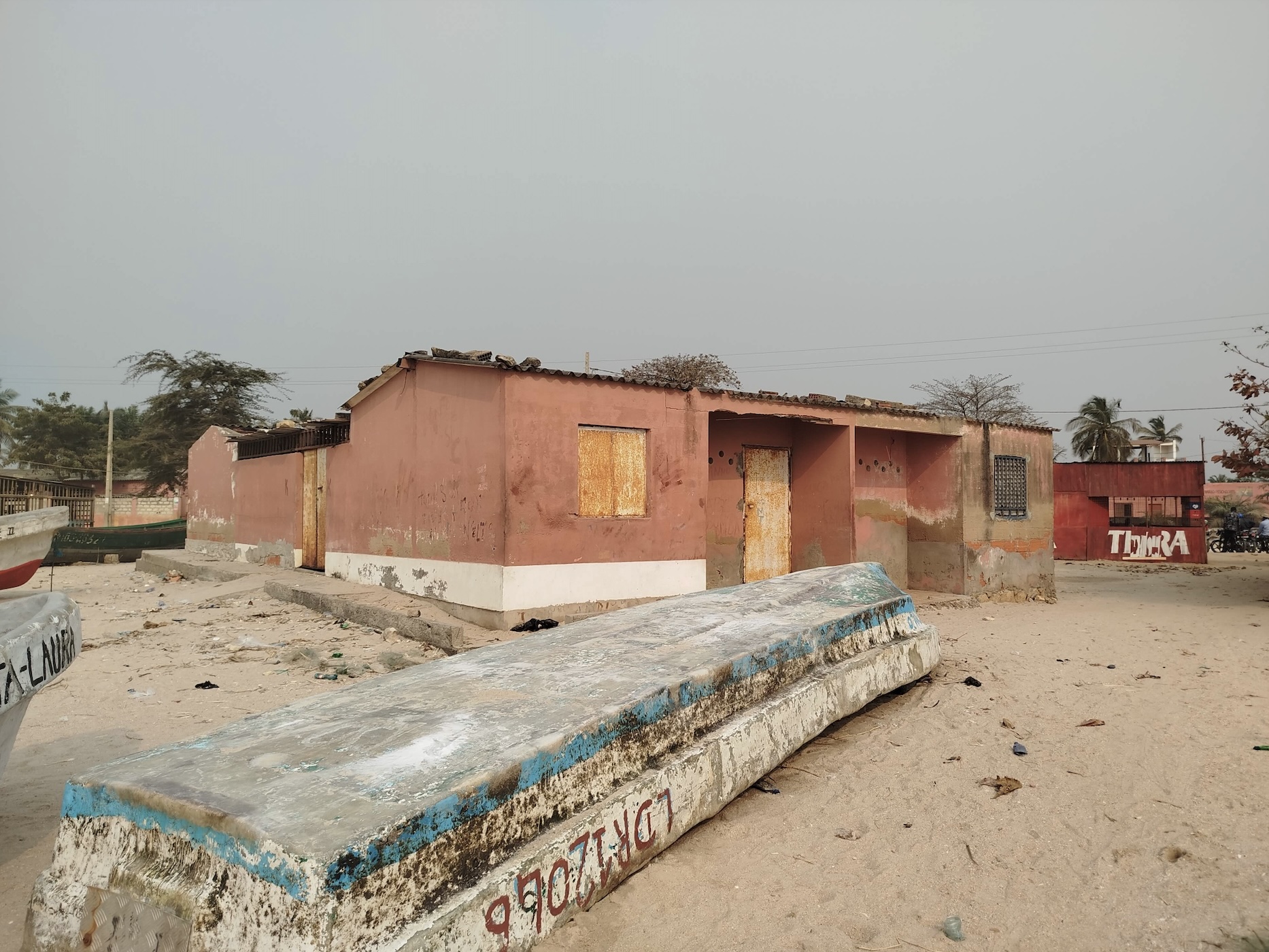
     Casa de Pescadores, Cacuaco, 2024. Source: Ana Vaz Milheiro
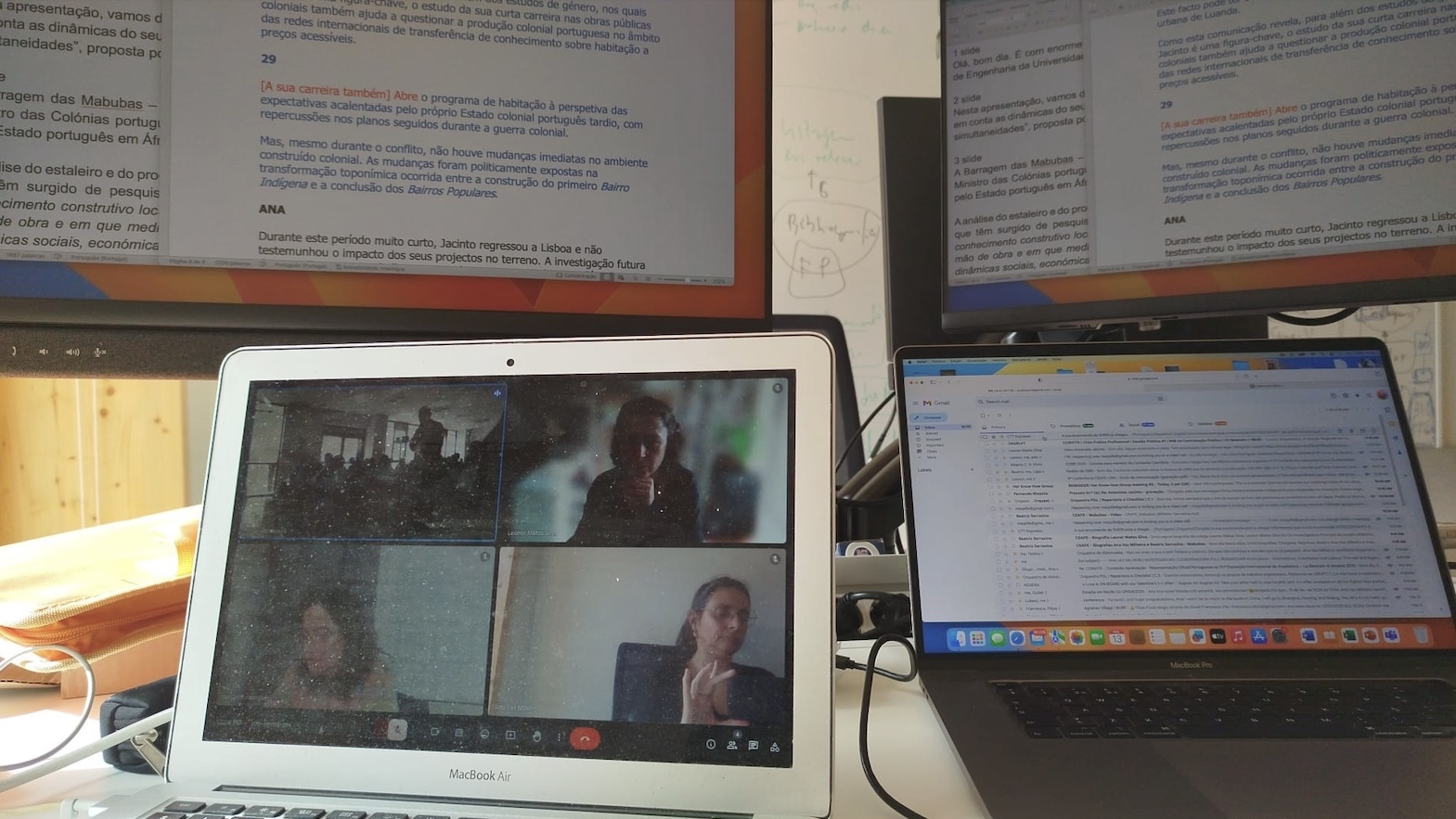
    Ana Vaz Milheiro and Leonor Matos Silva presenting the paper online

    Summary

    No início dos anos 60, Antonieta Cândida Pires Jacinto, a primeira arquiteta nascida em Angola, mudou-se para Portugal. Deixou para trás uma curta carreira de cerca de dois anos na Direção dos Serviços de Obras Públicas e Transportes de Angola, na Secção de Urbanização desta antiga colónia portuguesa. Uma das suas obras mais famosas que está inscrita na história da arquitetura colonial de Angola é um bairro em Cacuaco, a 20 km de Luanda, projetado em 1957. A tipologia residencial utilizada viria a ser replicada no ano seguinte em vários locais da capital angolana, nomeadamente no Bairro Indígena no. 1, entre as actuais ruas da Cela e Portugália, junto ao bairro do Rangel.

    A Luanda contemporânea mostra que o modelo habitacional que propôs para esta comunidade persistiu após a sua partida, sendo implantado em outros núcleos próximos a antigos “musiques”, atingindo cerca de mil unidades. A “casa de Cacuaco”, originalmente projectada para pescadores, é utilizada nesta apresentação para melhor compreender os programas residenciais erguidos durante os últimos anos de ocupação colonial. Contextos como aquele em que foi produzida permitem-nos analisar o papel desempenhado pelas mulheres arquitectas, muito para além da sua identidade de género. A apresentação recorre a material de arquivo e visitas ao lugar, assim como a algumas entrevistas com actuais moradores.

  • A “Não-Simultaneidade” nas Construções Coloniais: o caso da Barragem das Mabubas, Angola

    A “Não-Simultaneidade” nas Construções Coloniais: o caso da Barragem das Mabubas, Angola

    Event: CEAFE 2025
    Authors: Ana Vaz Milheiro, Beatriz Serrazina
    Date: 13 February 2025

    Location: Faculdade de Engenharia, Universidade Agostinho Neto, Angola [online]


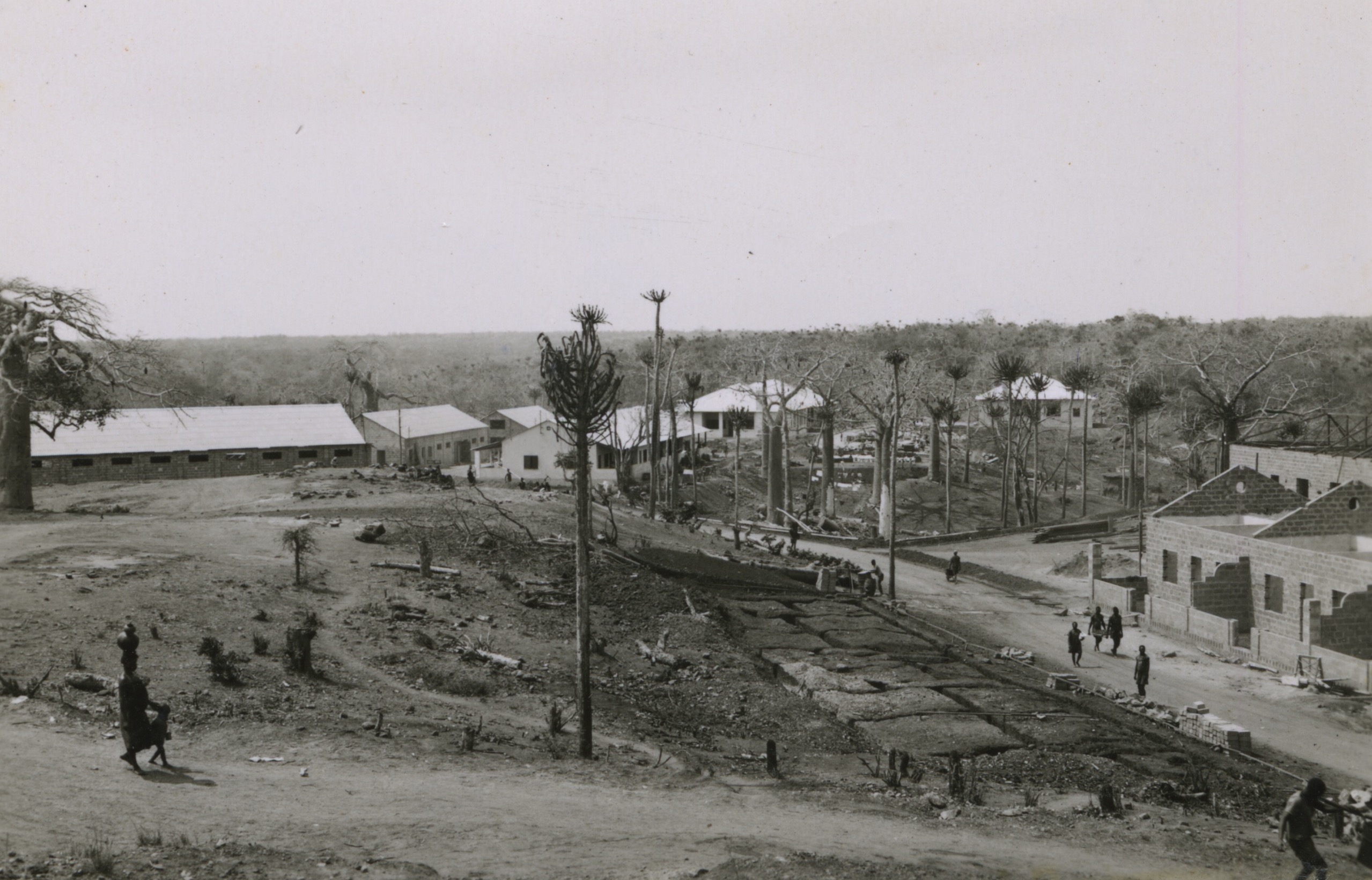
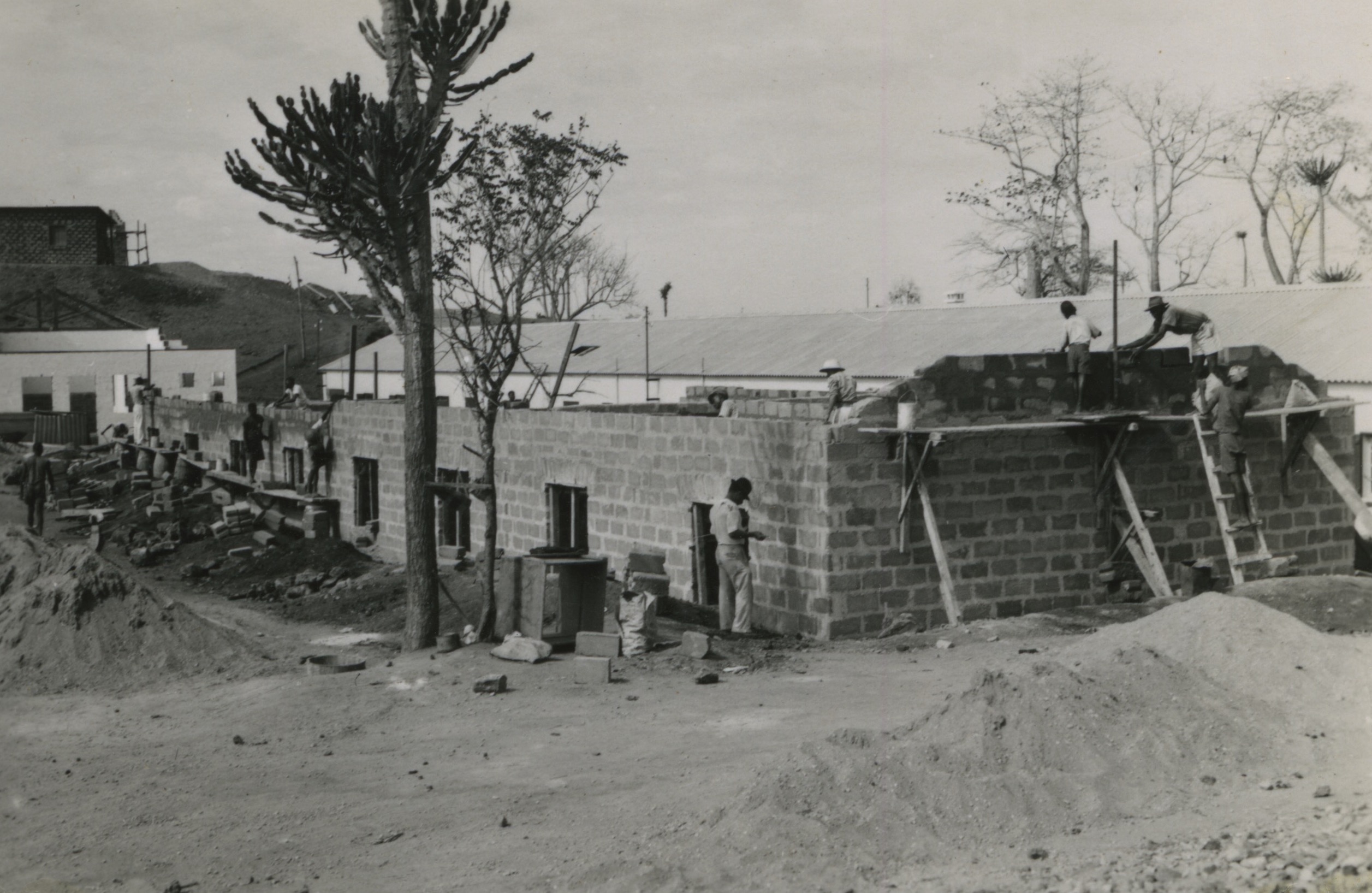
    Houses and workshops in the construction site, 1948 [AHU, OP3010)
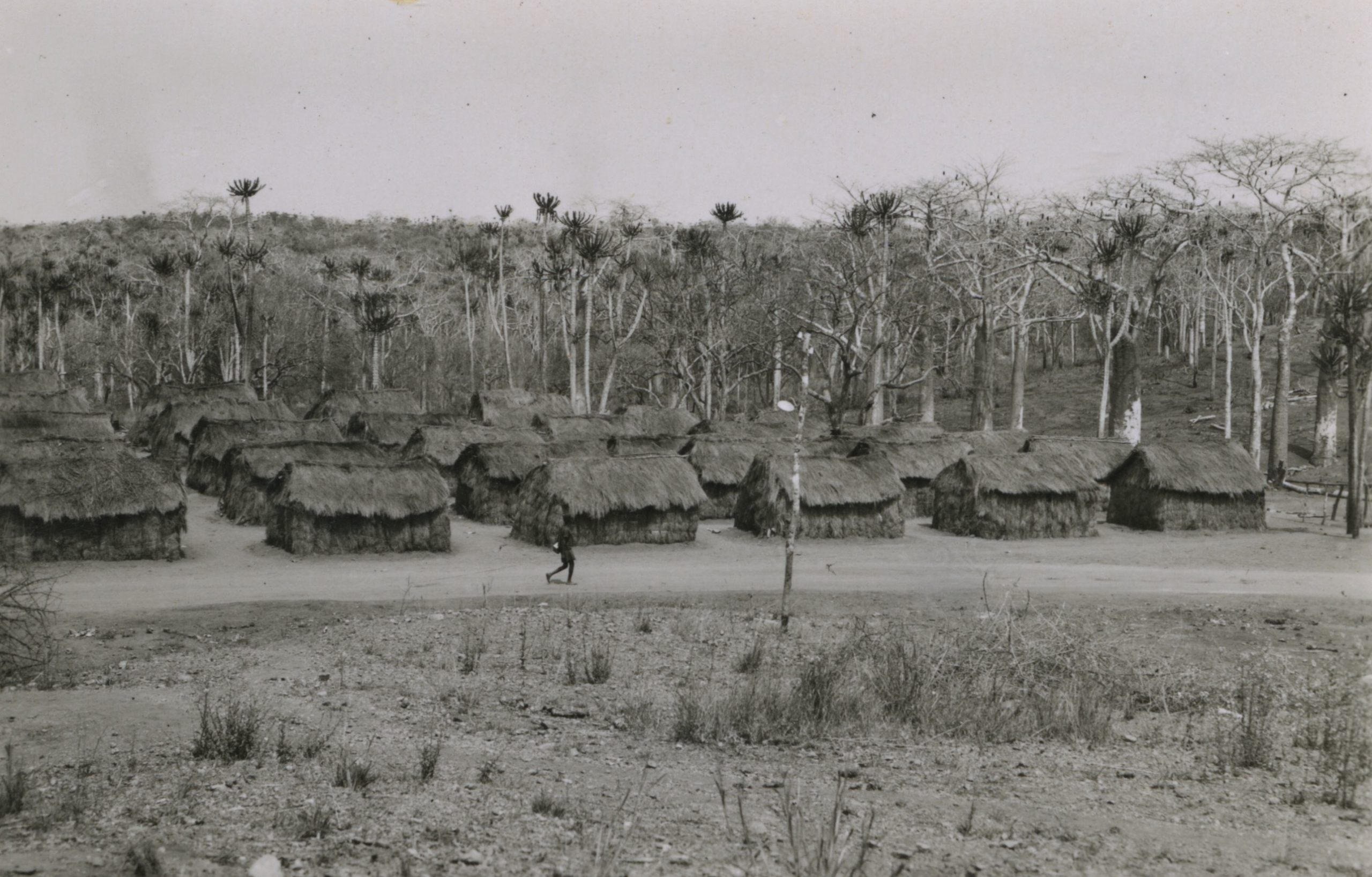
    One of the indigenous villages near the Mabubas construction site, 1948 [AHU, OP3010)

    Summary

    A Barragem das Mabubas, construída em Angola entre 1948 e 1954, foi a primeira grande obra de infraestrutural promovida pelo Estado português em África para sustentar o colonialismo face ao crescente escrutínio após a Segunda Guerra Mundial. A sua extensão de 70 metros, perto de Luanda, resultou num estaleiro de grandes dimensões. A partir das circunstâncias políticas, sociais e tecnológicas do caso das Mabubas, esta apresentação pretende investigar os estaleiros de construção colonial para contribuir para debates mais amplos sobre estes lugares. Enquanto estaleiro fixo, que deu origem a uma nova povoação, a obra das Mabubas oferece um terreno de investigação complexo, que reuniu milhares de pessoas, diferentes tarefas e hierarquias laborais. Serão exploradas três relações: as dinâmicas entre trabalhadores europeus e africanos, as tensões entre as comunidades africanas e as interações entre vários níveis de especialização, tais como as hostilidades em relação a outras geografias coloniais, como os trabalhadores cabo-verdianos, considerados mais “qualificados”. Através da “não-simultaneidade” proposta por Heine e Rauhut, a apresentação visa acrescentar novas perspetivas à análise das peculiaridades e complexidades dos estaleiros coloniais. Enquanto os estaleiros europeus se baseavam em sistemas conhecidos pelos técnicos superiores, os espaços de construção produzidos sob o colonialismo apresentavam maiores níveis de incerteza. As autoridades coloniais não controlavam as competências das comunidades africanas nem materiais locais. Para além de apresentar um mapeamento crítico do estaleiro, a comunicação questionará a sua materialização no arquivo. Que informação pode ser recolhida nos relatórios? Que camadas estão ausentes (nomeadamente sobre a presença de mulheres)?

  • A habitação para trabalhadores na concessão da Diamang: modelos, materiais e disputa no colonialismo português

    A habitação para trabalhadores na concessão da Diamang: modelos, materiais e disputa no colonialismo português

    Journal: Revista de História das Ideias (Dossier Temático Culturas do Habitar, nº 43, 2ª série). Coimbra: Imprensa da Universidade
    Author: Beatriz Serrazina
    Date: 2025


    SPAMOI works: Village lined with cassia trees in the background, 1945. Source: Relatório da viagem a África de Simões Neves Arquivo Oliveira Salazar, UL-8A4, cx. 718, pt 1, PT/TT/AOS/D-N/002/0008/00001, Imagem cedida pelo ANTТ
    Workers’ neighbourhood in Caingági, 1963. Source: Relatório do Serviço de Construção Civil, 1960-63, DCV-UC/AD

    Summary

    As atividades extrativas da Diamang numa ampla região concessionada no distrito da Lunda, no nordeste de Angola, entre as décadas de 1910 e 1980, exigiram a construção de estruturas em diversas escalas, programas e contextos. Este artigo analisa a produção de habitação para os trabalhadores da companhia mineira, inquirindo os modelos desenhados e adaptados ao território, a diversidade de materiais de construção, assim como os processos de apropriação e contestação que os permearam. Cruzando diversos períodos do colonialismo português em África, o artigo explora agendas transversais que desafiam leituras dicotómicas e padronizadas dos modos de habitar. Entre centenas de aldeias e povoações, habitadas por milhares de trabalhadores e famílias, sobretudo oriundos de várias partes de Angola e Portugal, a Diamang procurou criar um «dialeto corporativo» que, contudo, esbarrou amiúde na ambivalência entre imagéticas urbanas, tanto por parte do poder colonial como por parte das comunidades locais.

  • The digitisation of shared archival heritage: a strategy for locating and accessing the Portuguese Public Works records in Africa

    The digitisation of shared archival heritage: a strategy for locating and accessing the Portuguese Public Works records in Africa

    Event: 12th Iberian Congress of African Studies “African responses to the decolonial dilemma”
    Authors: Sónia Pereira Henrique
    Date: 29 – 31 January 2025

    Location: University of Barcelona, Spain


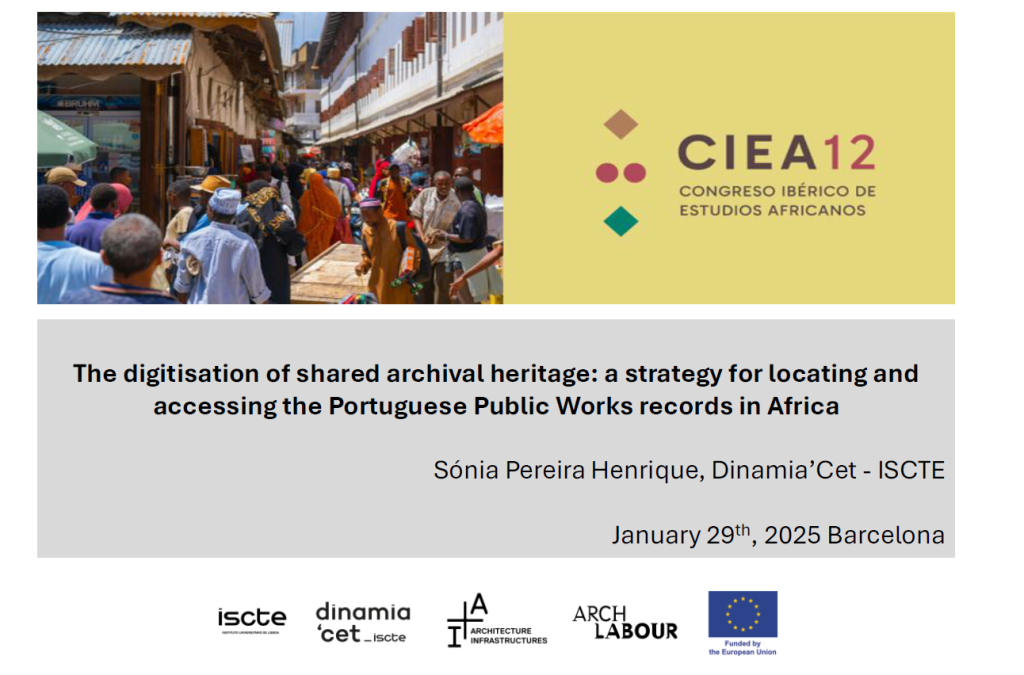
    Communication presentation cover slide

    Summary

    The inscription of information in digital environments presents a range of factors that warrant consideration, including the establishment of distinct forms of access regarding archival sources. Nevertheless, there is still considerable scope for improvement in the accessibility of historical archives. The transition from paradigms of scarcity and difficulty in accessing colonial sources, whether due to displacement, neglect, or destruction, is still hindered by various constraints that influence the management and study of collections. This paper, which stems from the ArchLabour research project (ERC-funded), examines the current state of archival source mapping for the study of Portuguese public works in Africa (Angola, Mozambique, São Tomé and Príncipe, Guinea Bissau and Cape Verde). The recent collaborative project between the National Archives of the Ministry of Culture of Cape Verde, the Portuguese Overseas Historical Archives and the Portuguese National Archives of Torre do Tombo through the project, entitled “RESGATE”, enabled the recovery of Cape Verde’s documentary collections at the Portuguese Overseas Historical Archive in Lisbon. This joint venture permitted the digitisation and online dissemination of the documentary output of the Portuguese Administration in Cape Verde and Guinea-Bissau, covering the period from 1602 to 1834. It is our contention that these collaborations are pivotal to historical studies, facilitating historical research, archival management and community engagement regarding shared heritage.

  • The recruitment process of coolies for construction work on the Benguela railway – legal framework and labour force

    The recruitment process of coolies for construction work on the Benguela railway – legal framework and labour force

    Event: Unlikely Dialogues – International Congress on Past and Present Slaveries
    Authors: Sónia Pereira Henrique
    Date: 11 – 14 December 2024

    Location: European University of Lisbon, Portugal


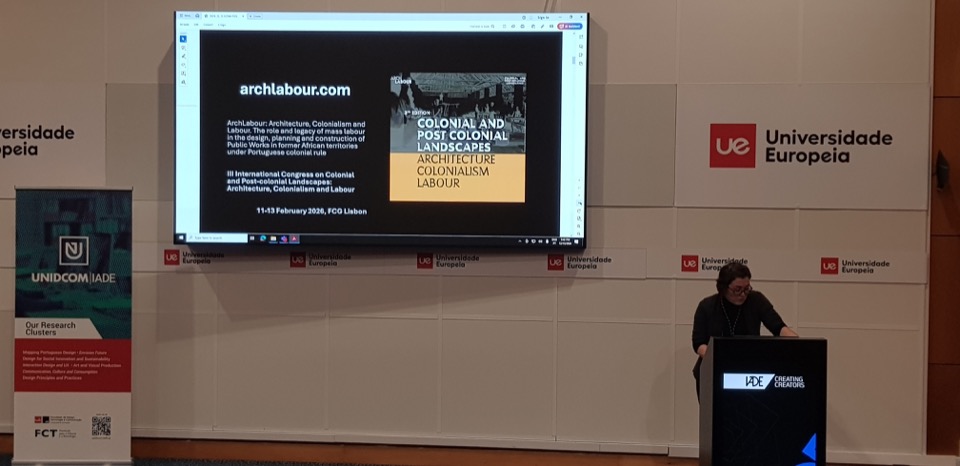
    Mentioning the III CPCL International Congress (11-13 February 2026, Calouste Gulbenkian Foundation | Lisbon)

    Summary

    At the Portuguese Colonial Congress of 1924, Francisco Mantero presented a thesis on indigenous labour in the African colonies, with a detailed analysis of the socio-economic conditions prevailing in each overseas province. In the context of labour, Mantero highlighted the exemplary nature of the legislation protecting workers in overseas territories. He further identified alcoholism and infectious diseases, including smallpox, syphilis and sleeping sickness, as the primary challenges facing overseas labour. This is the thesis of a prominent and esteemed businessman whose economic interests and business relevance, particularly in São Tomé and Príncipe, earned him the attention and credibility of public opinion. However, theses have purposes, obey structure and method and are prone to objection. As such, and regarding indigenous labour – despite being in a working-class context instead of a rural one – its intersection with the recruitment process of coolies for construction work on the Benguela railway, may offer a suitable point of comparison to the conditions under which indigenous labourers were employed. This indicates the potential for discerning similarities and differences between the two cases. Moreover, I intend to examine arguments that diverge from these perspectives, similar to Mantero’s, which were deeply entrenched in public opinion at the time. In light of the evidence gathered from the legal framework of the Benguela Railway and its archival records concerning labour, I intend to discuss this process, pointing out that the premise of Mantero was not entirely accurate – rather than being enemies, the subjects in question were, more accurately, the effects of several other factors. Furthermore, the movement of Chinese and Indian labourers facilitated a more nuanced understanding of the phenomenon that fed servitude in the contemporary period. The term ‘coolie’ was applied to Chinese and Indian labourers mobilised to perform in the colonial possessions, initially at plantations but extending to broad tasks due to labour shortage. The Benguela Railway, Angola’s largest railway line during the colonial period, required a significant workforce comprising individuals from diverse backgrounds and engaged in a range of skilled trades. It provides an invaluable opportunity to examine the concepts of servitude, oppression and rebellion in depth. The research developed within the scope of the ArchWar project (the study of violence and control through housing and architecture during colonialism, ref. PTDC/ART-DAQ/0592/2020) along with the archival management carried out at the Historic Overseas Archive in Lisbon on the Benguela Railway, and the follow-up during the ArchLabour project entitled “Architecture, Colonialism and Labour. The role and legacy of mass labour in the design, planning and construction of public works in former African territories under Portuguese colonial rule” (ERC-funded ref: 101096606) allows to discuss the impact of the construction and development of this colonial infrastructure on the Portuguese colonial project which would be incomplete without an investigation into recruitment practices.


    Related Case Studies

  • Transposing the discourse of industrialised construction in housing between Lisbon and Luanda during the 1970s

    Transposing the discourse of industrialised construction in housing between Lisbon and Luanda during the 1970s

    Event: 18th International DOCOMOMO Conference 2024 “Modern futures: sustainable development and cultural diversity”
    Author: Inês Lima Rodrigues
    Date: 10 – 14 December 2024

    Location: Pontificia Universidad Católica de Chile, Santiago de Chile, Chile


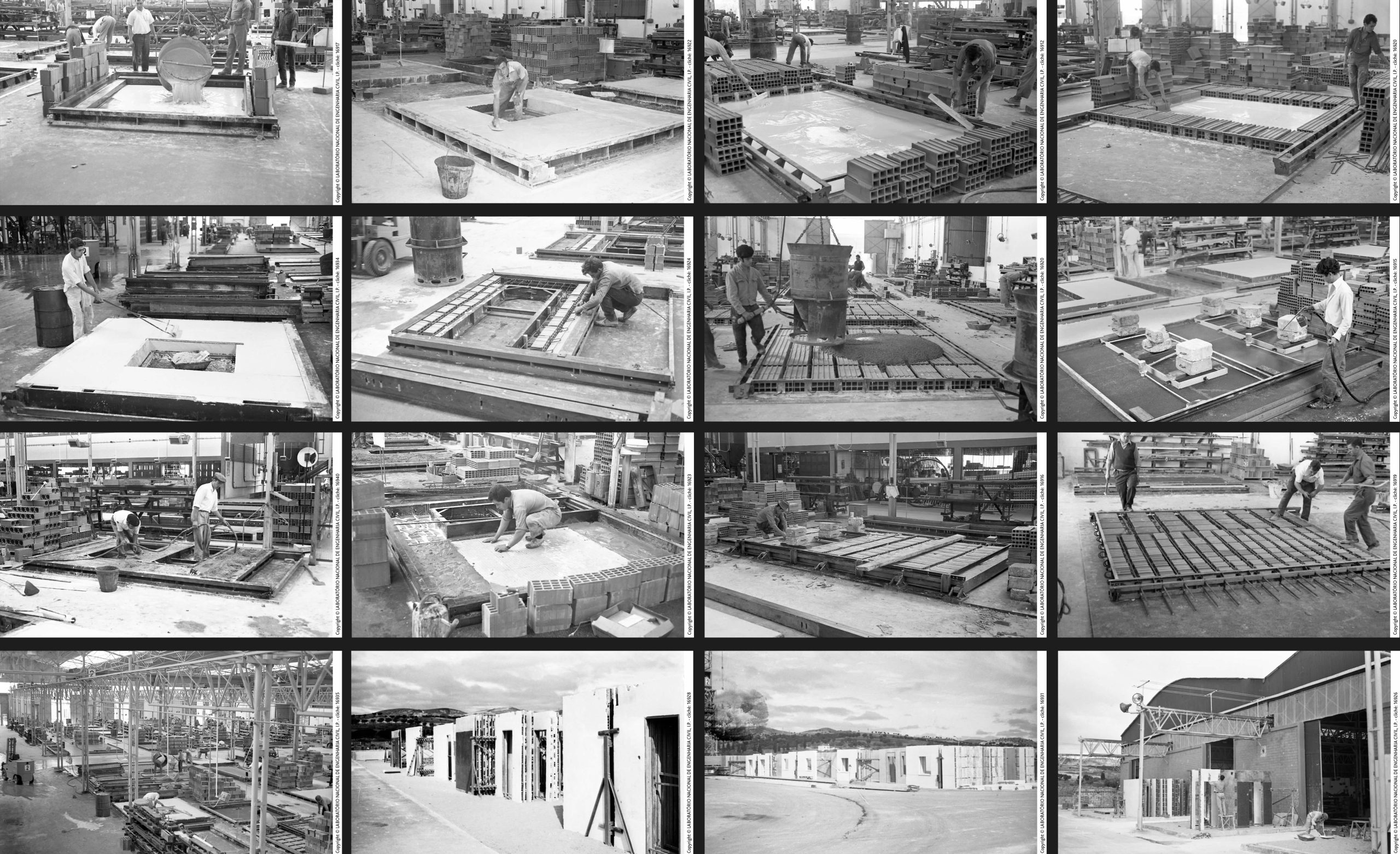
    Succession of frames of images of the manufacture of “Fiorio” panels at the ICESA factory.  Source: Laboratório Nacional Engenharia Civil (LNEC) – Proc. 34/1/3019COTA 4487.
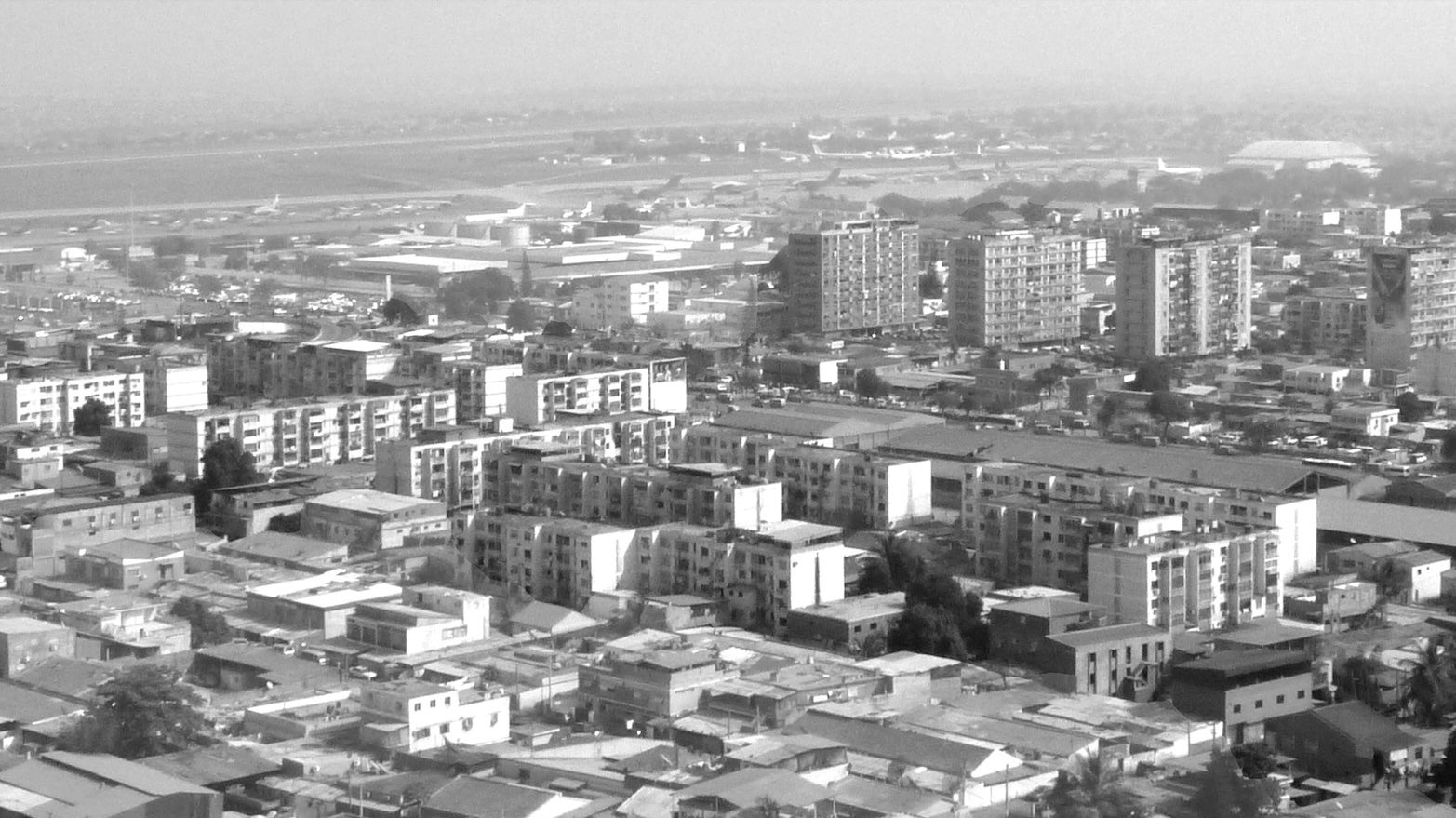
    View from Luanda over the “Cuban Blocks” in the Cassenda neighbourhood (in the background, part of the unfinished urban plan for Neighbourhood Unit No.3 and the international airport). Source: Inês Lima Rodrigues, 2010

    Summary

    This paper focuses on the prefabrication process and typification applied in building mass housing neighbourhoods on the outskirts of Lisbon, Portugal, and Luanda, Angola. It explores the transfer of these systems and know-how from Europe to Africa, mapping housing neighbourhoods built at the end of Portuguese colonialism and the transition from dictatorship in Portugal (25 April 1974) to the independence of Angola (1975). The push for widespread housing led to developing large estates on peripheral land, utilising industrialised materials and processes to meet production demands. Large construction firms spearheaded innovation, with prefabrication vital in ensuring economic feasibility and rapid construction times. Portugal initiated its first prefabricated projects during the 1960s. At the same time, the Portuguese state invested in Angola, elevating the importance of housing development in both regions. This article proposes a comparative analysis of housing estates, focusing on the role of large construction companies and the influence of specific prefabricated systems on constructing residential estates in Lisbon and Luanda. It seeks to answer how the introduction of prefabricated design elements led to functional and aesthetic innovations and whether they benefited from foreign expertise. It also investigates the transfer and utilisation of these systems in the Global South, emphasising their profound impact on architectural design and urban planning during the colonial transition. These neighbourhoods drew inspiration from various international models, including Swedish, French, and Soviet systems, and influences from Non-Aligned Movement countries like Yugoslavia and Cuba. Following Angola’s independence, additional prefabricated technologies were introduced, facilitating the transition from colonial to postcolonial structures and addressing housing demand while adapting to tropical climates. The comparative analysis underscores how prefabrication influenced architectural design and urban planning during the colonial transition, with construction companies playing a pivotal role in shaping urban landscapes and promoting modern living standards.

  • Between the musseque and the Neighbourhood Unit: spotting “compagnons de route” architectures in Luanda (1961-1975)

    Between the musseque and the Neighbourhood Unit: spotting “compagnons de route” architectures in Luanda (1961-1975)

    Event: 18th International DOCOMOMO Conference 2024 “Modern futures: sustainable development and cultural diversity”
    Authors: Ana Vaz Milheiro, Leonor Matos Silva
    Date: 10 – 14 December 2024

    Location:  Pontificia Universidad Católica de Chile, Santiago de Chile, Chile


    Prenda neighbourhood, a view of the musseque. Luanda, 2014. © Isabel Guerra/Ana Vaz Milheiro; PTDC/ATP-AQI/3707/2012.
    Mrs E. and Mr B.’s wooden house: survey, plus interior courtyard with houses displaying ventilation devices inspired by modern design. Luanda, 2014. © Issac & Júlio, UTANGA; Isabel Guerra/Ana Vaz Milheiro; PTDC/ATP-AQI/3707/2012

    Summary

    Taking full advantage of Nnamdi Elleh’s proposal, by seeking to “keep the focus on the modern” (2014), this article explores how during the late colonial period in the city of Luanda, Angola, conditions arose to link the future of architectures with unequal roots. On the one hand, an architecture strongly qualified and praised by the historiography of modern architecture, which would result in the Prenda Neighbourhood Unit No. 1, and on the other hand, the musseque (Angolan slum) of the same name, which already occupied that territory in the suburbs of the colonial city. Placed in the core of the musseque, the Neighbourhood Unit was used strategically by the colonial state to control African population. Through the embodying of “brutalist imaginaries”, it would be permanently linked to a new landscape, strongly supported by self-produced architecture. As a case study, the Prenda musseque not only preceded the new Neighbourhood Unit, but coexisted with its realisation and appropriation, surviving to this day. It thus provides multiple lenses for analysing how architecture promoted by the “underprivileged classes” can today contribute to broadening the architectural lexicon of production catalogued as modern. Drawing on multiple skills, the knowledge of the musseque communities was neglected by the late-modern colonisers who inhabited the new Prenda units. This article evokes the concept of “omnicompetence”, explored by Glenn Adamson (2020) in the broader context of American crafts shaped by pre-colonial societies. Also in Luanda’s musseques, a long formal and constructive genealogy has emerged as pluri-competences. Its long coexistence with modern culture during the colonial period and beyond was reinforced by its contemporary resilience reflected in the transfer of technical and formal knowledge creating a vernacular architecture with a strong modern tone. The article ends by highlighting how these architectures have mutually legitimised each other as “compagnons de route”.

  • Architecture + Infrastructures. Questioning the contemporary landscapes 2010-2024

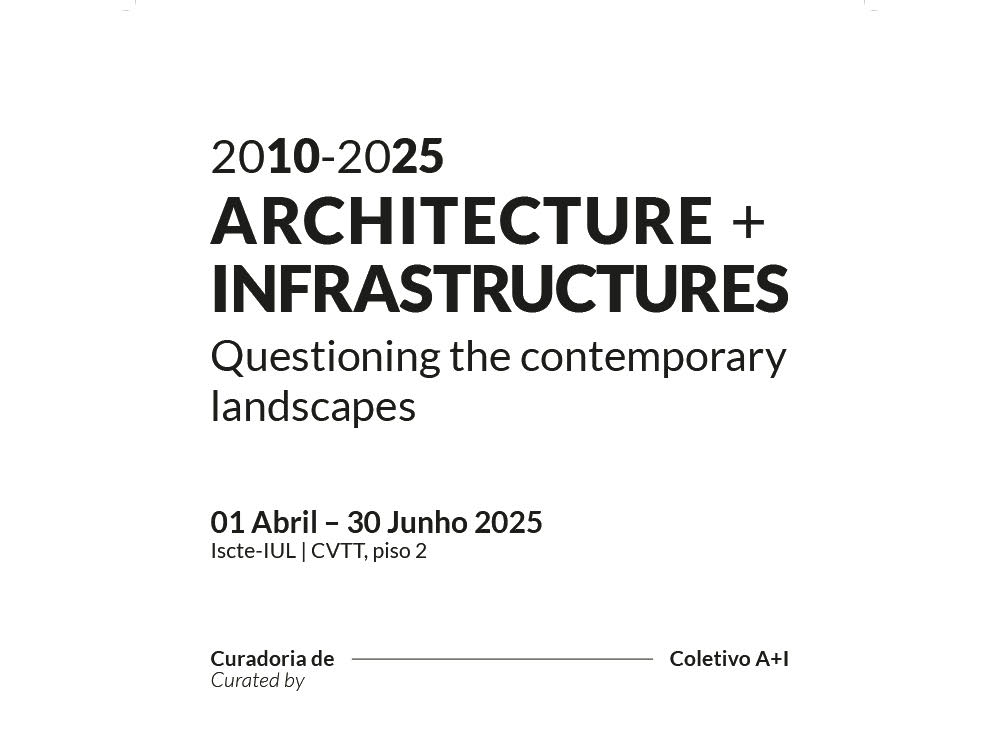
    Architecture + Infrastructures. Questioning the contemporary landscapes 2010-2024

    Event: Lieux et Enjeux Seminar “Housing production in times of conflicts” 
    Curator: Ana Vaz Milheiro
    Date: 21 – 29 November 2024

    Location: École Nationale Supérieure d’Architecture de Paris Val de Seine (ENSAPVS), Paris, France


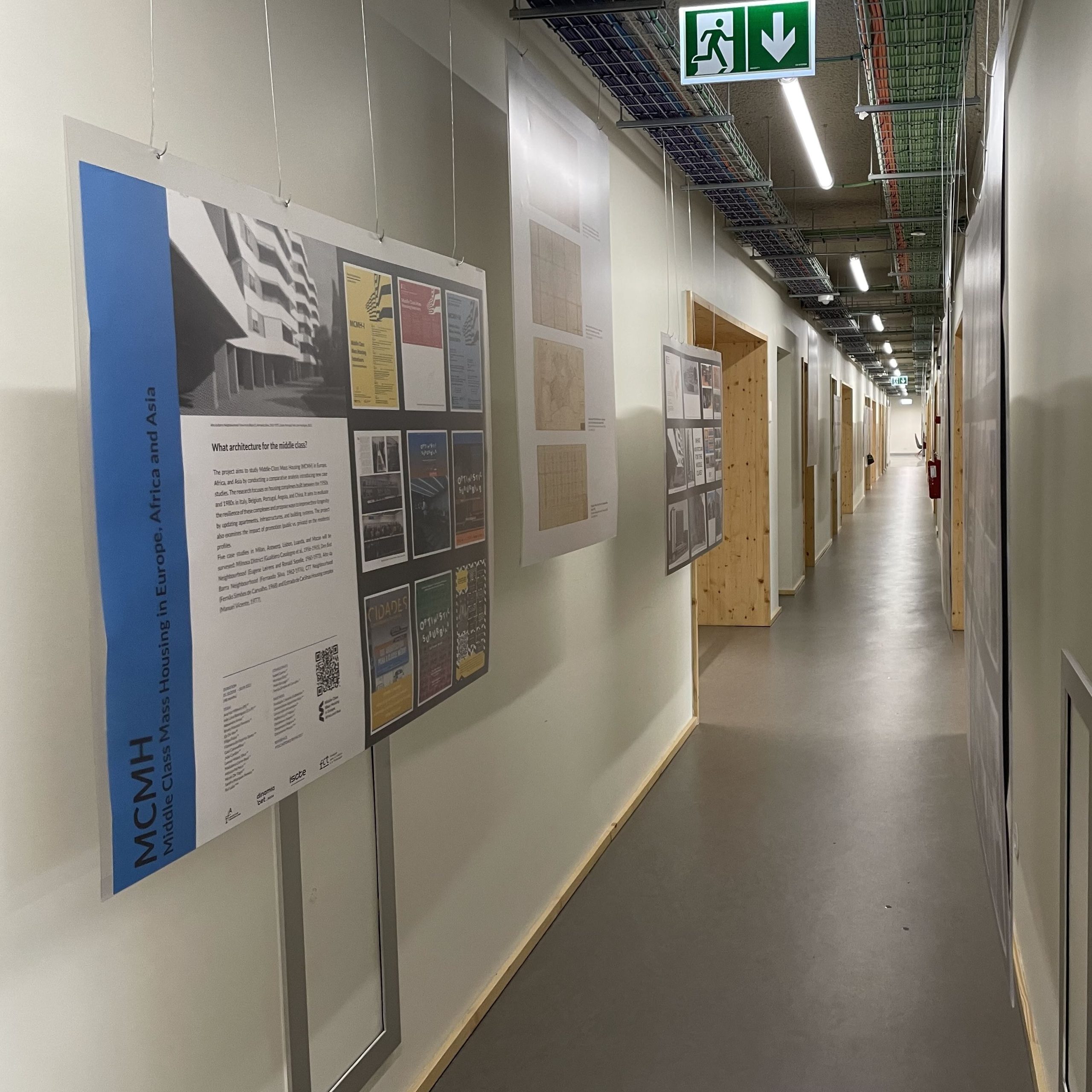
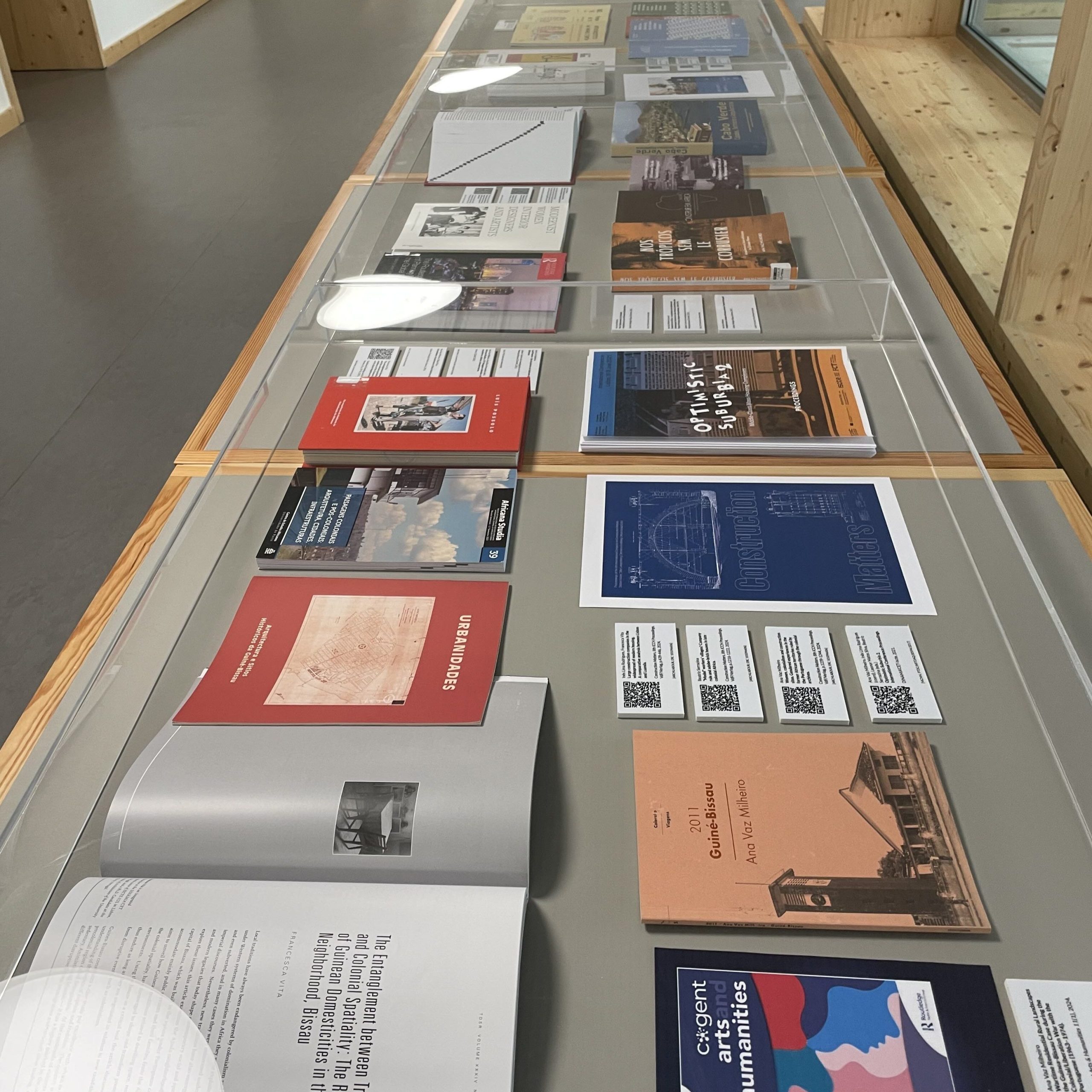
    Exhibition entrance
    Curator Ana Vaz Milheiro
    Curator Ana Vaz Milheiro giving a tour during the exhibition opening
    Exhibition’s main hall
    Exhibition detail
    Curator Ana Vaz Milheiro

  • Unravelling colonial infrastructure legal framework – the Benguela railway

    Unravelling colonial infrastructure legal framework – the Benguela railway

    Event: International Workshop Intertwining Architectural History with Legal History
    Authors: Sónia Pereira Henrique
    Date: 26 – 27 September 2024

    Location: University of Coimbra, Portugal


    Communication presentation cover slide
    Event branding

    Summary

    The Benguela Railway serves as a key example to study legal transplantation and reception in colonial territory, exploring the intersection of architectural and legal history. The aim of this paper is to survey the legal framework, texts and legal documents that influenced the planning and construction of Angola’s largest railway line. In accordance with Cecil Rhodes’ ideal of a “C to C” connection between Africa’s Cape and Cairo, this line crosses Angola from west to east and is the country’s largest and most important railway line. Its construction lasted until 1930, after the first technical studies were drawn up in 1876. Initially, the line was intended to transport 40,000 tonnes of copper a year from Katanga, thanks to a concession granted by King Leopold to the company Tanganyika Concessions Ltd, founded on 20 January 1899 by Robert Williams, an associate of Cecil Rhodes. However, this enterprise initial plans suffered adjustments; it developed its activities in an extension of over 1300 km, extending itself to the provinces of Benguela, Huambo, Bié and Moxico up to the municipality of Luau. In order to understand the ideals and adaptations of this transport network, it is necessary to study in depth the legal regulation of several topics, such as scientific studies, construction projects, periods and contracts, concessions, demarcations, land disputes and exploitation, which we intend to do in context. It is not only about collecting normative developments, but understanding their extent in historical archives, which can show intersections between original projects and actual events. The research developed within the scope of the ArchWar project (the study of violence and control through housing and architecture during colonialism, ref. PTDC/ART-DAQ/0592/2020) along with the archival management carried out at the Historic Overseas Archive in Lisbon on the Benguela Railway, will allow to unravel the impact of this colonial infrastructure on the Portuguese colonial project, taking into account both landscapes – the archival and the legal framework.


    Related Case Studies