

Communication
Colonial Construction Practices in Portuguese News (1960s–1970s)
Event: International Symposium Construction History & Film
Authors: Beatriz Serrazina
Date: 19 – 20 February 2026
Location: CIUL, Lisbon, Portugal
Summary
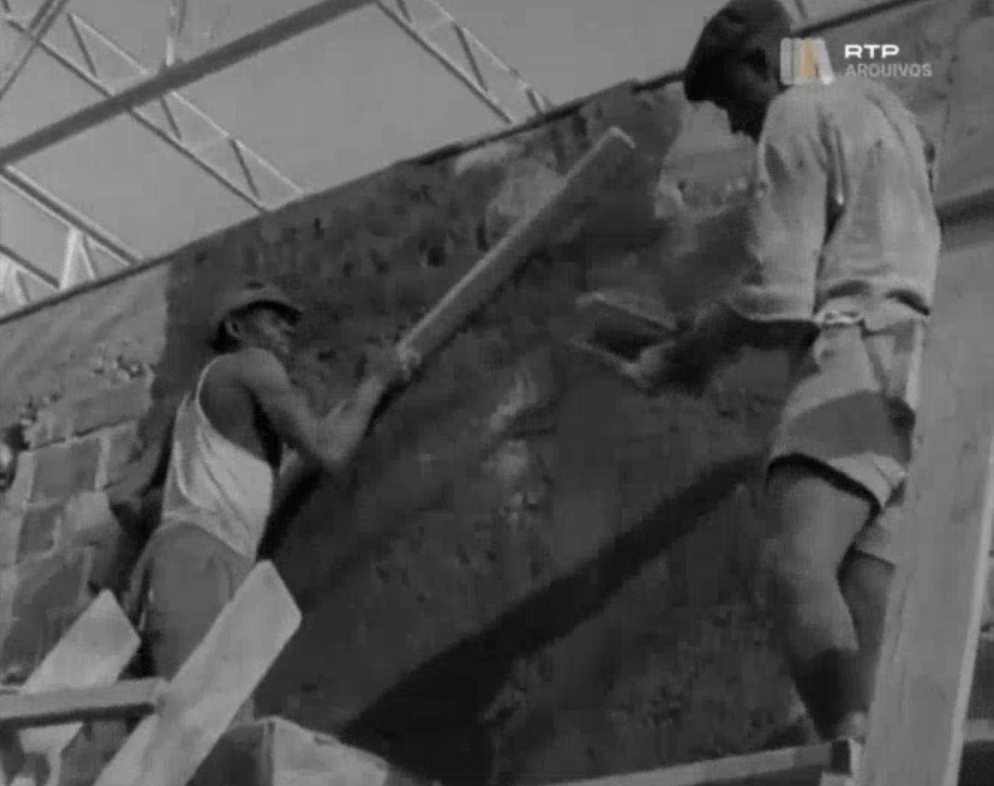
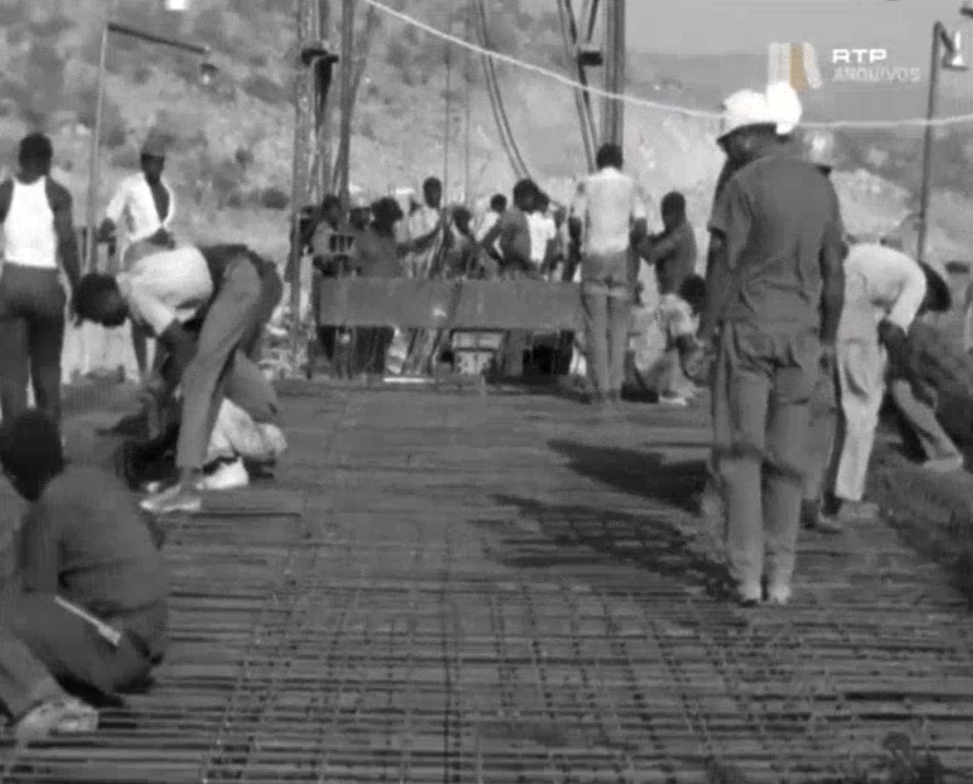
This presentation examines a selection of short documentary films from the archives of RTP (Rádio e Televisão de Portugal), originally broadcasted on the Noticiário Nacional [National News] programme in Portugal in the 1960s and 1970s. Produced during the country’s late colonial period, these black-and-white films – between two to five minutes long – documented construction work in several territories in Africa under Portuguese rule. They covered a variety of contexts, typologies and scales: sanitation projects in Beira, Mozambique, building sites in Luanda, Angola, road construction in São Tomé, railways and bridges, and the monumental hydroelectric dams of Gove, Cambambe, and Cabora Bassa. Unlike written records, which mostly emphasised technical plans and quantitative aspects such as costs or completion deadlines, the moving images reveal the practical, hands-on dimensions of construction and public works, from materials to the coexistence of manual and mechanical work. They capture how infrastructures were assembled, how tools and machinery were handled by workers – frequently absent from technical reports –, and how labour was organised on site. The paper argues that these archival films constitute an invaluable visual archive for rethinking the history of construction and architecture within the context of empire, intersecting multiple dimensions of labour, technology, and material power.