

Communication
Building the Cunene agricultural settlement in Angola: a perspective on labour
Event: III International Congress on Colonial and Post-colonial Landscapes: Architecture, Cities, Labour
Authors: Filipa Fiúza
Date: 11 – 13 February 2026
Location: Lisbon, Calouste Gulbenkian Foundation
Summary
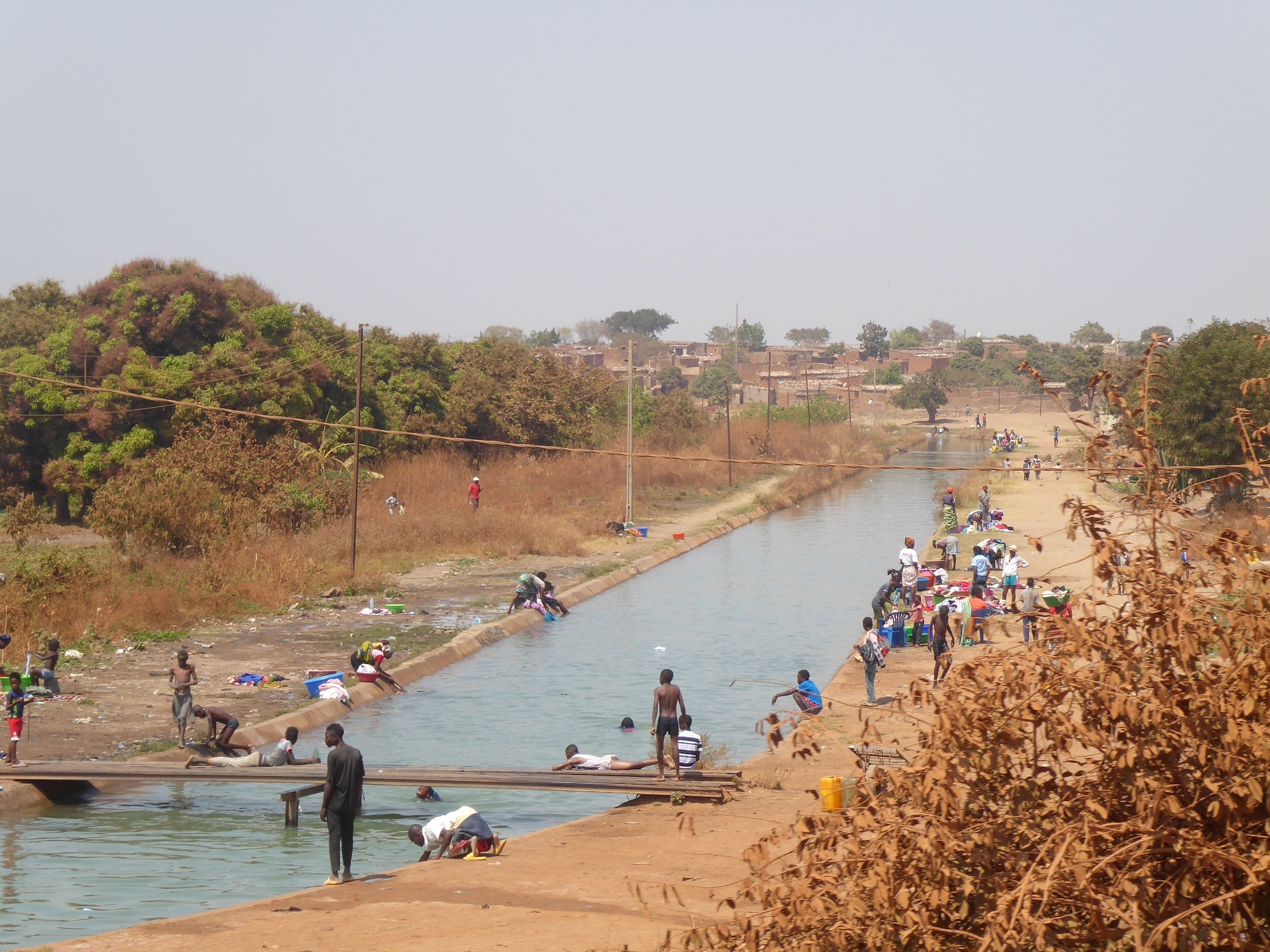
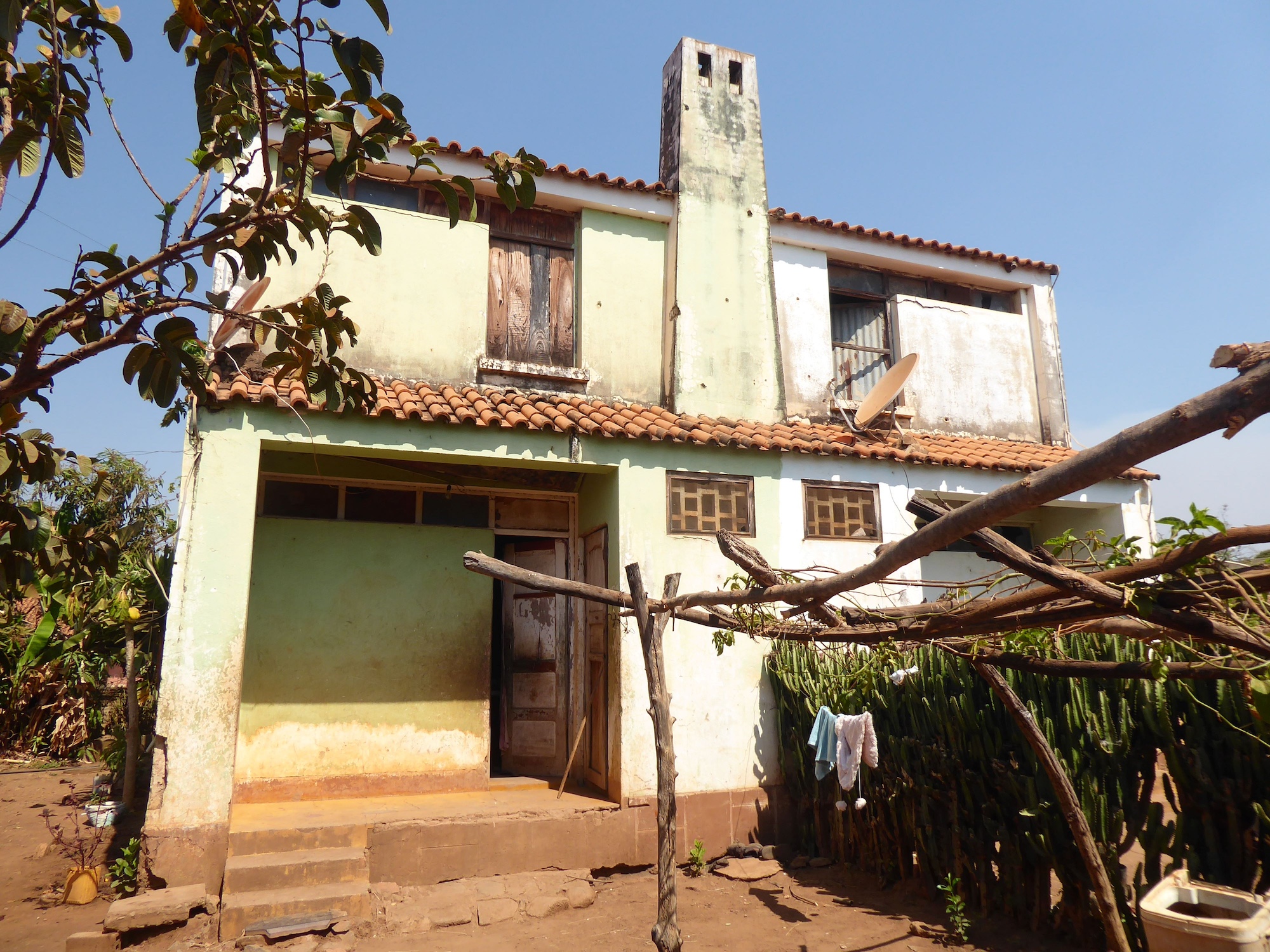
This paper analyses the construction of the Cunene Agricultural Settlement in southern Angola through the perspective of labour within Portuguese colonial development and settlement policies. In Angola, European-style agricultural exploitation of the territory began in the late nineteenth century with the settlement of European farmers and became more systematic in the second half of the twentieth century, when technical and financial means converged with colonial strategies that aligned development works with colonial settlement efforts, as articulated by Vicente Ferreira in 1927. The Cunene settlement followed this logic closely.
Under the direction of civil engineer Trigo de Morais, the hydroelectric and hydro-agricultural development plan for the Cunene region was initiated in 1953 in the Matala area, based on a preliminary project produced by the Southern Angola Mission in 1946. Moving beyond the amateurism that had characterised earlier agricultural settlements, this large-scale enterprise fulfilled several objectives: generating electricity through a dam to respond to the rapid demographic growth of the province, particularly in urban centres and emerging industries; promoting livestock and agricultural production to supply local populations and external markets; and consolidating territorial occupation in Angola’s hinterland through the extension of the Moçâmedes railway and the settlement of migrants from the Portuguese metropole.
Drawing on colonial administrative records, technical reports, planning documents and visual sources, the paper analyses the organisation of construction work, focusing on workforce composition, recruitment practices, wage structures and labour hierarchies that shaped the building of the Cunene Agricultural Settlement, while also reflecting on the methodological challenges of tracing construction workers in colonial archives.
[Panel 12: Material landscapes of labour exploitation, organized by Robby Fivez and Simon De Nys-Ketels].