
Tag: Francesca Vita

  • A Arquitecta Milanka Lima Gomes na Guiné-Bissau: da cooperação internacional às “brigadas” técnicas e de construção

    A Arquitecta Milanka Lima Gomes na Guiné-Bissau: da cooperação internacional às “brigadas” técnicas e de construção

    Publication: Arquipélagos em Diálogo, VI Seminário Internacional AEAULP
    Authors: Francesca Vita, Leonor Matos Silva
    Editors: Pedro Rodrigues, Ljijana Čavić and Hugo L. Farias

    Date: 2026


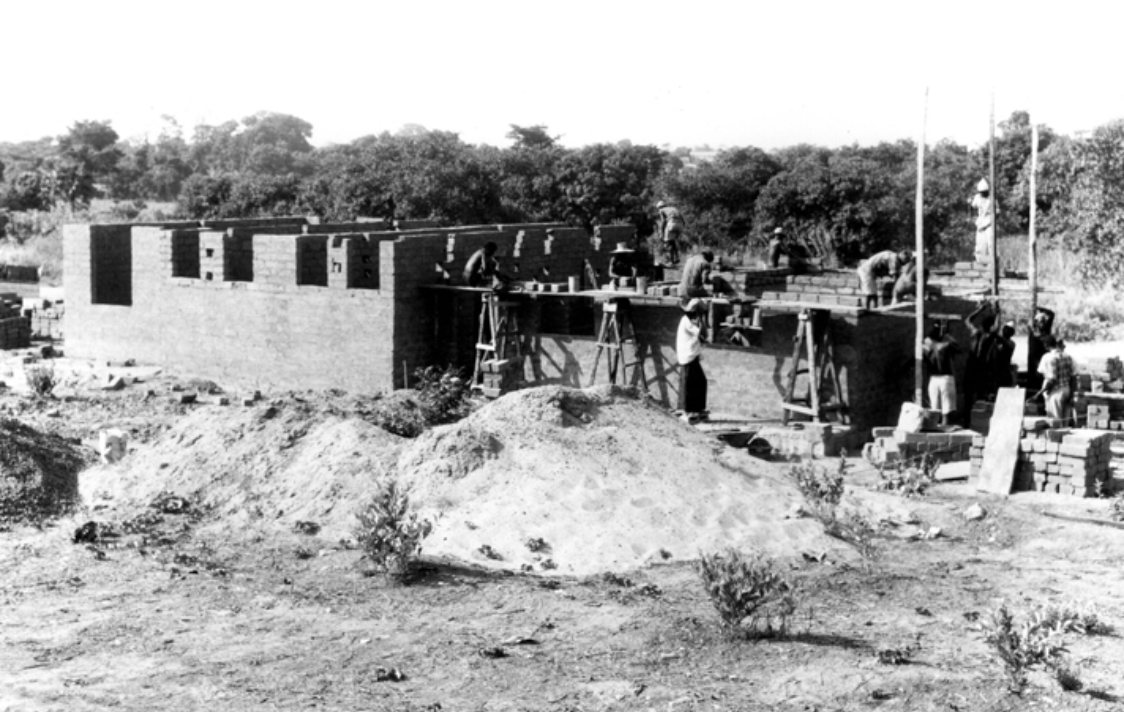
    Estaleiro de obra das casas do Bairro-piloto de trabalhadores em Brá, Bissau (1978). Colecção privada de Milanka Lima Gomes.
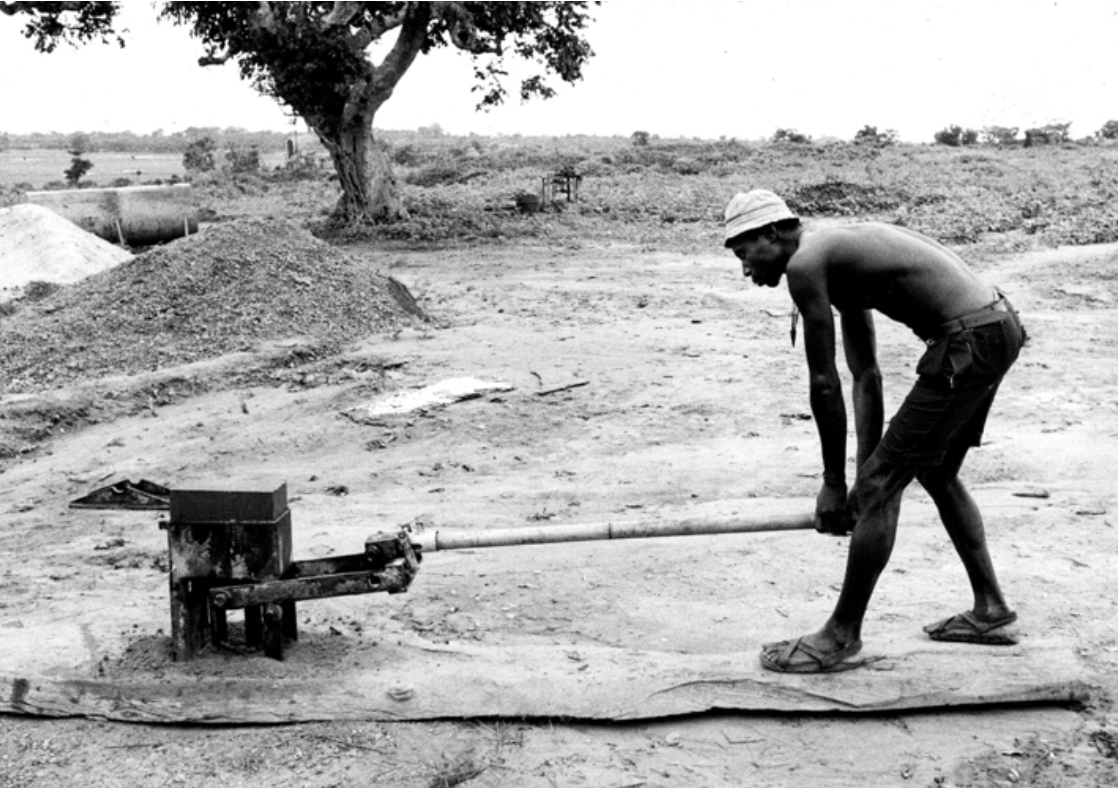
    Produção de blocos de terra estabilizada “nô cumpu”, Bairro-piloto de trabalhadores em Brá, Bissau (1978). Colecção privada de Milanka Lima Gomes.

    Summary

    Depois da independência de Portugal em 1974, a Guiné-Bissau iniciou um período de construção do recém estado-nação durante o qual a arquitectura e a construção civil ganharam protagonismo. Apoiados pela cooperação internacional, os esforços pós-independência assistiram à formação de equipas, ou “brigadas” técnicas e de construção multidisciplinares nas quais a arquitecta Milanka Lima Gomes, desempenhou um papel crucial. Este artigo examina o papel da arquitecta servo-guineense Lima Gomes, primeira Directora Geral de Planificação Urbana e Projectos (1974-1991), com cerne de uma rede única de profissionais, homens e mulheres dedicados à construção da nação pós-independência, onde a arquitectura, a política, e as alianças internacionais se cruzaram. Através da recolha de fontes primarias, este estudo destaca, o papel de Lima Gomes na coordenação das referidas “brigadas” e delineia pela primeira vez os actores que nelas participaram, as suas trajectórias e os sistemas de apoio e mútua influência que estes técnicos criaram enraizados na solidariedade e alinhados com os ideais políticos do Estado recém soberano. Os cooperantes, politicamente empenhados, muitas vezes vistos como uma elite, criaram laços no seio das suas “brigadas” bem como nas comunidades locais, fundindo a colaboração profissional com o empenho partilhado no crescimento da nação.


    [Eixo temático: 4. Contaminações e transversalidades]

    Read the article here.

  • [CALL FOR ABSTRACTS] Displacing the Drafting Board: Women, Labor, and the Construction Site

    [CALL FOR ABSTRACTS] Displacing the Drafting Board: Women, Labor, and the Construction Site

    Event: Society of Architectural Historians 2027 Annual International Conference
    Chairs: Ana Vaz Milheiro, Francesca Vita
    Date: 14 – 18 April 2026

    Location: Chicago, Illinois


    Summary

    Architectural historiography has addressed women’s agency in architecture through two predominant, yet often isolated, approaches. On the one hand, it has relied on biographical methodologies that highlight leading figures as designers and decision-makers who stood out in the conception of buildings and infrastructure, following the pioneering work of Susana Torre (1977). On the other hand, scholars have sought to recognize the collective role of women as part of the labor force, often categorized as unskilled workers within contexts of precarity (Jha, 2020; Melsens, 2024 Milheiro, 2025). Based on this dual approach, this session focuses on the construction site as the central stage for expanding women’s role in architecture, metaphorically shifting the drafting board to the place where the project is actual built. The aim of this session is to interrogate the physical and social dimension of architectural construction not merely as a site for project execution, but as an ecosystem where diverse forms of female agency also existed. We are looking for papers that intersect biographical histories of women – ranging from designers, work yard supervisor, craftswoman, and others who possessed technical or vocational training and earned wages (Kleinöder, 2022) – with construction sites. By investigating these professional and labor trajectories within the construction site, this session seeks to question: In what ways did the physical presence of women on-site alter construction dynamics and the material culture of architecture? How did gender shape technical authority across different geographical and chronological contexts, with particular emphasis on the 18th, 19th, 20th century?

    By combining archival material and oral history, this session seeks to expand the historiographical canon by recognizing the construction site as a space of social negotiation where intellectual and manual labor meet, thereby revealing the complexity of women’s participation in the materialization of the built environment.

    Click here to submit your proposal

  • Concrete Colonialism: Material Power and Non-human Agency in Angola and Mozambique

    Concrete Colonialism: Material Power and Non-human Agency in Angola and Mozambique

    Event: VII CHAM Conference: On the Move
    Authors: Beatriz Serrazina, Francesca Vita
    Date: 15 – 18 April 2026

    Location: Colégio Almada Negreiros, Faculdade de Ciências Sociais e Humanas da Universidade Nova de Lisboa


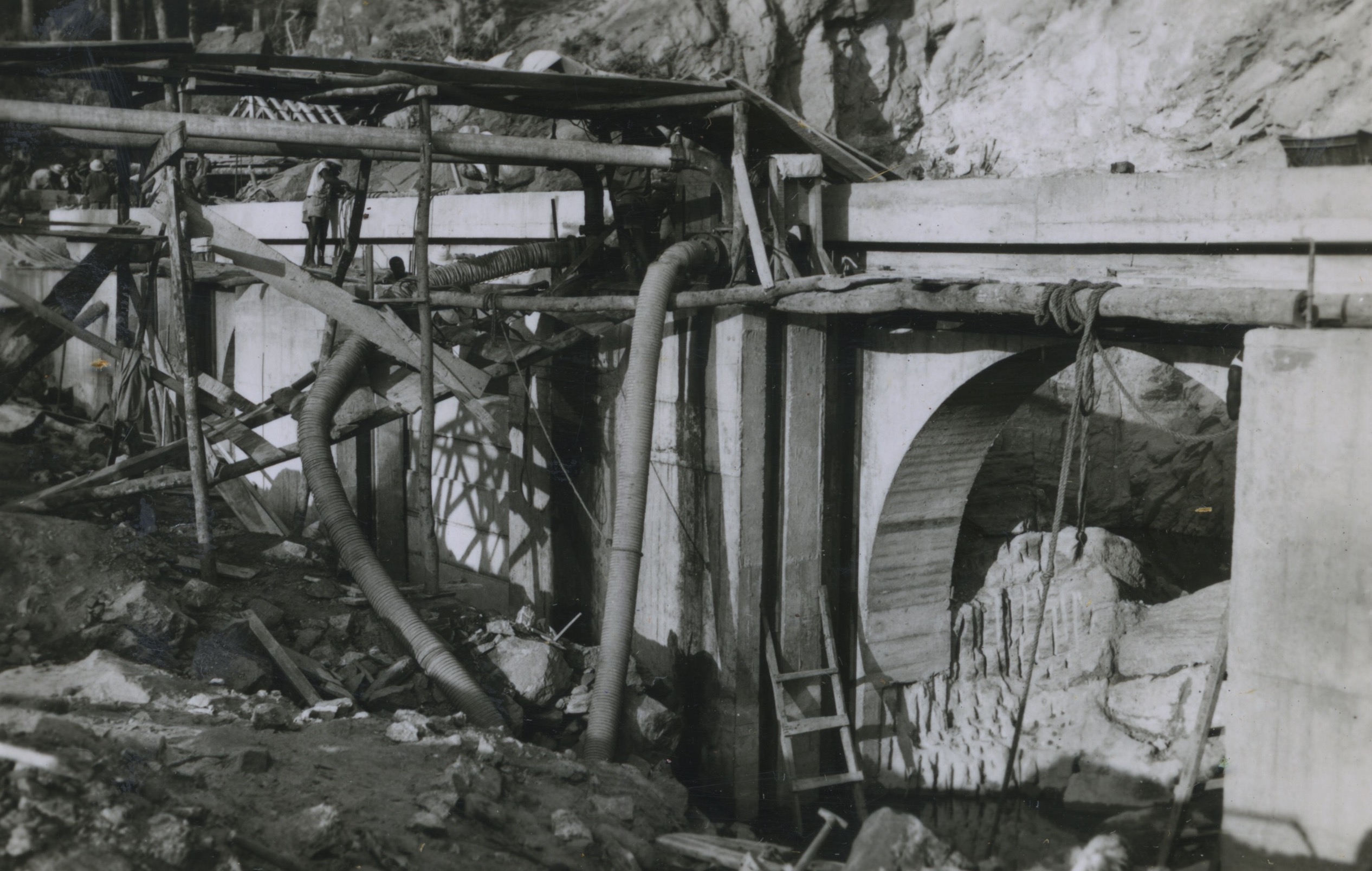
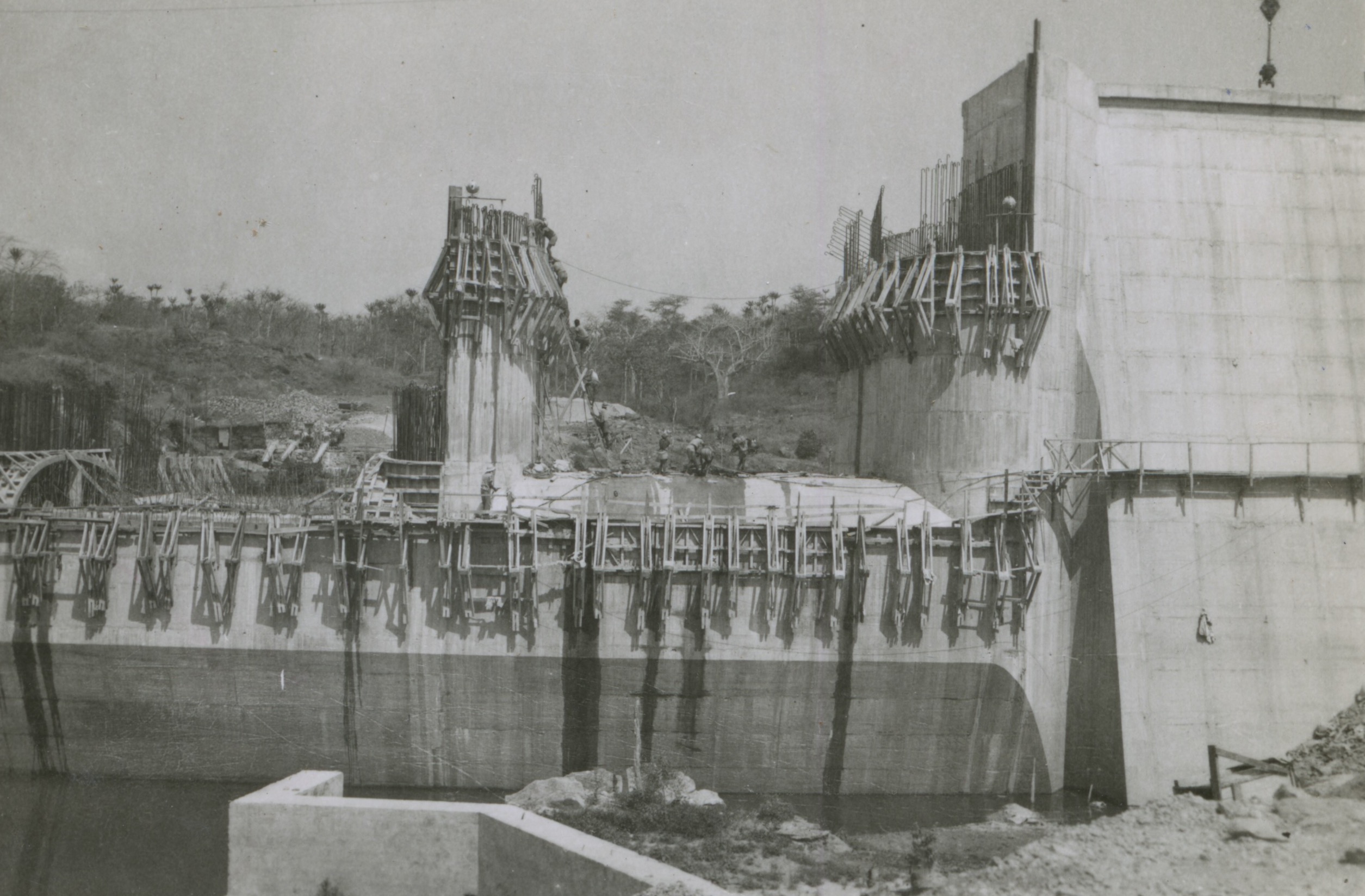
    Mabubas Dam, Upstream and downstream views of the spillway, 1951
    [AHU, OP5602]
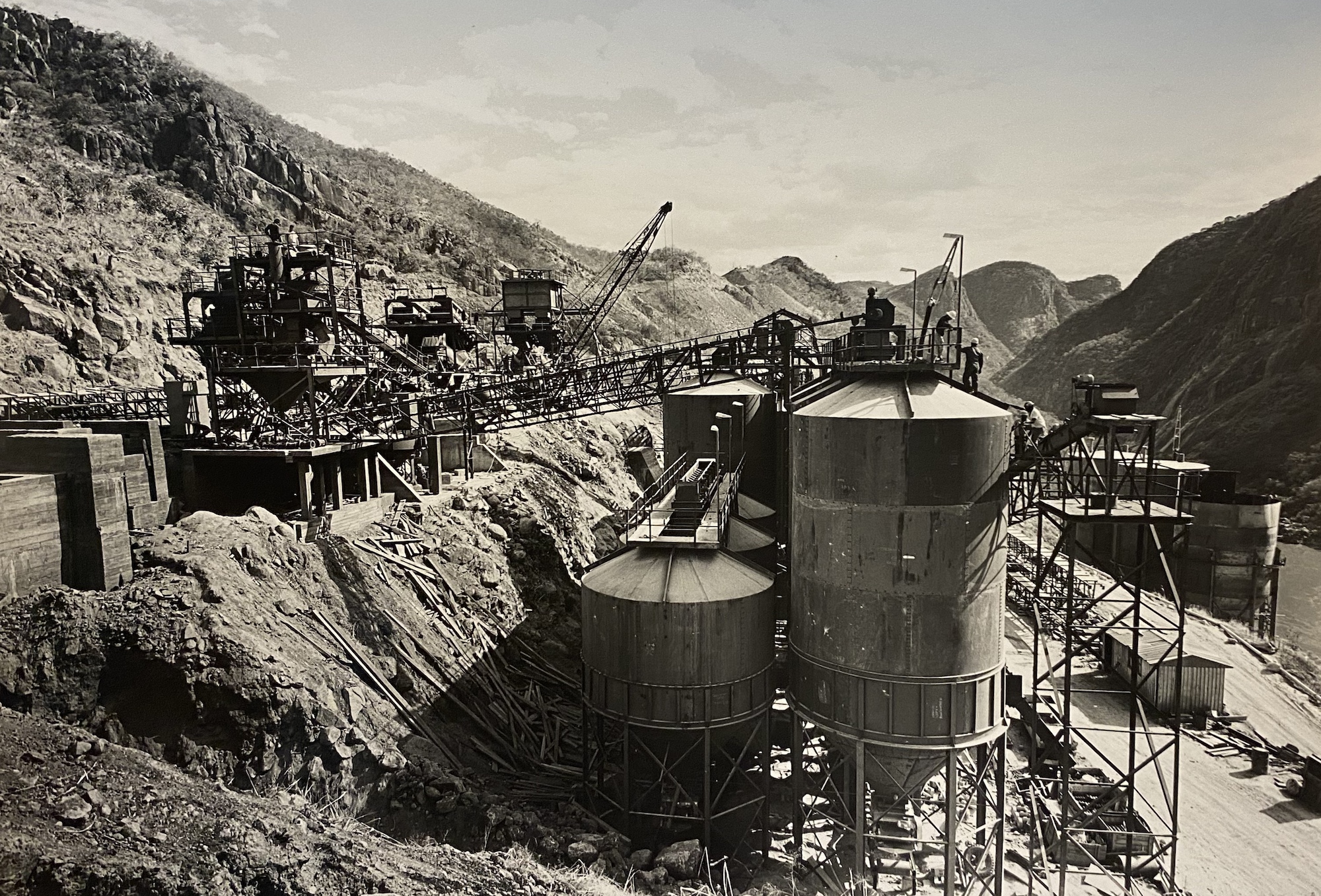
    Cabora Bassa, Construction site with cement and aggregate silos in the foreground [ANTT, 010/0027/00027]

    Summary

    This paper explores the role of concrete as a central nonhuman actor in the construction of the Mabubas Dam (Angola, 1948–1956) and the Cahora Bassa Dam (Mozambique, 1969–1974), two of the most ambitious infrastructural projects undertaken during Portuguese colonial rule in Africa. Far from being a passive material, concrete actively shaped the colonial built environment through its circulation, adaptation, and resistance. Drawing on colonial engineering reports and construction site photographs, the paper argues that the mobilities and immobilities of concrete – its extraction, transport, building techniques and structural limitations – impacted colonial ambitions, dictating where and how power could be spatially imposed, by who or what.

    The dams were not just technical achievements, but also symbols of colonial modernity, progress and imperial permanence. Yet their construction depended on the successful movement and response of concrete across challenging landscapes, labour regimes and other non-human agents, like rivers. In both Angola and Mozambique, concrete had to be localised and moulded – to climatic conditions, terrain, and available raw materials – demonstrating its active role in shaping every stage of the building process from conception to construction. These processes reveal how concrete connected colonial building sites through standardised technologies, not just as a medium but also as a co-author of form and temporality, while also producing uneven landscapes of extraction and labour exploitation.

    This paper places material infrastructure at the centre of (trans)colonial negotiations, emphasising the agency of concrete within a shared imperial framework. It discusses how the materiality and limitations of concrete reflected and enacted various dynamics of power, construction skills and design practices throughout the Portuguese empire in Africa. In doing so, it aims to contribute to ongoing discussions on non-human actors in architectural history.

    [Panel 20: Nonhumans Mobilities and Immobilities in the Colonial Built Environment, organized by Alice Santiago Faria].

  • Fragmentos de resistência. Uma contranarrativa sobre os aldeamentos estratégicos na Guiné- Bissau (1968-1974)

    Fragmentos de resistência. Uma contranarrativa sobre os aldeamentos estratégicos na Guiné- Bissau (1968-1974)

    Event: Workshop “Ditadura, instituições e quotidianos coloniais”
    Authors: Francesca Vita
    Date: 19 – 20 Março 2026

    Location: Universidade de Cabo Verde, Polo 3, Santa Catarina, Cabo Verde


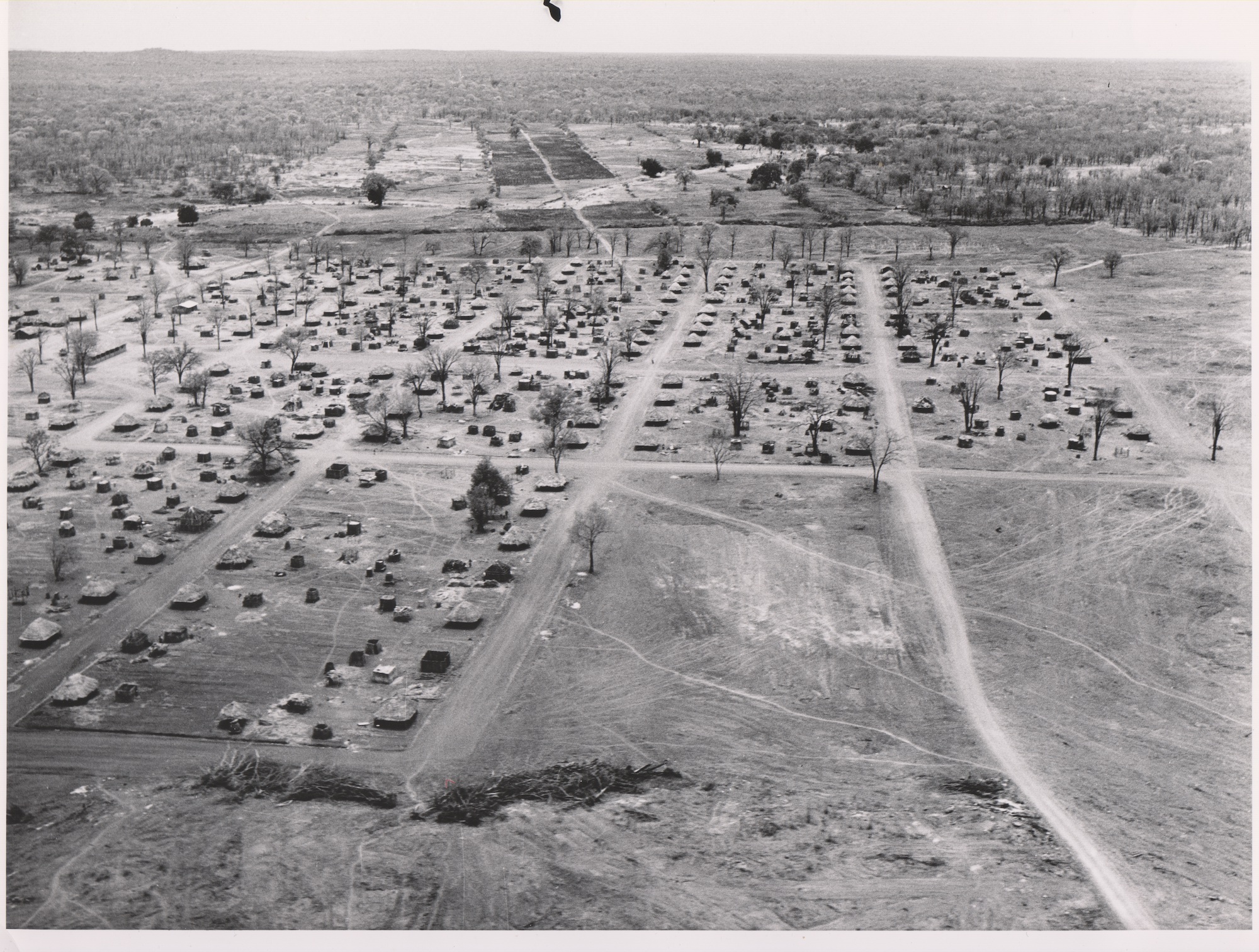
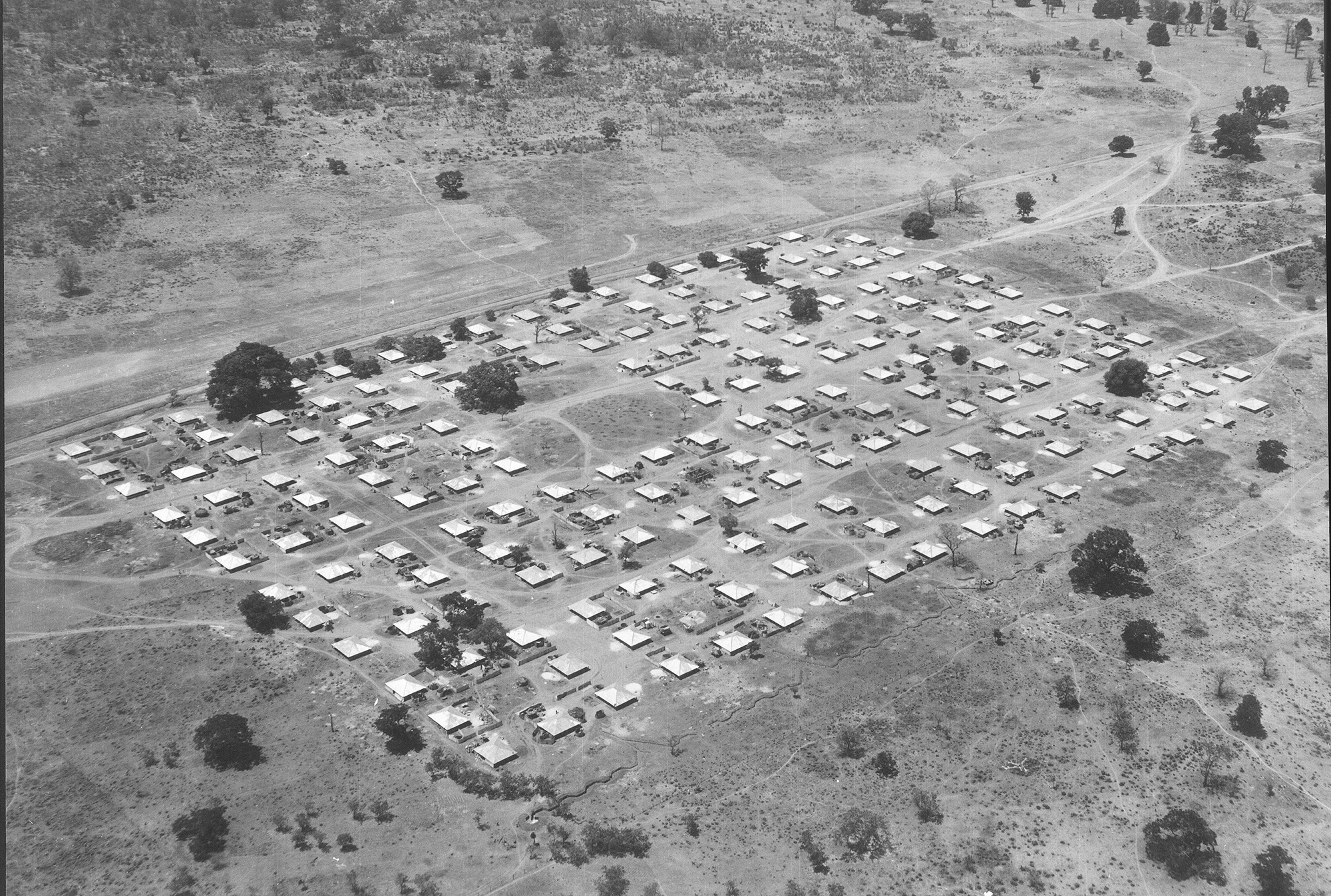
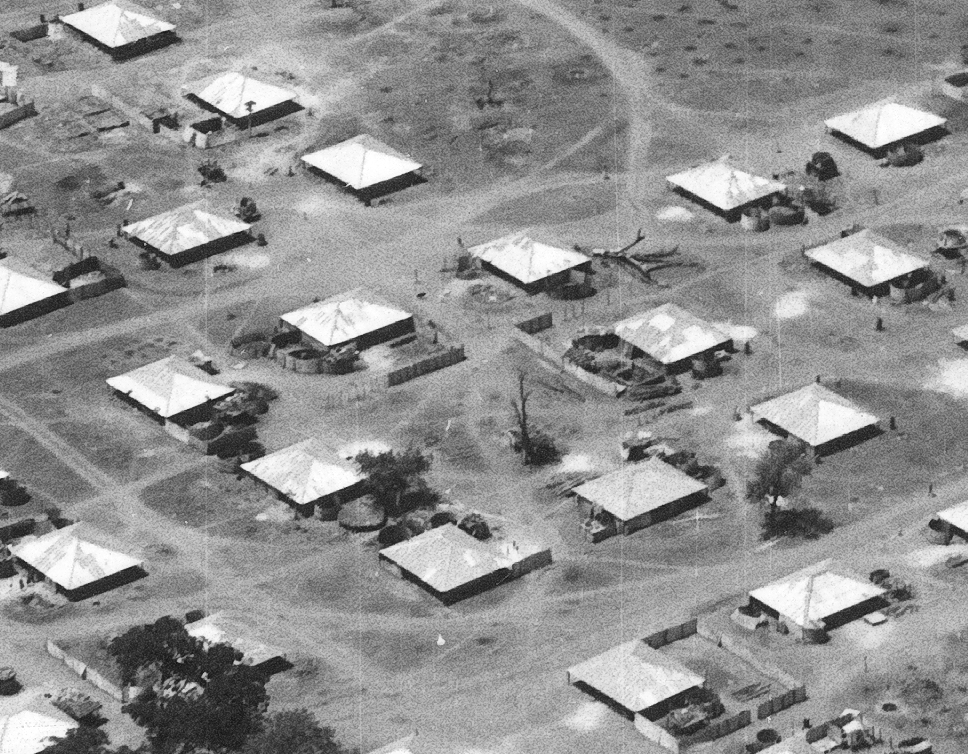
    Saltinho resettled village, close up, GNB
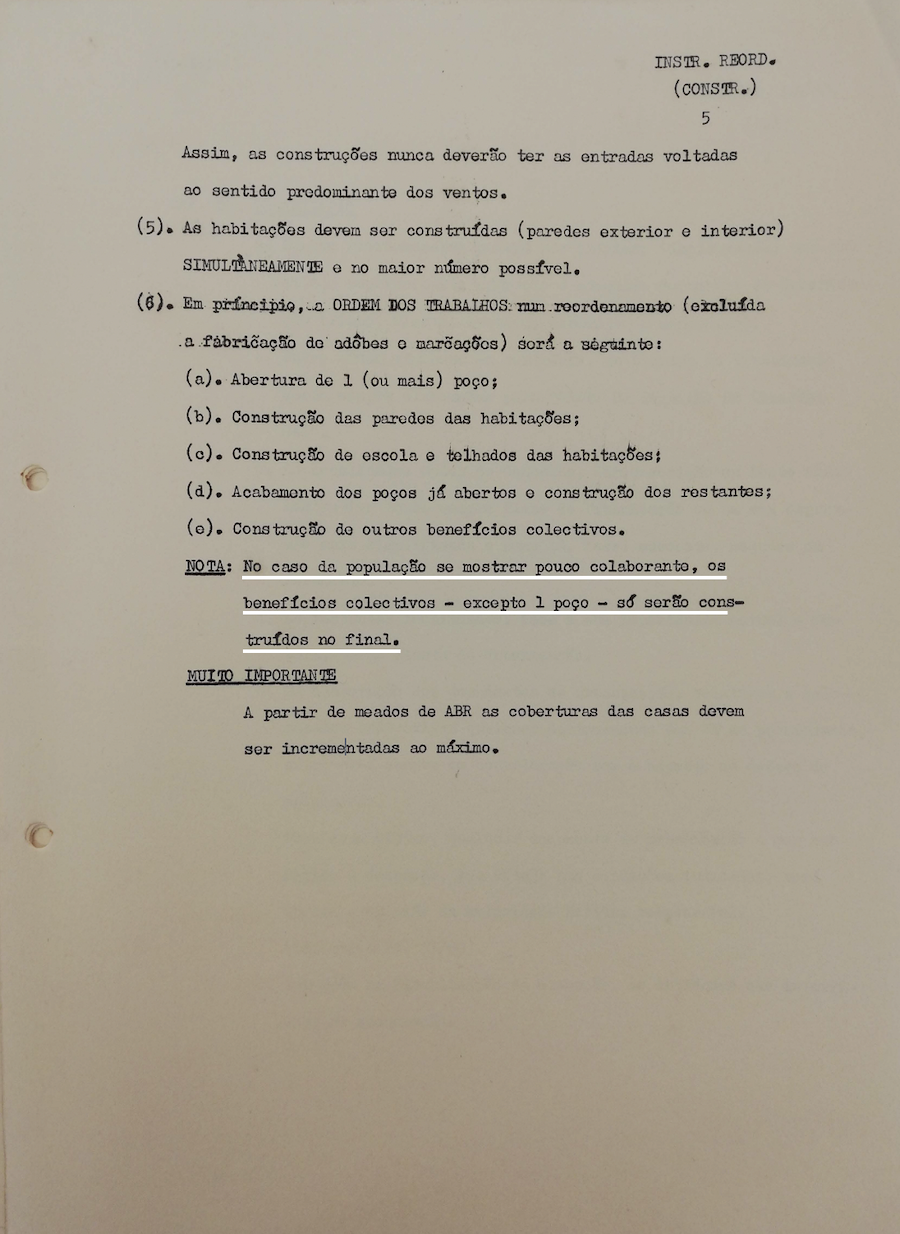
    Strategic villages instructions, 1971

    Summary

    Esta contribuição pretende estudar atos de resistência ativados por parte da população africana durante o programa de aldeamentos estratégicos implementado na fase final da guerra de libertação na Guiné-Bissau (1968-1974). Este programa, promovido a partir de 1968 pelo governador general António de Spínola, fazia parte de uma ampla estratégia de contrassubversão apta a conquistar o apoio da população, especialmente quem vivia em zonas militarmente estratégicas. Através da concentração, deslocação forçada e construção de novas infraestruturas, os aldeamentos estratégicos foram uma experiência disruptiva no modo de vida das populações rurais que foram sujeitas a uma nova organização socio-espacial e económica.

    Esta contribuição propõe discutir uma questão fundamental, até agora abordada apenas marginalmente pela literatura recente: de que forma estas populações reagiram à prática de serem “aldeadas”? Para resgatar a história dos aldeamentos estratégicos a partir da perspetiva das populações que aí viveram, examinam-se documentos visuais e audiovisuais produzidos por órgãos coloniais que retratam aparentemente “a distância” os aldeamentos concretizados. Através destas imagens e do discurso intrínseco a elas que celebra a ordem e o rigor militar do empreendimento, este artigo volta a olhar de perto os aldeamentos estratégicos, identificando fragmentos de resistência que no dia a dia desafiou (e continua a desafiar) as lógicas coloniais. Estes fragmentos são revelados, por exemplo, na forma como as casas-tipo foram adaptadas aos usos tradicionais subvertendo formas e funcionalidades da casa colonial. A análise fotográfica é acompanhada pela revisão de documentos de caráter militar, como as histórias das companhias que operaram no terreno ou os documentos enviados e recebidos pelo próprio Spínola, destacando uma realidade complexa, heterogénea e feita de negociações com as populações rurais e com a morfologia do país, desde as fases de construção. Esta comunicação propõe uma contranarrativa, feitas de fragmentos de pequenas histórias e locais, que contribui para o estudo dos aldeamentos estratégicos na Guiné-Bissau colocando as populações rurais no cerne da análise.

  • Construction and labour in motion. A methodological approach to film images of colonial infrastructures

    Construction and labour in motion. A methodological approach to film images of colonial infrastructures

    Event: Construction History and Films International Symposium
    Authors: Francesca Vita, Beatriz Serrazina, Ana Vaz Milheiro
    Date: 19 – 20 February 2026

    Location: CIUL, Lisbon, Portugal


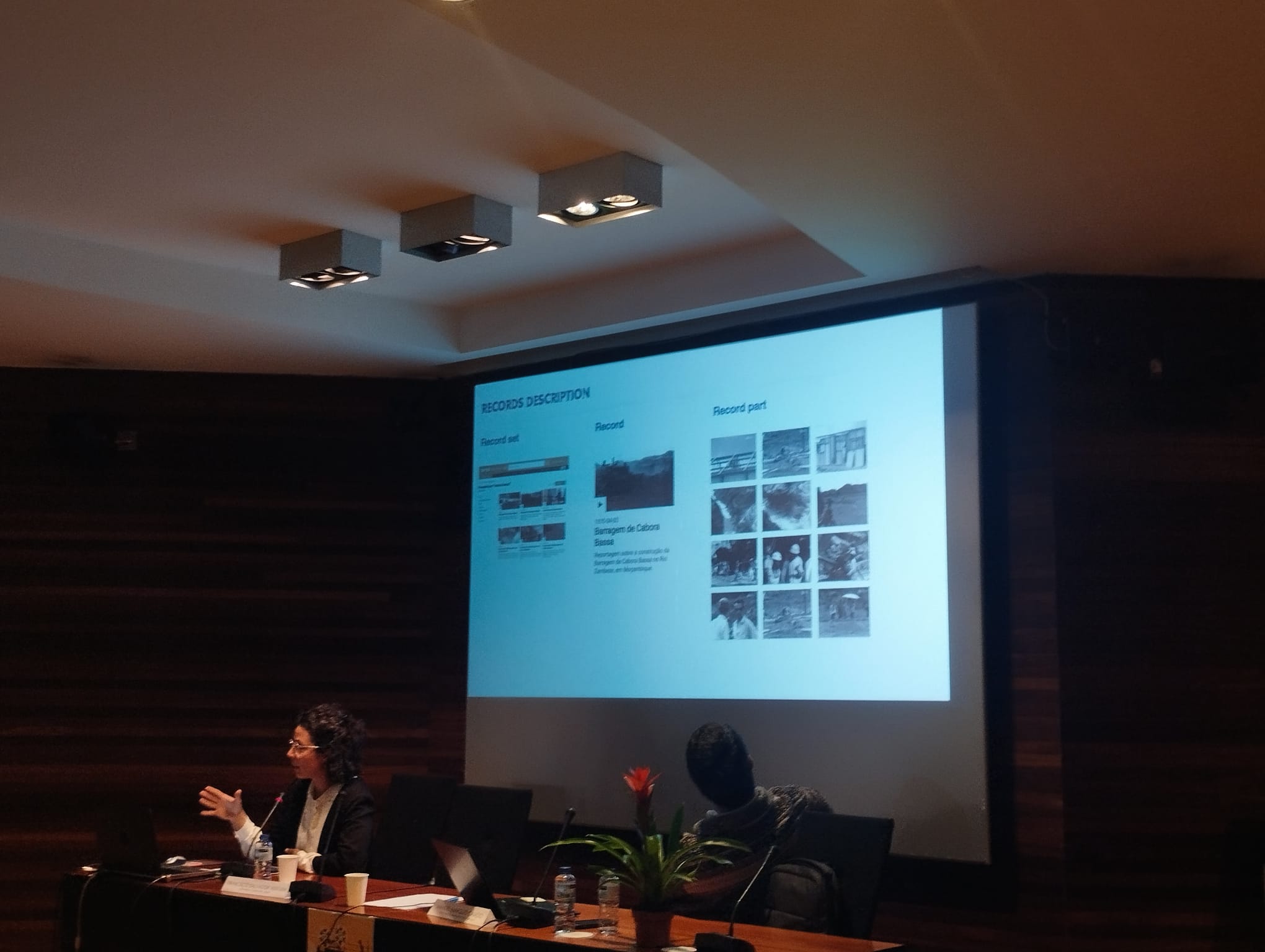
    “Construction and Labour in motion” presentation, 2026
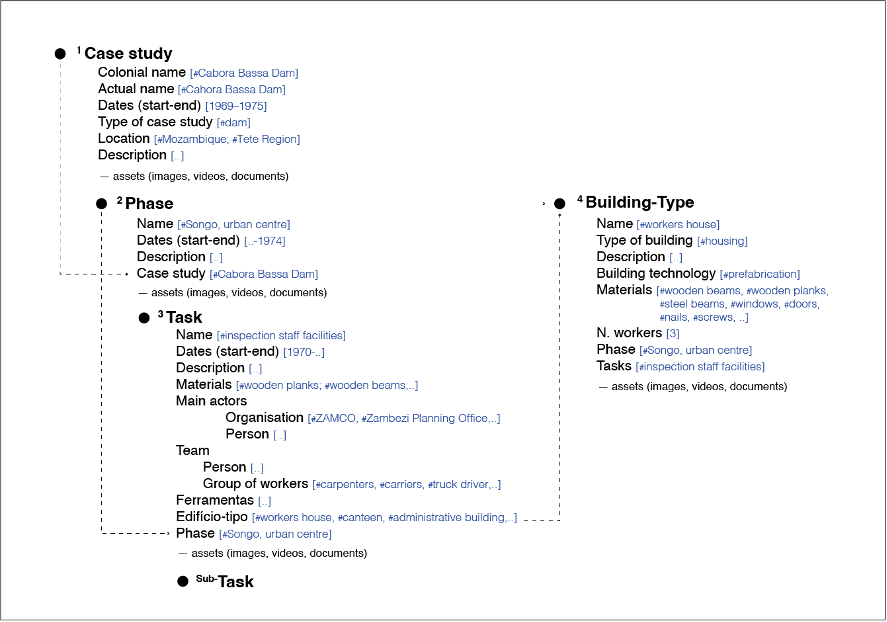
    Database structure

    Summary

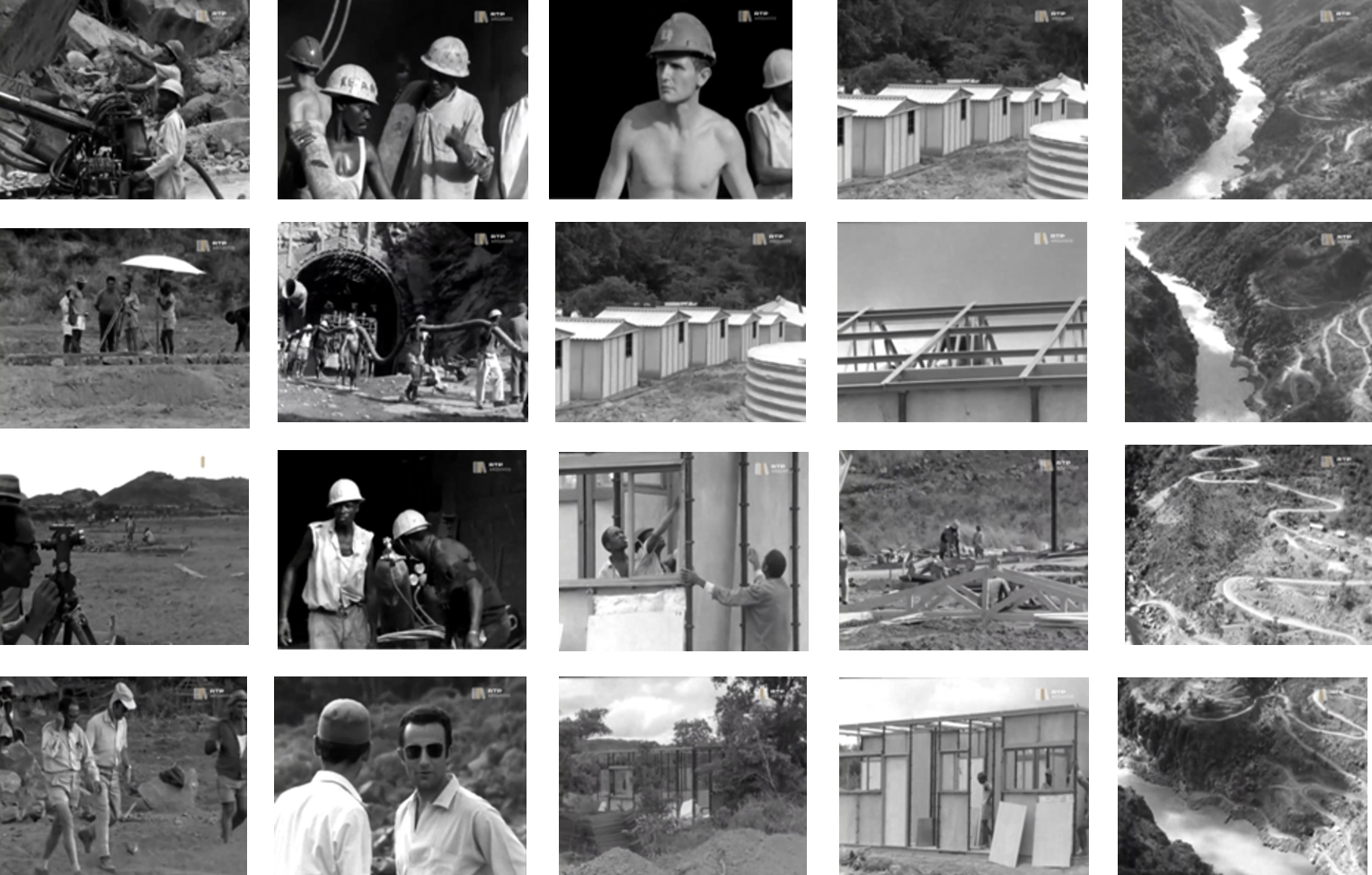
    This paper focuses on the cataloguing, data processing and visualisation of film images for studying construction and labour history during Portuguese colonial rule in Africa. As part of the European-funded project Architecture, Colonialism and Labour (ArchLabour), which examines the impact of labour on colonial architecture, this paper explores how the ArchLabour team has shaped a methodology of visual information management through the creation of a digital database that places film images at the centre of queries on the construction and labour of major colonial infrastructures, including dams, railways, settlements, ports and airports. What methods can be used to trace the multiple dimensions of construction and labour represented in colonial film images? How do tools of data management can assist research on construction history, establishing new relationships between categories and revealing unnoticed aspects of construction? How can data from the visualisation of films help research on construction history and labour?

    The paper discusses the design of a digital database, built from scratch by the ArchLabour team together with a group of visual programming experts, and explores how visual data management can be applied for studying colonial construction and labour. In this light, it contributes with a practical example of film images analysis and proposes operational ways to unveil invisibilities of construction history, subaltern labour, non-human actors and material agency.

  • The bungalow: counter-histories of a global colonial home

    The bungalow: counter-histories of a global colonial home

    Event: IASTE 2025 Alexandria: Cosmopolitanism and Tradition
    Authors: Francesca Vita
    Date: 23 – 26 May 2025

    Location: Alexandria, Egypt


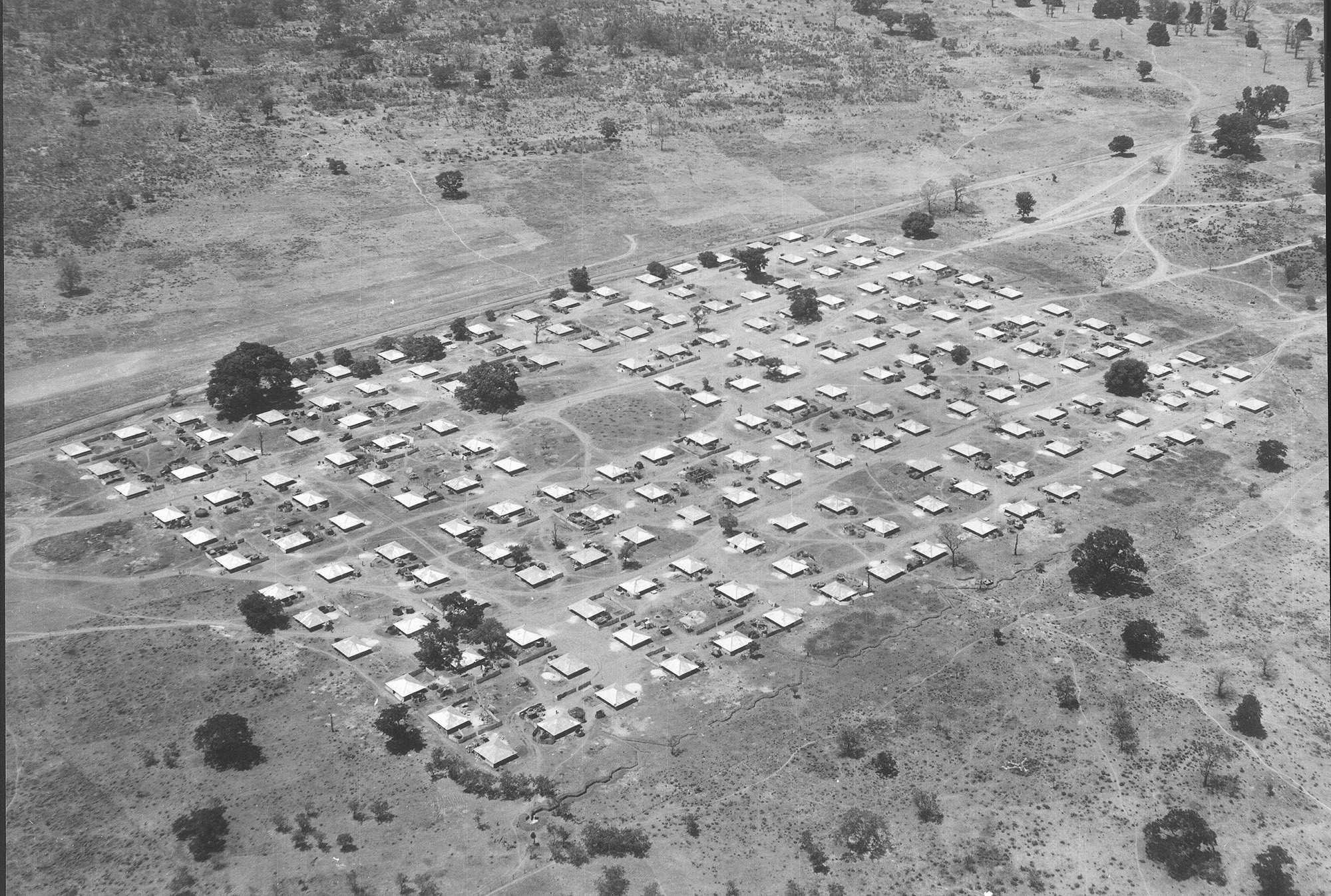
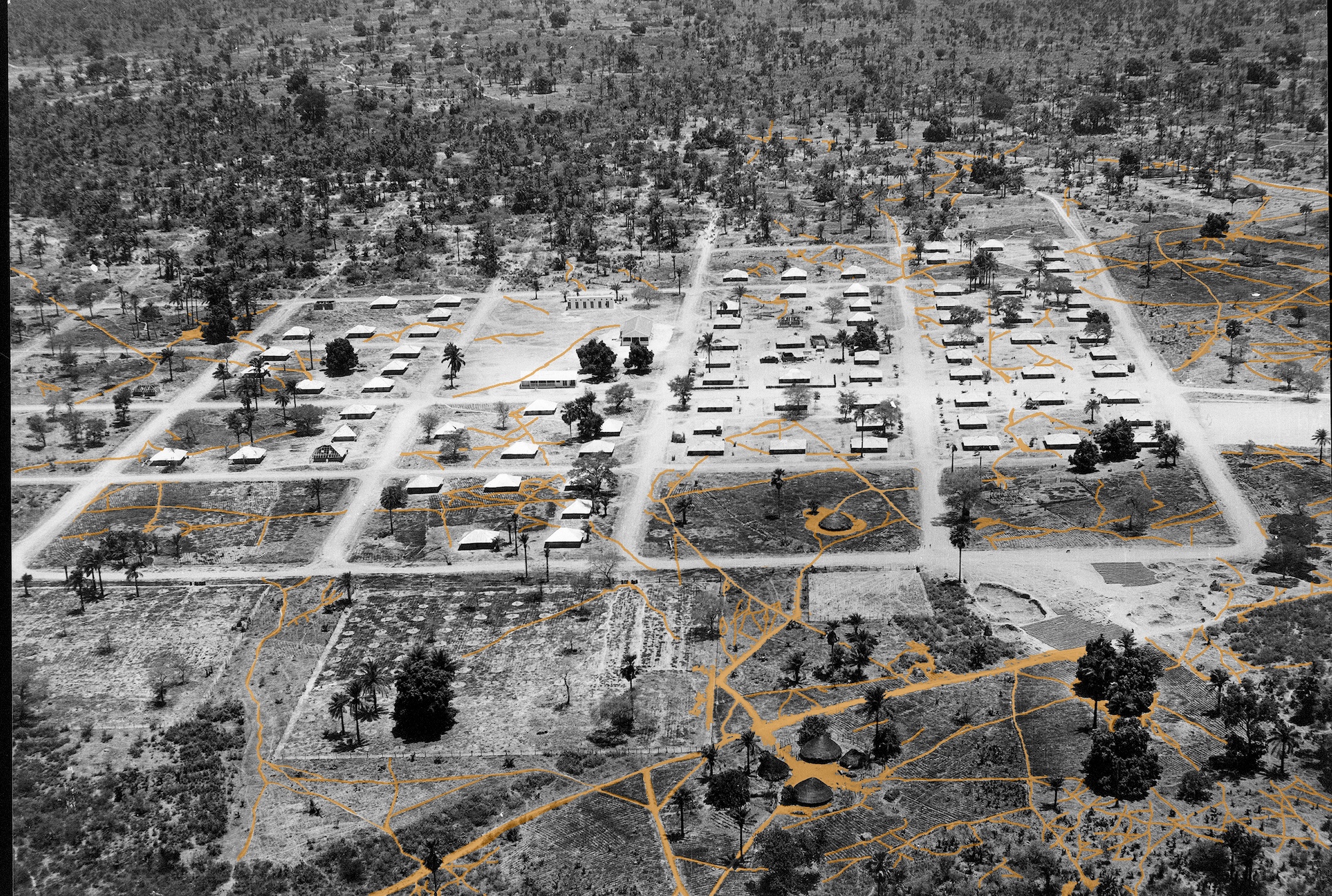
    Cuntima resettled village, c.1970 (Guinea-Bissau)
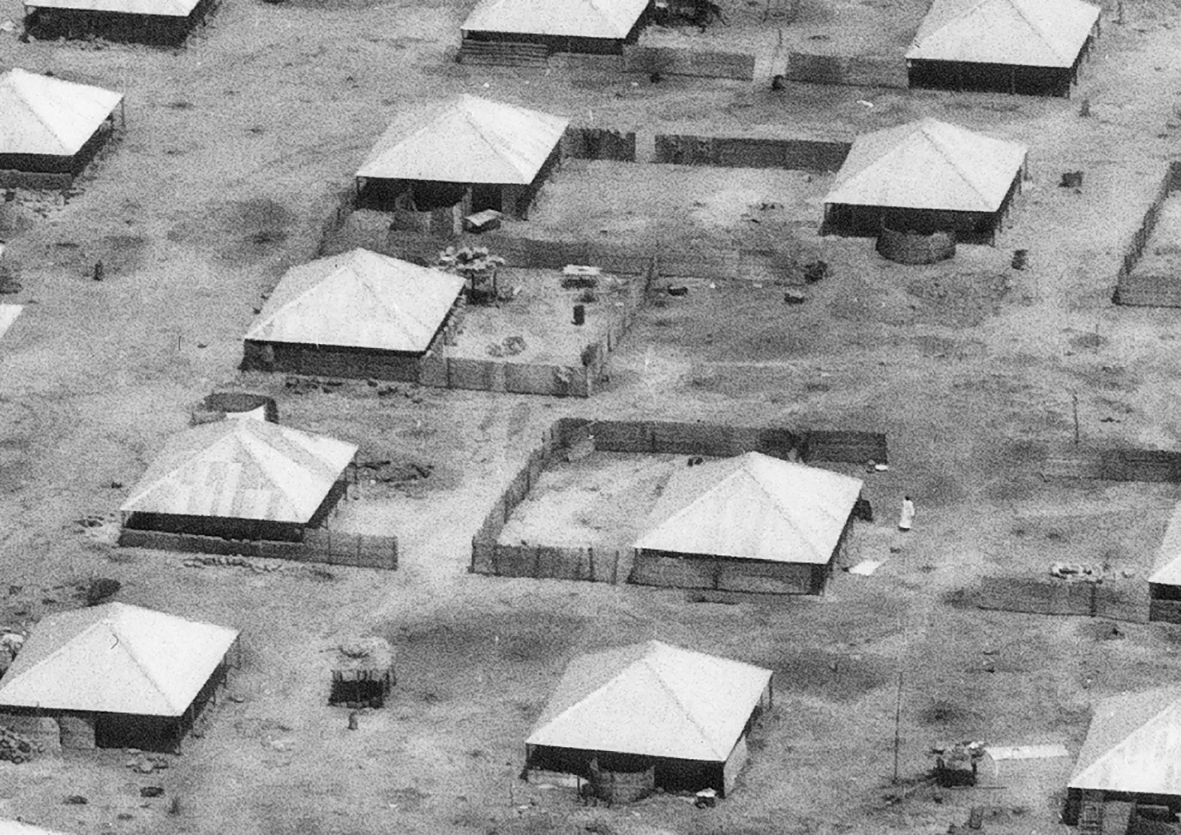
    Enlarged view of Cuntima resettled village, c.1970 (Guinea-Bissau)

    Summary

    In 1984, Anthony King suggested that a certain type of house, the bungalow, was spread across different continents by colonial empires shaping a global culture of dwelling from Britain to India, from Africa to Australia. In the African context, in the first half of the 20th century, the bungalow was mobilized by colonial administrations to steer urbanization processes, responding to the demands of cost economy and construction efficiency. This simple type of house, a detached home raised off the ground with a veranda, provided an effective tool for settling the indigenous population, mostly nuclear family and workers, in the cities according to Western expectations of hygiene standard and the need for inhabitant control. At different stages of the imperial project, the bungalow served the colonial agenda of the “civilizing mission”, the “assimilation policy” and the “socio-economic development” of the indigenous population. Within this framework and based on King’s assumption that the bungalow constituted a ‘tool of empire’, often attributed to colonial and western imagery, this paper seeks to prove whether it also represented a site of cosmopolitanism: a contested site of (colonial and modern) universalism. To this end, this paper aims to collect and discuss case studies in which the bungalow has failed as a global colonial home, in detriment to a cosmopolitan, hybrid and multicultural dimension. Examining the inhabitants’ appropriation of housing projects for the indigenous population promoted by the colonial state in Guinea-Bissau, Angola and Mozambique in the last decades of the Portuguese rule, this paper raises the following line of questions: how did the bungalow at last fail as a global colonial home? Can evidence of resistance and contestation by the inhabitants be found hidden in the colonial archives? How did indigenous customs occur within the colonial constraints of order and control? Did the universal and global home allow for a cosmopolitan version of it? How did the bungalow promote hybrid dwelling forms and practices under colonial rule? By analyzing archival material (e.g., administrative accounts, photographic surveys, study mission reports undertaken during the colonial period) and exploring specific case studies, from rural resettlement program carried out during the liberation wars to the first urban neighborhoods for the African population, this paper aims to reveal evidence of resistance and contestation of the bungalow as a “tool of empire”. Engaging and discussing the notion of global and universal versus cosmopolitan and hybrid, this paper unearths counter-histories of the bungalow as a global colonial home in order to contribute to King’s research about dwelling forms, cultures, and global exchanges.


    Related Case Studies