

Communication
Villagisation and Military Agency in Late-Colonial Africa: A Comparative Study of Guinea-Bissau and Mozambique (1968-1974)
Event: The Military History Consortium Conference
Author: Ana Vaz Milheiro, Francesca Vita
Date: 4 May 2026
Location: Sciences Po Aix, Aix-en-Provence
Summary
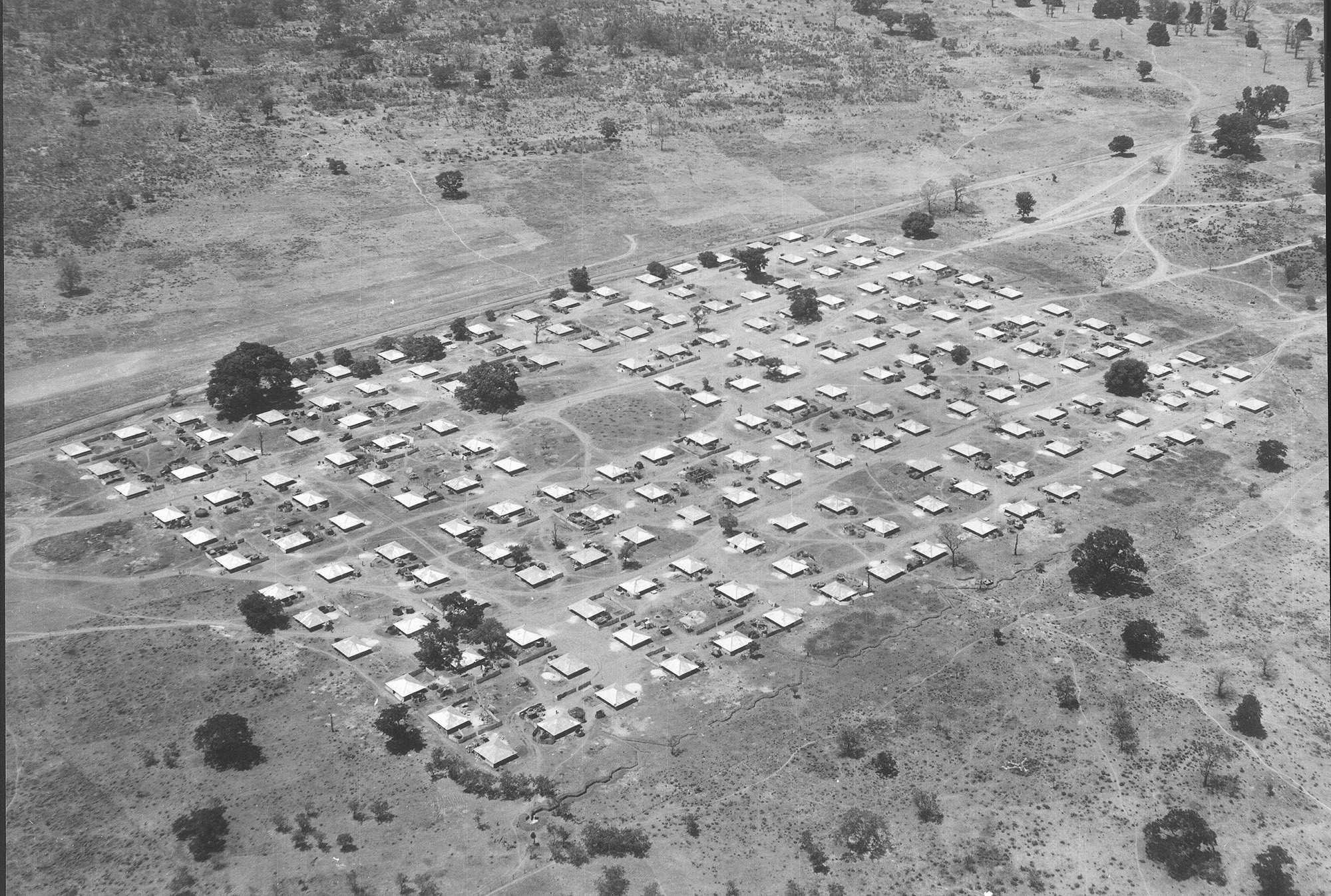
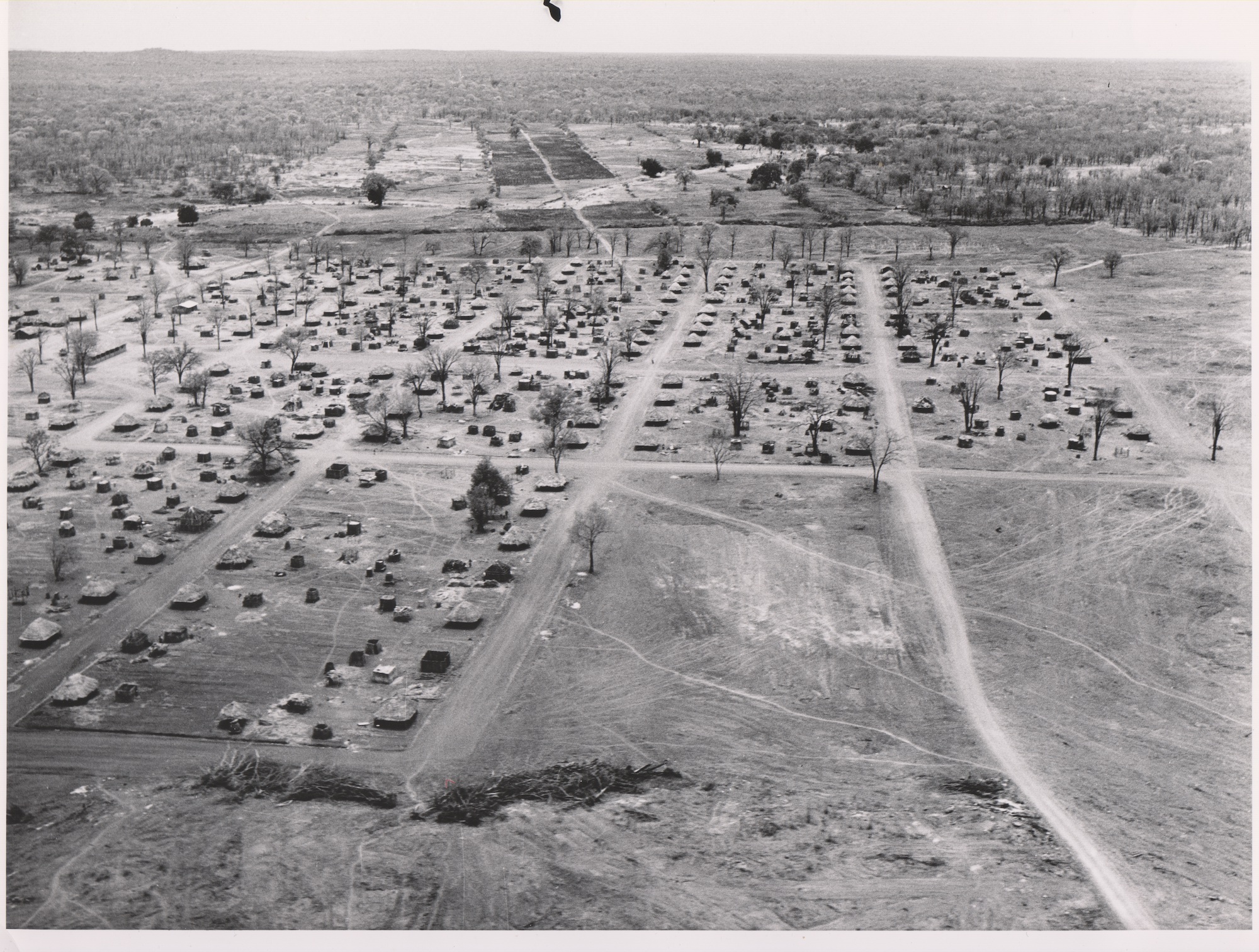
This paper focuses on the villagisation programs implemented during the final years of the liberation war in Guinea-Bissau and Mozambique, examining the involvement of the army in regrouping local population by constructing new settlements and infrastructures as a tactic of war. The villagisation plans in Guinea-Bissau and in the Tete Region of Mozambique occurred simultaneously (1968-c.1974), affecting rural areas characterised by low population density and subsistence agriculture. However, the role of the army in carrying out these programs differed significantly in terms of implementation, materialisation and outcomes. In Guinea-Bissau, villagisation was almost entirely directed by the army, with minimal support from civil authorities. As a result, the process followed military procedures, leading to the standardisation of building techniques, materials, and housing layouts. The hierarchical structure of military organisation, directly depended on the general governor, shaped both decision-making and execution, adjusting construction options with military logistical needs. In contrast, in the Tete Region, villagisation resulted from the simultaneous intervention of multiple actors – both civil and military – each pursuing their own agendas and mobilising their own resources. This overlapping of authorities diluted military centralisation and generated more heterogeneous settlement layouts and housing typologies, producing also greater variability in building materials and techniques. Through a comparative analysis of these two cases, grounded in archival research in both civil and military archives in Portugal, Guinea-Bissau and Mozambique, this paper contributes to understanding how military organisation operated on the ground and how military and civil strategies became intertwined to consolidate control and secure local support. It highlights how differing degrees of military hierarchy and centralisation shaped the choice of construction systems, settlement layout, building materials, housing typologies and ultimately the reordering of rural populations.