Category: Key concepts

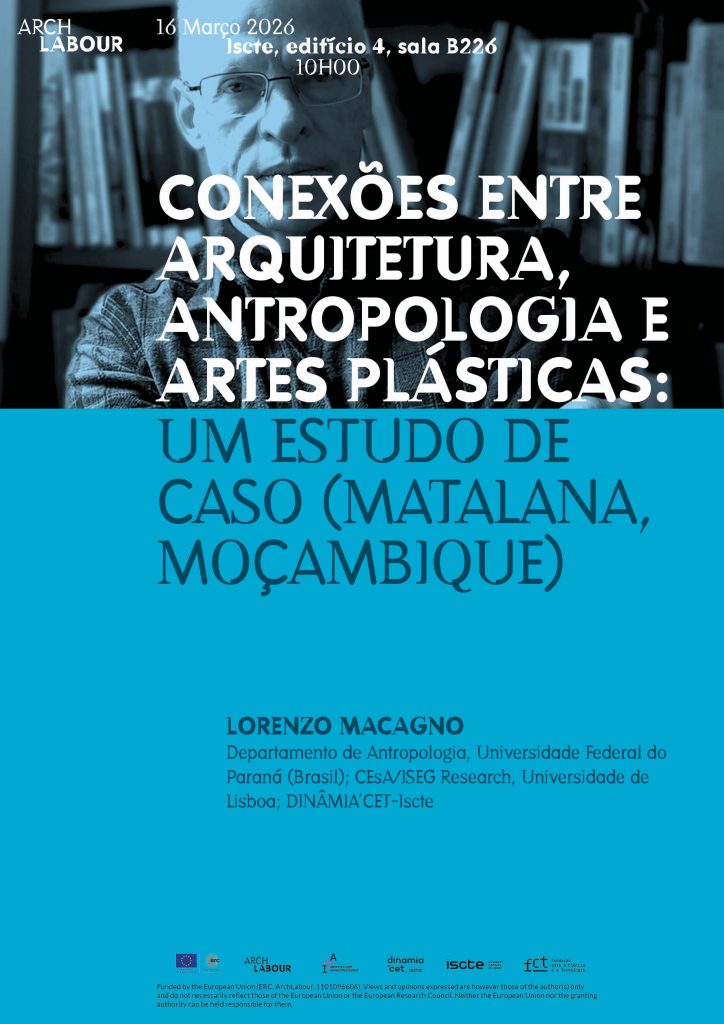
  • Conexões entre arquitetura, antropologia e artes plásticas: um estudo de caso (Matalana, Moçambique)

    Conexões entre arquitetura, antropologia e artes plásticas: um estudo de caso (Matalana, Moçambique)

    Authors: Lorenzo Macagno (Universidade Federal do Paraná, Brasil; CEsA/ISEG Research, Universidade de Lisboa; University Institute of Lisbon)
    Date: 16 Março 2026

    Location: CVTT-Iscte, Lisboa


    Summary

    The research aims to explore the connections between architecture,
    anthropology, and the visual arts. The work seeks to show how African
    knowledge informed architectural knowledge and practices in late colonial
    Mozambique (between the 1950s and 1970s). At the same time, it aims to
    analyse the contemporary effects of these connections and their impact on southern Mozambique, more specifically in Matalana, in the district of
    Marracuene.

    Acordo ERC-CONFAP, Fundação Araucária de Apoio ao Desenvolvimento Científico e Tecnológico do Estado do Paraná (FA)

    Proc. nº 23075.065655/2025-11

  • Fragmentos de resistência. Uma contranarrativa sobre os aldeamentos estratégicos na Guiné- Bissau (1968-1974)

    Fragmentos de resistência. Uma contranarrativa sobre os aldeamentos estratégicos na Guiné- Bissau (1968-1974)

    Event: Workshop “Ditadura, instituições e quotidianos coloniais”
    Authors: Francesca Vita
    Date: 19 – 20 Março 2026

    Location: Universidade de Cabo Verde, Polo 3, Santa Catarina, Cabo Verde


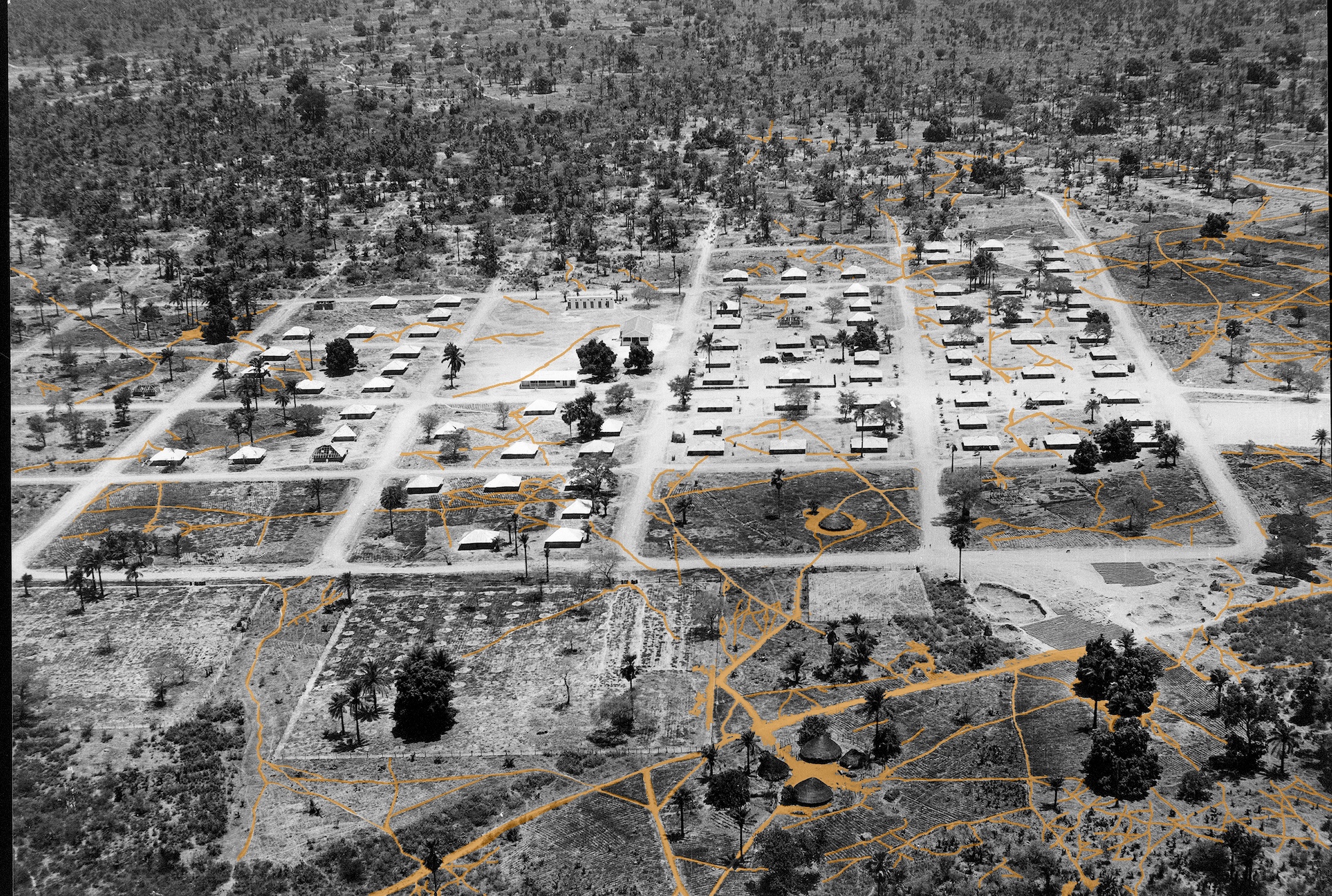
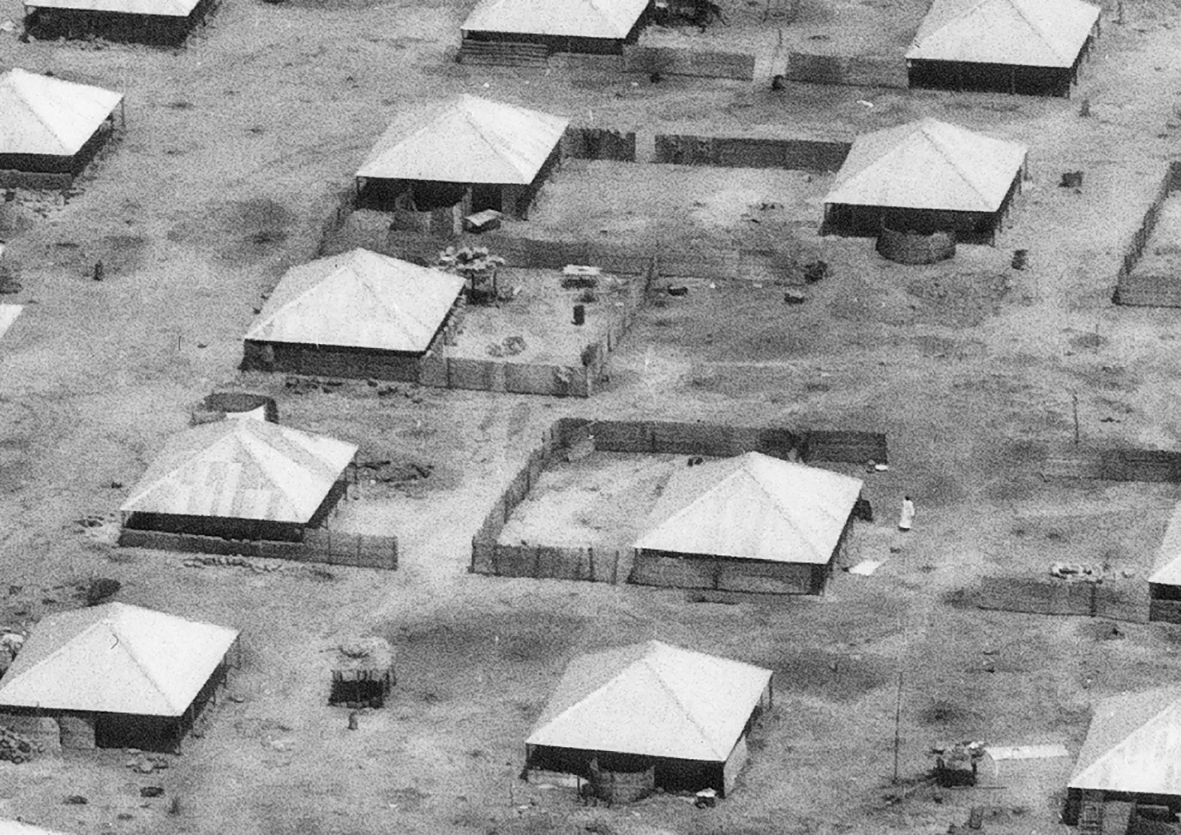
    Saltinho resettled village, close up, GNB
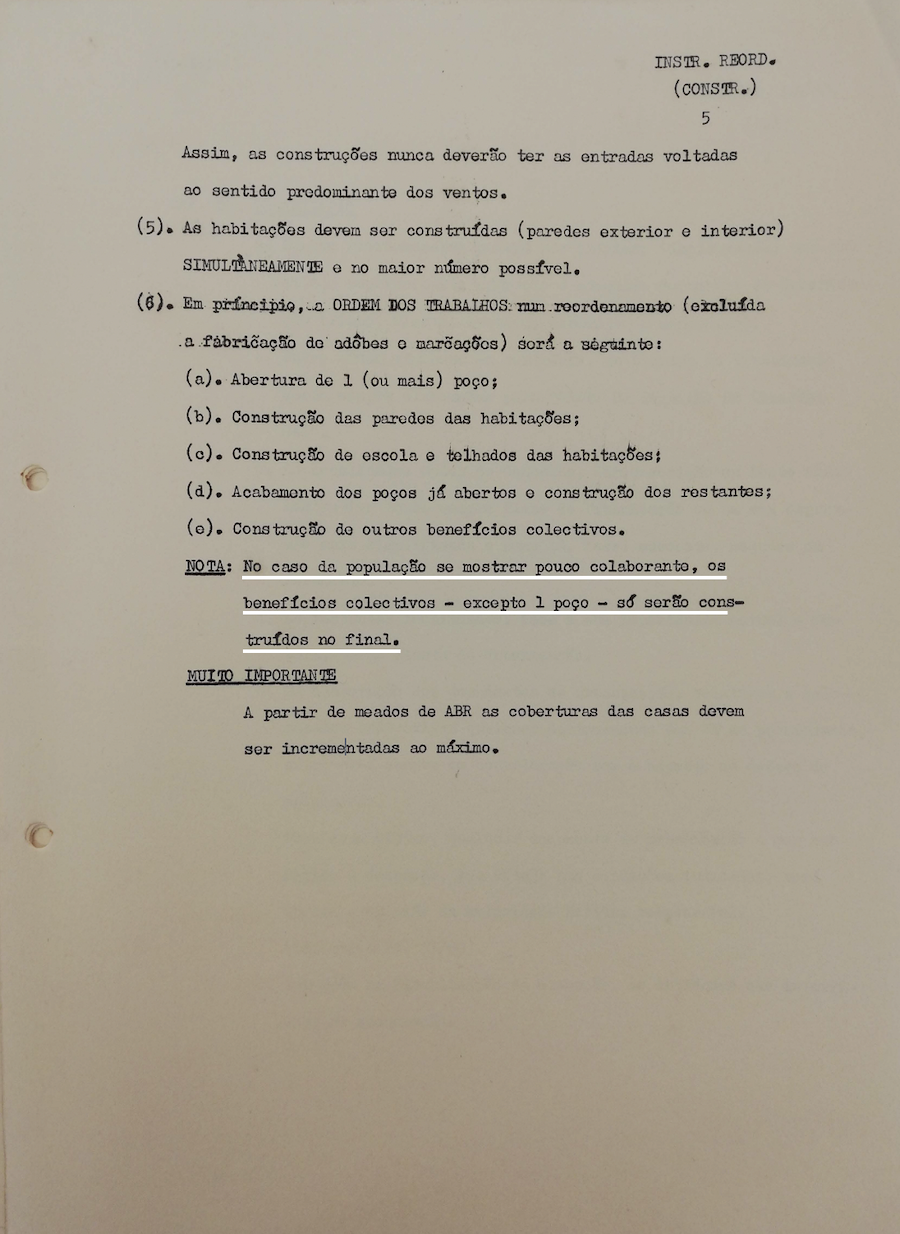
    Strategic villages instructions, 1971

    Summary

    Esta contribuição pretende estudar atos de resistência ativados por parte da população africana durante o programa de aldeamentos estratégicos implementado na fase final da guerra de libertação na Guiné-Bissau (1968-1974). Este programa, promovido a partir de 1968 pelo governador general António de Spínola, fazia parte de uma ampla estratégia de contrassubversão apta a conquistar o apoio da população, especialmente quem vivia em zonas militarmente estratégicas. Através da concentração, deslocação forçada e construção de novas infraestruturas, os aldeamentos estratégicos foram uma experiência disruptiva no modo de vida das populações rurais que foram sujeitas a uma nova organização socio-espacial e económica.

    Esta contribuição propõe discutir uma questão fundamental, até agora abordada apenas marginalmente pela literatura recente: de que forma estas populações reagiram à prática de serem “aldeadas”? Para resgatar a história dos aldeamentos estratégicos a partir da perspetiva das populações que aí viveram, examinam-se documentos visuais e audiovisuais produzidos por órgãos coloniais que retratam aparentemente “a distância” os aldeamentos concretizados. Através destas imagens e do discurso intrínseco a elas que celebra a ordem e o rigor militar do empreendimento, este artigo volta a olhar de perto os aldeamentos estratégicos, identificando fragmentos de resistência que no dia a dia desafiou (e continua a desafiar) as lógicas coloniais. Estes fragmentos são revelados, por exemplo, na forma como as casas-tipo foram adaptadas aos usos tradicionais subvertendo formas e funcionalidades da casa colonial. A análise fotográfica é acompanhada pela revisão de documentos de caráter militar, como as histórias das companhias que operaram no terreno ou os documentos enviados e recebidos pelo próprio Spínola, destacando uma realidade complexa, heterogénea e feita de negociações com as populações rurais e com a morfologia do país, desde as fases de construção. Esta comunicação propõe uma contranarrativa, feitas de fragmentos de pequenas histórias e locais, que contribui para o estudo dos aldeamentos estratégicos na Guiné-Bissau colocando as populações rurais no cerne da análise.

  • Impérios corporativos: As genealogias transnacionais da arquitectura sócio-recreativa no colonialismo português (1930–1970)

    Impérios corporativos: As genealogias transnacionais da arquitectura sócio-recreativa no colonialismo português (1930–1970)

    Event: Workshop “Ditadura, instituições e quotidianos coloniais”
    Authors: Beatriz Serrazina
    Date: 19 – 20 Março 2026

    Location: Universidade de Cabo Verde, Polo 3, Cabo Verde


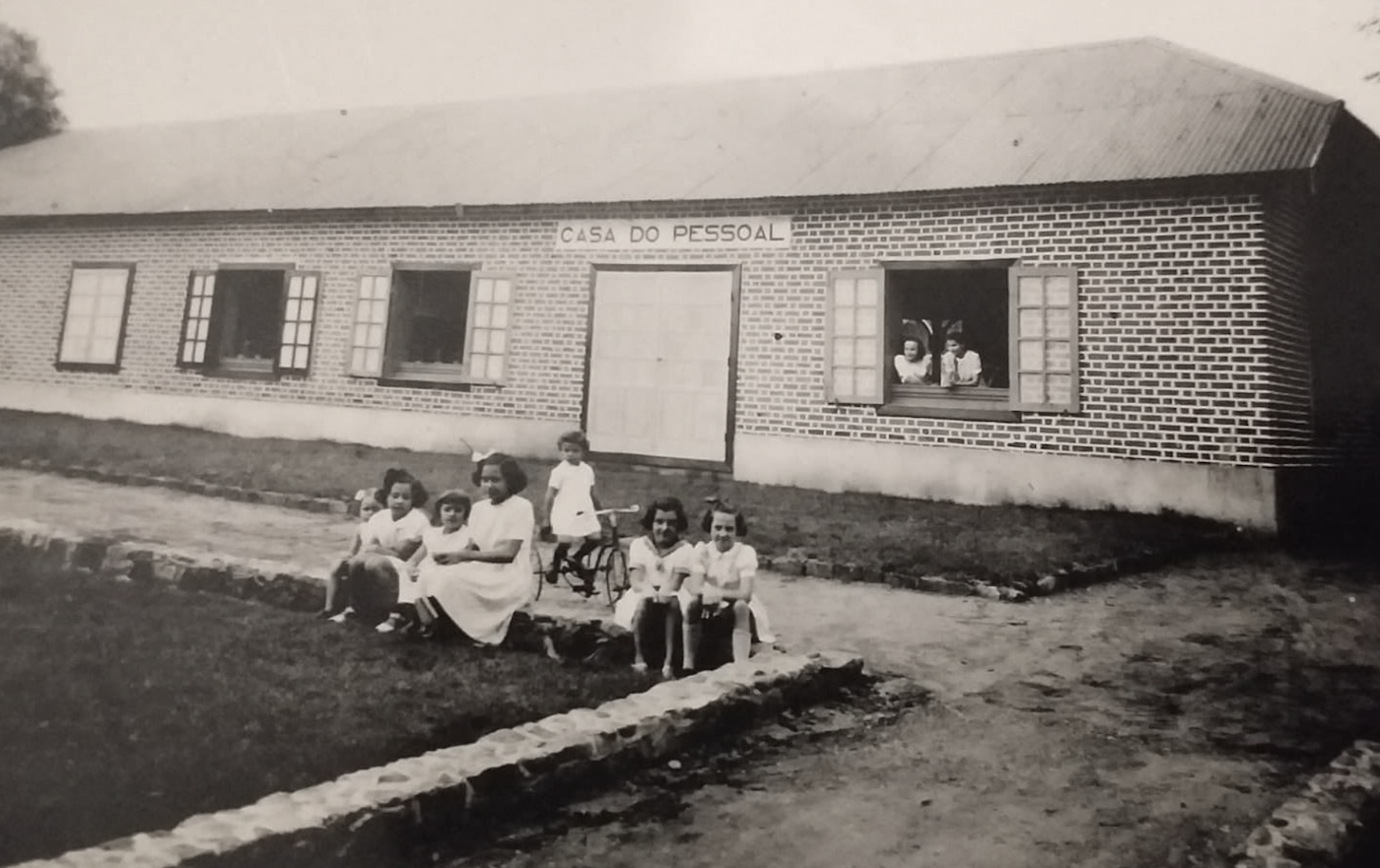
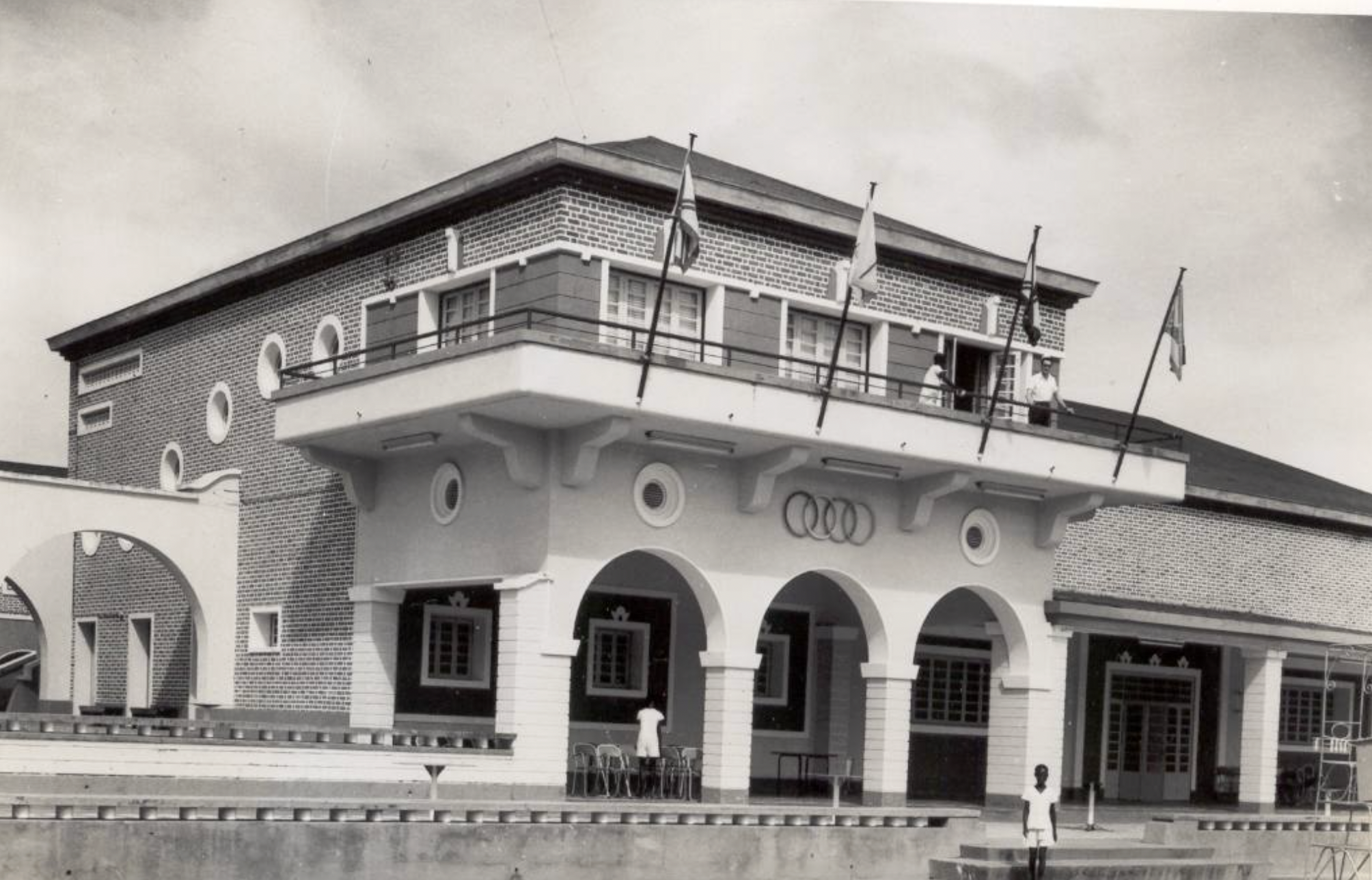
    Diamang Main Staff House, Dundo, 1950s [DCV-UC/AD]
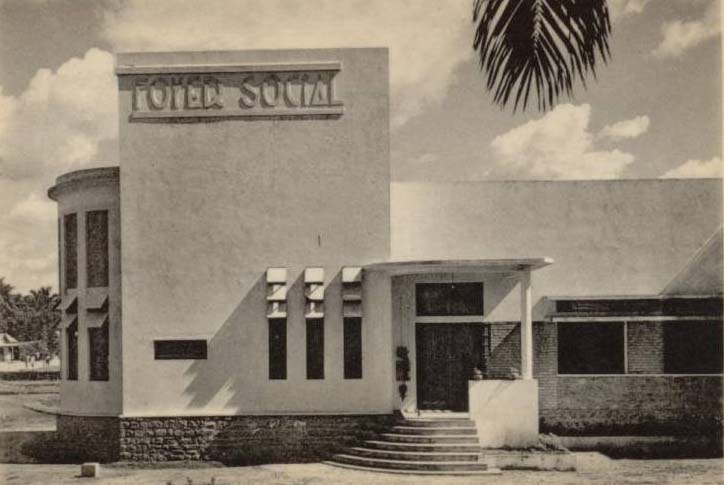
    Foyer Social, Kinshasa, Belgian Congo, 1940

    Summary

    As actividades da Diamang na Lunda, no nordeste de Angola, ao longo do século XX, no âmbito do colonialismo português, envolveram não só a extracção de diamantes como também a construção de infraestruturas, habitação e equipamentos colectivos nas mais variadas escalas e programas. Esta apresentação visa a Casa do Pessoal da companhia, criada em 1936 e com sucessivas expansões nas décadas seguintes, explorando as diversas materializações da instituição e respectivos contextos de produção. Organizada como espaço fundamental na ordem social na Diamang, simultaneamente incluindo e separando diferentes grupos sócio-raciais, a Casa do Pessoal revela múltiplas interacções com a população e o seu quotidiano, do planeamento e construção à utilização, adaptação e negociação.

    As dimensões formais e funcionais da arquitectura parecem evidenciar semelhanças que desafiam concepões tipológicas e retóricas das instituições sociais e recreativas que sustentaram ambições políticas de controlo social. Neste sentido, a apresentação propõe uma abordagem cruzada entre a Casa do Pessoal, a Casa do Povo e os Centros Recreativos – instituições planeadas e construídas entre as décadas de 1930 e 1970 em geografias industriais que dialogaram com Diamang, tanto a nível territorial, como do ponto de vista económico e corporativo. A análise sublinha a importância de considerar conexões mais amplas e complexas entre o aparelho do Estado Novo português e a sua dimensão colonial, num campo historiográfico em que as intersecções no eixo metrópole-colónias suscitam ainda importantes questões analíticas, e também com outras geografias próximas, nomeadamente o caso do Congo Belga, desafiando os limites do nacionalismo metodológico. As relações directas com as pretensões sócio-recreativas da FNAT ou as cartilhas laborais belgas, anunciadas pela própria companhia, ou as apropriações formais feitas na Lunda a partir das propostas arquitectónicas para as Casas do Povo em Portugal, no final da década de 1940, indiciam diálogos que complicam genealogias de poder, ordem e contestação.


  • Colonial Construction Practices in Portuguese News (1960s–1970s)

    Colonial Construction Practices in Portuguese News (1960s–1970s)

    Event: International Symposium Construction History & Film
    Authors: Beatriz Serrazina
    Date: 19 – 20 February 2026

    Location: CIUL, Lisbon, Portugal


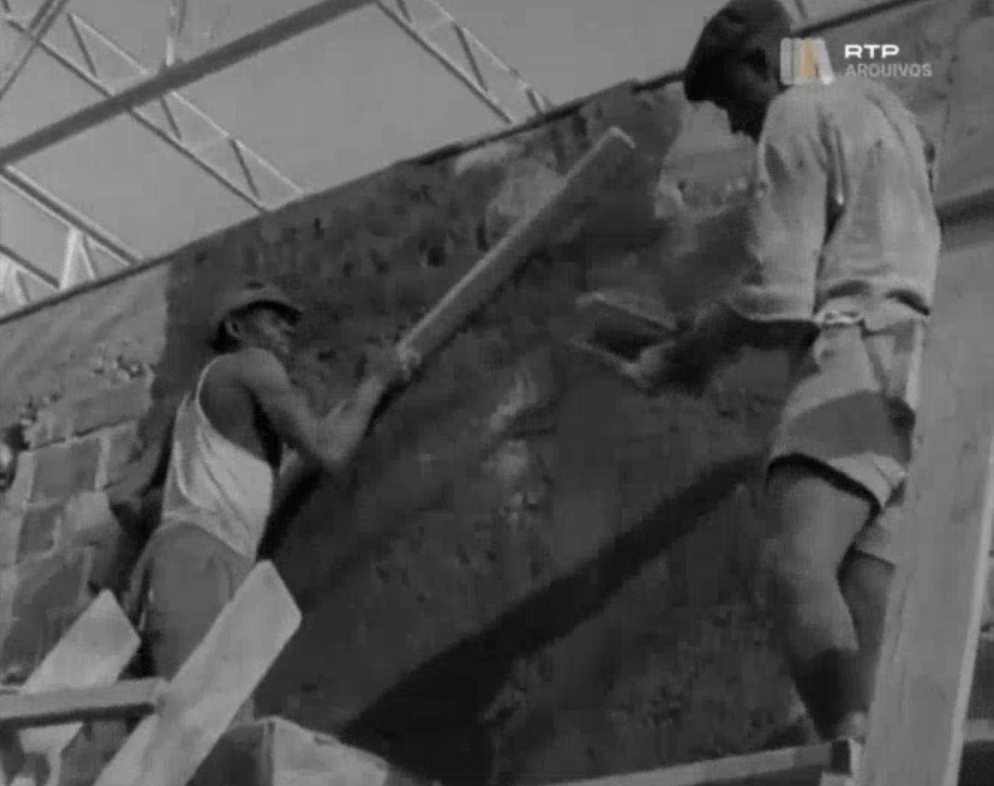
    Two workers using trowels to plaster a brick wall [Construção civil em Benguela, 1968, RTP Arquivos]
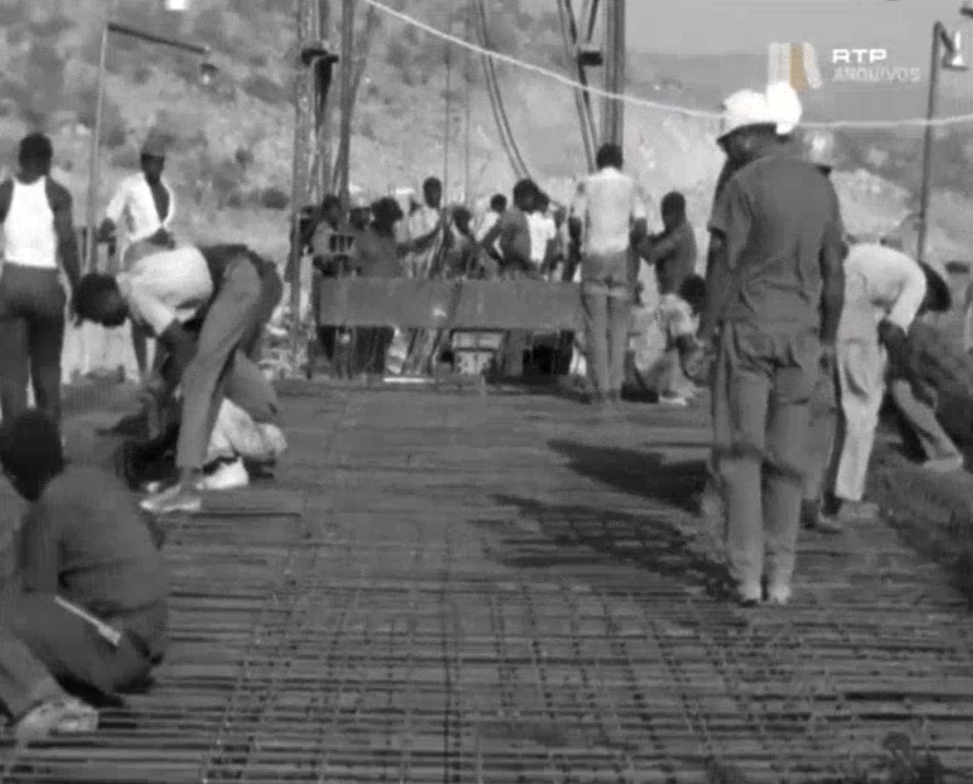
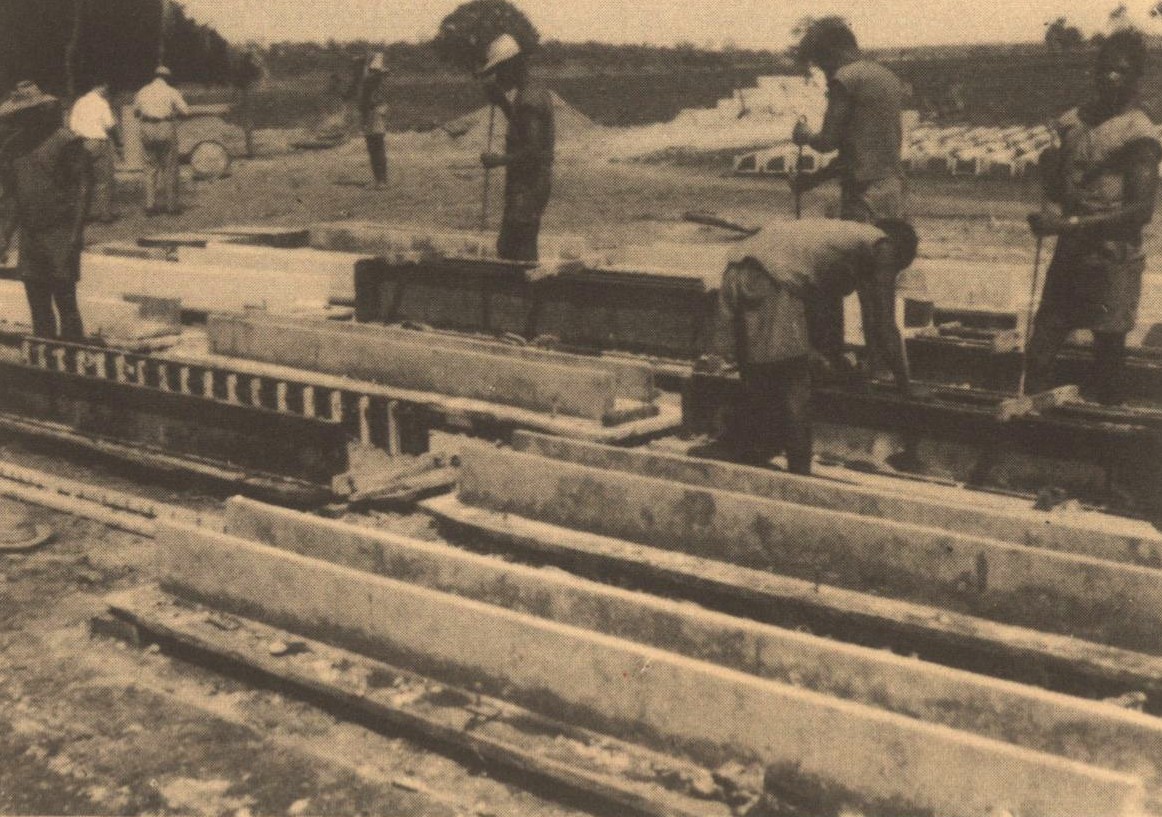
    Team assembling moulds on a viaduct along the Cubal variant construction [Construção do caminho de ferro do Cubal, 1973, RTP Arquivos]

    Summary

    This presentation examines a selection of short documentary films from the archives of RTP (Rádio e Televisão de Portugal), originally broadcasted on the Noticiário Nacional [National News] programme in Portugal in the 1960s and 1970s. Produced during the country’s late colonial period, these black-and-white films – between two to five minutes long – documented construction work in several territories in Africa under Portuguese rule. They covered a variety of contexts, typologies and scales: sanitation projects in Beira, Mozambique, building sites in Luanda, Angola, road construction in São Tomé, railways and bridges, and the monumental hydroelectric dams of Gove, Cambambe, and Cabora Bassa. Unlike written records, which mostly emphasised technical plans and quantitative aspects such as costs or completion deadlines, the moving images reveal the practical, hands-on dimensions of construction and public works, from materials to the coexistence of manual and mechanical work. They capture how infrastructures were assembled, how tools and machinery were handled by workers – frequently absent from technical reports –, and how labour was organised on site. The paper argues that these archival films constitute an invaluable visual archive for rethinking the history of construction and architecture within the context of empire, intersecting multiple dimensions of labour, technology, and material power.

  • Typology in Transition: Modern Housing and Postcolonial Urbanism in Luanda (Working Paper)

    Typology in Transition: Modern Housing and Postcolonial Urbanism in Luanda (Working Paper)

    Journal: Architecture + Infrastructures Working Paper Series 1: Colonial and Post-Colonial Landscapes: Architecture, Cities and Labour
    Authors: Inês Lima Rodrigues, Maria Alice Mendes Correia
    PrintDinâmia’CET-Iscte, 2026


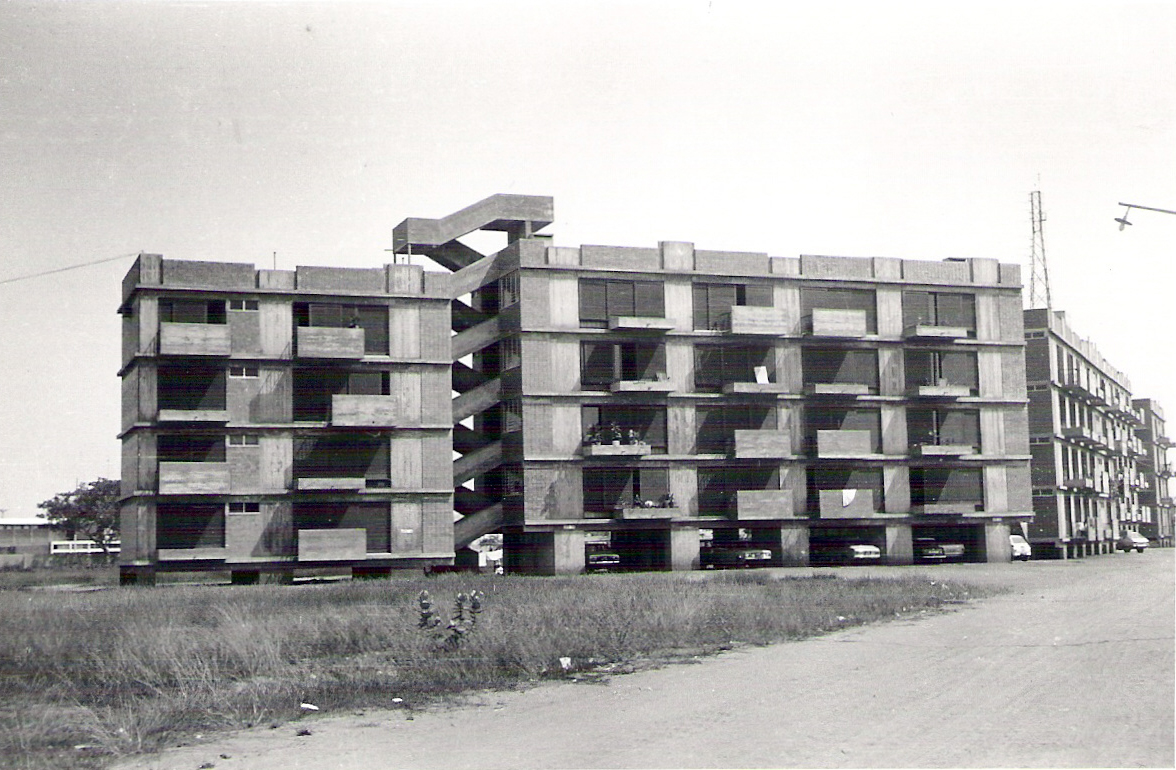
    Built blocks Lots 3, 4 and 5, CTT Neighbourhood, Luanda. Simões de Carvalho and Lobo de Carvalho. Fernão Simões de Carvalho, personal archive.
    Kilamba Neighbourhood, Luanda. Works by Third Year students. Academic Year 2024-2025 MAC, AUN.

    Summary


    The architectural patterns of Luanda show how buildings survive political divisions and take on fresh ideological meanings throughout the urban past. The CTT district, developed between 1968 and 1974 by Fernão Simões de Carvalho and Lobo de Carvalho, combines the ultimate aims of Portuguese colonial modernism by seeking to strike a balance among logical planning, social diversity, and climatic adaptation. Emerging after CIAM’s internal discussions and the criticism of a universal modernism, the project converted these changing ideas into a colonial setting characterised by entrenched racial hierarchies and demographic pressure. Though only partially completed, the CTT complex served as a laboratory where post-CIAM issues with flexibility and urban identity were refracted through the managerial rationale of the Estado Novo. Following independence, the typological concepts employed in CTT reappeared in the twenty-first century “new centralities”, including Kilamba and Sequele. Created through Sino-Angolan collaboration and entrenched in neoliberal and post-socialist programs, these vast satellite cities recycled modernist superblock urbanism as a tool for state-led development, market creation, and socio-spatial control. Looking at the CTT complex in conjunction with its postcolonial legacies shows not only the tenacity of modern spatial logic but also the contested development of postcolonial identity, government, and labour, as revealed in typological continuities in Luanda. Hence, the CTT neighbourhood becomes a key hinge connecting late-colonial modernism to modern urbanism in Angola.

  • Building the Cunene agricultural settlement in Angola: a perspective on labour

    Building the Cunene agricultural settlement in Angola: a perspective on labour

    Event: III International Congress on Colonial and Post-colonial Landscapes: Architecture, Cities, Labour
    Authors: Filipa Fiúza
    Date: 11 – 13 February 2026

    Location: Lisbon, Calouste Gulbenkian Foundation


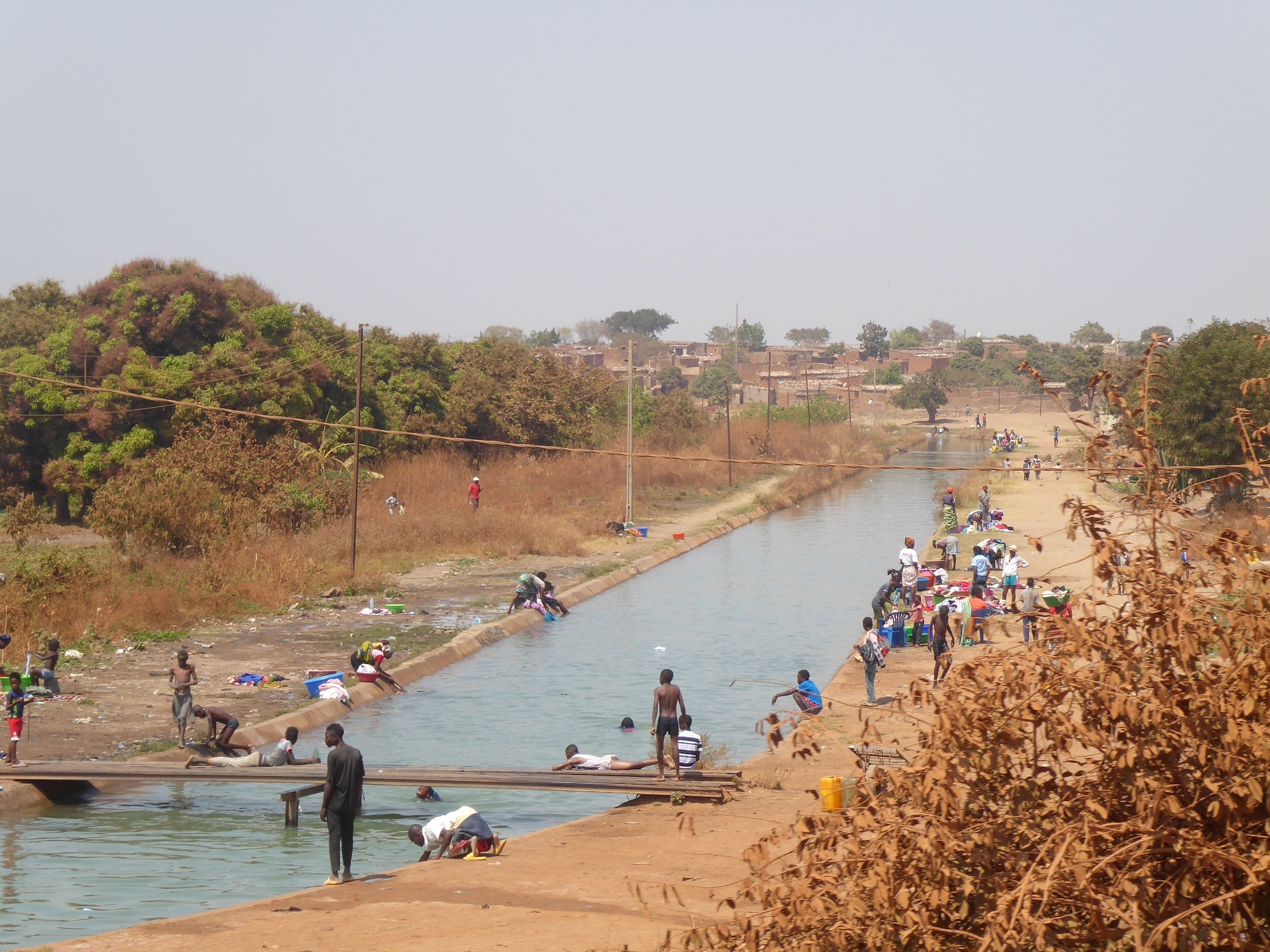
    The main irrigation canal of the Cunene agricultural scheme. Designed by a team headed by engineer Armando da Palma Carlos. Photo by Filipa Fiúza, 2024.
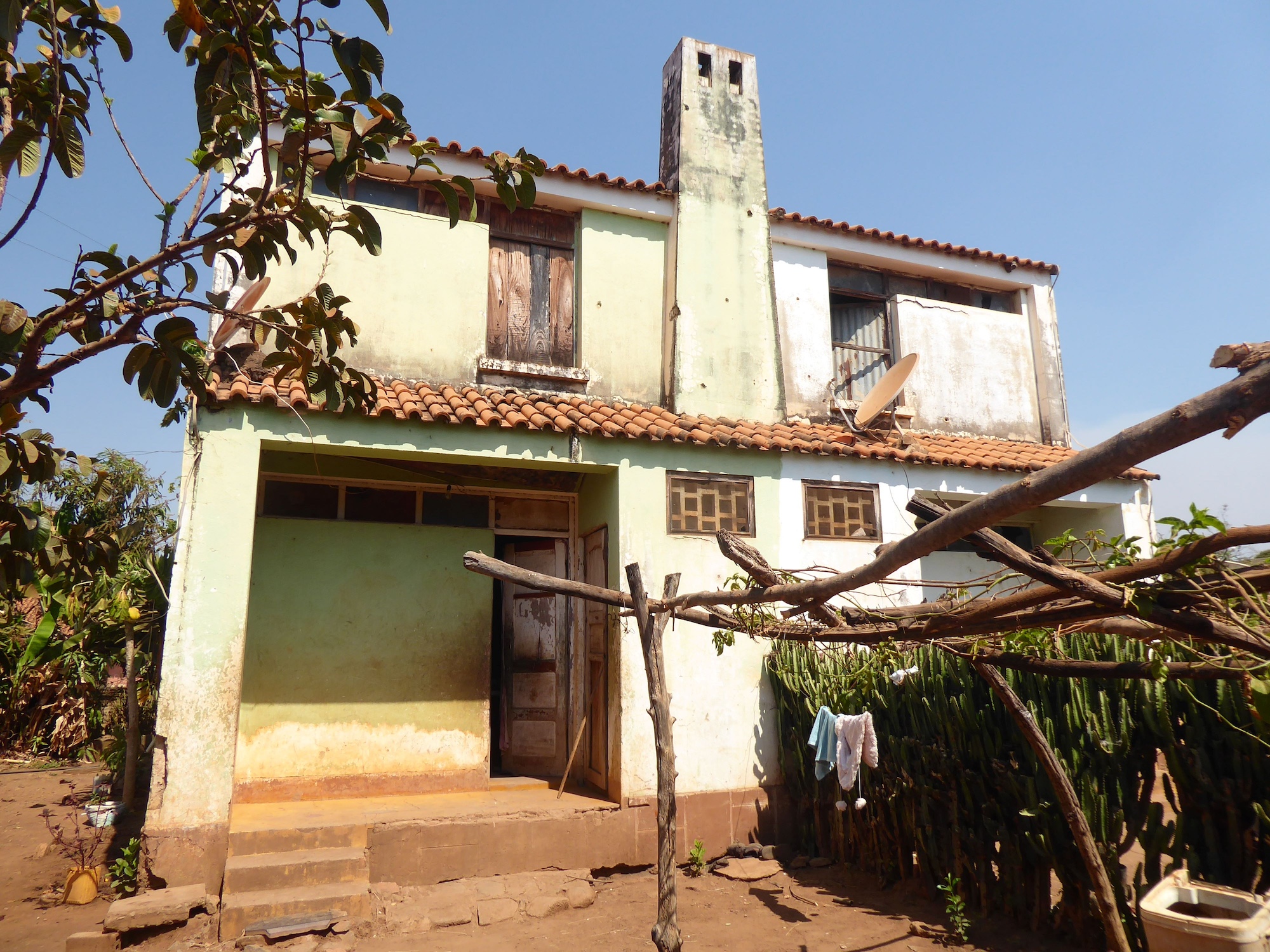
    A former settler’s house by architect João Tinoco, head of the 5th Technical Section – Urbanisation and Buildings of the Cunene Technical Brigade for Development and Settlement. Photo by Filipa Fiúza, 2024.

    Summary

    This paper analyses the construction of the Cunene Agricultural Settlement in southern Angola through the perspective of labour within Portuguese colonial development and settlement policies. In Angola, European-style agricultural exploitation of the territory began in the late nineteenth century with the settlement of European farmers and became more systematic in the second half of the twentieth century, when technical and financial means converged with colonial strategies that aligned development works with colonial settlement efforts, as articulated by Vicente Ferreira in 1927. The Cunene settlement followed this logic closely.

    Under the direction of civil engineer Trigo de Morais, the hydroelectric and hydro-agricultural development plan for the Cunene region was initiated in 1953 in the Matala area, based on a preliminary project produced by the Southern Angola Mission in 1946. Moving beyond the amateurism that had characterised earlier agricultural settlements, this large-scale enterprise fulfilled several objectives: generating electricity through a dam to respond to the rapid demographic growth of the province, particularly in urban centres and emerging industries; promoting livestock and agricultural production to supply local populations and external markets; and consolidating territorial occupation in Angola’s hinterland through the extension of the Moçâmedes railway and the settlement of migrants from the Portuguese metropole.

    Drawing on colonial administrative records, technical reports, planning documents and visual sources, the paper analyses the organisation of construction work, focusing on workforce composition, recruitment practices, wage structures and labour hierarchies that shaped the building of the Cunene Agricultural Settlement, while also reflecting on the methodological challenges of tracing construction workers in colonial archives.  

    [Panel 12:  Material landscapes of labour exploitation, organized by Robby Fivez and Simon De Nys-Ketels].

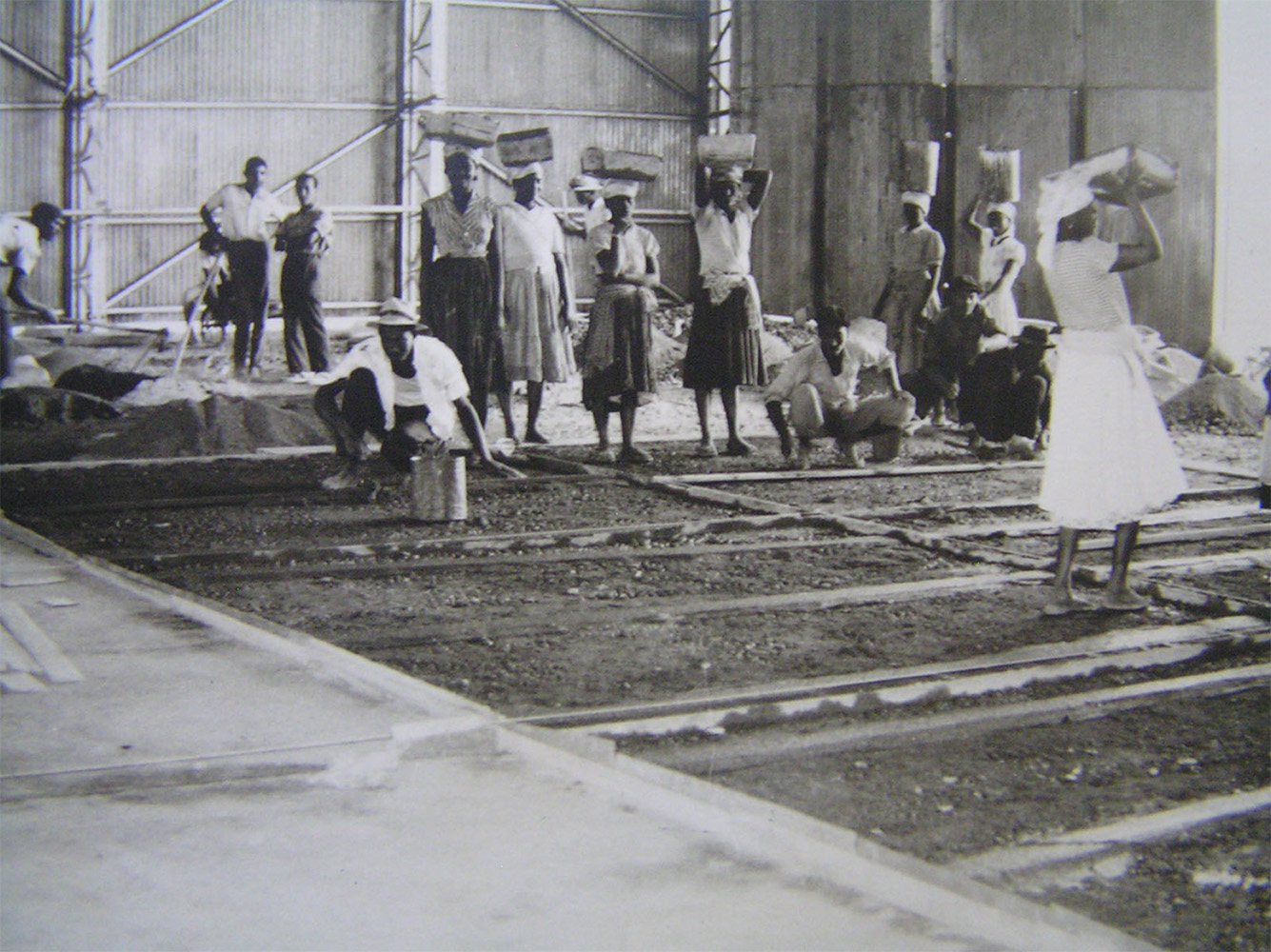
  • Gendered work in former Portuguese colonial Africa: Mass labor and public works

    Gendered work in former Portuguese colonial Africa: Mass labor and public works

    Journal: The Journal Modern Craft, 18
    Author: Ana Vaz Milheiro

    Author: 2025


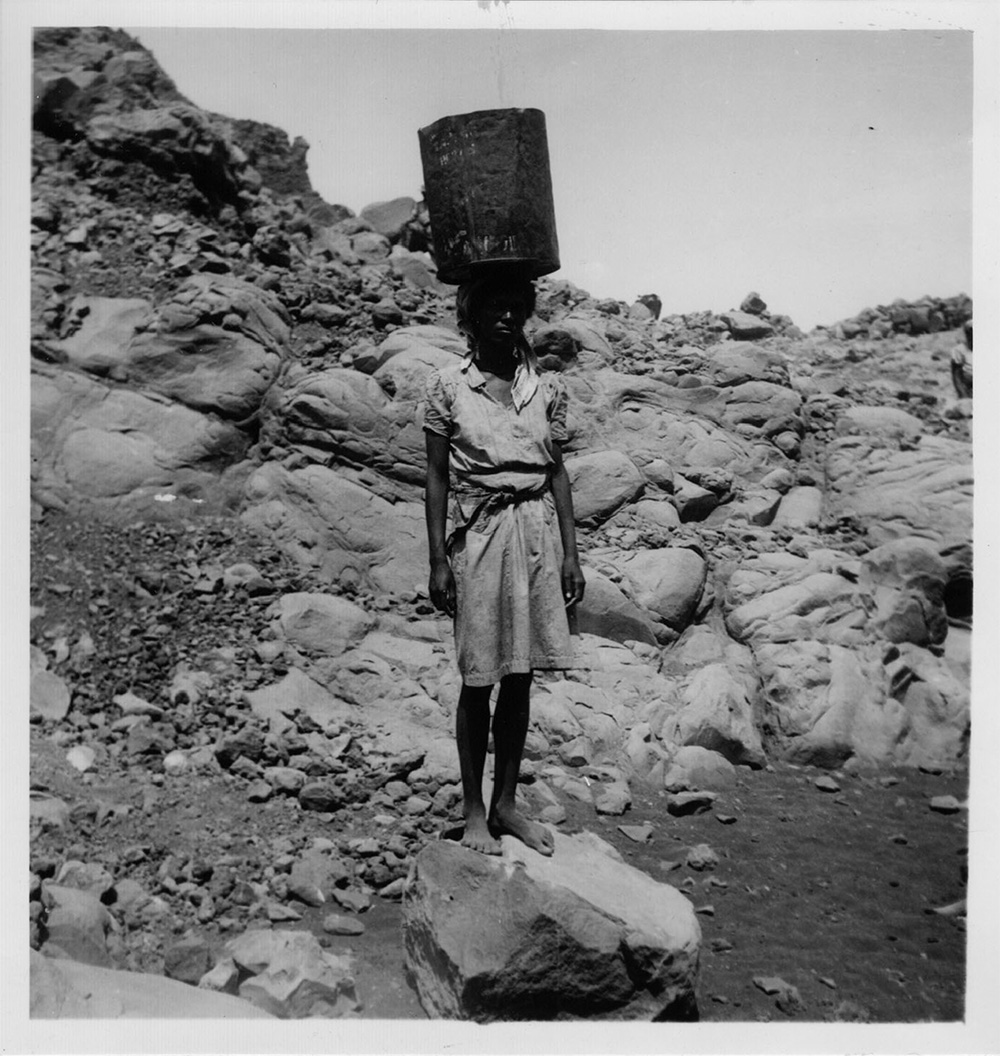
    “Ilha do Fogo. Girl carrying boulders to the water abstraction at Praia do Ladrao beach. Salary: 3$00 daily.” Antonio de Almeida (1948).
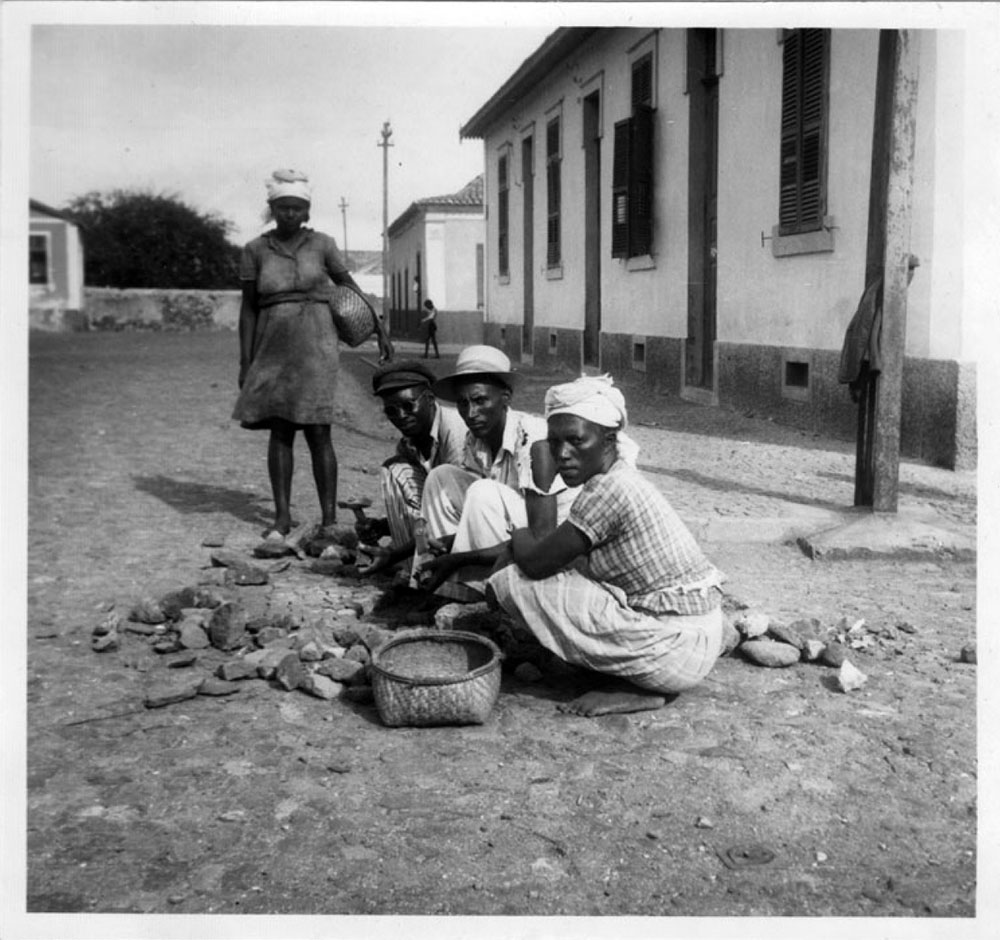
    “Santiago. Women working to repair a street in Praia, next to two bullies…” Antonio de Almeida (1948).

    Summary

    References to the existence of women in Portuguese Colonial Public Works can be found on payrolls since the turn of the nineteenth century. Their work was subordinated to men’s work and they consistently earned lower wages. After World War II, their presence in quarries, or dealing with small pavement repairs, would endure in economically precarious geographies. One of these locations was Cape Verde, where positions for carpenters, bricklayers, and construction helpers were left vacant after the emigration of men. This situation was not very different from that in rural Portugal, where women, mostly illiterate, also constituted a cheap workforce. Examining gendered labor in colonial Cape Verde, this article analyzes the complex coexistence of subalternity, race, and extreme poverty in an understudied context. Women workers were generally associated with unskilled labor and high demands on a large scale. In light of their apparent invisibility in colonial records, this paper considers whether and how the characteristics of this group impacted design projects. It also explores whether working in Public Works meant the emancipation of women who were heads of single-parent families or only represented the perpetuation of inequality.

    Click here to access the article.

  • Colonial labour housing: a ‘propaganda’ tool?

    Colonial labour housing: a ‘propaganda’ tool?

    Event: European Architectural History Network. 8th International Conference
    Authors: Beatriz Serrazina
    Date: 19 – 23 June 2026

    Location: National Technical University of Athens, Greece


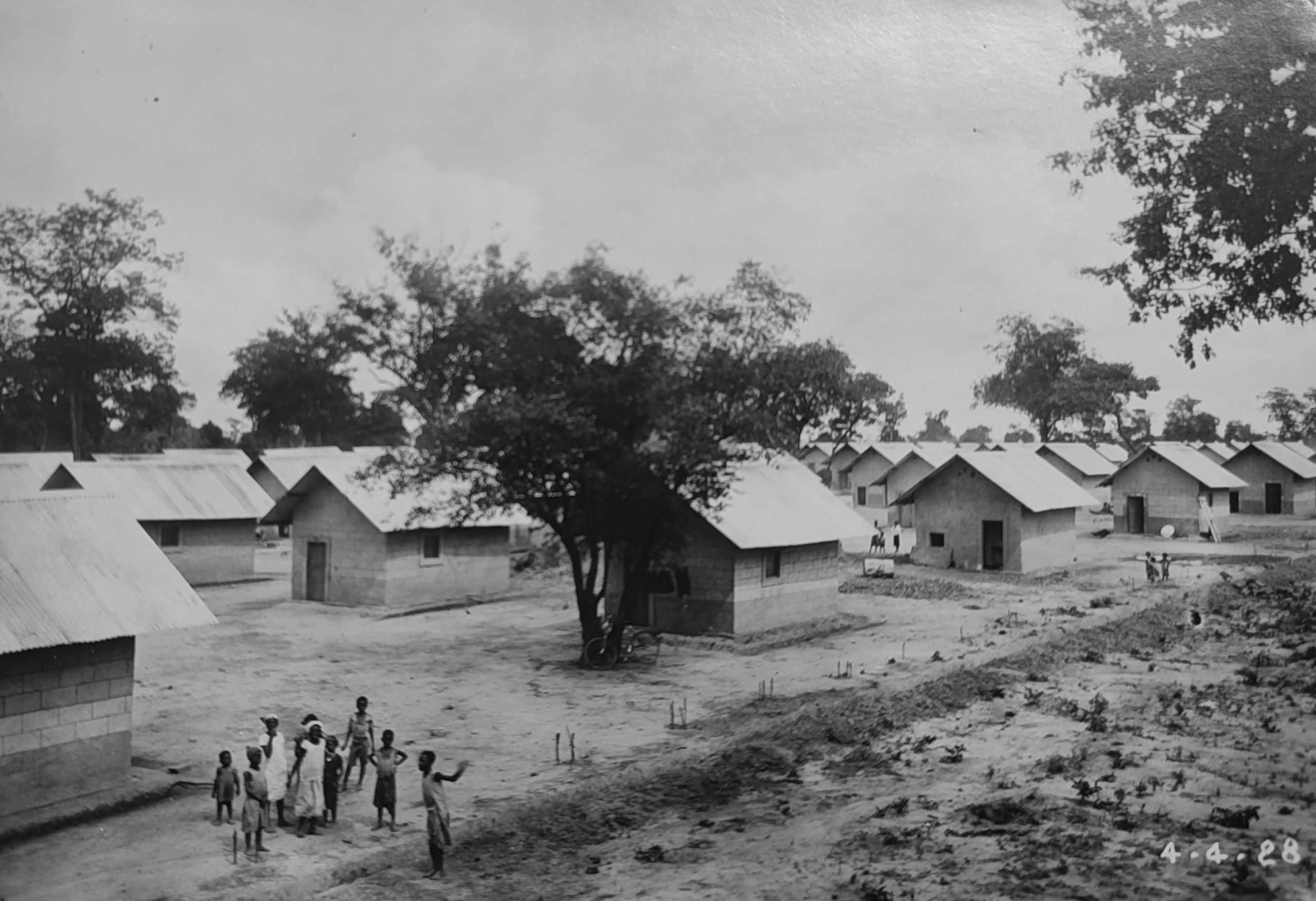
    Union Minière, Lubumbashi Camp, Katanga, 1928[AGR, Sibeka, 530]
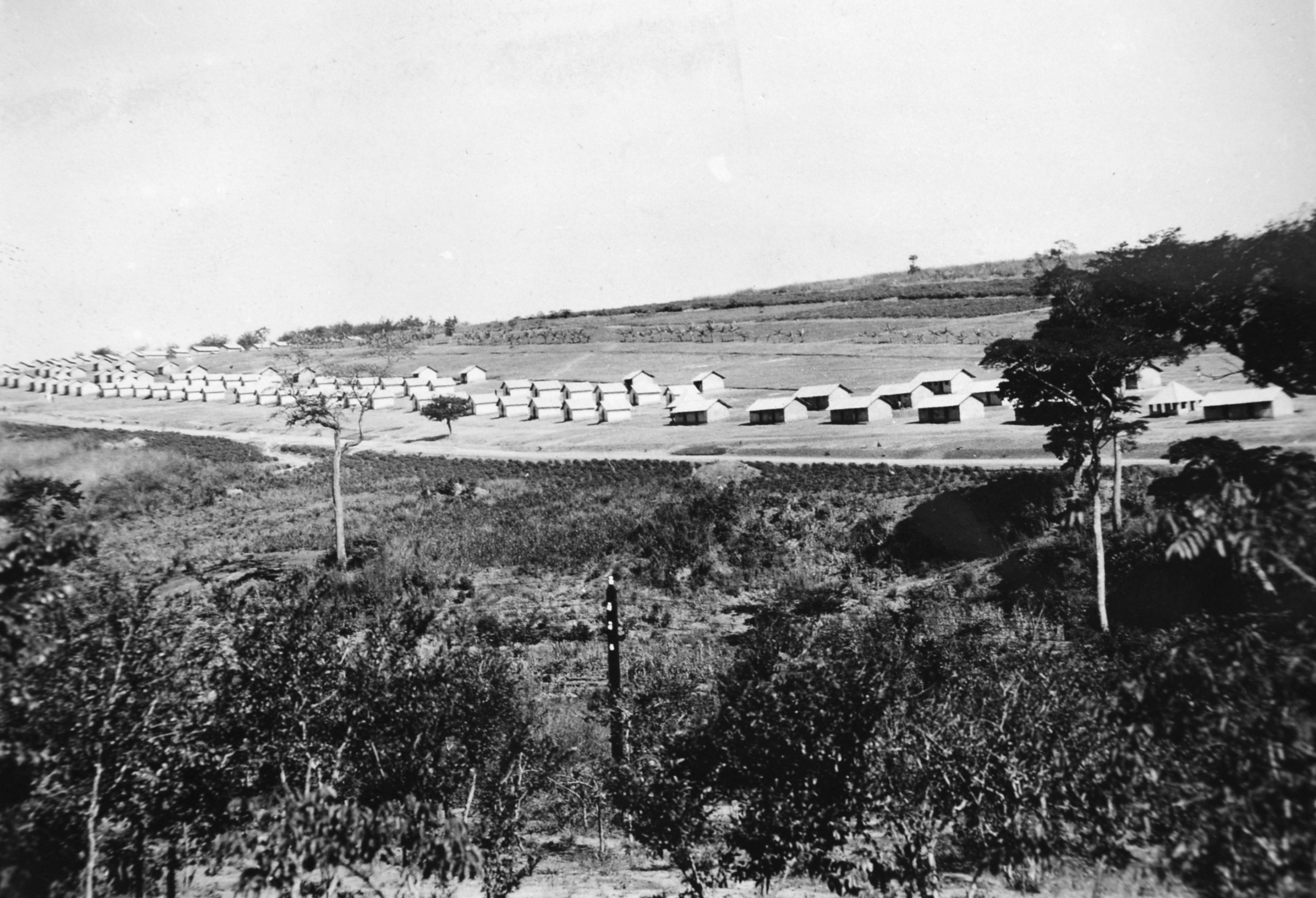
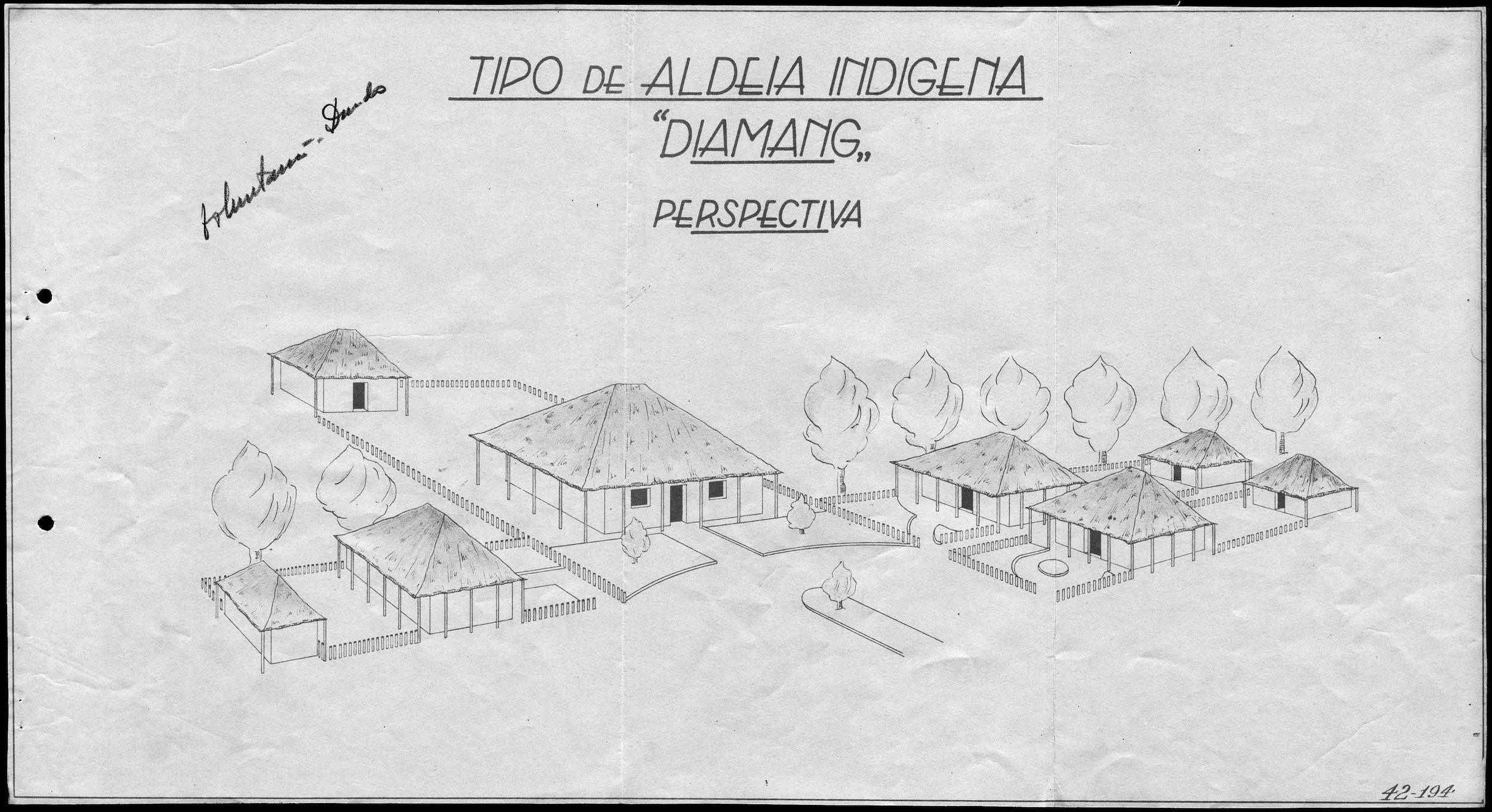
    Tipo de aldeia indígena Diamang, 1942 [DCV-UC/AD]

    Summary

    Colonial space was often produced for and supported by mineral extraction. Yet, none of the extractive businesses set up in Africa throughout the first half of the 20th century could run without workforce. By requiring the engagement of thousands of African people, private companies responsible for housing their labourers. Since both enterprises and governments believed disruption within the intimacy of household could serve multiple ends, villages became critical spaces for simultaneously running industrial areas and carrying out a “modernising” mission envisioned by European powers. In 1961, the director of a mining company’s labour service, operating in north-eastern Angola, wrote a few telling words: “The advantages of a well-built brick house are well known. Adding to labour productivity and stability, we must highlight the propaganda factor. What a valuable propaganda tool a permanent house is!”

    By following transformations in labour housing typologies over time, and while acknowledging strong inter-imperial networks connecting private corporations across Central Africa, mainly between Angola and Belgian Congo, this presentation aims to question the domestic space as a core arena for shaping, enduring and contesting colonialism. It will unpack house planning, design and materials, from the first “propaganda villages” in the 1930s to the later “modern neighbourhoods” built in the 1960s. Companies repeatedly tried to work with “models” and “types” of houses to create “legible” landscapes and “modern” communities – but reports show that reality on the ground was often messier than intended. Despite colonial imaginaries, “modern” houses run along native domesticities, thus shaping an intricate landscape.

    The overall goal is to understand how and to what extent transformations in housing have resulted from and been fuelled by different agents and agendas: the demands and know-how of local communities, the requests of international and inter-imperial organisations, the possibilities of growing scientific and technological research, alongside companies’ productivity drives.