

Communication
Colonial labour housing:
a ‘propaganda’ tool?
Event: European Architectural History Network. 8th International Conference
Authors: Beatriz Serrazina
Date: 19 – 23 June 2026
Location: National Technical University of Athens, Greece
Summary
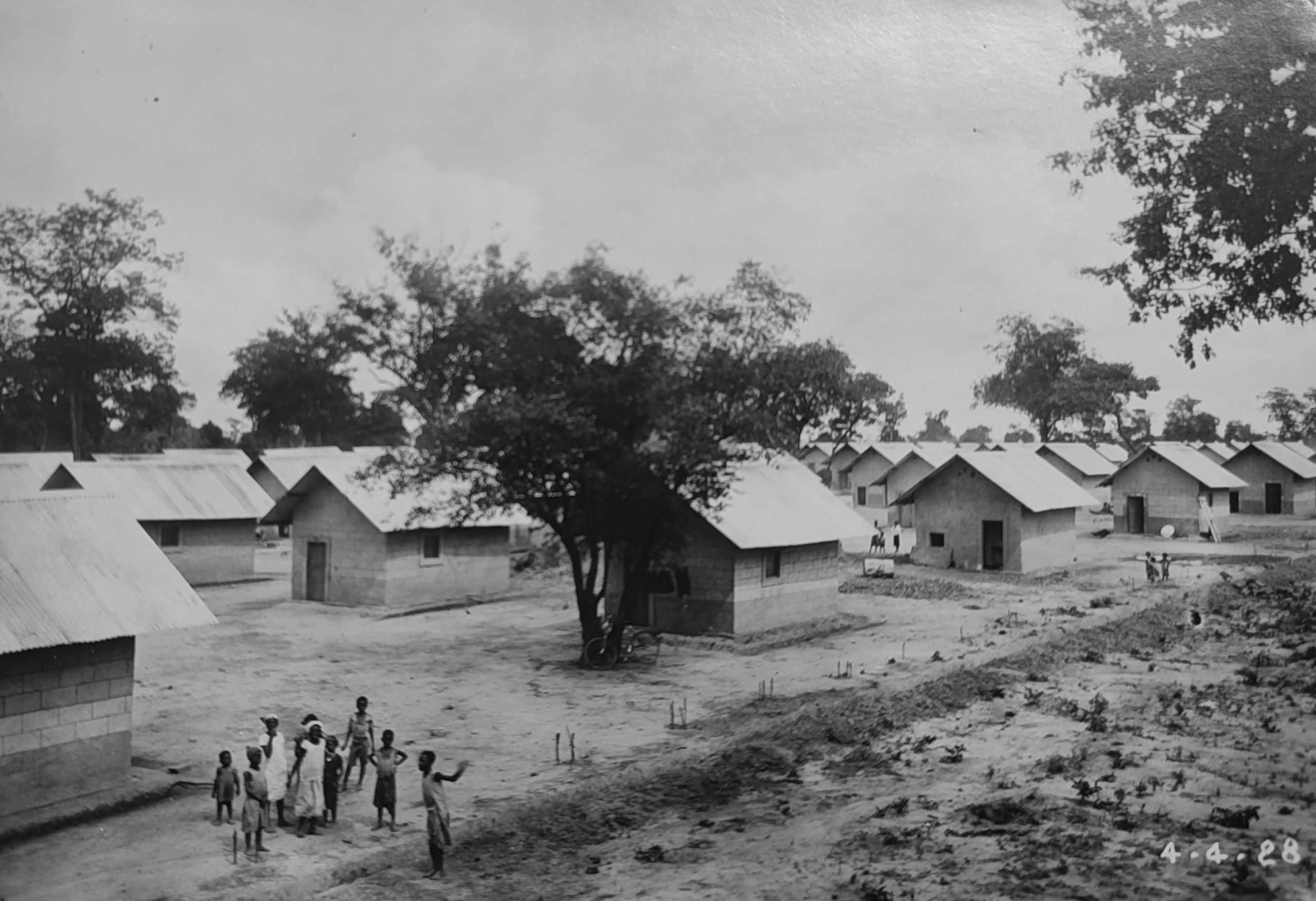
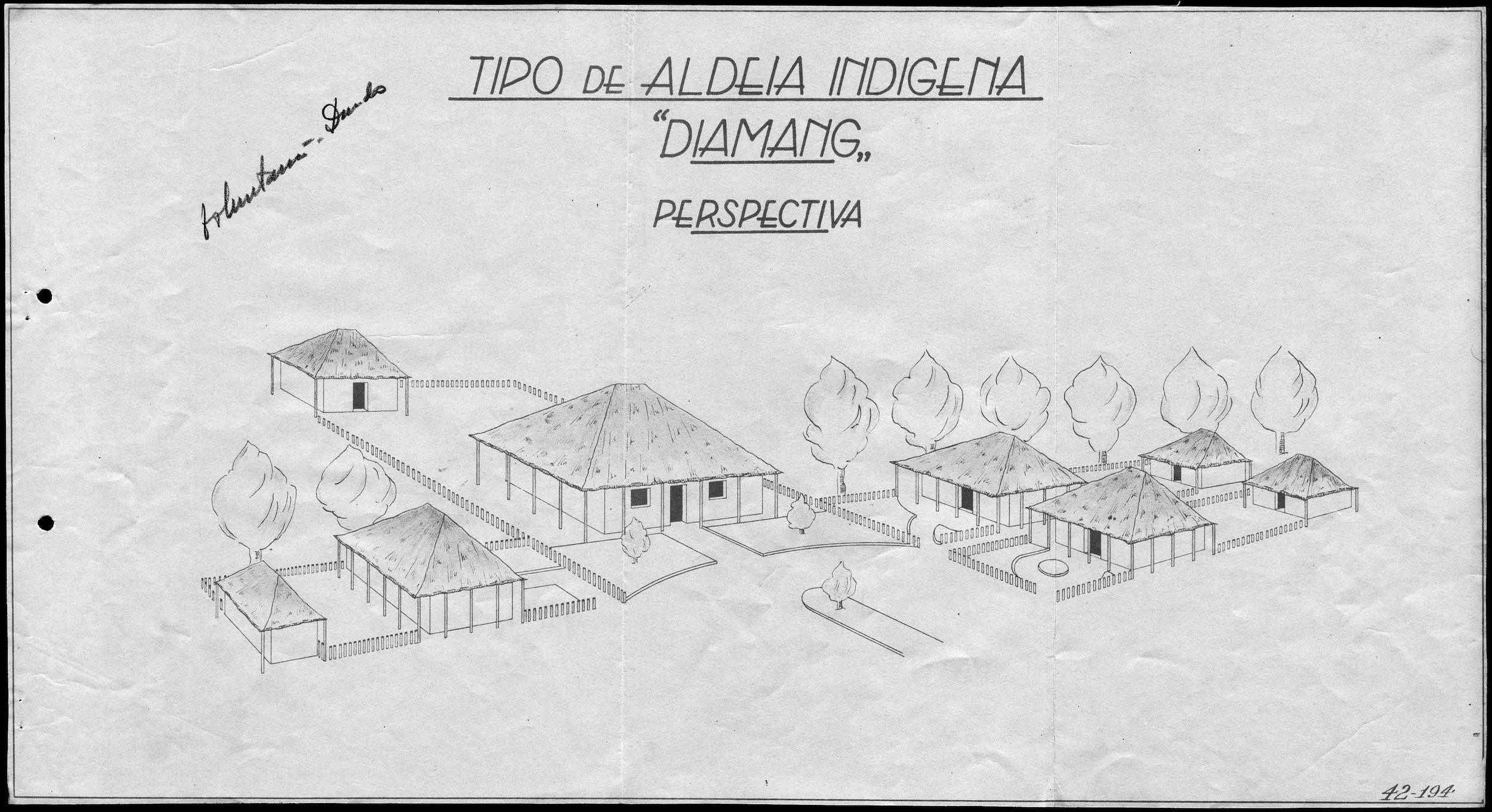
Colonial space was often produced for and supported by mineral extraction. Yet, none of the extractive businesses set up in Africa throughout the first half of the 20th century could run without workforce. By requiring the engagement of thousands of African people, private companies responsible for housing their labourers. Since both enterprises and governments believed disruption within the intimacy of household could serve multiple ends, villages became critical spaces for simultaneously running industrial areas and carrying out a “modernising” mission envisioned by European powers. In 1961, the director of a mining company’s labour service, operating in north-eastern Angola, wrote a few telling words: “The advantages of a well-built brick house are well known. Adding to labour productivity and stability, we must highlight the propaganda factor. What a valuable propaganda tool a permanent house is!”
By following transformations in labour housing typologies over time, and while acknowledging strong inter-imperial networks connecting private corporations across Central Africa, mainly between Angola and Belgian Congo, this presentation aims to question the domestic space as a core arena for shaping, enduring and contesting colonialism. It will unpack house planning, design and materials, from the first “propaganda villages” in the 1930s to the later “modern neighbourhoods” built in the 1960s. Companies repeatedly tried to work with “models” and “types” of houses to create “legible” landscapes and “modern” communities – but reports show that reality on the ground was often messier than intended. Despite colonial imaginaries, “modern” houses run along native domesticities, thus shaping an intricate landscape.
The overall goal is to understand how and to what extent transformations in housing have resulted from and been fuelled by different agents and agendas: the demands and know-how of local communities, the requests of international and inter-imperial organisations, the possibilities of growing scientific and technological research, alongside companies’ productivity drives.