
Tag: Ana Vaz MIlheiro

  • Villages as Construction Sites. Recording Compulsory Settlement in the Zambezi Valley Through Aerial Photographs, Mozambique (1970–1974)

    Villages as Construction Sites. Recording Compulsory Settlement in the Zambezi Valley Through Aerial Photographs, Mozambique (1970–1974)

    Journal: Ædificare, Revue internationale d’histoire de la construction, 2025 – 2, n. 18 [Construction Site Photography]
    Authors: Ana Vaz Milheiro

    Editors: Laurence Heindryckx, Tom Broes, Simon De Nys-Ketels, and Robby Fivez
    Publication: Garnier Classics, 2026


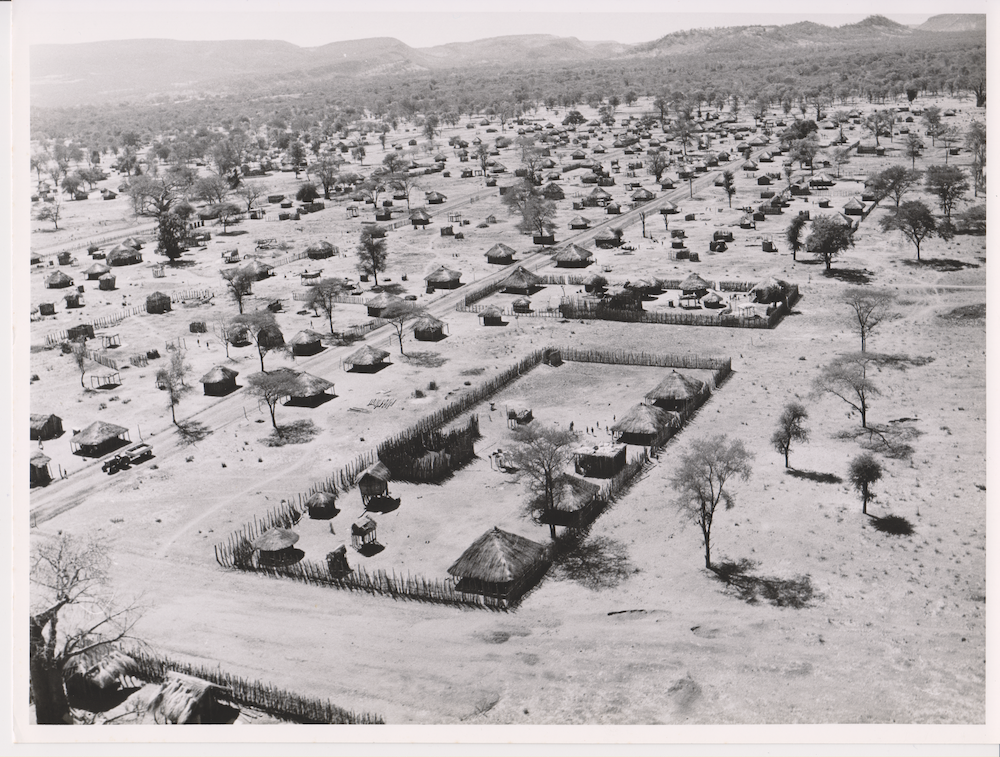
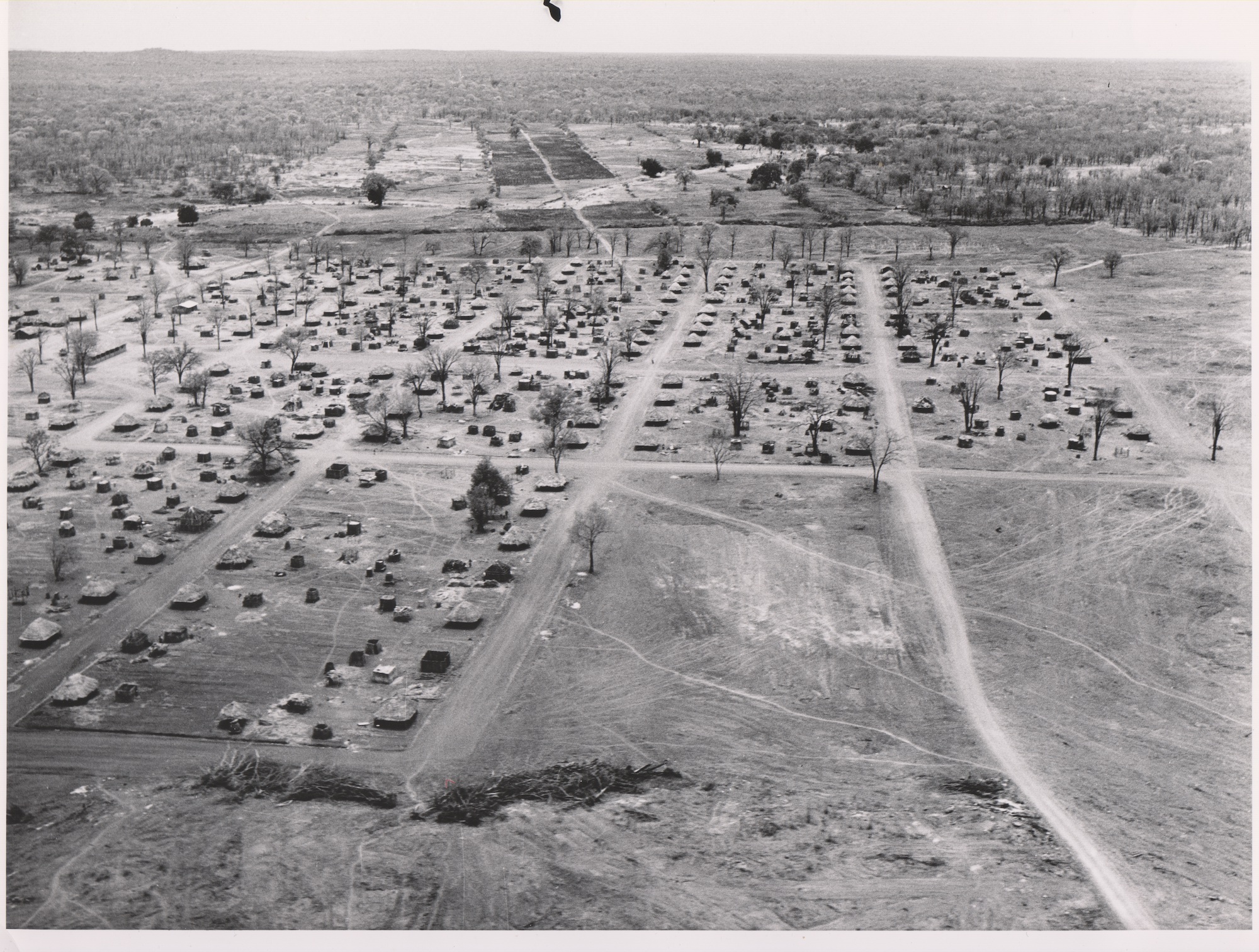
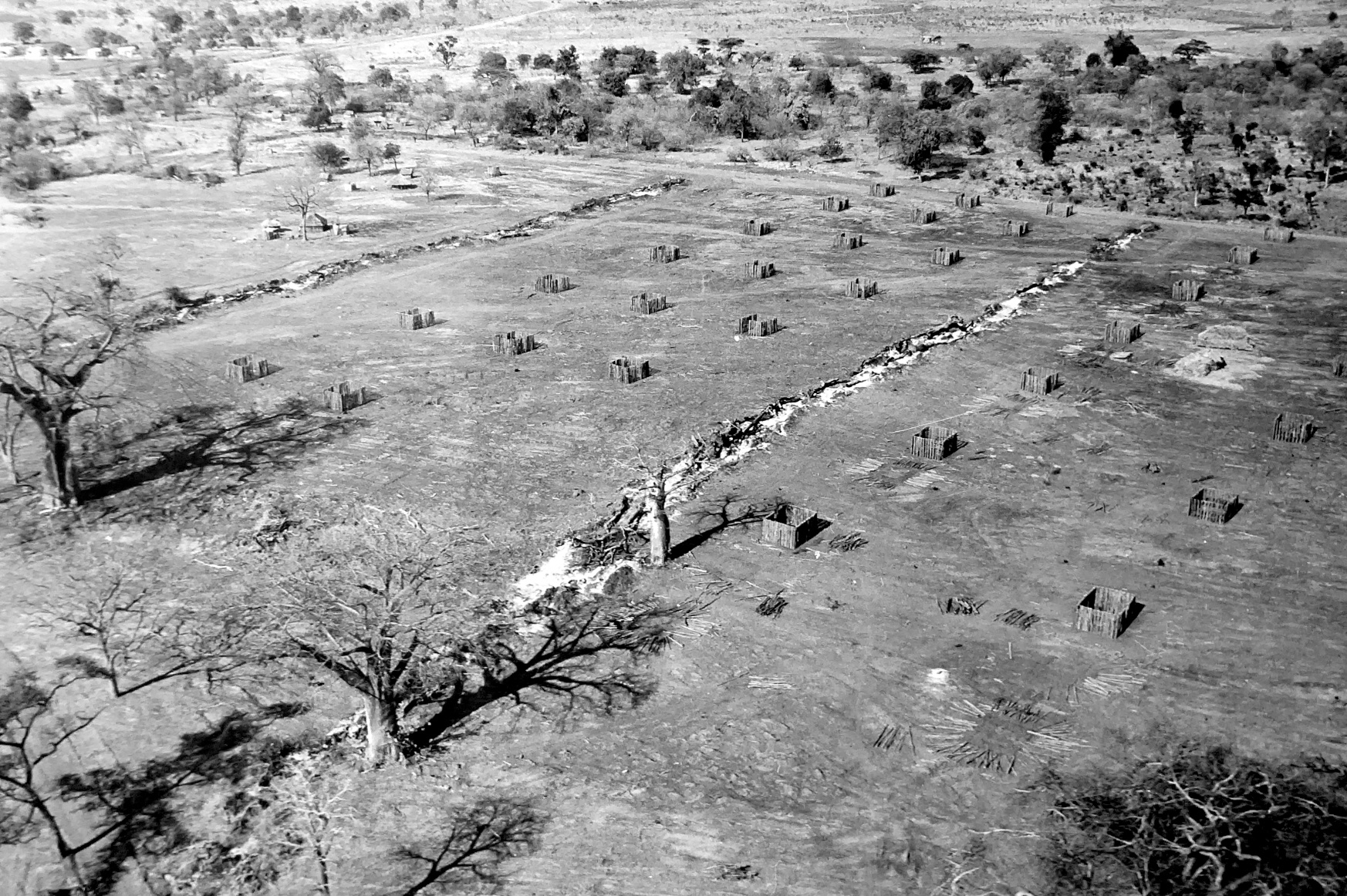
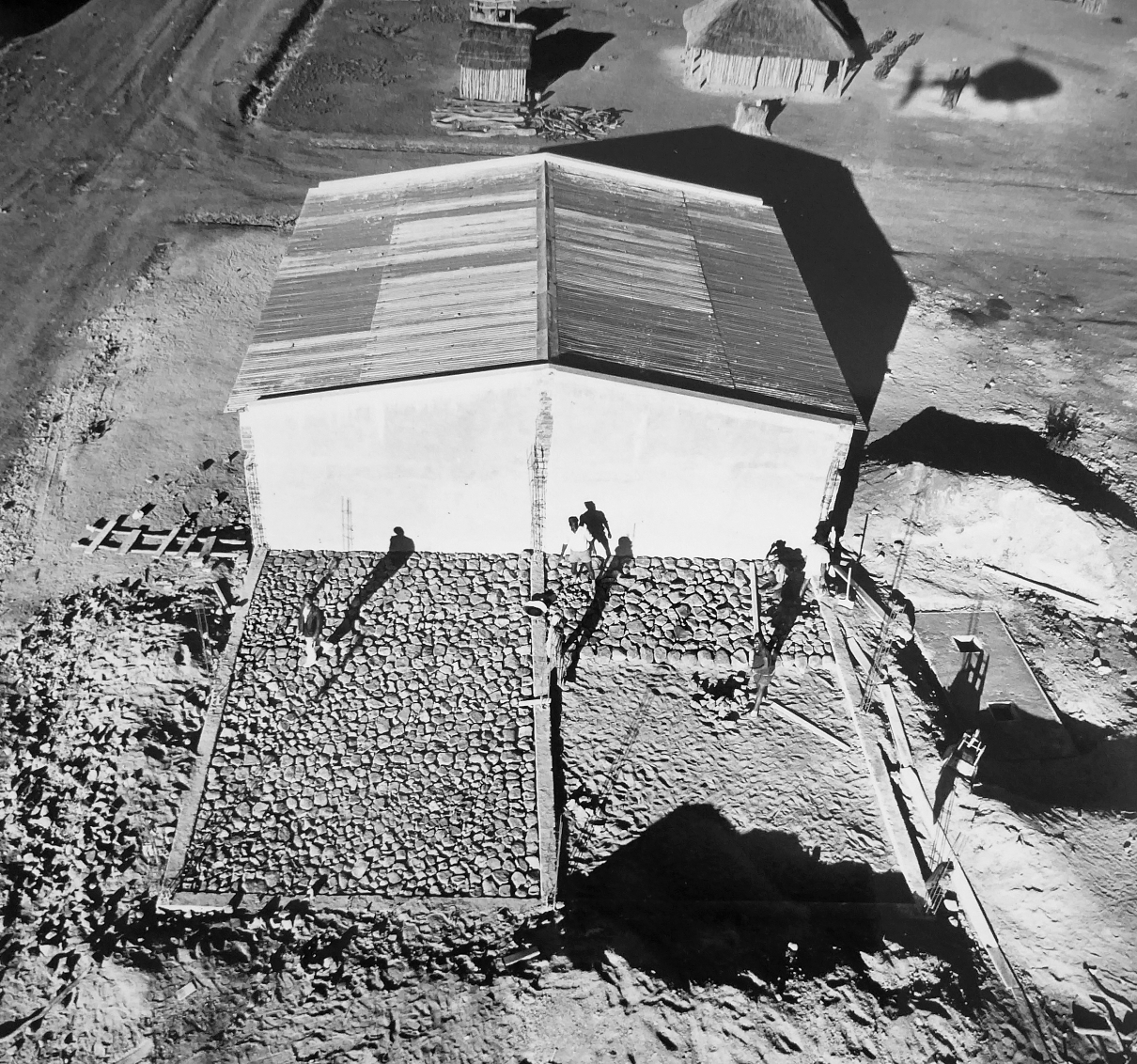
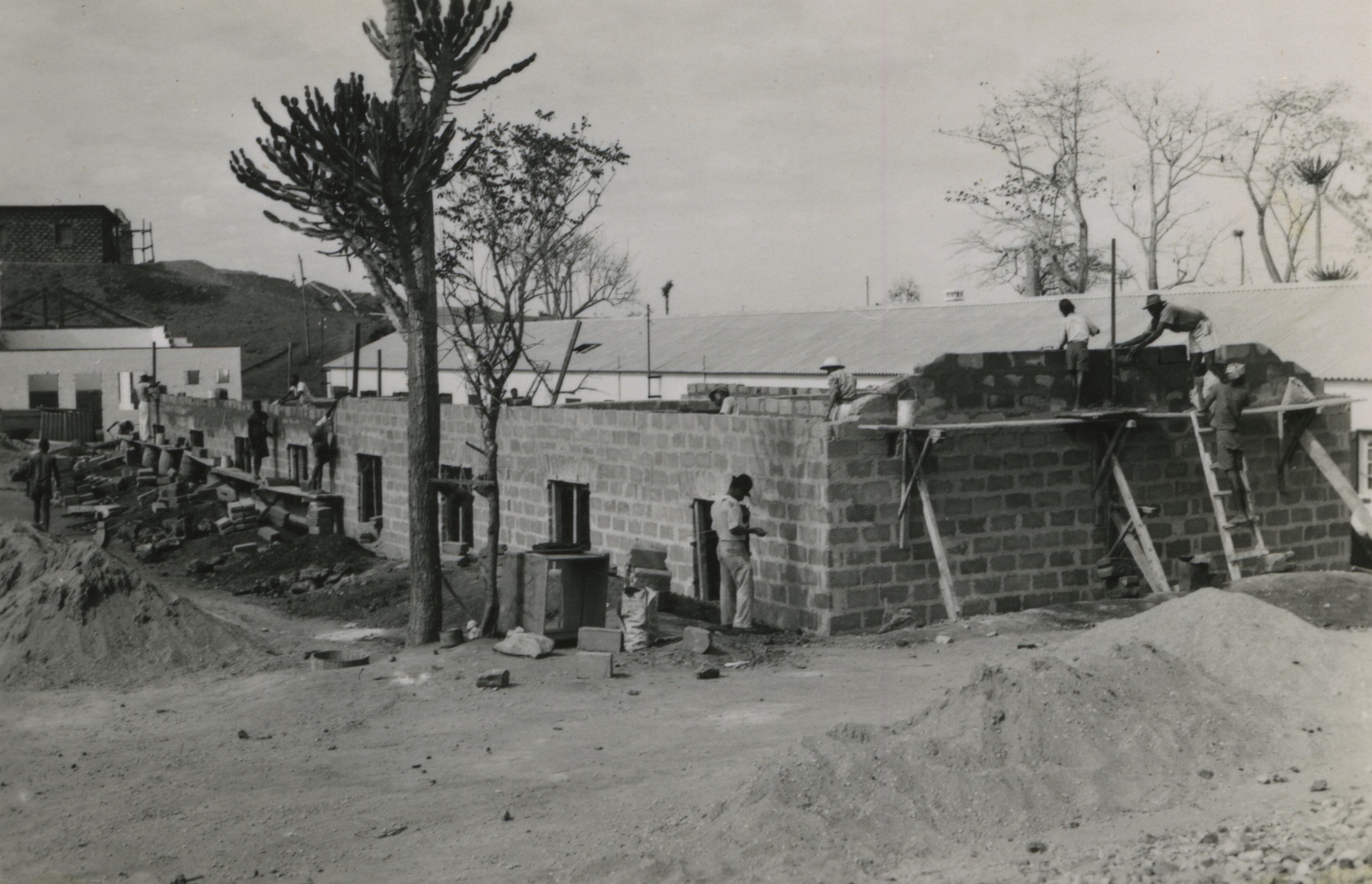
    Estima. Construction of a school. General view of the village. Sector B – Rural Redevelopment. Subsect. 11. July/1974 [96/7/74] Zambezi Plan Office. Photographic archive [AHU, PT/IPAD/MU/GM/GPZ/2332/07236]
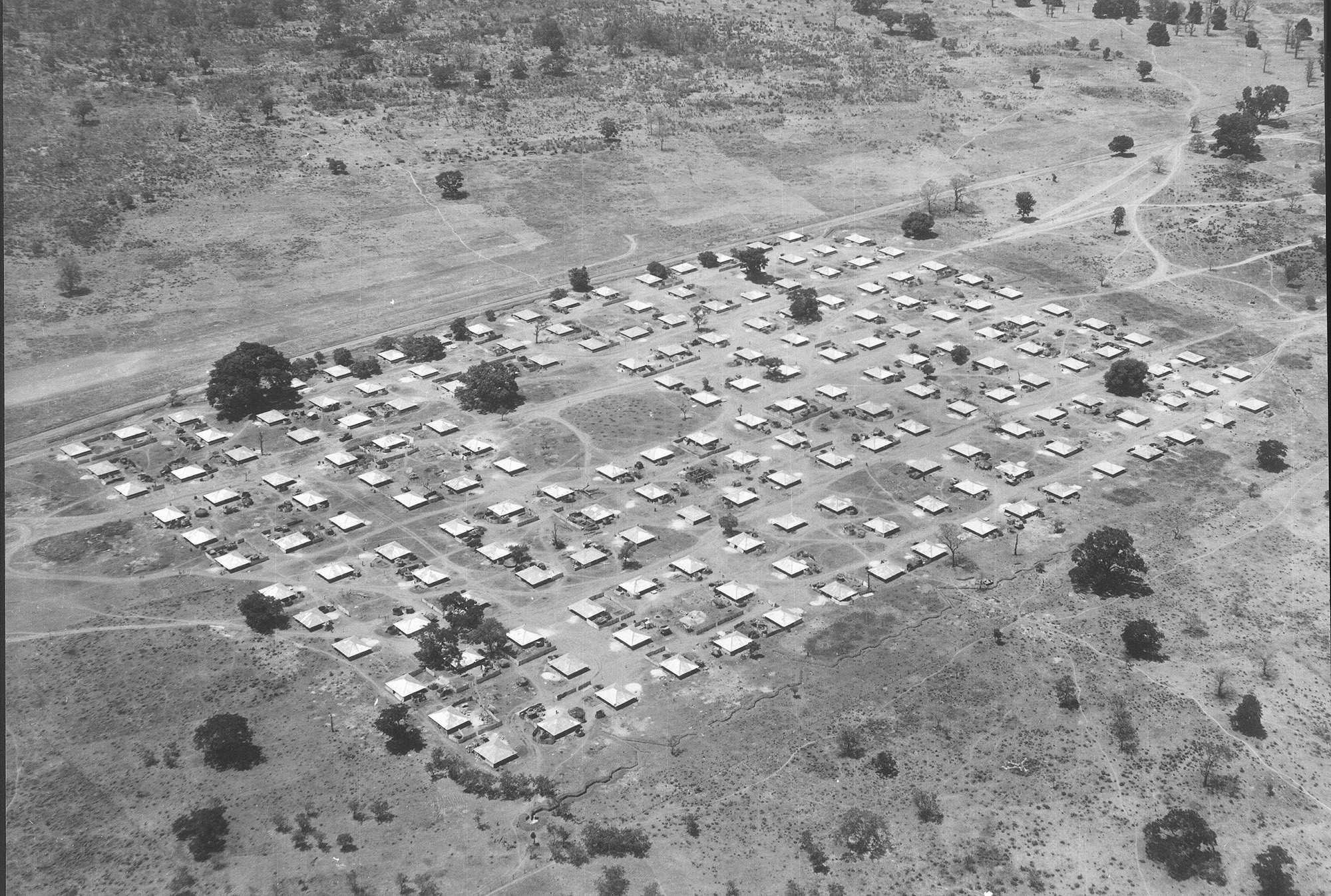
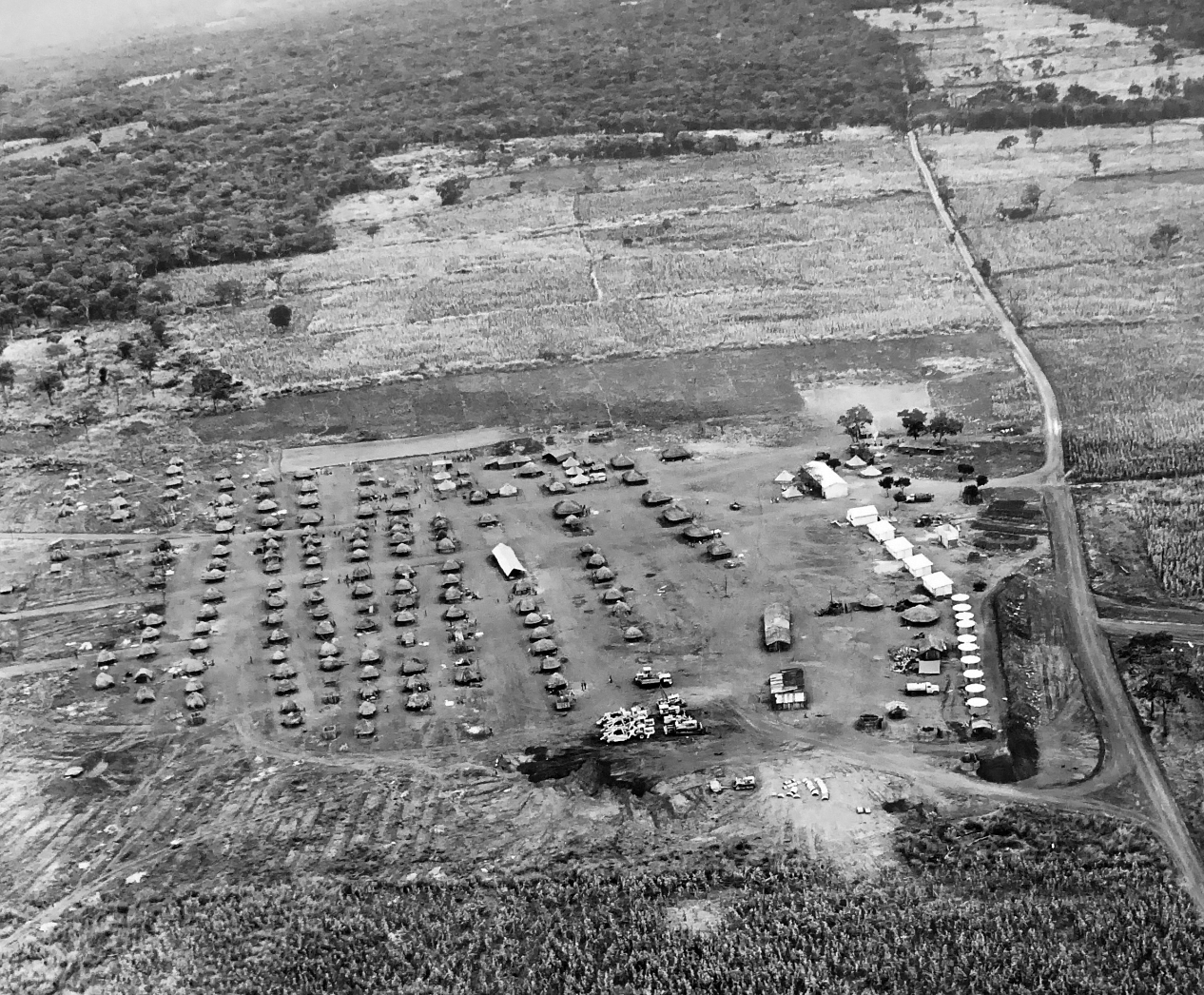
    Pandira village. Municipality of Barué – Vila Gouveia. Sector D – Subsector 8-17. May/1973 [99/5/73] Zambezi Plan Office. Photographic archive [AHU, PT/IPAD/MU/GM/GPZ/2332/07236].

    Summary

    The forced resettlement in the Zambezi Valley in the province of Tete brought together military and economic interests to serve the extension of Portuguese colonialism in Mozambique. It was set up during the Colonial War (1964-1974) as a means of halting the progress of the Mozambique Liberation Movement (FRELIMO), but also because of the launch of the Cabora Bassa dam’s construction.

    Although this construction produced one of the most complex construction sites in Portuguese colonial history, the focus of this analysis is on the colossal resettlement operation associated with its completion, as a double consequence of the reservoir and the war. The dynamics of territorial reordering, which began in 1968, transformed a region of around 100,724 square kilometers into a huge construction site of fluctuating intensity. Building systems that had been practiced in the region for centuries coexisted with new technologies resulting from the influx of industrial materials, creating a “creolized” rural landscape.

    To document the process, around 400 photographs were taken, many of them from helicopters or planes, reinforcing a view of a subalternized reality through a uniform and orthogonal layout that contrasted with the pre-colonial segmented landscape. The five photographs that make up this essay are part of this group of aerial photographs and have been titled in sequence: Foundation; Surveillance; Polyphony; Order; Skilled. Taken as an “bird’s-eye view”, they not only allowed to follow the perspective of the colonial authorities, avoiding direct contact with the population, but also to grasp the simultaneity of tasks in the construction of a village.

    One wonders about absence (Foliard, 2023): at no point did the camera stray into explicit violence. Contrary to the written documentation that also listed these operations, figurative evidence was denied for events such as the destruction of ancestral settlements or the frequent resistance to being an “aldeado”.

    Read the full article here.
  • The Technical Gaze. Exploring Photographic Dissonances and Colonial Narratives in the Mabubas Dam, Angola, 1948–1954

    The Technical Gaze. Exploring Photographic Dissonances and Colonial Narratives in the Mabubas Dam, Angola, 1948–1954

    Journal: Ædificare, Revue internationale d’histoire de la construction, 2025 – 2, n. 18 [Construction Site Photography]
    Authors: Ana Vaz Milheiro; Beatriz Serrazina

    Editors: Laurence Heindryckx, Tom Broes, Simon De Nys-Ketels, and Robby Fivez
    Publication: Garnier Classics, 2026


    Group of four houses for single workers [top right, a child laying bricks on the side wall of the house], Mabubas, 1948 [AHU, OP3010].
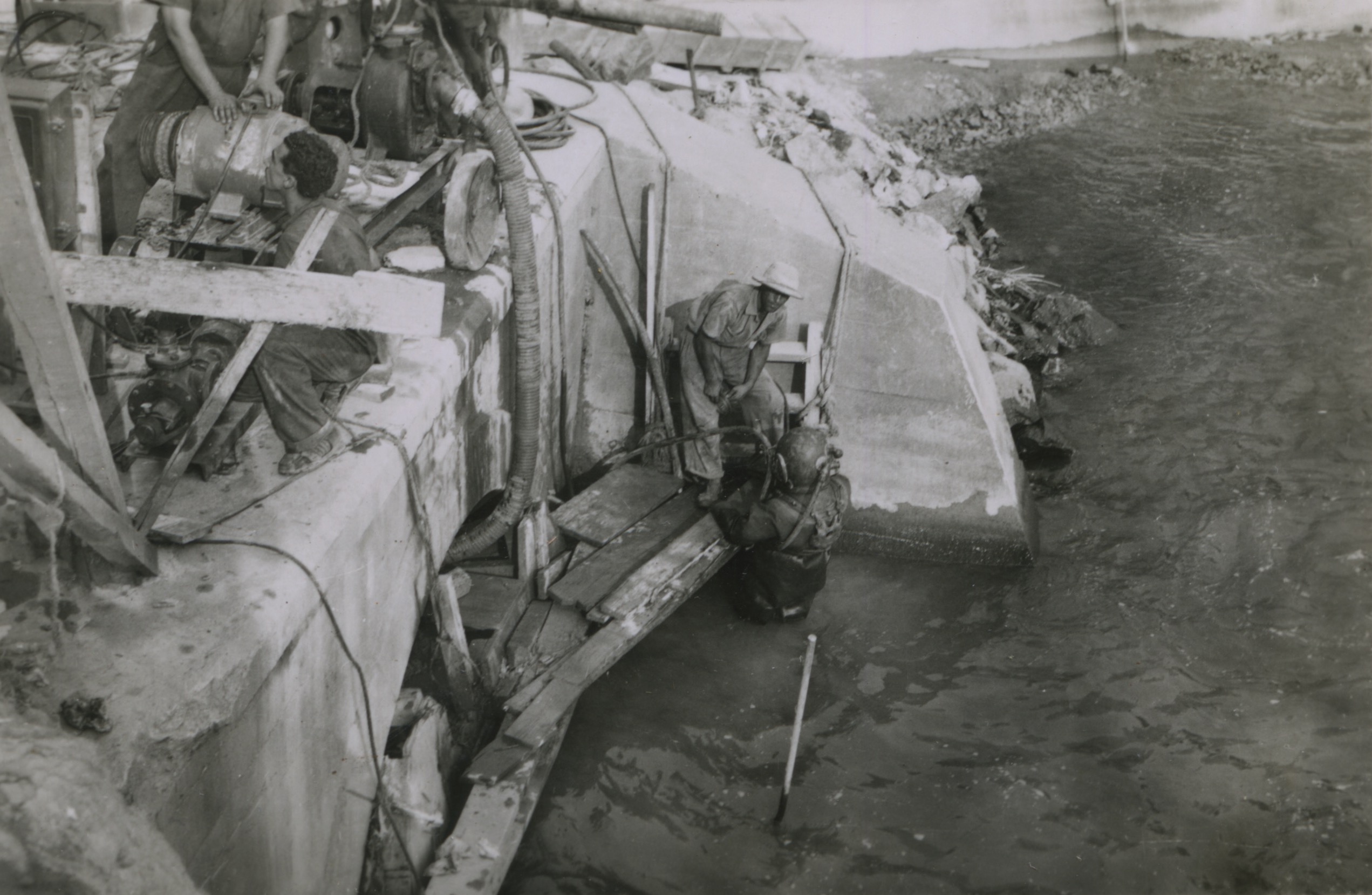
    Diversion tunnel; underwater works, Mabubas, Angola, 1951 [AHU, Inspection Report, OP3010]

    Summary

    The Mabubas Dam, built in Angola between 1948 and 1954, was the first major infrastructure project promoted by the Portuguese state in Africa. It was designed to bolster colonialism against the growing criticism after World War II. Located near the country’s capital, Luanda, the dam’s sheer size—70 meters in length—transformed the area into a bustling, dynamic construction site. This project involved thousands of people, multiple tasks, and complex labor interactions.

    This article delves into two illustrated reports written by Portuguese engineers at different stages of the dam’s construction, offering a unique insight into the project’s evolution and the contrasting perspectives of the experts involved. While their technical expertise was paramount, their observations reveal a more complex and often conflicting narrative about the colonial enterprise. The first report, dating from 1948, included a series of monthly accounts and emphasized the technological advancements and ‘modernity’ of the dam endeavor. The second report, written in 1949, shifts focus to the daily realities of the construction site, providing a more nuanced, and arguably more critical, view of the project’s socio-spatial dimensions.

    These materials reveal interactions, conflicts, and contradictions arising from different actors and agendas. In particular, the photographs provide new and deeper layers of information by telling parallel stories to the written records. This information highlights how the engineers navigated the site and the often-overlooked contributions and struggles of marginalized groups. Women, for example, who were absent from the text, could be seen in the images. This disparity between the textual and visual sources raises important questions: What can we learn about the roles and tasks assigned to workers, the racial inequalities embedded in the system, and the dynamics of gender relations? What can be learned from this technical gaze and different photograph perspectives – simultaneously “colonial” and “negotiated” – about the engineers’ interactions within the construction site, as well as those of the workers being photographed? The article explores the differences between the words and photographs in the reports from different perspectives and on different topics. This challenges the nature of colonial narratives and offers fresh insights into spatial production, labor interactions and how power and landscapes were constructed, documented and remembered.

    Read the full article here.
  • Conhecer os trabalhadores e os processos de construção através de registos fotográficos de obras em Macau (1938-1973)

    Conhecer os trabalhadores e os processos de construção através de registos fotográficos de obras em Macau (1938-1973)

    Publication: Arquipélagos em Diálogo, VI Seminário Internacional AEAULP
    Authors: Ana Vaz Milheiro
    Editors: Pedro Rodrigues, Ljijana Čavić and Hugo L. Farias

    Date: 2026


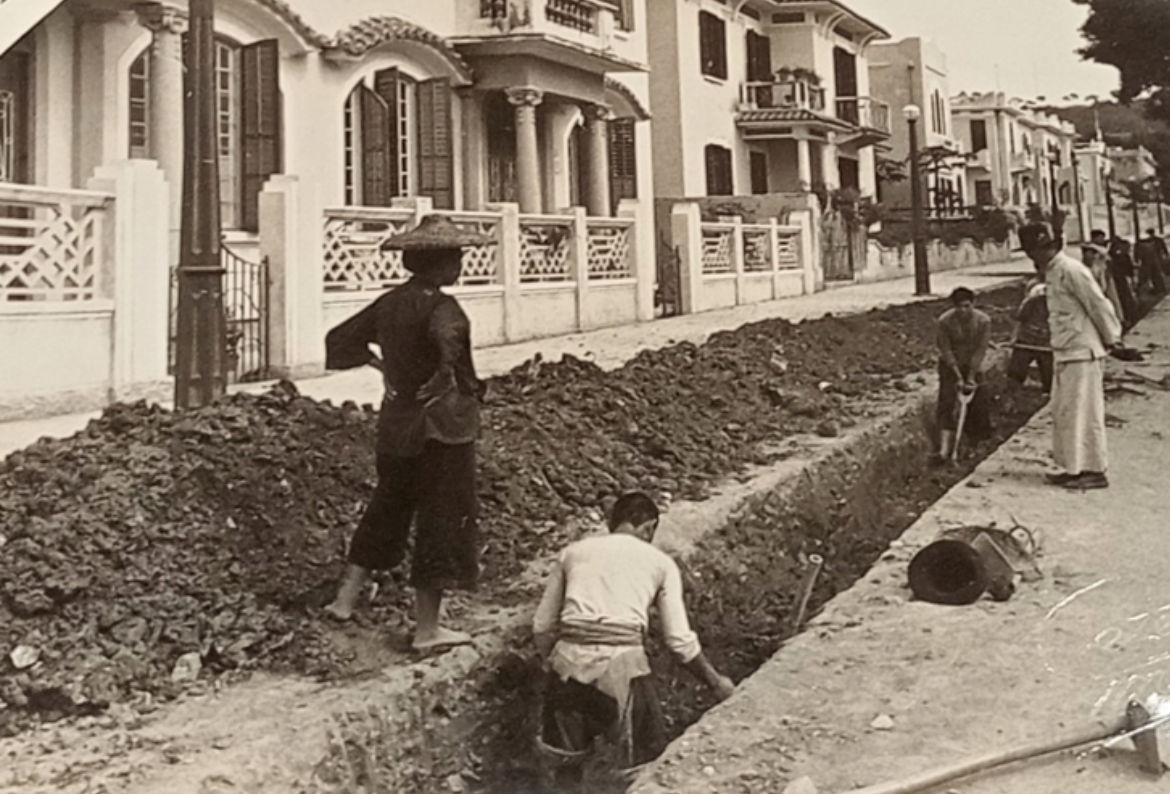
    Construção de infra-estruturas na Rua Conselheiro Horta e Costa (Gastão Borges, Repartição Técnica de Obras Publicas de Macau, Relatório do ano de 1940, p. 138, AHU: OP01964/Photo)
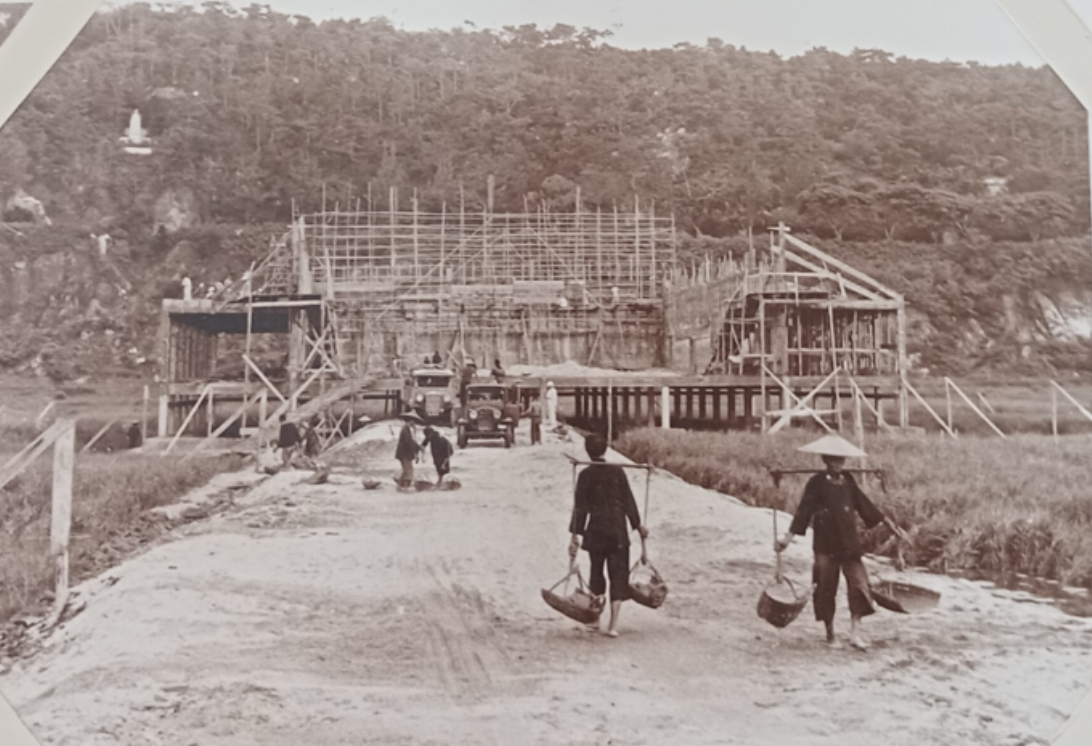
    Hangar em construção com trabalhadores chineses em primeiro plano e ao fundo o tecnico com chapeu colonial(José Rodrigues Moutinho, Repartição Técnica de Obras Publicas de Macau, Relatório do ano de 1939, AHU: OP01963/Photo)

    Summary

    How did the workers who built Macau’s major infrastructure and public buildings under Portuguese rule influence the design and construction processes? What was the relationship between central institutions based in Portugal and the Macanese Public Works Office, which was also heavily influenced by technicians from China and Hong Kong?
    This presentation attempts to answer these questions by analysing two sets of photographs contained in two administrative reports separated by about four decades. While one of them anticipated the Second World War, corresponding to the full implementation of the Colonial Act (1930); the other was contemporary with the end of Portuguese colonialism in Africa, coinciding with a sequence of public works that would ultimately Portuguese governance until the 1999 handover, such as the Macau-Taipa Bridge.
    The first report was written in 1938 by engineer José Rodrigues Moutinho, who headed the Technical Department of Public Works in Macau. The second report reproduces the architect Pedro Quirino da Fonseca’s fieldtrip to Macau around 1973. This report serves this research by demonstrating how the architect’s gaze was often “sidetracked” to surveying the buildings rather than the construction process.
    Research on colonial public works in Macau, especially in the 20th century, is still scarce, and little is known about their management and labour. In response, this paper will assess the impact of the work reproduced in these images to investigate the role of these (still) invisible workers.


    [Eixo temático: 5. Património, lugar e memória.]

    Read the article here.

  • [CALL FOR ABSTRACTS] Displacing the Drafting Board: Women, Labor, and the Construction Site

    [CALL FOR ABSTRACTS] Displacing the Drafting Board: Women, Labor, and the Construction Site

    Event: Society of Architectural Historians 2027 Annual International Conference
    Chairs: Ana Vaz Milheiro, Francesca Vita
    Date: 14 – 18 April 2026

    Location: Chicago, Illinois


    Summary

    Architectural historiography has addressed women’s agency in architecture through two predominant, yet often isolated, approaches. On the one hand, it has relied on biographical methodologies that highlight leading figures as designers and decision-makers who stood out in the conception of buildings and infrastructure, following the pioneering work of Susana Torre (1977). On the other hand, scholars have sought to recognize the collective role of women as part of the labor force, often categorized as unskilled workers within contexts of precarity (Jha, 2020; Melsens, 2024 Milheiro, 2025). Based on this dual approach, this session focuses on the construction site as the central stage for expanding women’s role in architecture, metaphorically shifting the drafting board to the place where the project is actual built. The aim of this session is to interrogate the physical and social dimension of architectural construction not merely as a site for project execution, but as an ecosystem where diverse forms of female agency also existed. We are looking for papers that intersect biographical histories of women – ranging from designers, work yard supervisor, craftswoman, and others who possessed technical or vocational training and earned wages (Kleinöder, 2022) – with construction sites. By investigating these professional and labor trajectories within the construction site, this session seeks to question: In what ways did the physical presence of women on-site alter construction dynamics and the material culture of architecture? How did gender shape technical authority across different geographical and chronological contexts, with particular emphasis on the 18th, 19th, 20th century?

    By combining archival material and oral history, this session seeks to expand the historiographical canon by recognizing the construction site as a space of social negotiation where intellectual and manual labor meet, thereby revealing the complexity of women’s participation in the materialization of the built environment.

    Click here to submit your proposal

  • Construction and labour in motion. A methodological approach to film images of colonial infrastructures

    Construction and labour in motion. A methodological approach to film images of colonial infrastructures

    Event: Construction History and Films International Symposium
    Authors: Francesca Vita, Beatriz Serrazina, Ana Vaz Milheiro
    Date: 19 – 20 February 2026

    Location: CIUL, Lisbon, Portugal


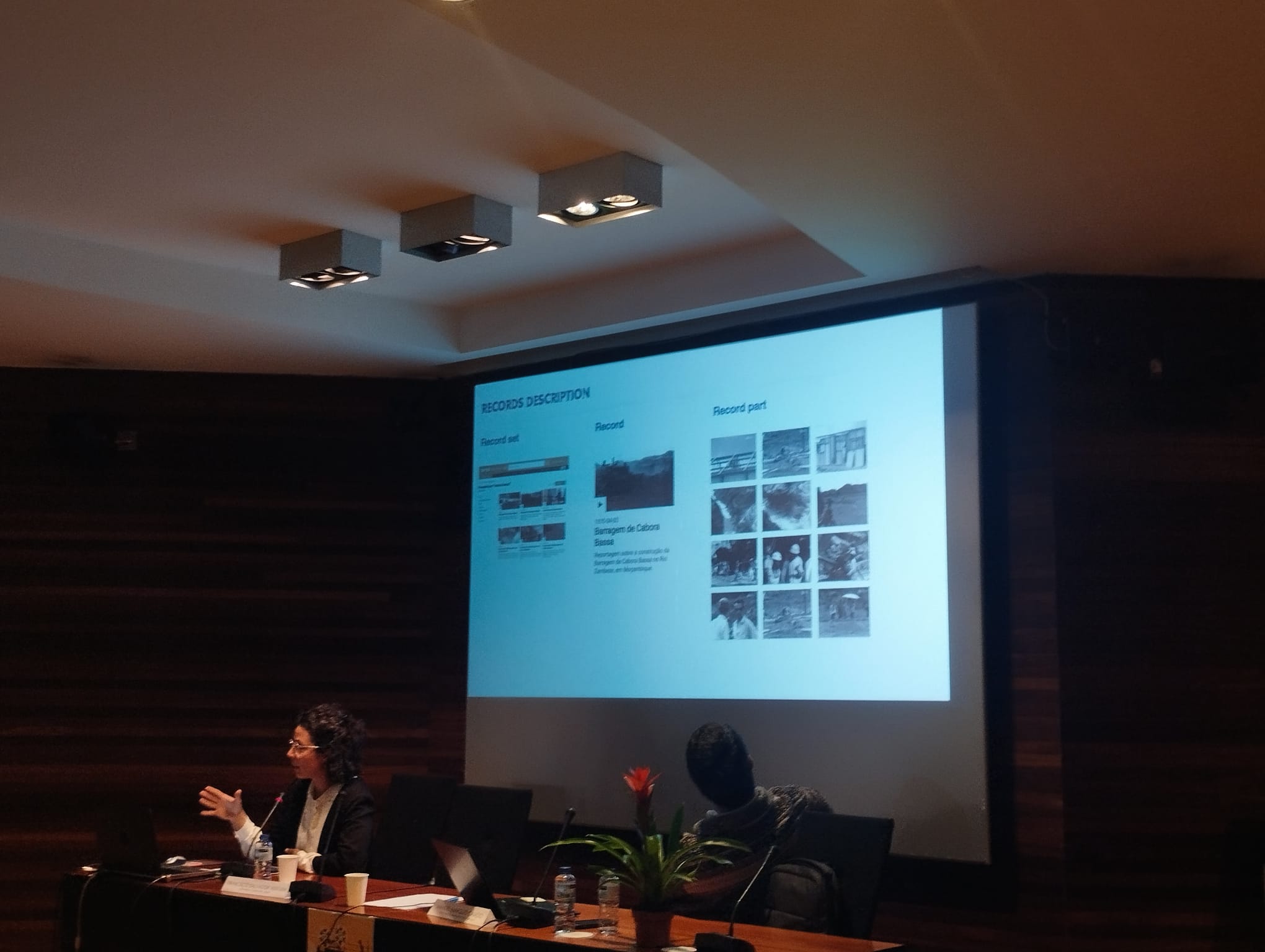
    “Construction and Labour in motion” presentation, 2026
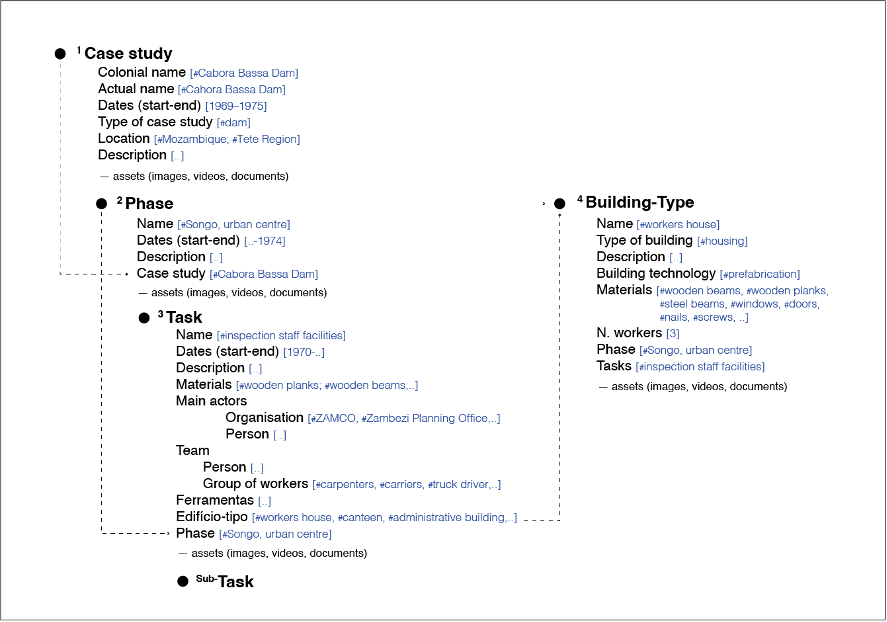
    Database structure

    Summary

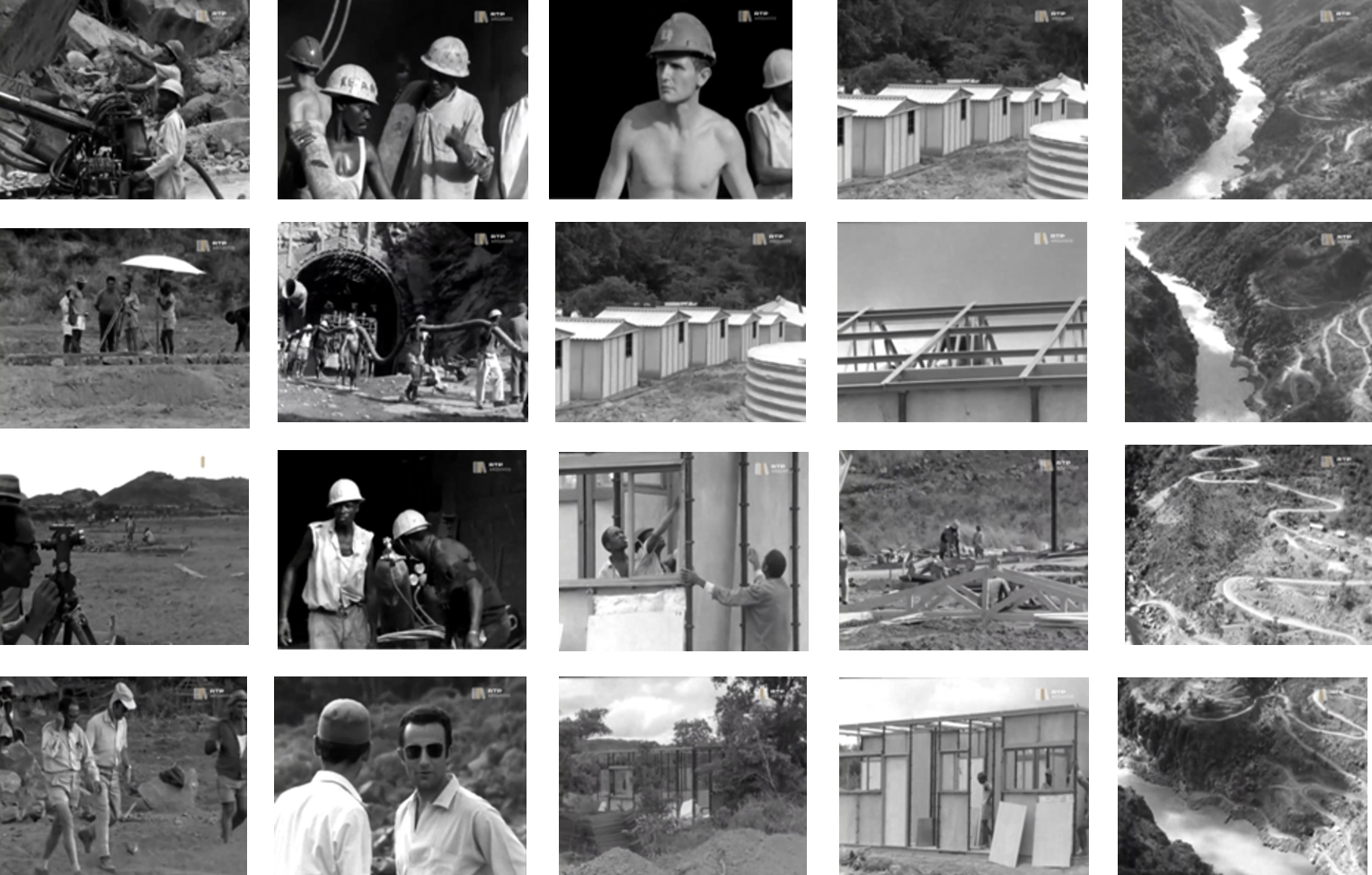
    This paper focuses on the cataloguing, data processing and visualisation of film images for studying construction and labour history during Portuguese colonial rule in Africa. As part of the European-funded project Architecture, Colonialism and Labour (ArchLabour), which examines the impact of labour on colonial architecture, this paper explores how the ArchLabour team has shaped a methodology of visual information management through the creation of a digital database that places film images at the centre of queries on the construction and labour of major colonial infrastructures, including dams, railways, settlements, ports and airports. What methods can be used to trace the multiple dimensions of construction and labour represented in colonial film images? How do tools of data management can assist research on construction history, establishing new relationships between categories and revealing unnoticed aspects of construction? How can data from the visualisation of films help research on construction history and labour?

    The paper discusses the design of a digital database, built from scratch by the ArchLabour team together with a group of visual programming experts, and explores how visual data management can be applied for studying colonial construction and labour. In this light, it contributes with a practical example of film images analysis and proposes operational ways to unveil invisibilities of construction history, subaltern labour, non-human actors and material agency.

  • Building São Januário Hospital in Macau: Portuguese technical perspectives on Chinese labour

    Building São Januário Hospital in Macau: Portuguese technical perspectives on Chinese labour

    Journal: : Architecture + Infrastructures Working Paper Series 1: Colonial and Post-Colonial Landscapes: Architecture, Cities and Labour
    Author: Ana Vaz Milheiro
    Print: Dinâmia’CET-Iscte, 2026


    Infirmary: Conditions at São Januário Hospital c. 1951, [José dos Santos Baptista (Head of the Technical Department of Public Works) and Abel de Carvalho (Radiologist)], Study on the Renovation and Expansion of the Conde de São Januário Central Hospital in Macau, 1951. MO/AM/DA/031/1

    Concreting of the 1st Floor. Arnaldo Luiz de Siqueira Basto, RTOPM, 1956 Report (1956). AHU, OP03394. 

    Summary

    The historical context of the Conde de São Januário Central Hospital (CHCSJ) in Macau dates to the 1870s. It began as a military hospital under Portuguese administration. The original structure was later replaced in the 1950s with facilities that complied with the rigorous technical standards required for treating tropical diseases. This construction process aligned with the concept of “welfare colonialism,” as described by Bradley (1955), whereby infrastructure became a tool for legitimising the colonial presence.

    This research is part of the LabourMap-Macau project and examines the construction of the CHCSJ during two key periods, corresponding to different contracts and interventions: the 19th century and the post-World War II era. Archival documents from 1873 highlight the Portuguese technical team’s deep interest in the Chinese workforce and the gradual “Westernisation” of architectural practices adopted by local labourers. The hospital’s initial construction involved complex bidding processes with companies from both Macau and Hong Kong. During this phase, Portuguese staff faced significant challenges, such as the absence of the metric system among local teams. These challenges required the development of conversion tables and practical solutions to overcome language barriers and ensure the implementation of European design ideas. By the mid-20th century, global construction systems had been fully integrated into Macau. There was a consolidated confidence in the quality of Chinese labour, and recruitment processes had become more streamlined. Notably, official reports from this period show that women were present on construction sites as part of the workforce, with their names explicitly included in technical records. Although both the 1873 pavilion and the 1954 Estado Novo representative building have since been demolished – replaced by a modern structure in 1989 – the histories linked to their construction and the dynamics of their labour force remain vital aspects that revive their historiographical presence and cultural legacy in Macau.

  • Gendered work in former Portuguese colonial Africa: Mass labor and public works

    Gendered work in former Portuguese colonial Africa: Mass labor and public works

    Journal: The Journal Modern Craft, 18
    Author: Ana Vaz Milheiro

    Author: 2025


    “Ilha do Fogo. Girl carrying boulders to the water abstraction at Praia do Ladrao beach. Salary: 3$00 daily.” Antonio de Almeida (1948).
    “Santiago. Women working to repair a street in Praia, next to two bullies…” Antonio de Almeida (1948).

    Summary

    References to the existence of women in Portuguese Colonial Public Works can be found on payrolls since the turn of the nineteenth century. Their work was subordinated to men’s work and they consistently earned lower wages. After World War II, their presence in quarries, or dealing with small pavement repairs, would endure in economically precarious geographies. One of these locations was Cape Verde, where positions for carpenters, bricklayers, and construction helpers were left vacant after the emigration of men. This situation was not very different from that in rural Portugal, where women, mostly illiterate, also constituted a cheap workforce. Examining gendered labor in colonial Cape Verde, this article analyzes the complex coexistence of subalternity, race, and extreme poverty in an understudied context. Women workers were generally associated with unskilled labor and high demands on a large scale. In light of their apparent invisibility in colonial records, this paper considers whether and how the characteristics of this group impacted design projects. It also explores whether working in Public Works meant the emancipation of women who were heads of single-parent families or only represented the perpetuation of inequality.

    Click here to access the article.