
Category: News – Labourmap

  • [CALL FOR PAPERS] A+I WPS #03 Architecture, Colonialism, and East Asian Labour

    [CALL FOR PAPERS] A+I WPS #03 Architecture, Colonialism, and East Asian Labour

    Journal: A+I Working Paper Series, Issue #03
    Guest Editor: Jingliang Du
    Abstracts Submission Deadline: 8 June 2026


    Summary

    This issue invites contributions that examine how architectural labour sustained, mediated, and contested colonial and imperial power, with a focus on East Asian contexts through the twentieth century. The call asks what becomes visible when buildings, infrastructures, and urban spaces are approached through the labour that produced them. Who recruited, trained, and supervised those who built? How were skills transmitted, tools adapted, and materials handled across local, colonial, and imperial systems? How did subcontracting practices and everyday negotiations shape relations of authority on building sites? Taken together, what forms of knowledge, dependency, conflict, and resistance emerge when construction is treated as a social and political process?

    Labour has emerged as a generative lens for architectural and urban history, reorienting attention from completed objects toward the conditions and relations of their making. Recent work on Chinese workers on the Yunnan–Indochina Railway (Selda Altan, 2024) and initiatives such as the Stanford Chinese Railroad Workers in North America have demonstrated how historical narratives shift when builders, craft workers, and migrant labourers are moved from the margins to the centre of historical inquiry. Attending to labour extends and complicates histories of colonial architecture that have often centred on representation, planning, institutional power, and stylistic transfer. On colonial and imperial building sites, architectural authority was rarely stable: it was made and remade through encounters between supervisors and workers, local knowledge and imported technique, formal contracts and informal arrangements. By foregrounding sources such as wage records, apprenticeship documents, accident reports, subcontracting agreements, and related sources, this issue aims to open new lines of inquiry and prompt different questions about familiar structures, figures, and histories.

    East Asia provides a rich but open-ended regional frame. This issue welcomes contributions in two overlapping directions. The first concerns sites of colonial and imperial encounter within the region, including treaty ports, concessions, occupied territories, and colonial cities such as Shanghai, Macau, Taipei, Incheon, and Hanoi, where labour organisation, skill transfer, and building authority unfolded under conditions of contested sovereignty. The second follows East Asian labourers into broader global built environments, examining the material and social traces they left in construction sites, infrastructure projects, and urban landscapes worldwide. Cross-regional perspectives are especially encouraged.

    The issue is open to historical, empirical, theoretical, and critical approaches, including archival case studies, quantitative or systematic research, labour history, postcolonial theory, urban history, construction history, material culture studies, and digital methods. Contributions may address the nineteenth and twentieth centuries, as well as earlier periods. The working paper format is intended to support focused findings, methodological experiments, and exploratory arguments rather than exhaustive, fully resolved journal articles. Submissions from early-career researchers, independent scholars, and established academics are all warmly welcomed.

    Please send your 300-word abstract to dujl22@connect.hku.hk by 8 June 2026. All submissions should include a biography (max. 100 words) and contact information for each author. Text submissions should be sent as .doc files. Where applicable, images should be submitted at 72 dpi as uncompressed .tif files. All accepted authors will be asked to submit a 6,000-word article in British English that will be subject to a double-blind peer review.

    Final publication is expected by November 2026.

    Learn more about the A+I WPS journal, calls and guidelines here.

  • Conhecer os trabalhadores e os processos de construção através de registos fotográficos de obras em Macau (1938-1973)

    Conhecer os trabalhadores e os processos de construção através de registos fotográficos de obras em Macau (1938-1973)

    Publication: Arquipélagos em Diálogo, VI Seminário Internacional AEAULP
    Authors: Ana Vaz Milheiro
    Editors: Pedro Rodrigues, Ljijana Čavić and Hugo L. Farias

    Date: 2026


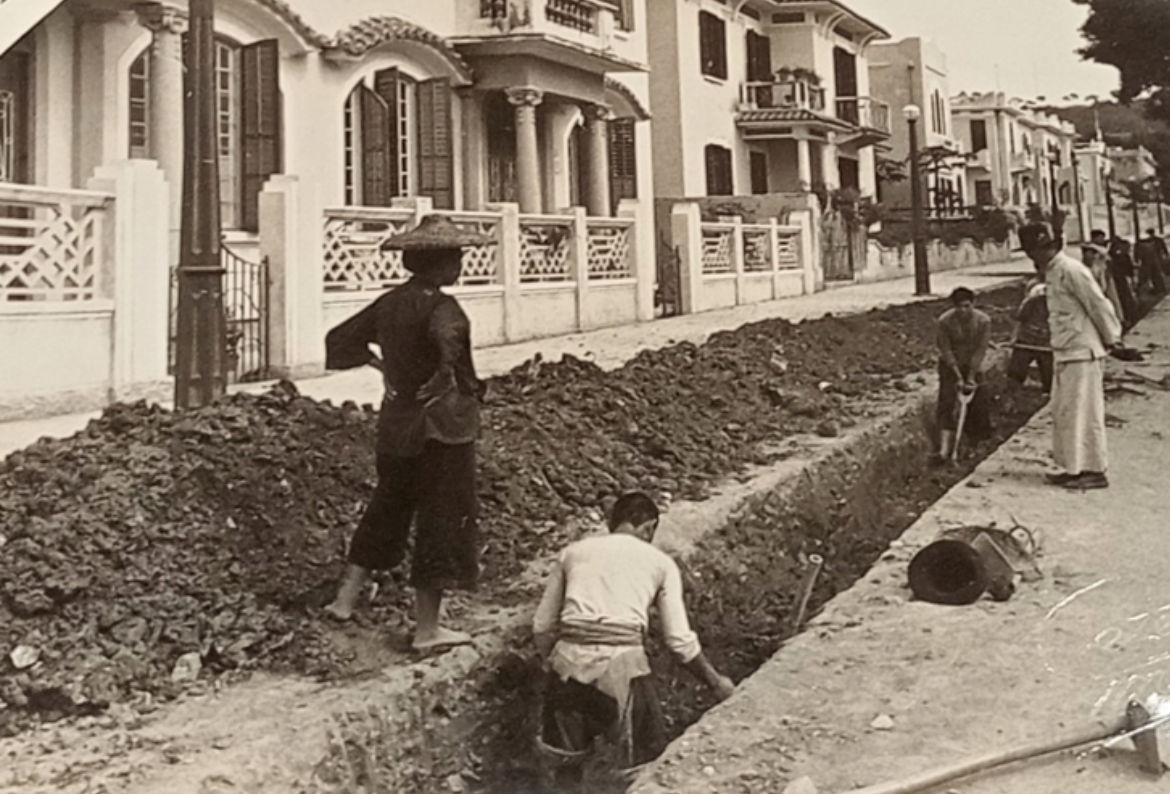
    Construção de infra-estruturas na Rua Conselheiro Horta e Costa (Gastão Borges, Repartição Técnica de Obras Publicas de Macau, Relatório do ano de 1940, p. 138, AHU: OP01964/Photo)
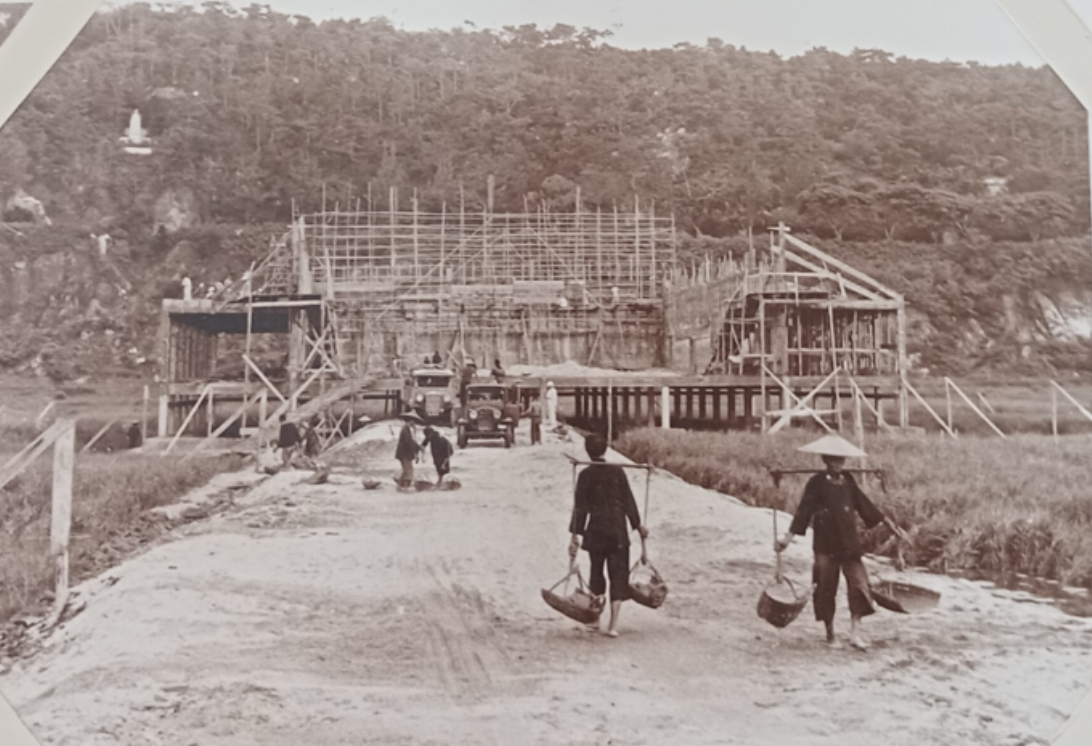
    Hangar em construção com trabalhadores chineses em primeiro plano e ao fundo o tecnico com chapeu colonial(José Rodrigues Moutinho, Repartição Técnica de Obras Publicas de Macau, Relatório do ano de 1939, AHU: OP01963/Photo)

    Summary

    How did the workers who built Macau’s major infrastructure and public buildings under Portuguese rule influence the design and construction processes? What was the relationship between central institutions based in Portugal and the Macanese Public Works Office, which was also heavily influenced by technicians from China and Hong Kong?
    This presentation attempts to answer these questions by analysing two sets of photographs contained in two administrative reports separated by about four decades. While one of them anticipated the Second World War, corresponding to the full implementation of the Colonial Act (1930); the other was contemporary with the end of Portuguese colonialism in Africa, coinciding with a sequence of public works that would ultimately Portuguese governance until the 1999 handover, such as the Macau-Taipa Bridge.
    The first report was written in 1938 by engineer José Rodrigues Moutinho, who headed the Technical Department of Public Works in Macau. The second report reproduces the architect Pedro Quirino da Fonseca’s fieldtrip to Macau around 1973. This report serves this research by demonstrating how the architect’s gaze was often “sidetracked” to surveying the buildings rather than the construction process.
    Research on colonial public works in Macau, especially in the 20th century, is still scarce, and little is known about their management and labour. In response, this paper will assess the impact of the work reproduced in these images to investigate the role of these (still) invisible workers.


    [Eixo temático: 5. Património, lugar e memória.]

    Read the article here.

  • Building São Januário Hospital in Macau: Portuguese technical perspectives on Chinese labour

    Building São Januário Hospital in Macau: Portuguese technical perspectives on Chinese labour

    Journal: : Architecture + Infrastructures Working Paper Series 1: Colonial and Post-Colonial Landscapes: Architecture, Cities and Labour
    Author: Ana Vaz Milheiro
    Print: Dinâmia’CET-Iscte, 2026


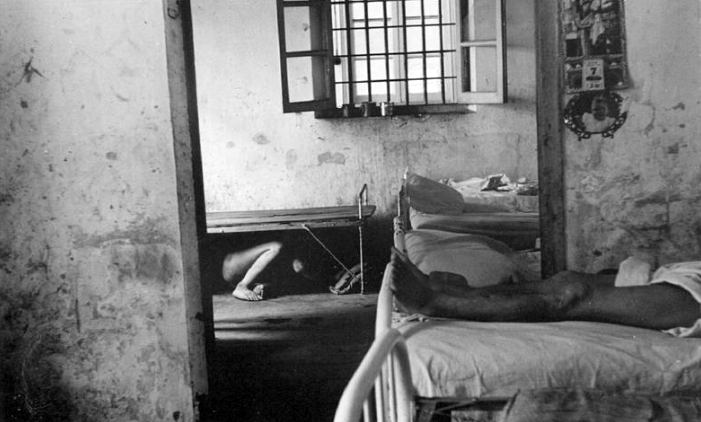
    Infirmary: Conditions at São Januário Hospital c. 1951, [José dos Santos Baptista (Head of the Technical Department of Public Works) and Abel de Carvalho (Radiologist)], Study on the Renovation and Expansion of the Conde de São Januário Central Hospital in Macau, 1951. MO/AM/DA/031/1

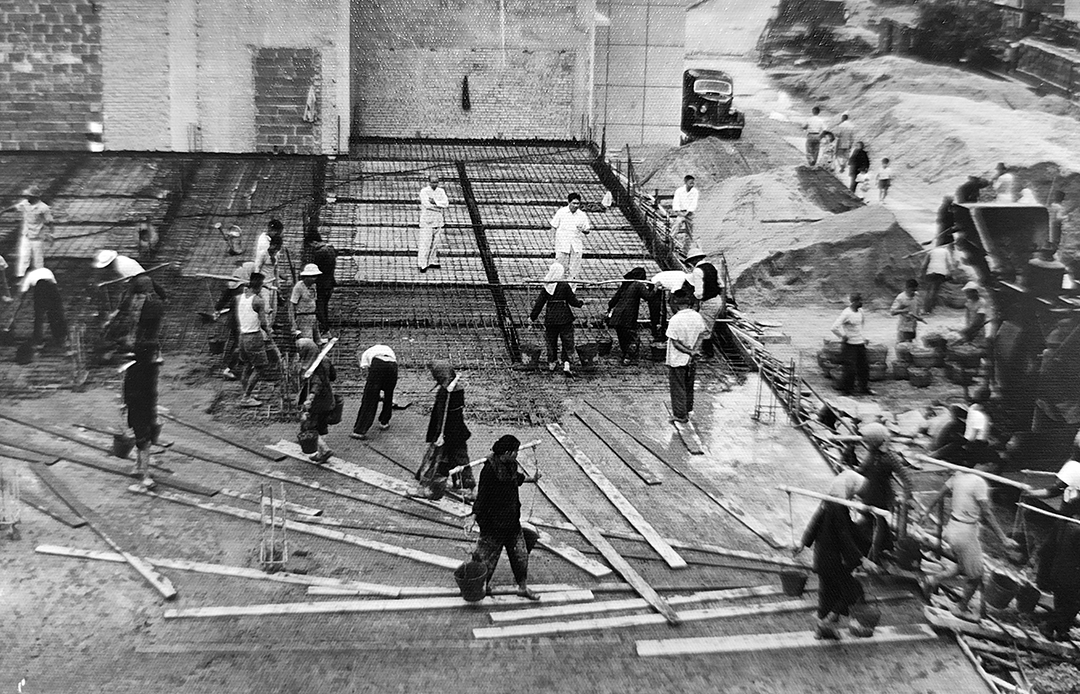
    Concreting of the 1st Floor. Arnaldo Luiz de Siqueira Basto, RTOPM, 1956 Report (1956). AHU, OP03394. 

    Summary

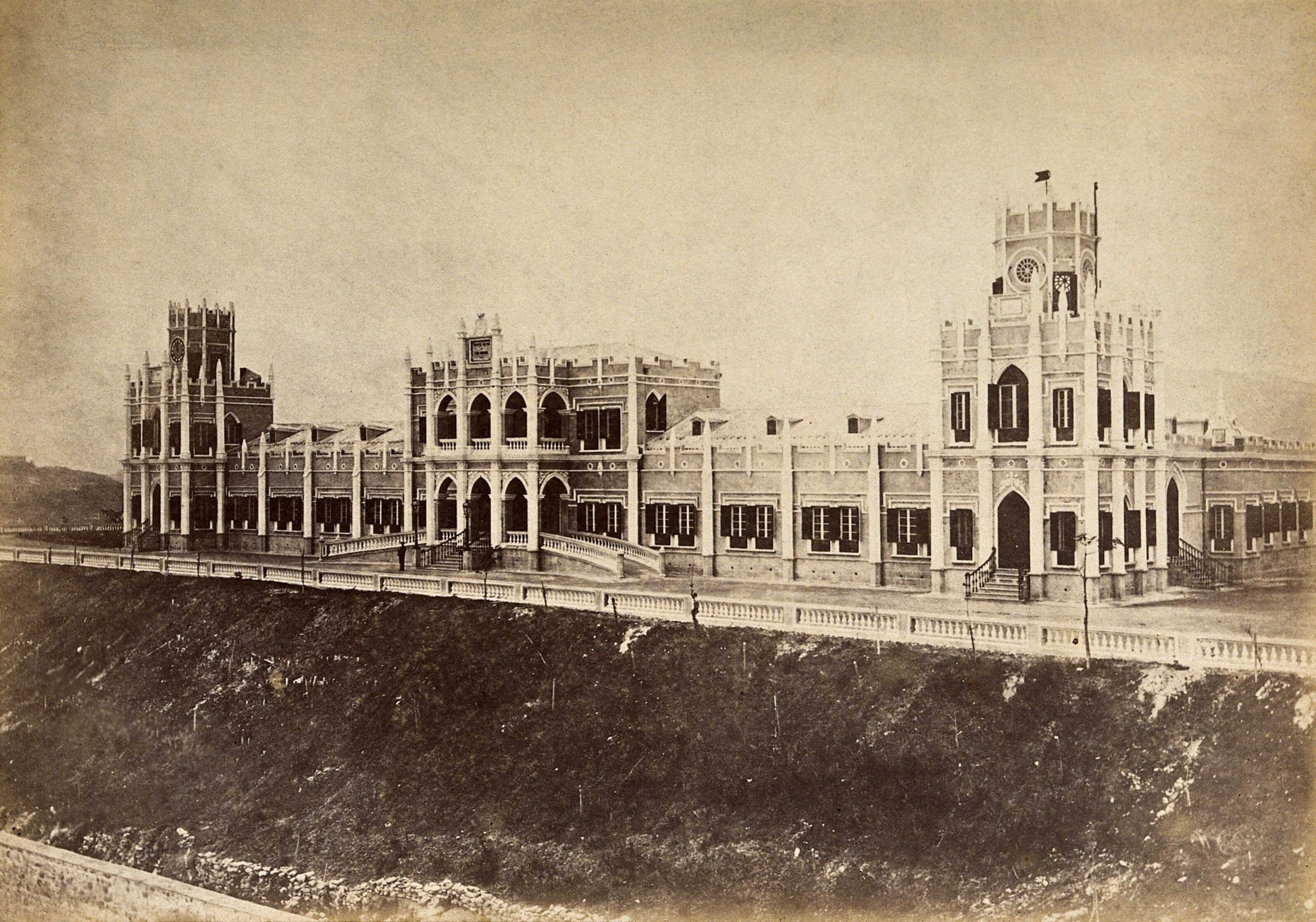
    The historical context of the Conde de São Januário Central Hospital (CHCSJ) in Macau dates to the 1870s. It began as a military hospital under Portuguese administration. The original structure was later replaced in the 1950s with facilities that complied with the rigorous technical standards required for treating tropical diseases. This construction process aligned with the concept of “welfare colonialism,” as described by Bradley (1955), whereby infrastructure became a tool for legitimising the colonial presence.

    This research is part of the LabourMap-Macau project and examines the construction of the CHCSJ during two key periods, corresponding to different contracts and interventions: the 19th century and the post-World War II era. Archival documents from 1873 highlight the Portuguese technical team’s deep interest in the Chinese workforce and the gradual “Westernisation” of architectural practices adopted by local labourers. The hospital’s initial construction involved complex bidding processes with companies from both Macau and Hong Kong. During this phase, Portuguese staff faced significant challenges, such as the absence of the metric system among local teams. These challenges required the development of conversion tables and practical solutions to overcome language barriers and ensure the implementation of European design ideas. By the mid-20th century, global construction systems had been fully integrated into Macau. There was a consolidated confidence in the quality of Chinese labour, and recruitment processes had become more streamlined. Notably, official reports from this period show that women were present on construction sites as part of the workforce, with their names explicitly included in technical records. Although both the 1873 pavilion and the 1954 Estado Novo representative building have since been demolished – replaced by a modern structure in 1989 – the histories linked to their construction and the dynamics of their labour force remain vital aspects that revive their historiographical presence and cultural legacy in Macau.

  • José Maneiras (1935-2025), an inventor of Macanese architecture

    José Maneiras (1935-2025), an inventor of Macanese architecture

    José Maneiras (1935-2025), an inventor of Macanese architecture

    Author: Ana Vaz Milheiro
    Date: 25 November 2025
    Newspaper: Jornal Público

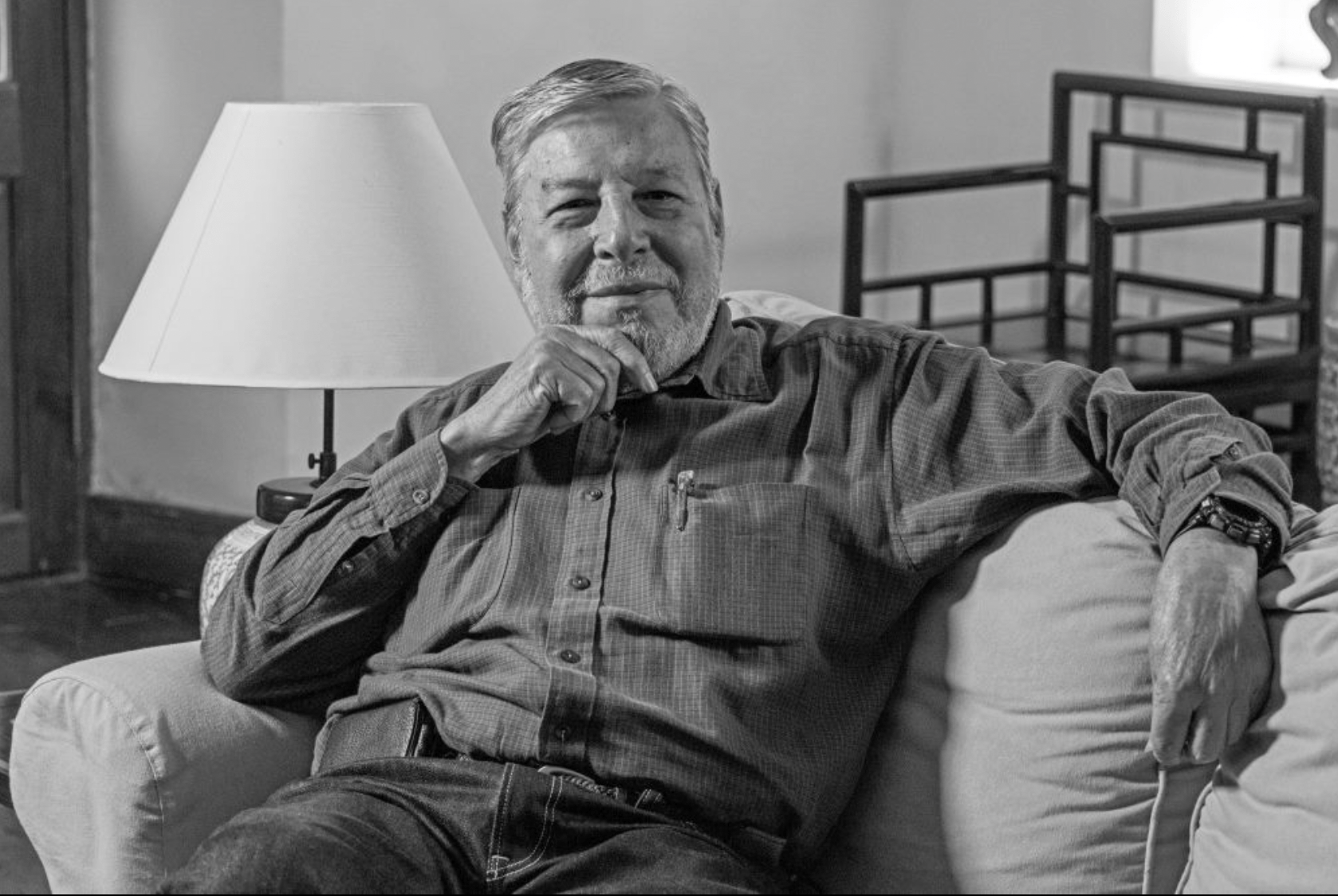
    Photo credits: António Mil Homens

    Summary

    “The passing of José Maneiras in the early hours of Tuesday morning, at the age of 90, leaves a significant void in the architectural culture of the ‘Global South’. It also provides an opportunity to initiate a critical debate on the final years of Portuguese colonialism in this Asian region, focusing on the influence of modernist architects on the development of densely populated, contemporary Asian territories. The discussion could also lead to the identification of a ‘Macanese architecture’, which other architects working in the region might wish to embrace.” (Translated from the original Portuguese text)

    Read the Publico article here

    LabourMap-Macao is an Exploratory Project funded by the Portuguese Foundation for Science and Technology (2023.14980.PEX).

    Beta trial disclaimer

    The LabourMap-Macao team is responsible for the maintenance of this website, which is intended to facilitate public access to information about the group’s initiatives. Although this is still a beta trial, the intention is to release the information in a timely and accurate manner. Should any errors be brought to the attention of the team, they will be corrected.

  • How construction, technologies, materials and labour made Macanese architecture (2)

    How construction, technologies, materials and labour made Macanese architecture (2)

    How construction technologies, materials and labour made Macanese architecture (2)

    Event: Undergraduate Module “How built technologies and materials made architecture?
    LAR247 – Premodern Architectural History and Theory
    Authors: Ana Vaz Milheiro (professor)
    Date: October 2025
    Location: University of Saint Joseph, MacauAuthor: Ana Vaz Milheiro
    Date: 25 November 2025
    Newspaper: Jornal Público

    Summary

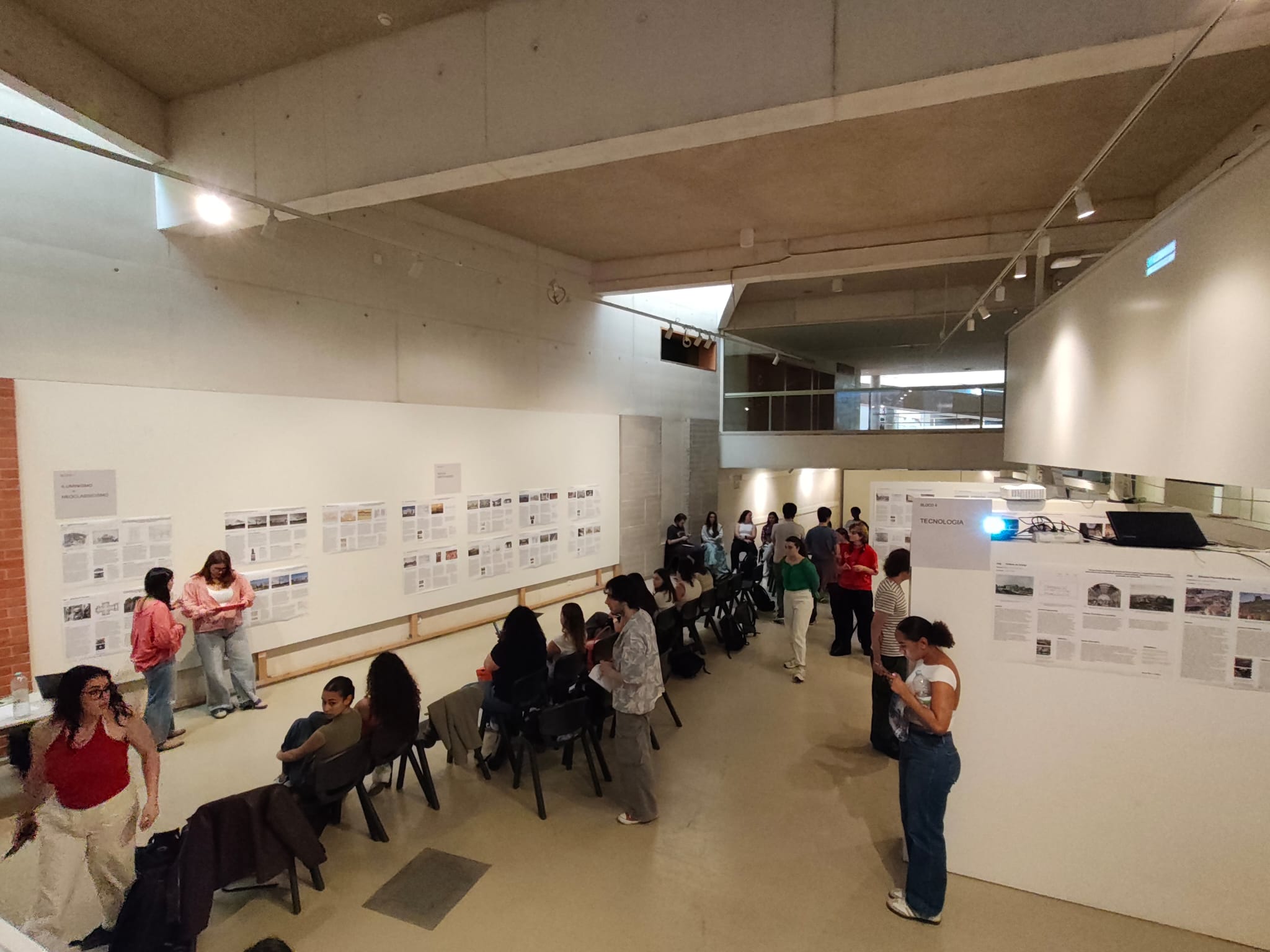
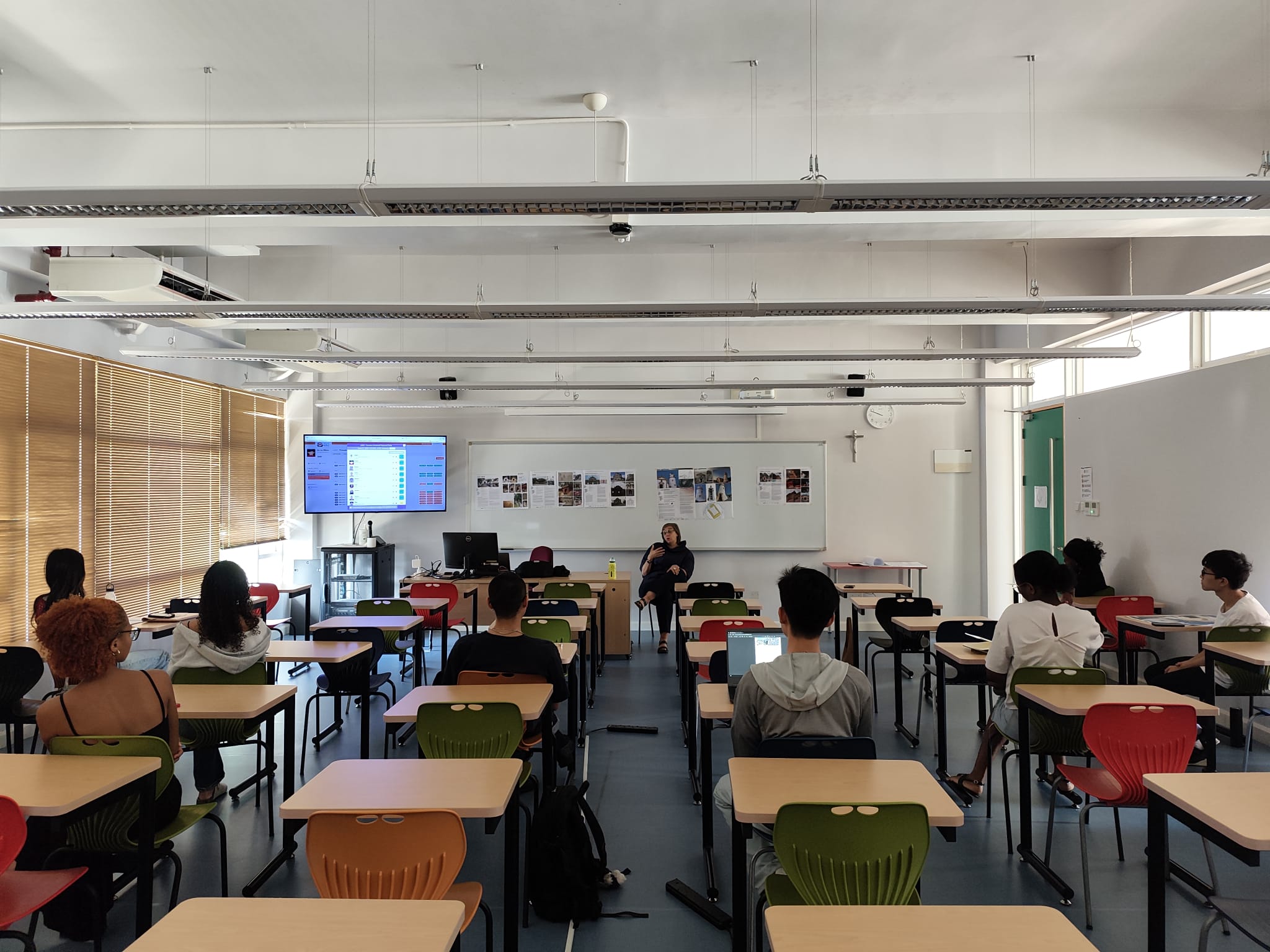
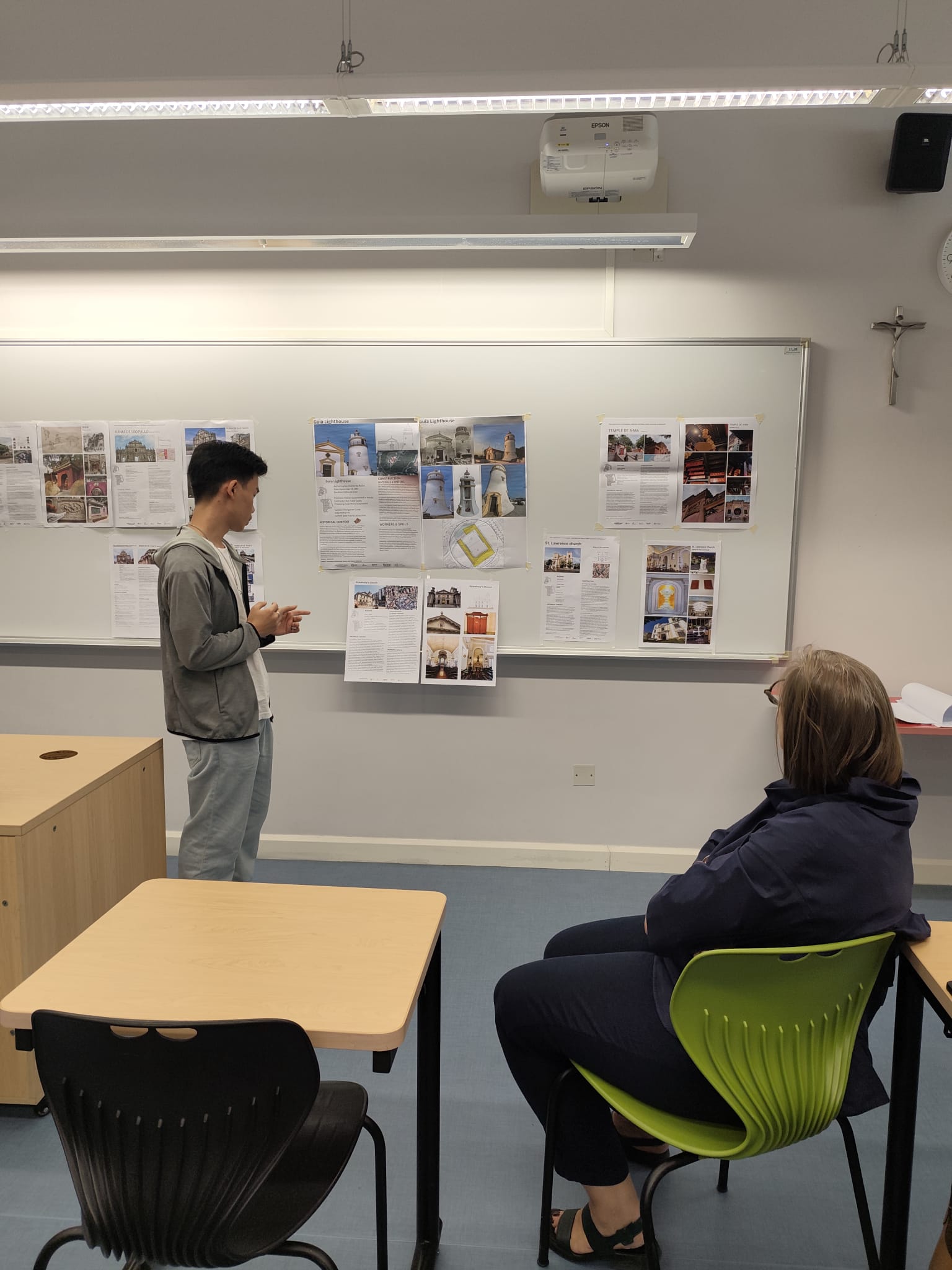
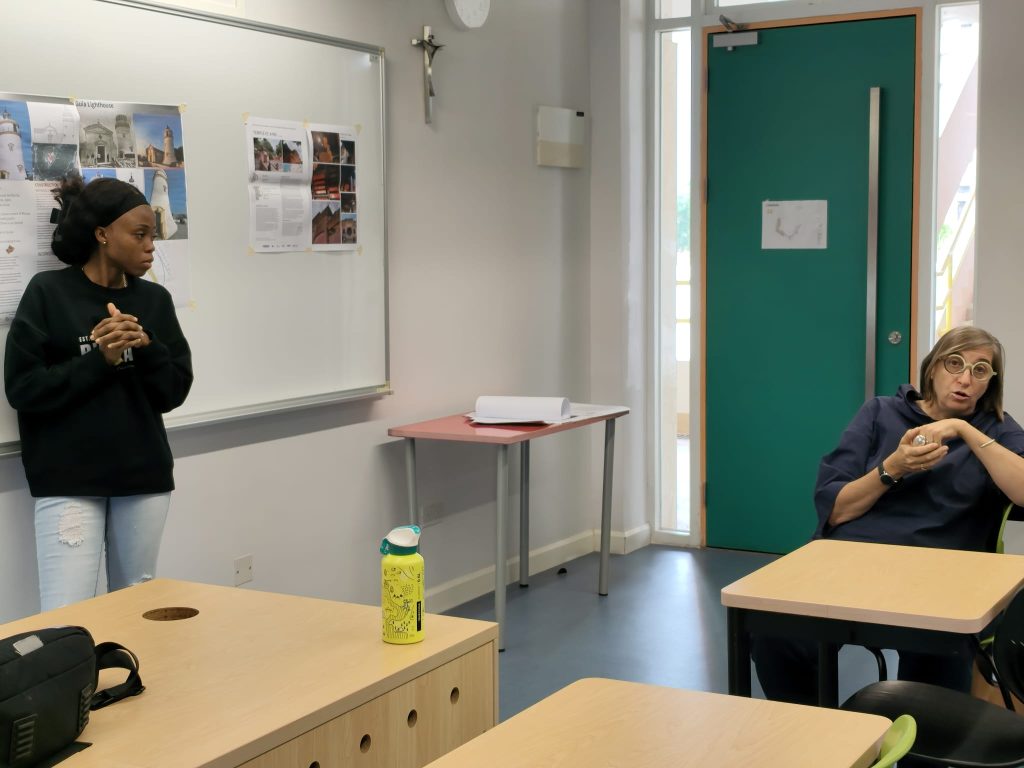
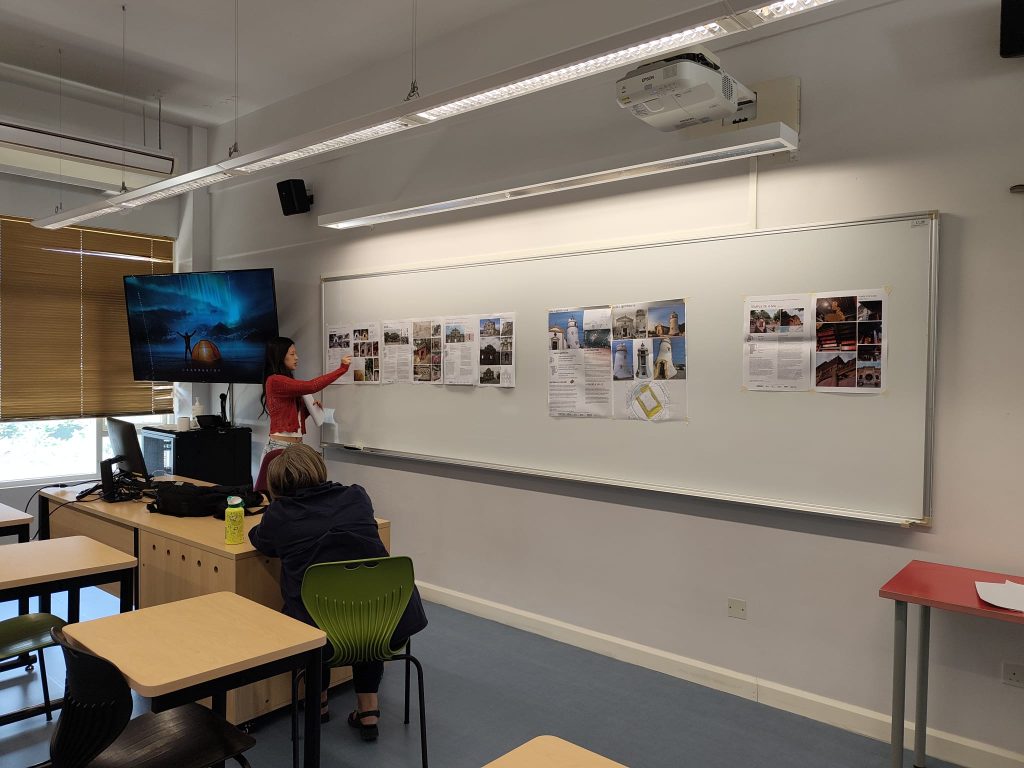
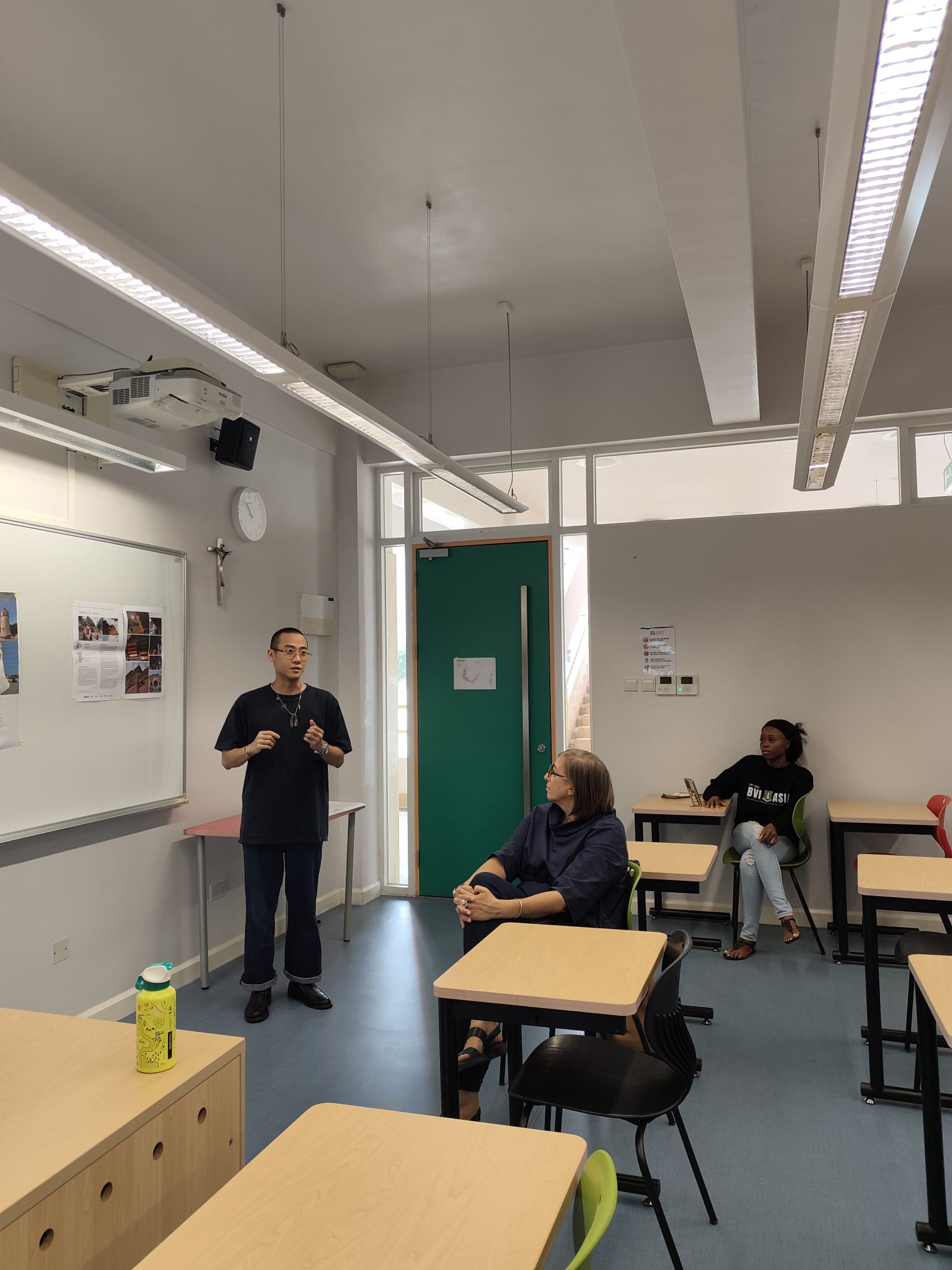
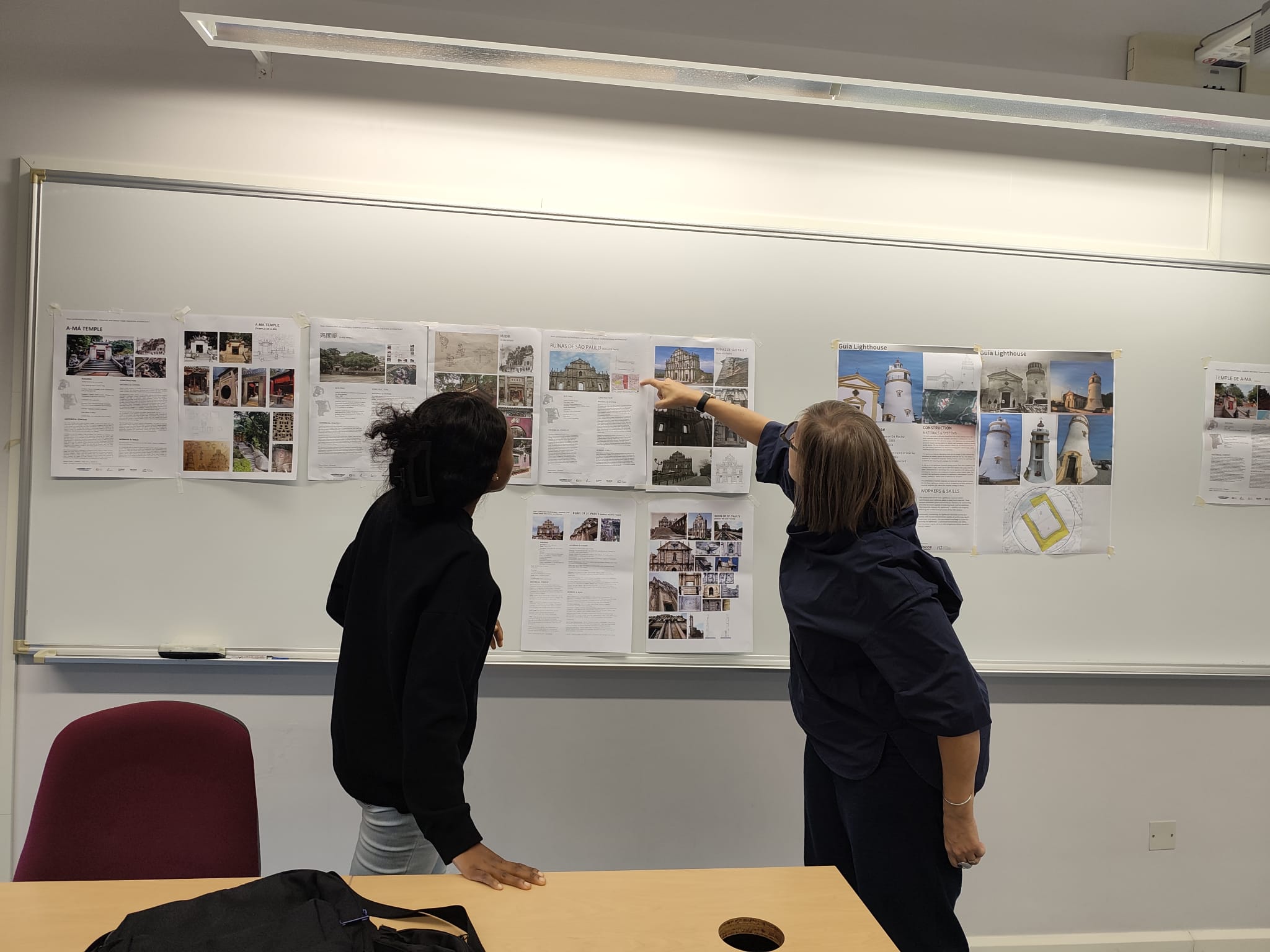
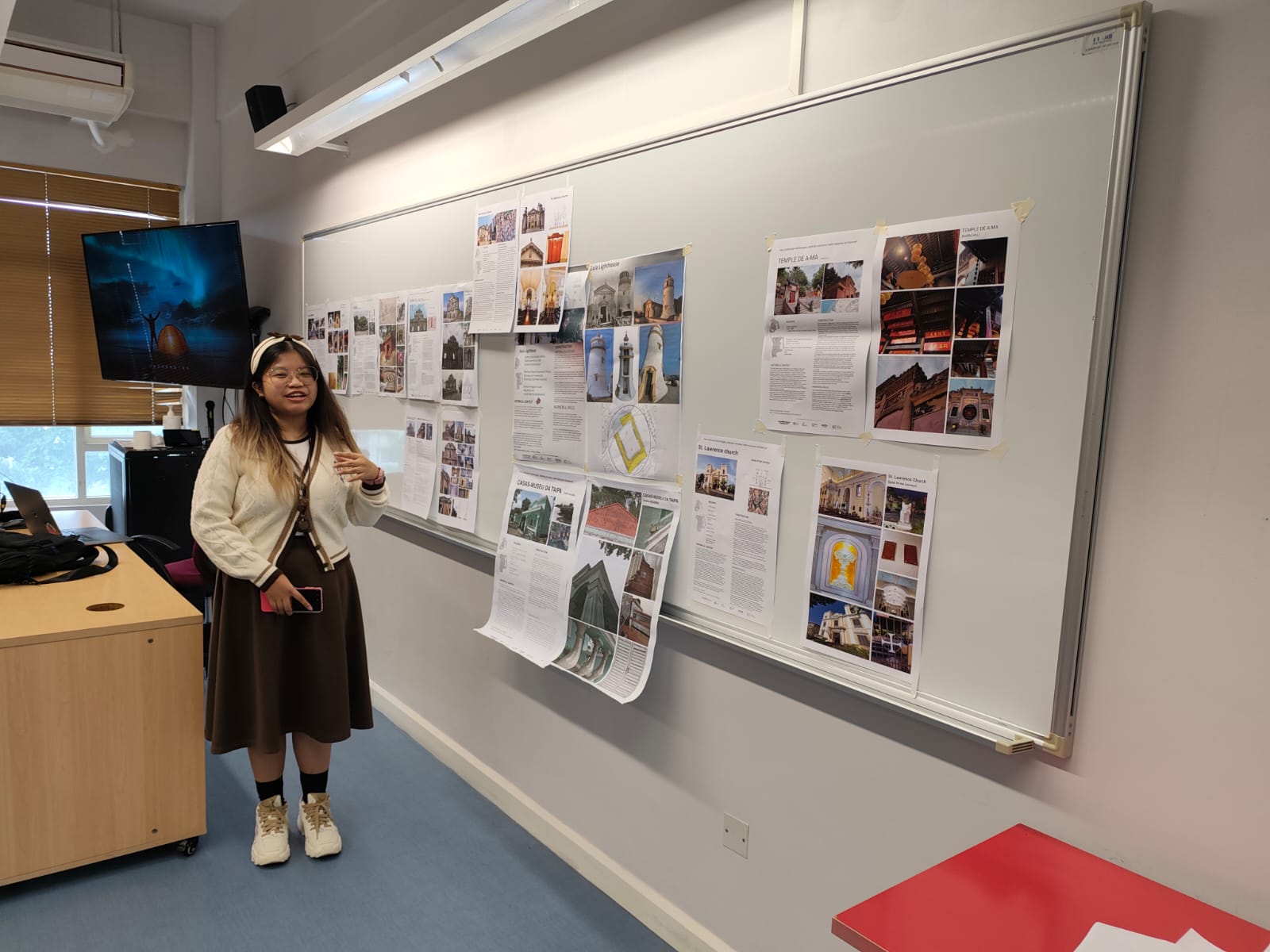
    The focus of the undergraduate module assessment work, “How did built technologies and materials make architecture?”, was on the construction techniques and workers of Macau’s old buildings. Topics were chosen from a variety of architectural programs, ranging from religious architecture (churches or temples), domestic architecture (Chinese houses), military architecture (fortresses), or other facilities. Starting from the “Macau Cultural Heritage” website, students produced a poster presentation and entered a photography competition.

    After a first round of presentations, with professors Ana Vaz Milheiro, Filipa Fiúza and Sónia Henrique, students made a final delivery on 1 November 2025. Posters were printed and presented in class, where Professor Architect Carlotta Bruni commented on them.

    See posters here.

    LabourMap-Macao is an Exploratory Project funded by the Portuguese Foundation for Science and Technology (2023.14980.PEX).

    Beta trial disclaimer

    The LabourMap-Macao team is responsible for the maintenance of this website, which is intended to facilitate public access to information about the group’s initiatives. Although this is still a beta trial, the intention is to release the information in a timely and accurate manner. Should any errors be brought to the attention of the team, they will be corrected.

  • International Seminar – Colonial and Post-Colonial Landscapes: Macau, Architecture and Labour

    International Seminar – Colonial and Post-Colonial Landscapes: Macau, Architecture and Labour

    Colonial and Post-Colonial Landscapes: Macau, Architecture and Labour

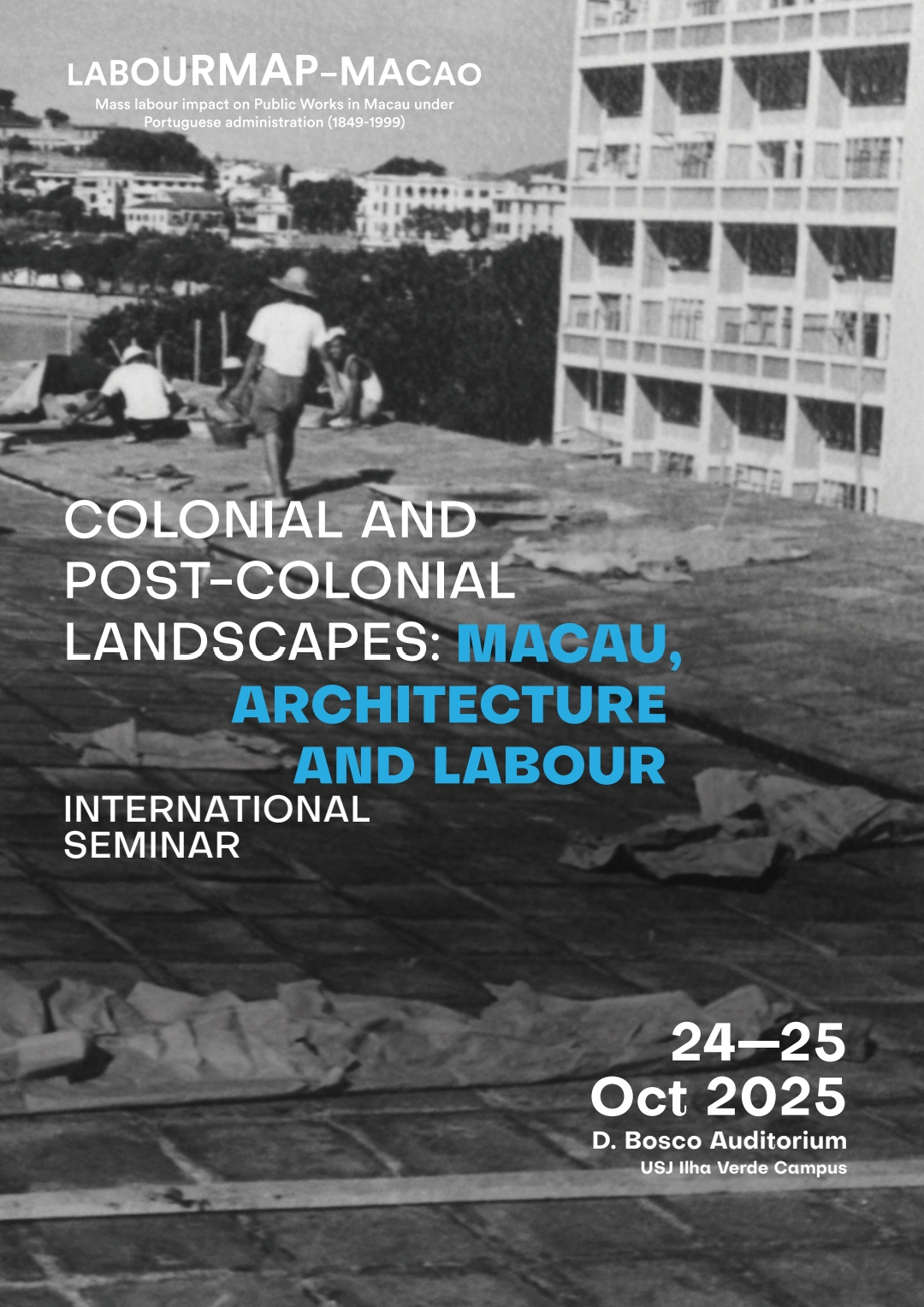
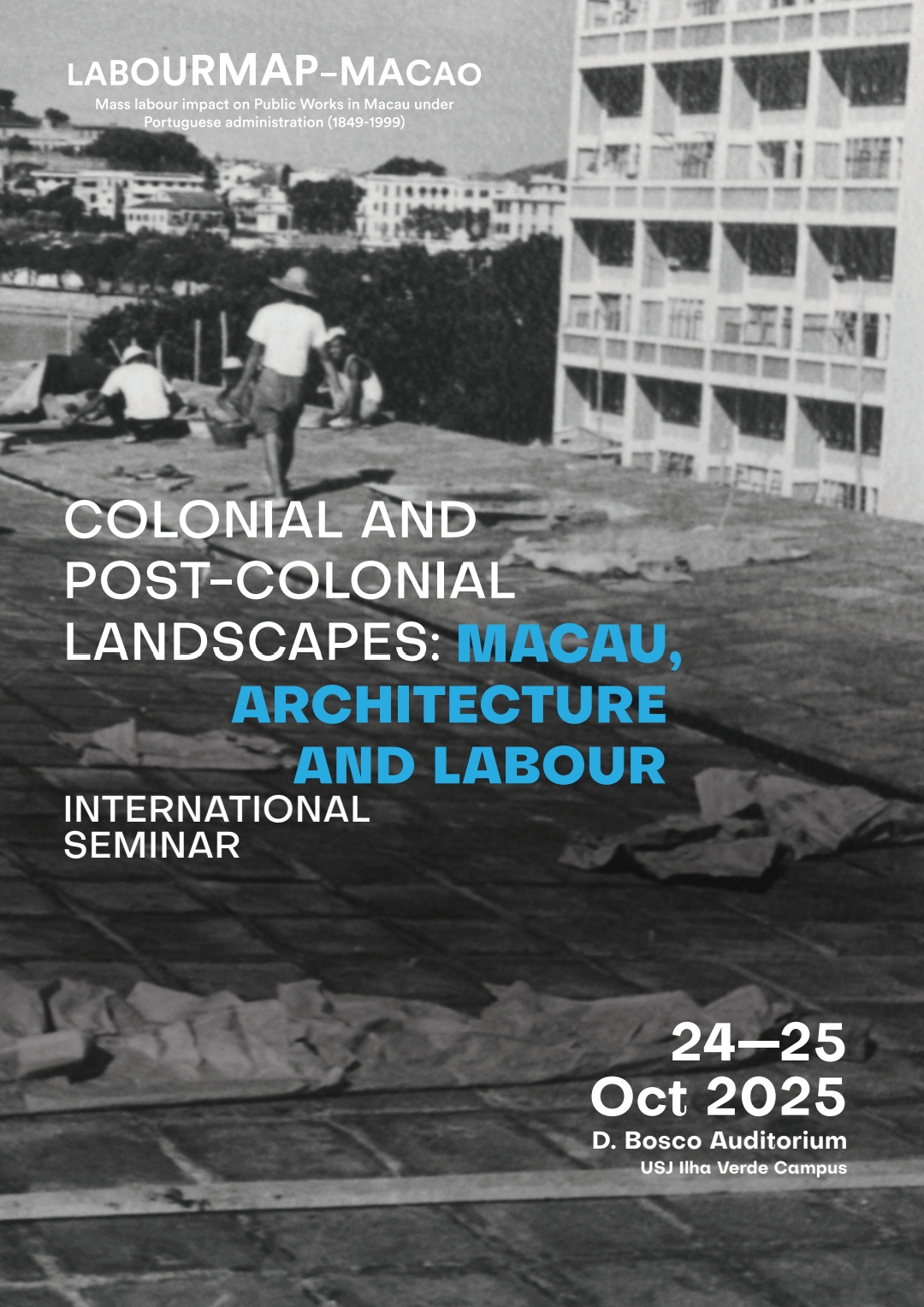
    Event: International Seminar “Colonial and Post-Colonial Landscapes: Macau, Architecture and Labour”
    Authors: Ana Vaz Milheiro, Beatriz Serrazina, Cassandra (Xian Luk), Cecilia Chu, Filipa Fiúza, Inês Lima Rodrigues, Leonor Matos Silva, Rui Leão, Sónia Pereira Henrique
    Date: 24-25 October 2025
    Location: University of Saint Joseph, Macau

    Summary

    The International Seminar Colonial and Post-Colonial Landscapes: Macau, Architecture and Labour will take place on 24 and 25 October at the University of Saint Joseph in Macau. This event will bring together the LabourMap-Macao research project team, based at Dinâmia’CET-Iscte (Portugal), and coordinated by Ana Vaz Milheiro. The project is partnered by the University of Saint Joseph (USJ), Docomomo Macau, the Rui Cunha Foundation, the Centre for Architecture and Urbanism of Macau (CURB), and the Portuguese Overseas Historical Archive (AHU).

    LabourMap-Macao aims to analyse the impact of mass labour on the construction of infrastructure and public buildings during the period of Portuguese rule in Macau, highlighting the often-invisible role of the workers involved in these projects. Through studying master plans, architectural designs, construction sites and labour movements, the project offers a more nuanced interpretation of the relationship between Portuguese colonisation and Macau’s history, focusing on public works. The research crosses Portuguese and British colonial contexts through the case studies of Macau and Hong Kong, exploring the intersections between architecture, labour, and construction history.

    During the seminar, LabourMap-Macao researchers will present their ongoing work, addressing topics such as colonial public works in Macau, architects and workers, traditional and modern construction materials and systems, photographs of construction sites, gender issues, as well as buildings and infrastructures such as the Pedro Nolasco School (now Macao Portuguese School), the Taipa–Macau Bridge and the São Januário Hospital. The programme also includes a roundtable discussion with Principal Investigator Ana Vaz Milheiro and project consultants Cecilia Chu (Chinese University of Hong Kong) and Rui Leão (LBA Arquitectos / Docomomo Macau).

    Click here for the conference program.

    LabourMap-Macao is an Exploratory Project funded by the Portuguese Foundation for Science and Technology (2023.14980.PEX).

    Beta trial disclaimer

    The LabourMap-Macao team is responsible for the maintenance of this website, which is intended to facilitate public access to information about the group’s initiatives. Although this is still a beta trial, the intention is to release the information in a timely and accurate manner. Should any errors be brought to the attention of the team, they will be corrected.

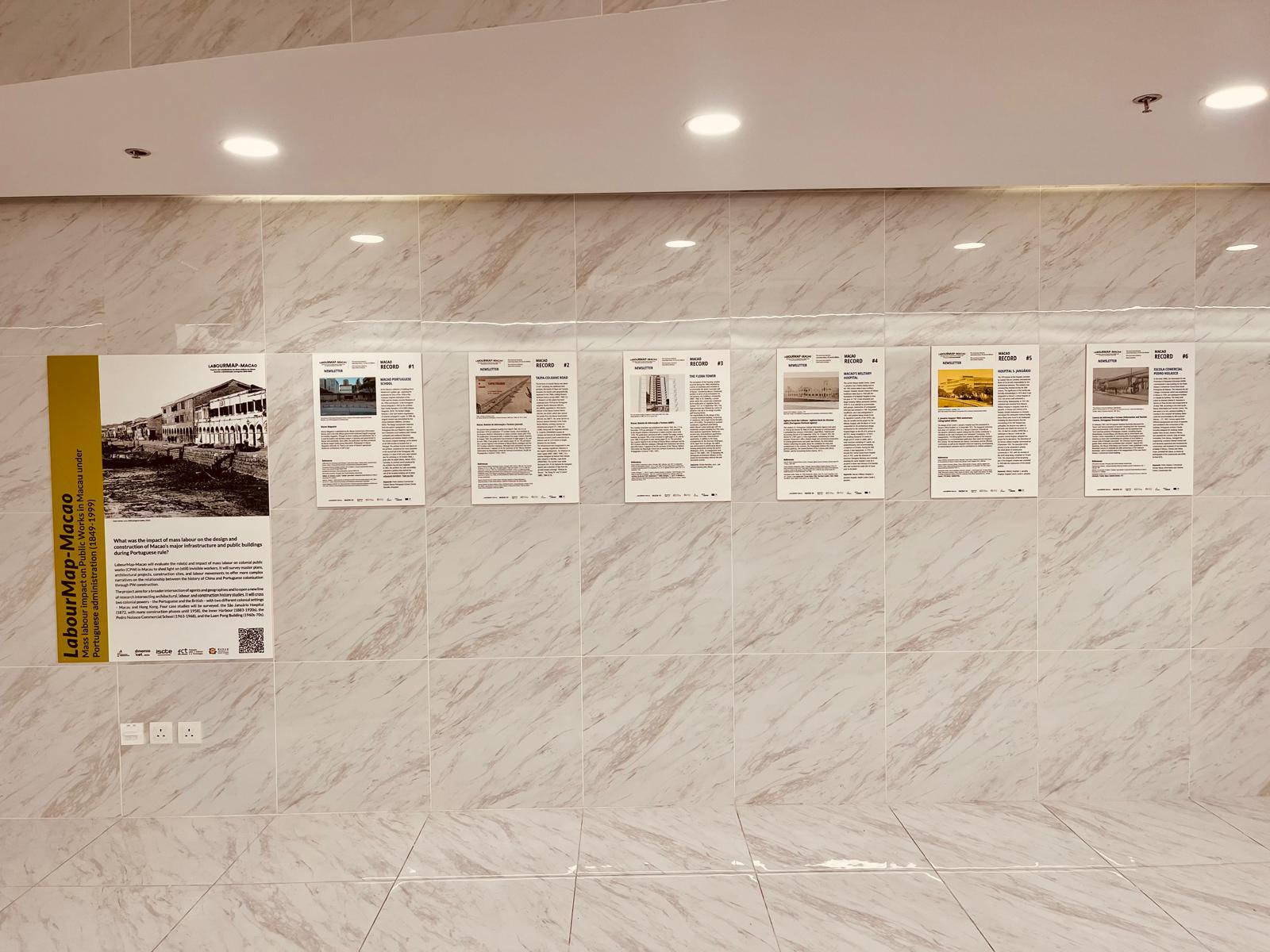
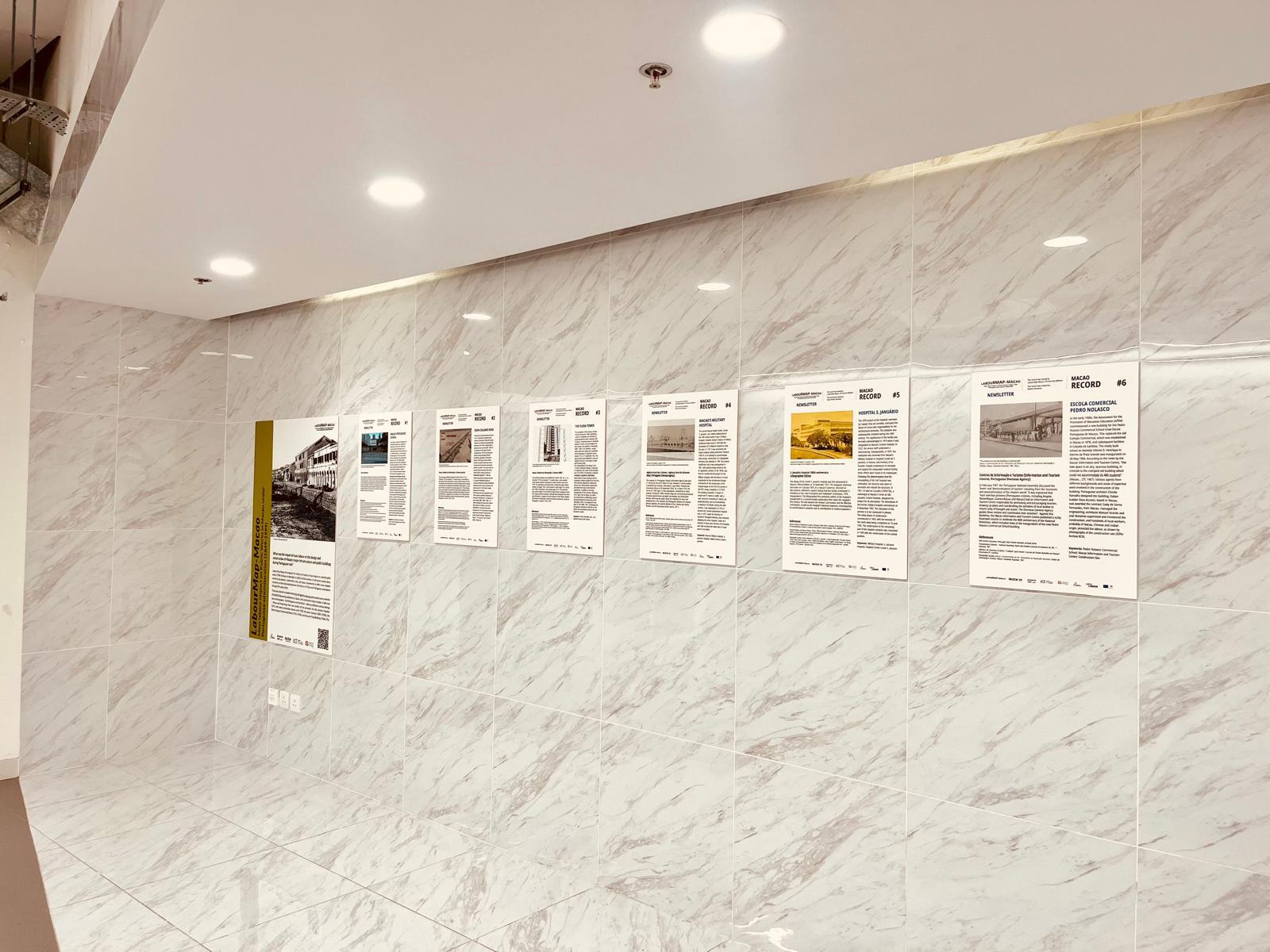
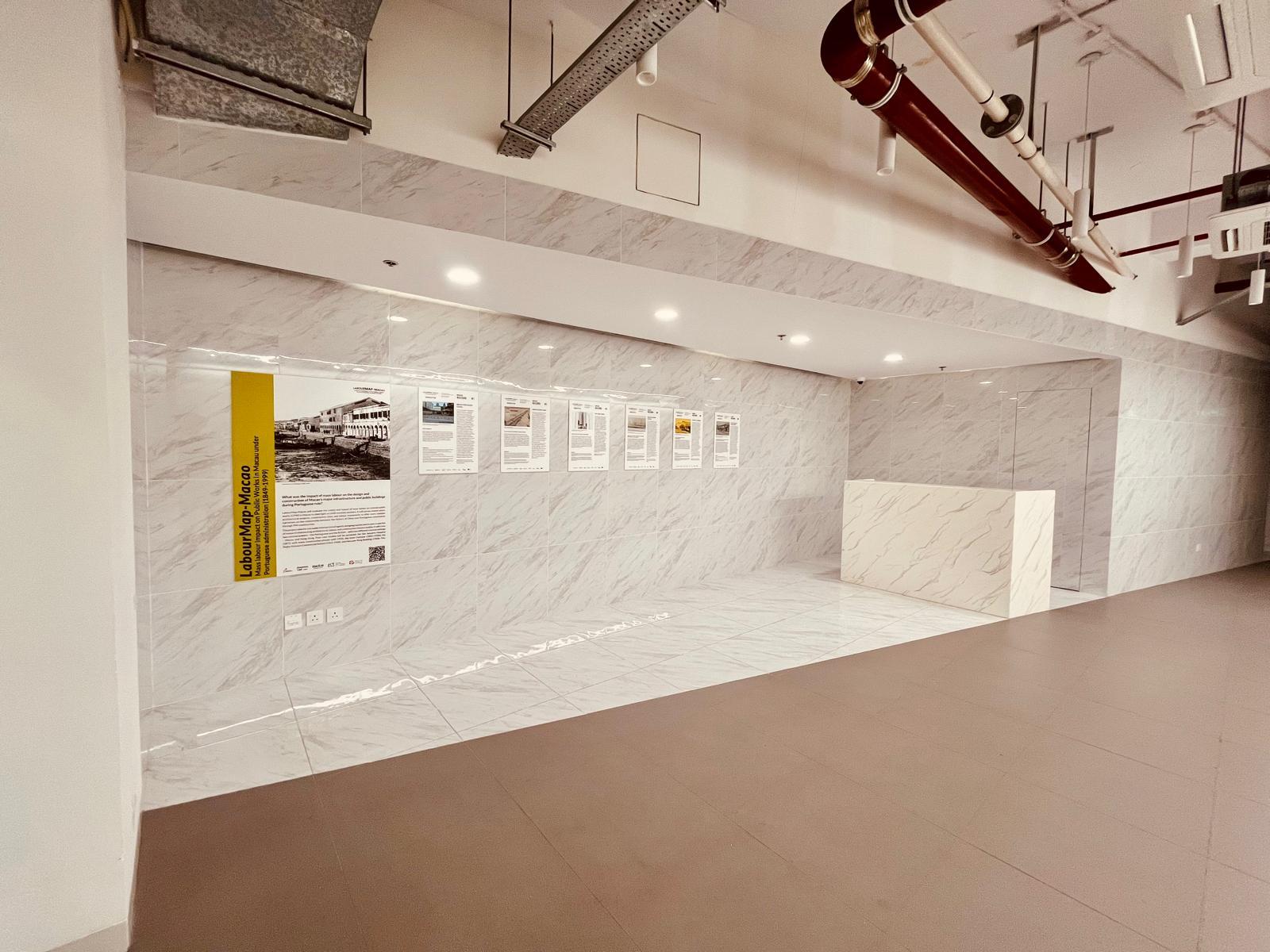
  • Exhibition – Colonial and Post-Colonial Landscapes: Macau, Architecture and Labour

    Exhibition – Colonial and Post-Colonial Landscapes: Macau, Architecture and Labour

    Exhibition – Colonial and Post-Colonial Landscapes: Macau, Architecture and Labour

    Event: Exhibition “Colonial and Post-Colonial Landscapes: Macau, Architecture and Labour”
    Authors: Ana Vaz Milheiro, Beatriz Serrazina, Francesca Vita (design), Inês Lima Rodrigues (design), Sónia Pereira Henrique
    Date: October 2025
    Location: University of Saint Joseph, Macau

    LabourMap-Macao is an Exploratory Project funded by the Portuguese Foundation for Science and Technology (2023.14980.PEX).

    Beta trial disclaimer

    The LabourMap-Macao team is responsible for the maintenance of this website, which is intended to facilitate public access to information about the group’s initiatives. Although this is still a beta trial, the intention is to release the information in a timely and accurate manner. Should any errors be brought to the attention of the team, they will be corrected.

  • How construction, technologies, materials and labour made Macanese architecture (1)

    How construction, technologies, materials and labour made Macanese architecture (1)

    How construction technologies, materials and labour made Macanese architecture (1)

    Event: Undergraduate Module “How built technologies and materials made architecture?
    LAR247 – Premodern Architectural History and Theory
    Authors: Ana Vaz Milheiro (Professor)
    Date: September – October 2025
    Location: University of Saint Joseph, Macau

    Summary

    The focus of the undergraduate module assessment work, “How did built technologies and materials make architecture?”, was on the construction techniques and workers of Macau’s old buildings. Topics were chosen from a variety of architectural programs, ranging from religious architecture (churches or temples), domestic architecture (Chinese houses), military architecture (fortresses), or other facilities. Starting from the “Macau Cultural Heritage” website, students produced a poster presentation and entered a photography competition.

    On 23 October 2025, the posters were printed and presented in class, where they were commented on by Professors Ana Vaz Milheiro, Filipa Fiúza and Sónia Henrique. The aim of this feedback was to improve the posters for the final delivery, incorporating the jury’s comments if necessary. The jury also chose the winning selfie. The selfies and posters were displayed.

    Exercise

    1. Poster

    Part 1: a) Project title (name of the building, e.g., St. Anthony’s Church and Square; St. Francis Fort and Barracks; Chio Family Mansion; Mandarin’s House; Sam Seng Temple…); Author; Date; Location; Developer/Owner; Contractor; Financing/Cost; b) Construction; Historical context; Materials and systems; Workers and skills (e.g., carpenters, masons, laborers…)

    Part 2: Several images of the building (including archival documentation such as old drawings and photographs), schematics and diagrams, and current photos taken by you.

    2. Photography Contest In addition to the images of the buildings under study, which should make up the two pages of the poster, each student took photos of themselves in the building under study (like a “selfie”), choosing one for the “photography contest” and printing it in large format (minimum A3). One of the objectives is for the building’s construction materiality to be conveyed through this “selfie” or self-portrait.

    See posters here.

    LabourMap-Macao is an Exploratory Project funded by the Portuguese Foundation for Science and Technology (2023.14980.PEX).

    Beta trial disclaimer

    The LabourMap-Macao team is responsible for the maintenance of this website, which is intended to facilitate public access to information about the group’s initiatives. Although this is still a beta trial, the intention is to release the information in a timely and accurate manner. Should any errors be brought to the attention of the team, they will be corrected.

  • Getting to know the workers and the construction processes through photographic records of building sites in Macau (1938-1973)

    Getting to know the workers and the construction processes through photographic records of building sites in Macau (1938-1973)

    Getting to know the workers and the construction processes through photographic records of building sites in Macau (1938-1973)

    Event: VI Seminário AEAULP – Arquipélagos em Diálogo
    Authors: Ana Vaz Milheiro
    Date: 4 December 2025
    Location: Universidade Piaget, Cidade da Praia, Cabo Verde

    Summary

    How did the workers who built Macau’s major infrastructure and public buildings under Portuguese rule influence the design and construction processes? What was the relationship between central institutions based in Portugal – such as the Colonial Urbanisation Office – and the Macanese Public Works Office, which was also heavily influenced by technicians from China and Hong Kong?

    This presentation attempts to answer these questions by analysing two sets of photographs contained in two administrative reports separated by about four decades. While one of them anticipated the Second World War, corresponding to the full implementation of the Colonial Act (1930), the other was contemporary with the end of Portuguese colonialism in Africa, coinciding with a sequence of public works that would ultimately shape Portuguese governance until the 1999 handover, such as the Macau-Taipa Bridge.

    The first report was written in 1938 by engineer José Rodrigues Moutinho, who headed the Technical Department of Public Works in Macau. The technical services of this department were divided into eight sections. Particularly important for this research were the 1st (public buildings and monuments), 2nd (roads, sanitation, gardens and forests), 3rd (maritime works) and 6th (private and collective works). The document, which is kept in the Arquivo Histórico Ultramarino (Lisbon, Portugal), contains 52 photographs of building sites that marked the period under study. These include the retaining walls for the Praia Grande embankments, the construction of houses for officials on Barra Hill, the repairs to the Leal Senado building and the embankments in the Tamagnini Barbosa neighbourhood, where, for example, the famous three-tower complex designed by Manuel Vicente was to be built half a century later.

    The second report reproduces the architect Pedro Quirino da Fonseca’s fieldtrip to Macau around 1973 (Mariz, 2016). This report serves this research by demonstrating how the architect’s gaze was often “sidetracked” to surveying the buildings rather than the construction process. It included a photographic appendix consisting of eleven volumes with some 482 images. These documented the makeover of “Old Macau into Modern Macau”. They included panoramic photographs, views of the outer harbour, religious buildings (Chinese and Catholic temples), fortresses, palaces… from the perspective of the ‘architectural object’, giving fewer clues about its construction and reinforcing the purpose of identifying the historical heritage. In this context, the unique record of the Macau-Taipa Bridge’s construction, designed by the famous engineer Edgar Cardoso, would be surprising.

    Research on colonial public works in Macau, especially in the 20th century, is still scarce, and little is known about their management and labour. In response, this paper will assess the impact of the work reproduced in these images to investigate the role of these (still) invisible workers. Consequently, the presentation will discuss some of the buildings and infrastructures depicted, such as the bridge, whose construction processes, techniques and sites have been photographed and analysed in other records and reports.

    Click here for the seminar website.

    LabourMap-Macao is an Exploratory Project funded by the Portuguese Foundation for Science and Technology (2023.14980.PEX).

    Beta trial disclaimer

    The LabourMap-Macao team is responsible for the maintenance of this website, which is intended to facilitate public access to information about the group’s initiatives. Although this is still a beta trial, the intention is to release the information in a timely and accurate manner. Should any errors be brought to the attention of the team, they will be corrected.

  • “Creolizar” para resistir: A escola de Chorão Ramalho em Macau

    “Creolizar” para resistir: A escola de Chorão Ramalho em Macau

    “Creolizar” para resistir: A escola de Chorão Ramalho em Macau

    Event: Docomomo Portugal
    Authors: Ana Vaz Milheiro, Beatriz Serrazina
    Date: 20-21 October 2025
    Location: Coimbra, Portugal

    Summary

    How were educational spaces constructed at the end of the Portuguese colonial period in Macau? How was the discipline of architecture used to establish proximity with cultures that the Portuguese considered ‘autonomous and closed’? How did modern Western languages become inclusive through ‘detail’ and ‘multiple codes’ (Colquhoun, 1991)? What role did Macanese workers play in this process? This article examines two schools: the Pedro Nolasco Commercial School, designed in 1962 by Raúl Chorão Ramalho (1914–2002), and the Infante D. Henrique National High School, designed in 1956 by the Overseas Urbanisation Office. The contrast between the two buildings reveals the ‘linguistic evolution’ of teaching programmes within colonial agencies.

    The Commercial School is considered a milestone in the ‘creolisation’ (‘patuá’) of architecture in the territory, combining Eastern references with Portuguese identity elements. This contrasted with the monumentalised, historicist composition of the Lyceum, which supposedly embodied the “anti-modern” character of the metropolitan agency. In 1989, the old high school was demolished without protest. However, Chorão Ramalho’s building survived threats of destruction thanks to interventions by Carlos Marreiros (1999) and Rui Leão and Carlotta Bruni (‘Reading Room’, 2008).

    This text questions the stylistic differences between the two schools, arguing that it was Chorão Ramalho’s modernist approach that ensured the building’s preservation. It examines the Commercial School in terms of the composition of the construction teams to illustrate how its materiality also depended on the workforce. The aim is to describe the building’s quality as a shared action between the various players on the construction site, from architects to labourers and workers. Finally, it considers whether the building’s familiarity to the Macanese community, due to the presence of these latter construction agents, played a role.

    Click here for the conference program.

    LabourMap-Macao is an Exploratory Project funded by the Portuguese Foundation for Science and Technology (2023.14980.PEX).

    Beta trial disclaimer

    The LabourMap-Macao team is responsible for the maintenance of this website, which is intended to facilitate public access to information about the group’s initiatives. Although this is still a beta trial, the intention is to release the information in a timely and accurate manner. Should any errors be brought to the attention of the team, they will be corrected.