

Category: News – Labourmap

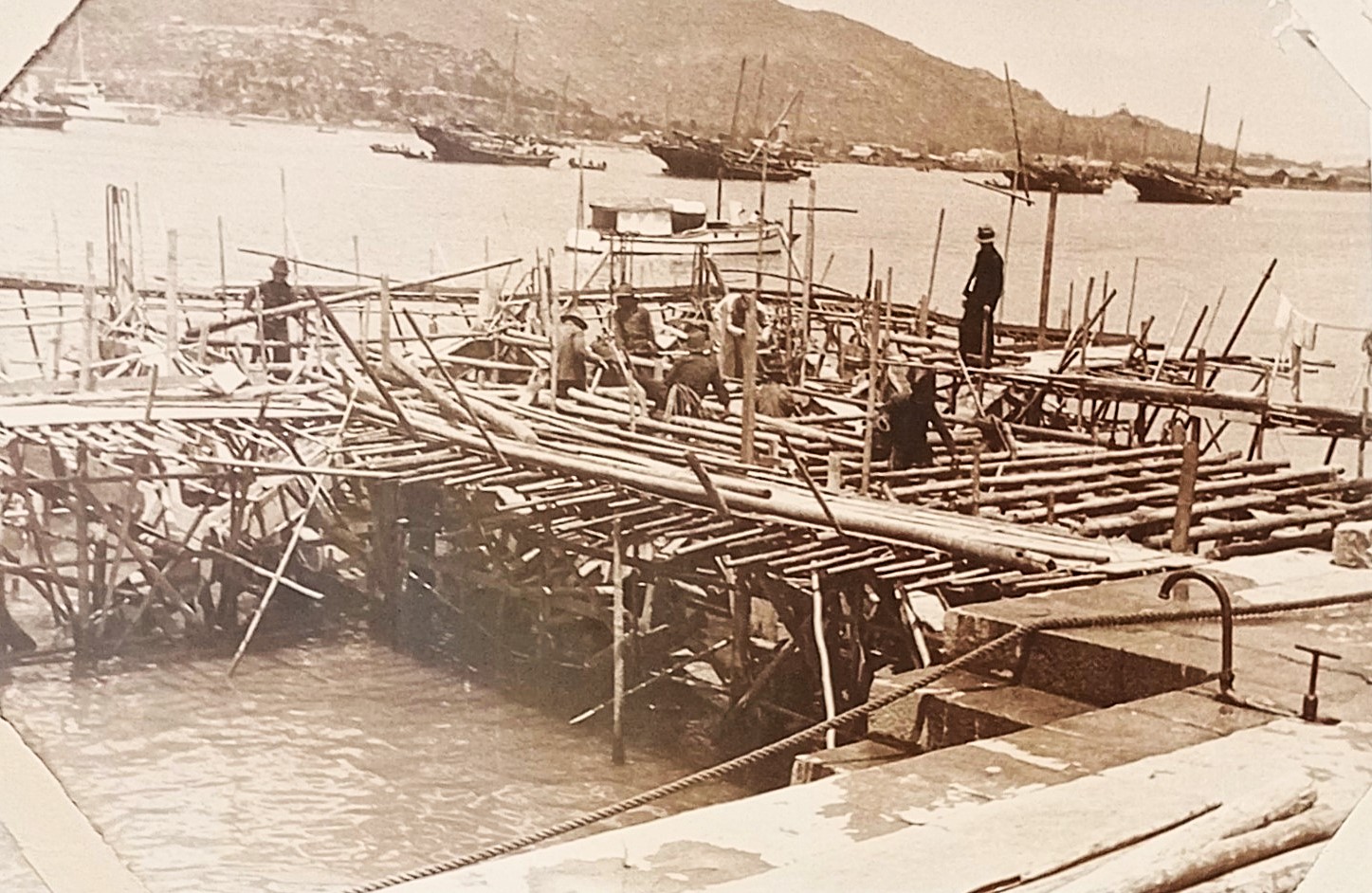
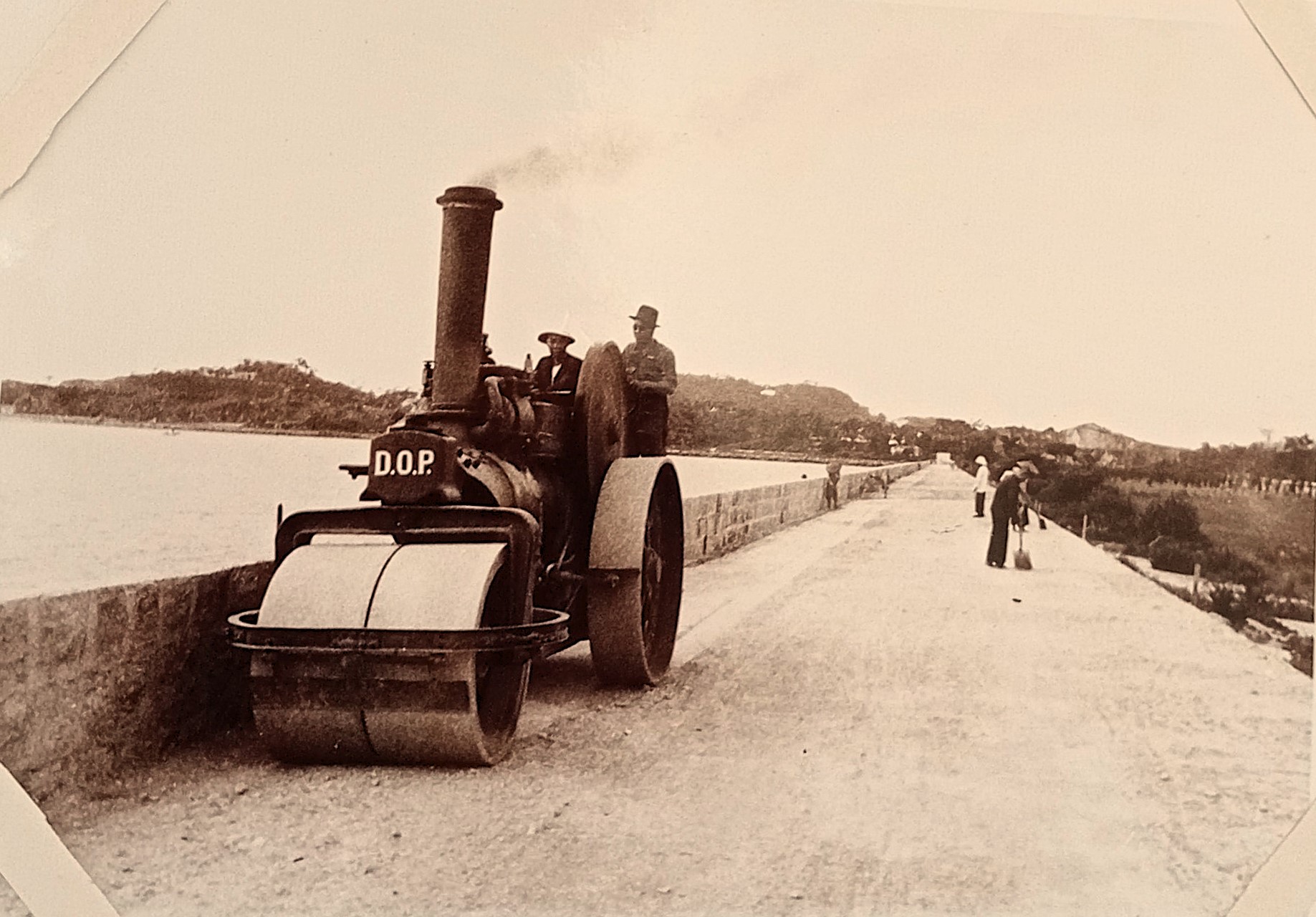
  • Getting to know the workers and the construction processes through photographic records of building sites in Macau (1938-1973)

    Getting to know the workers and the construction processes through photographic records of building sites in Macau (1938-1973)

    Getting to know the workers and the construction processes through photographic records of building sites in Macau (1938-1973)

    Event: VI Seminário AEAULP – Arquipélagos em Diálogo
    Authors: Ana Vaz Milheiro
    Date: 4 December 2025
    Location: Universidade Piaget, Cidade da Praia, Cabo Verde

    Summary

    How did the workers who built Macau’s major infrastructure and public buildings under Portuguese rule influence the design and construction processes? What was the relationship between central institutions based in Portugal – such as the Colonial Urbanisation Office – and the Macanese Public Works Office, which was also heavily influenced by technicians from China and Hong Kong?

    This presentation attempts to answer these questions by analysing two sets of photographs contained in two administrative reports separated by about four decades. While one of them anticipated the Second World War, corresponding to the full implementation of the Colonial Act (1930), the other was contemporary with the end of Portuguese colonialism in Africa, coinciding with a sequence of public works that would ultimately shape Portuguese governance until the 1999 handover, such as the Macau-Taipa Bridge.

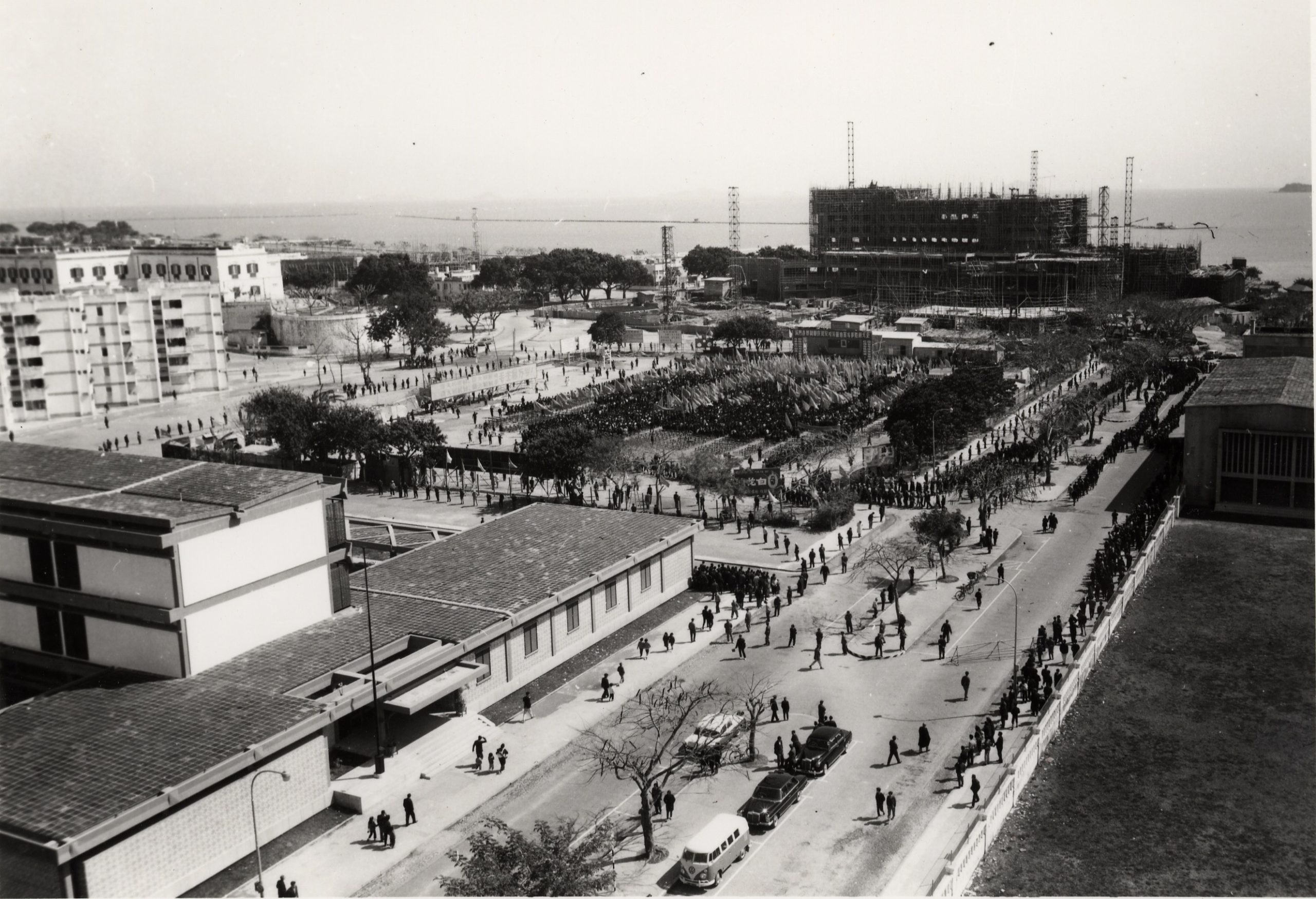
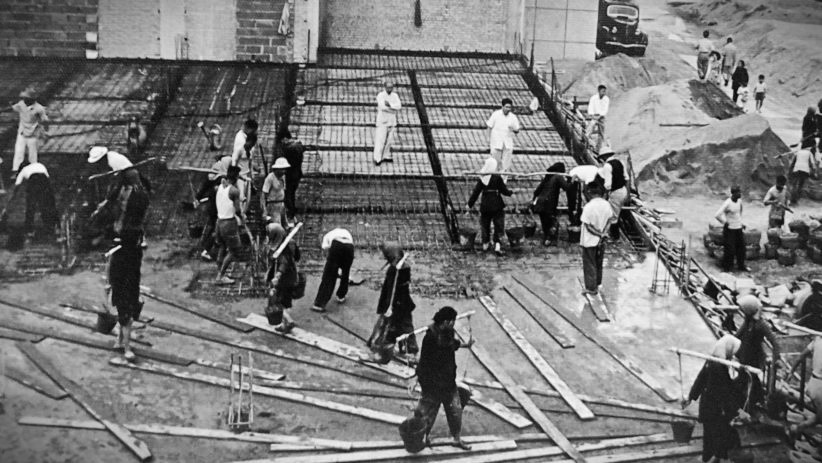
    The first report was written in 1938 by engineer José Rodrigues Moutinho, who headed the Technical Department of Public Works in Macau. The technical services of this department were divided into eight sections. Particularly important for this research were the 1st (public buildings and monuments), 2nd (roads, sanitation, gardens and forests), 3rd (maritime works) and 6th (private and collective works). The document, which is kept in the Arquivo Histórico Ultramarino (Lisbon, Portugal), contains 52 photographs of building sites that marked the period under study. These include the retaining walls for the Praia Grande embankments, the construction of houses for officials on Barra Hill, the repairs to the Leal Senado building and the embankments in the Tamagnini Barbosa neighbourhood, where, for example, the famous three-tower complex designed by Manuel Vicente was to be built half a century later.

    The second report reproduces the architect Pedro Quirino da Fonseca’s fieldtrip to Macau around 1973 (Mariz, 2016). This report serves this research by demonstrating how the architect’s gaze was often “sidetracked” to surveying the buildings rather than the construction process. It included a photographic appendix consisting of eleven volumes with some 482 images. These documented the makeover of “Old Macau into Modern Macau”. They included panoramic photographs, views of the outer harbour, religious buildings (Chinese and Catholic temples), fortresses, palaces… from the perspective of the ‘architectural object’, giving fewer clues about its construction and reinforcing the purpose of identifying the historical heritage. In this context, the unique record of the Macau-Taipa Bridge’s construction, designed by the famous engineer Edgar Cardoso, would be surprising.

    Research on colonial public works in Macau, especially in the 20th century, is still scarce, and little is known about their management and labour. In response, this paper will assess the impact of the work reproduced in these images to investigate the role of these (still) invisible workers. Consequently, the presentation will discuss some of the buildings and infrastructures depicted, such as the bridge, whose construction processes, techniques and sites have been photographed and analysed in other records and reports.

    Click here for the seminar website.

    LabourMap-Macao is an Exploratory Project funded by the Portuguese Foundation for Science and Technology (2023.14980.PEX).

    Beta trial disclaimer

    The LabourMap-Macao team is responsible for the maintenance of this website, which is intended to facilitate public access to information about the group’s initiatives. Although this is still a beta trial, the intention is to release the information in a timely and accurate manner. Should any errors be brought to the attention of the team, they will be corrected.
  • “Creolizar” para resistir: A escola de Chorão Ramalho em Macau

    “Creolizar” para resistir: A escola de Chorão Ramalho em Macau

    “Creolizar” para resistir: A escola de Chorão Ramalho em Macau

    Event: Docomomo Portugal
    Authors: Ana Vaz Milheiro, Beatriz Serrazina
    Date: 20-21 October 2025
    Location: Coimbra, Portugal

    Summary

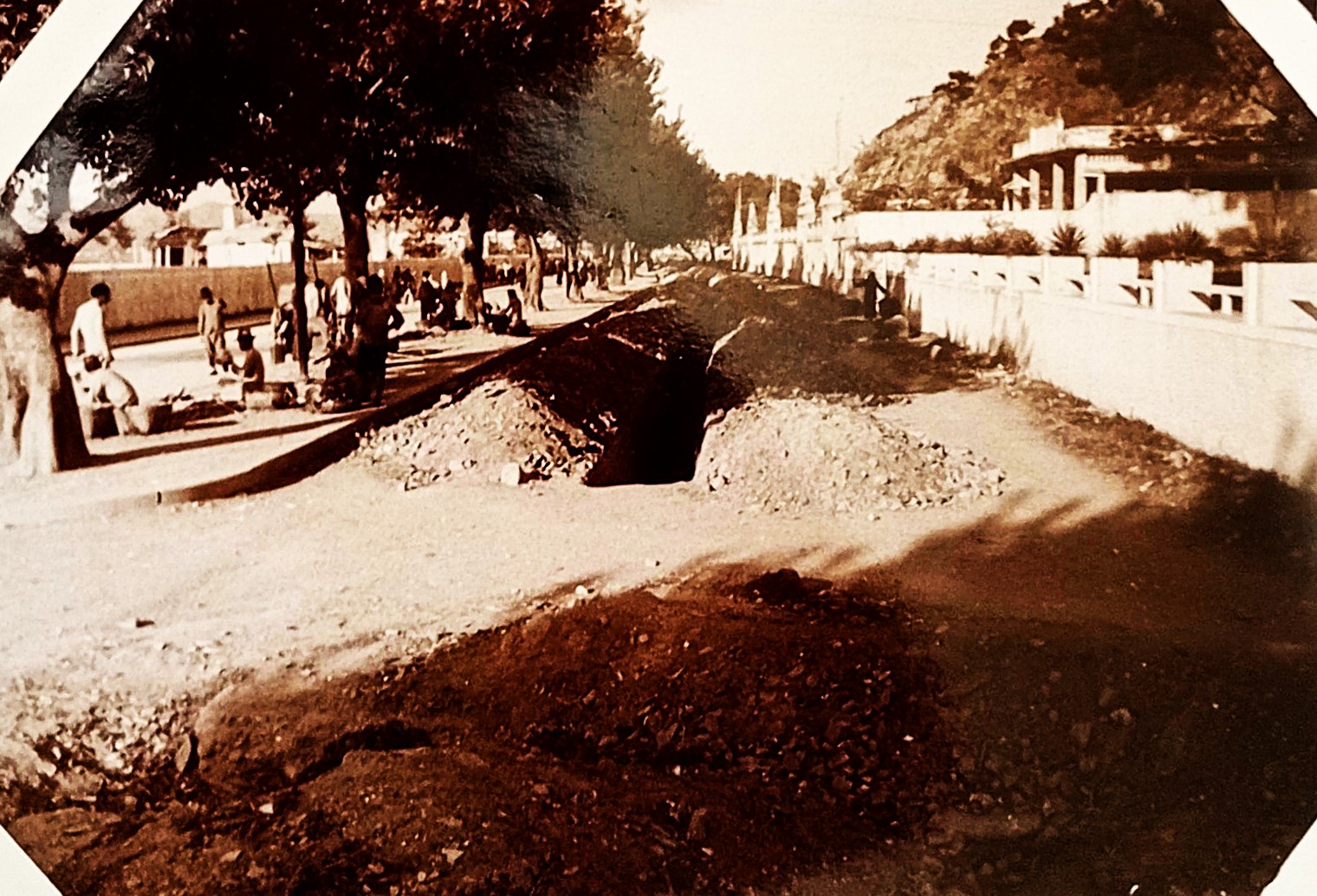
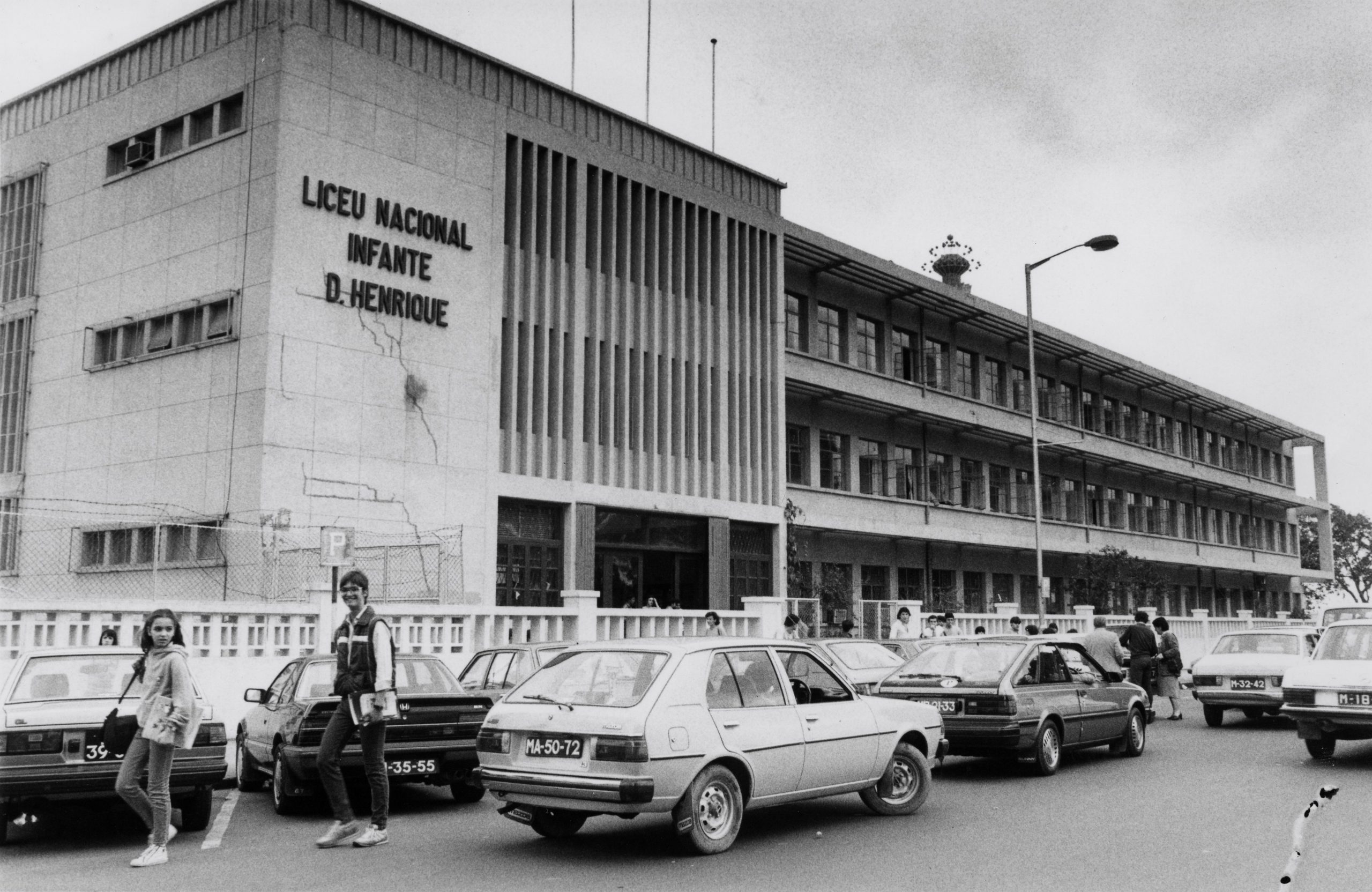
    How were educational spaces constructed at the end of the Portuguese colonial period in Macau? How was the discipline of architecture used to establish proximity with cultures that the Portuguese considered ‘autonomous and closed’? How did modern Western languages become inclusive through ‘detail’ and ‘multiple codes’ (Colquhoun, 1991)? What role did Macanese workers play in this process? This article examines two schools: the Pedro Nolasco Commercial School, designed in 1962 by Raúl Chorão Ramalho (1914–2002), and the Infante D. Henrique National High School, designed in 1956 by the Overseas Urbanisation Office. The contrast between the two buildings reveals the ‘linguistic evolution’ of teaching programmes within colonial agencies.

    The Commercial School is considered a milestone in the ‘creolisation’ (‘patuá’) of architecture in the territory, combining Eastern references with Portuguese identity elements. This contrasted with the monumentalised, historicist composition of the Lyceum, which supposedly embodied the “anti-modern” character of the metropolitan agency. In 1989, the old high school was demolished without protest. However, Chorão Ramalho’s building survived threats of destruction thanks to interventions by Carlos Marreiros (1999) and Rui Leão and Carlotta Bruni (‘Reading Room’, 2008).

    This text questions the stylistic differences between the two schools, arguing that it was Chorão Ramalho’s modernist approach that ensured the building’s preservation. It examines the Commercial School in terms of the composition of the construction teams to illustrate how its materiality also depended on the workforce. The aim is to describe the building’s quality as a shared action between the various players on the construction site, from architects to labourers and workers. Finally, it considers whether the building’s familiarity to the Macanese community, due to the presence of these latter construction agents, played a role.

    Click here for the conference program.

    LabourMap-Macao is an Exploratory Project funded by the Portuguese Foundation for Science and Technology (2023.14980.PEX).

    Beta trial disclaimer

    The LabourMap-Macao team is responsible for the maintenance of this website, which is intended to facilitate public access to information about the group’s initiatives. Although this is still a beta trial, the intention is to release the information in a timely and accurate manner. Should any errors be brought to the attention of the team, they will be corrected.
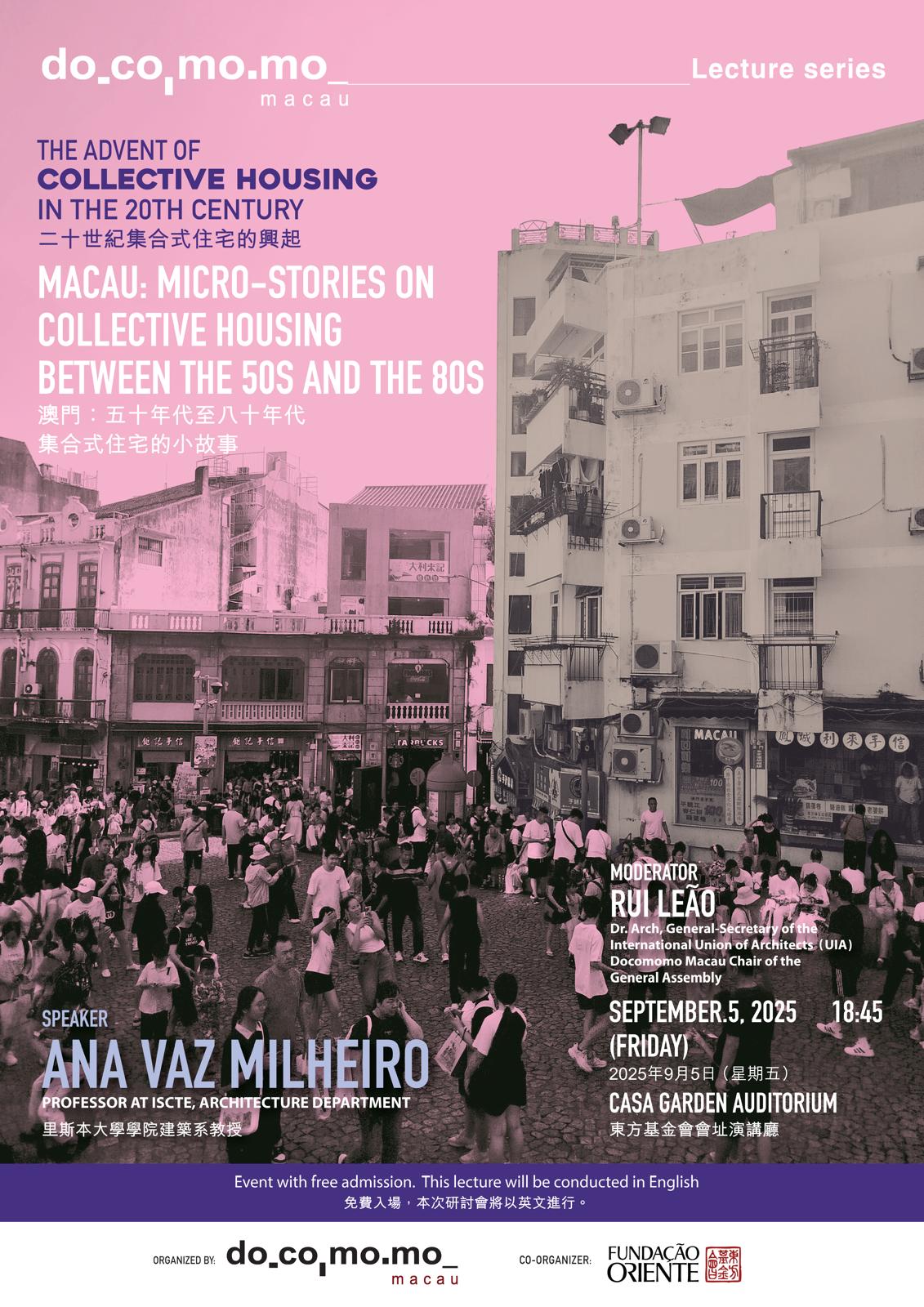
  • Lecture Macau: Micro-Stories on Collective Housing between the 50s and the 80s

    Lecture Macau: Micro-Stories on Collective Housing between the 50s and the 80s

    Macau: Micro-Stories on Collective Housing between the 50s and the 80s

    Event: Docomomo Macau – The Advent of Collective Housing in the 20th Century
    Authors: Ana Vaz Milheiro
    Date: 05 September 2025
    Location: Casa Garden Auditorium, Macau

    LabourMap-Macao is an Exploratory Project funded by the Portuguese Foundation for Science and Technology (2023.14980.PEX).

    Beta trial disclaimer

    The LabourMap-Macao team is responsible for the maintenance of this website, which is intended to facilitate public access to information about the group’s initiatives. Although this is still a beta trial, the intention is to release the information in a timely and accurate manner. Should any errors be brought to the attention of the team, they will be corrected.
  • Session Asian (post)colonial works, labour and gender through the camera lens

    Session Asian (post)colonial works, labour and gender through the camera lens

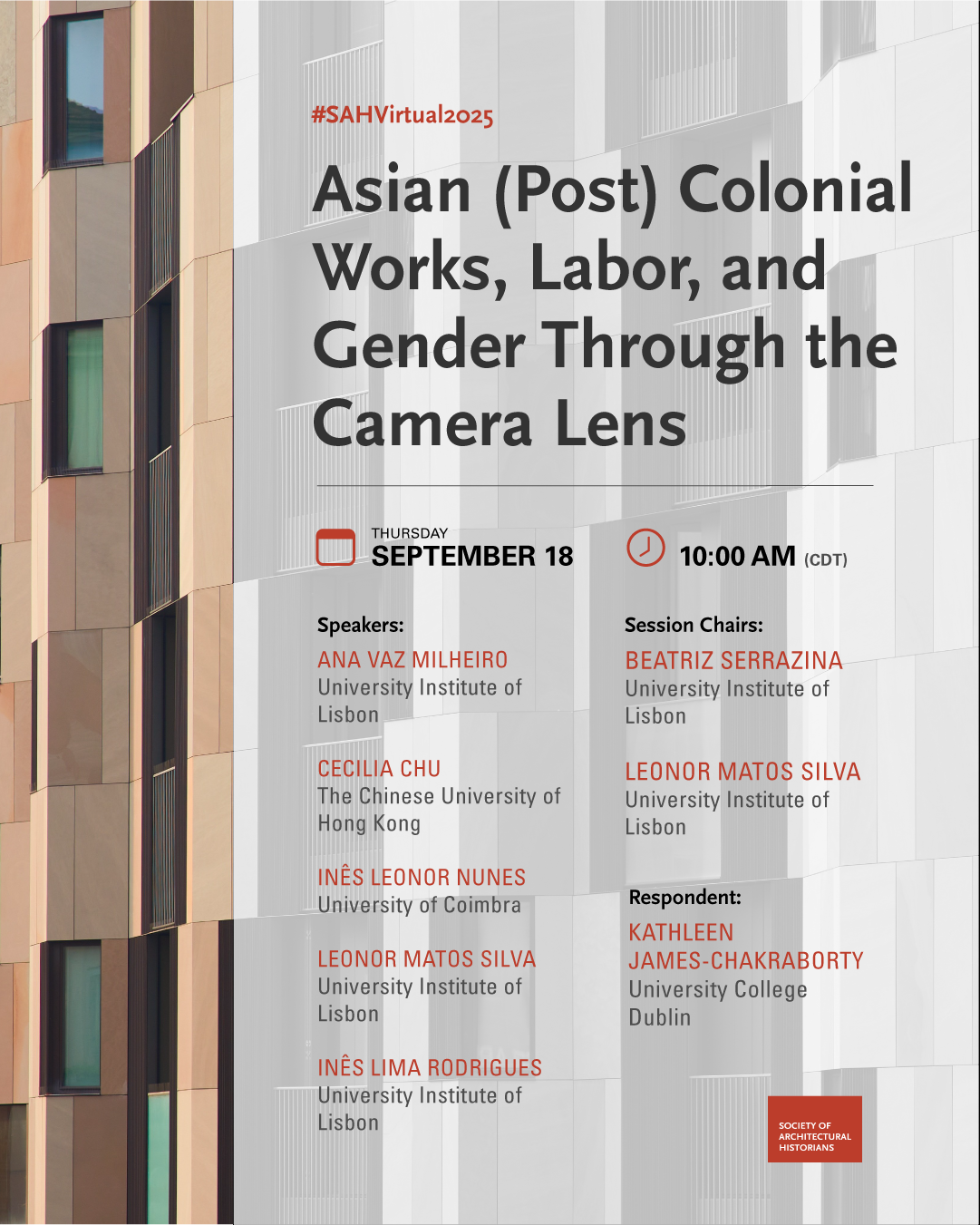
    Asian (post)colonial works, labour and gender through the camera lens

    Event: SAH Virtual 2025
    Authors: Ana Vaz Milheiro, Beatriz Serrazina (chair), Inês Lima Rodrigues, Cecilia Chu, Leonor Matos Silva (chair)
    Date: 18 September 2025
    Location: Online

    Summary

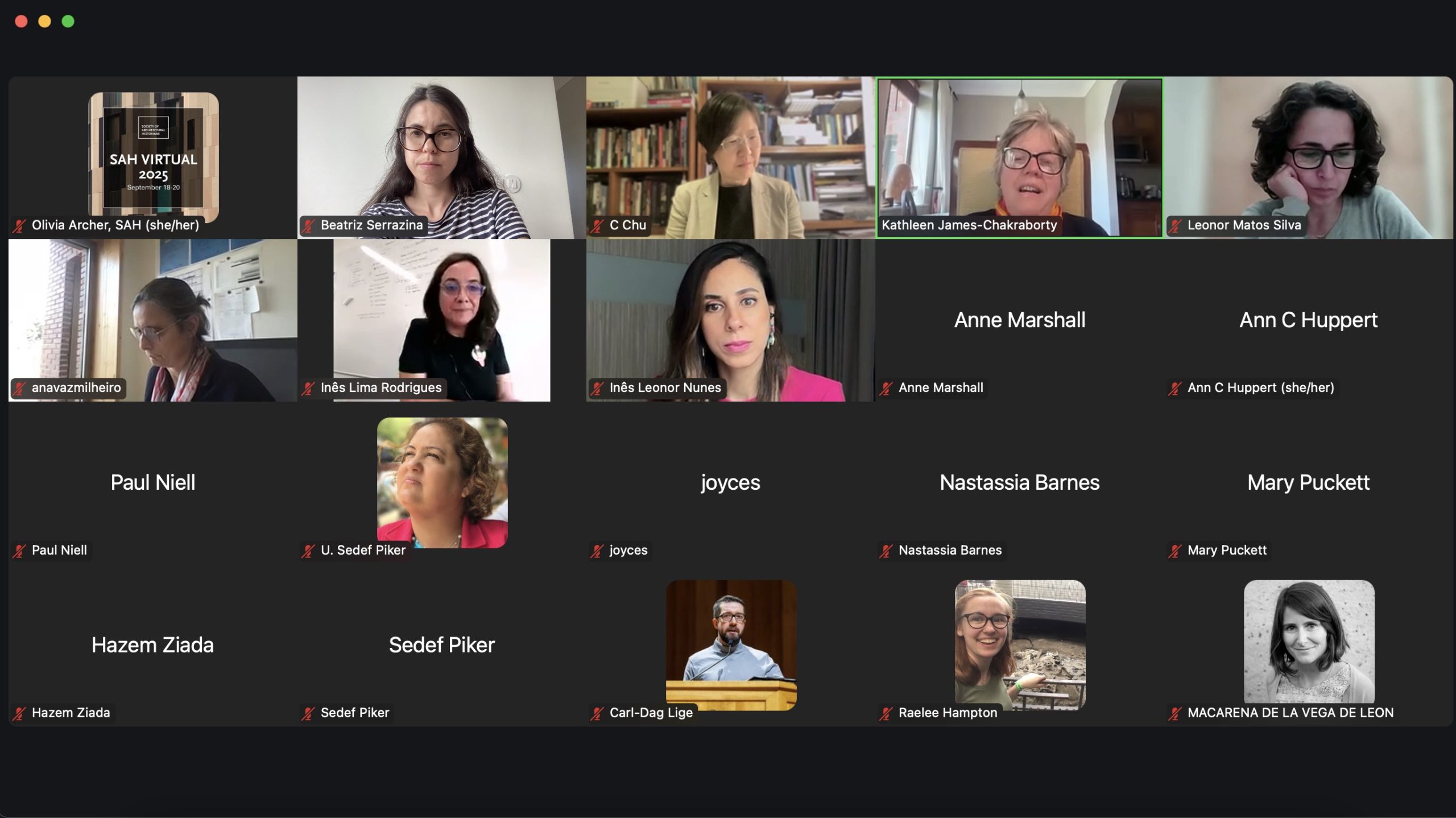
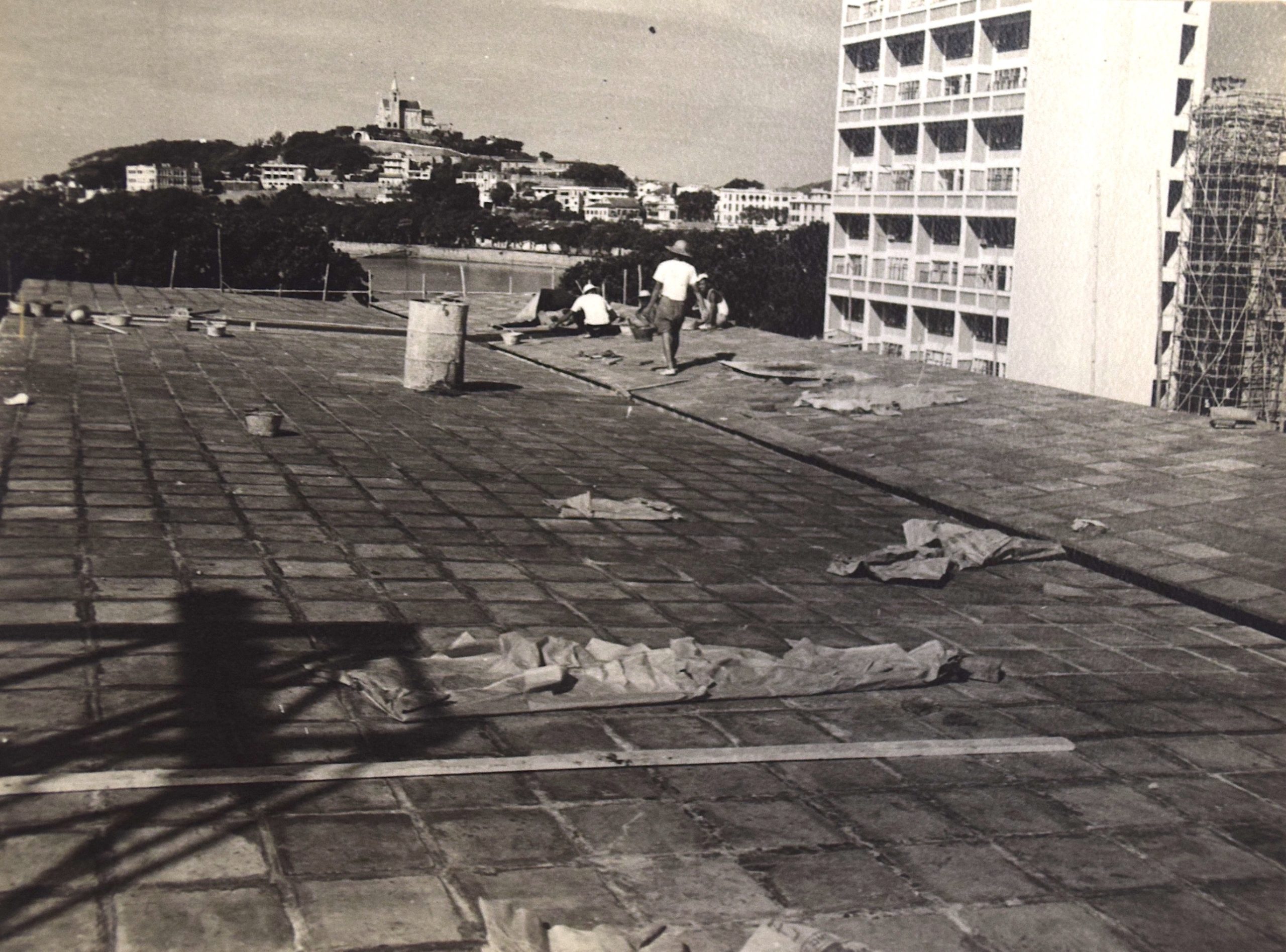
    The session examines how photography intersects with the histories of labour, architecture, and gender in Asian (post-)colonial contexts, particularly in Macau. It brings together researchers and consultants from the LabourMap-Macao project and has Professor Kathleen James-Chakraborty as respondent. The project explores how photography has documented and, at times, obscured the presence and roles of workers in construction processes. Despite its inherent subjectivities and limitations, photography captures both the built environment and the point of view of those behind the lens, revealing dynamics of power, visibility and authorship.

    Presentations

    Beatriz Serrazina and Leonor Matos Silva (Chairs, Dinâmia’CET-Iscte)

    Ana Vaz Milheiro (Dinâmia’CET-Iscte), “Getting to know the workers and the construction processes through photographic records of building sites in Macau (1938-197-)”

    Cecilia Chu (University of Hong Kong), “Engineering the Modernist Landscapes: Chinese Architecture and the “Ethnic Supplement”.

    Inês Leonor Nunes (University of Coimbra), “Photographing Chandigarh: Modern India Through Pierre Jeanneret and Jeet Malhotra’s Rolleiflex”.

    Leonor Matos Silva (Dinâmia’CET-Iscte), “Captured in Transit: Two Women Architects and the Story of Labour Mobility from Portugal to Macau (1960s–1985)”.

    Inês Lima Rodrigues (Dinâmia’CET-Iscte), “Framing labour through the colonial lens: Photography and the (in)visibility of work on the construction of the Macau-Taipa Bridge (1969–1974)”.

    Kathleen James-Chakraborty (Respondent, University College Dublin).

    LabourMap-Macao is an Exploratory Project funded by the Portuguese Foundation for Science and Technology (2023.14980.PEX).

    Beta trial disclaimer

    The LabourMap-Macao team is responsible for the maintenance of this website, which is intended to facilitate public access to information about the group’s initiatives. Although this is still a beta trial, the intention is to release the information in a timely and accurate manner. Should any errors be brought to the attention of the team, they will be corrected.
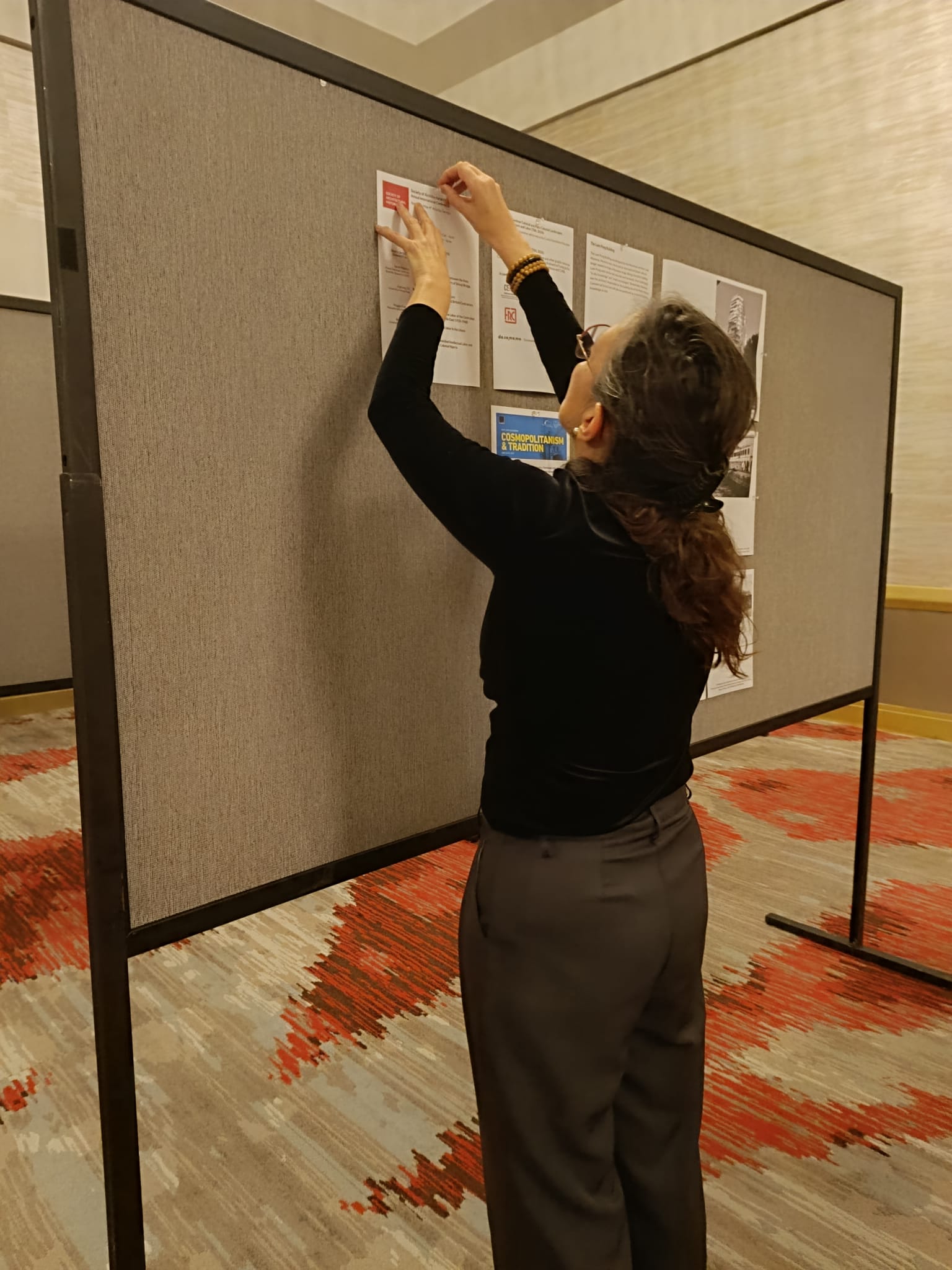
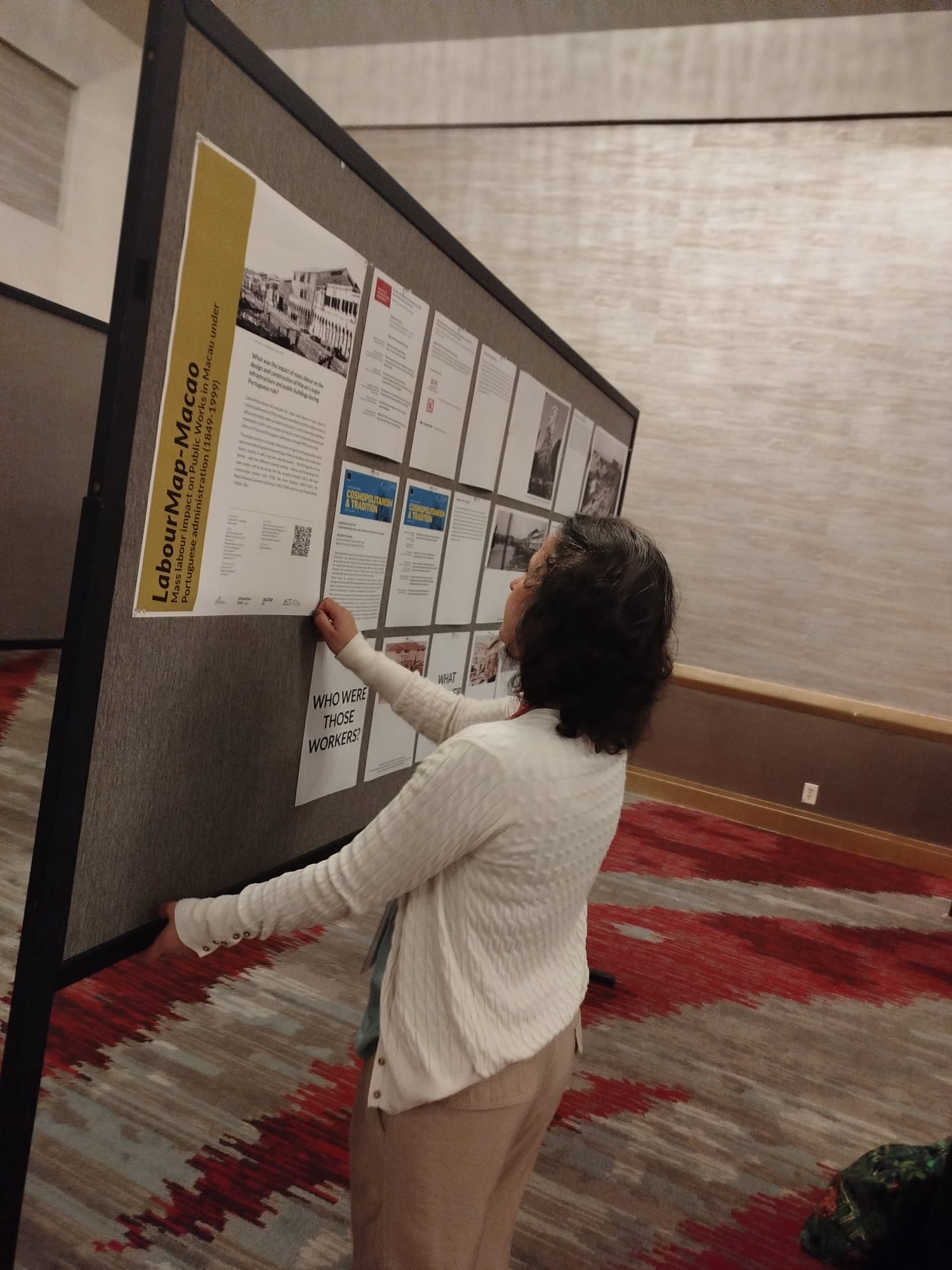
  • SAH 2025 Atlanta – Poster Exhibition

    SAH 2025 Atlanta – Poster Exhibition

    SAH 2025 Atlanta – Poster Exhibition

    Event:The Society of Architectural Historians 78th Annual International Conference
    Authors: Ana Vaz Milheiro, Beatriz Serrazina, Francesca Vita, Leonor Matos Silva
    Date: 30 April 2025 – 4 May 2025
    Location: Atlanta, United States of America

    Summary

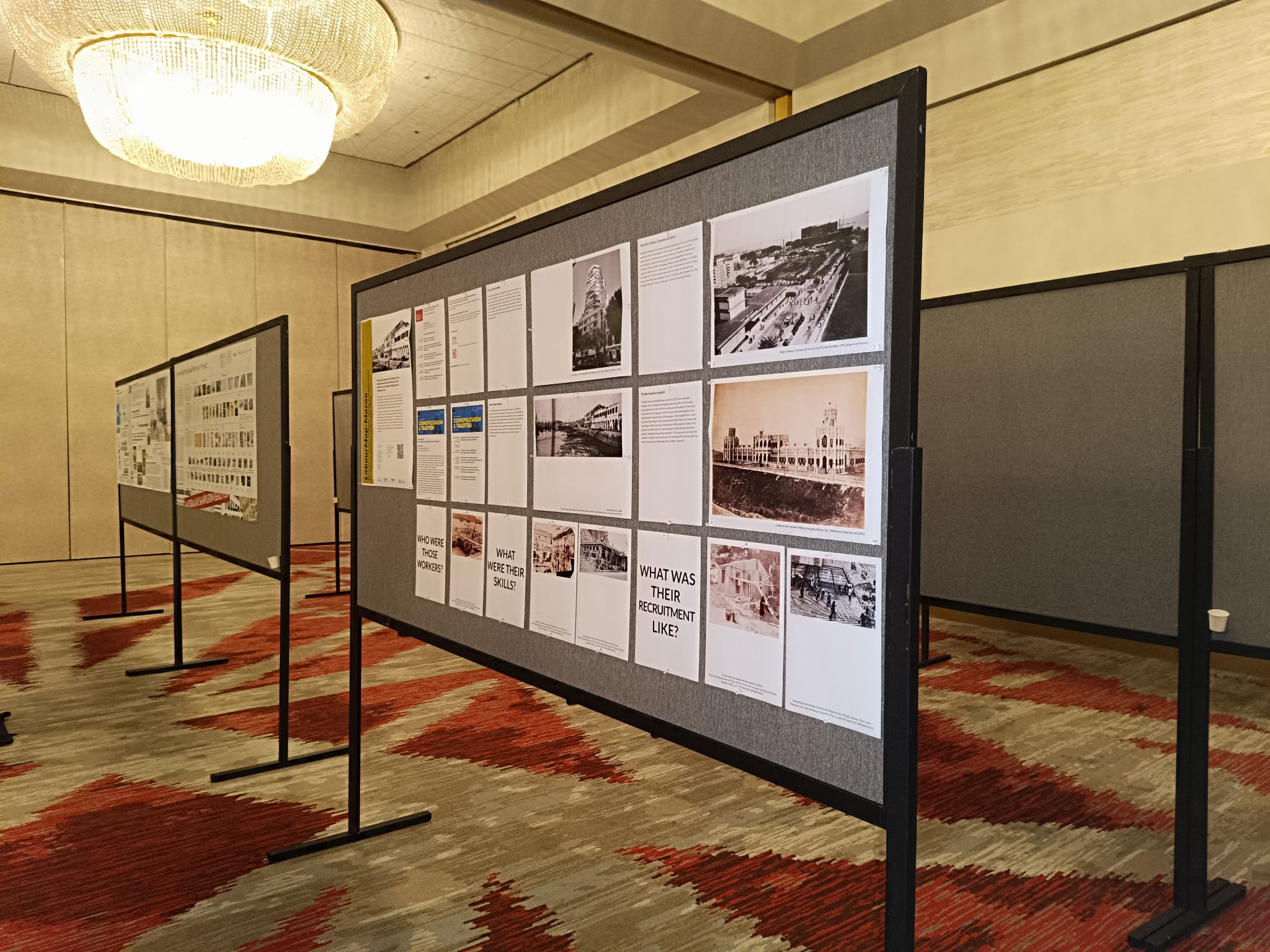
    SAH 2025 “Projects in Progress” Poster Session

    LabourMap-Macao is an Exploratory Project funded by the Portuguese Foundation for Science and Technology (2023.14980.PEX).

    Beta trial disclaimer

    The LabourMap-Macao team is responsible for the maintenance of this website, which is intended to facilitate public access to information about the group’s initiatives. Although this is still a beta trial, the intention is to release the information in a timely and accurate manner. Should any errors be brought to the attention of the team, they will be corrected.