Course: Estudio Praia — Projecto Final de Arquitectura Iscte
Date: 28 September 2026
Summary
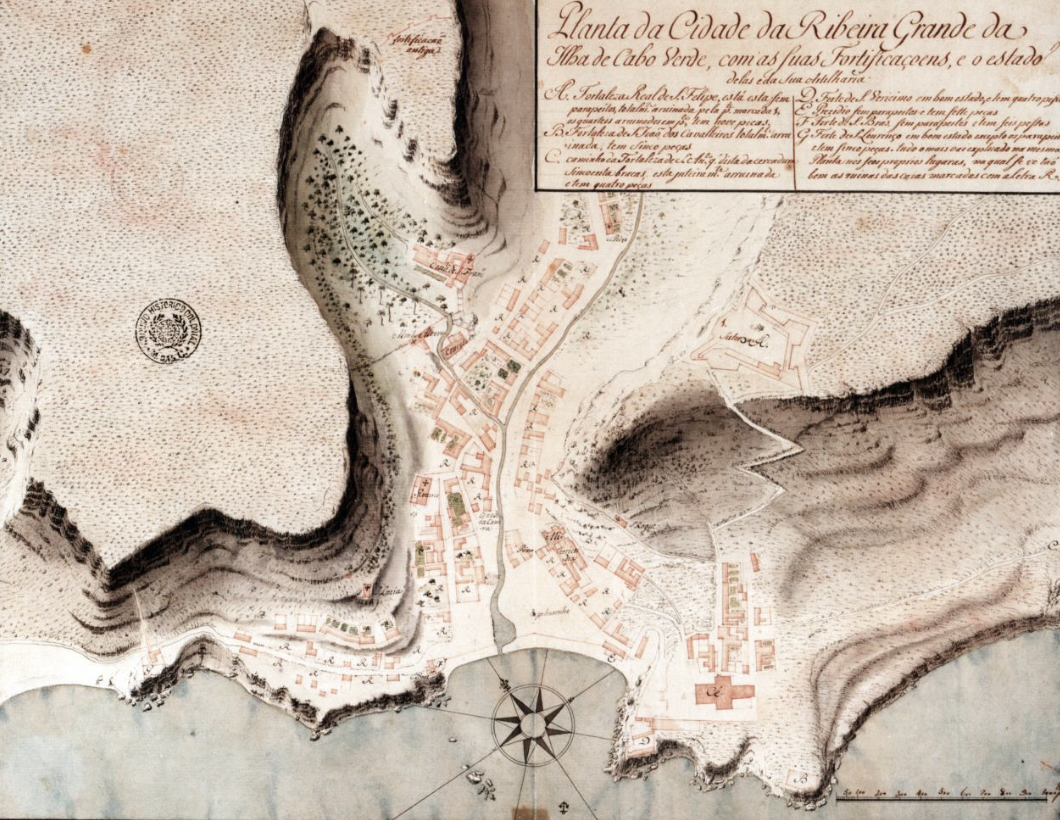
The open lecture “The City of Ribeira Grande de Santiago” examined the historical formation and urban development of Ribeira Grande, one of the key sites in the history of Portuguese expansion and an important reference in the history of Portuguese urbanism overseas. The lecture highlighted the significance of the city beyond its physical scale, considering its role as an early urban settlement in the tropics and as a central site in the formation of the Portuguese colonial urban experience.
The lecture focused on the relationship between the city’s historical development and its spatial structure, beginning with the initial settlement around the port and the bay, where administrative and religious buildings were established. Through an analysis of topography, patterns of urban growth, the structure of urban blocks, density and occupation, the session explored the successive stages through which Ribeira Grande developed and the ways in which these processes shaped the spatial form and image of the city.
Image Credits: Ribeira Grande, António Carlos Andreas, 1769, AHU Col. Cartografia Ms. 119
‘Em que material quer que seja feito?’ Considerações sobre operariado, materiais e sistemas construtivos em Cabo Verde
Author: Ana Vaz Milheiro
Course: Estudio Praia — Projecto Final de Arquitectura Iscte
Date: 25 September 2026
Summary
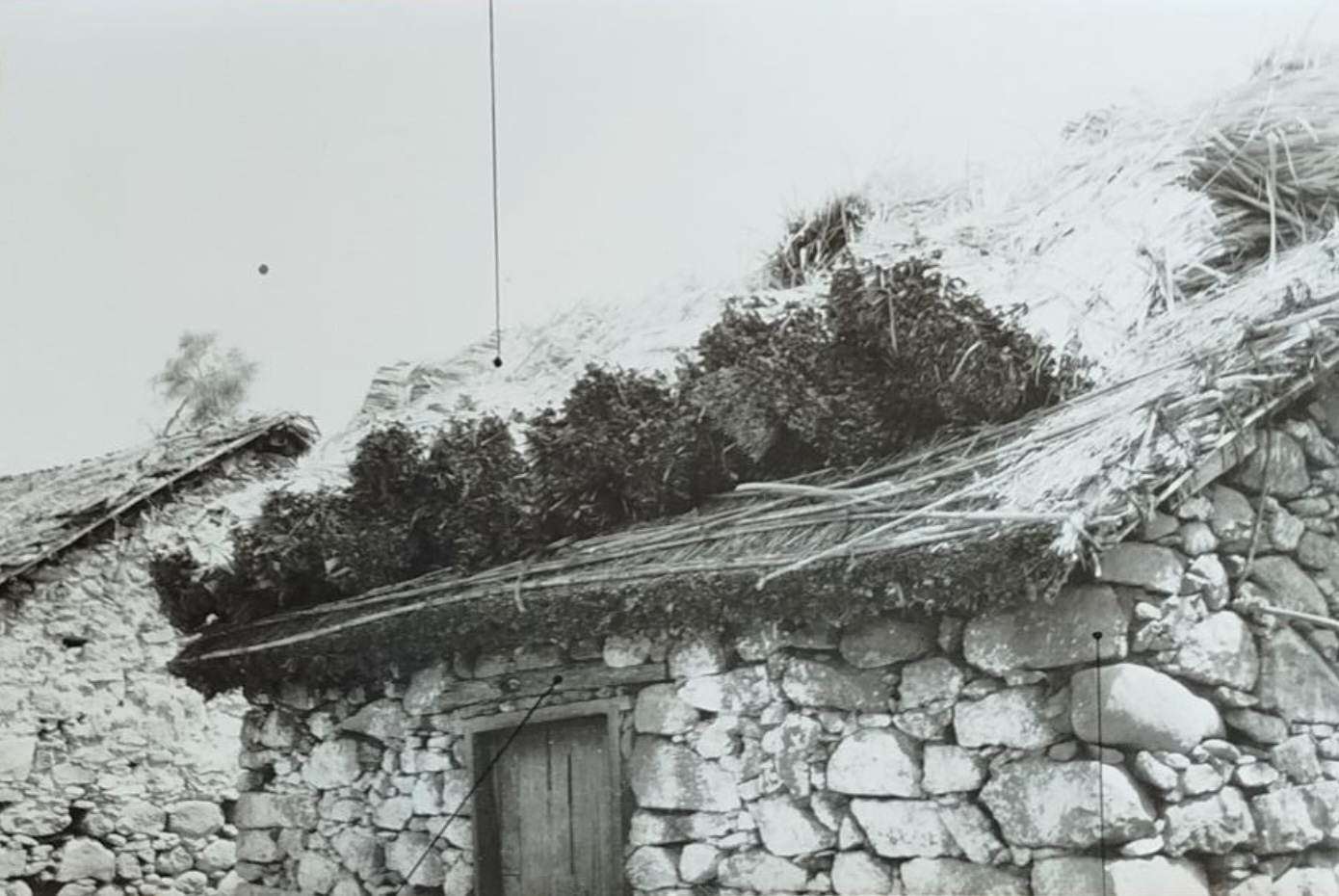
The open lecture “What Material Should It Be Made Of? Considerations on Labour, Materials and Construction Systems in Cape Verde” explored the relationship between construction technologies, local labour, materials and architectural practices in Cape Verde. Taking as a starting point the tension between imported technologies and local construction knowledge, the lecture questioned whether technological transfers enabled local workers or instead reinforced forms of foreign dependency.
Drawing on archival research, photographs and architectural projects from the colonial and post-independence periods, the lecture examined housing, urbanisation and public buildings across the islands of Santiago and São Vicente, among others. Particular attention was given to the work of architects Maria Emília Caria and António Saragga Seabra, as well as to the materials and building practices documented in their surveys and projects. The lecture also reflected on how similar materials could produce different architectural forms and materialities, and on the continued exchange between local and intercontinental architectural models in contemporary Cape Verde.
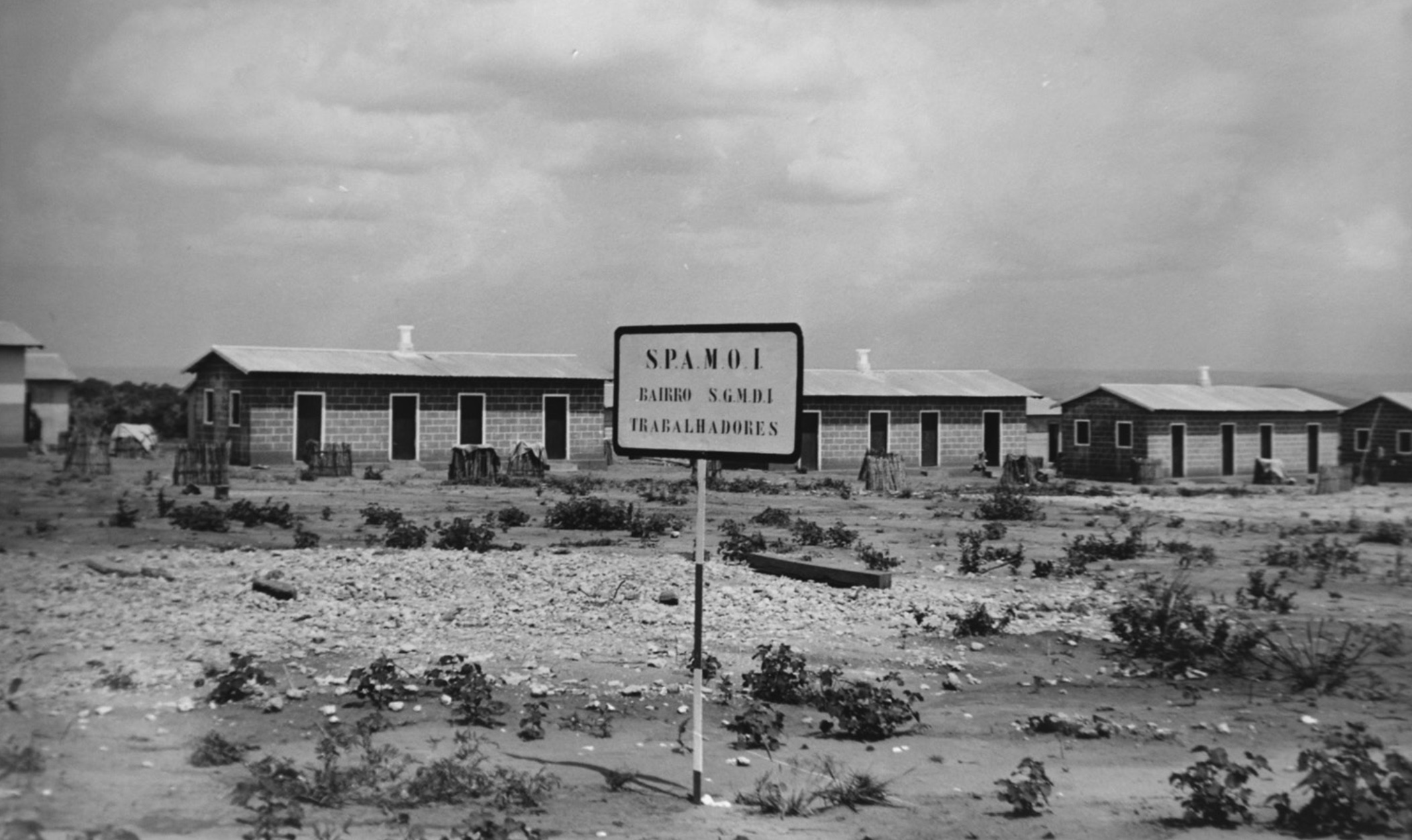
Image Credits: António Saragga Seabra com Maria Emília Caria, Relatório de Missão do Grupo de Trabalho de Urbanismo e Habitação da Província de Cabo Verde III vol, 1965. AHU, IPAD 7203
Os Ciclos Históricos do Povoamento e os Processos de Urbanização em Cabo Verde, Séculos XV-XIX
Author: Fernando Pires
Course: Estudio Praia — Projecto Final de Arquitectura Iscte
Date: 23 September 2026
Summary
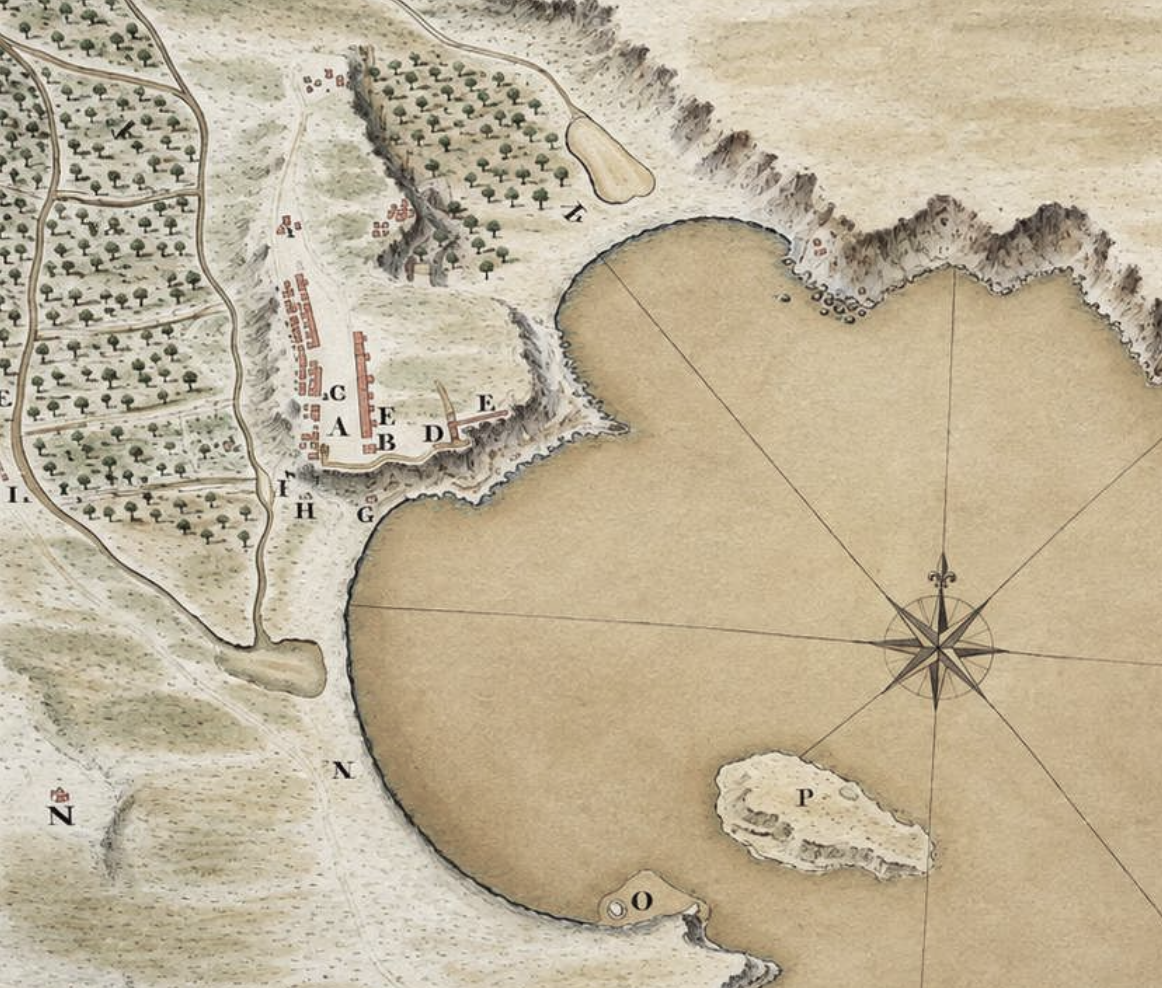
The open lecture “Historical Cycles of Settlement and Processes of Urbanisation in Cape Verde, 15th–19th Centuries” examined the different phases in the formation and consolidation of the Cape Verdean territory, exploring how processes of settlement contributed to the construction and organisation of space. The lecture considered the specificities of the archipelago, including its geographical location, climatic and ecological conditions, territorial discontinuity, and the fact that the islands were uninhabited at the time of European arrival, as well as the role of the different European and African actors involved in their occupation and transformation.
Drawing on historical sources and the identification of successive settlement cycles, the lecture explored the relationship between these processes and the emergence and transformation of settlements and towns. It thus approached the urbanisation of Cape Verde between the 15th and 19th centuries as part of a broader process of territorial formation, shaped by the archipelago’s insular condition, successive historical transformations, and the actions of diverse communities and agents.
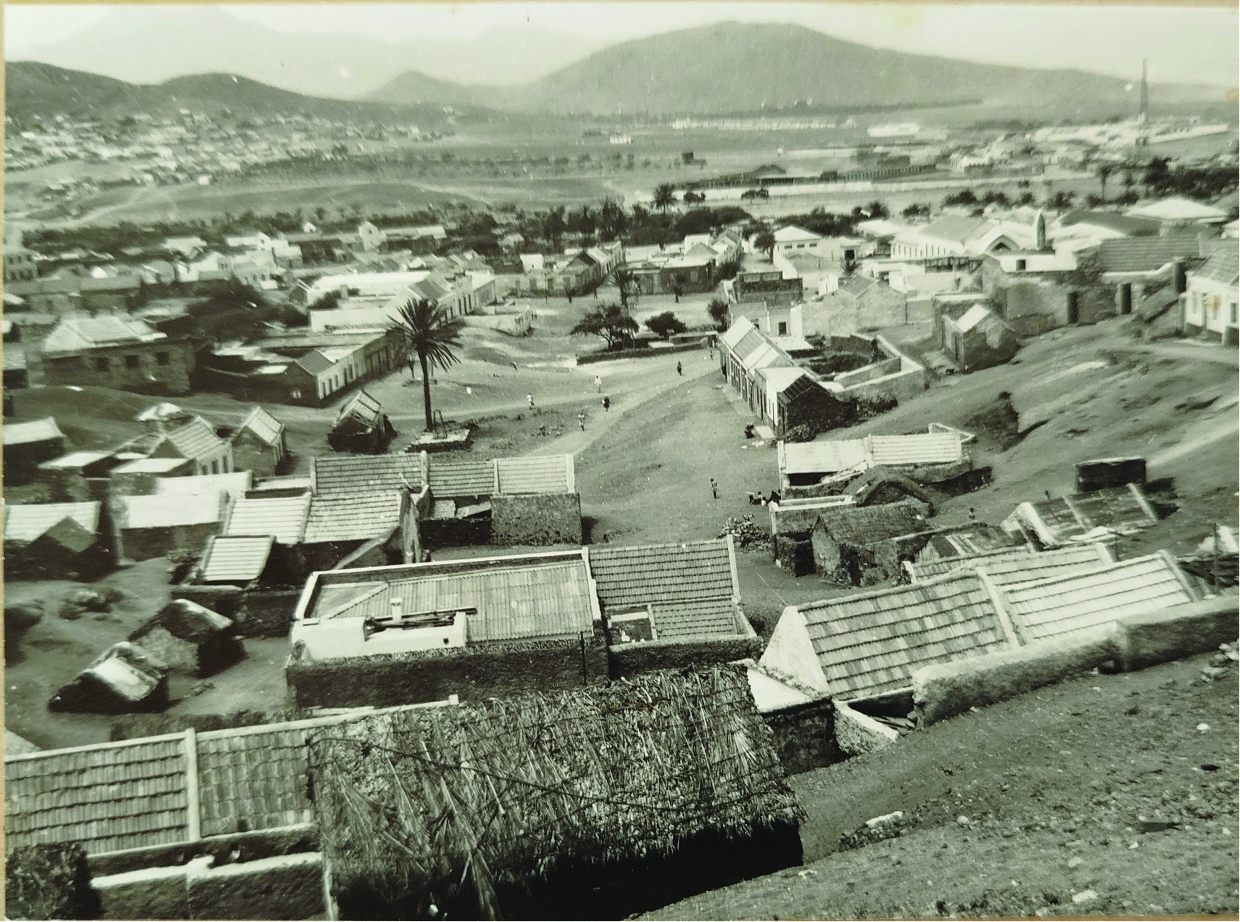
Image Credits: Planta da Vila da Praia, António Carlos Andreas, 1778
Archival Pace: Bureaucratic Orders, Silences, and Critical Archival Practices in Documenting Public Works and Labour in Africa
Event: Archival Education and Research Initiative (AERI) 2026 Conference Panel Chairs: Filipa Lopes; Sónia Pereira Henrique Authors: Filipa Lopes; Sónia Pereira Henrique; Ana Vaz Milheiro; Francesca Vita; Beatriz Serrazina; Inês Lima Rodrigues; Fernando Pires
Date: 20-24 July 2026
Location: University of British Columbia, Vancouver, BC
Summary
This panel, comprising members of the interdisciplinary team of the ERC ArchLabour project, adopts the concept of archival pace as a guiding lens for understanding historical archives inherited from the Portuguese colonial administration in Africa. By combining critical analysis of these archives with interdisciplinary approaches, from archival description practices to oral histories, the panel argues that grasping labour in public works requires a dual movement: recognising the limits imposed by colonial and postcolonial bureaucracies and archives and finding ways to make visible practices and experiences they silenced, particularly those of workers.
First, Milheiro and Vita explore how waged workers are represented in the records, thereby discussing simultaneously the presence and agency of women in colonial public works (PW), a presence often obscured by interpretative frameworks embedded in records and archival description practices. Serrazina examines the Diamang archive, using the company’s extractive activities in Angola as evidence of socio-spatial control and labour discipline, and as a documentary technology that simultaneously produced categories, silenced resistance, shaping both landscapes and labour.
Henrique, drawing on her background working at the Portuguese Overseas Historical Archive, elaborates on how different rhythms and practices in PW and labour records affect access to information, interrogating how archival authority is constructed. Lopes and Pires address how archival description, or its absence, in the archives of Cabo Verde shapes access to information and memory on PW, proposing collaborative indexing and metadata strategies that render overlooked workers and dynamics visible.
Finally, Rodrigues analyses housing and public works records, tracing bureaucratic and technical rhythms shaped by control and standardisation, and advancing slow-archive approaches grounded in oral histories to reinforce memory and inform architectural practice. Together, the panel conceptualises the archive as a contested field where interdisciplinary collaboration can address archival asymmetries and foreground overlooked dimensions of construction and labour.
Communications in this panel
Ana Vaz Milheiro and Francesca Vita, Women, Labour and Visibility in Colonial Public Works Records
Beatriz Serrazina,The Diamang Archive as Corporate Technology: Categories, Absences and Socio-Spatial Control
Sónia Pereira Henrique, Slowly Seeking Authority: Content and Use of Public Works Records at the Portuguese Overseas Historical Archive
Filipa Lopes and Fernando Pires, Between Silences and Labyrinths: Contributions to Improving Access to Information and Memory on Labour and Public Works in Cabo Verde’s Archives
Inês Lima Rodrigues, Colonial and Postcolonial Housing and Public Works: Archival Rhythms, Silences and Unarchiving
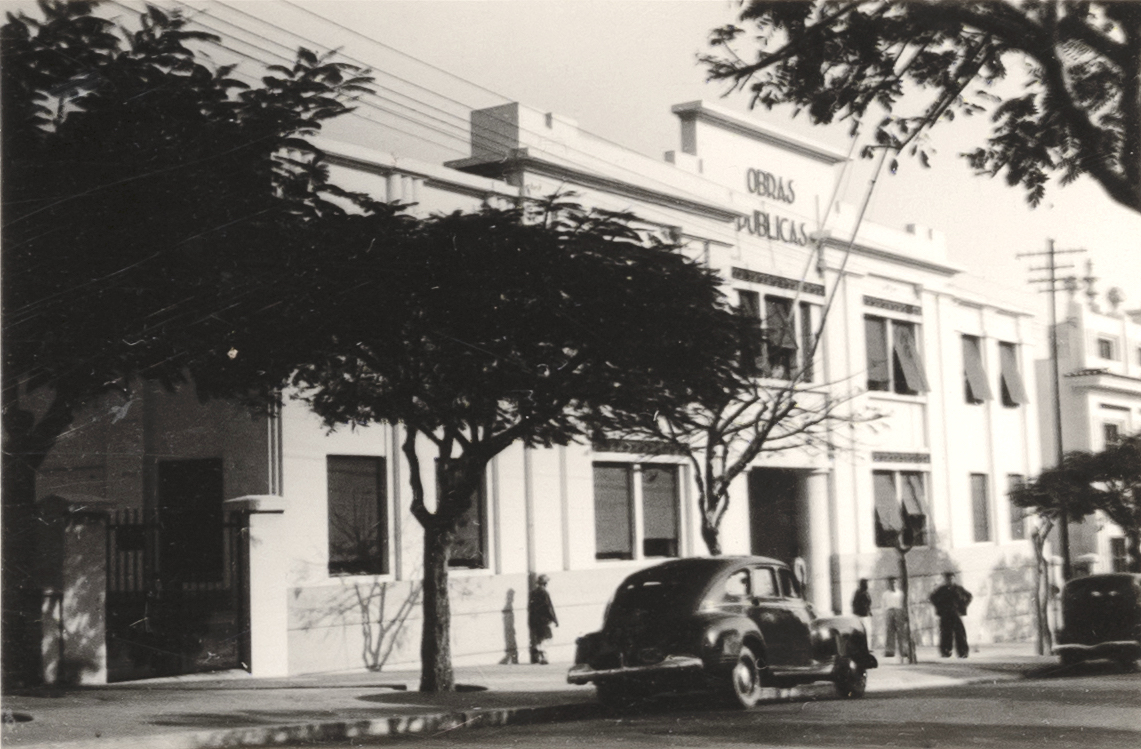
[Cover image] Building of the Directorate‑General of Public Works Services, Lourenço Marques (Mozambique). In Relatório do Governador Geral de Moçambique (1940-1942), ID AMU08748.3, AHU, cx. 3/1726.1. Courtesy of the PT, AHU.
Archaeologies of Unfree Labour and Liberal Fantasies of Abolition
Book: The Oxford Handbook of the Comparative Archaeology of Slavery Authors: Rui Gomes Coelho, Xurxo Ayán Vila, Reinhard Bernbeck, Heather Burke, Beatriz Serrazina, Claire Smith, Camille Westmont
Editors: Professor Mark Paul Leone, Dr. Jane Louise Webster
Date: 2026
Summary
This chapter focusses on experiences of slavery and unfree labour that emerged in the age of abolition and its aftermath, continuing to the present day. It engages with the idea that the persistence of slavery is grounded on labour and affective practices structured along lines of race, class, and gender that were first articulated within slavery-based societies during the nineteenth century. Rui Gomes Coelho outlines the development of ‘Second Slavery’ as an industrialised, technological, and science-oriented institution that emerged out of American plantation economies. Camille Westmont contextualises the history of convict leasing and penal labour in the United States—one of the many legacies of antebellum slavery in the South. Heather Burke and Claire Smith focus on the development of unfree First Nations labour in Australia, a settler colony that was consolidated after the formal abolition of slavery. Beatriz Serrazina analyses forced labour in mining projects in colonial Africa, with a focus on Diamang, a mining company that operated in late colonial Angola. The last two sections deal with the ways in which labour and affective practices structured within the institution of slavery shaped Europe’s contemporary societies, especially along the lines of race and gender. Reinhard Bernbeck discusses the materiality of slavery under the Nazis and argues that archaeology is a crucial tool to critically reflect on suffering and modes of witnessing. Finally, Xurxo Ayán Vila looks at the materiality of sexual exploitation in contemporary Galicia, in northwest Spain.
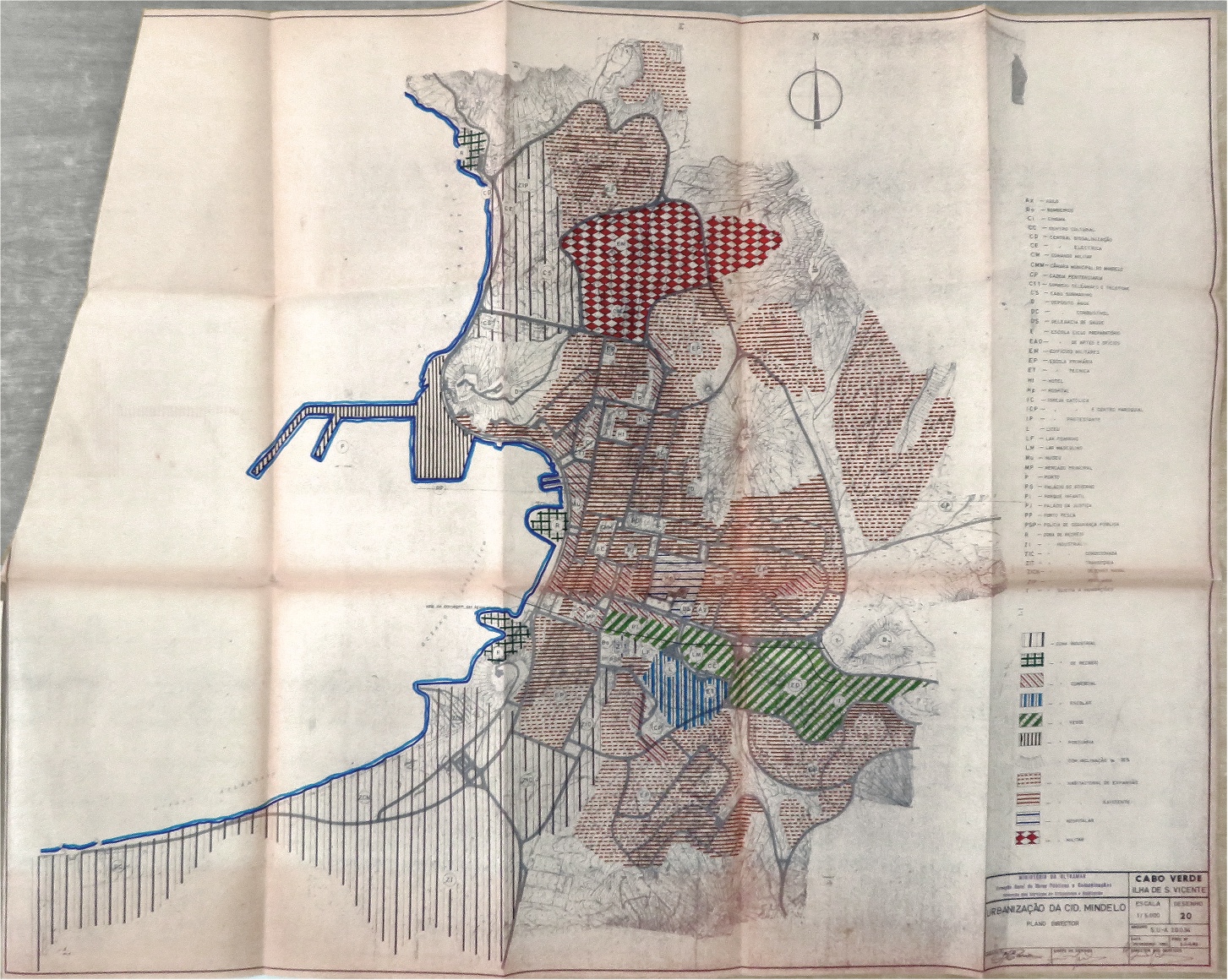
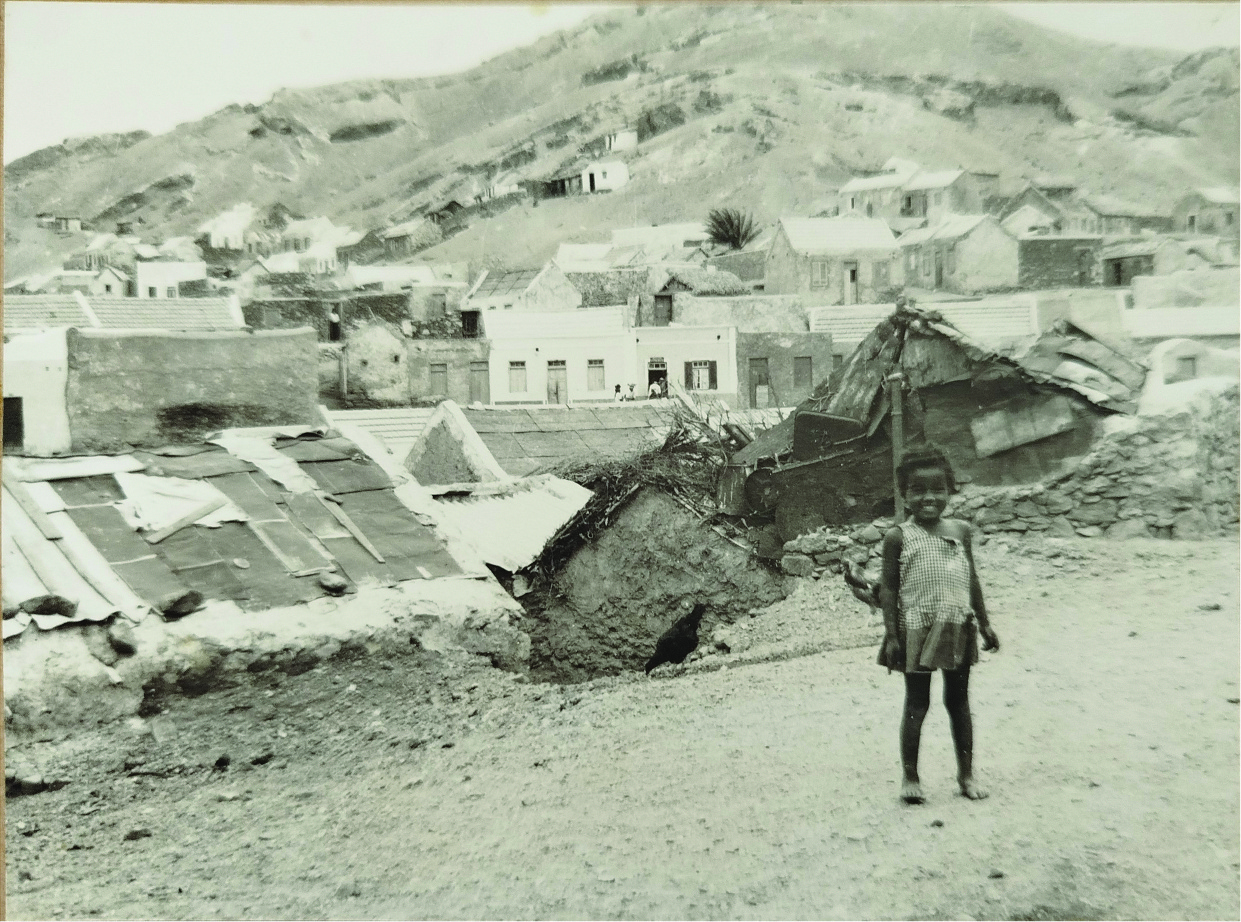
Maria Emília Caria, Fonte Filipe, “Mindelo, São Vicente,” in Report of the Urban Planning and Housing Working Group Mission to Cape Verde, vol. 3, 2nd dossier, 1964. AHU/DSUH series, item 2130/07204.
Summary
This article focuses on the experience of Maria Emília Caria, a Portuguese architect who worked for more than a decade in the archipelago of Cape Verde, one of Portugal’s five African colonies, until 1975. The study is based on archival documents, oral histories, and fieldwork, to address the scarcity of sources often characteristic of research on professional women. The article discusses how gender influenced Caria’s performance as an architect, and how the confinement of her work to a marginal territory in the Portuguese colonial context ultimately allowed her to play an influential and autonomous role. Caria’s main period of activity coincided with Colonial or Liberation Wars (1961–74), which, although not directly affecting Cape Verde, would influence both so-called “welfare programmes” and access to public and private investment. The state of extreme deprivation and precariousness of these islands would ultimately affect Caria’s urban planning proposals and, consequently, their eventual failure.
Cover image: Maria Emília Caria, Urbanisation Project for the City of Mindelo – Island of São Vicente, Cape Verde, 1969. Stored at the Instituto do Arquivo Nacional de Cabo Verde, Praia, box no. 1673. Photograph of archival record by Ana Vaz Milheiro, 2025.
The Salazar Foundation’s Private Housing Assistance in Africa During Late Portuguese Colonial Rule (1969–78)
Journal: Journal of the Society of Architectural Historians 85 (2): 253–274. Authors: Ana Vaz Milheiro
Date: 2026
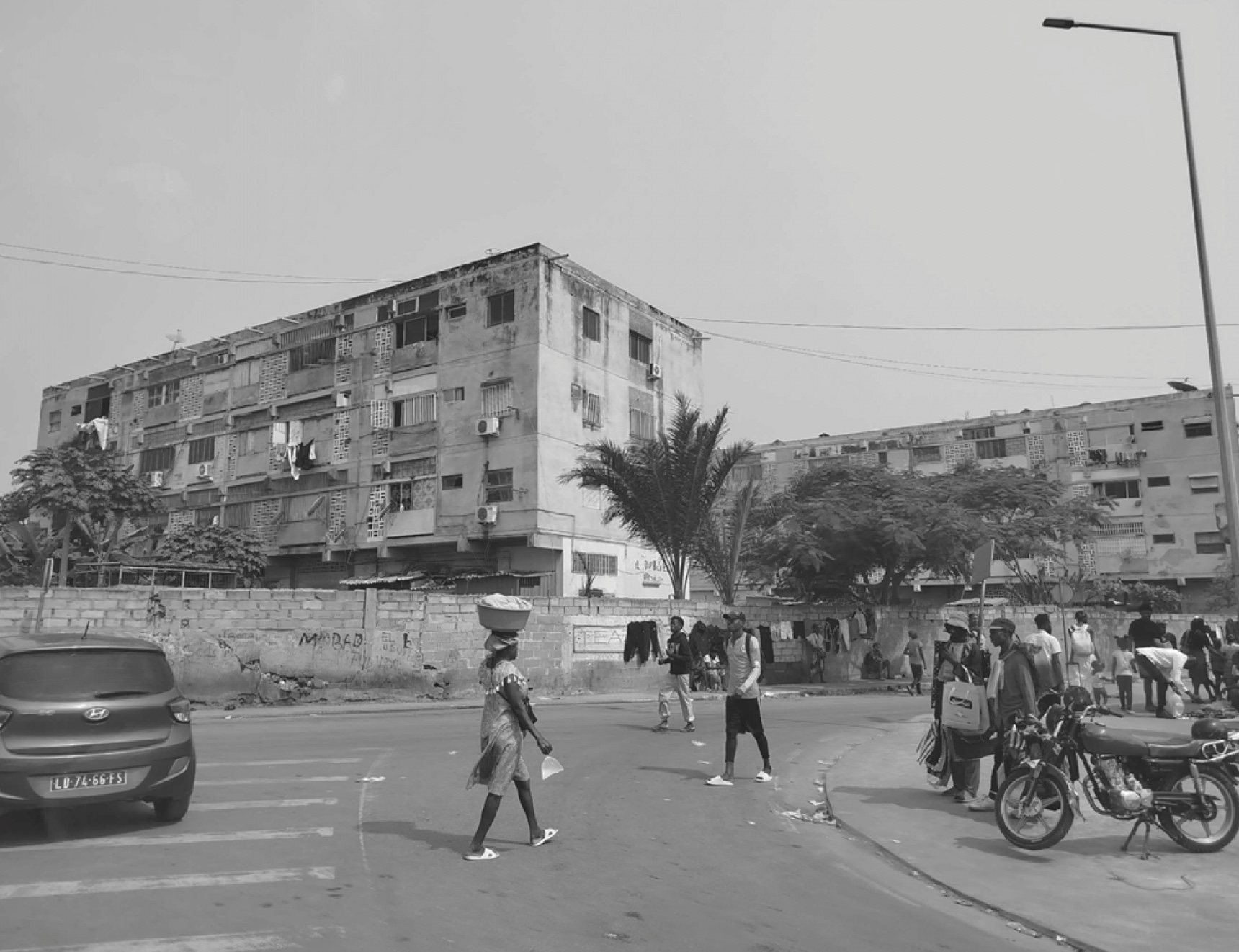
Caputo neighborhood, former Salazar Foundation neighborhood, Luanda, Angola, 1974 (author’s photo, 2024).
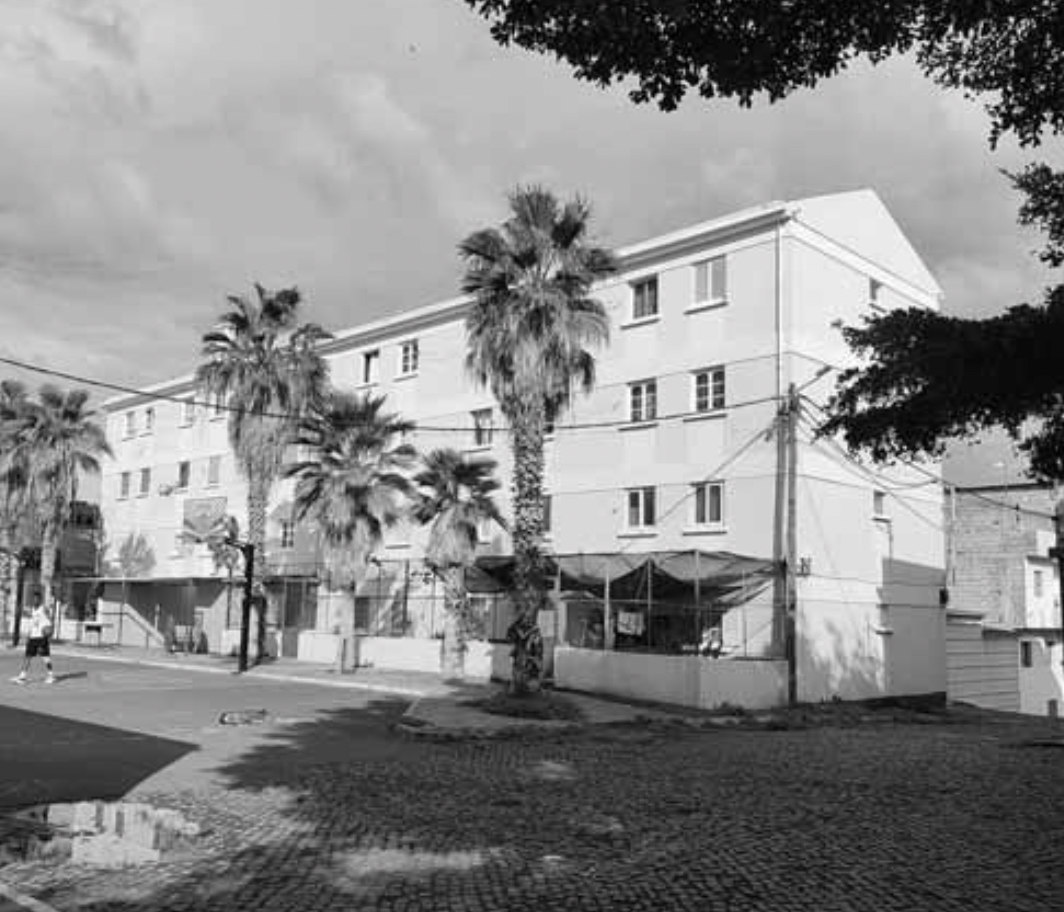
Outskirts of the Craveiro Lopes neighborhood, former Salazar Foundation neighborhood, Praia, Cabo Verde (author’s photo, 2025).
Summary
The Fundação Salazar, or Salazar Foundation, was a private agency set up in the late 1960s to build assisted housing for the “economically weak” urban and rural populations across Portugal and former African and Asian territories under Portuguese rule (Angola, Mozambique, Guinea-Bissau, Cape Verde, São Tomé and Príncipe, and Timor). It developed small-scale neighborhoods using consistent programmatic typologies (collective four-story blocks in urban/suburban locations and single-family houses in rural or peri-urban areas). By 1978, when the Salazar Foundation was dissolved, it had built neighborhoods in twenty-four Portuguese cities and nineteen former colonial regions, with a total of 2,067 housing units. This article examines the foundation’s activities, which were supported at the highest levels of metropolitan and colonial powers and also became the subject of political propaganda. It questions the housing program as a key strategy of the Portuguese rule to control populations and delay their potential involvement in the anticolonial struggle.
Villagisation and Military Agency in Late-Colonial Africa: A Comparative Study of Guinea-Bissau and Mozambique (1968-1974)
Event: The Military History Consortium Conference
Author: Ana Vaz Milheiro, Francesca Vita
Date: 4 May 2026
Location: Sciences Po Aix, Aix-en-Provence
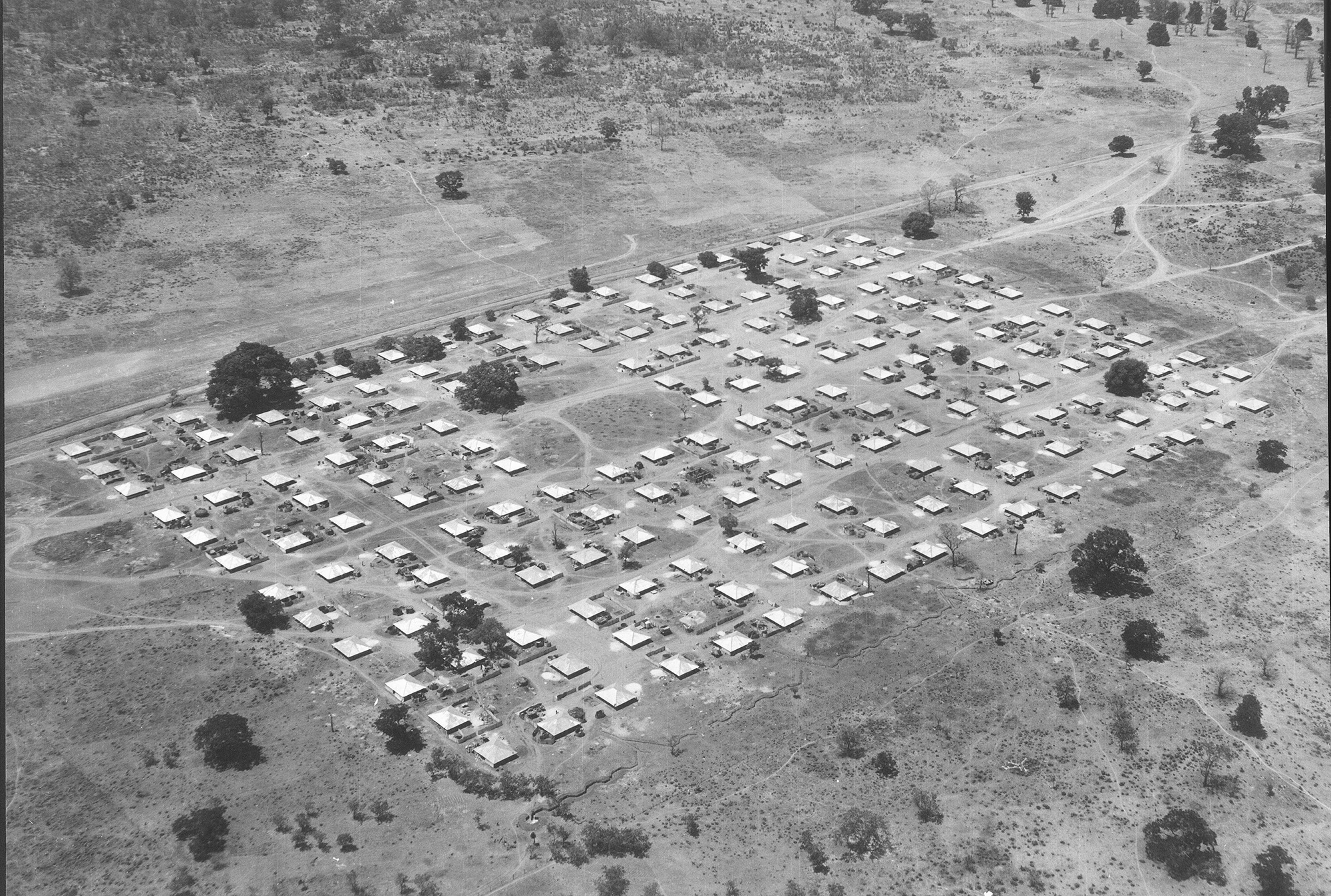
Cuntima strategic village, Guinea-Bissau [PT/AHU]
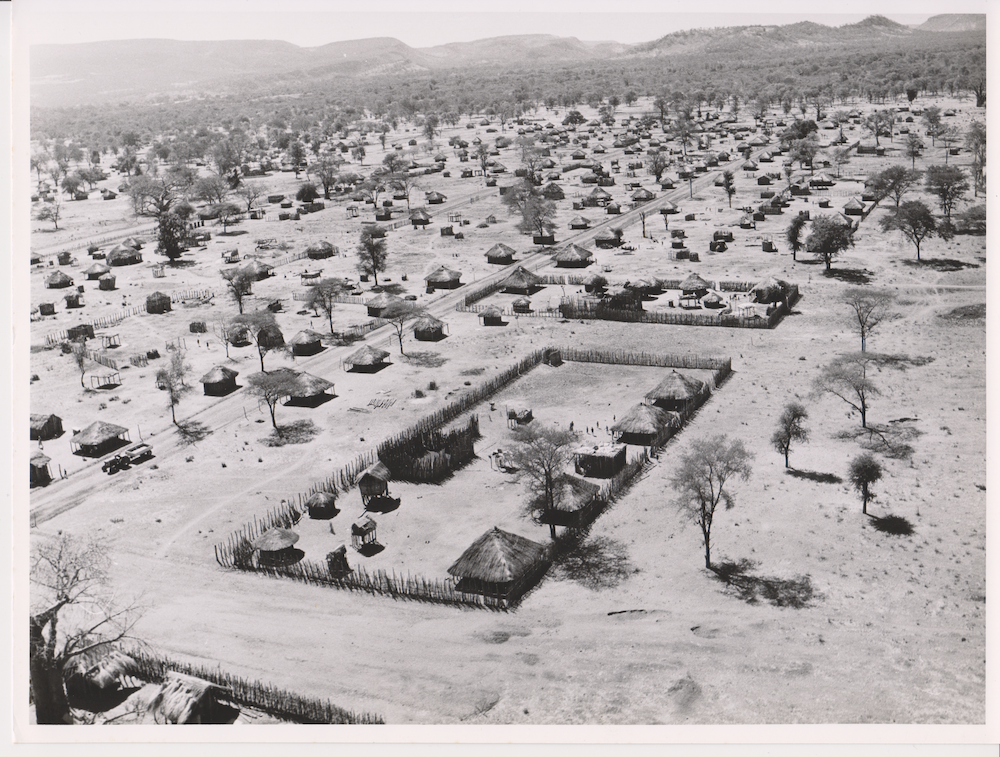
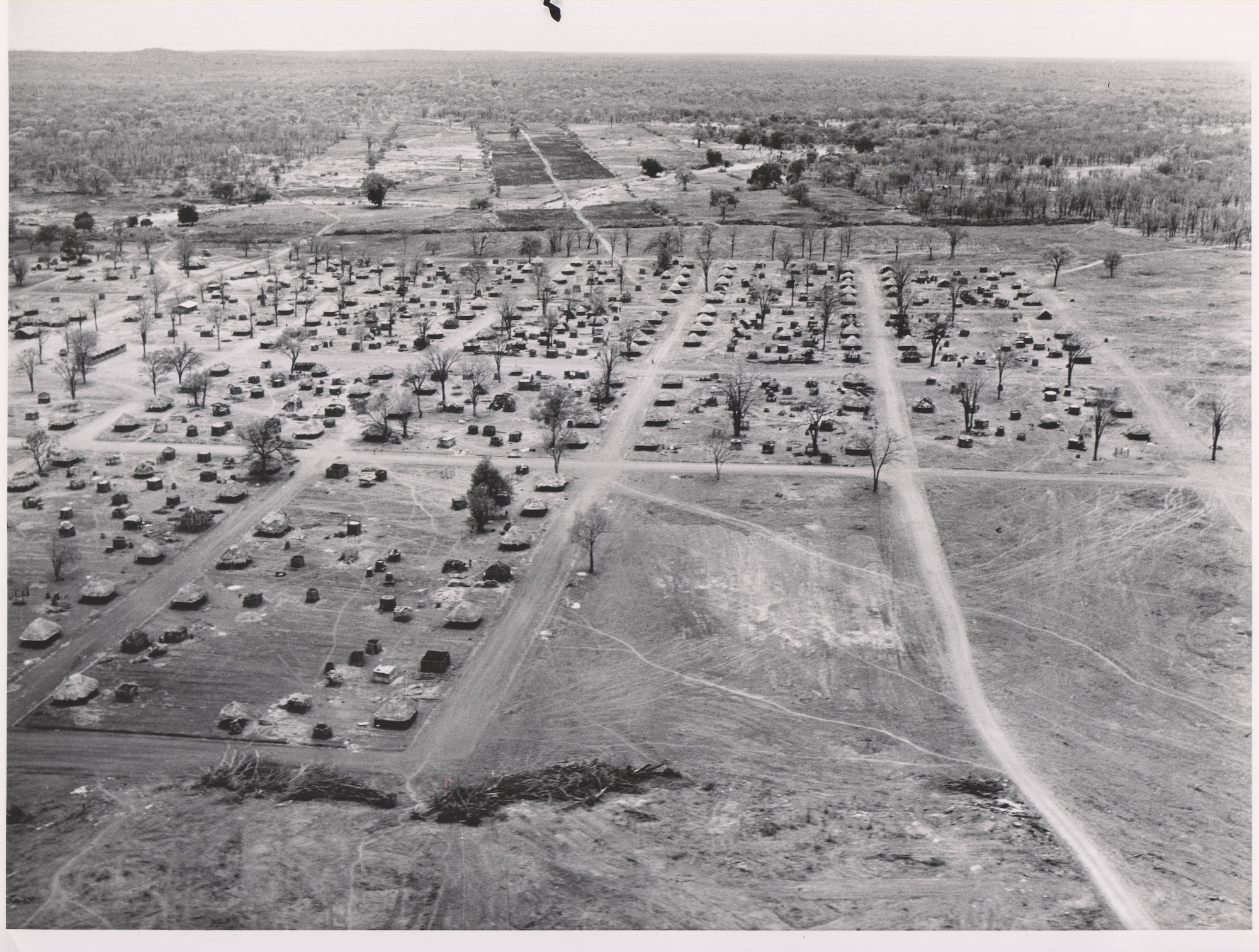
Candodo village, Mozambique [PT/AHU]
Summary
This paper focuses on the villagisation programs implemented during the final years of the liberation war in Guinea-Bissau and Mozambique, examining the involvement of the army in regrouping local population by constructing new settlements and infrastructures as a tactic of war. The villagisation plans in Guinea-Bissau and in the Tete Region of Mozambique occurred simultaneously (1968-c.1974), affecting rural areas characterised by low population density and subsistence agriculture. However, the role of the army in carrying out these programs differed significantly in terms of implementation, materialisation and outcomes. In Guinea-Bissau, villagisation was almost entirely directed by the army, with minimal support from civil authorities. As a result, the process followed military procedures, leading to the standardisation of building techniques, materials, and housing layouts. The hierarchical structure of military organisation, directly depended on the general governor, shaped both decision-making and execution, adjusting construction options with military logistical needs. In contrast, in the Tete Region, villagisation resulted from the simultaneous intervention of multiple actors – both civil and military – each pursuing their own agendas and mobilising their own resources. This overlapping of authorities diluted military centralisation and generated more heterogeneous settlement layouts and housing typologies, producing also greater variability in building materials and techniques. Through a comparative analysis of these two cases, grounded in archival research in both civil and military archives in Portugal, Guinea-Bissau and Mozambique, this paper contributes to understanding how military organisation operated on the ground and how military and civil strategies became intertwined to consolidate control and secure local support. It highlights how differing degrees of military hierarchy and centralisation shaped the choice of construction systems, settlement layout, building materials, housing typologies and ultimately the reordering of rural populations.
The ‘welfare’ as warfare. The two side of the liberation war in Guinea-Bissau 1968–1974
Event: The Military History Consortium Conference
Author: Francesca Vita, Christian Kjellsson
Date: 3 May 2026
Location: Sciences Po Aix, Aix-en-Provence
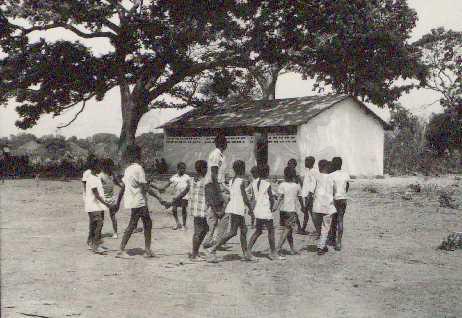
Military school post, Guinea-Bissau [PT/AHM]
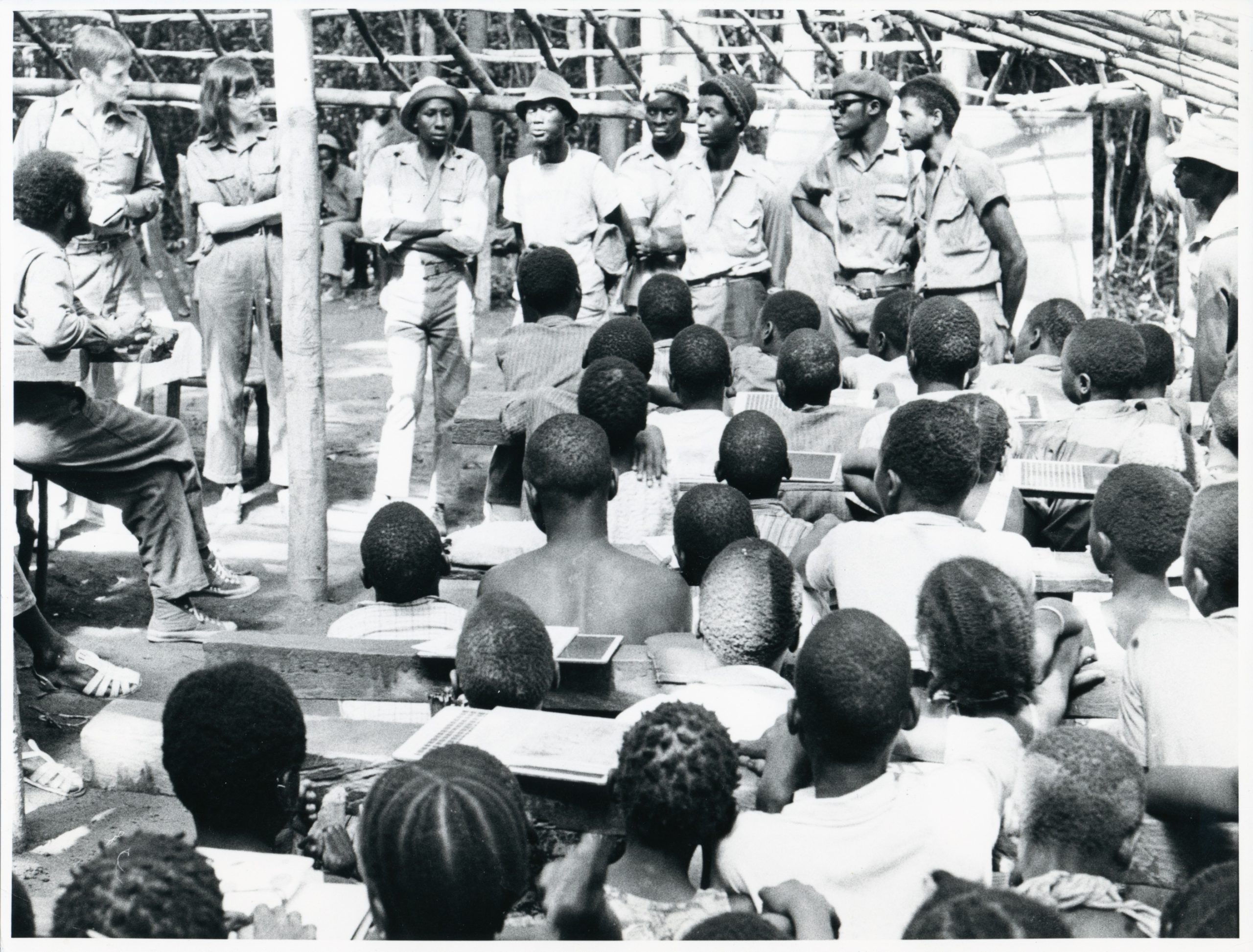
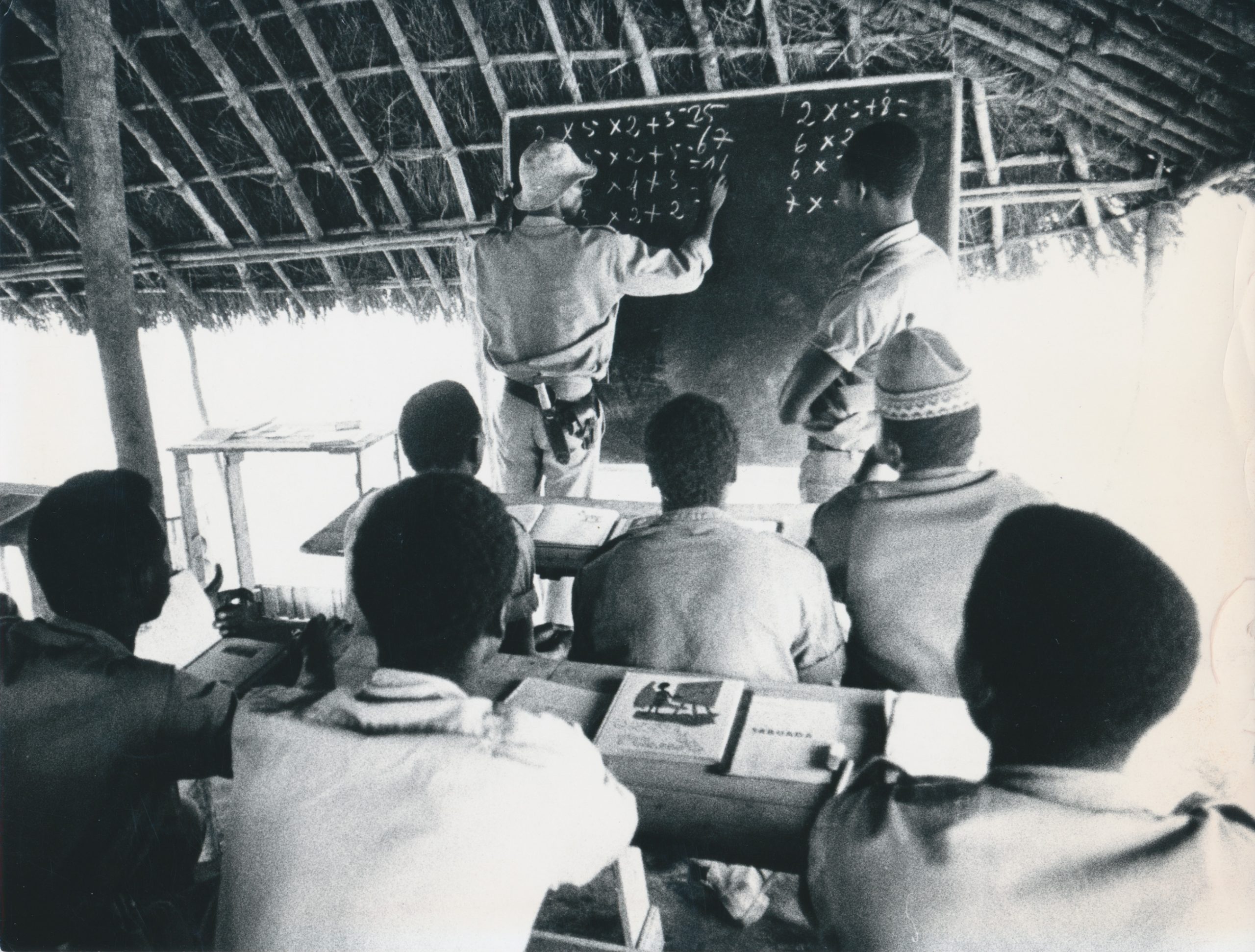
“Escola do Mato” (forest school) in PAIGC liberated areas [SWE/NordicAfricanInstitute]
Summary
This article focuses on the entanglements between the military and civilian tactics carried out by the Portuguese army and the PAIGC during the last years of the liberation war in Guinea-Bissau 1968–1974. Discussing the psychological warfare and the spatialisation of war through the construction of new infrastructures – for example schools, warehouses and healthcare centres. This article analyses how the Portuguese army and the PAIGC simultaneously undertook strategies within the civilian realm as a tactics of war.
In 1968, when the general António de Spínola was appointed the new governor of the Portuguese Guinea and head of the army, the military strategies implemented to win the war against PAIGC extended from the military to the civilian sphere. Under the guise of rural development, Spínola launched a programme of housing, infrastructures, education and healthcare improvement supported by soft-counterinsurgency and psychosocial warfare to win the hearts and minds of Guinean population. On the other side, the PAIGC’s leader Amilcar Cabral responded to Spínola’s strategy by turning to an unexpected actor to enable a counterstrategy: Sweden. Swedish para-military support to PAIGC comprised material aid, ranging from didactic books to perishable goods, to be delivered to the liberated areas under the party’s control.
In order to tackle the two side of the liberation war, this study relied on the combination of the authors competences within the field of military history and history of architecture, enabling a cross-competence and transnational analysis using archival material from Sweden and Portugal. By discussing how military and civil activities interloop during the war, and for both sides, this paper contributes to new perspectives on the liberation struggle in Guinea-Bissau, highlighting simultaneous strategies of “welfare” as war tactic.
Cover image: Birgitta Dahl, Swedish Social democratic parliamentarian and SIDA employee together with journalist Knut Andreassen visit to PAIGC liberated areas (nov., 1970) [SWE/NordicAfricanInstitute]
Portuguese Modern Design and the Contemporary Materialities of the Empire
Event: Crafting Furniture in the Global South: Contemporary Practices, Histories and Futures Organiser: Dr Rukmini Chaturvedi
Author: Francesca Vita
Date: 9 May 2026
Location: Design History Society online symposium
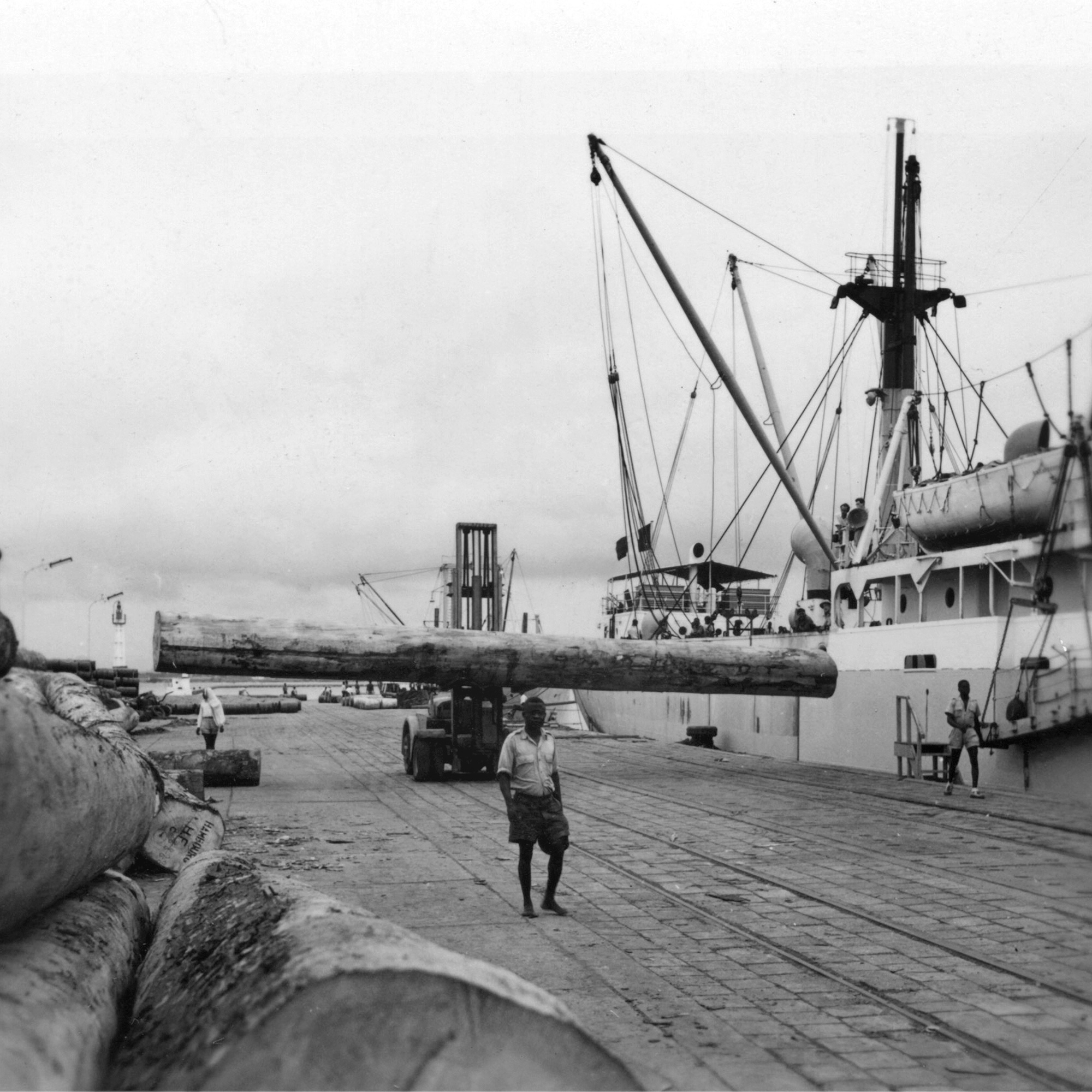
Logs shipping at the Port of Ponta Negra, Cabinda [PT/AHU]
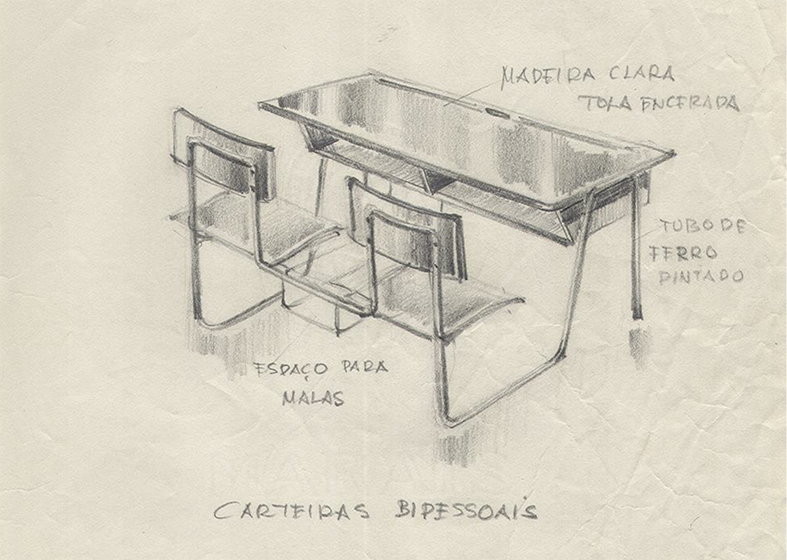
Double School Desk, MóveisOlaio, José Espinho [PT/MCS]
Summary
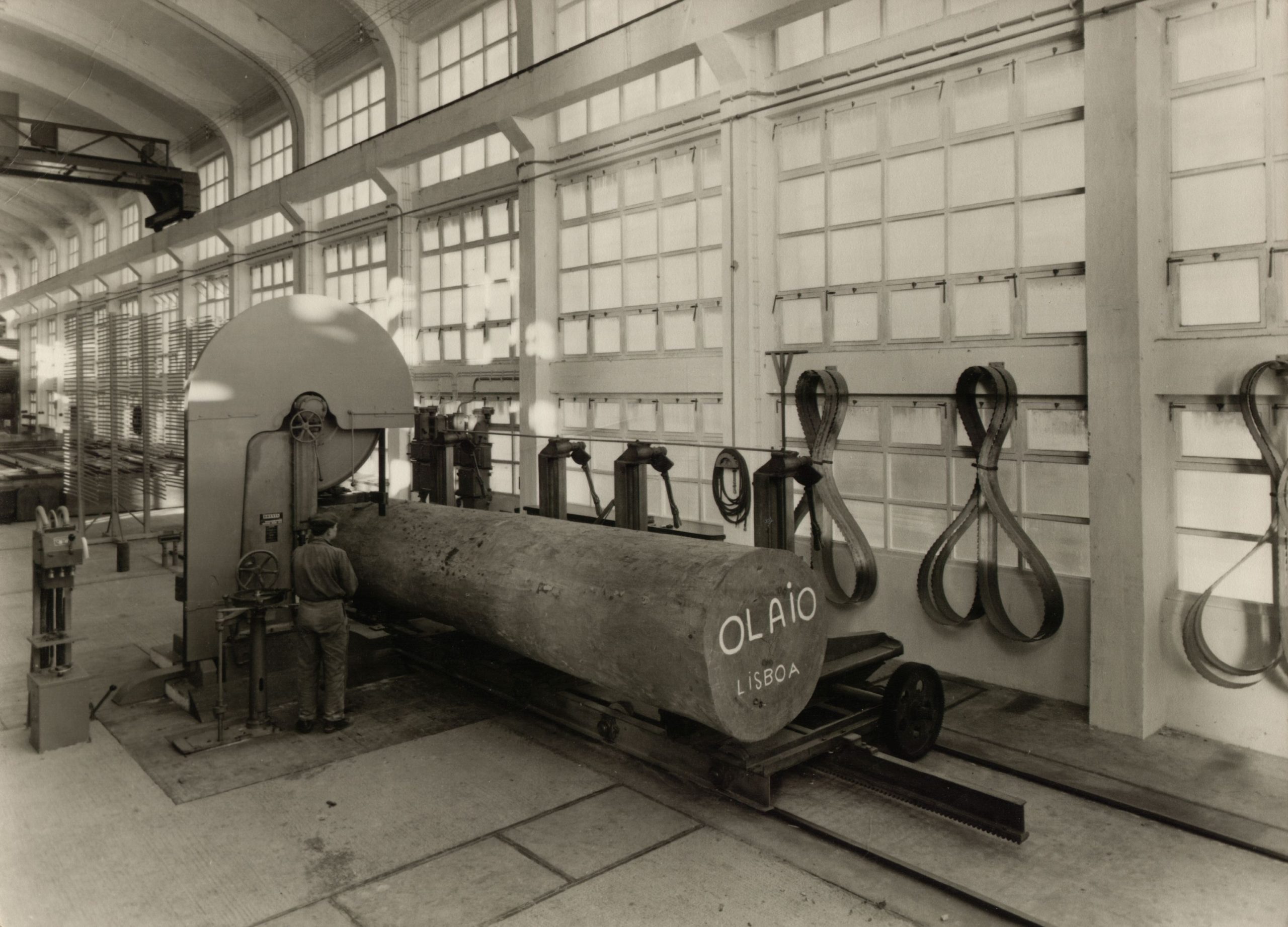
This article examines the materialities of the Portuguese Empire in everyday furniture, raising questions about the relationship between extractive material ecology in Guinea-Bissau, Angola, and Mozambique and furniture in post-war Portugal. In the post-war years, public buildings and middleclass houses were characterized by furnishings mostly made of tropical woods. African timber was extracted, processed, and shipped from the colonies to the metropole, where it was primarily used in the production of furniture and in interior design. Renowned Portuguese companies, such as Olaio, produced a wide range of design products from African woods, contributing to furnishing both the private and public dimensions of the Empire and to developing a modern lifestyle in Portugal.
On the one hand, by drawing from the analysis of iconic pieces of design that shaped the history of furniture in Portugal and that are still in use in public and private spaces and, on the other hand, by examining the imperial trade of timber in the post-war period, this article raises questions about the relationship between Empires and the design industry, between furniture making and the transimperial economy, and between the Global North and South regarding furniture.
Based on archival materials from Portuguese manufacturers, architects, and designers, as well as documentation from colonial archives regarding timber trade, this article simultaneously highlights the place of production and the point of consumption of modern design. In doing so, it challenges the Western-centric history of design in the post-war era that has minimized the connection between modern design and extractive material ecology in the Global South. The Portuguese case study is treated as a pilot subject matter to broaden the discussion to other European countries about the interdependence between modern design and imperial projects, questioning what remains of this legacy today both in the history and practice of furniture making.
Cover image: Log’s sawing at Olaio factory, Loures (196?) [courtesy of Museu de Cerâmica de Sacavém ]