
Tag: News

  • [CALL FOR PAPERS] Selective Repair: Colonial Urbanism and Practices of Maintenance

    [CALL FOR PAPERS] Selective Repair: Colonial Urbanism and Practices of Maintenance

    Event: Symposium of Urban Design History and Theory, ‘Beyond Repair: Extended Histories and Theories of Urban Design’
    Chair: Beatriz Serrazina

    Date: 15 – 18 September 2027
    Location: University of Sheffield, England


    Summary

    Repair is increasingly associated with care, resilience, and recovery. However, it can also be a selective, exclusionary, and deeply political practice. This session examines repair in colonial contexts, both as a material practice and a political technology through which colonial urbanism was sustained.

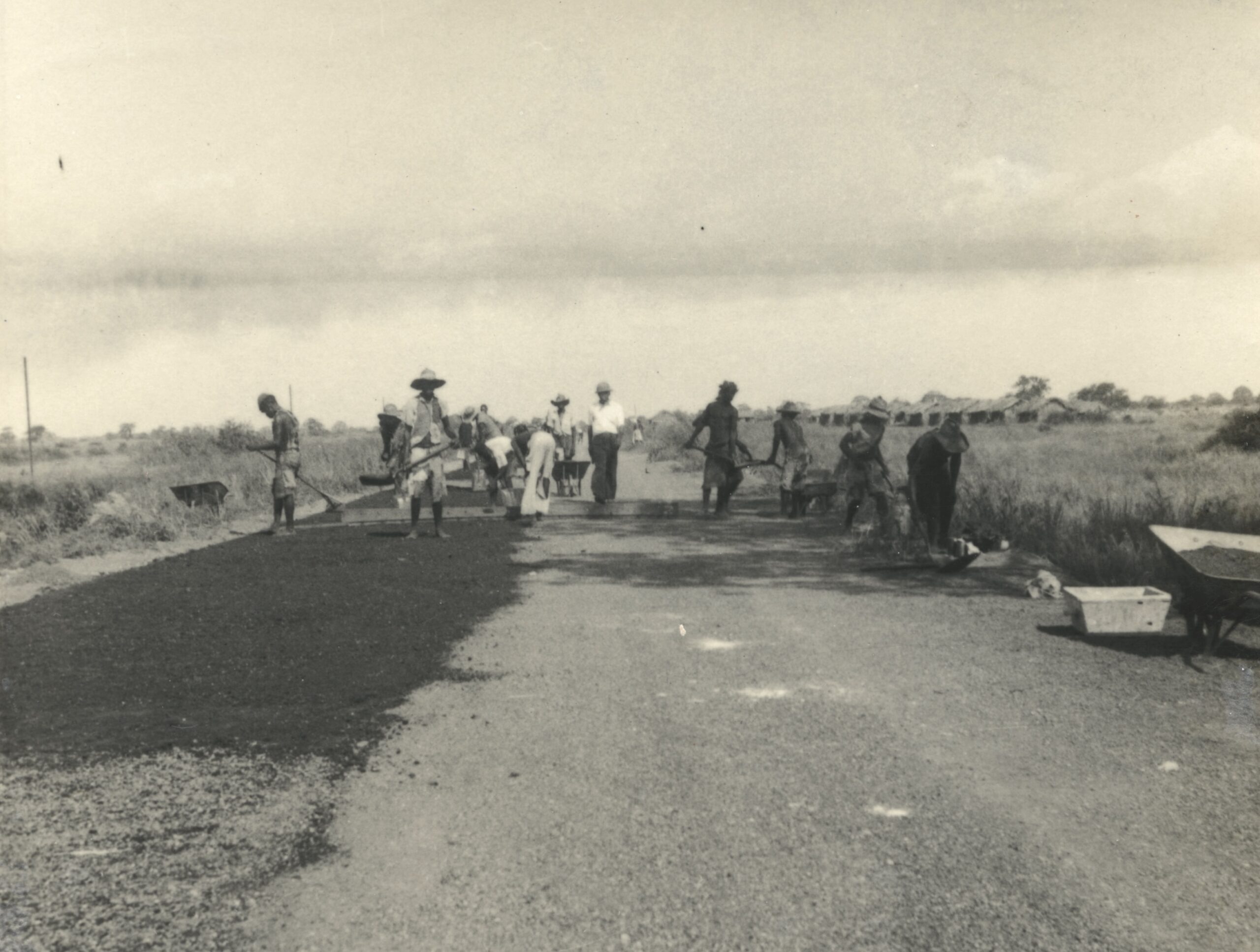
    Colonial urbanism depended on continuous regimes of maintenance and repair as much as on planning and construction. Roads, drainage systems, bridges, public buildings, ports, and other infrastructures required constant upkeep to sustain everyday urban life and colonial governance. Decisions about what was repaired, when, how, and by whom were never impartial. They directed labour, technical expertise, and financial resources towards particular spaces while neglecting others, reinforcing unequal urban landscapes and reproducing colonial dynamics.

    The session proposes repair not simply as an object of historical enquiry but as an analytical prism through which to rethink colonial urbanism in terms of its materiality, narratives, and representations. It welcomes papers from different empires, regions, and historical periods that explore the relationships between repair, labour, infrastructure, governance, technology, and the production of urban space. Contributions may examine the organisation of maintenance work, public works administrations, municipal services, repair economies, technical knowledge, material practices and re-use, or the discourses of improvement, sanitation, rehabilitation, and maintenance through which colonial interventions were justified and contested.

    What does repair make visible that histories of planning and construction leave out? By bringing workers, routines, materials, failures, improvisations, and decisions about neglect into the history of urban design, the session seeks to reconsider where and when urban design takes place. It asks whether the colonial city might be understood not only through the spaces that were conceived and built, but through the unequal processes that determined what was kept functioning, what was altered, and what was allowed to deteriorate.

    Abstracts for papers must be submitted online by 11:59 pm GMT, on Friday, 18th December 2026.

    Click here to submit your proposal and learn more about SUDHT.

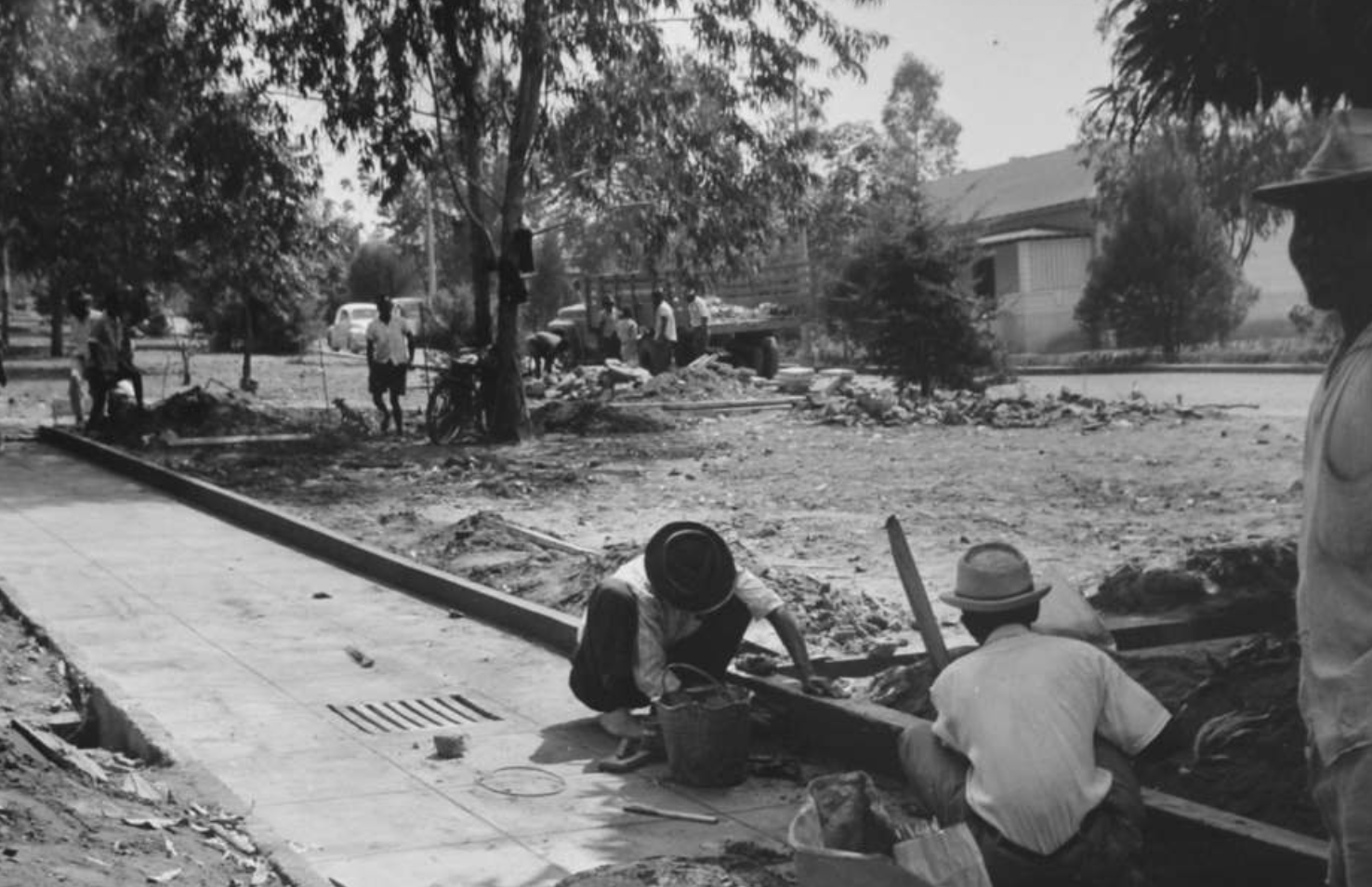
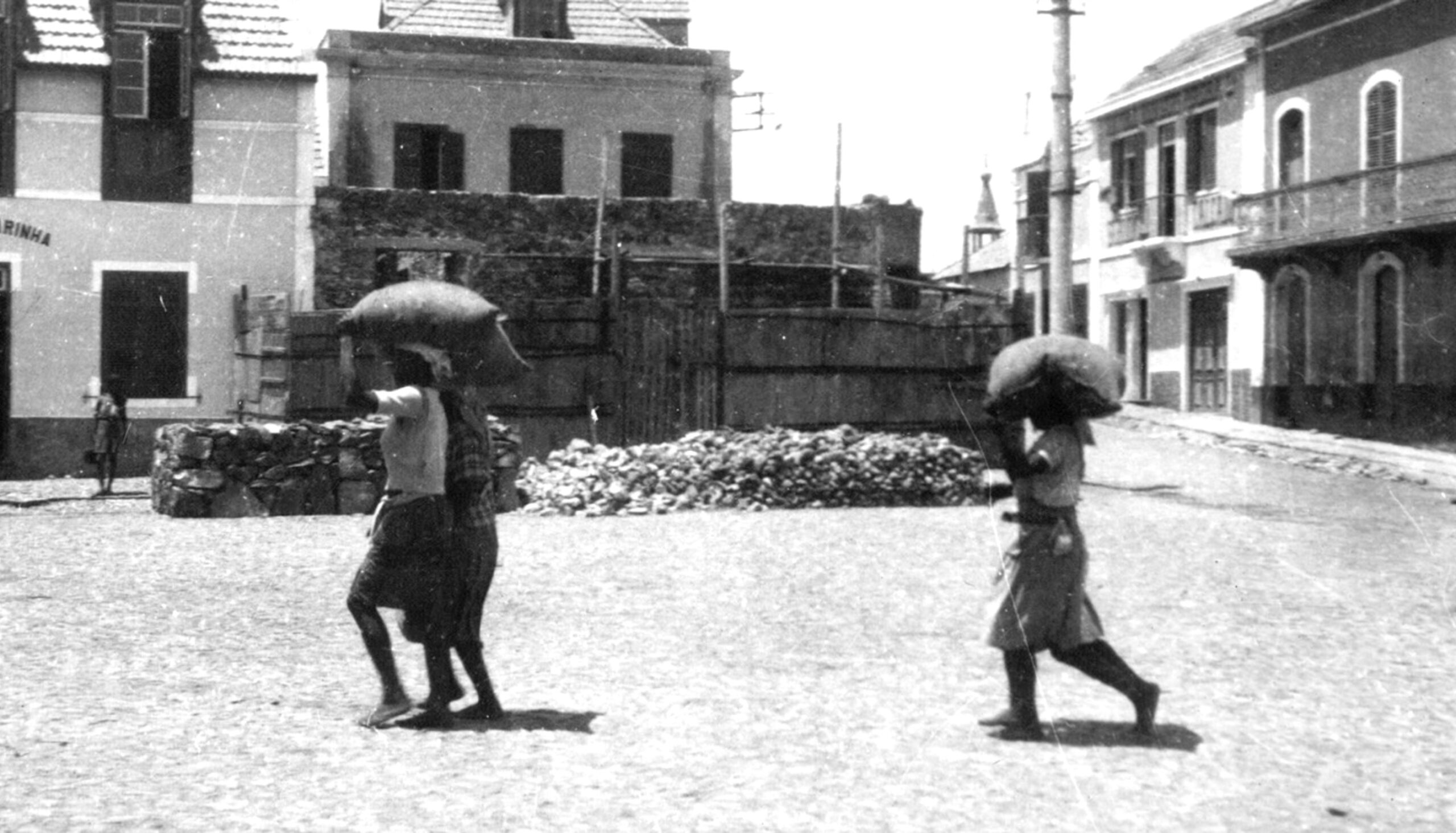
    Image credit: Major repairs to the Luanda–Dondo road: spreading and levelling of bituminous rock (AHU, OP5200, 1945).
  • Spatializations of Development: Mining Enterprises and Company Towns in Africa

    Spatializations of Development: Mining Enterprises and Company Towns in Africa

    Book: Rethinking Colonialism and Development: Concepts, Geographies, Actors and Legacies

    Author: Beatriz Serrazina

    Editors: Miguel Bandeira Jerónimo, Sarah Stockwell, and Joseph Hodge

    Print: De Gruyter Brill, 2026


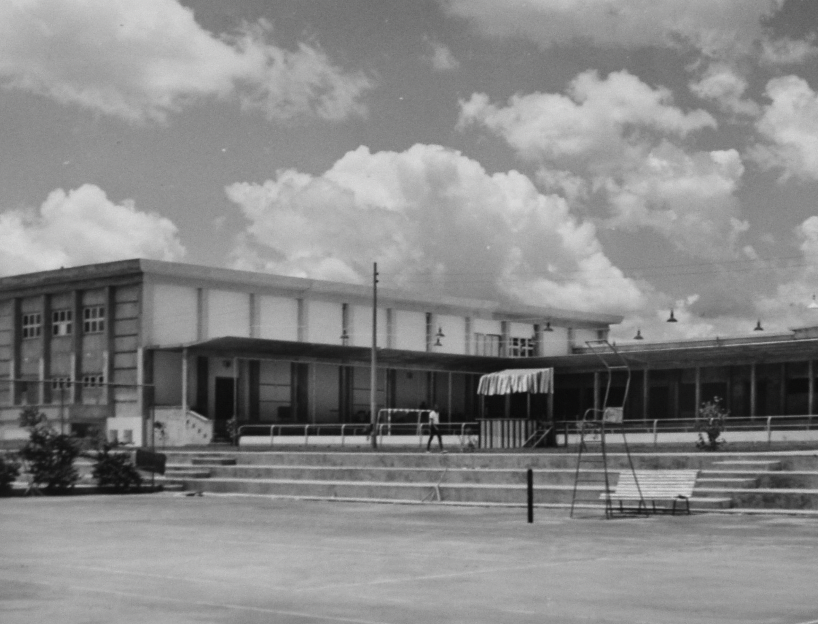
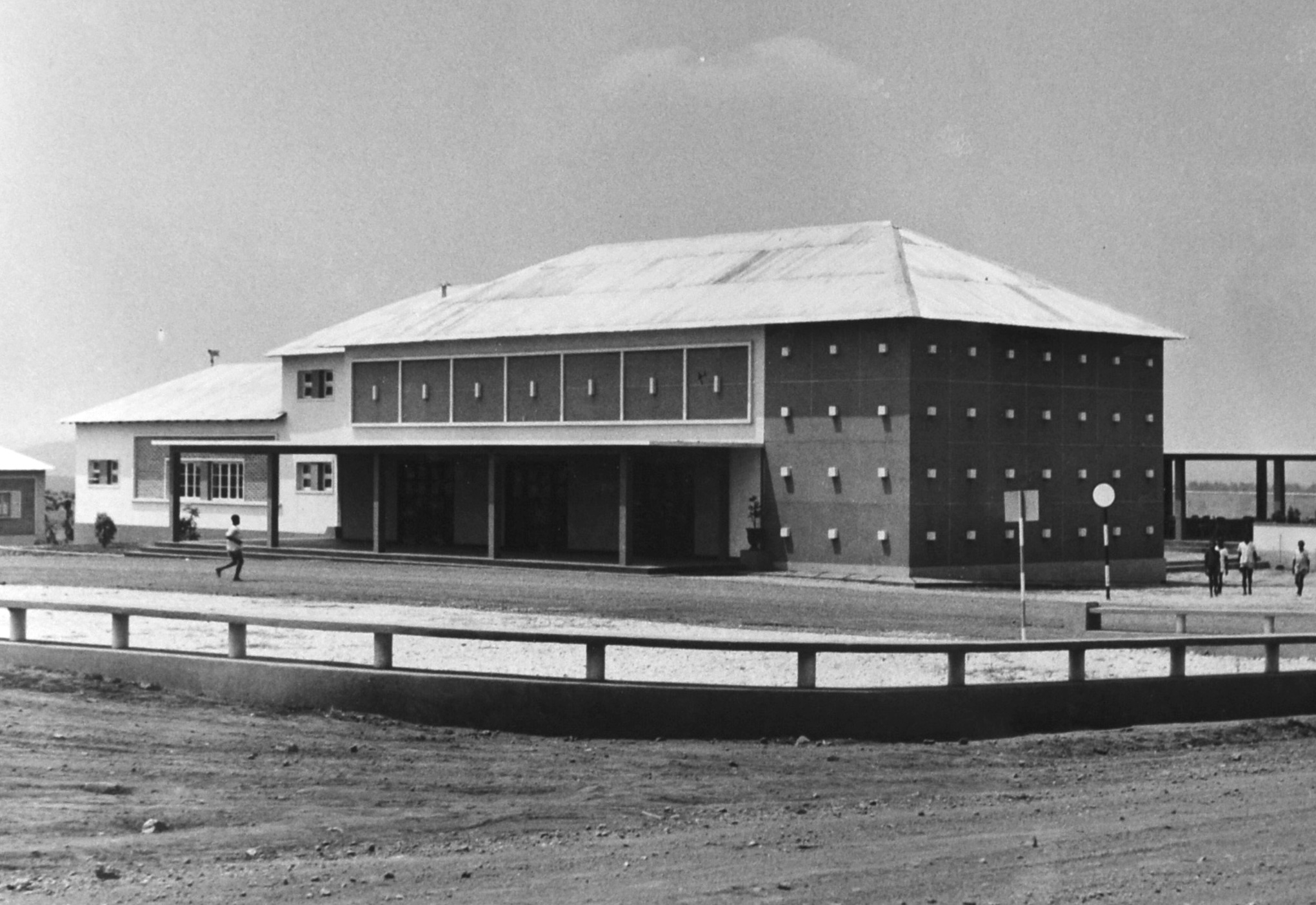
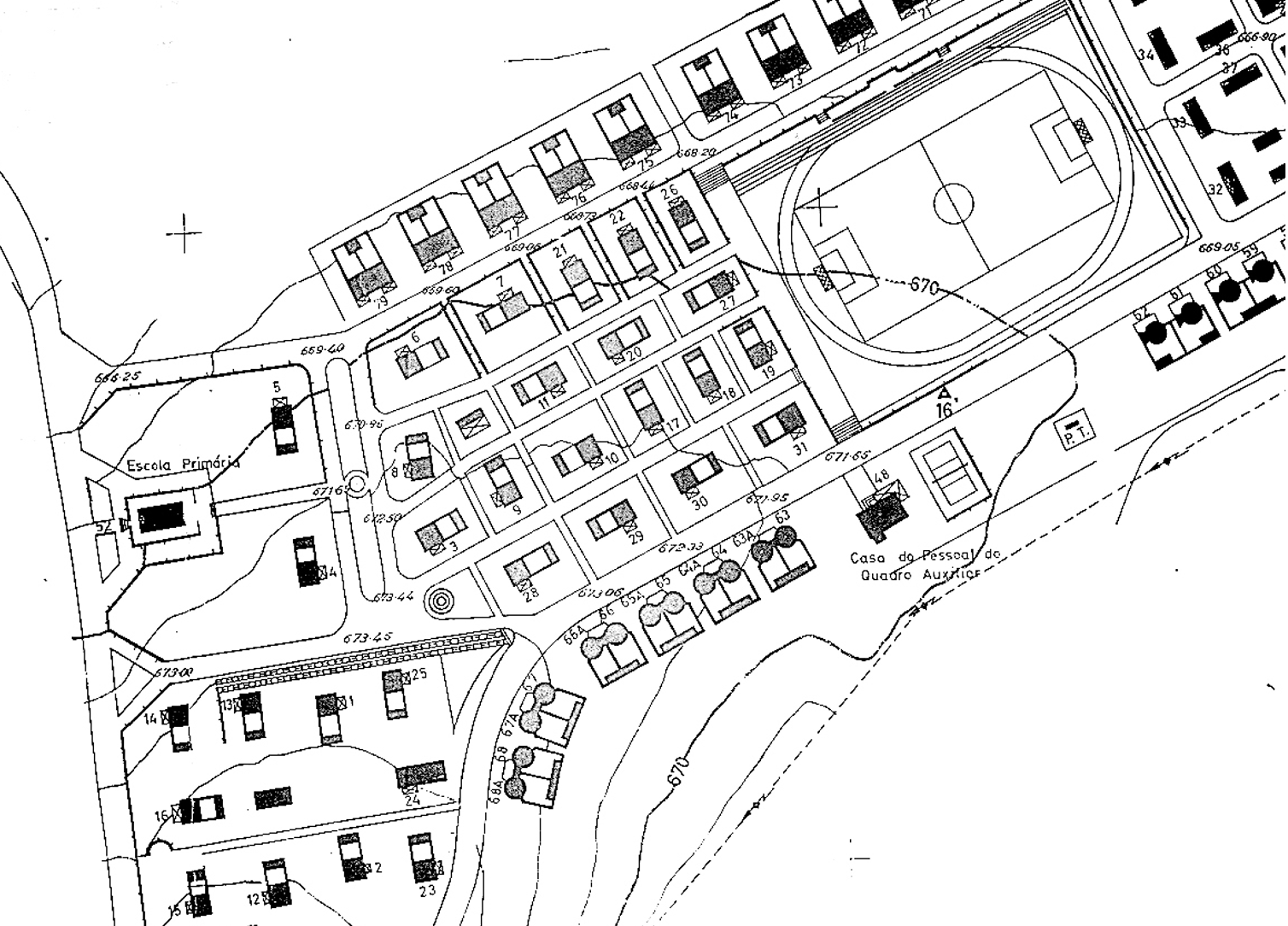
    ‘Casa do Pessoal do Quadro Auxiliar’, Dundo, 1970. DCV-UC/AD.
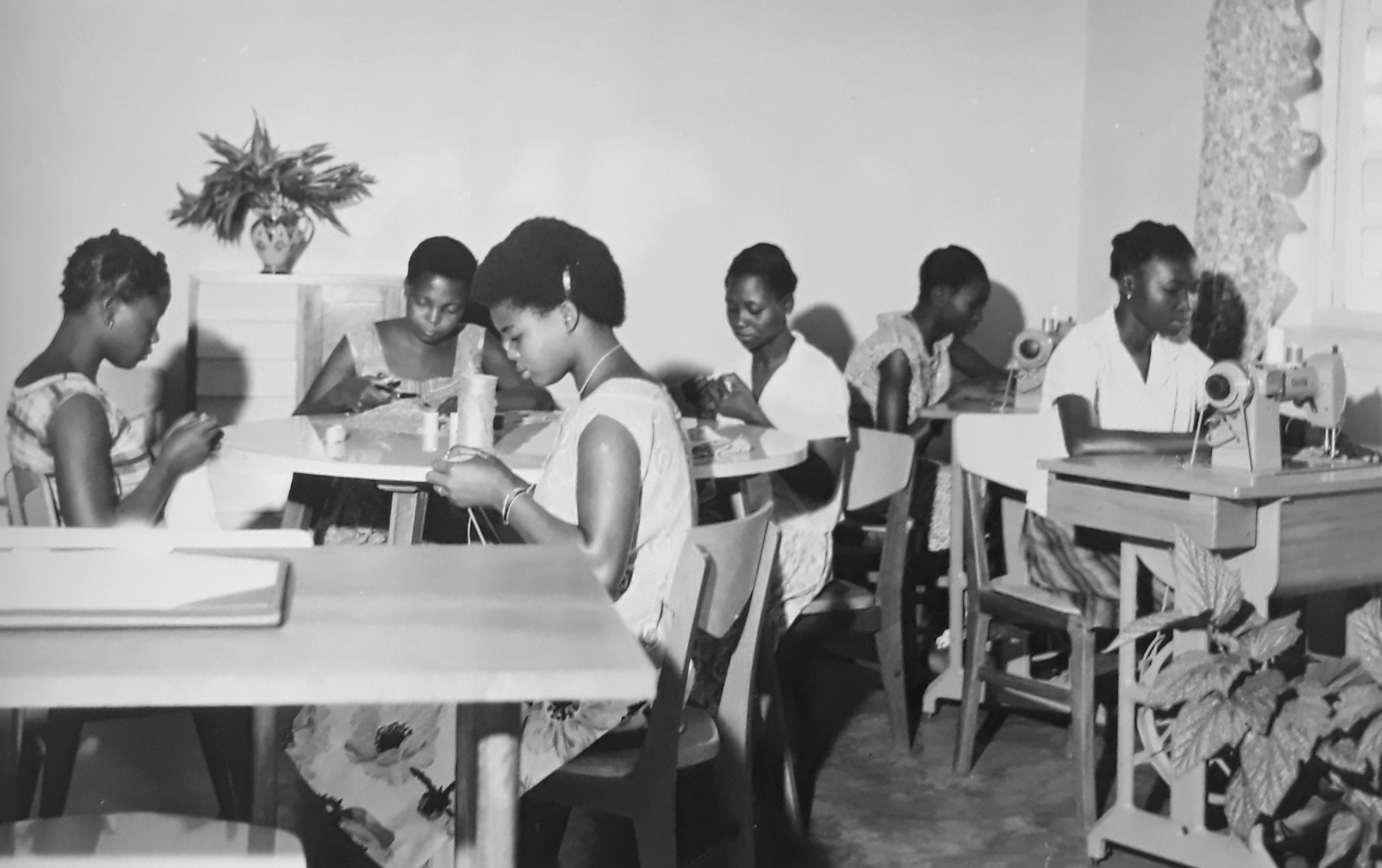
    ‘Domestic Training Centre’ in Lunda, Diamang, 1970. DCV-UC/AD.

    Summary

    This chapter examines how three major mining corporations – the Union Minière du Haut-Katanga (UMHK), Forminière and the Companhia dos Diamantes de Angola (Diamang) – shaped the built environment and urban landscapes of Central Africa throughout the twentieth century. Focusing on mining settlements in the Belgian Congo (present-day Democratic Republic of Congo) and Angola, the chapter explores how companies translated colonial development agendas into spatial and architectural interventions. It examines the planning of workers’ housing, social facilities and recreational spaces, including foyers sociaux, schools, healthcare facilities, sports grounds and domestic training centres. These buildings and facilities served as more than welfare provisions: they became instruments of labour management, social organization and spatial control, while projecting corporate and colonial visions of modernization.

    Drawing on the concept of “development theatres” (Levin, 2022). the chapter approaches mining company towns as spaces where different actors, agendas and expectations intersected. It traces the circulation of architectural knowledge, urban plans and labour policies across corporate and imperial boundaries, revealing significant connections between Portuguese and Belgian colonial territories. The chapter also examines how African workers and local communities shaped, negotiated and sometimes resisted these projects, exposing the tensions between corporate development strategies and everyday practices. By bringing together architecture, labour history and colonial studies, it highlights the complex and enduring spatial legacies of mining enterprises in Central Africa.

    Read the full article here.

    [Cover image: Casa do Pessoal, Diamang, Luxilo, Lunda, 1963. DCV-UC/AD]

  • Building an Empire: Space, Connections and Architecture in Diamang, Angola

    Building an Empire: Space, Connections and Architecture in Diamang, Angola

    Author: Beatriz Serrazina

    Journal: ABE Journal 27

    Date: 12 November 2026


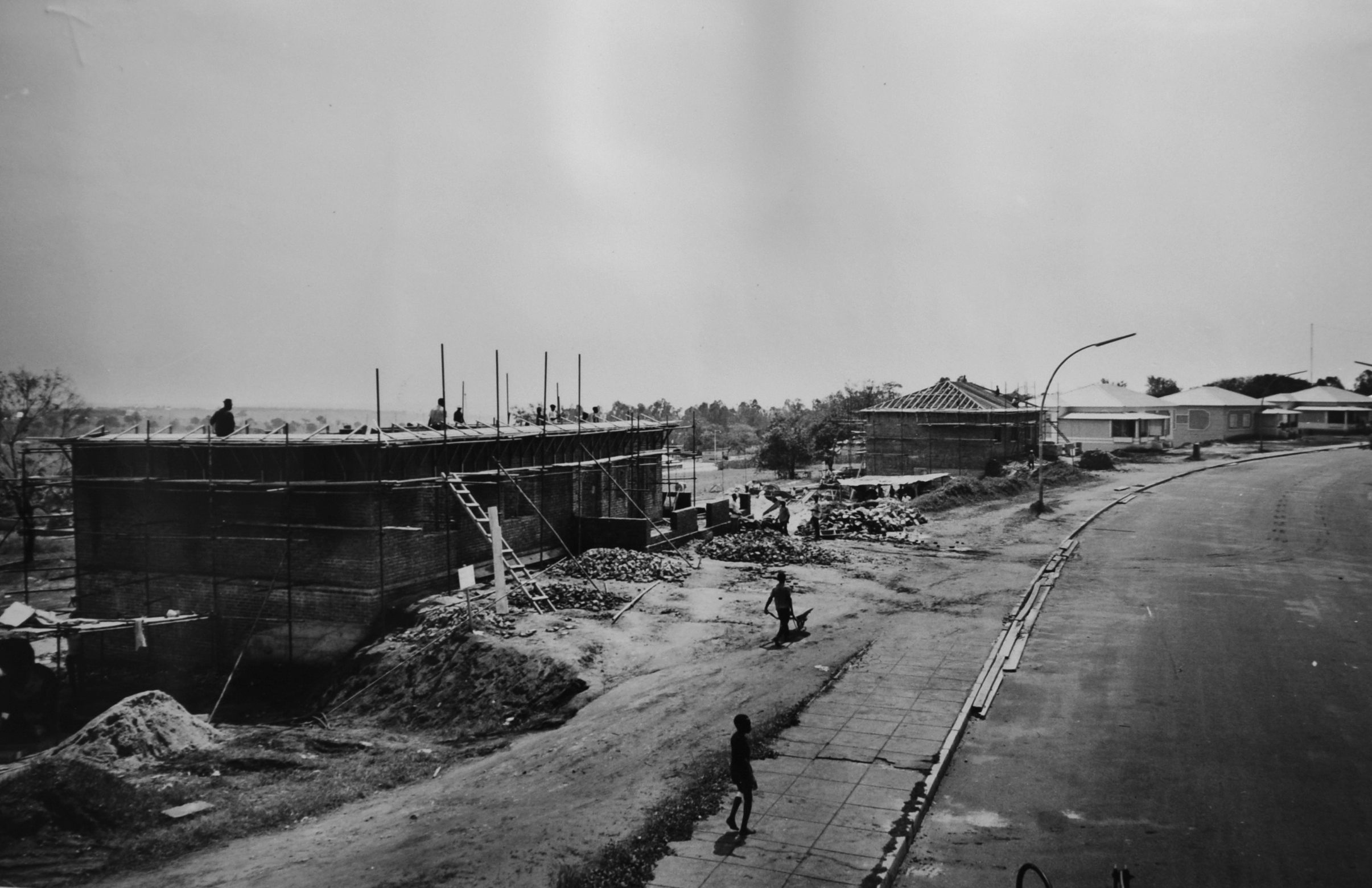
    Diamang’s construction teams, 1970. DCV-UC/AD.
    Construction of houses on Street 26 in Dundo. DCV-UC/AD.

    Summary

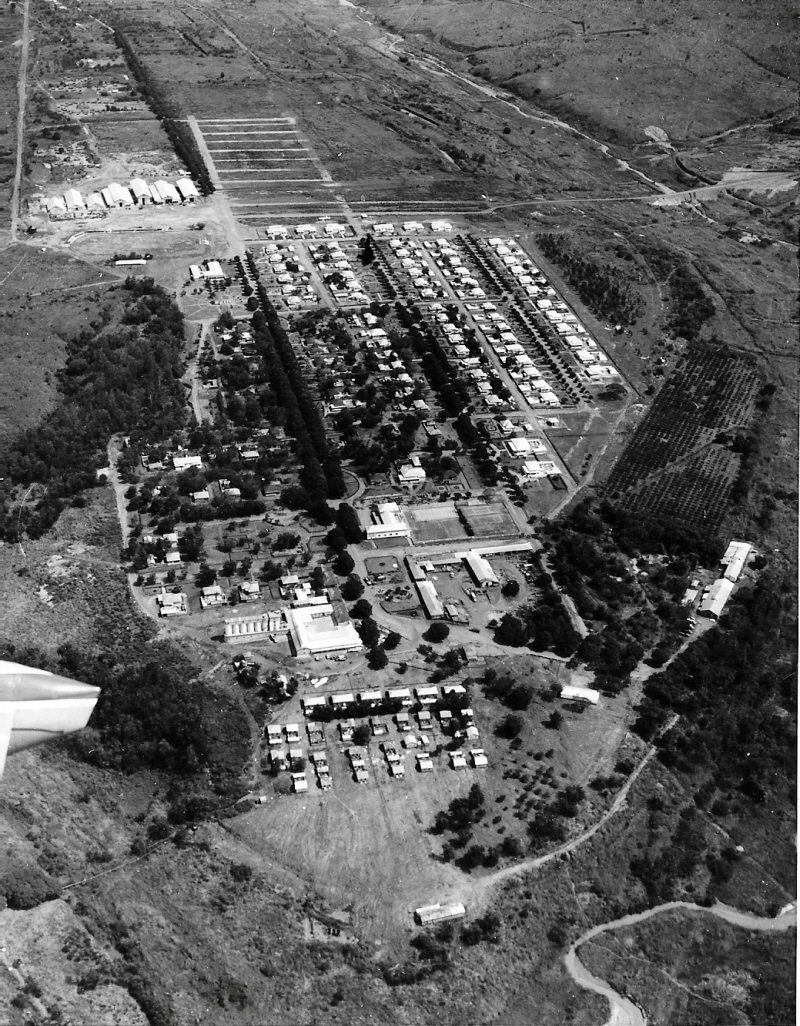
    The mining company Diamang operated within a large concession area in the Lunda region, in north-eastern Angola, from the 1910s to the 1980s. The company supported and was sustained by Portuguese colonial rule (until 1975) and later adapted to Angola’s independence. Its location on the border with the former Belgian Congo and within a supranational and inter-imperial “team” of industrial enterprises in Africa, led Diamang to form close relationships with its Belgian and South African counterparts. These connections influenced not only mining operations but also the design of surrounding spaces, including housing, gardens, recreational facilities, healthcare buildings, and museums. Building an Empire: Space, Connections and Architecture in Diamang, Angola explores how these spaces were shaped by the company’s extractive activities and by the broader political and industrial networks in which Diamang operated. The following questions guided this research: Which spaces and landscapes in Angola were built by and for Diamang? Who built them and why? What materials were used? How did these spaces intersect with broader plans and agendas, from experiences of colonization to labor policies and repressive approaches under the guise of development and welfare?

    Read the full article here.

    [Cover image: Andrada, one of Diamang’s main ‘urban centres’, 1960. Credit: Luis Maldonado Ferreira. Source: Diamang.com]

  • PATIO Conversations. Perspectives and Methods for Researching Colonial Architecture

    PATIO Conversations. Perspectives and Methods for Researching Colonial Architecture

    Event: PATIO Conversations | Labour as a lens for architectural inquiry into colonial Public Works and Industry

    Date: 12 November 2026

    Location: Online


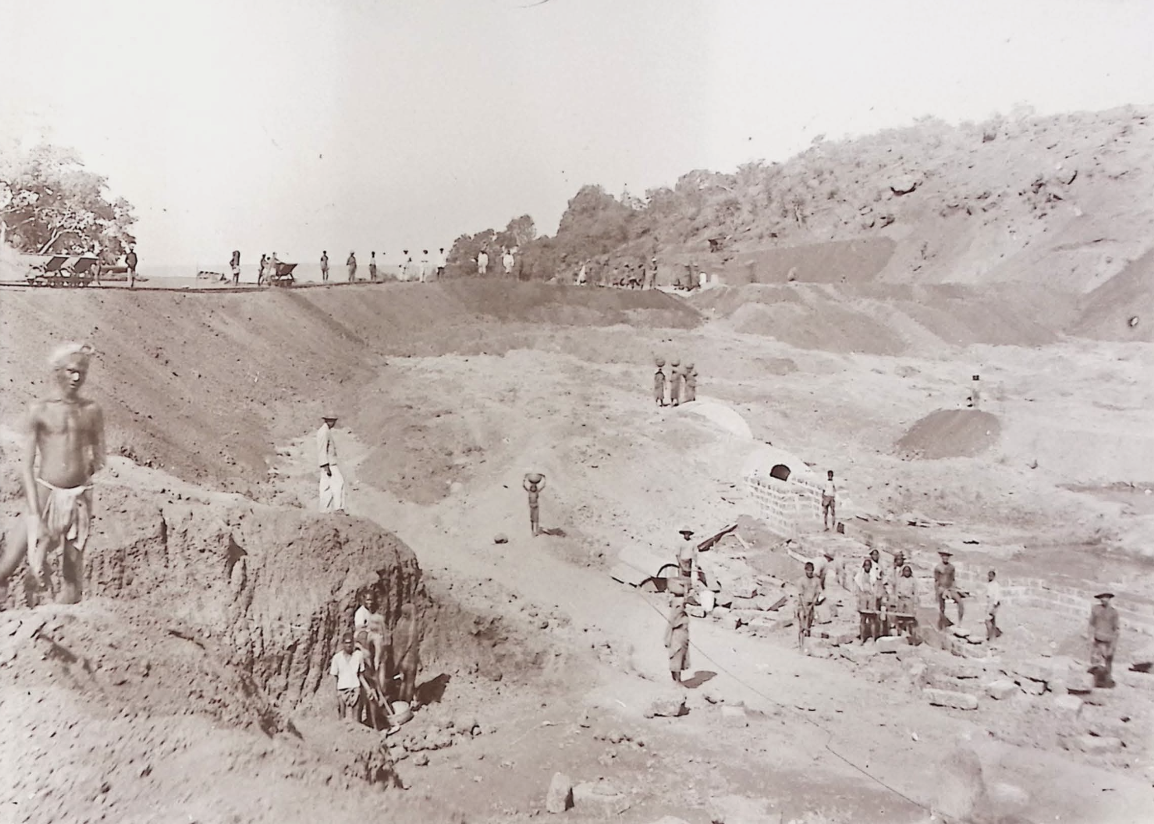
    India: Ghimbel Reservoir, Report on Public Works Services for the financial years 1908–1910, New Goa. AHU, OP15741.
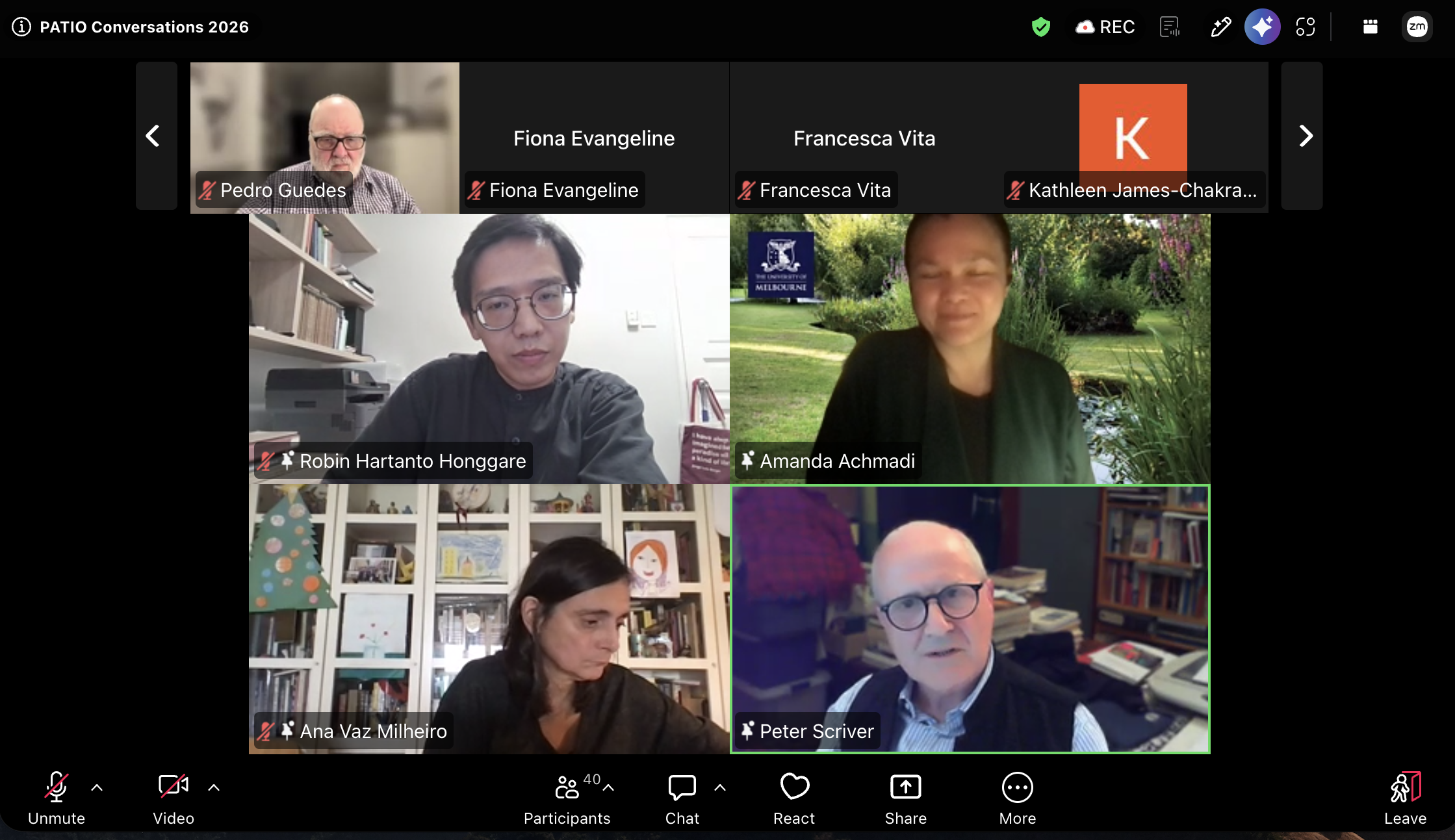
    PATIO’s Discussion Group: Robin Hartanto, Amanda Achmadi, Ana Vaz Milheiro and Peter Scriver.

    Summary

    This PATIO Conversation explored parallels and intersections between current scholarship on opposite sides of the Indian Ocean World that is pursuing new perspectives on colonial infrastructure, construction and institutions through ‘labour’ as the primary focus of investigation. From the mobilisation, classification and containment of labour that arose from public works and village modernization schemes in Portuguese Africa, to Portuguese technical perspectives on Chinese labour constructing a modern hospital in late-colonial Macau, Ana Vaz Milheiro shared an overview of the ongoing work of her current ArchLabour research project team, in conversation with Indonesian scholar, obin Hartanto about his work on the logistics of racially and ethnically discriminating labour deployment in the plantation industries of Dutch colonial Sumatra and associated built infrastructure including temporary labourers’ quarters.
    Of particular interest to the PATIO audience and our invited expert respondent, Associate Professor Amanda Achmadi, the conversation highlighted the intercolonial networks of migrant labour supply that trans-oceanic flows and procurement enabled across the intersecting Portuguese, Dutch, and British colonial empires that still straddled the greater Indian Ocean World in the 20th century. It offered further methodological insight into the historical ‘labour’ of imperial record-keeping, for scholars attempting to extract new knowledge from comparable colonial archives.

    Click here for more information.

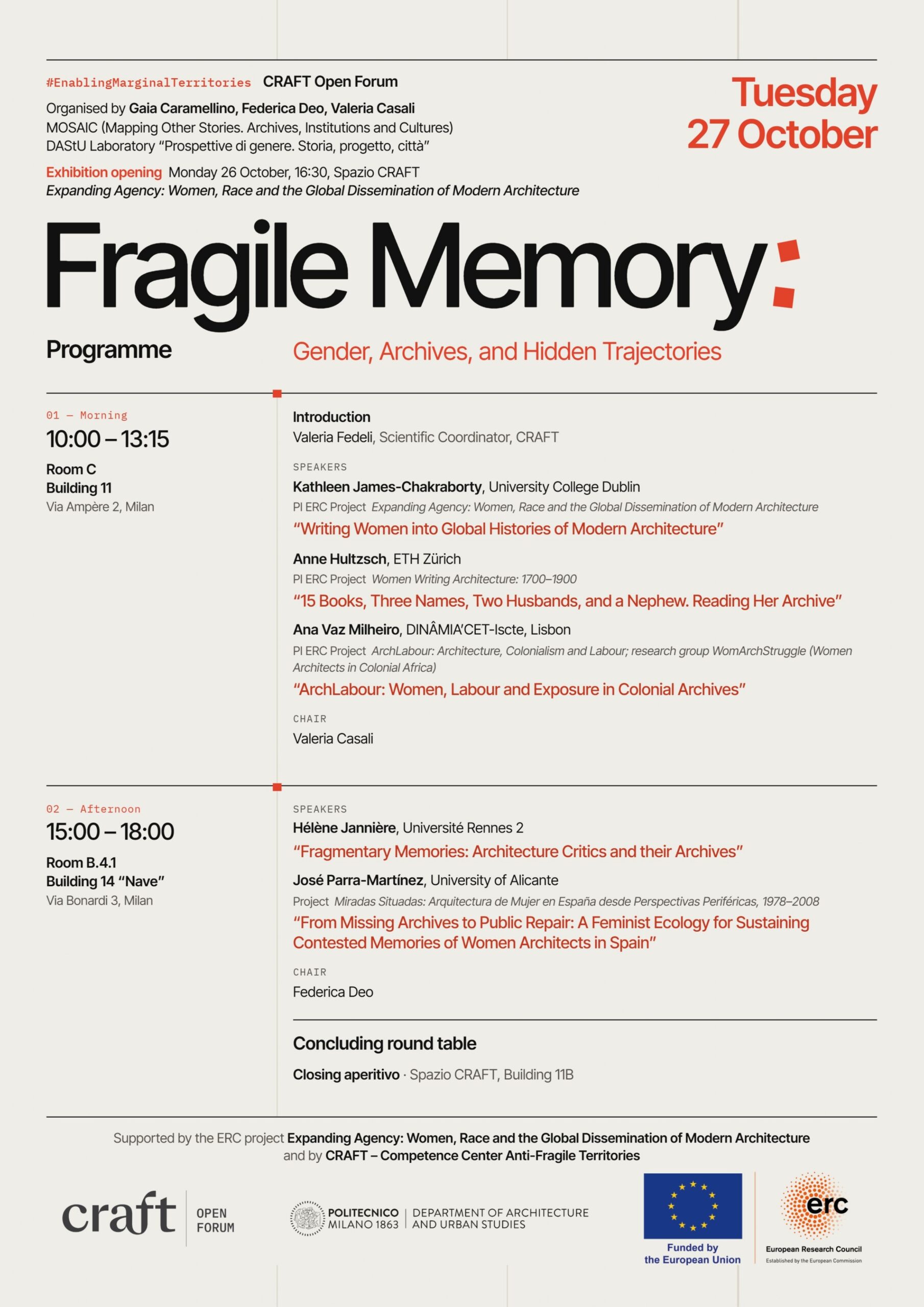
  • Women, Labour and Exposure in Colonial Archives

    Women, Labour and Exposure in Colonial Archives

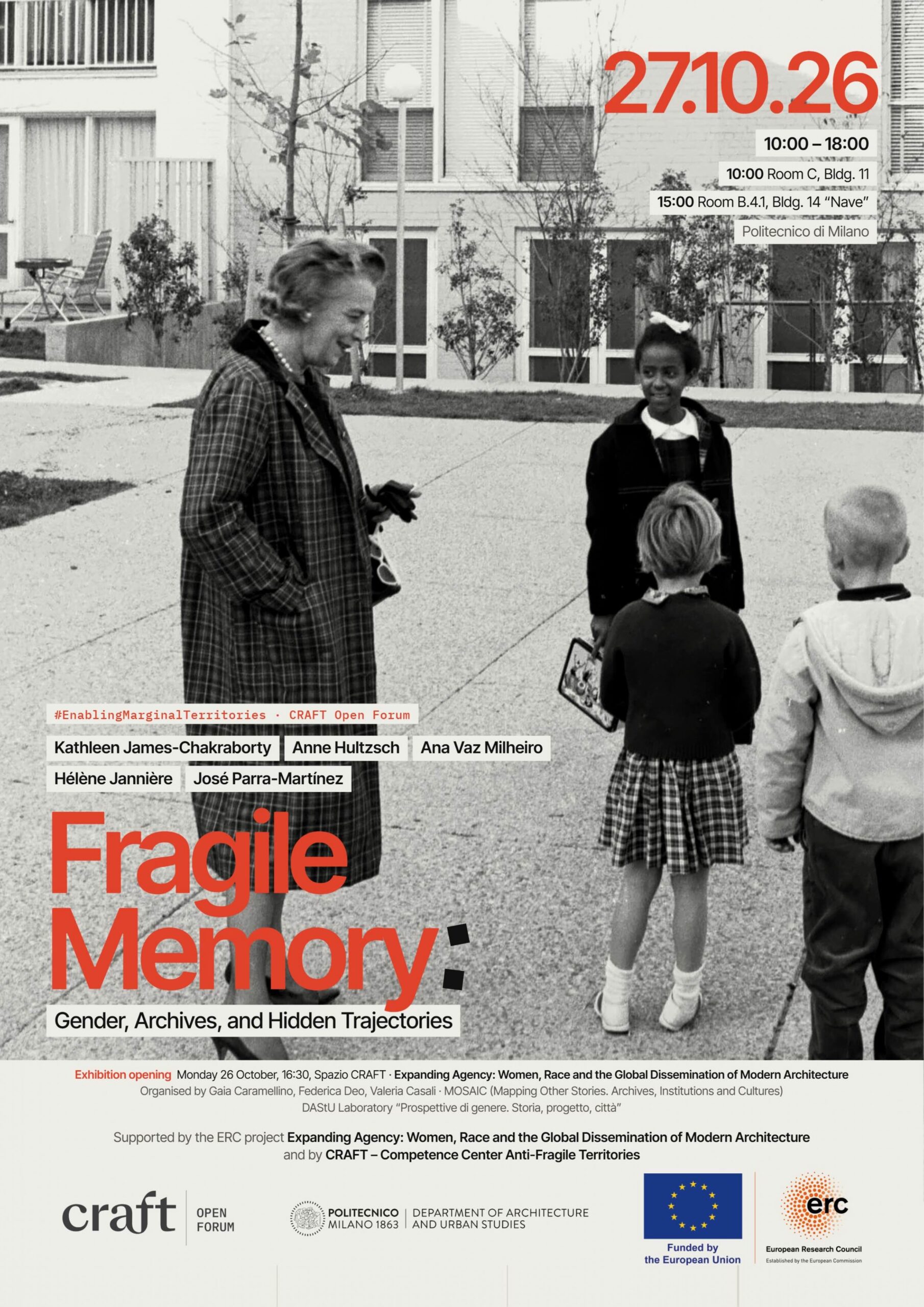
    Event: Fragile Memory: Gender, Archives, and Hidden Trajectories

    Author: Ana Vaz Milheiro

    Date: 27 October 2026

    Location: Politecnico di Milano, Italy


    Summary

    This presentation anchors a core ambition of the ArchLabour project: shifting the historical lens from elite technicians to the anonymous workforce of colonial public works. Specifically, I will try to bring women’s mass and technical labour into the light. For decades, patriarchal archives normalized male expertise, writing female workers out of the construction site. By treating institutional records – from payrolls to photos – not as passive data but as spaces of exposure, I will try to push past official erasures. I will look closely at the rare traces left by female architects and segregated builders alike, recovering a history of agency that the colonial bureaucracy tried to silence.

    Full Programme

    MONDAY 26 OCTOBER

    Expanding Agency: Women, Race and the Global Dissemination of Modern Architecture [Exhibition opening]

    Opening lecture by Kathleen James-Chakraborty: “Challenge the Canon: New Perspectives on the Dissemination of Modern Architecture in the United States”

    TUESDAY 27 OCTOBER

    Fragile Memory
    Presentations and Roundtable by Kathleen James-Chakraborty, Anne Hultzsch and Ana Vaz Milheiro; Hélène Jannière and José Parra-Martínez

  • LASO Fall Writing Workshop: Transimperial Networks of Recreational Architecture

    LASO Fall Writing Workshop: Transimperial Networks of Recreational Architecture

    Event: Lusophone African Studies Organization (LASO) Fall Writing Workshop

    Author: Beatriz Serrazina

    Discussant: Danielle Sanchez

    Date: 26 October 2026


    Summary

    The LASO Fall Writing Workshop brought together researchers to discuss the article-in-progress “Trans-imperial Networks of Recreational Architecture across Portugal and Colonial Africa, 1930s–1960s.” The article examines the circulation of corporate welfare architecture across Portugal, Angola, and the Belgian Congo between the 1930s and 1960s. Taking the Casa do Pessoal of the Diamond Company of Angola (Diamang) as its starting point, it traces how recreational institutions were adapted and reinterpreted across corporate and imperial networks linking Portugal to industrial settlements in Central Africa.

    Danielle Sanchez acted as discussant, leading a conversation on the article’s comparative approach, archival sources, and contribution to the histories of architecture, labour, and colonialism. The discussion addressed the relationships between corporate welfare, labour supervision, sociability, and racial segregation, while highlighting the importance of situating recreational spaces within the specific political and ideological contexts of Portuguese and Belgian colonial rule.

    The workshop provided an opportunity to reflect on the circulation of architectural models across imperial contexts and on the challenges of recovering workers’ experiences from the historical record, contributing to the ongoing development of the research.

  • O arquivo como ferramenta de projecto: arquitectura, território e infraestruturas em Cabo Verde

    O arquivo como ferramenta de projecto: arquitectura, território e infraestruturas em Cabo Verde

    Event: Arquivos, Arquitetura e Conhecimento, Arquivo Histórico Ultramarino and Arquivo Nacional da Torre do Tombo

    Date: 21 October 2026

    Location: Arquivo Histórico Ultramarino, Lisbon


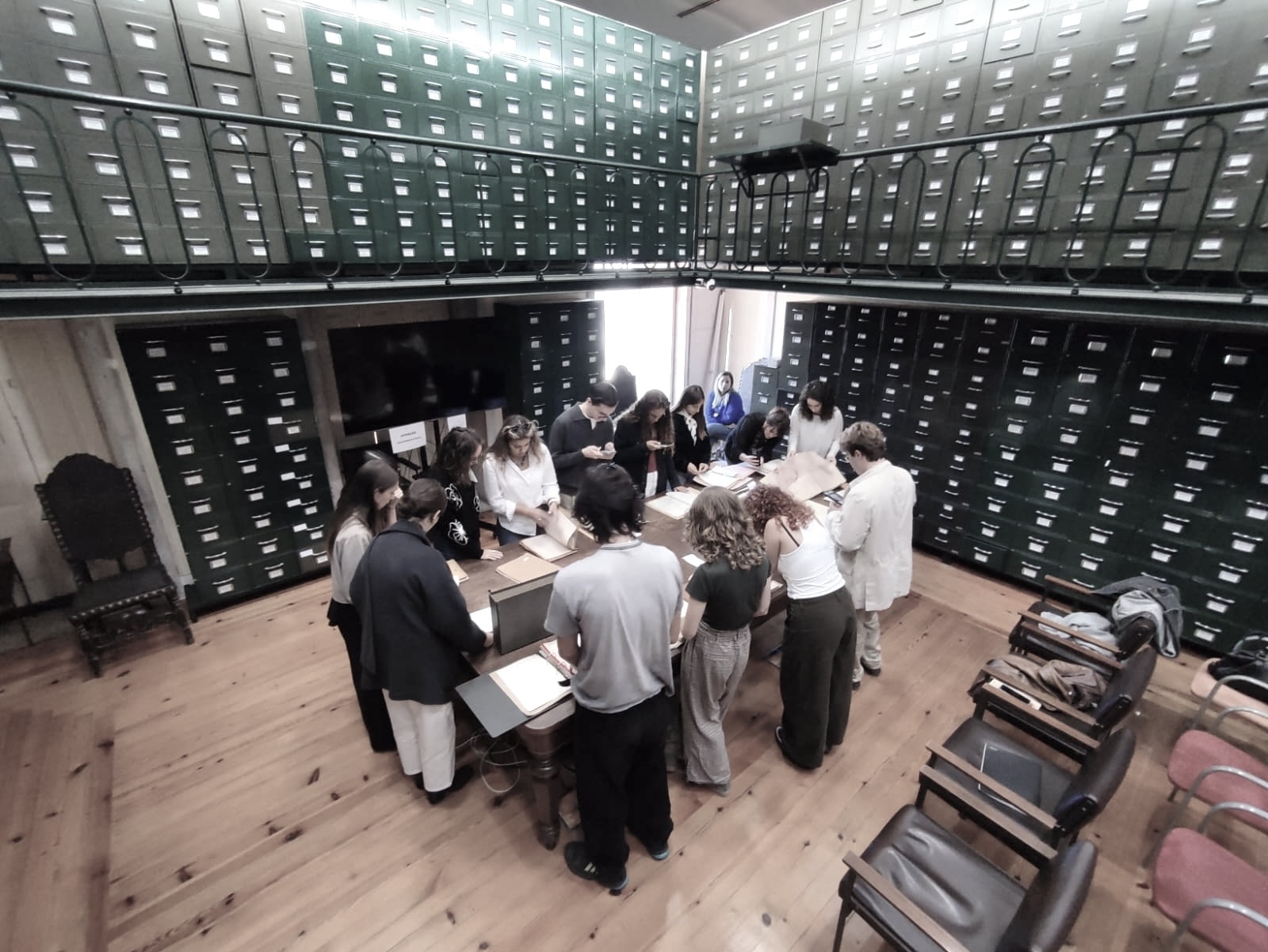
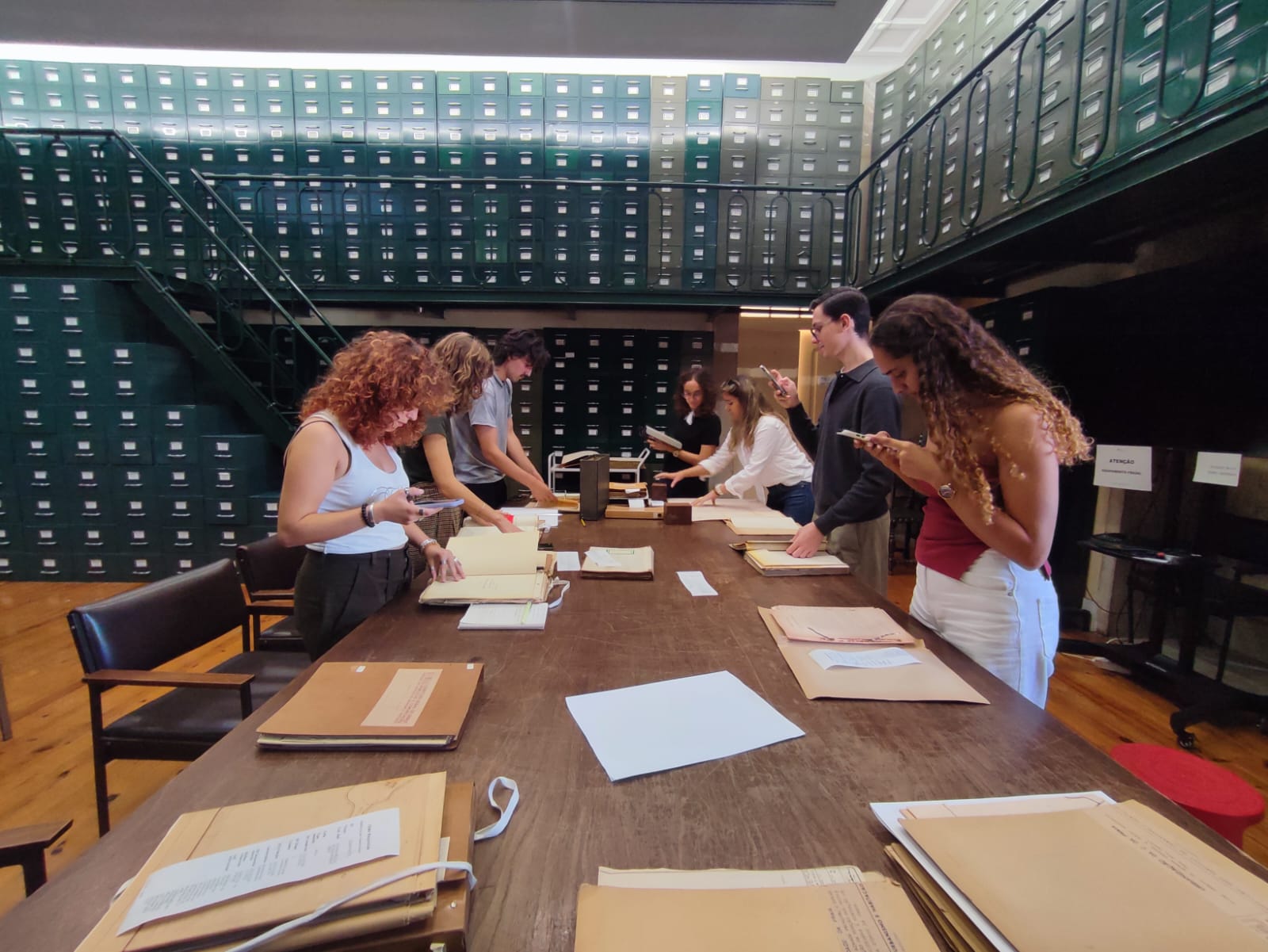
    Architecture students working in the Archive
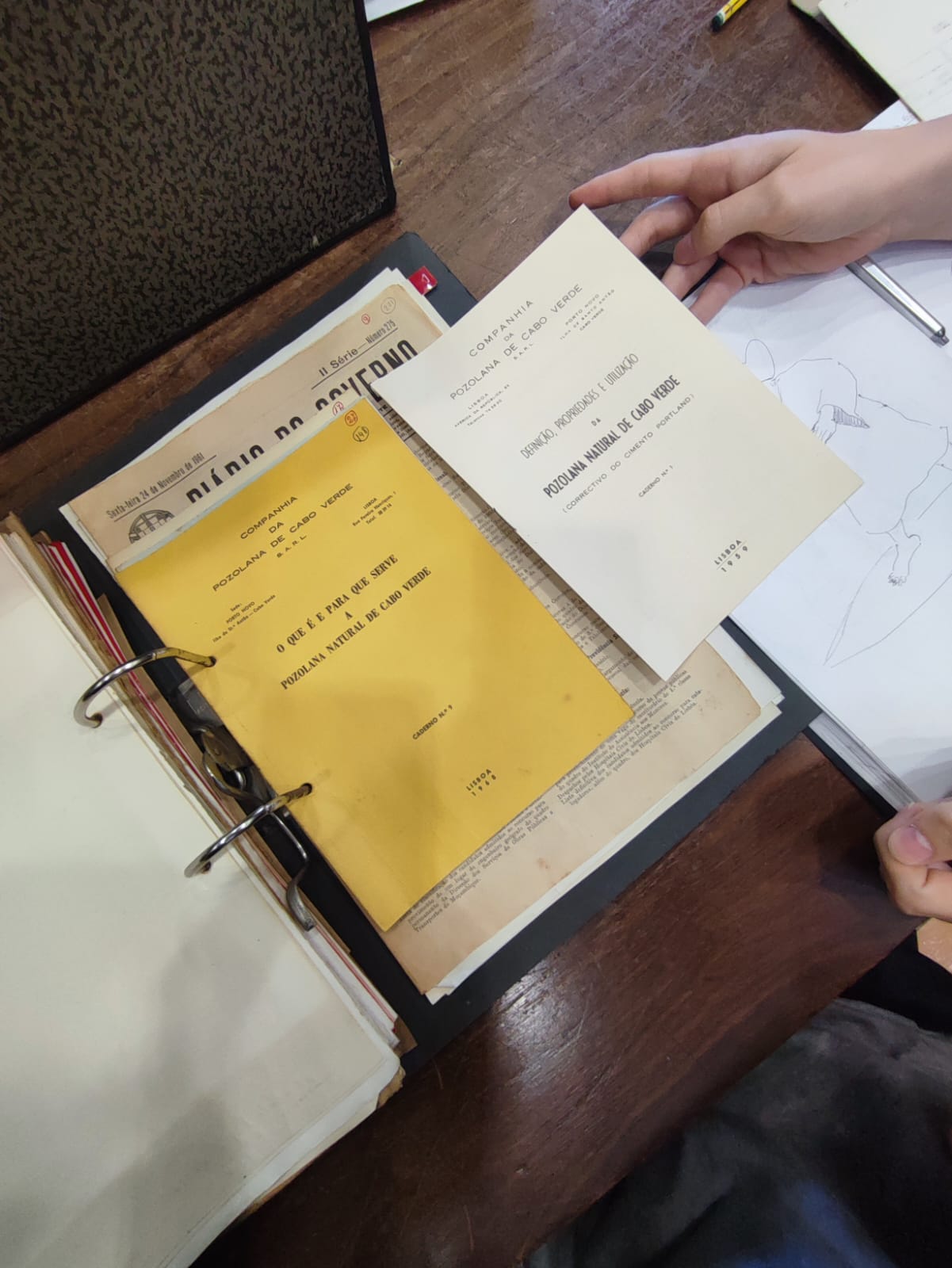
    Documents about Cape Verde’s Pozolana

    Summary

    The ArchLabour team, in collaboration with Estúdio Praia, organised a working visit to the Historical Overseas Archive (Arquivo Histórico Ultramarino) in Lisbon, as part of the Final Architecture Project Laboratory at Iscte, coordinated by Professor Mónica Pacheco. Entitled The Archive as a Design Tool: Architecture, Territory and Infrastructure in Cape Verde, the session was held in conjunction with the lecture series Archives, Architecture and Knowledge, organised by the Historical Overseas Archive and the National Archive of Torre do Tombo.

    During a full morning, students explored archival documents relating to the territory of Cape Verde, including urban plans, architectural projects, construction materials, hydraulic infrastructure, port facilities and water supply systems. The materials offered insights into the planning and transformation of Cape Verdean settlements, particularly the city of Praia, as well as the technical, human and material networks involved in the development of the archipelago’s built environment.

    Bringing together researchers, teachers and students, the visit provided an opportunity to exchange perspectives on archival research and architectural practice. It also highlighted the archive’s potential as a tool for understanding the historical production of territories and infrastructures, and as a resource for developing new architectural approaches and projects.

  • Imperial Companies and Mobility Routes between Angola and Belgian Congo, 1910-1930

    Imperial Companies and Mobility Routes between Angola and Belgian Congo, 1910-1930

    Author: Beatriz Serrazina

    Journal: Itinerario

    Date: 2026


    Summary

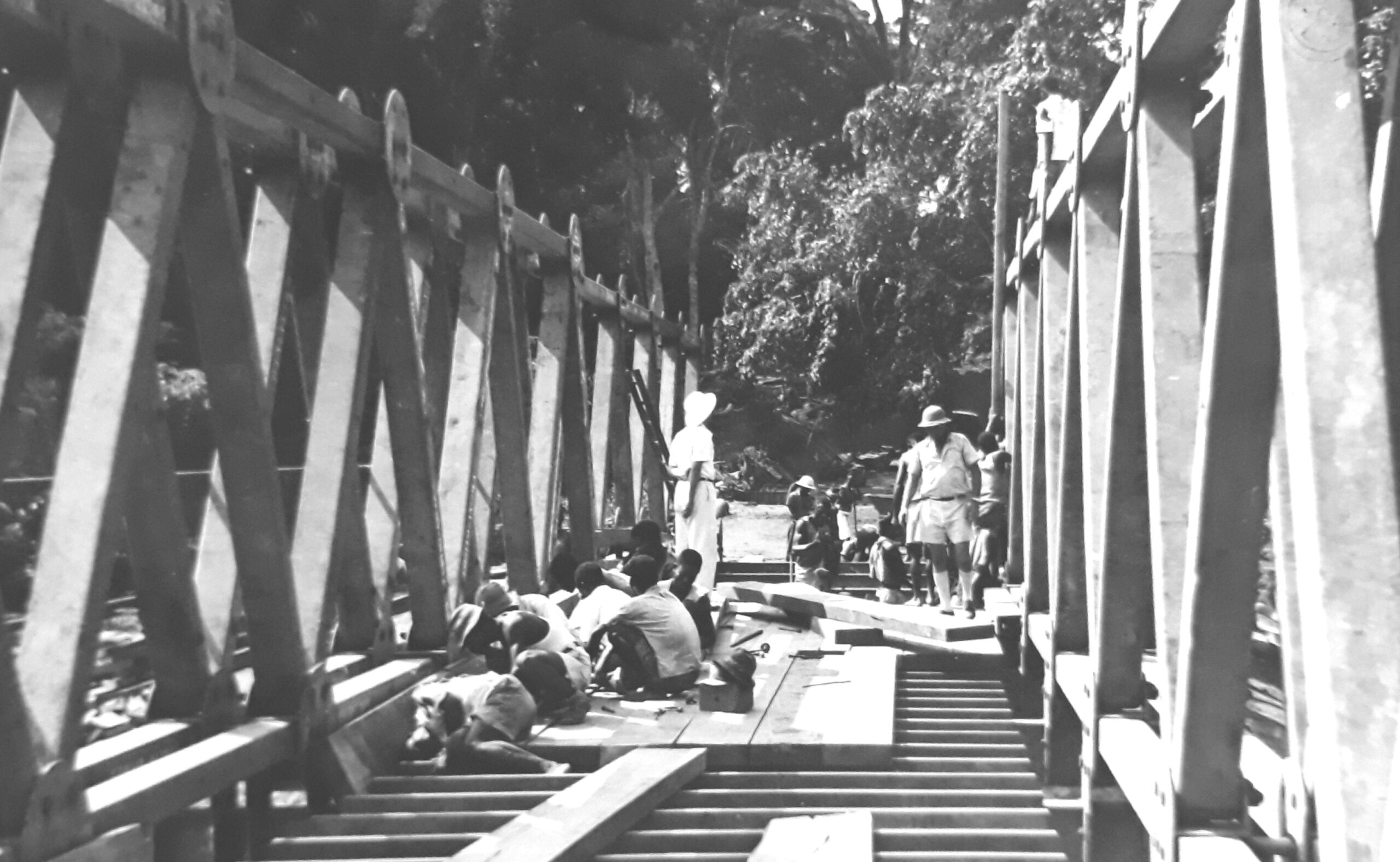
    This article focuses on the mining networks between Angola and the Belgian Congo during European colonialism, examining the broader and enduring socio-spatial impacts of the construction of mobility routes and considering the multiple agents and agendas involved. It explores the roles played by Union Minière du Haut Katanga, Forminière, and Diamang in the planning, construction, and the use of railways and roads between the two territories. These complex connections involved the layout of the railway routes – ranging from decauville lines for local transport to the trans-imperial connections provided by the Benguela Railway between Katanga and Lobito, – the displacement and mobility of workers, the employment of new technologies and construction materials, the strong entanglements between mobility systems, and adaptation by local populations living near the lines and routes.

    Read the full article here.

    Image credits: “Assembly of a Butterley bridge to cross the river in Lunda, 1950.” Source: Torre do Tombo National Archives (ANTT), António Oliveira Salazar Collection, cx. 718.

  • Fernão Lopes Simões de Carvalho (1929-2026), crónica de um arquitecto vulgar

    Fernão Lopes Simões de Carvalho (1929-2026), crónica de um arquitecto vulgar

    Author: Ana Vaz Milheiro

    Newspaper: Journal Público

    Date: 9 September 2026


    Summary

    “A morte do arquitecto e urbanista nascido em Luanda encerra o capítulo do último elo directo português ao atelier parisiense de Le Corbusier. Tinha 96 anos.

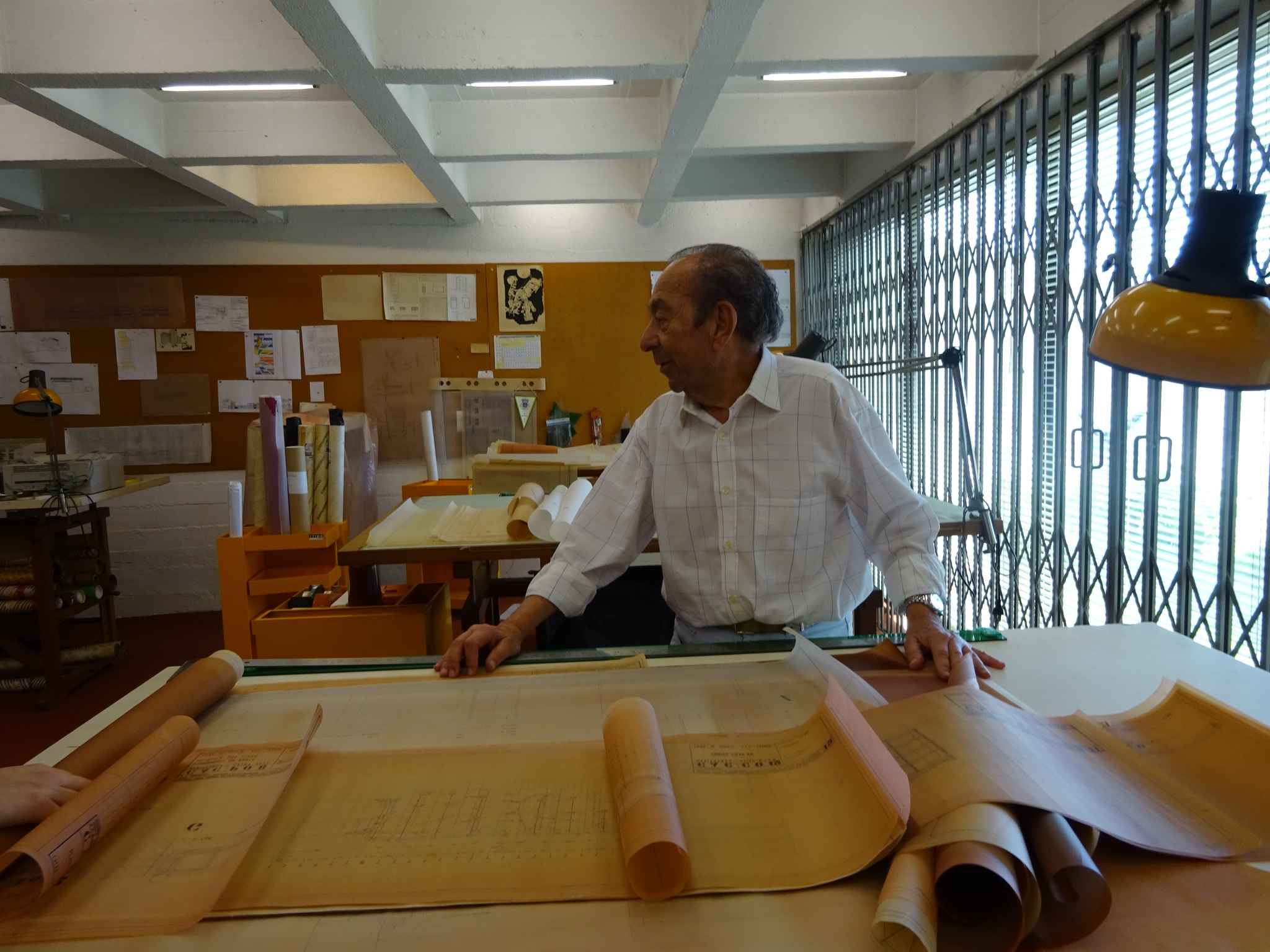
    O arquitecto e urbanista Fernão Lopes Simões de Carvalho, porventura uma das figuras mais singulares e incompreendidas do século XX português, morreu esta terça-feira, aos 96 anos. A notícia foi anunciada pela Fundação Marques da Silva, que detém o seu espólio desde 2021. É difícil definir o lugar justo a que pertencia. Nascido a 27 de Outubro de 1929, em Luanda, Angola, no arranque do Estado Novo, o seu percurso profissional levá-lo-ia a trabalhar em três continente – África, América do Sul e Europa -, uma condição decorrente do contexto histórica e colonial português.”


    “The death of the architect and urban planner born in Luanda brings to a close the chapter of the last direct Portuguese connection to Le Corbusier’s Parisian atelier. He was 96.

    Architect and urban planner Fernão Lopes Simões de Carvalho, arguably one of the most distinctive and underappreciated figures of twentieth-century Portuguese architecture, died on Tuesday at the age of 96. The news was announced by the Marques da Silva Foundation, which has held his archive since 2021. His precise place within the history of Portuguese architecture is difficult to define. Born on 27 October 1929 in Luanda, Angola, at the beginning of the Estado Novo, his professional trajectory would take him across three continents—Africa, South America, and Europe—in a career deeply shaped by the historical and colonial circumstances of Portugal.”

    Read the full article here.

  • [CALL FOR PAPERS] A+I WPS #04 Contemporary Construction Sites

    [CALL FOR PAPERS] A+I WPS #04 Contemporary Construction Sites

    Journal: A+I Working Paper Series, Issue #04
    Guest Editor: Nuno Tavares da Costa
    Abstracts Submission Deadline: 21 September 2026 19 October 2026 (EXTENDED)


    Summary

    Architectural discourse has privileged design, authorship and completed buildings over the material and social conditions through which architecture is seen. However, the construction site often remains disregarded as one of the least theorised spaces in architectural history.

    This issue proposes un certain regard for this space, approaching it as an object of inquiry rather than merely the stage following the project before buildings’ completion. In a certain way, one could start asking if something changes in architectural history when the construction site overcomes the building as the object of analysis. Or, if our understanding of architecture shifts when we recognise the social, political and economic conditions that shape it? Or even if architectural design continues with the construction phase? In these preliminary inquiries, the construction site appears not simply as a place of building activity, but as a socio-spatial assemblage through which racial labour, logistics and technology become materially entwined. This perspective resonates with Henri Lefebvre’s proposition that space is socially produced, putting into consideration the construction site as one of its primary moments.

    Instead of asking how buildings are constructed, this issue considers the possibility of a different architectural reading when observed through the construction site position. This becomes particularly relevant in the context of contemporary postcolonial urbanisation. Throughout Europe (and beyond), major public works and urban transformations have relied extensively on migrant labour, originating from former colonies or postcolonial territories. But these labour politics cannot be understood independently of the provident histories of colonial extraction, imperial mobility and racialised divisions of labour that supported European industrialisation and the welfare state. Is it possible that construction sites have become places where colonial histories continue to be reorganised through labour paradigms? If so, they invite us to reconsider buildings not simply as the materialisation of architectural ideas, but also as the crystallisation of wider social relations.

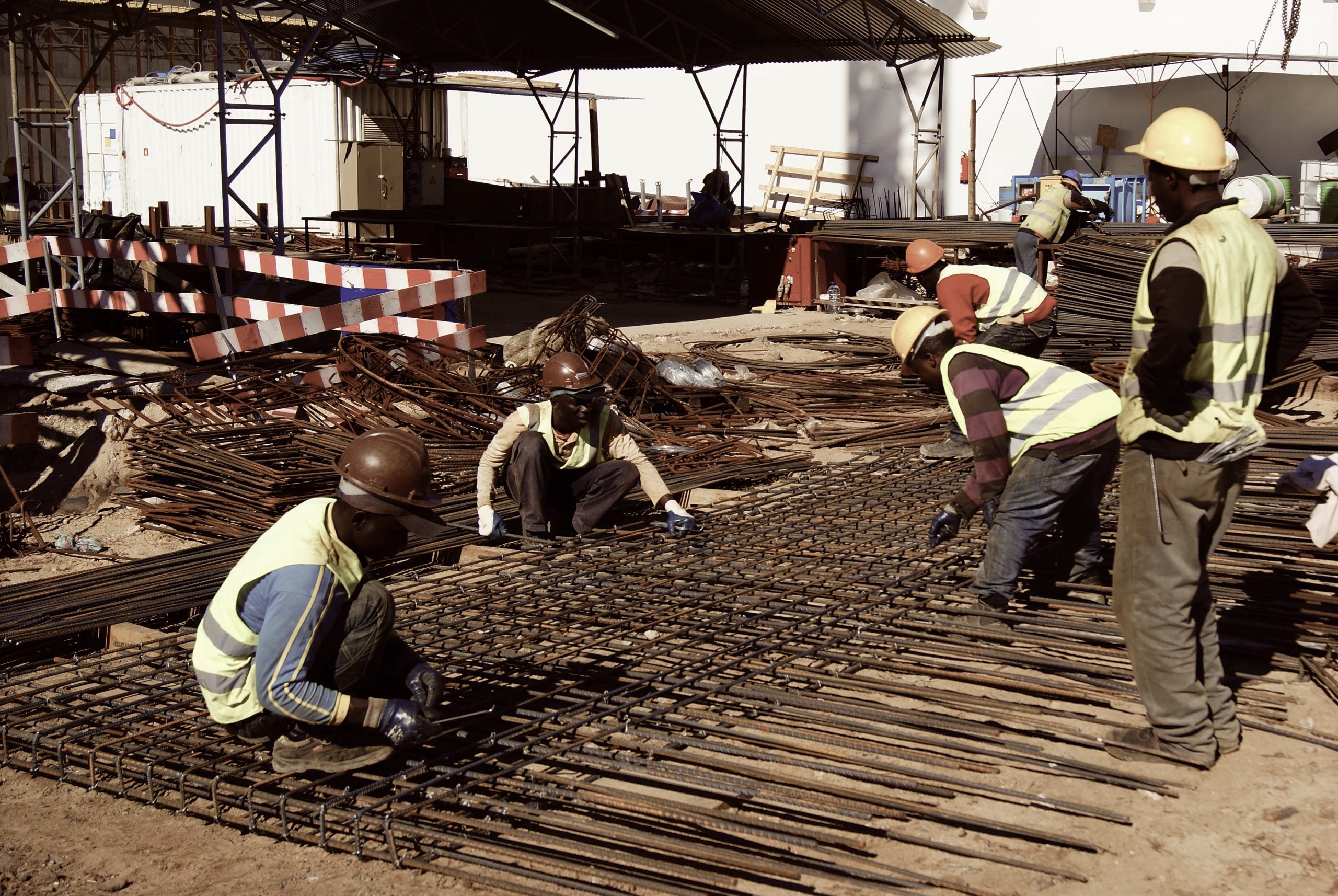
    These relationships, established on the construction site, also expand beyond its boundaries, through the in-and-out movement of anonymous bodies, marginal to the city, somehow replicating the colonial cities’ social organisation, in the ruins of the post-imperial metropolis. Using an analogy, if infrastructures are the invisible systems that allow buildings and cities to function, labour could be implied as the invisible infrastructure of architectural production?! Western Modernity depended extensively upon racial labour, but workers usually remained absent in architectural representation. While buildings occupied the foreground of architectural images and histories, workers’ bodies were relegated to the background, as part of the landscape. Researching photographs, films, technical documentation and archival records of construction sites can reveal a divergent reading of their intended purposes. The construction site itself could then be approached as an archive of postcolonial spatial production?!

    This issue encourages experimental contributions seeking to open a still underexplored research agenda. The format is set up to support findings, theoretical hypotheses, empirical observations and trial approaches. Contributions from PhD candidates, early-career researchers, independent scholars and established academics are equally welcome.

    Please send your 300-word abstract to nmtca@iscte-iul.pt by 21 September 2026 19 October 2026 (EXTENDED). All submissions should include a short biography (max. 100 words) and contact information for each author. Text submissions should be sent as .doc files. Where applicable, images should be submitted at 72 dpi as uncompressed .tif files. All accepted authors will be asked to submit a 6,000-word article in British English that will be subject to a double-blind peer review.

    Final publication is expected by early 2027.

    Learn more about the A+I WPS journal, calls and guidelines here.