

Book Chapter
Spatializations of Development: Mining Enterprises and Company Towns in Africa
Book: Rethinking Colonialism and Development: Concepts, Geographies, Actors and Legacies
Author: Beatriz Serrazina
Editors: Miguel Bandeira Jerónimo, Sarah Stockwell, and Joseph Hodge
Print: De Gruyter Brill, 2026
Summary
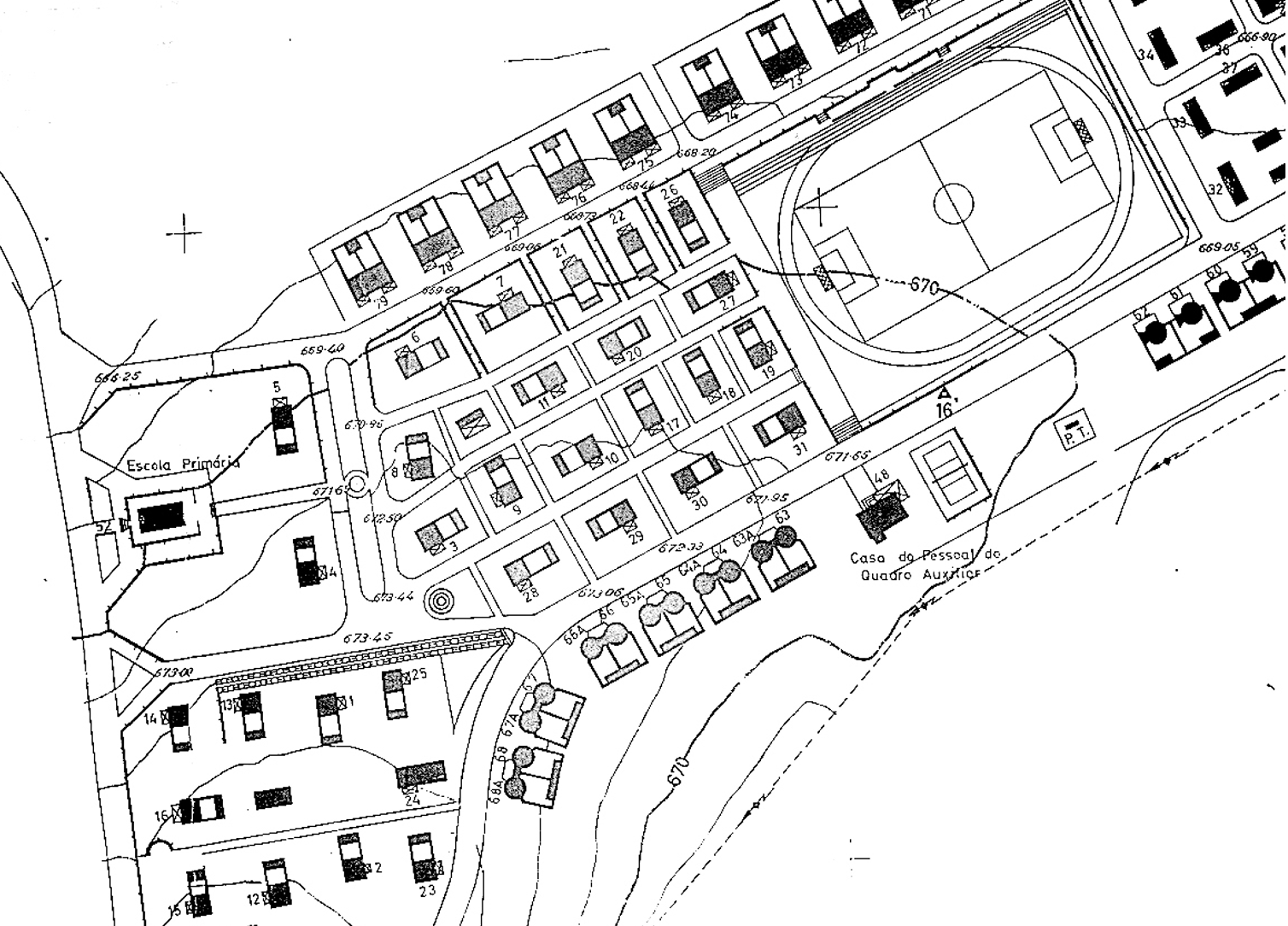
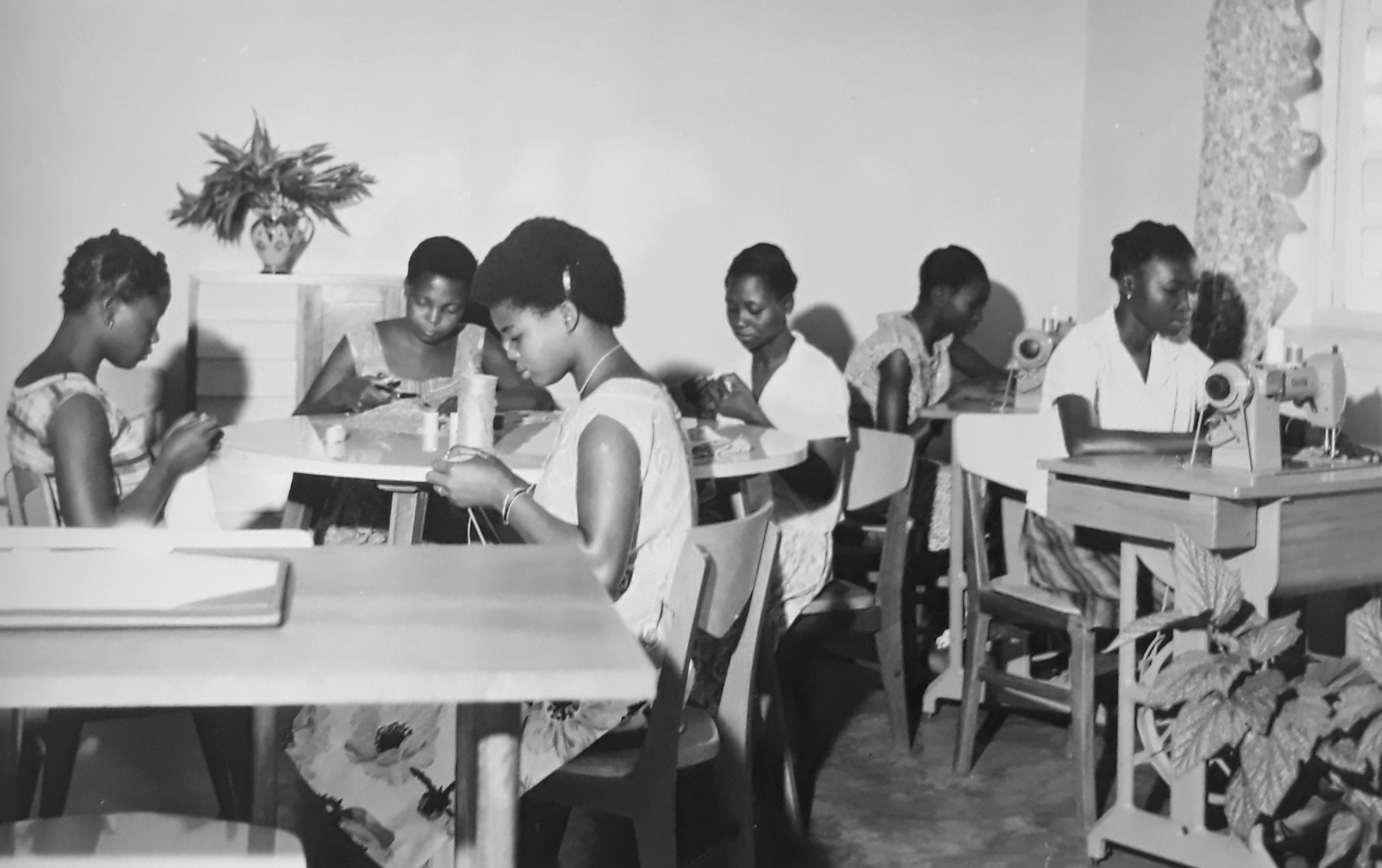
This chapter examines how three major mining corporations – the Union Minière du Haut-Katanga (UMHK), Forminière and the Companhia dos Diamantes de Angola (Diamang) – shaped the built environment and urban landscapes of Central Africa throughout the twentieth century. Focusing on mining settlements in the Belgian Congo (present-day Democratic Republic of Congo) and Angola, the chapter explores how companies translated colonial development agendas into spatial and architectural interventions. It examines the planning of workers’ housing, social facilities and recreational spaces, including foyers sociaux, schools, healthcare facilities, sports grounds and domestic training centres. These buildings and facilities served as more than welfare provisions: they became instruments of labour management, social organization and spatial control, while projecting corporate and colonial visions of modernization.
Drawing on the concept of “development theatres” (Levin, 2022). the chapter approaches mining company towns as spaces where different actors, agendas and expectations intersected. It traces the circulation of architectural knowledge, urban plans and labour policies across corporate and imperial boundaries, revealing significant connections between Portuguese and Belgian colonial territories. The chapter also examines how African workers and local communities shaped, negotiated and sometimes resisted these projects, exposing the tensions between corporate development strategies and everyday practices. By bringing together architecture, labour history and colonial studies, it highlights the complex and enduring spatial legacies of mining enterprises in Central Africa.
Read the full article here.
[Cover image: Casa do Pessoal, Diamang, Luxilo, Lunda, 1963. DCV-UC/AD]