

Journal Article [PhD abstract]
Building an Empire: Space, Connections and Architecture in Diamang, Angola
Author: Beatriz Serrazina
Journal: ABE Journal 27
Date: 12 November 2026
Summary
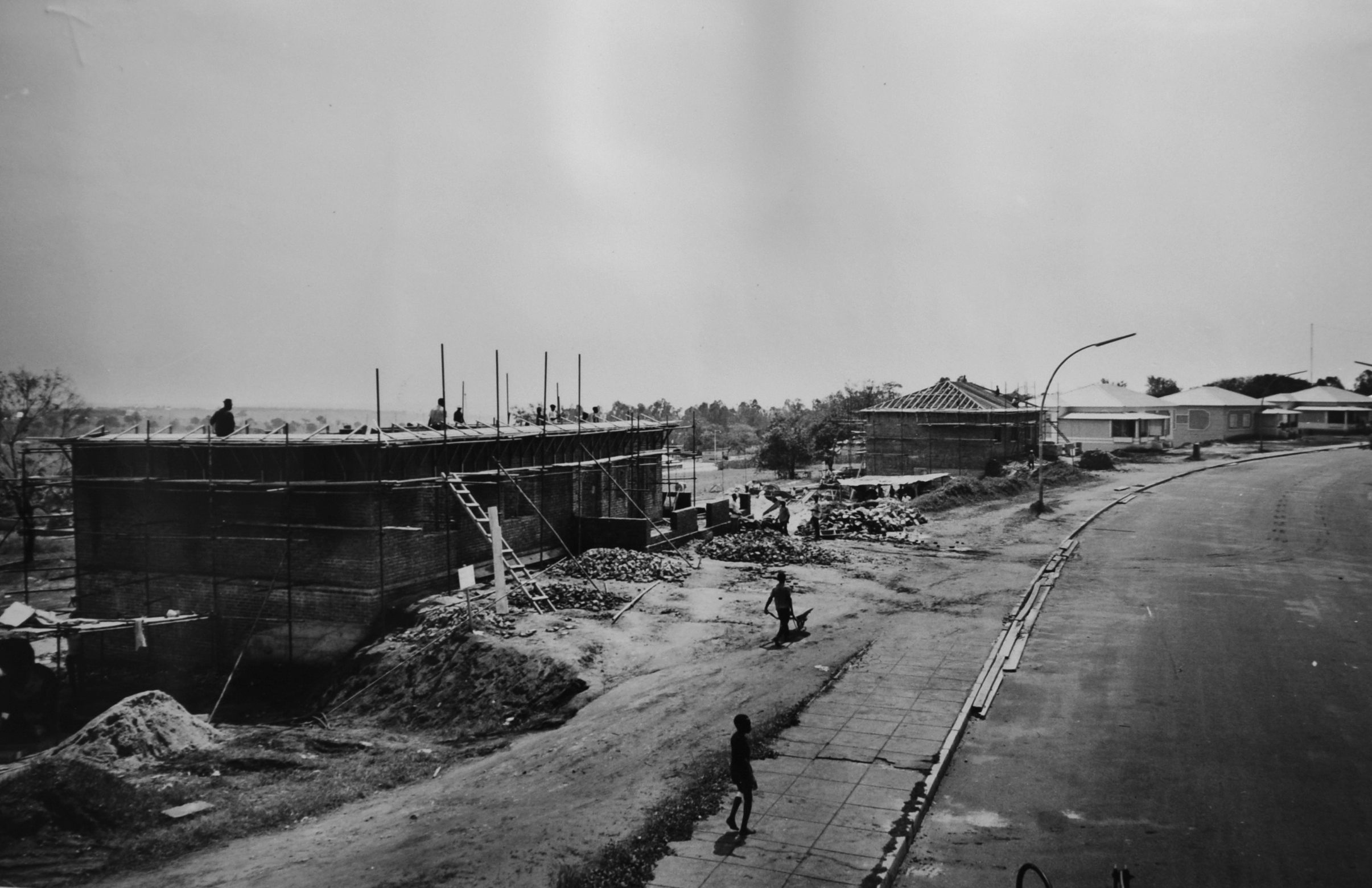
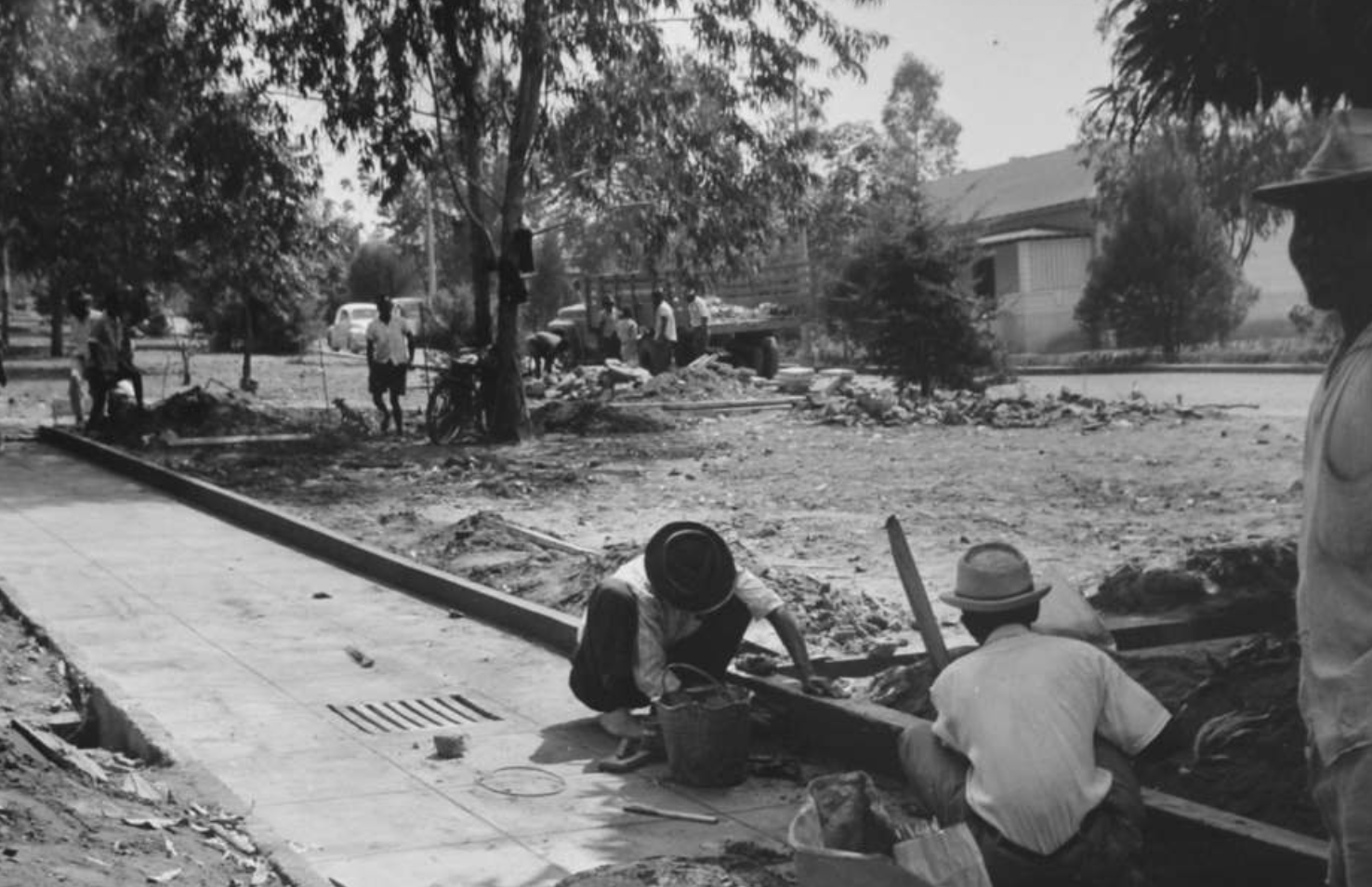
The mining company Diamang operated within a large concession area in the Lunda region, in north-eastern Angola, from the 1910s to the 1980s. The company supported and was sustained by Portuguese colonial rule (until 1975) and later adapted to Angola’s independence. Its location on the border with the former Belgian Congo and within a supranational and inter-imperial “team” of industrial enterprises in Africa, led Diamang to form close relationships with its Belgian and South African counterparts. These connections influenced not only mining operations but also the design of surrounding spaces, including housing, gardens, recreational facilities, healthcare buildings, and museums. Building an Empire: Space, Connections and Architecture in Diamang, Angola explores how these spaces were shaped by the company’s extractive activities and by the broader political and industrial networks in which Diamang operated. The following questions guided this research: Which spaces and landscapes in Angola were built by and for Diamang? Who built them and why? What materials were used? How did these spaces intersect with broader plans and agendas, from experiences of colonization to labor policies and repressive approaches under the guise of development and welfare?
Read the full article here.
[Cover image: Andrada, one of Diamang’s main ‘urban centres’, 1960. Credit: Luis Maldonado Ferreira. Source: Diamang.com]