
Tag: Beatriz Serrazina

  • Colonial Construction Practices in Portuguese News (1960s–1970s)

    Colonial Construction Practices in Portuguese News (1960s–1970s)

    Event: International Symposium Construction History & Film
    Authors: Beatriz Serrazina
    Date: 19 – 20 February 2026

    Location: CIUL, Lisbon, Portugal
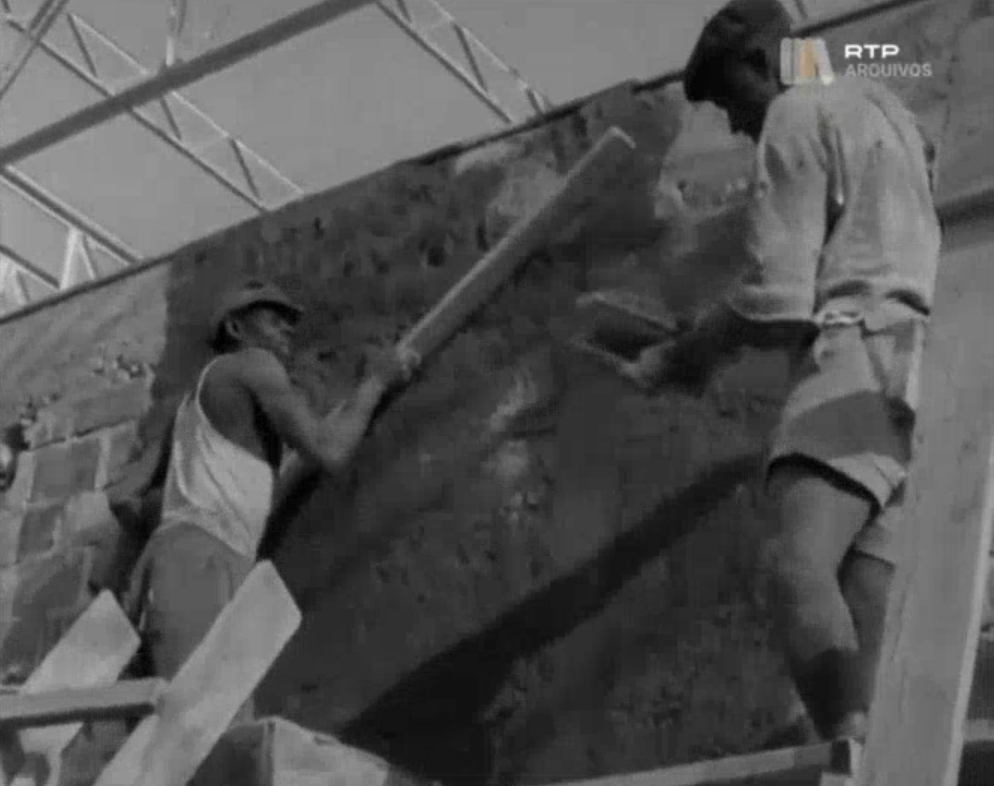

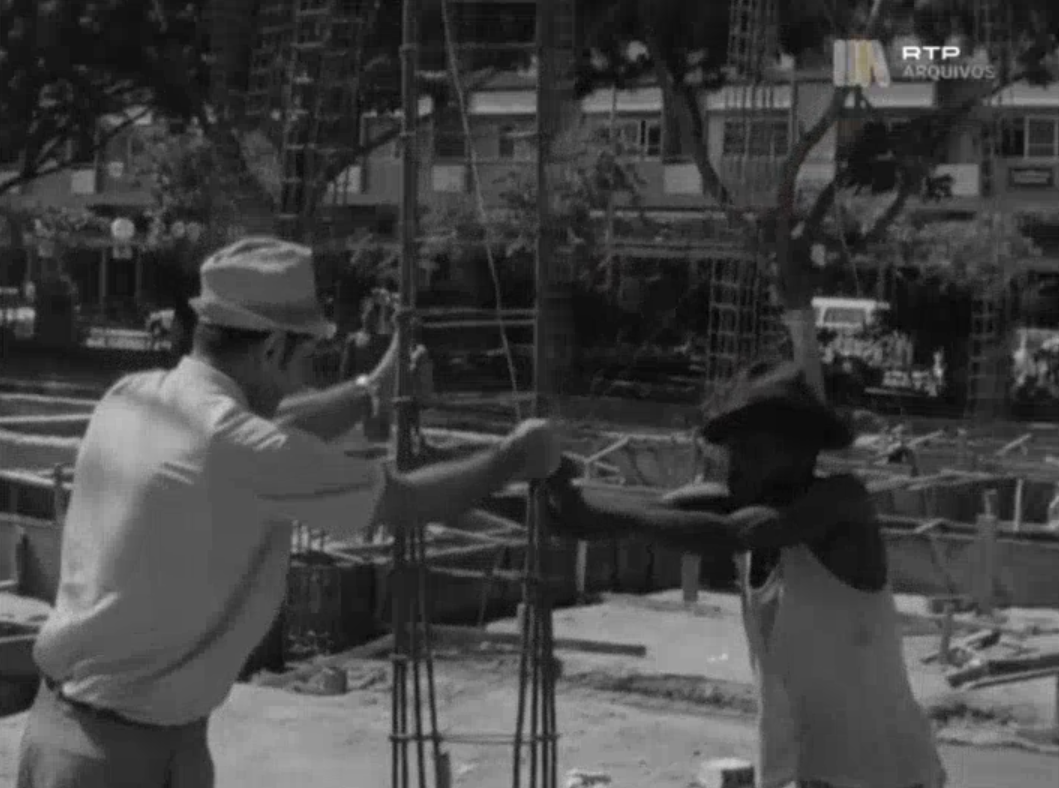
    Two workers using trowels to plaster a brick wall [Construção civil em Benguela, 1968, RTP Arquivos]
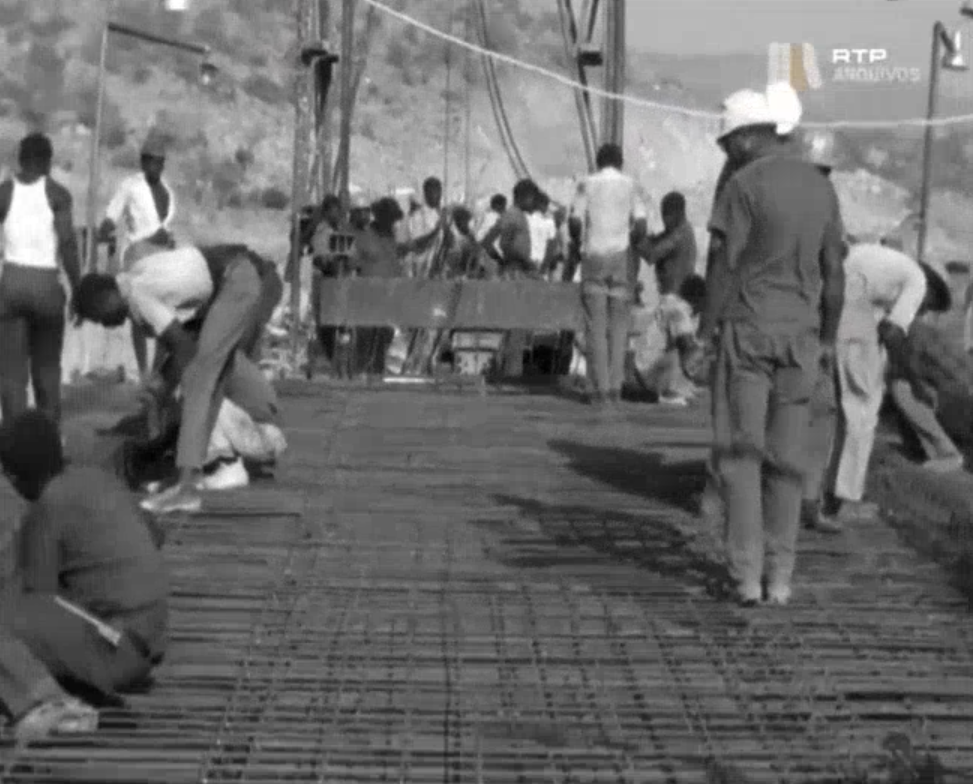
    Team assembling moulds on a viaduct along the Cubal variant construction [Construção do caminho de ferro do Cubal, 1973, RTP Arquivos]

    Summary

    This presentation examines a selection of short documentary films from the archives of RTP (Rádio e Televisão de Portugal), originally broadcasted on the Noticiário Nacional [National News] programme in Portugal in the 1960s and 1970s. Produced during the country’s late colonial period, these black-and-white films – between two to five minutes long – documented construction work in several territories in Africa under Portuguese rule. They covered a variety of contexts, typologies and scales: sanitation projects in Beira, Mozambique, building sites in Luanda, Angola, road construction in São Tomé, railways and bridges, and the monumental hydroelectric dams of Gove, Cambambe, and Cabora Bassa. Unlike written records, which mostly emphasised technical plans and quantitative aspects such as costs or completion deadlines, the moving images reveal the practical, hands-on dimensions of construction and public works, from materials to the coexistence of manual and mechanical work. They capture how infrastructures were assembled, how tools and machinery were handled by workers – frequently absent from technical reports –, and how labour was organised on site. The paper argues that these archival films constitute an invaluable visual archive for rethinking the history of construction and architecture within the context of empire, intersecting multiple dimensions of labour, technology, and material power.
  • Building the Fringes of Empire: Mining Companies, Transnational Experts, Race and Space in Colonial Africa

    Building the Fringes of Empire: Mining Companies, Transnational Experts, Race and Space in Colonial Africa

    Book: Routledge Critical Companion to Race and Architecture
    Author: Beatriz Serrazina

    Editors: Felipe Hernández and Itohan Osayimwese

    Print: Routledge, 2025


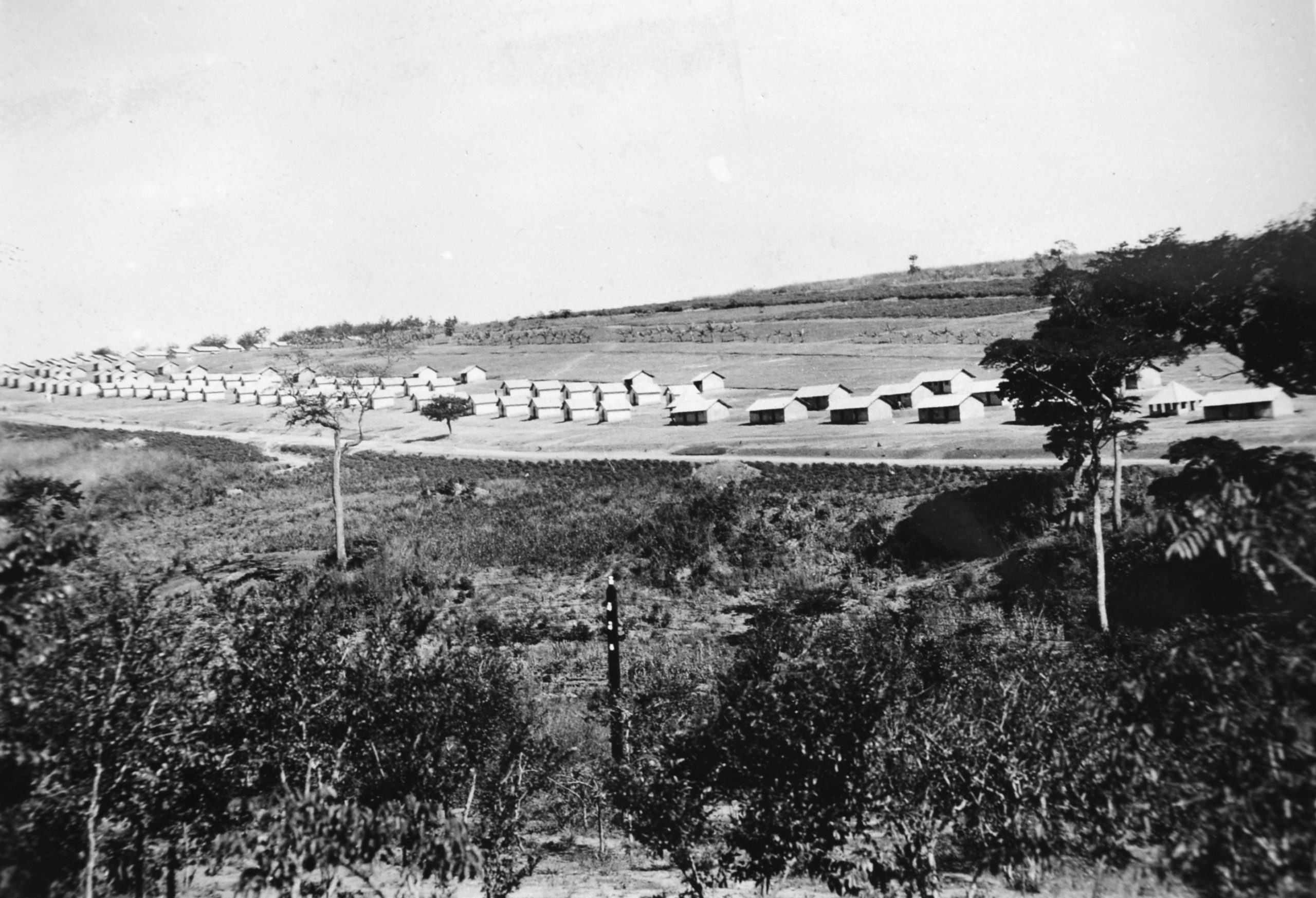
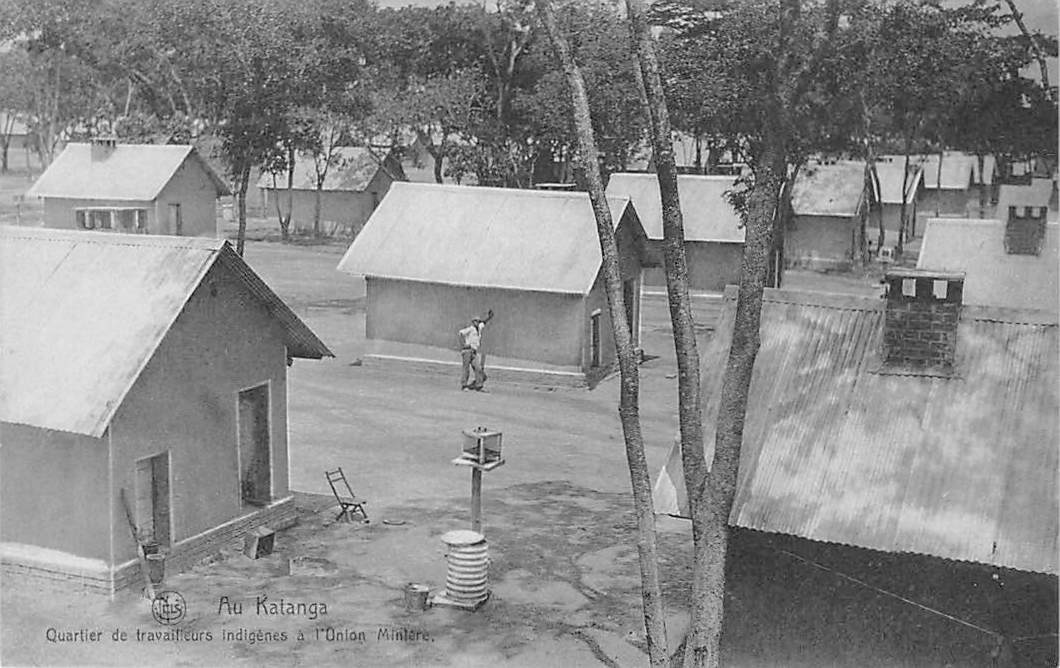
     Workers’ camp at Union Minière, Katanga (Ern. Thill, Bruxelles)
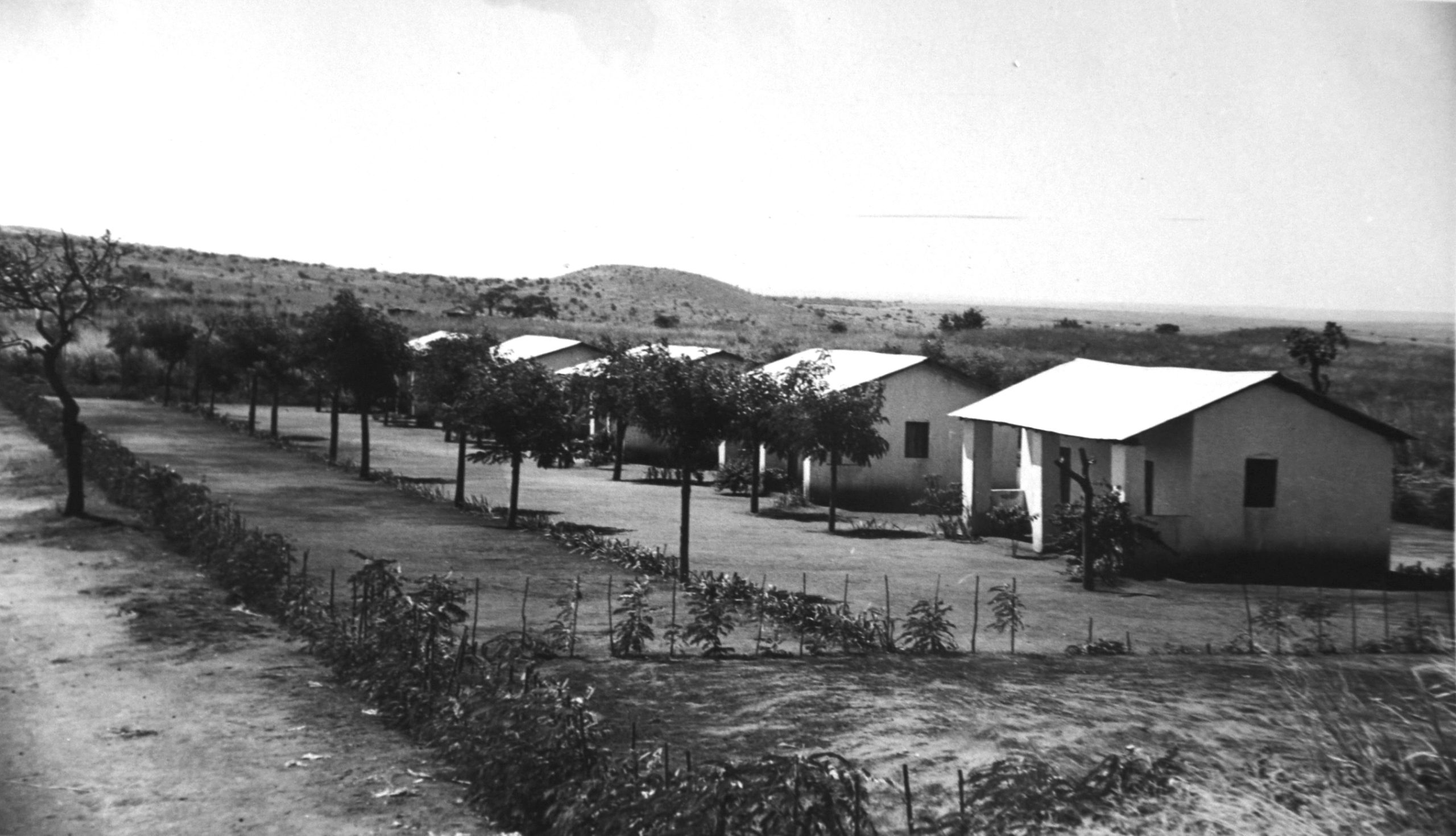
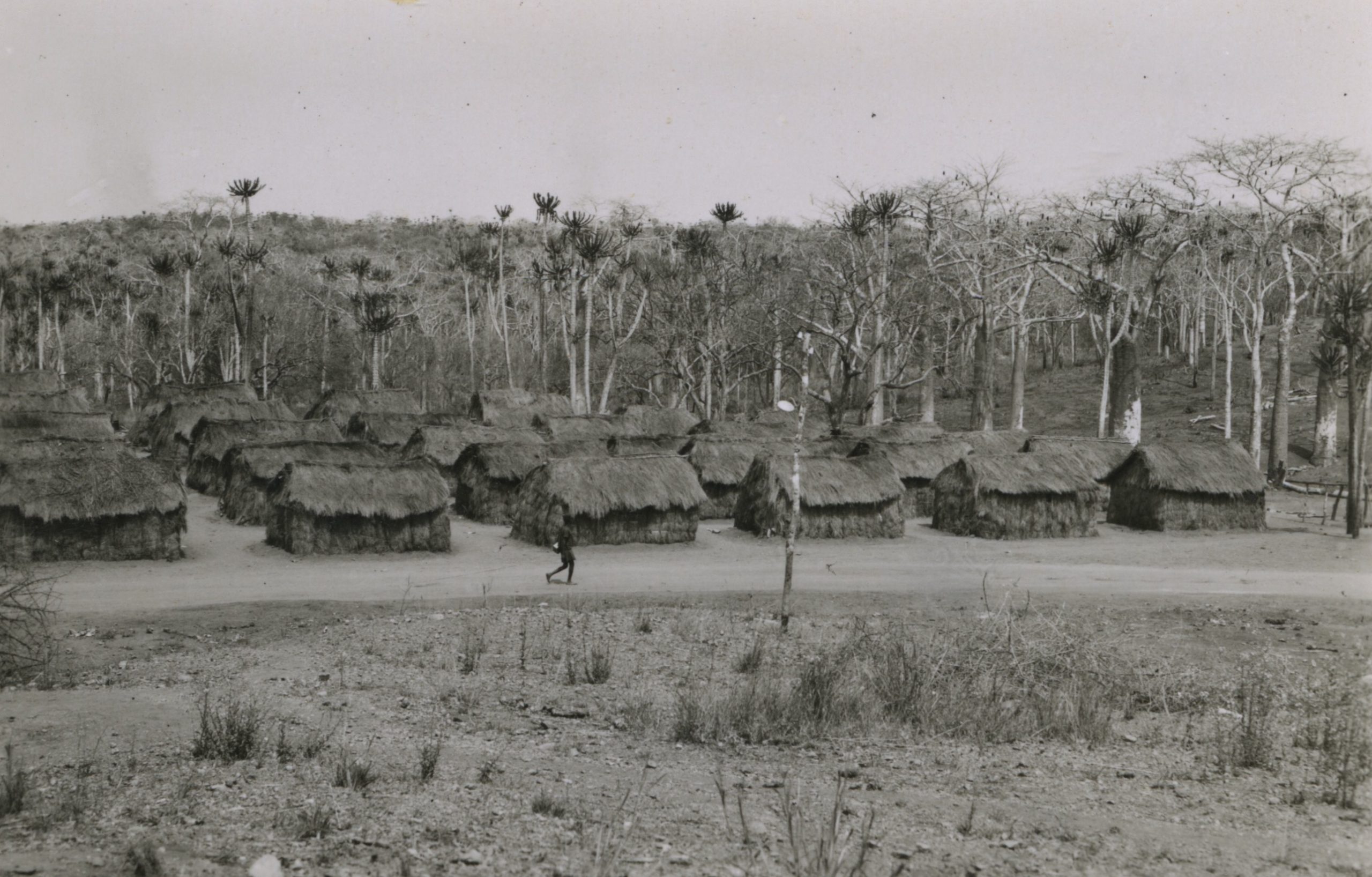
    Village for Cape Verdean workers, Lunda, Angola (Diamang’s archives, DCV-UC/AD)

    Summary

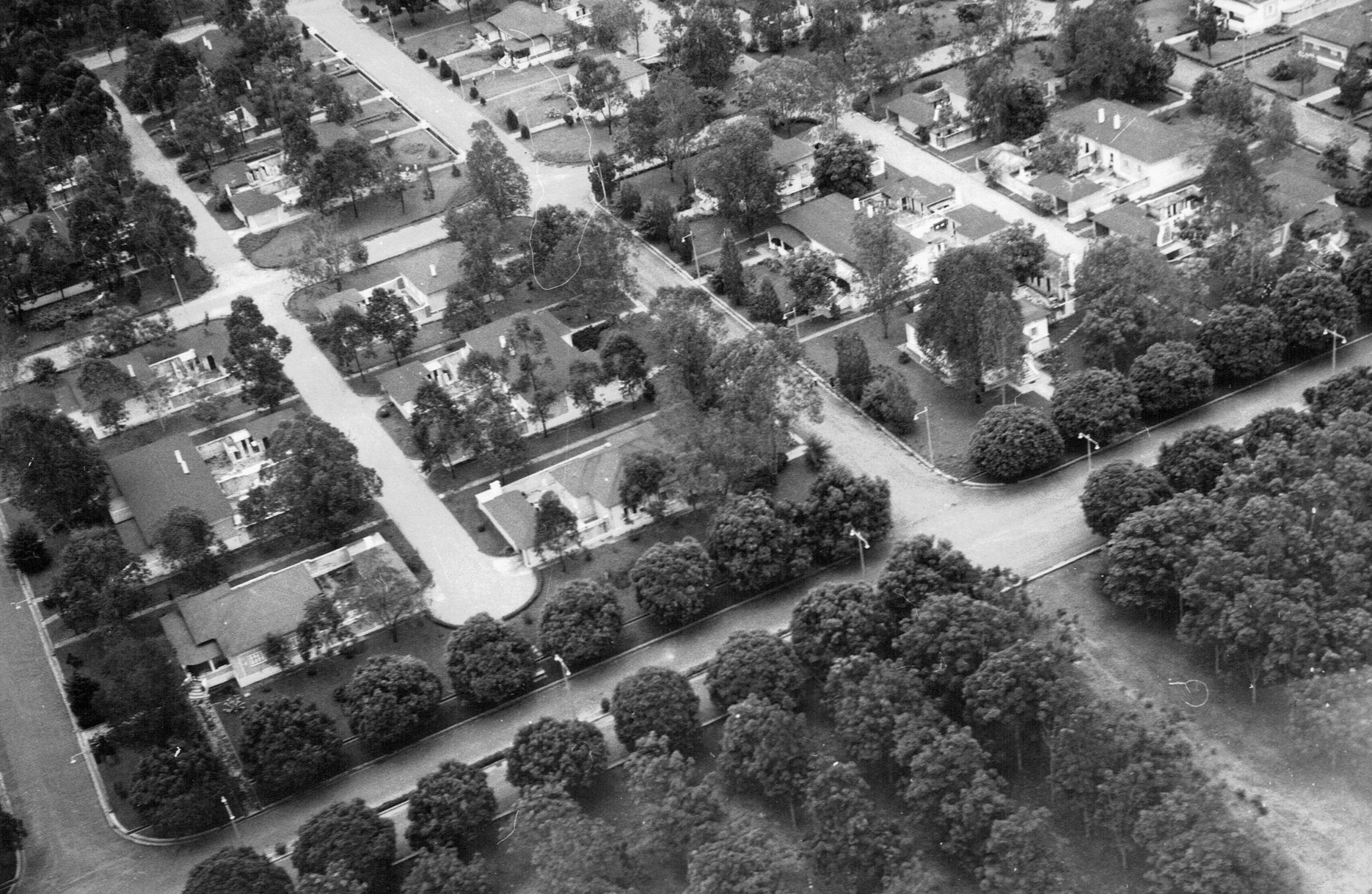
    Mining company towns and workers’ villages in Central Africa, inhabited by thousands of mine‐ workers and families, insightfully picture how difference between race, class and gender was spatialised through various building politics, protocols and materials. This chapter aims to highlight the complex and diverse ways the concept of ‘race’ was deployed and impacted in spatial planning. It explores company settlements and policies as apparatuses of layered trans‐imperial connections and circulations that turned cross‐fertilised expertise in space and architectural design into key tools for consolidating power. The multi‐scalar networks participating in these concessions are here examined to surpass the still dominant state‐centred frames of analysis which fail to disclose the strength of transnational connections, while allowing to assess the role of other experts in empire building. Located in‐between borderland areas, private enterprises became significant fields of experience and translation for architectural models and construction techniques, thus pushing research to move beyond dichotomic approaches towards more polyhedral perspectives.

  • A “Não-Simultaneidade” nas Construções Coloniais: o caso da Barragem das Mabubas, Angola

    A “Não-Simultaneidade” nas Construções Coloniais: o caso da Barragem das Mabubas, Angola

    Event: CEAFE 2025
    Authors: Ana Vaz Milheiro, Beatriz Serrazina
    Date: 13 February 2025

    Location: Faculdade de Engenharia, Universidade Agostinho Neto, Angola [online]


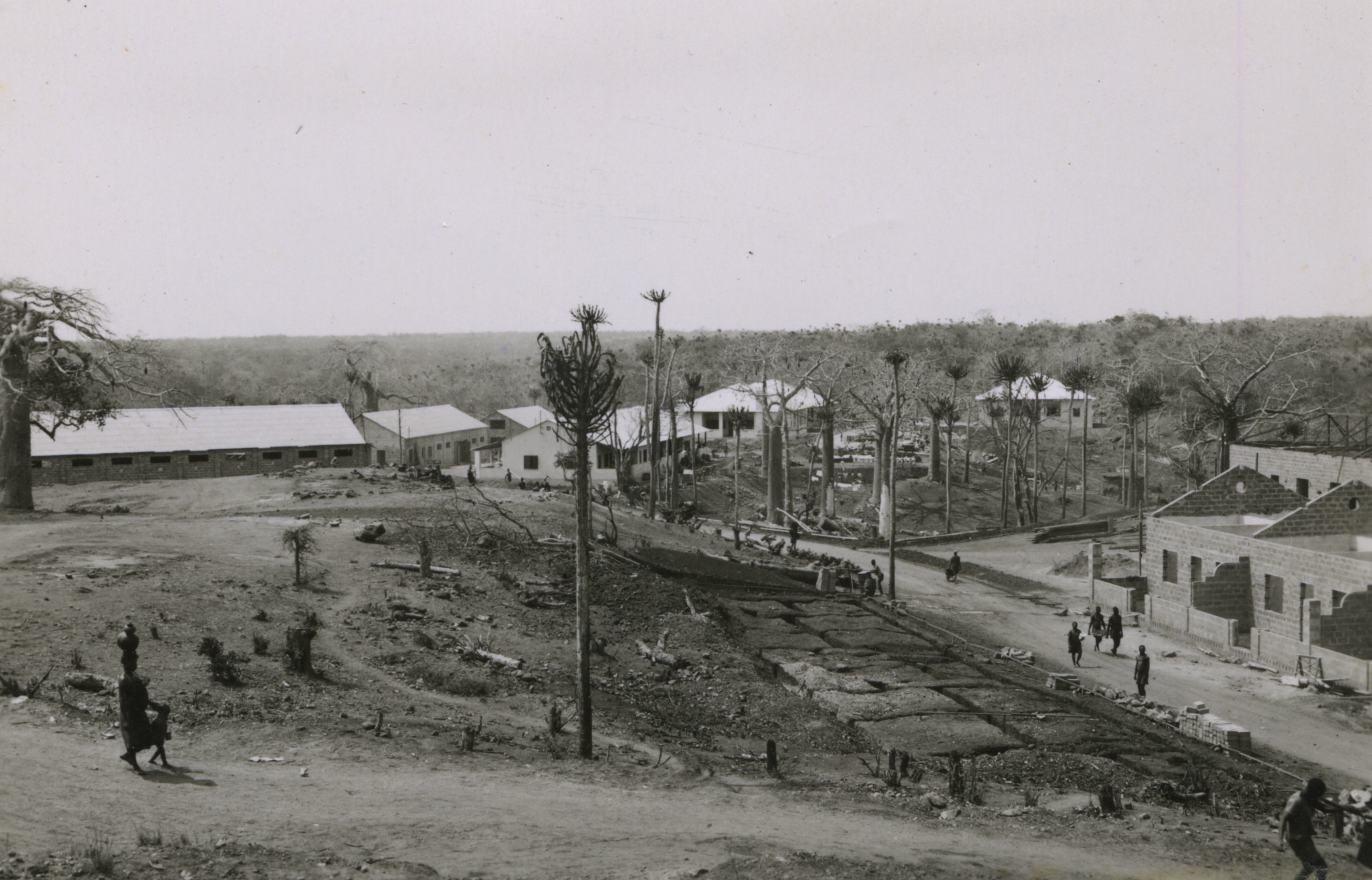
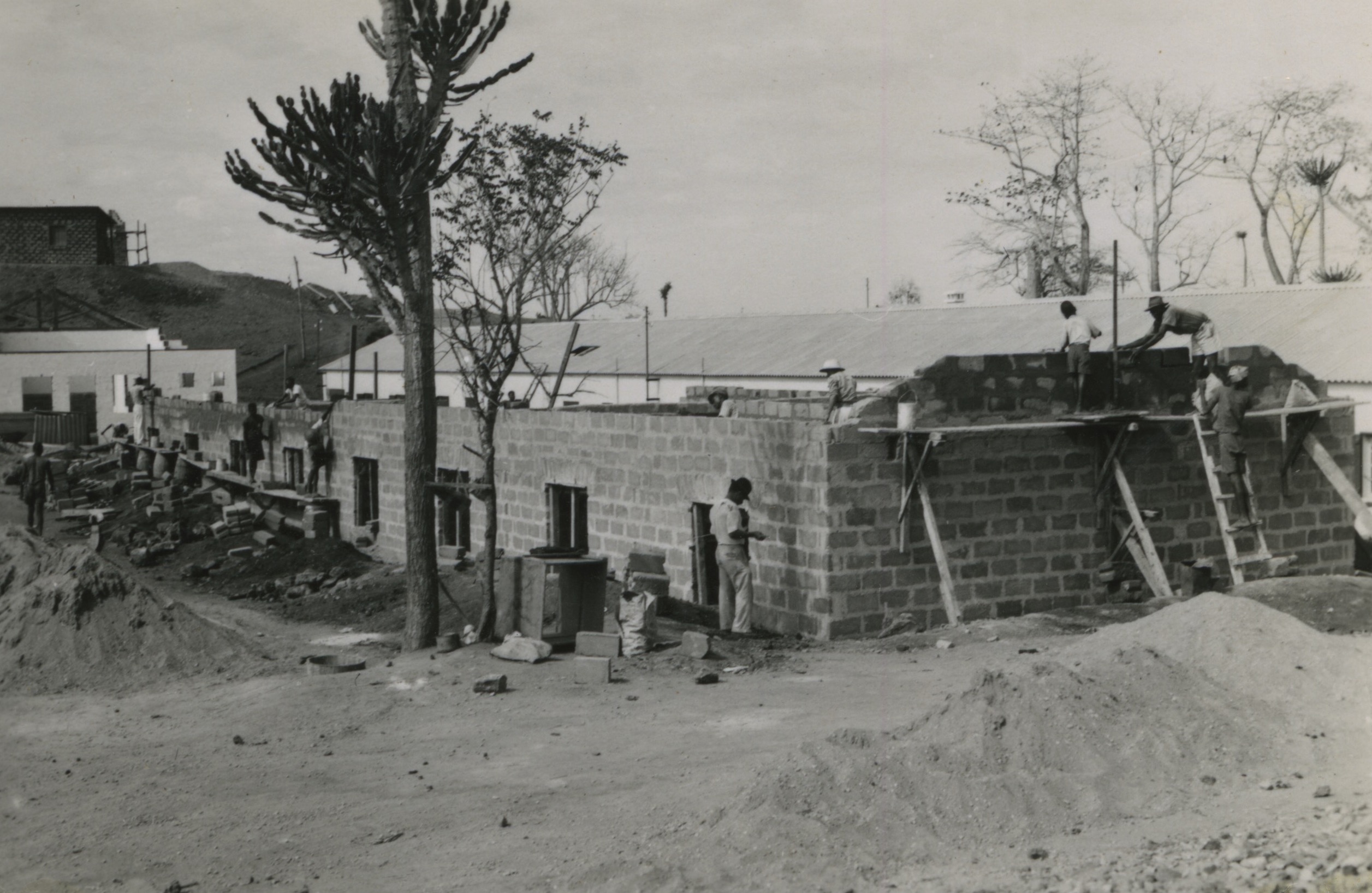
    Houses and workshops in the construction site, 1948 [AHU, OP3010)
    One of the indigenous villages near the Mabubas construction site, 1948 [AHU, OP3010)

    Summary

    A Barragem das Mabubas, construída em Angola entre 1948 e 1954, foi a primeira grande obra de infraestrutural promovida pelo Estado português em África para sustentar o colonialismo face ao crescente escrutínio após a Segunda Guerra Mundial. A sua extensão de 70 metros, perto de Luanda, resultou num estaleiro de grandes dimensões. A partir das circunstâncias políticas, sociais e tecnológicas do caso das Mabubas, esta apresentação pretende investigar os estaleiros de construção colonial para contribuir para debates mais amplos sobre estes lugares. Enquanto estaleiro fixo, que deu origem a uma nova povoação, a obra das Mabubas oferece um terreno de investigação complexo, que reuniu milhares de pessoas, diferentes tarefas e hierarquias laborais. Serão exploradas três relações: as dinâmicas entre trabalhadores europeus e africanos, as tensões entre as comunidades africanas e as interações entre vários níveis de especialização, tais como as hostilidades em relação a outras geografias coloniais, como os trabalhadores cabo-verdianos, considerados mais “qualificados”. Através da “não-simultaneidade” proposta por Heine e Rauhut, a apresentação visa acrescentar novas perspetivas à análise das peculiaridades e complexidades dos estaleiros coloniais. Enquanto os estaleiros europeus se baseavam em sistemas conhecidos pelos técnicos superiores, os espaços de construção produzidos sob o colonialismo apresentavam maiores níveis de incerteza. As autoridades coloniais não controlavam as competências das comunidades africanas nem materiais locais. Para além de apresentar um mapeamento crítico do estaleiro, a comunicação questionará a sua materialização no arquivo. Que informação pode ser recolhida nos relatórios? Que camadas estão ausentes (nomeadamente sobre a presença de mulheres)?

  • Colonial labour housing: a ‘propaganda’ tool?

    Colonial labour housing: a ‘propaganda’ tool?

    Event: European Architectural History Network. 8th International Conference
    Authors: Beatriz Serrazina
    Date: 19 – 23 June 2026

    Location: National Technical University of Athens, Greece


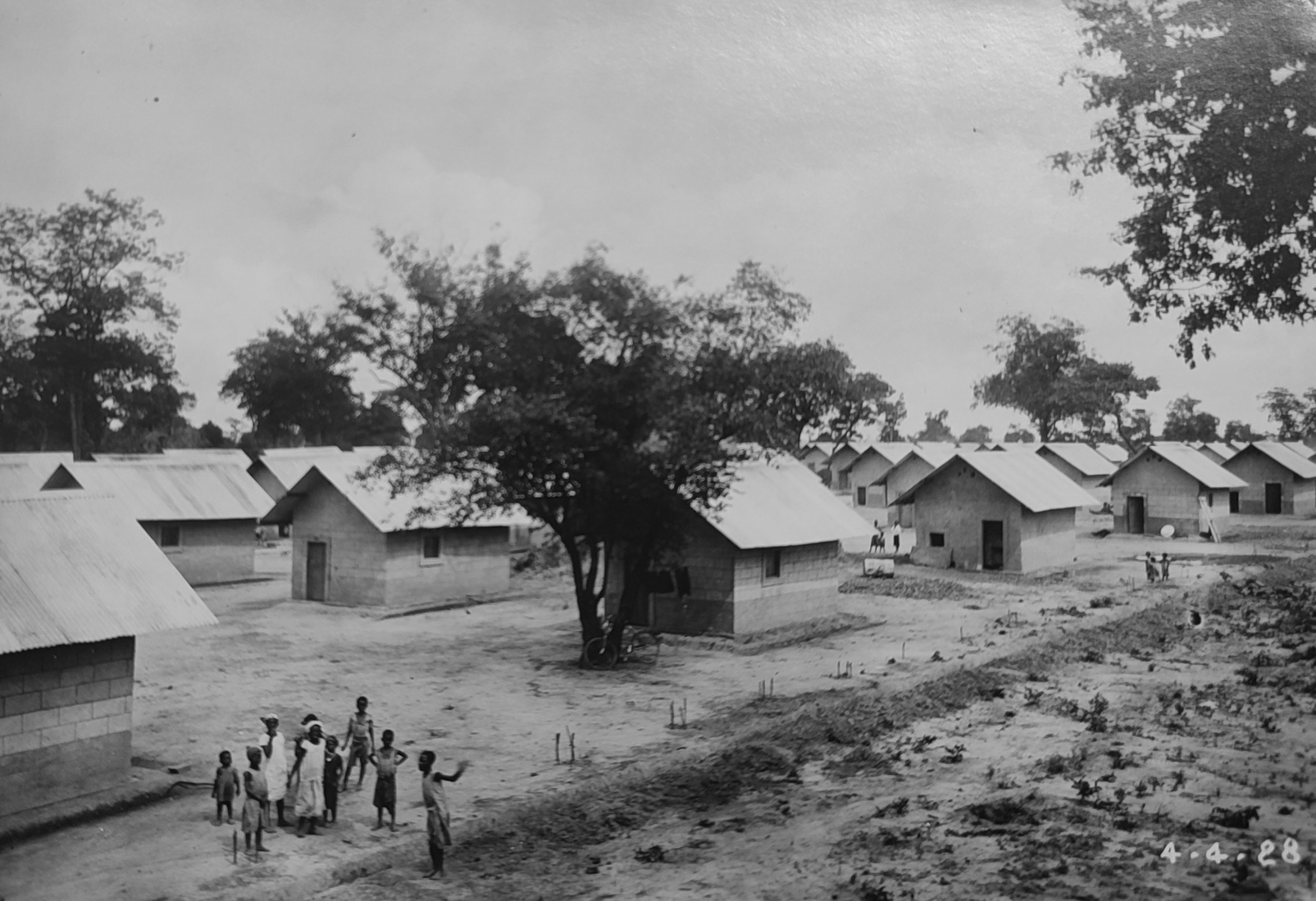
    Union Minière, Lubumbashi Camp, Katanga, 1928[AGR, Sibeka, 530]
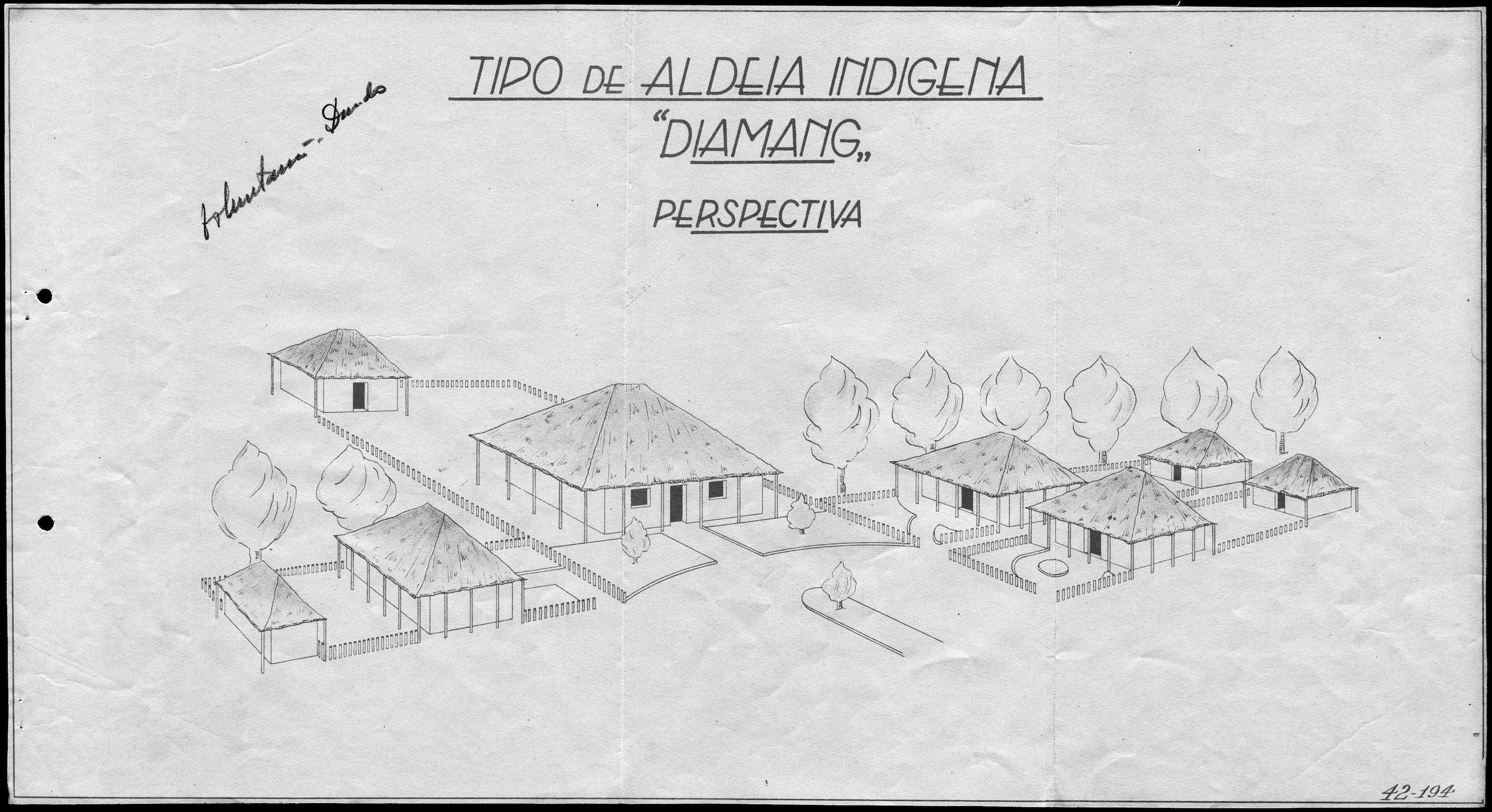
    Tipo de aldeia indígena Diamang, 1942 [DCV-UC/AD]

    Summary

    Colonial space was often produced for and supported by mineral extraction. Yet, none of the extractive businesses set up in Africa throughout the first half of the 20th century could run without workforce. By requiring the engagement of thousands of African people, private companies responsible for housing their labourers. Since both enterprises and governments believed disruption within the intimacy of household could serve multiple ends, villages became critical spaces for simultaneously running industrial areas and carrying out a “modernising” mission envisioned by European powers. In 1961, the director of a mining company’s labour service, operating in north-eastern Angola, wrote a few telling words: “The advantages of a well-built brick house are well known. Adding to labour productivity and stability, we must highlight the propaganda factor. What a valuable propaganda tool a permanent house is!”

    By following transformations in labour housing typologies over time, and while acknowledging strong inter-imperial networks connecting private corporations across Central Africa, mainly between Angola and Belgian Congo, this presentation aims to question the domestic space as a core arena for shaping, enduring and contesting colonialism. It will unpack house planning, design and materials, from the first “propaganda villages” in the 1930s to the later “modern neighbourhoods” built in the 1960s. Companies repeatedly tried to work with “models” and “types” of houses to create “legible” landscapes and “modern” communities – but reports show that reality on the ground was often messier than intended. Despite colonial imaginaries, “modern” houses run along native domesticities, thus shaping an intricate landscape.

    The overall goal is to understand how and to what extent transformations in housing have resulted from and been fuelled by different agents and agendas: the demands and know-how of local communities, the requests of international and inter-imperial organisations, the possibilities of growing scientific and technological research, alongside companies’ productivity drives.