
Author: admin

  • Transposing the discourse of industrialised construction in housing between Lisbon and Luanda during the 1970s

    Transposing the discourse of industrialised construction in housing between Lisbon and Luanda during the 1970s

    Event: 18th International DOCOMOMO Conference 2024 “Modern futures: sustainable development and cultural diversity”
    Author: Inês Lima Rodrigues
    Date: 10 – 14 December 2024

    Location: Pontificia Universidad Católica de Chile, Santiago de Chile, Chile


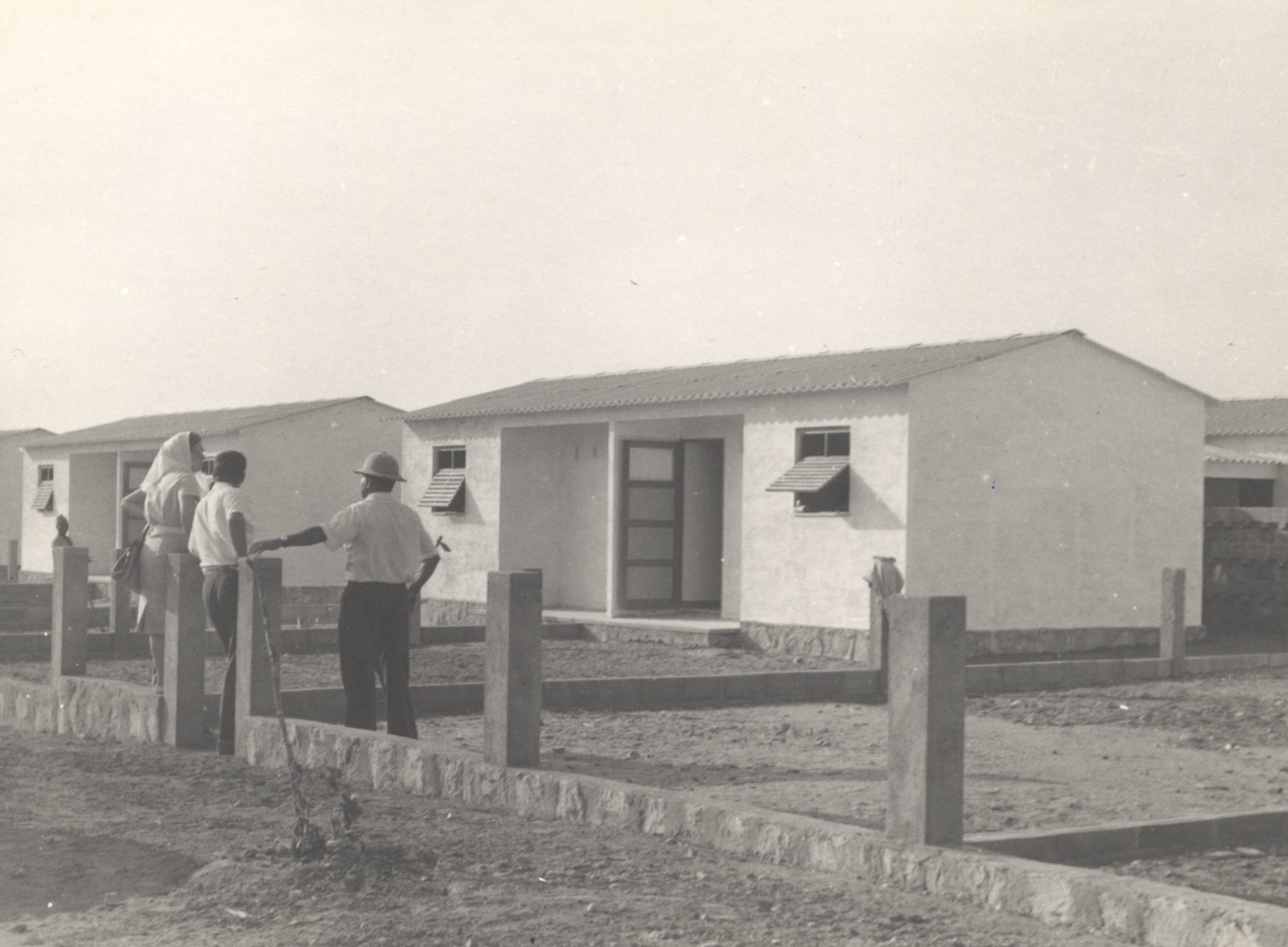
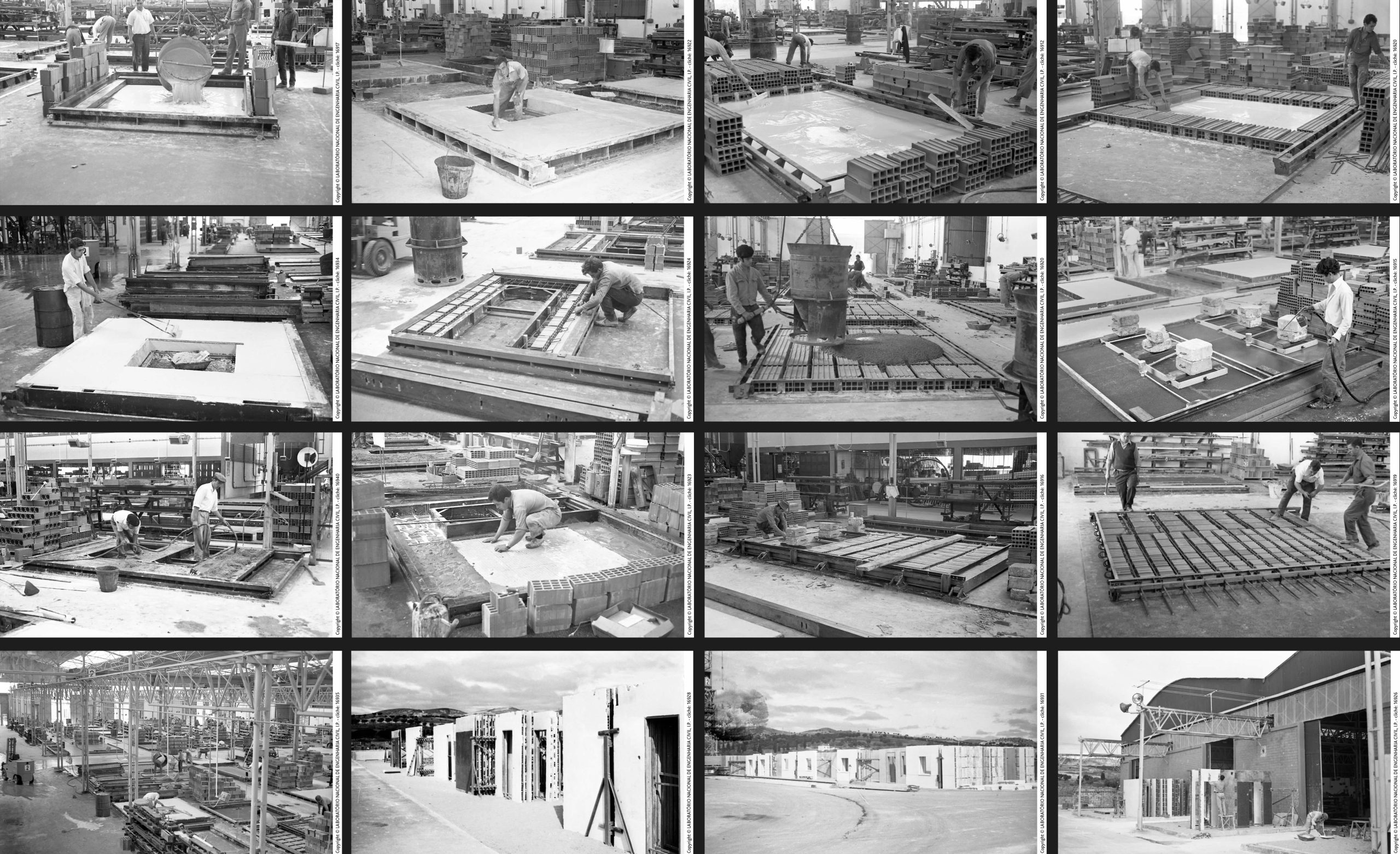
    Succession of frames of images of the manufacture of “Fiorio” panels at the ICESA factory.  Source: Laboratório Nacional Engenharia Civil (LNEC) – Proc. 34/1/3019COTA 4487.
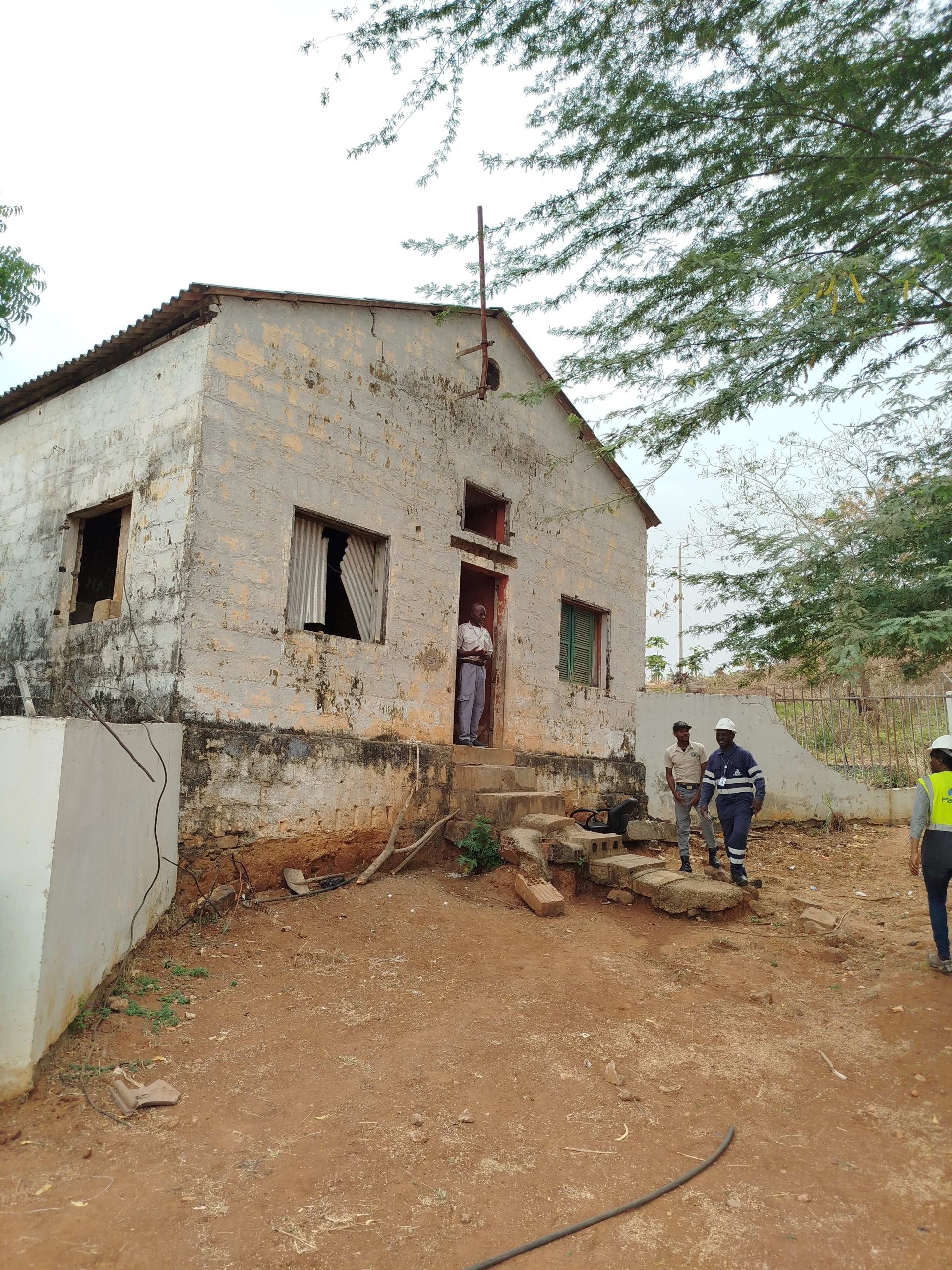
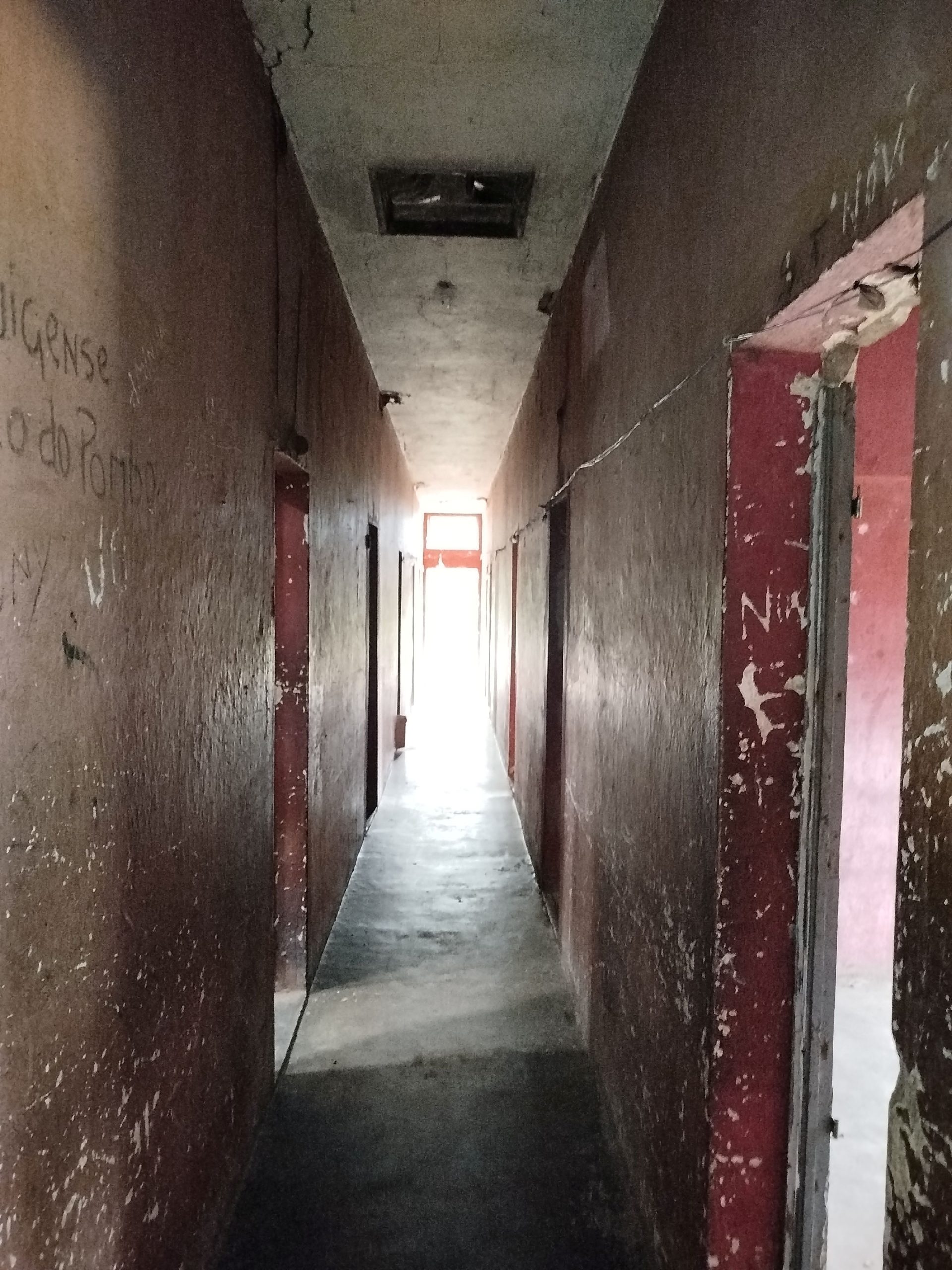
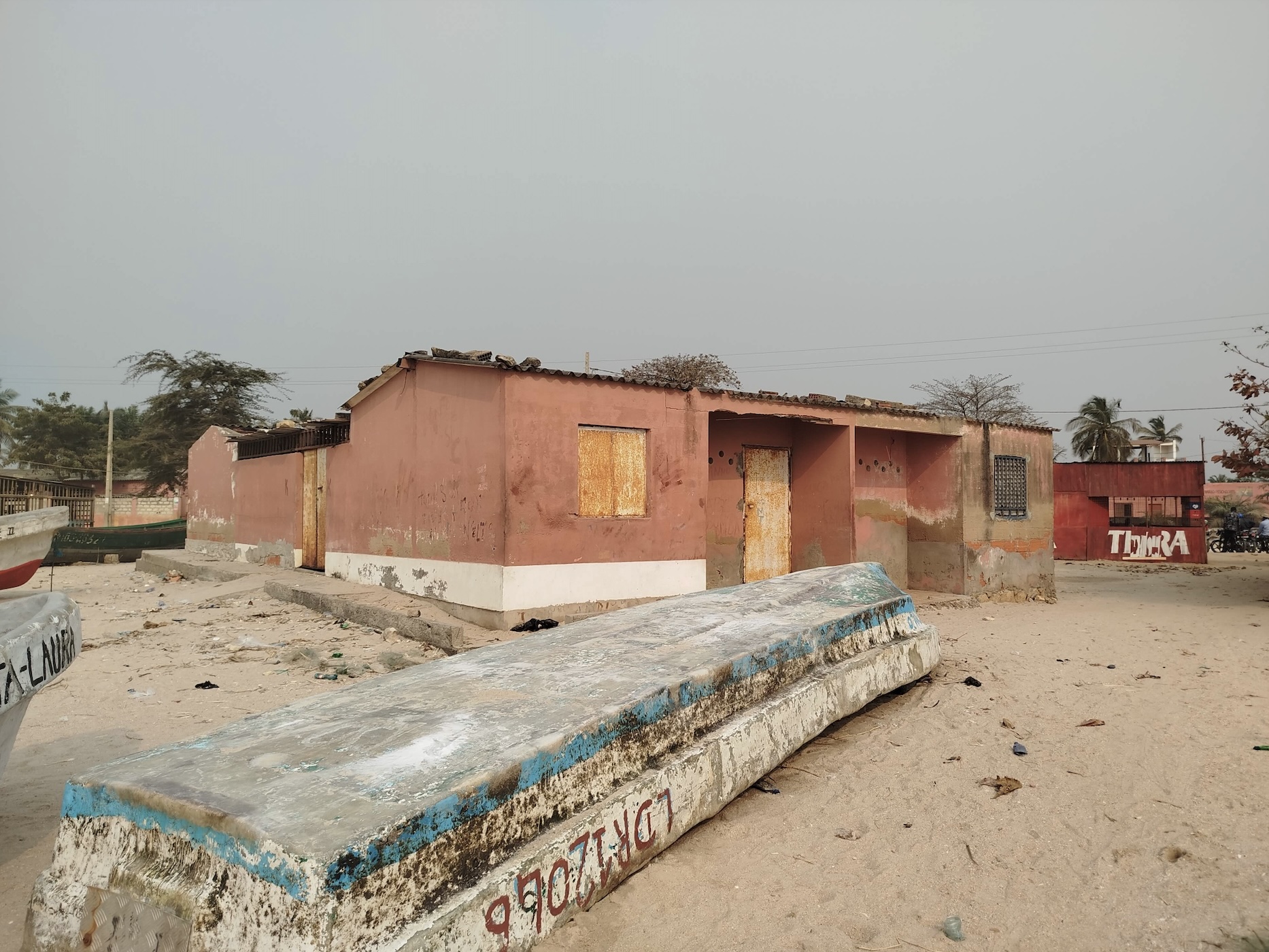
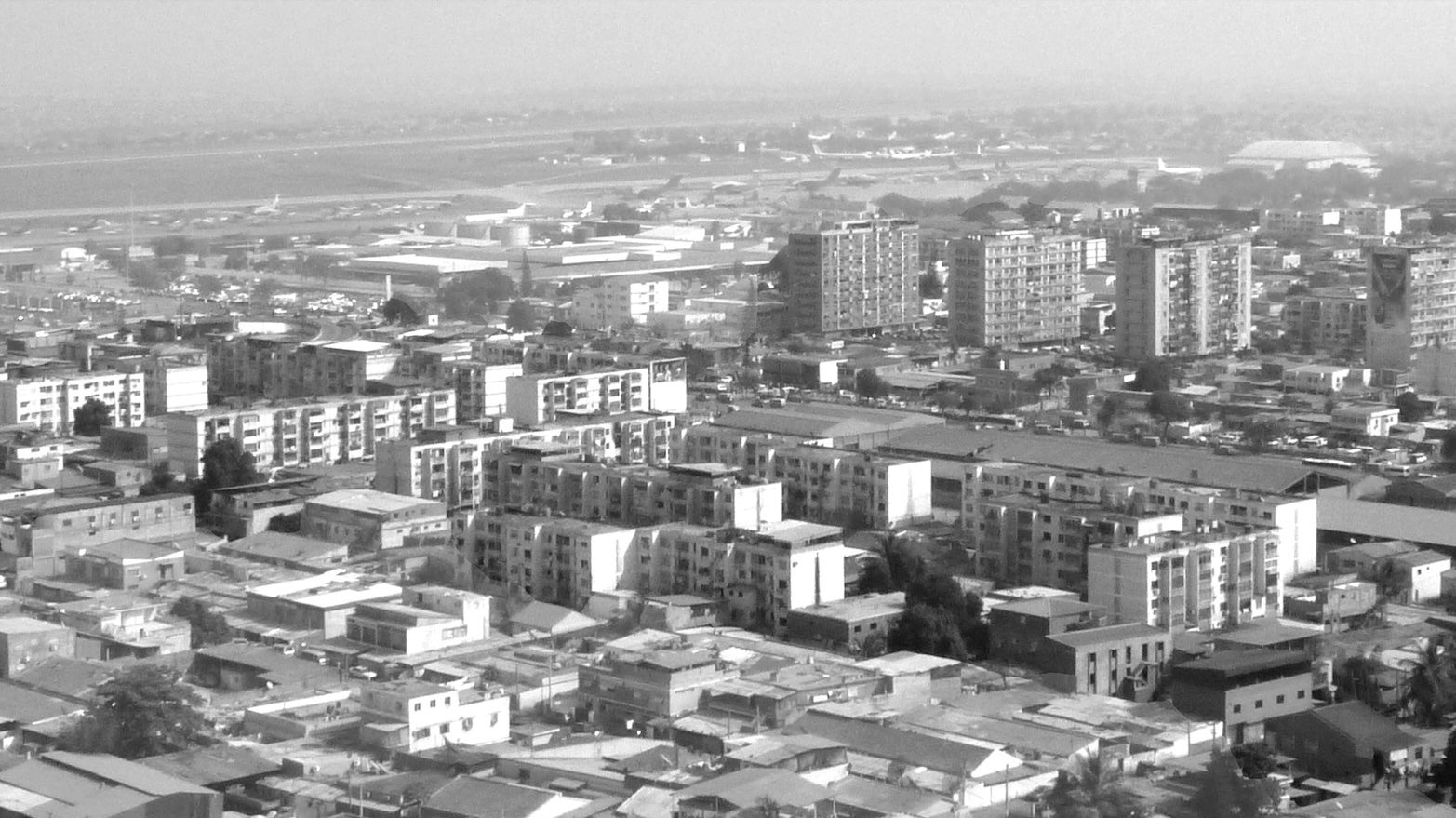
    View from Luanda over the “Cuban Blocks” in the Cassenda neighbourhood (in the background, part of the unfinished urban plan for Neighbourhood Unit No.3 and the international airport). Source: Inês Lima Rodrigues, 2010

    Summary

    This paper focuses on the prefabrication process and typification applied in building mass housing neighbourhoods on the outskirts of Lisbon, Portugal, and Luanda, Angola. It explores the transfer of these systems and know-how from Europe to Africa, mapping housing neighbourhoods built at the end of Portuguese colonialism and the transition from dictatorship in Portugal (25 April 1974) to the independence of Angola (1975). The push for widespread housing led to developing large estates on peripheral land, utilising industrialised materials and processes to meet production demands. Large construction firms spearheaded innovation, with prefabrication vital in ensuring economic feasibility and rapid construction times. Portugal initiated its first prefabricated projects during the 1960s. At the same time, the Portuguese state invested in Angola, elevating the importance of housing development in both regions. This article proposes a comparative analysis of housing estates, focusing on the role of large construction companies and the influence of specific prefabricated systems on constructing residential estates in Lisbon and Luanda. It seeks to answer how the introduction of prefabricated design elements led to functional and aesthetic innovations and whether they benefited from foreign expertise. It also investigates the transfer and utilisation of these systems in the Global South, emphasising their profound impact on architectural design and urban planning during the colonial transition. These neighbourhoods drew inspiration from various international models, including Swedish, French, and Soviet systems, and influences from Non-Aligned Movement countries like Yugoslavia and Cuba. Following Angola’s independence, additional prefabricated technologies were introduced, facilitating the transition from colonial to postcolonial structures and addressing housing demand while adapting to tropical climates. The comparative analysis underscores how prefabrication influenced architectural design and urban planning during the colonial transition, with construction companies playing a pivotal role in shaping urban landscapes and promoting modern living standards.

  • Between the musseque and the Neighbourhood Unit: spotting “compagnons de route” architectures in Luanda (1961-1975)

    Between the musseque and the Neighbourhood Unit: spotting “compagnons de route” architectures in Luanda (1961-1975)

    Event: 18th International DOCOMOMO Conference 2024 “Modern futures: sustainable development and cultural diversity”
    Authors: Ana Vaz Milheiro, Leonor Matos Silva
    Date: 10 – 14 December 2024

    Location:  Pontificia Universidad Católica de Chile, Santiago de Chile, Chile


    Prenda neighbourhood, a view of the musseque. Luanda, 2014. © Isabel Guerra/Ana Vaz Milheiro; PTDC/ATP-AQI/3707/2012.
    Mrs E. and Mr B.’s wooden house: survey, plus interior courtyard with houses displaying ventilation devices inspired by modern design. Luanda, 2014. © Issac & Júlio, UTANGA; Isabel Guerra/Ana Vaz Milheiro; PTDC/ATP-AQI/3707/2012

    Summary

    Taking full advantage of Nnamdi Elleh’s proposal, by seeking to “keep the focus on the modern” (2014), this article explores how during the late colonial period in the city of Luanda, Angola, conditions arose to link the future of architectures with unequal roots. On the one hand, an architecture strongly qualified and praised by the historiography of modern architecture, which would result in the Prenda Neighbourhood Unit No. 1, and on the other hand, the musseque (Angolan slum) of the same name, which already occupied that territory in the suburbs of the colonial city. Placed in the core of the musseque, the Neighbourhood Unit was used strategically by the colonial state to control African population. Through the embodying of “brutalist imaginaries”, it would be permanently linked to a new landscape, strongly supported by self-produced architecture. As a case study, the Prenda musseque not only preceded the new Neighbourhood Unit, but coexisted with its realisation and appropriation, surviving to this day. It thus provides multiple lenses for analysing how architecture promoted by the “underprivileged classes” can today contribute to broadening the architectural lexicon of production catalogued as modern. Drawing on multiple skills, the knowledge of the musseque communities was neglected by the late-modern colonisers who inhabited the new Prenda units. This article evokes the concept of “omnicompetence”, explored by Glenn Adamson (2020) in the broader context of American crafts shaped by pre-colonial societies. Also in Luanda’s musseques, a long formal and constructive genealogy has emerged as pluri-competences. Its long coexistence with modern culture during the colonial period and beyond was reinforced by its contemporary resilience reflected in the transfer of technical and formal knowledge creating a vernacular architecture with a strong modern tone. The article ends by highlighting how these architectures have mutually legitimised each other as “compagnons de route”.

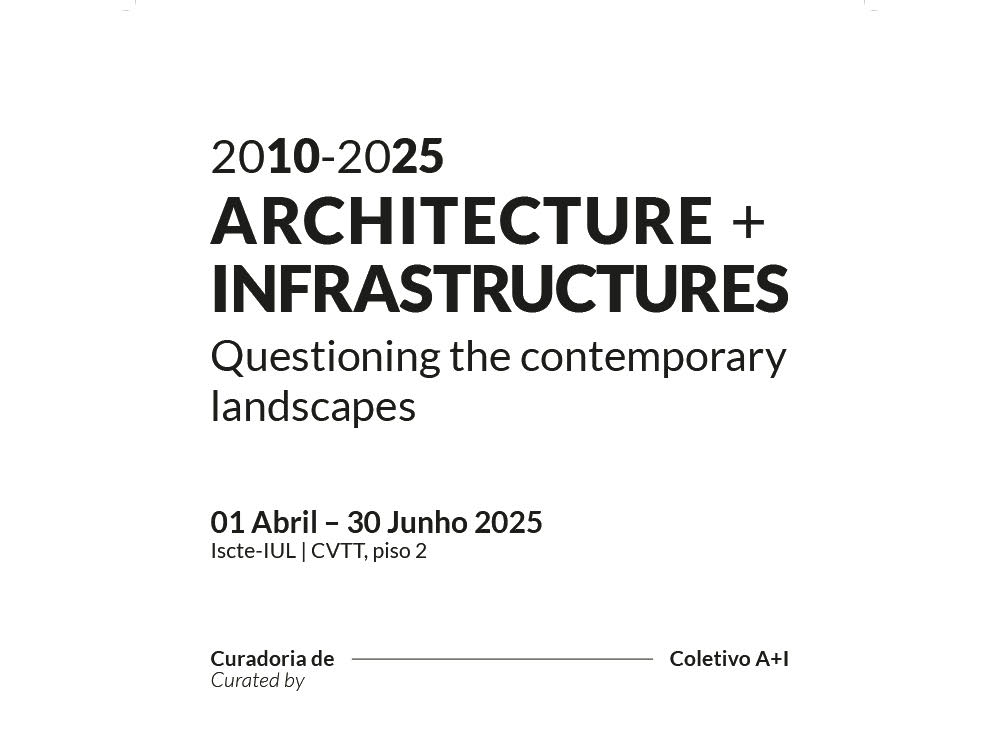
  • Architecture + Infrastructures. Questioning the contemporary landscapes 2010-2024

    Architecture + Infrastructures. Questioning the contemporary landscapes 2010-2024

    Event: Lieux et Enjeux Seminar “Housing production in times of conflicts” 
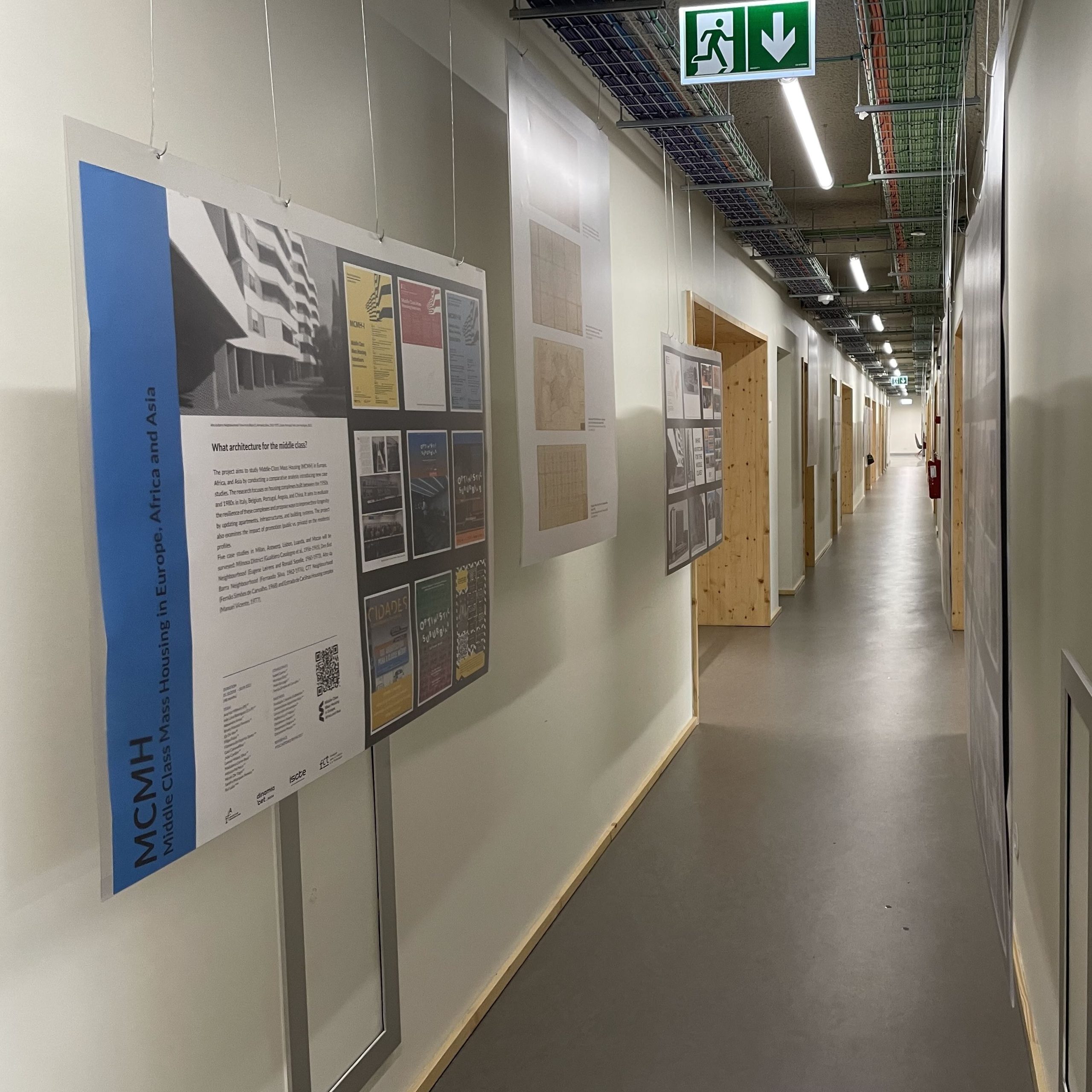
    Curator: Ana Vaz Milheiro
    Date: 21 – 29 November 2024

    Location: École Nationale Supérieure d’Architecture de Paris Val de Seine (ENSAPVS), Paris, France


    Exhibition entrance
    Curator Ana Vaz Milheiro
    Curator Ana Vaz Milheiro giving a tour during the exhibition opening
    Exhibition’s main hall
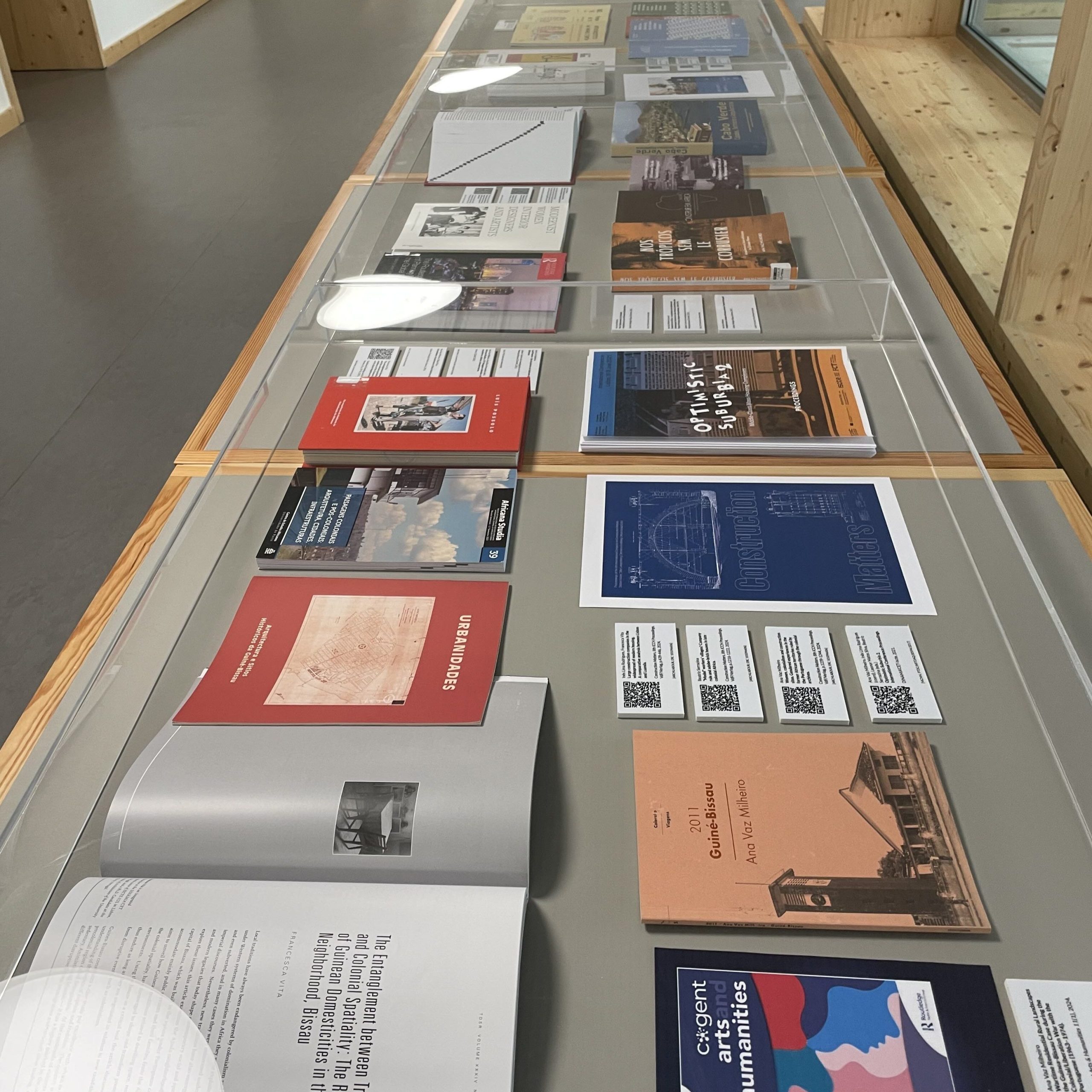
    Exhibition detail
    Curator Ana Vaz Milheiro

  • Unravelling colonial infrastructure legal framework – the Benguela railway

    Unravelling colonial infrastructure legal framework – the Benguela railway

    Event: International Workshop Intertwining Architectural History with Legal History
    Authors: Sónia Pereira Henrique
    Date: 26 – 27 September 2024

    Location: University of Coimbra, Portugal


    Communication presentation cover slide
    Event branding

    Summary

    The Benguela Railway serves as a key example to study legal transplantation and reception in colonial territory, exploring the intersection of architectural and legal history. The aim of this paper is to survey the legal framework, texts and legal documents that influenced the planning and construction of Angola’s largest railway line. In accordance with Cecil Rhodes’ ideal of a “C to C” connection between Africa’s Cape and Cairo, this line crosses Angola from west to east and is the country’s largest and most important railway line. Its construction lasted until 1930, after the first technical studies were drawn up in 1876. Initially, the line was intended to transport 40,000 tonnes of copper a year from Katanga, thanks to a concession granted by King Leopold to the company Tanganyika Concessions Ltd, founded on 20 January 1899 by Robert Williams, an associate of Cecil Rhodes. However, this enterprise initial plans suffered adjustments; it developed its activities in an extension of over 1300 km, extending itself to the provinces of Benguela, Huambo, Bié and Moxico up to the municipality of Luau. In order to understand the ideals and adaptations of this transport network, it is necessary to study in depth the legal regulation of several topics, such as scientific studies, construction projects, periods and contracts, concessions, demarcations, land disputes and exploitation, which we intend to do in context. It is not only about collecting normative developments, but understanding their extent in historical archives, which can show intersections between original projects and actual events. The research developed within the scope of the ArchWar project (the study of violence and control through housing and architecture during colonialism, ref. PTDC/ART-DAQ/0592/2020) along with the archival management carried out at the Historic Overseas Archive in Lisbon on the Benguela Railway, will allow to unravel the impact of this colonial infrastructure on the Portuguese colonial project, taking into account both landscapes – the archival and the legal framework.


    Related Case Studies

  • Women, colonialism and building sites. Gender experiences in former African territories ruled by the Portuguese through colonial archives

    Women, colonialism and building sites. Gender experiences in former African territories ruled by the Portuguese through colonial archives

    Event: 8th International Congress on Construction History
    Authors: Ana Vaz Milheiro

    Date: 24 – 28 June 2024

    Location: ETH Zurich, Zurich, Switzerland


    Farol das Três Pontas. Road works. Source: Angola Hydrographic Mission 1936-1941, IICT
    Payrolls of the Public Works, Angola, 1877-1881. Report by Henrique dos Santos Rosa. Source: AHU, OP13914

    Summary

    Recent studies on the interaction between labor and colonialism have been challenging the claim that “the history of labor in public works construction is generally presented as a male experience” (Jha 2020). Following the still prevalent narratives, previous research that intersected Portuguese colonialism and unskilled labor also followed a male-oriented direction. Research on the hierarchies established on and by the construction site is still scarce, and the gap is even greater when women are involved. Despite the vast international literature, there are no narratives that frame women’s roles in public works in the former African territories under Portuguese rule (Angola, Mozambique, Cape Verde, Guinea-Bissau and São Tomé and Príncipe). This article aims to explore how women filled these gaps, discussing the extent to which they took on logistical roles, incorporated unskilled tasks (quarrying stones; carrying mud), or influenced program and architectural agendas with an impact on design and construction systems, until they achieved greater empowerment during the colonial war/liberation (1961-74).

  • “Model” Workers’ villages? Company rule and adobe-brick houses in late colonial Africa

    “Model” Workers’ villages? Company rule and adobe-brick houses in late colonial Africa

    Event: 8th International Congress on Construction History
    Author: Beatriz Serrazina

    Date: 24 – 28 June 2024

    Location: ETH Zurich, Zurich, Switzerland


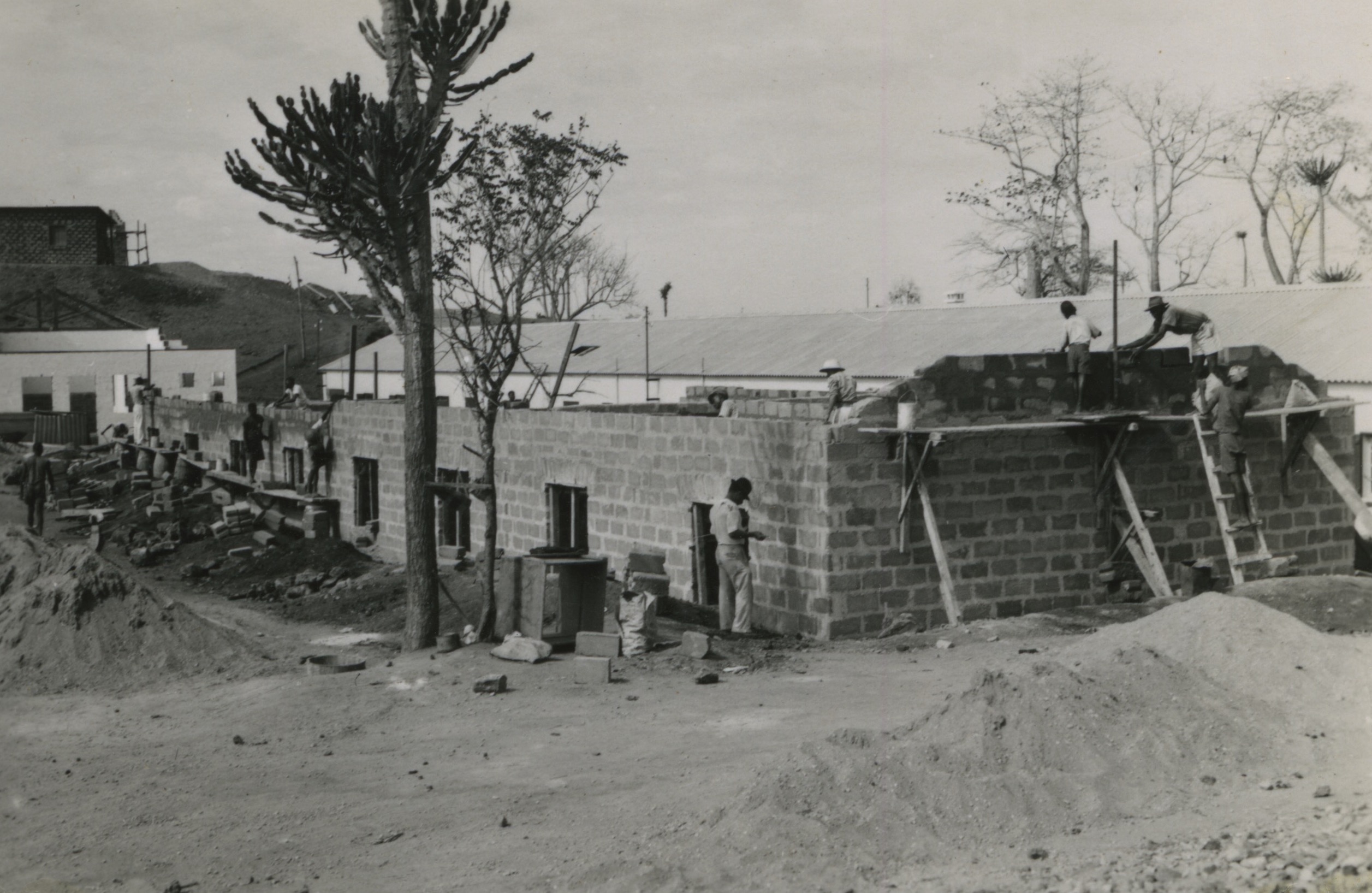
     Brick factory in Lunda; blocks in stock (SPAMOI Report, 1961, DCV-UC/AD)
    Presentation at ETH Zurich

    Summary

    In the early 1920s, a severe influenza epidemic in the Panda mining camps, recently founded by Union Minière in southern Belgian Congo, shed light on the importance of housing material conditions. Due to medical studies and reports, a solution was soon to be found in single-family adobe houses. Bricks arguably offered plenty of “benefits”: they were cheap, made with local raw materials, easily assembled on site and did not require much expertise or heavy machinery. For the following decades, adobe was put forward by mining enterprises as a tool for and a symbol of control, neatness, salubrity, productivity and social hierarchy. When industrialization and urbanization issues became strongly entangled in the 1950s, the materialization of workers’ houses was not only a case study for scientists but also a key instrument to counter international politics and anxieties about African housing. This paper questions the role of the adobe-brick components in shaping the built environment in late colonial Africa. What was their impact on house design, construction sites and building teams? To what extent did they compete with other technologies, namely concrete and stone? The overlooked histories of mining villages’ construction illuminate significant trans-imperial circuits of knowledge transfer, running from the first on-site connections to the late international expert meetings. Far from being “workingman’s paradises”, as most company official reports suggested, adobe villages materialized multiple combinations of economic, social, moral and power guises, thus offering new perspectives on colonial construction, away from canonized actors, materials and norms. This communication was published in the conference proceedings: Beatriz Serrazina (2024), “Model” Workers’ villages? Company rule and adobe-brick houses in late colonial Africa,”Construction Matters,8th International Congress on Construction History, Stefan Holzer, Silke Langenberg, Clemens Knobling and Orkun Kasap (eds.). Verlag Vdf, 1216-1222.

  • Large construction companies in the widespread of modern housing. A comparative analysis between Lisbon and Luanda

    Large construction companies in the widespread of modern housing. A comparative analysis between Lisbon and Luanda

    Event: 8th International Congress on Construction History
    Authors: Inês Lima Rodrigues, Francesca Vita
    Date: 24 – 28 June 2024

    Location: ETH Zurich, Zurich, Switzerland


    Housing Cooperative “Alegria pelo Trabalho”.  Building “O Livro” [The Book], Arch. Pinto dos Reis, 1974. Source: Inês Lima Rodrigues
    The CONFICA company’s promotion always maintained the image of the “happy couple”, while the size of the housing blocks increased over the years. Source: A província de Angola, August 3, 1958; June 16, 1959; and July 7, 1967 – courtesy Maria Alice Correia (assembled by the author).

    Summary

    From the late 1950s, Lisbon and Luanda experienced an exponential population growth that intensified with the outbreak of the colonial war (1961–1975), with the independence of the colonies under Portuguese rule and the end of the dictatorship in 1975. Due to the inefficiency of the public apparatus in responding to the housing crisis and providing different “housing for many people”, the state encouraged the private market (construction companies, cooperatives, developers, investors, etc.) to support the demand for housing in Lisbon and Luanda. The result was a boom in the construction industry, mainly through standardized high-rise buildings, which promoted access to the “home of one’s own” and promised a modern and mechanized lifestyle in central and peripheral locations for the emerging middle class. The role of medium-sized and large construction companies in the spread of modern housing was crucial in both Lisbon and Luanda. The construction companies not only provided the know-how to build quickly and with good quality, but they were also agents in the promotion of a new way of life, in the exchange of expertise and constructive references between Lisbon and Luanda and in the mobilization of different actors (public and private) in the making of the modern city.

  • The house types and the type of house: the colonial form for indigenous domesticity

    The house types and the type of house: the colonial form for indigenous domesticity

    Panel

    Event: European Architectural History Network. 8th International Conference
    Authors: Francesca Vita, Inês Lima Rodrigues
    Date: 19 – 23 June 2024

    Location: National Technical University of Athens, Greece


    Photo of the Session, 20 June 2024. Source: Francesca Vita
    Photo of the Session, 20 June 2024. Source: Inês Lima Rodrigues

    Summary

    Whether it constituted the physical extension of the imperialist projects, a means to discriminate or to influence indigenous way of life and to trigger processes of modernization, the House represented a “Tool of Empire” (Headrick, 1981; King, 1995).

    With the aim of “normalizing”, “standardizing” and “domesticating” (Teyssot, 1985) autochthonous way of life, the colonial administration undertook a process of dismantling vernacular forms of domesticity, by both condemning its architecture – its form, its materials, its fundamentals – and also its content – its domestic practices and users –.

    It was especially during the first half of the 20th century and in the aftermath of the WWII, that the colonial planning offices designed and redesigned across geographies a diverse range of house types aimed to dwell the indigenous populations in a diverse range of milieu: urban neighbourhoods, rural settlements, military camps. The house types designed suggested models of house and domesticity based on the rhetoric of modernity (Heynen, 2013) which have been shaped and negotiated according to the colonial purposes.

    For example, after the end of the Second World War, the house types proposals occasionally brought modernity closer to local realities. The implementation of industrial methods in solving the issue of urban housing resulted in housing typologies for the indigenous populations that showed an apparent compatibility between the modern standards and the interpretation of vernacular features.

    This session will focus on the production of house types and the type of house addressed to the indigenous populations by the colonial administrations. We encourage papers that discuss how the house types for the autochthonous populations operated as an agency for the rhetoric of modernization, development and assimilation, but also that unveil processes of appropriation and resistance occurred, how dwellers transformed, resisted or accustomed to the colonial house types and type of house. Finally, the session aims to bring together multiple geographies, especially focusing on the African continent (but not only), in order to begin to discuss whether and how the house types circulated across the colonial administrations and which type of house was collectively shaped, pondering the reasons of it.


    Presentations

  • Colonial labour housing: a ‘propaganda’ tool?

    Colonial labour housing: a ‘propaganda’ tool?

    Event: European Architectural History Network. 8th International Conference
    Authors: Beatriz Serrazina
    Date: 19 – 23 June 2026

    Location: National Technical University of Athens, Greece


    Union Minière, Lubumbashi Camp, Katanga, 1928[AGR, Sibeka, 530]
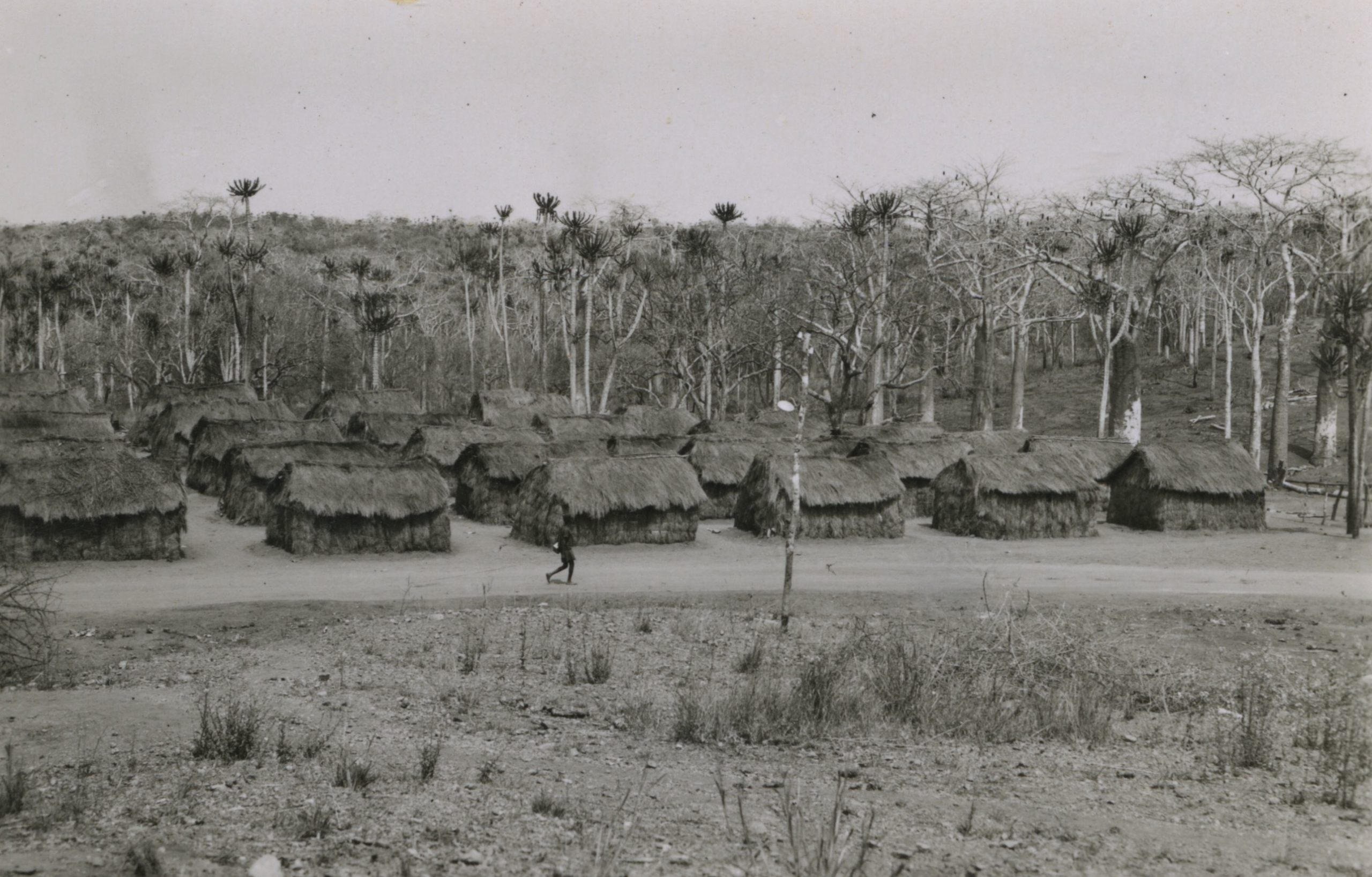
    Tipo de aldeia indígena Diamang, 1942 [DCV-UC/AD]

    Summary

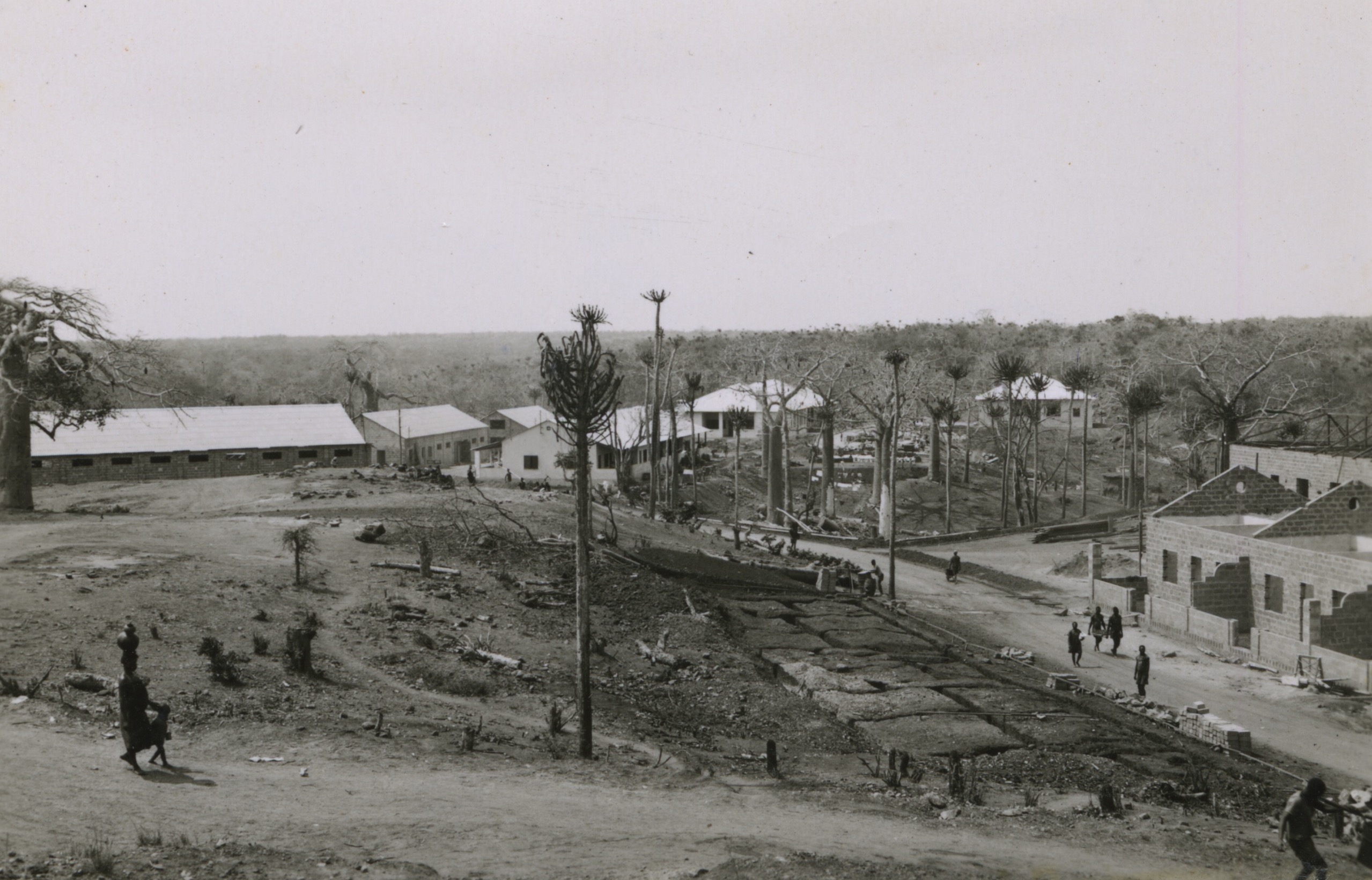
    Colonial space was often produced for and supported by mineral extraction. Yet, none of the extractive businesses set up in Africa throughout the first half of the 20th century could run without workforce. By requiring the engagement of thousands of African people, private companies responsible for housing their labourers. Since both enterprises and governments believed disruption within the intimacy of household could serve multiple ends, villages became critical spaces for simultaneously running industrial areas and carrying out a “modernising” mission envisioned by European powers. In 1961, the director of a mining company’s labour service, operating in north-eastern Angola, wrote a few telling words: “The advantages of a well-built brick house are well known. Adding to labour productivity and stability, we must highlight the propaganda factor. What a valuable propaganda tool a permanent house is!”

    By following transformations in labour housing typologies over time, and while acknowledging strong inter-imperial networks connecting private corporations across Central Africa, mainly between Angola and Belgian Congo, this presentation aims to question the domestic space as a core arena for shaping, enduring and contesting colonialism. It will unpack house planning, design and materials, from the first “propaganda villages” in the 1930s to the later “modern neighbourhoods” built in the 1960s. Companies repeatedly tried to work with “models” and “types” of houses to create “legible” landscapes and “modern” communities – but reports show that reality on the ground was often messier than intended. Despite colonial imaginaries, “modern” houses run along native domesticities, thus shaping an intricate landscape.

    The overall goal is to understand how and to what extent transformations in housing have resulted from and been fuelled by different agents and agendas: the demands and know-how of local communities, the requests of international and inter-imperial organisations, the possibilities of growing scientific and technological research, alongside companies’ productivity drives.

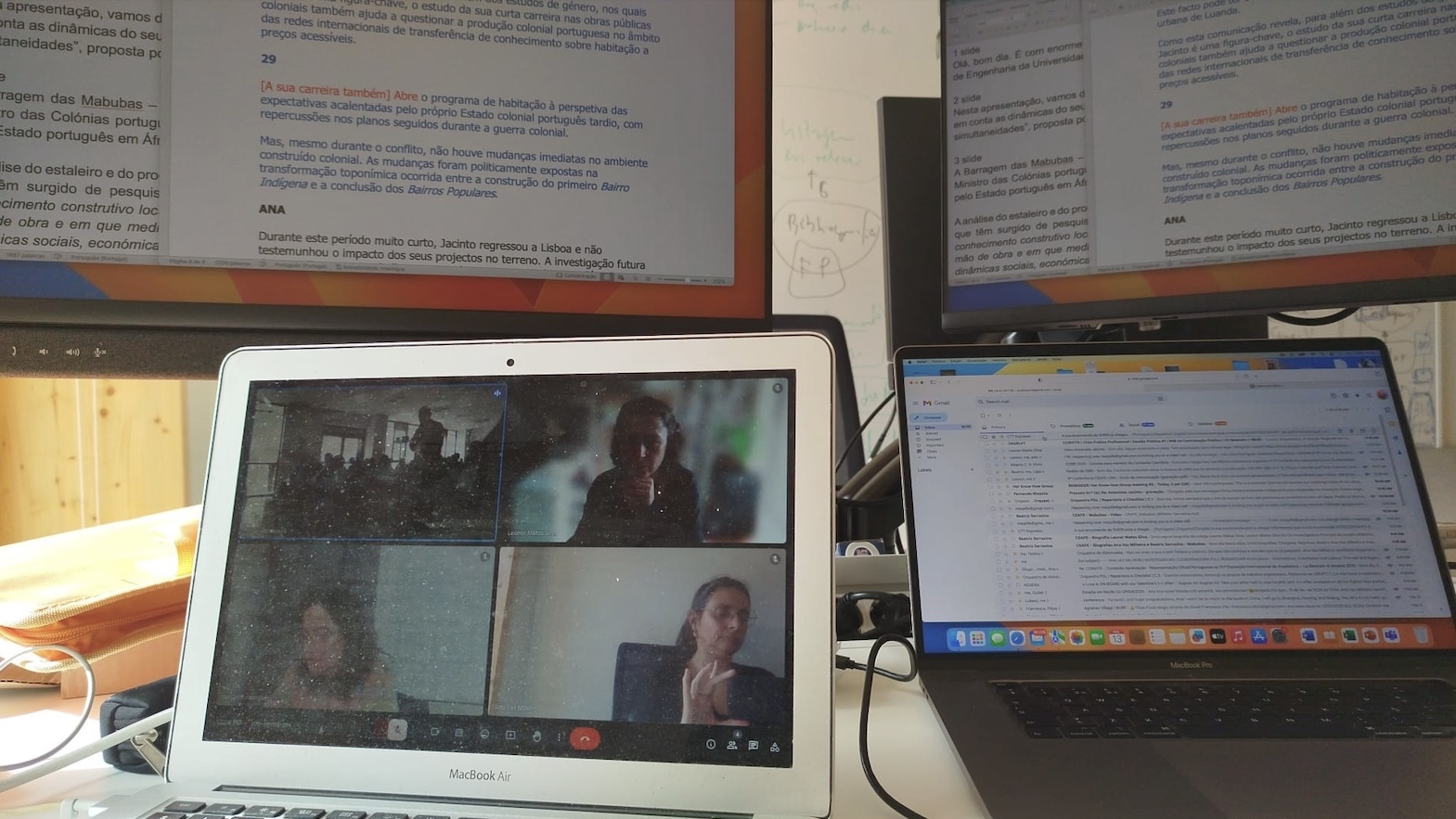
  • Colonial and Post-Colonial Landscapes: roundtable series I. Infrastructures + Labour + War

    Colonial and Post-Colonial Landscapes: roundtable series I. Infrastructures + Labour + War

    Event: Colonial and Post-Colonial Landscapes: roundtable series I
    Date: 9 April 2024

    Location: Centro Cultural de Belém, Lisbon, Portugal


    Summary

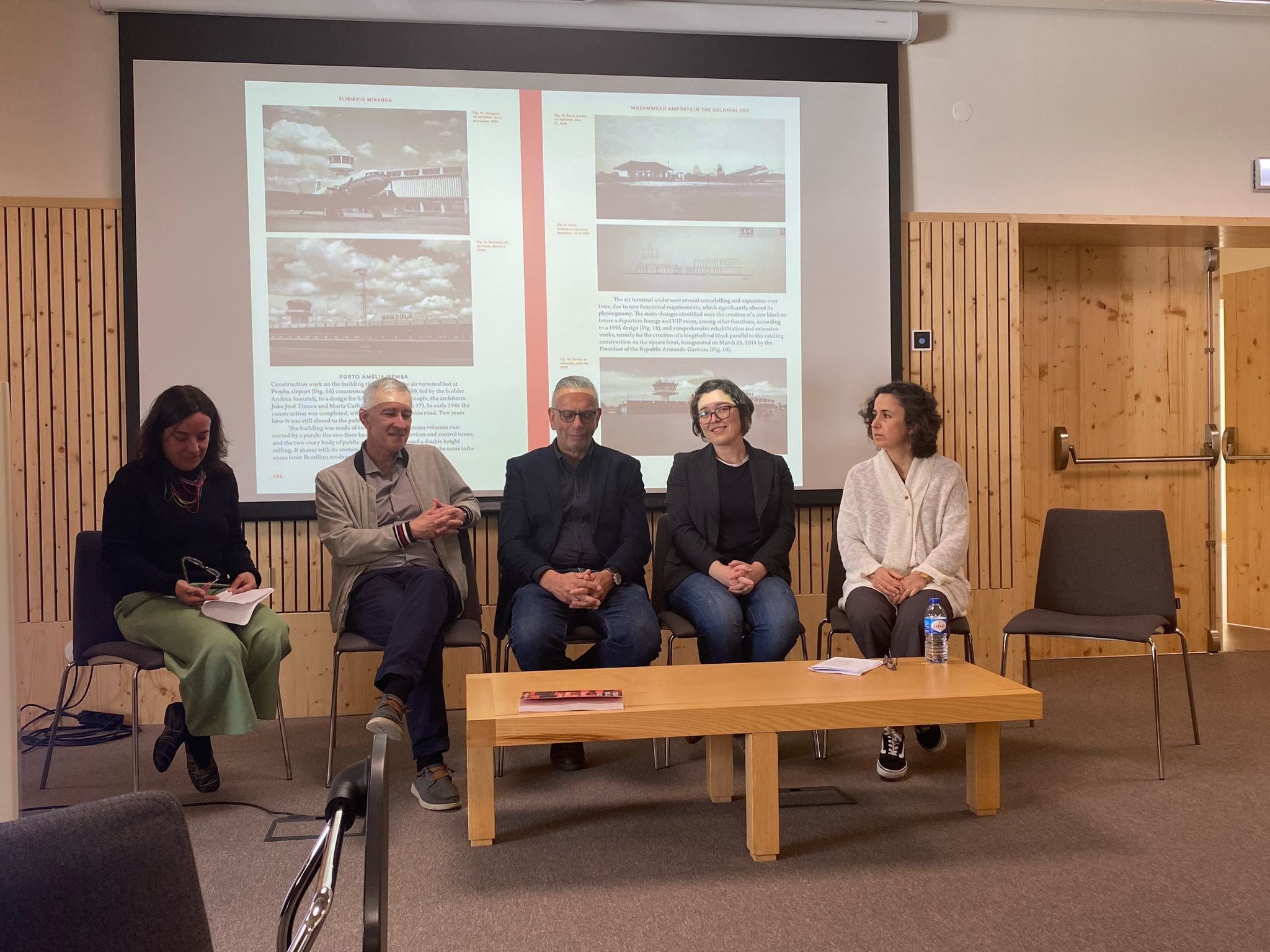
    Since 2019, the Colonial and Post-Colonial Landscapes International Congresses (CPCL) have been critical forums in enquiring about the entanglements between Architecture and Portuguese colonialism. While built works have often been the focus of Architectural history, multiple agents and agendas remain to be grasped. This first Roundtable on Infrastructures + Labour + War aims to question the role of still overlooked actors and agencies on different occupation strategies during late Portuguese colonialism. The debate will bring together the teams from the research projects ArchWar, funded by the Portuguese Foundation for Science and Technology (FCT), and ArchLabour, funded by the European Research Council (ERC), both based at Dinâmia’CET-Iscte, along with invited consultants and scholars.

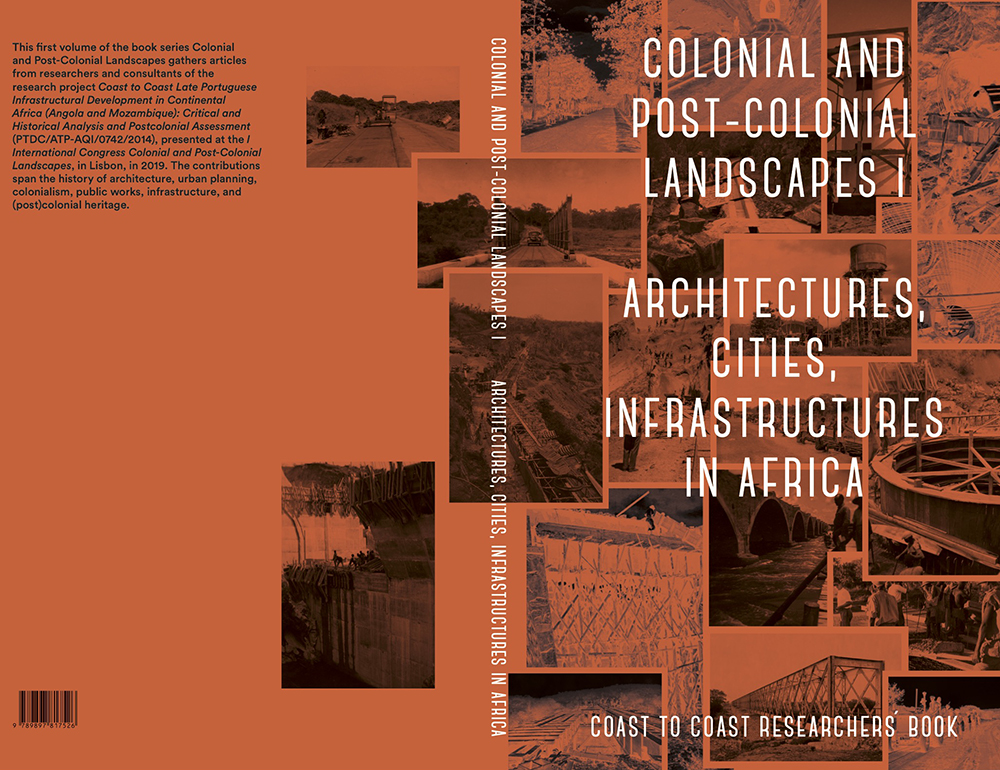
    The morning session will feature the launch of the special issue “Colonial and Post-Colonial Landscapes: Architecture, Cities and Infrastructures” (no. 39) of the journal Africana Studia (ed. CEAUP). The volume brings together a set of articles selected from the first edition of the CPCL Congresses, held in Calouste Gulbenkian Foundation, Lisbon. The session will be moderated by Ana Silva Fernandes (University of Porto), editor of this issue, and participated by the authors, either in person or remotely.

    In the afternoon, Cristiana Bastos (University of Lisbon), Peter Scriver (University of Adelaide), and Johan Lagae (University of Ghent) will share their perspectives on unskilled labour, building yards and colonial public works, crossing different inter-imperial experiences and setting forward new avenues for research. Ana Vaz Milheiro (Iscte-IUL), the Principal Investigator of ArchWar and ArchLabour projects, will chair the debate.