

Author: admin

  • “Creolizar” para resistir: A escola de Chorão Ramalho em Macau

    “Creolizar” para resistir: A escola de Chorão Ramalho em Macau

    “Creolizar” para resistir: A escola de Chorão Ramalho em Macau

    Event: Docomomo Portugal
    Authors: Ana Vaz Milheiro, Beatriz Serrazina
    Date: 20-21 October 2025
    Location: Coimbra, Portugal
    Summary

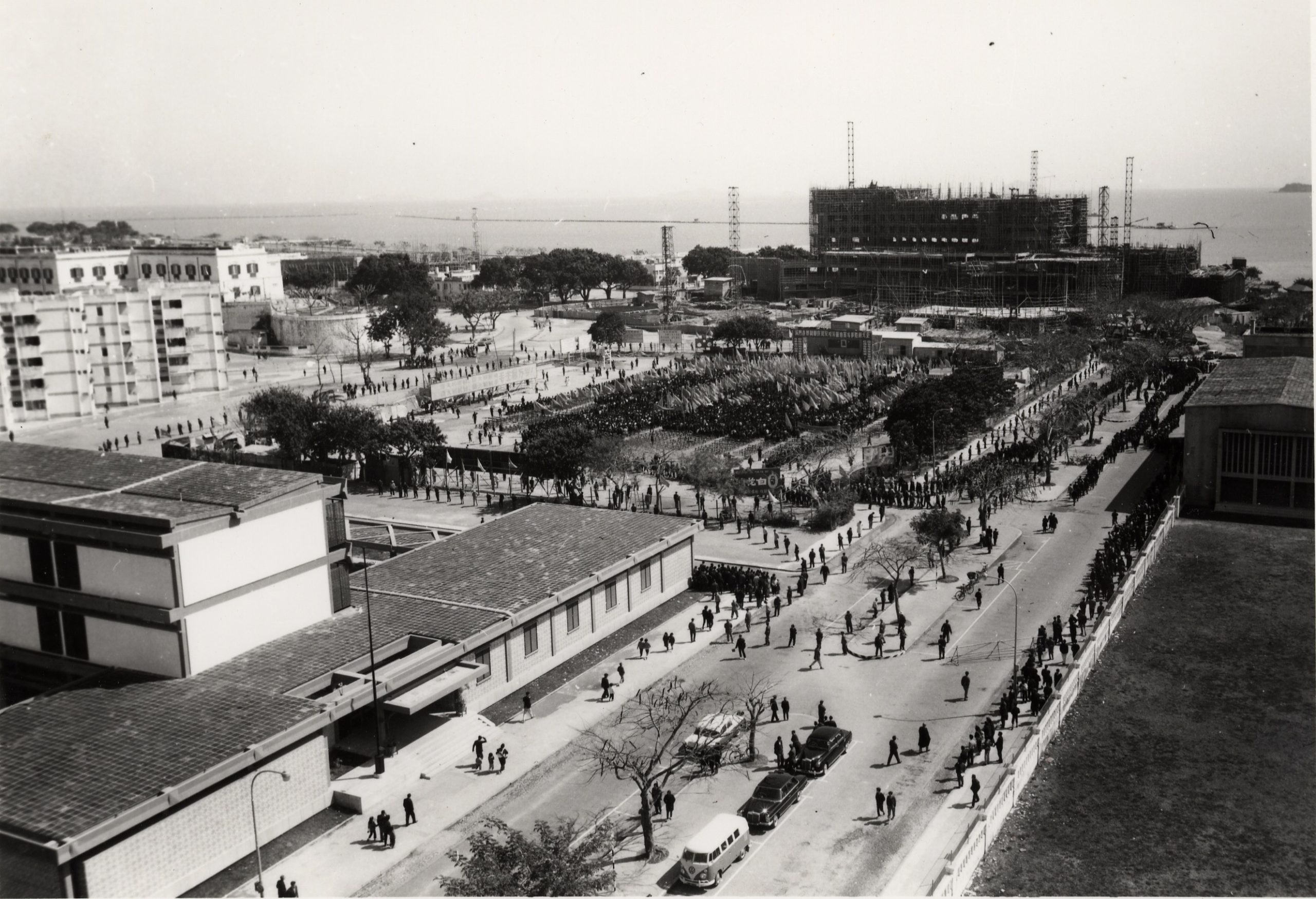
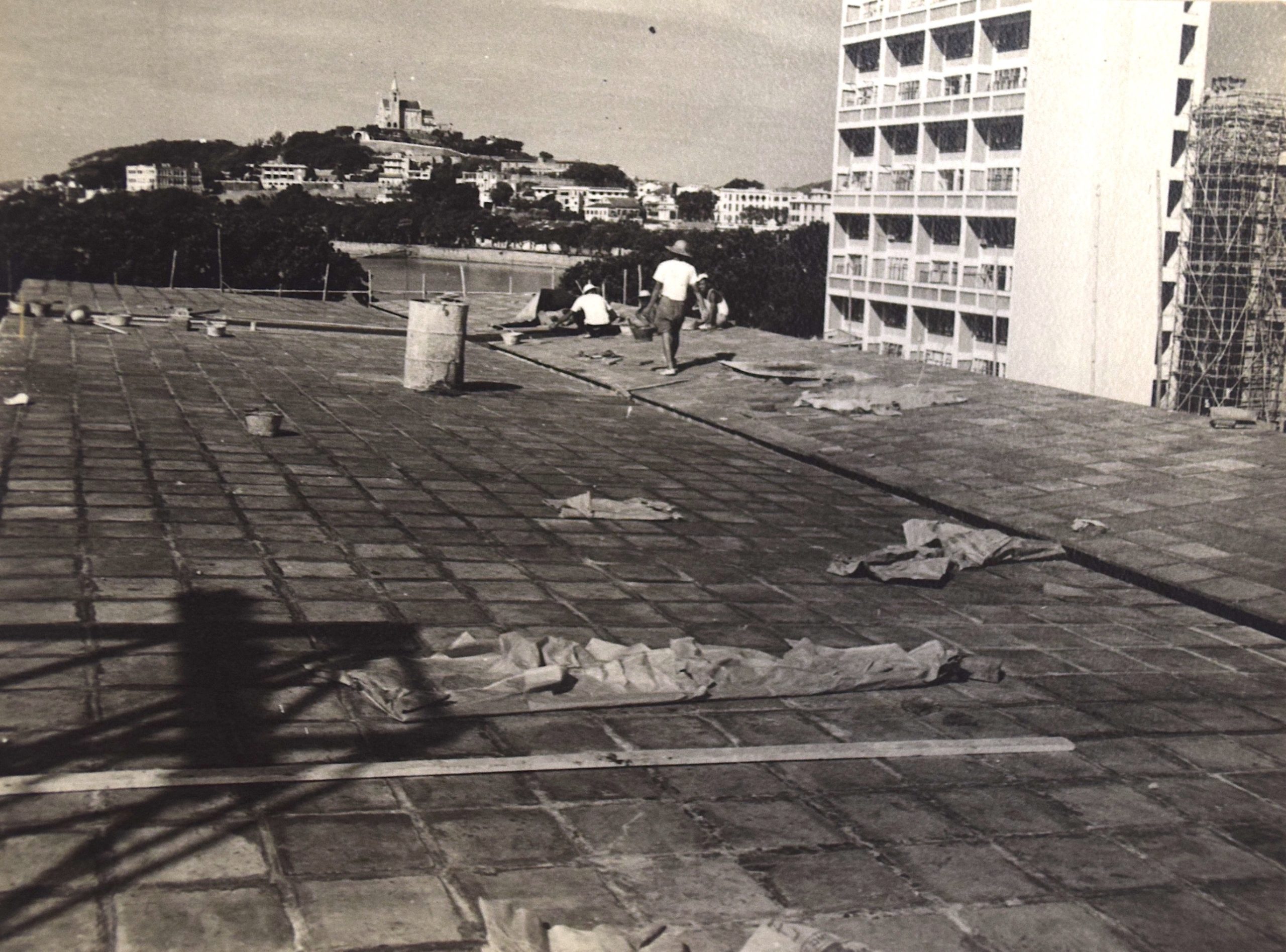
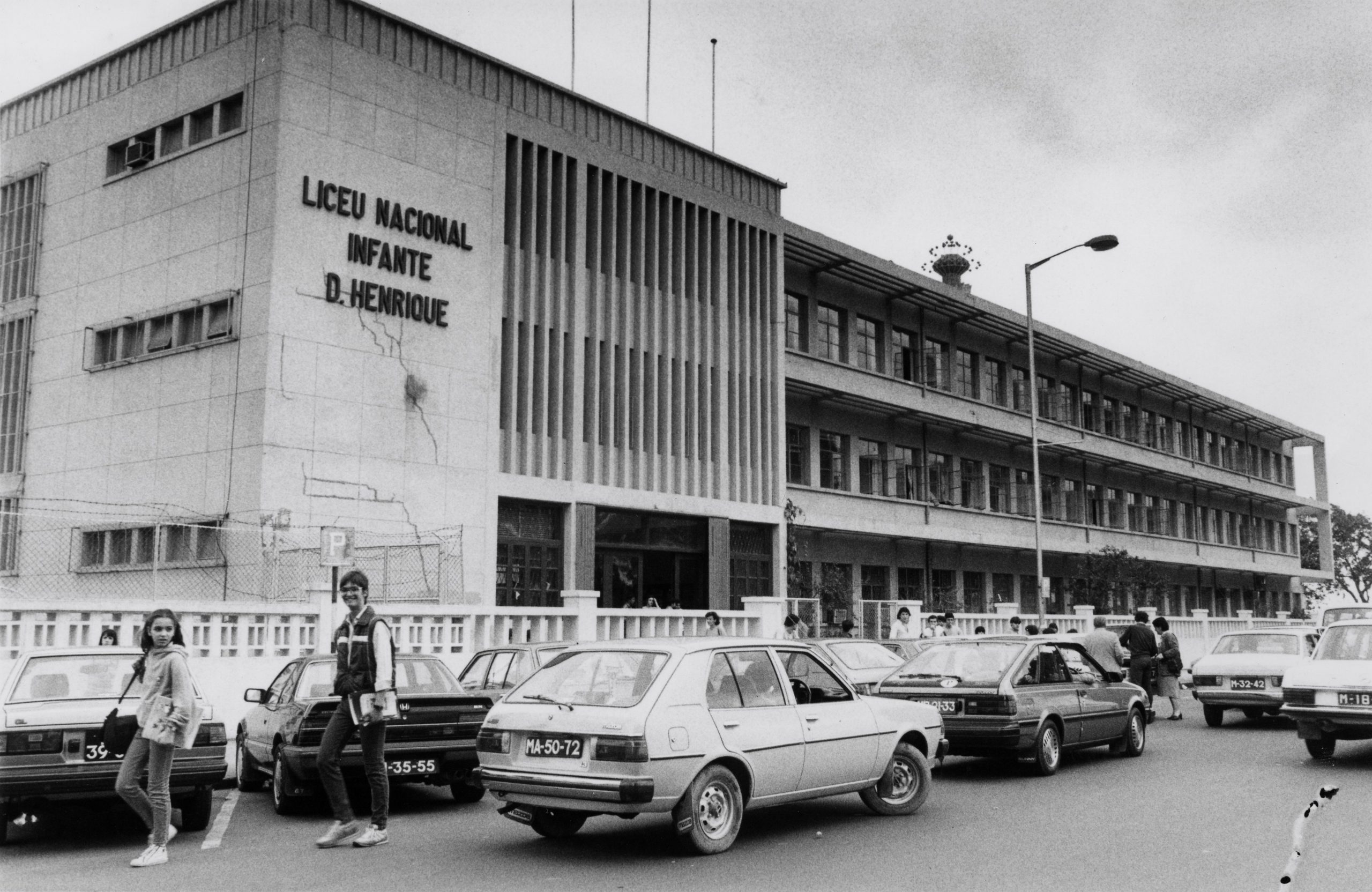
    How were educational spaces constructed at the end of the Portuguese colonial period in Macau? How was the discipline of architecture used to establish proximity with cultures that the Portuguese considered ‘autonomous and closed’? How did modern Western languages become inclusive through ‘detail’ and ‘multiple codes’ (Colquhoun, 1991)? What role did Macanese workers play in this process? This article examines two schools: the Pedro Nolasco Commercial School, designed in 1962 by Raúl Chorão Ramalho (1914–2002), and the Infante D. Henrique National High School, designed in 1956 by the Overseas Urbanisation Office. The contrast between the two buildings reveals the ‘linguistic evolution’ of teaching programmes within colonial agencies.

    The Commercial School is considered a milestone in the ‘creolisation’ (‘patuá’) of architecture in the territory, combining Eastern references with Portuguese identity elements. This contrasted with the monumentalised, historicist composition of the Lyceum, which supposedly embodied the “anti-modern” character of the metropolitan agency. In 1989, the old high school was demolished without protest. However, Chorão Ramalho’s building survived threats of destruction thanks to interventions by Carlos Marreiros (1999) and Rui Leão and Carlotta Bruni (‘Reading Room’, 2008).

    This text questions the stylistic differences between the two schools, arguing that it was Chorão Ramalho’s modernist approach that ensured the building’s preservation. It examines the Commercial School in terms of the composition of the construction teams to illustrate how its materiality also depended on the workforce. The aim is to describe the building’s quality as a shared action between the various players on the construction site, from architects to labourers and workers. Finally, it considers whether the building’s familiarity to the Macanese community, due to the presence of these latter construction agents, played a role.

    Click here for the conference program.
    LabourMap-Macao is an Exploratory Project funded by the Portuguese Foundation for Science and Technology (2023.14980.PEX).

    Beta trial disclaimer

    The LabourMap-Macao team is responsible for the maintenance of this website, which is intended to facilitate public access to information about the group’s initiatives. Although this is still a beta trial, the intention is to release the information in a timely and accurate manner. Should any errors be brought to the attention of the team, they will be corrected.
  • Lecture Macau: Micro-Stories on Collective Housing between the 50s and the 80s

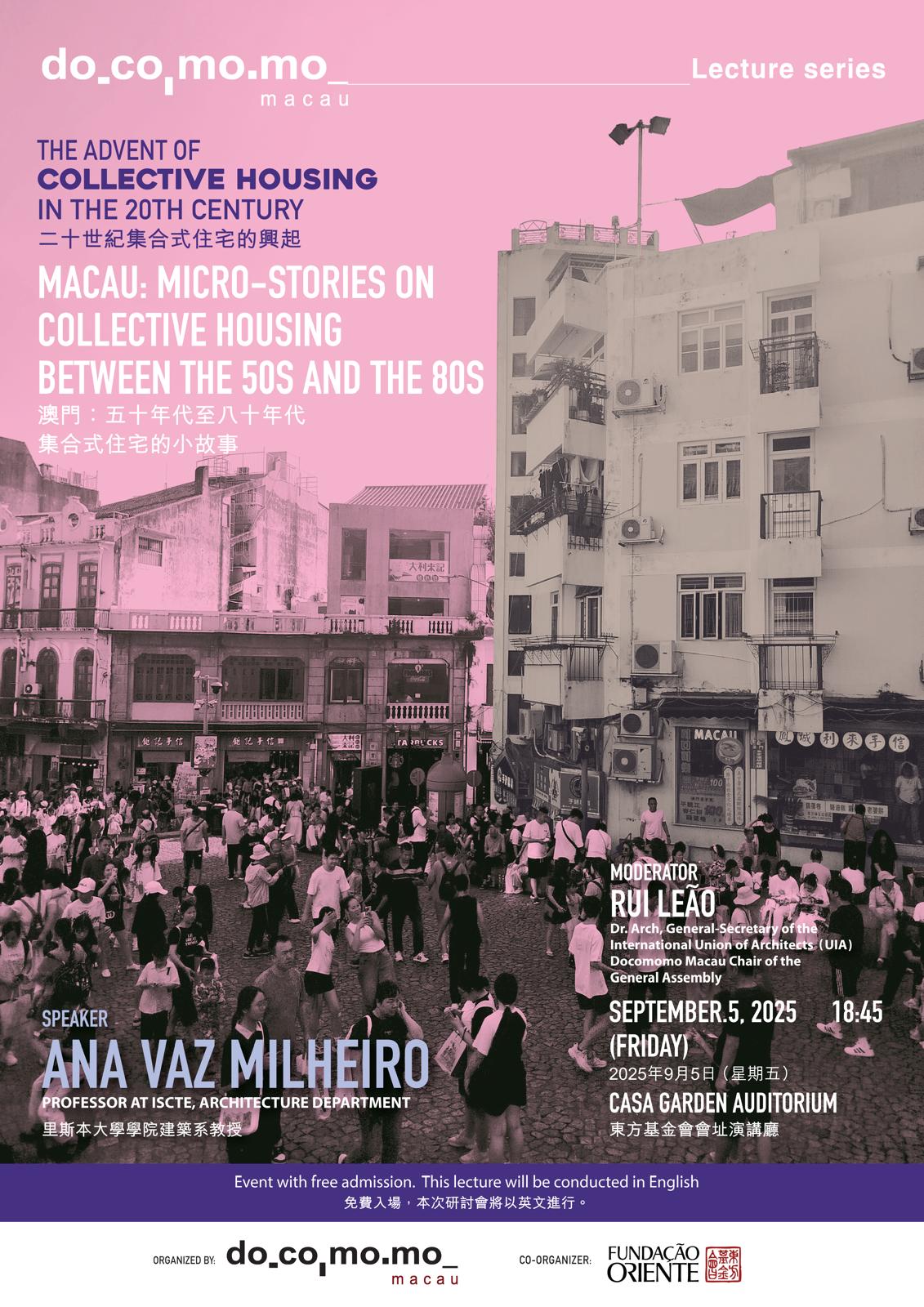
    Lecture Macau: Micro-Stories on Collective Housing between the 50s and the 80s

    Macau: Micro-Stories on Collective Housing between the 50s and the 80s

    Event: Docomomo Macau – The Advent of Collective Housing in the 20th Century
    Authors: Ana Vaz Milheiro
    Date: 05 September 2025
    Location: Casa Garden Auditorium, Macau

    LabourMap-Macao is an Exploratory Project funded by the Portuguese Foundation for Science and Technology (2023.14980.PEX).

    Beta trial disclaimer

    The LabourMap-Macao team is responsible for the maintenance of this website, which is intended to facilitate public access to information about the group’s initiatives. Although this is still a beta trial, the intention is to release the information in a timely and accurate manner. Should any errors be brought to the attention of the team, they will be corrected.
  • Session Asian (post)colonial works, labour and gender through the camera lens

    Session Asian (post)colonial works, labour and gender through the camera lens

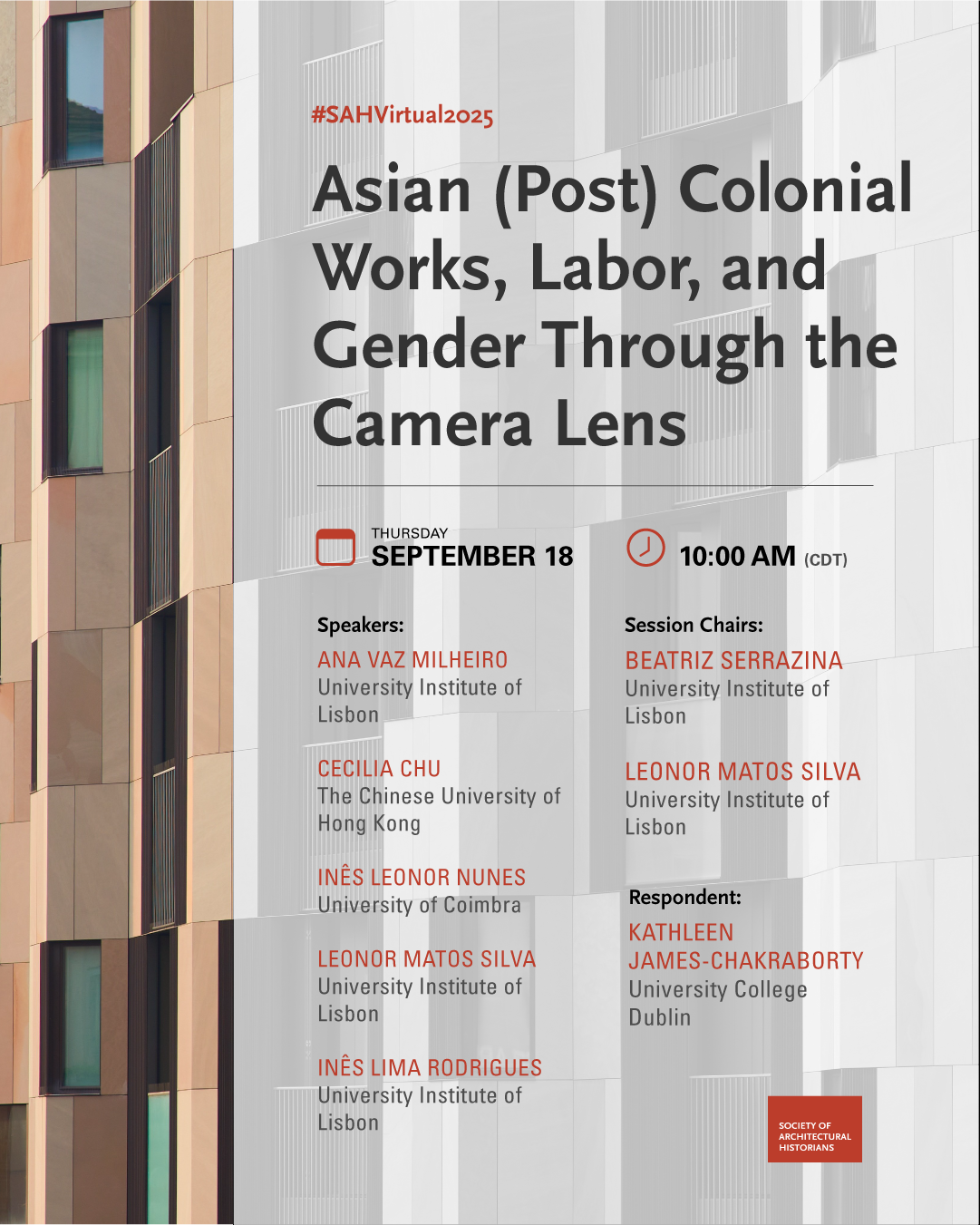
    Asian (post)colonial works, labour and gender through the camera lens

    Event: SAH Virtual 2025
    Authors: Ana Vaz Milheiro, Beatriz Serrazina (chair), Inês Lima Rodrigues, Cecilia Chu, Leonor Matos Silva (chair)
    Date: 18 September 2025
    Location: Online

    Summary

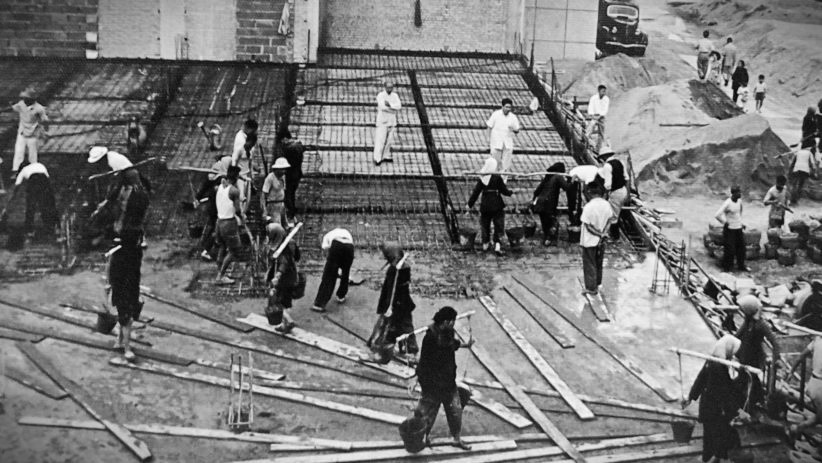
    The session examines how photography intersects with the histories of labour, architecture, and gender in Asian (post-)colonial contexts, particularly in Macau. It brings together researchers and consultants from the LabourMap-Macao project and has Professor Kathleen James-Chakraborty as respondent. The project explores how photography has documented and, at times, obscured the presence and roles of workers in construction processes. Despite its inherent subjectivities and limitations, photography captures both the built environment and the point of view of those behind the lens, revealing dynamics of power, visibility and authorship.

    Presentations

    Beatriz Serrazina and Leonor Matos Silva (Chairs, Dinâmia’CET-Iscte)

    Ana Vaz Milheiro (Dinâmia’CET-Iscte), “Getting to know the workers and the construction processes through photographic records of building sites in Macau (1938-197-)”

    Cecilia Chu (University of Hong Kong), “Engineering the Modernist Landscapes: Chinese Architecture and the “Ethnic Supplement”.

    Inês Leonor Nunes (University of Coimbra), “Photographing Chandigarh: Modern India Through Pierre Jeanneret and Jeet Malhotra’s Rolleiflex”.

    Leonor Matos Silva (Dinâmia’CET-Iscte), “Captured in Transit: Two Women Architects and the Story of Labour Mobility from Portugal to Macau (1960s–1985)”.

    Inês Lima Rodrigues (Dinâmia’CET-Iscte), “Framing labour through the colonial lens: Photography and the (in)visibility of work on the construction of the Macau-Taipa Bridge (1969–1974)”.

    Kathleen James-Chakraborty (Respondent, University College Dublin).

    LabourMap-Macao is an Exploratory Project funded by the Portuguese Foundation for Science and Technology (2023.14980.PEX).

    Beta trial disclaimer

    The LabourMap-Macao team is responsible for the maintenance of this website, which is intended to facilitate public access to information about the group’s initiatives. Although this is still a beta trial, the intention is to release the information in a timely and accurate manner. Should any errors be brought to the attention of the team, they will be corrected.
  • On What Material Do You Want It to be Made…? Negotiations and Colonial Building Sites in African Territories Under Late Portuguese Rule (Working Paper)

    On What Material Do You Want It to be Made…? Negotiations and Colonial Building Sites in African Territories Under Late Portuguese Rule (Working Paper)

    Journal: TRADITIONAL DWELLINGS AND SETTLEMENTS WORKING PAPER SERIES, vol. 343
    Authors: Ana Vaz Milheiro
    Date: 2025


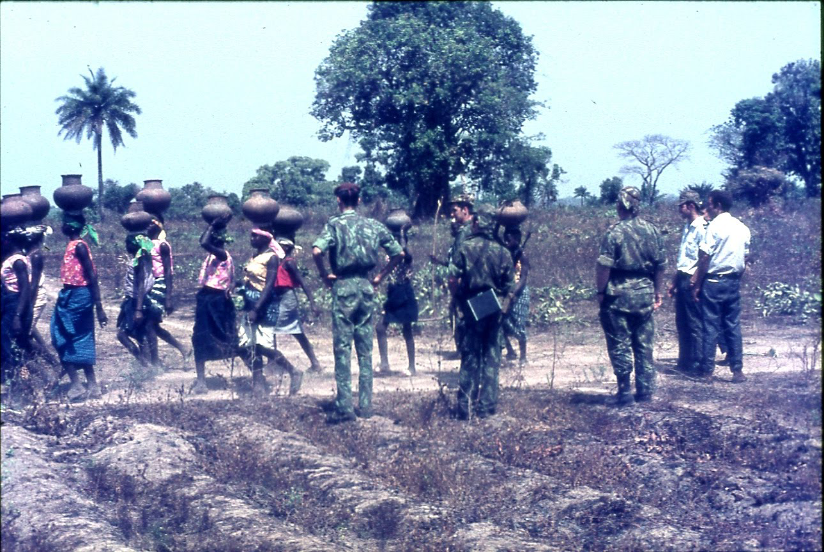
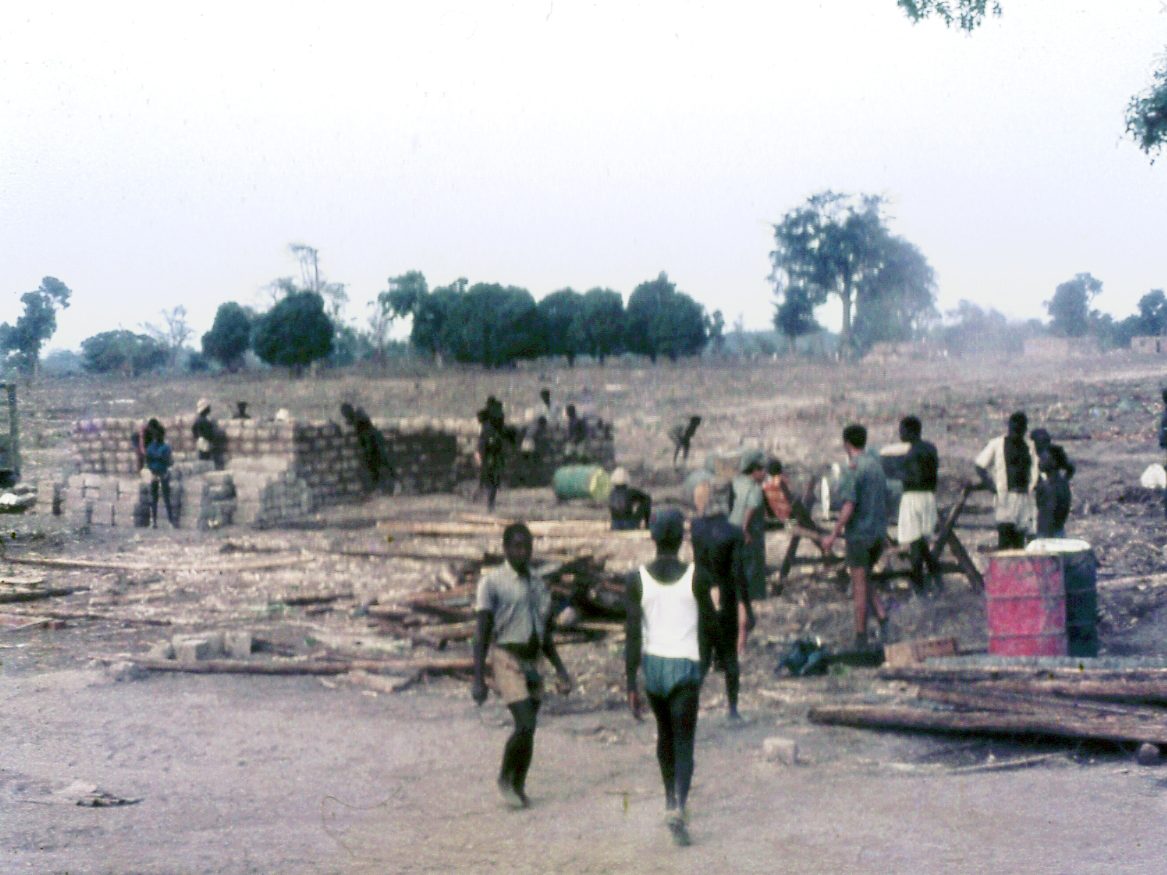
    Population and soldiers involved in the construction of Nhabijões, Bambadinca Sector, Guinea-Bissau. c. 1970
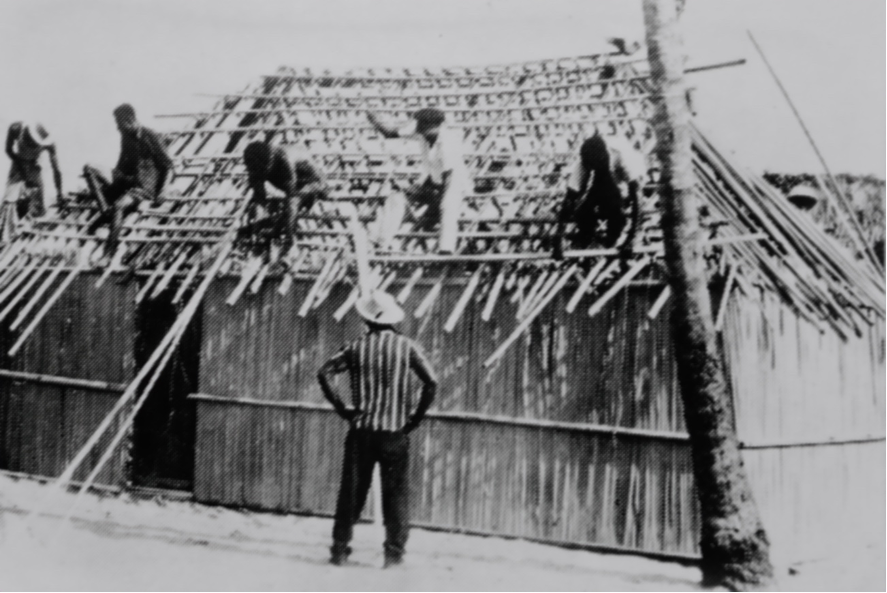
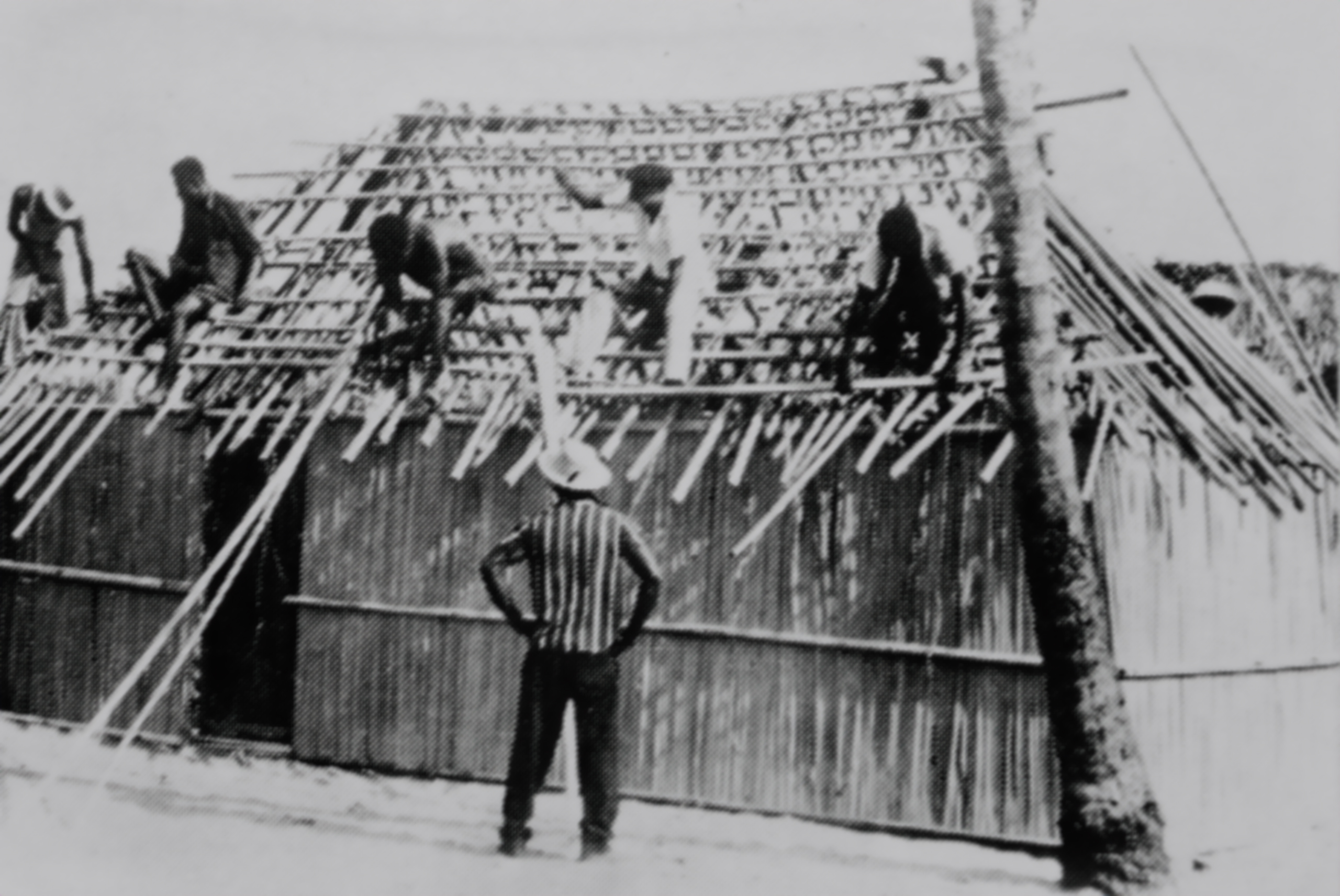
    Construction of Casa Axiluanda: framing the roof with coconut tree slats, Island of Luanda, Angola, c. 1965

    Summary

    This paper examines the concept of “community development” in the construction of single-family homes in former Portuguese colonial territories in Africa during the Cold War to gain insight into the strategies of self-production housing. It traces a narrative of the colonial building sites of these residential landscapes through three processes of optimization: how technicians described the core tasks of domestic scale works, identifying local agents with the “right skills”; how they tested the capacity for self-construction; how they managed the interplay between local labor, traditional techniques and industrialized materials. Finally, the paper questions how the building sites’ dynamics impacted project design.

  • Mining Labor, Housing, and Building Sites Across Central Africa (Working Paper)

    Mining Labor, Housing, and Building Sites Across Central Africa (Working Paper)

    Journal: TRADITIONAL DWELLINGS AND SETTLEMENTS WORKING PAPER SERIES, vol. 343
    Authors: Beatriz Serrazina
    Date: 2025


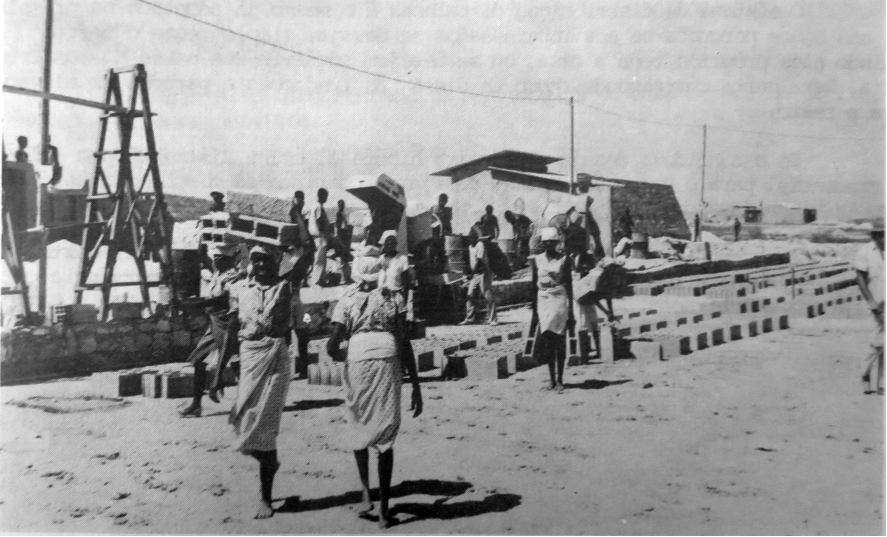
     “Experiments with earth blocks in the village of Chilupuca”, Lunda, 1954
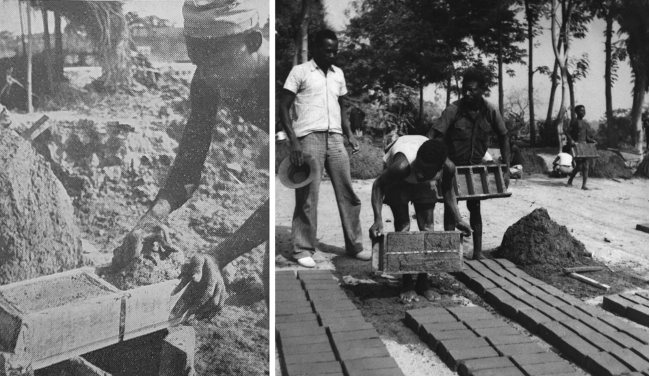
    “This brickmaker has already filled and scraped one half of his mold”, Belgian Congo; “Dundo brickworks [Lunda]. Brick molding using quadruple forms”, 1955

    Summary

    This paper will critically analyze the intersections and interactions between African labor, skills, tasks, building materials and methods in the construction of mining camps in Angola and the Belgian Congo during the 20th century. It argues that camps are a fruitful environment in which to explore multiple dimensions of cosmopolitanism within the colonial context. The construction processes and the influence of construction methods and training are examined. The paper concludes that workers played a pivotal role in shaping their dwellings and camps, and their involvement in construction resulted in cosmopolitan relations and spaces.

  • The prohibition of the trafficking of Asian labourers in the Atlantic at the end of XIX century

    The prohibition of the trafficking of Asian labourers in the Atlantic at the end of XIX century

    Event: International Congress: Crime, Surveillance and Mobilities in the Atlantic, 19th and 20th centuries
    Authors: Sónia Pereira Henrique
    Date: 10 – 12 September 2025

    Location: CIES-Iscte Centre for Research and Studies in Sociology, Lisbon, Portugal


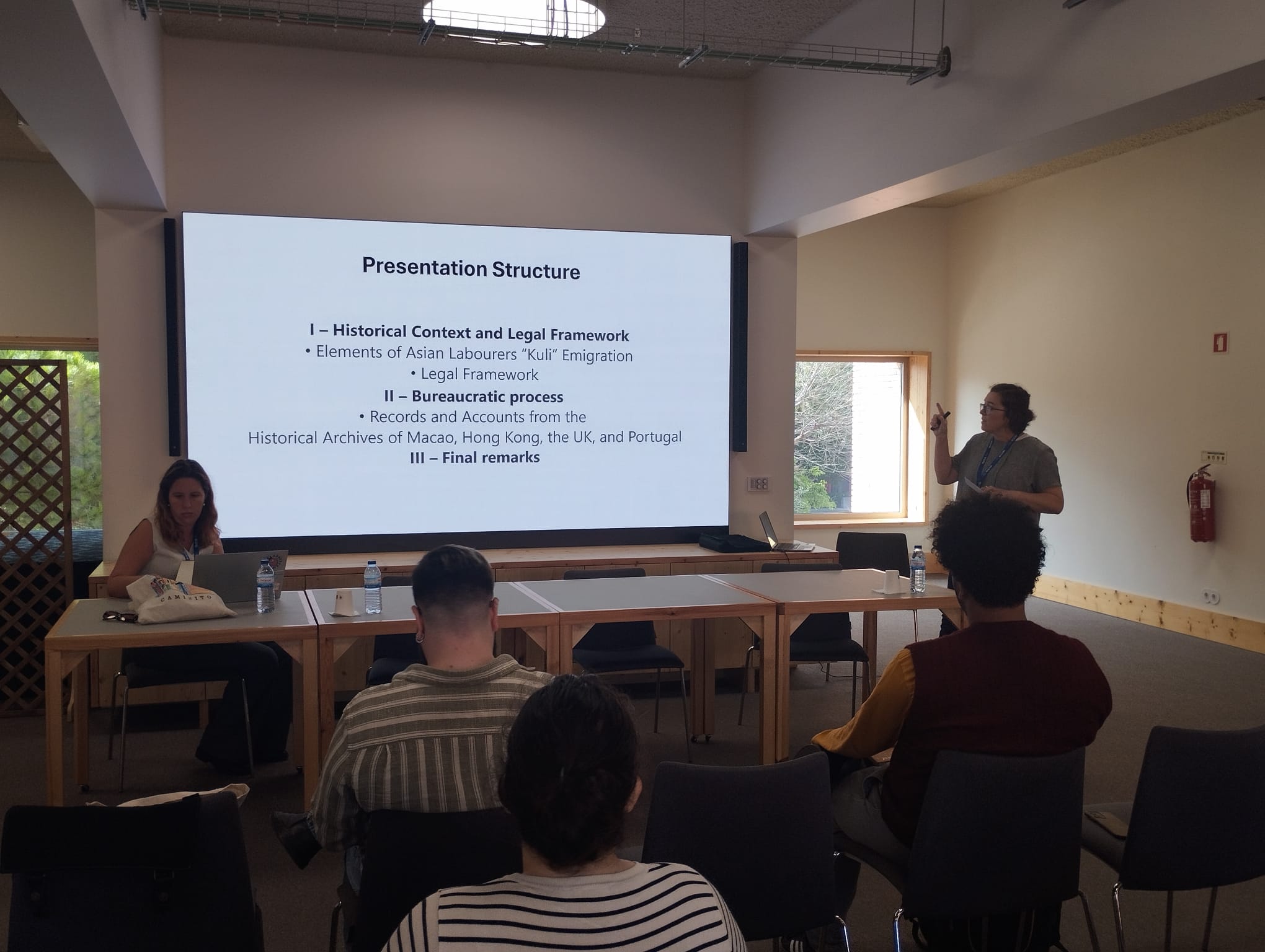
    “The prohibition of the trafficking..” presentation structure, 2025
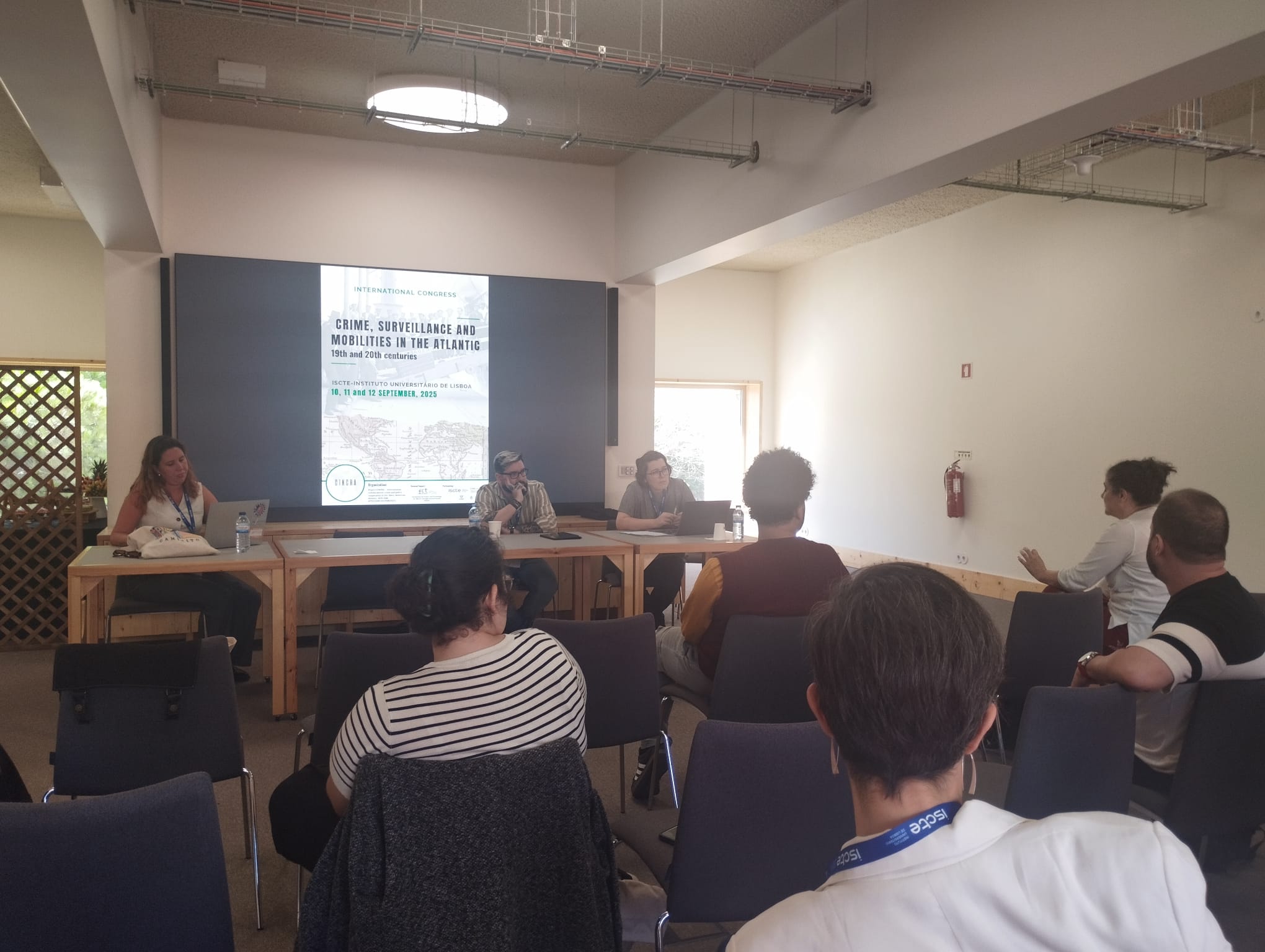
    Panel debate, International Congress: Crime, Surveillance and Mobilities in the Atlantic, 19th and 20th centuries, 2025

    Summary

    The phenomenon of transatlantic mobility, as designed by the Portuguese empire, has been shown to encompass both human trafficking and forced labour. The analysis of an evolving population of labourers migrating from Asia to Africa, specifically India and China, facilitates an investigation beyond the confines of Portuguese colonial public works. These labourers constitute a foundational layer of other implications associated with work conditions, incorporating commercial, cultural and legal dimensions. The term “coolie” configures a designation applied to Indian workers mobilised to perform labour in the colonial possessions. Initially, that labour force was allocated to plantations; however, due to labour shortages, it did also encompass a wide range of tasks outside of rural contexts. This assertion may be extended to the concept of origins, as the designation in question was also applied to Chinese-origin workers.

    The expansion and deepening of the historiographical debate surrounding the transnational movement of people and the surveillance of international crime in the Atlantic axis must include the Asian contingents trafficked as labour workforce to Africa and South America. In the context of Portuguese colonial public works, the Benguela Railway – Angola’s largest railway – required a significant workforce of people from diverse backgrounds working in a range of skilled trades. As the African workforce was not proving sufficient for the development of the Portuguese public works overseas, Asian workers were also recruited into the colonial project. Furthermore, this workforce provides an invaluable opportunity to explore the concepts of crime, surveillance and mobilities, which consisted of servitude and oppression, whether in the context of plantations – where this movement originally began – or public works due to labour workforce shortages. The decay of slavery and the continuing demand for goods, it became crucial to determine how to monetise the abolitionist movement. Irrespective of the nuances of this free labour, which bore a striking resemblance to enslaved work, apprenticeships and indentured labour emerged as prominent forms of employment. Transversing multiple thematic axes, this proposal explores transnational criminal behaviour of human trafficking and its entanglement in national, imperial and international control and surveillance on migration and mobility, as well as the internationalization of political, technical and public debates around the criminal question.

  • Architecture and resistance: the construction of the Strategic Villages in the Zambezi Valley, Mozambique (1970-1973)

    Architecture and resistance: the construction of the Strategic Villages in the Zambezi Valley, Mozambique (1970-1973)

    Event: International Conference “50 Anos das Independências das Colónias Portuguesas em África: Histórias, Processos, Legados e Memórias”
    Authors: Ana Vaz Milheiro, Francesca Vita
    Date: 17 – 19 July 2025

    Location: University of Lisbon, Portugal


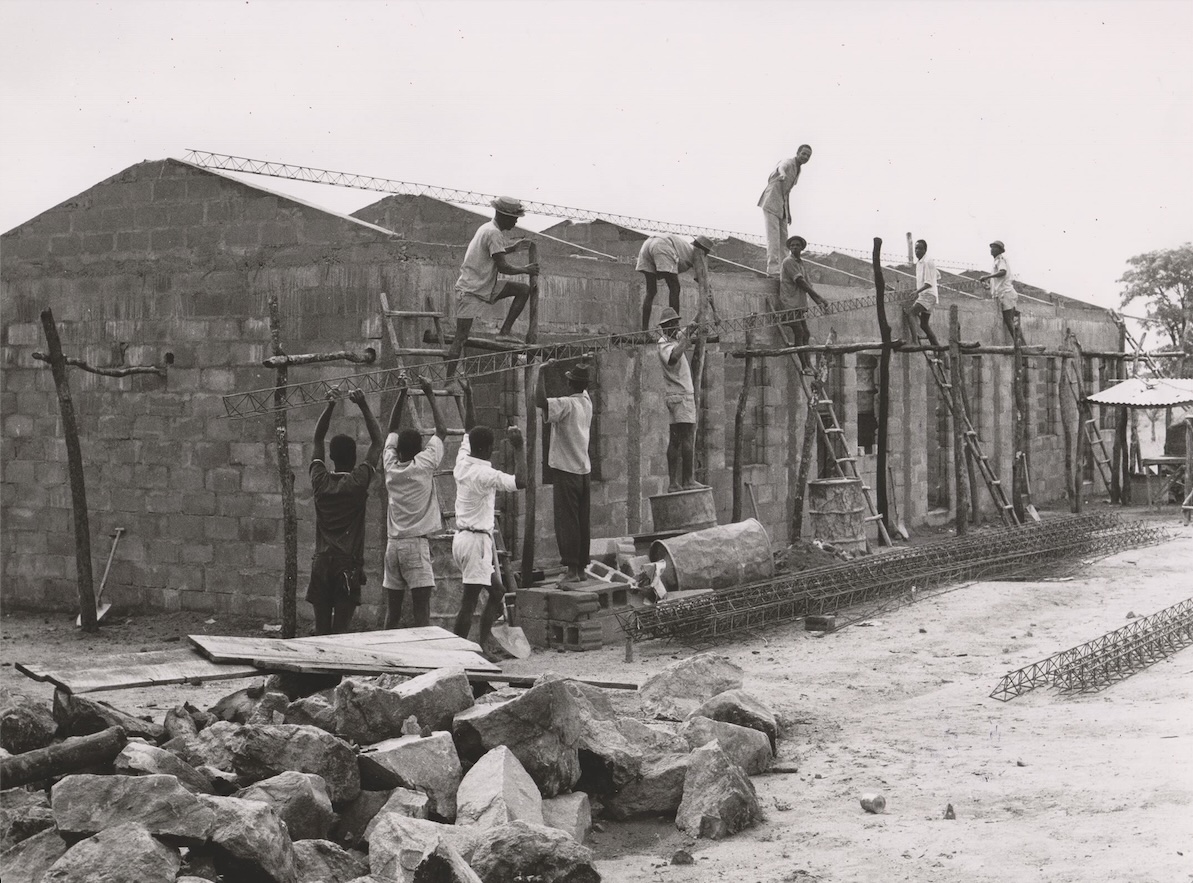
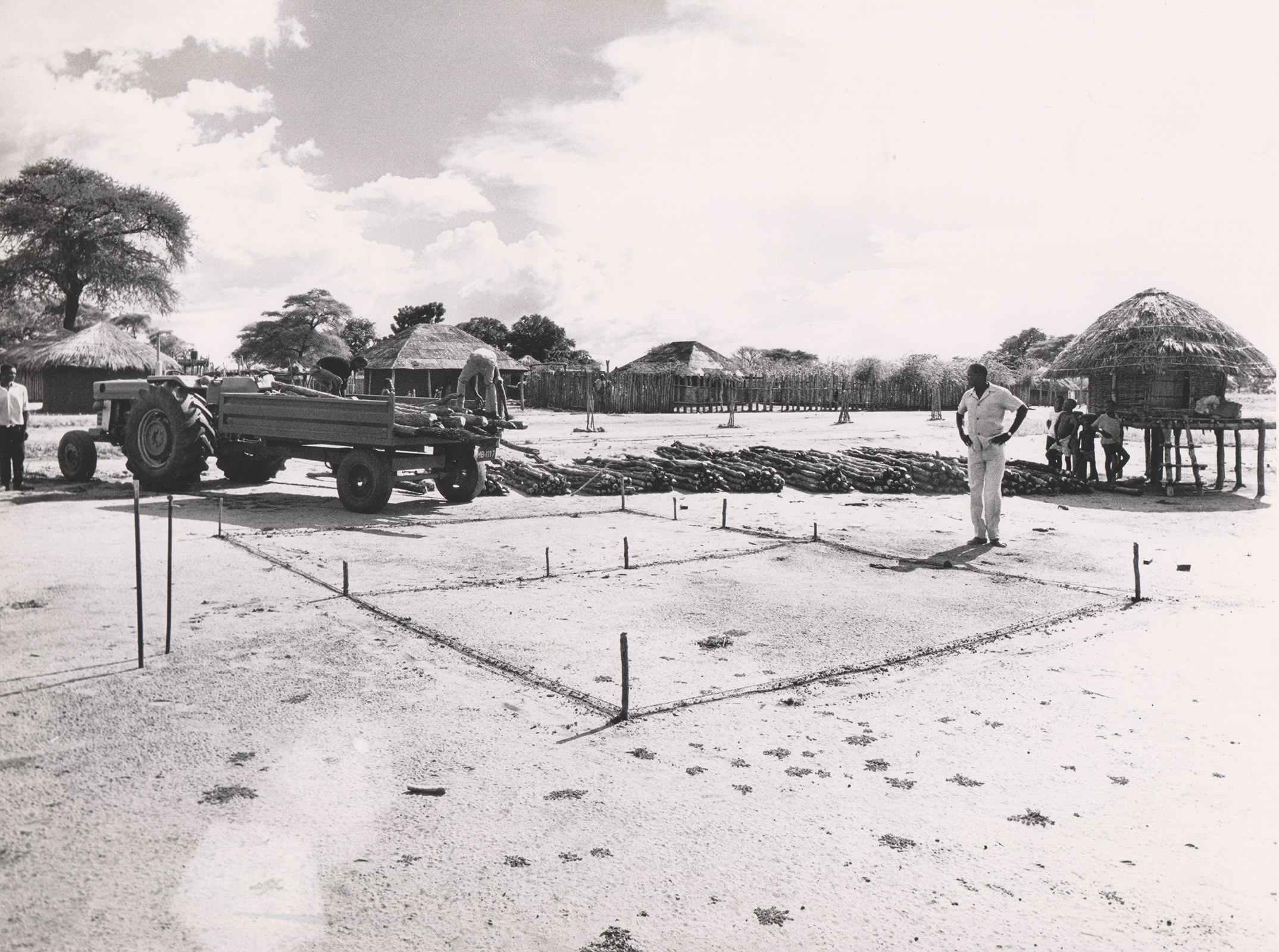
    GPZ camp, on going construction in Nhaluiro village, (feb-1974). Source: G.P.Z. Sector B – Rural reordering. Subsect. 11.
    House plan being laid out in Changara village, (mar-1974). Source: G.P.Z. – Sector D, Social Promotion and settlement. Subsect. 1 to 7.

    Summary

    Before Mozambique declared independence, the Zambezi Valley was transformed into a vast construction site. Around 3,000 homes and collective facilities were being built to house the populations of the Tauara and Tonga ethnic groups. The decision to build the Cabora Bassa dam in Tete province had a profound impact on the landscape. The project was part of a wider counter-insurgency program designed to reinforce Portugal’s geopolitical importance as a colonial power, with the aim of halting the Mozambican struggle for independence (Pereira, 2022). The Zambezi Planning Office began the ambitious “Changara-Chioco Rural Planning Plan”.

    Based on archival material and photographic reports taken between 1971 and 1973 that recorded the “compulsive” gathering of communities to build these strategic villages, the presentation analyzes the settlement process with the aim of finding (small) signs of resistance that have remained “hidden”. The themes recorded by the military and civil authorities in the area ranged from experimental agricultural fields, health care, “social promotion” activities, water supply and buildings. We are particularly interested in the persistence of ways of living, house plans and construction systems that reproduced pre-colonial processes, as a way of assessing how African vernacular architecture embodied a “silent resistance”.

  • Material, labour, construction sites. The military reordering of rural areas in Guinea-Bissau (1968-1974)

    Material, labour, construction sites. The military reordering of rural areas in Guinea-Bissau (1968-1974)

    Event: Military History Consortium 2025
    Authors: Francesca Vita
    Date: 4 – 6 June 2025

    Location: ISCTE, Lisbon, Portugal


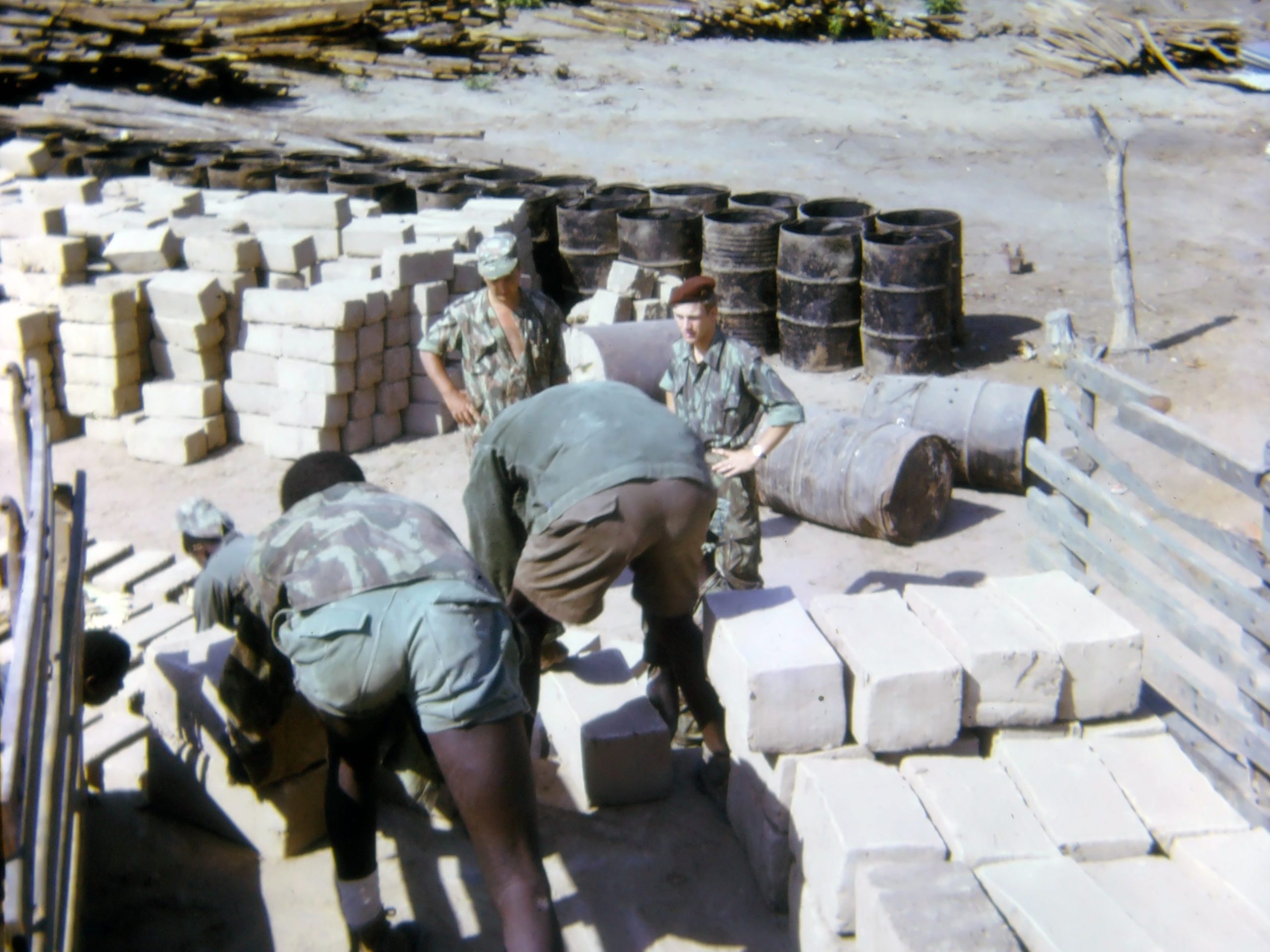
    Soldiers and population unloading adobe blocks on the construction site, Nhabijões 1970 (Guinea-Bissau). Courtesy of Eng. Simões Santos, 2025
    House under construction, Nhabijões strategic village, 1970 (Guinea-Bissau). Courtesy of Eng. Simões Santos, 2025

    Summary

    In 1968, the Governor-general António de Spínola inaugurated a new phase of the war to ensure the Portuguese rule in Guinea-Bissau. Together with canonical military operations, Spínola’s strategy comprised a vast campaign of “development” programs. This plan, promoted under the slogan “A Better Guinea” (“Uma Guiné Melhor”), comprised the construction of new infrastructures (roads, bridges and wells) and the establishment of new villages in rural areas aimed at regrouping disperse population living in strategic war zones. In five years, the Portuguese army managed to build approximately 60 villages, 11880 houses, 196 schools and 51 sanitary posts. This construction effort was aided by the Engineering Battalion 447 (BEng447) based in Bissau. The BEng447 supervised the opening of new roads, wells and bridges; it coordinated the construction sites of new houses and collective services; it supplied building materials on the ground and it provided skilled labour and basic know-how to construction sites. 

    This article seeks to study the military reordering of Guinea-Bissau rural areas and the strategic villages program (1968-1974) through the lens of material, labour and construction sites, answering the following questions: who built the strategic villages in Guinea-Bissau and the collateral war infrastructure? How did the army organise the construction sites and the labour division? Where did the building materials (zinc sheets, palm poles and adobe bricks) come from? And how did BEng447 supply them on site? What was the human and environmental impact of these military operations?  

    The analysis of materials, labour and construction sites management undertaken under Spínola’s government during the war to implement the vast programme of rural reordering and population control, enables a multifaceted understanding of the last stage of war strategy in Guinea-Bissau, revealing the collateral impact of colonial wars, both in the natural and human environment, which constitutes an overlooked subject of studies.  


    Related Case Studies

  • On What Material Do You Want It to be Made…? Negotiations and Colonial Building Sites in African Territories under Late Portuguese Rule

    On What Material Do You Want It to be Made…? Negotiations and Colonial Building Sites in African Territories under Late Portuguese Rule

    Event: IASTE 2025 Alexandria: Cosmopolitanism and Tradition
    Authors: Ana Vaz Milheiro
    Date: 23 – 26 May 2025

    Location: Alexandria, Egypt


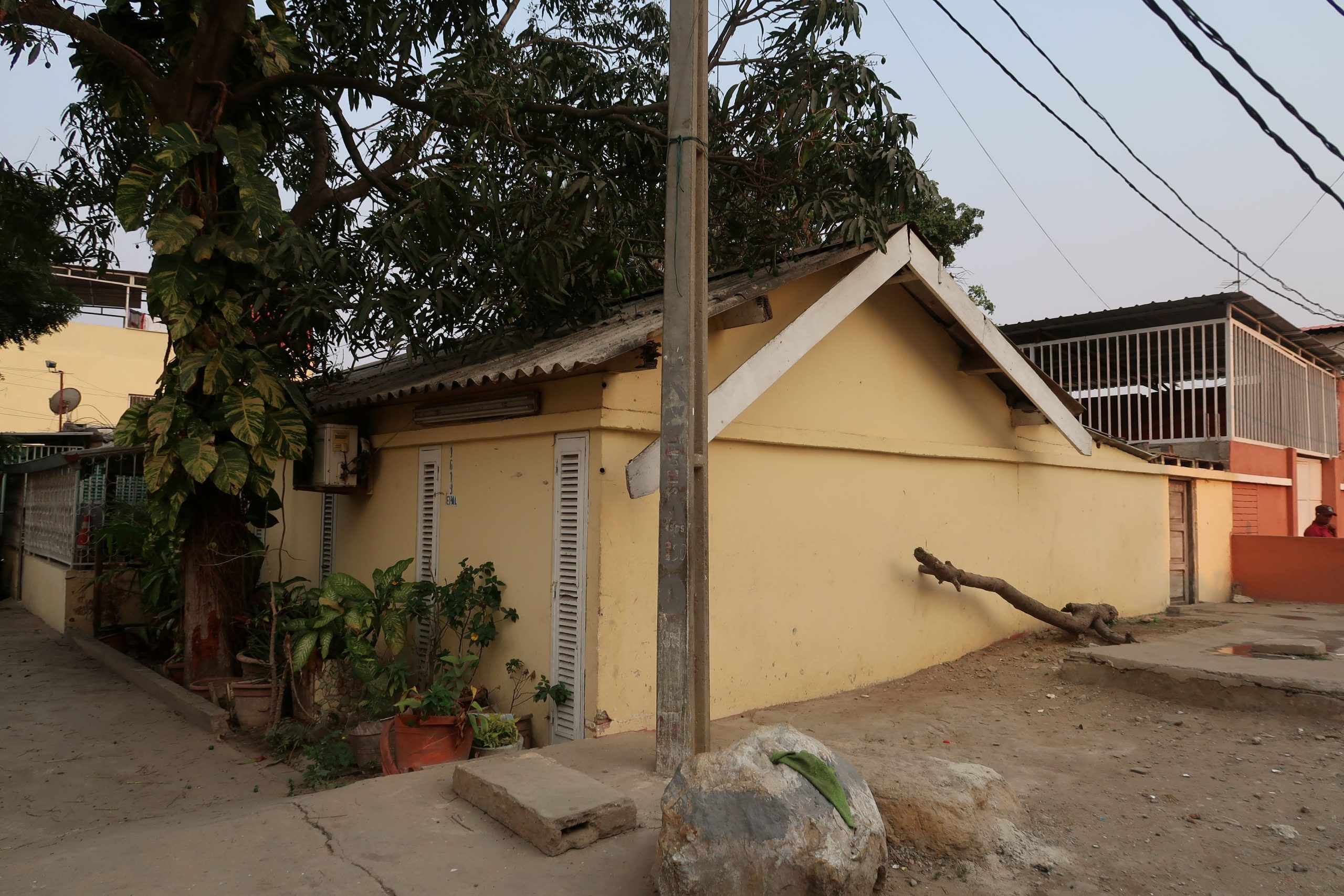
    Bairro dos Pescadores (Fishermen’s neighborhood, Luanda, Angola). Source: Ana Vaz Milheiro, 2023.
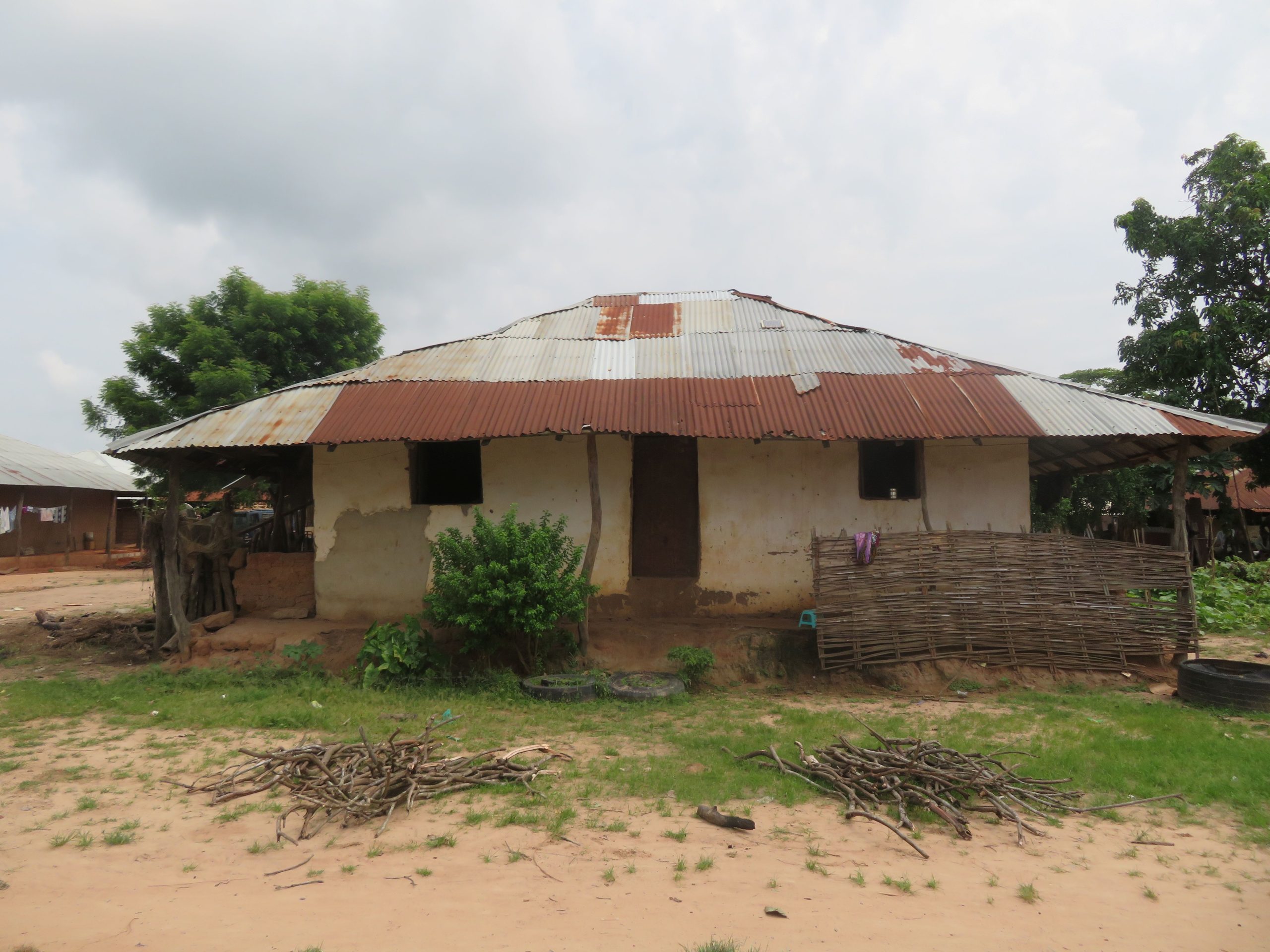
    Ingorezinho, Guinea-Bissau. Source: Ana Vaz Milheiro, 2022.

    Summary

    In 2000, in Cidade Velha, Cape Verde, the Portuguese architect Álvaro Siza was queried by an immigrant who was building his house regarding the design of the roof: “It is not good here, the straw. If it catches fire, this whole part will burn. It would be better to let me use tiles”. The episode illustrates the clash between the people’s expectations and the architects’ wishes. In another house, also thatched according to local tradition, the occupant complained about the difficulty of finding materials: “I have fought many wars and I did not accept the thatch”. She wanted a tiled roof, associated with economy, low maintenance and cosmopolitanism. Approximately 35 years prior, during the period of Portuguese colonial rule in Africa, the fishing communities on the island of Luanda, Angola, faced a similar challenge when presented with a proposal for new housing made by the Administrative Commission of the Popular Neighbourhood Fund. Whilst answering the question in the title of this paper, these dwellers indicated to the colonial authorities their preference for fiber-cement roofs, as opposed to the traditional coconut leaf thatch proposed by the architects’ team (Carvalho and Cunha, 1963). 

    The construction of self-built housing units has been accompanied by conflicts between residents and technicians in former colonized countries since the late period of Portuguese colonialism. These conflicts reflect a process of combining multiple construction techniques with different cultural and ethnic origins that affect self-built landscapes. This phenomenon was initially documented by colonial bureaucrats and officials in the 1960s (Redinha, 1964). In response to the colonial government’s decision to support self-built housing as a strategy to address the local population’s lodging shortage, debates about the potential of combining vernacular and industrialized techniques began to emerge within the architectural culture. During modern colonization, various Western design proposals were thus put forth to integrate solutions perceived by the Colonial Public Works’ experts to be expressions of local culture. These proposals assumed that the inherited knowledge of the labor force could be used to facilitate this integration. 

    This paper examines the application of the concept of “community development” in the context of the construction of single-family homes in former Portuguese colonial territories in Africa during the Cold War era (Jerónimo, 2024) to gain insight into the strategies of self-production housing employed by the Portuguese authorities. It crosses the “omnicompetence” of pre-colonial societies (Adamson, 2020), as a latent civilizational dynamic, with a “new vernacular” construction, sponsored by industrialization, via the lens of “creole technologies” (Edgerton, 2007). The aim is to trace a narrative of the colonial building sites of these residential landscapes through three processes of (alleged) optimization: how technicians described the core tasks of domestic-scale works, identifying local agents with the “right skills”; how they tested the receptivity and capacity for self-production of housing through demonstrations (such as model houses); how they managed the interplay between local labor, traditional techniques and industrialized materials to achieve a greater number of units. Finally, the paper questions how the building sites’ dynamics impacted project design.


  • The bungalow: counter-histories of a global colonial home

    The bungalow: counter-histories of a global colonial home

    Event: IASTE 2025 Alexandria: Cosmopolitanism and Tradition
    Authors: Francesca Vita
    Date: 23 – 26 May 2025

    Location: Alexandria, Egypt


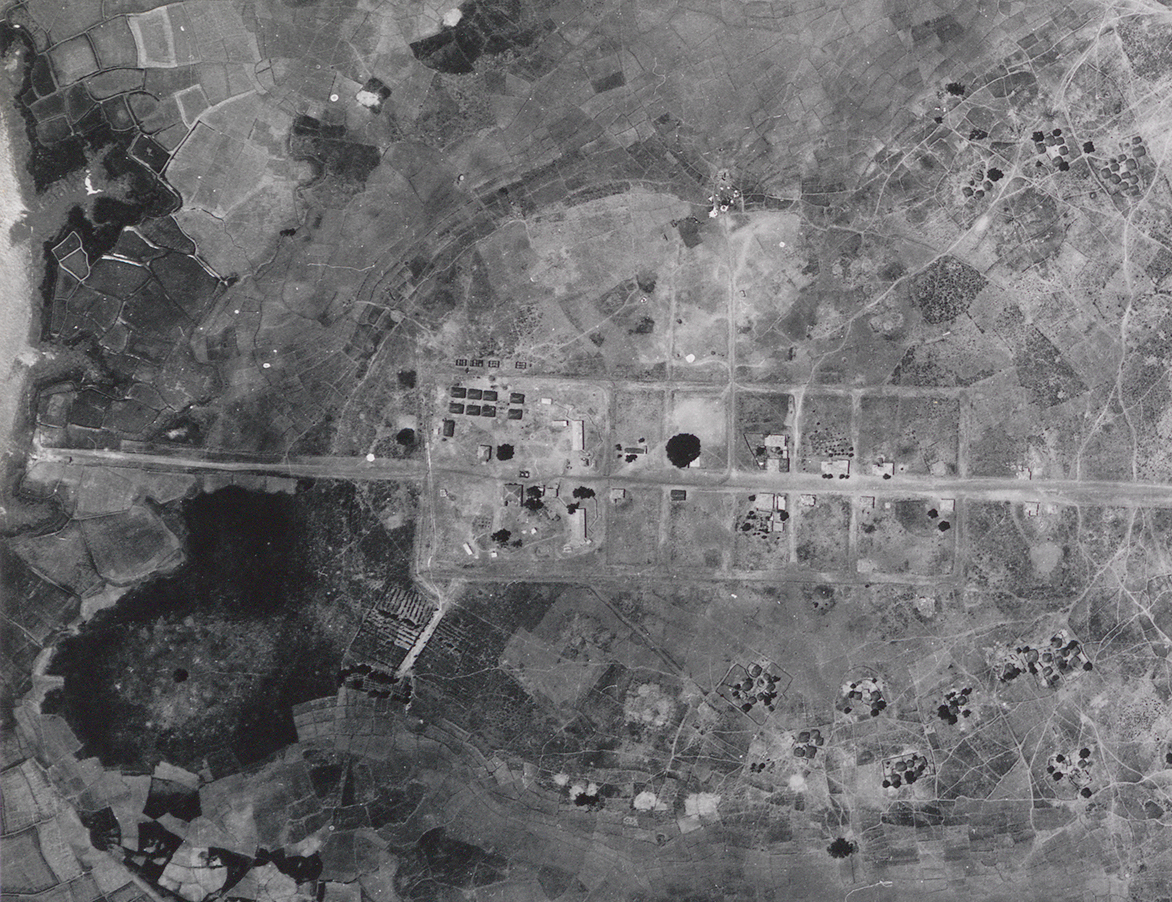
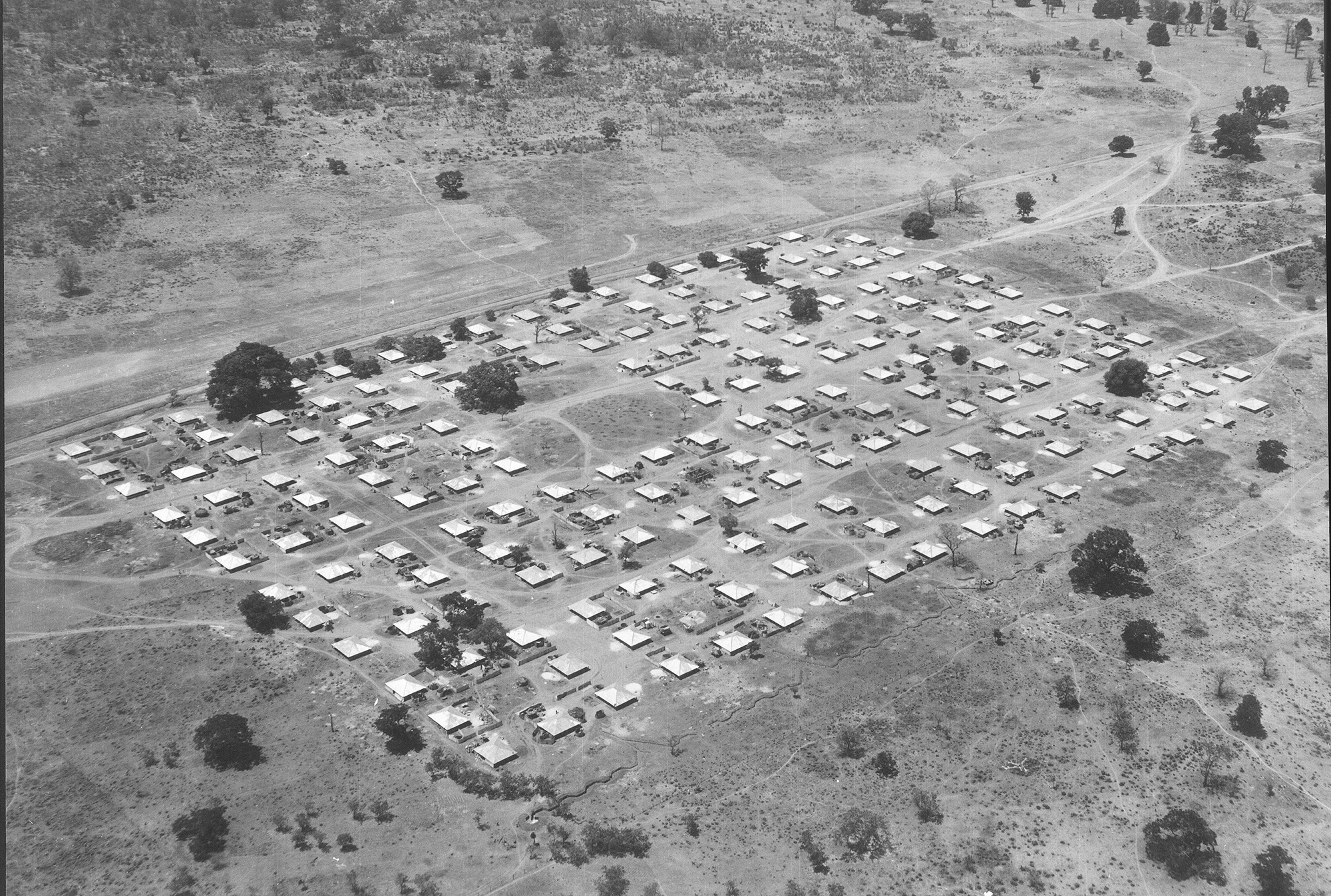
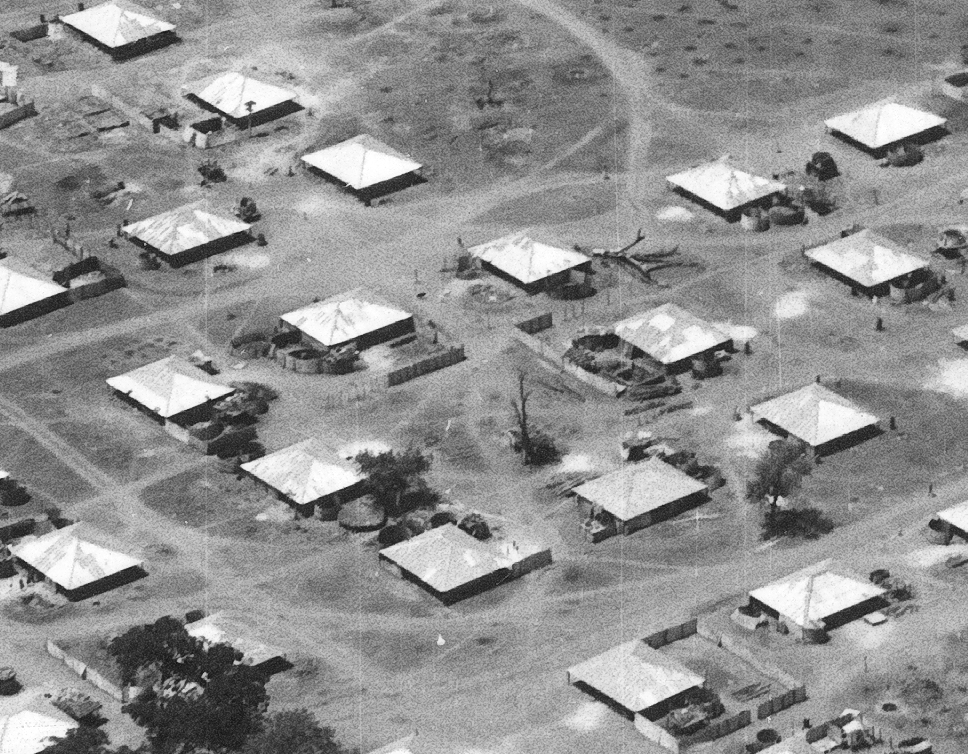
    Cuntima resettled village, c.1970 (Guinea-Bissau)
    Enlarged view of Cuntima resettled village, c.1970 (Guinea-Bissau)

    Summary

    In 1984, Anthony King suggested that a certain type of house, the bungalow, was spread across different continents by colonial empires shaping a global culture of dwelling from Britain to India, from Africa to Australia. In the African context, in the first half of the 20th century, the bungalow was mobilized by colonial administrations to steer urbanization processes, responding to the demands of cost economy and construction efficiency. This simple type of house, a detached home raised off the ground with a veranda, provided an effective tool for settling the indigenous population, mostly nuclear family and workers, in the cities according to Western expectations of hygiene standard and the need for inhabitant control. At different stages of the imperial project, the bungalow served the colonial agenda of the “civilizing mission”, the “assimilation policy” and the “socio-economic development” of the indigenous population. Within this framework and based on King’s assumption that the bungalow constituted a ‘tool of empire’, often attributed to colonial and western imagery, this paper seeks to prove whether it also represented a site of cosmopolitanism: a contested site of (colonial and modern) universalism. To this end, this paper aims to collect and discuss case studies in which the bungalow has failed as a global colonial home, in detriment to a cosmopolitan, hybrid and multicultural dimension. Examining the inhabitants’ appropriation of housing projects for the indigenous population promoted by the colonial state in Guinea-Bissau, Angola and Mozambique in the last decades of the Portuguese rule, this paper raises the following line of questions: how did the bungalow at last fail as a global colonial home? Can evidence of resistance and contestation by the inhabitants be found hidden in the colonial archives? How did indigenous customs occur within the colonial constraints of order and control? Did the universal and global home allow for a cosmopolitan version of it? How did the bungalow promote hybrid dwelling forms and practices under colonial rule? By analyzing archival material (e.g., administrative accounts, photographic surveys, study mission reports undertaken during the colonial period) and exploring specific case studies, from rural resettlement program carried out during the liberation wars to the first urban neighborhoods for the African population, this paper aims to reveal evidence of resistance and contestation of the bungalow as a “tool of empire”. Engaging and discussing the notion of global and universal versus cosmopolitan and hybrid, this paper unearths counter-histories of the bungalow as a global colonial home in order to contribute to King’s research about dwelling forms, cultures, and global exchanges.


    Related Case Studies