Summary
How did the workers who built Macau’s major infrastructure and public buildings under Portuguese rule influence the design and construction processes? What was the relationship between central institutions based in Portugal – such as the Colonial Urbanisation Office – and the Macanese Public Works Office, which was also heavily influenced by technicians from China and Hong Kong?
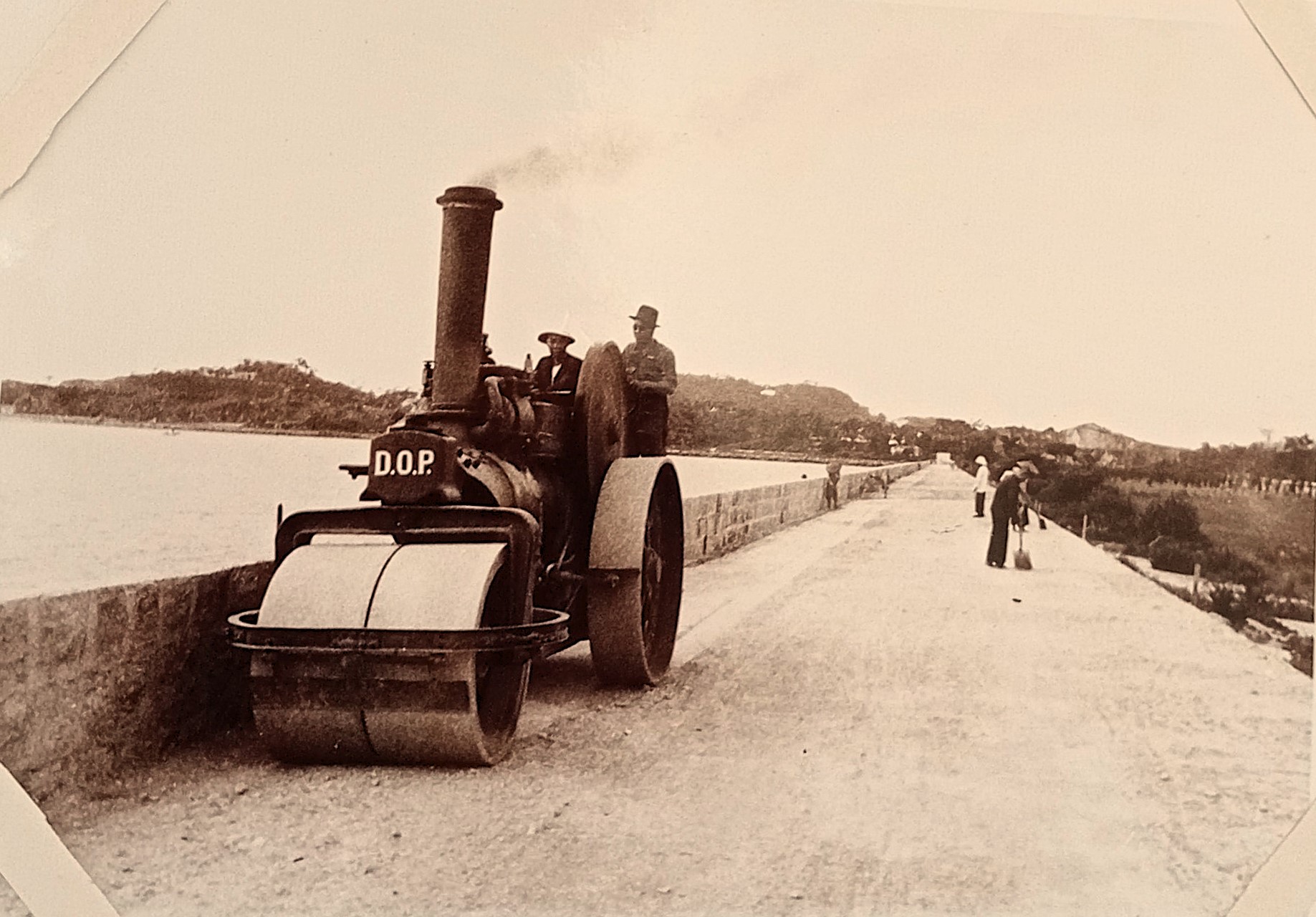
This presentation attempts to answer these questions by analysing two sets of photographs contained in two administrative reports separated by about four decades. While one of them anticipated the Second World War, corresponding to the full implementation of the Colonial Act (1930), the other was contemporary with the end of Portuguese colonialism in Africa, coinciding with a sequence of public works that would ultimately shape Portuguese governance until the 1999 handover, such as the Macau-Taipa Bridge.
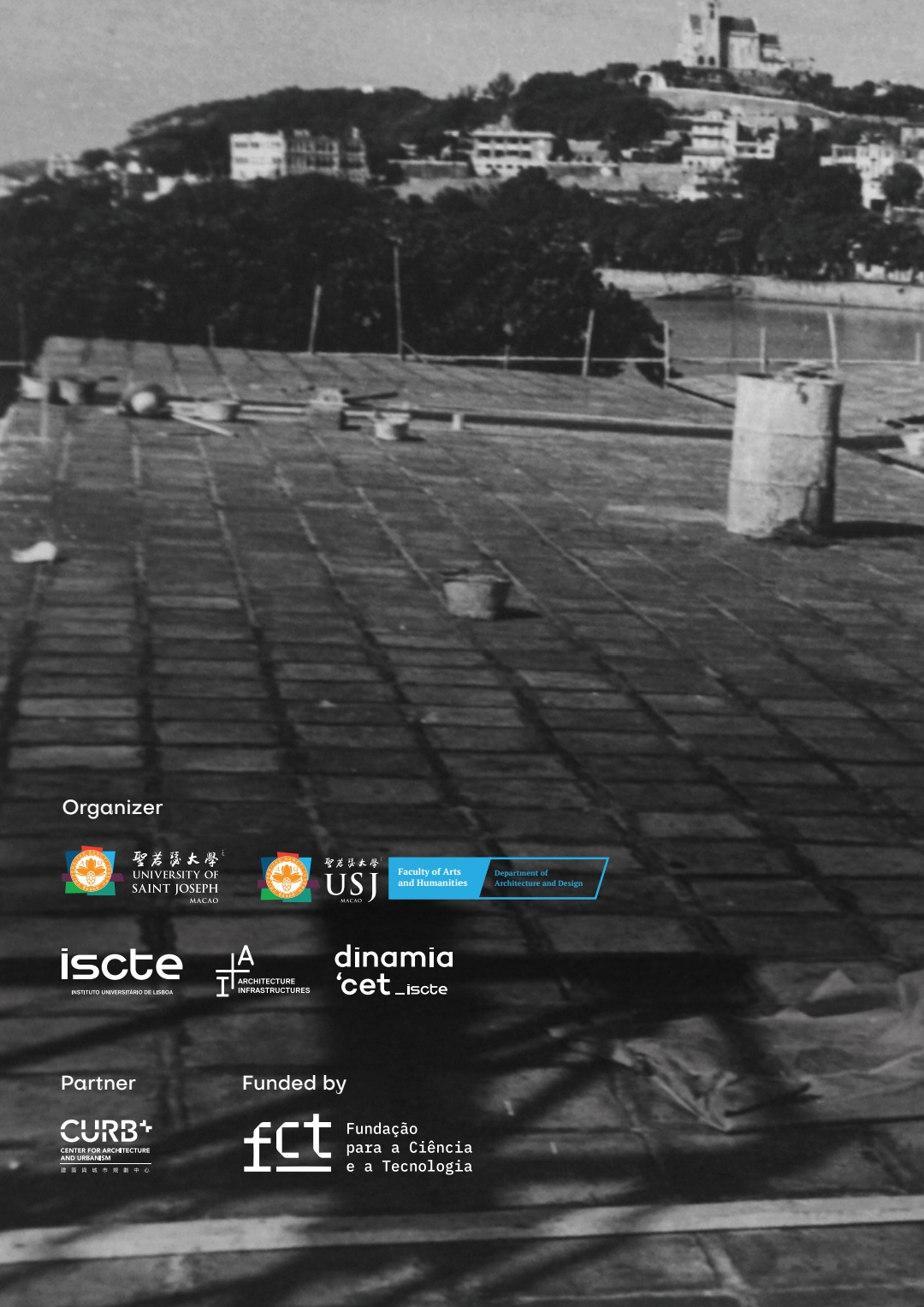
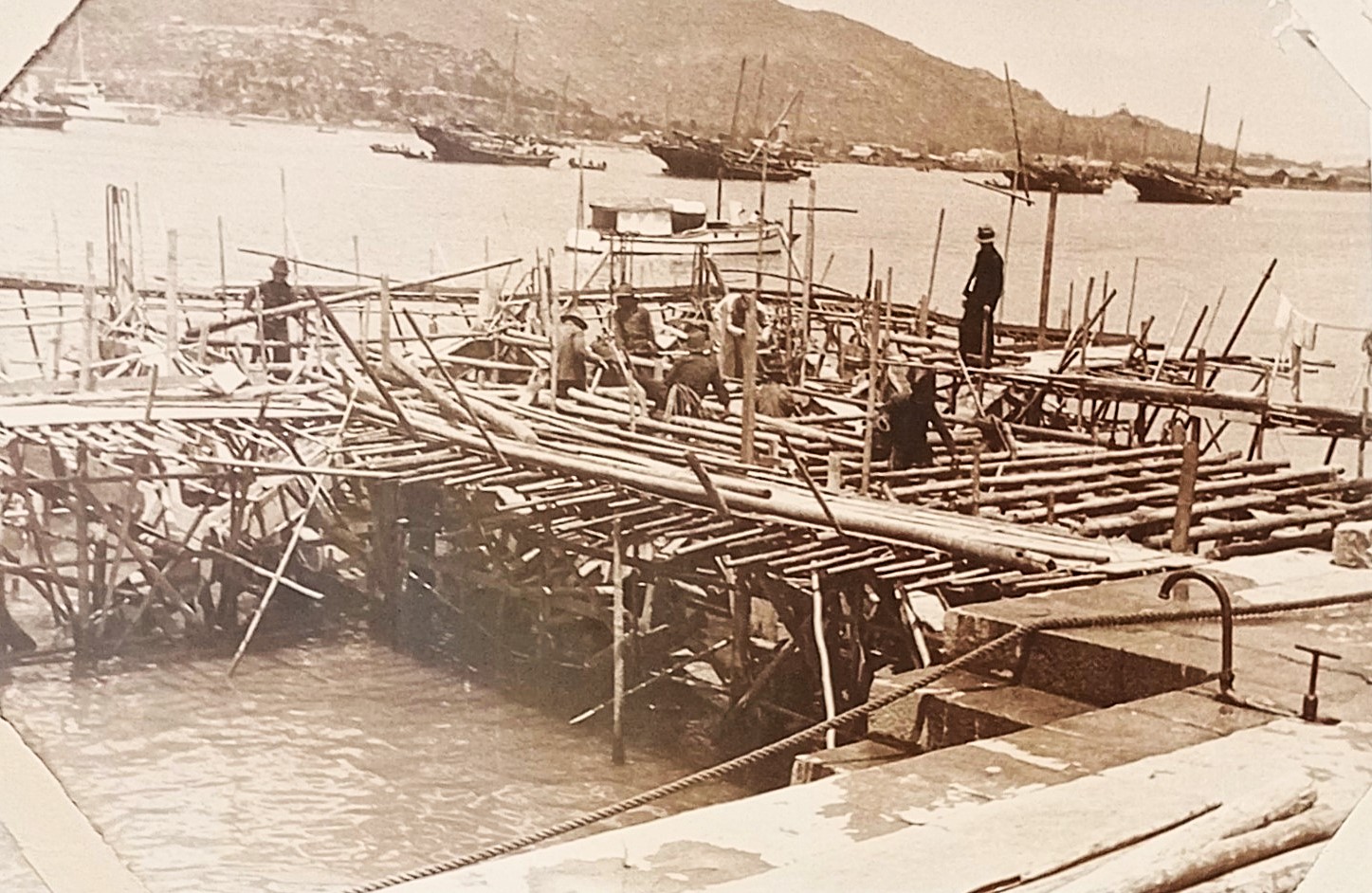
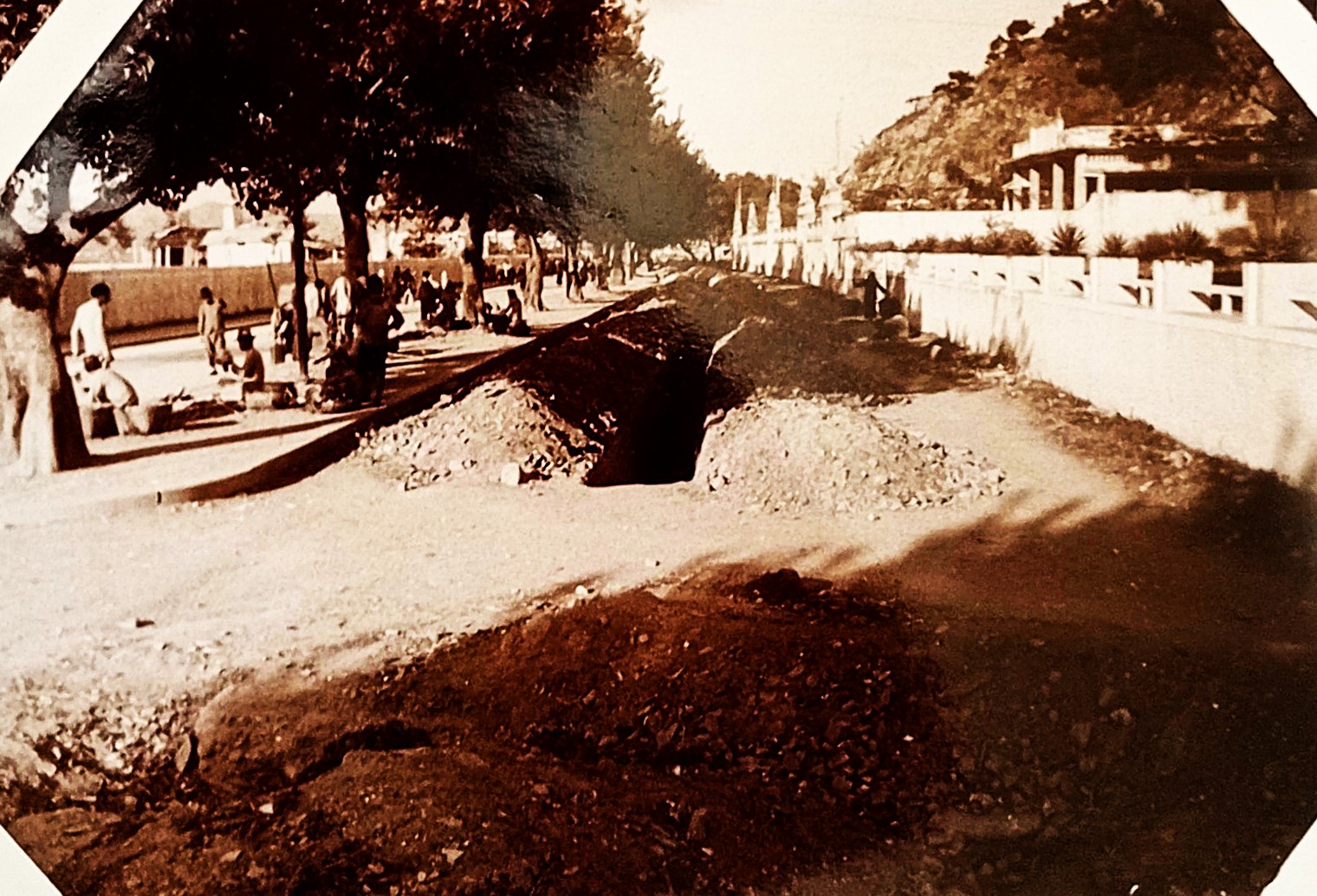
The first report was written in 1938 by engineer José Rodrigues Moutinho, who headed the Technical Department of Public Works in Macau. The technical services of this department were divided into eight sections. Particularly important for this research were the 1st (public buildings and monuments), 2nd (roads, sanitation, gardens and forests), 3rd (maritime works) and 6th (private and collective works). The document, which is kept in the Arquivo Histórico Ultramarino (Lisbon, Portugal), contains 52 photographs of building sites that marked the period under study. These include the retaining walls for the Praia Grande embankments, the construction of houses for officials on Barra Hill, the repairs to the Leal Senado building and the embankments in the Tamagnini Barbosa neighbourhood, where, for example, the famous three-tower complex designed by Manuel Vicente was to be built half a century later.
The second report reproduces the architect Pedro Quirino da Fonseca’s fieldtrip to Macau around 1973 (Mariz, 2016). This report serves this research by demonstrating how the architect’s gaze was often “sidetracked” to surveying the buildings rather than the construction process. It included a photographic appendix consisting of eleven volumes with some 482 images. These documented the makeover of “Old Macau into Modern Macau”. They included panoramic photographs, views of the outer harbour, religious buildings (Chinese and Catholic temples), fortresses, palaces… from the perspective of the ‘architectural object’, giving fewer clues about its construction and reinforcing the purpose of identifying the historical heritage. In this context, the unique record of the Macau-Taipa Bridge’s construction, designed by the famous engineer Edgar Cardoso, would be surprising.
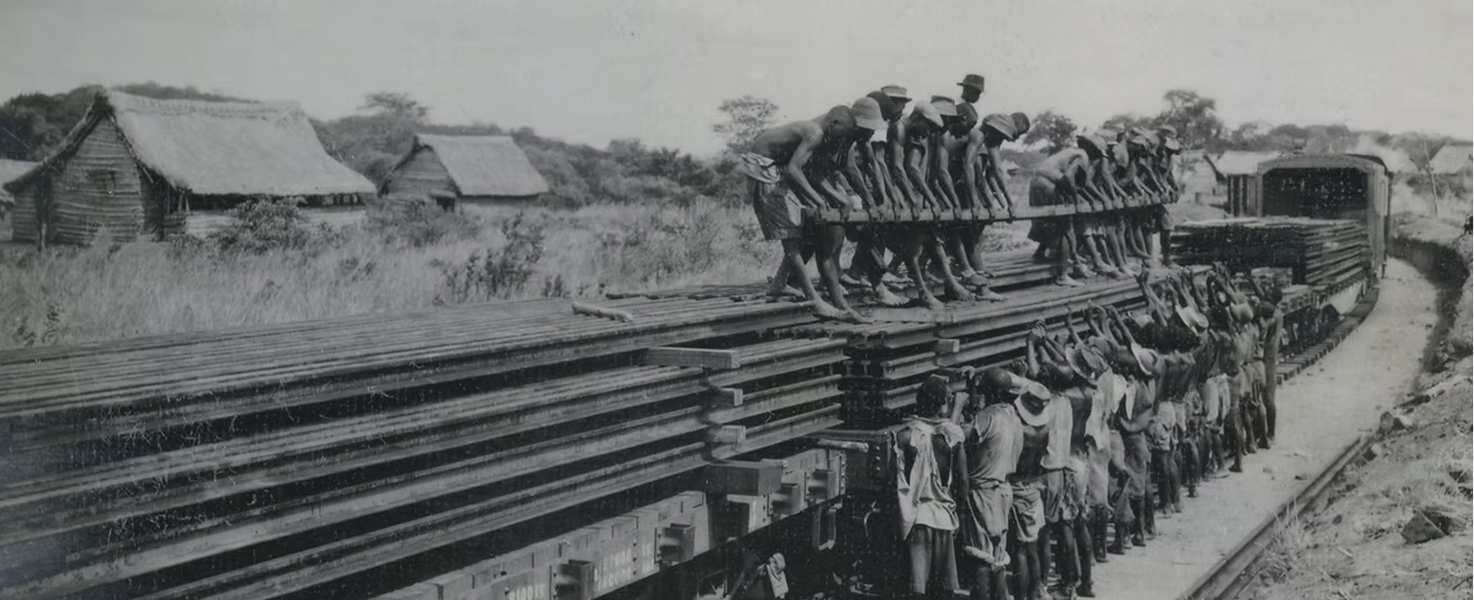
Research on colonial public works in Macau, especially in the 20th century, is still scarce, and little is known about their management and labour. In response, this paper will assess the impact of the work reproduced in these images to investigate the role of these (still) invisible workers. Consequently, the presentation will discuss some of the buildings and infrastructures depicted, such as the bridge, whose construction processes, techniques and sites have been photographed and analysed in other records and reports.
Click here for the seminar website.