

TAIPA HOUSES
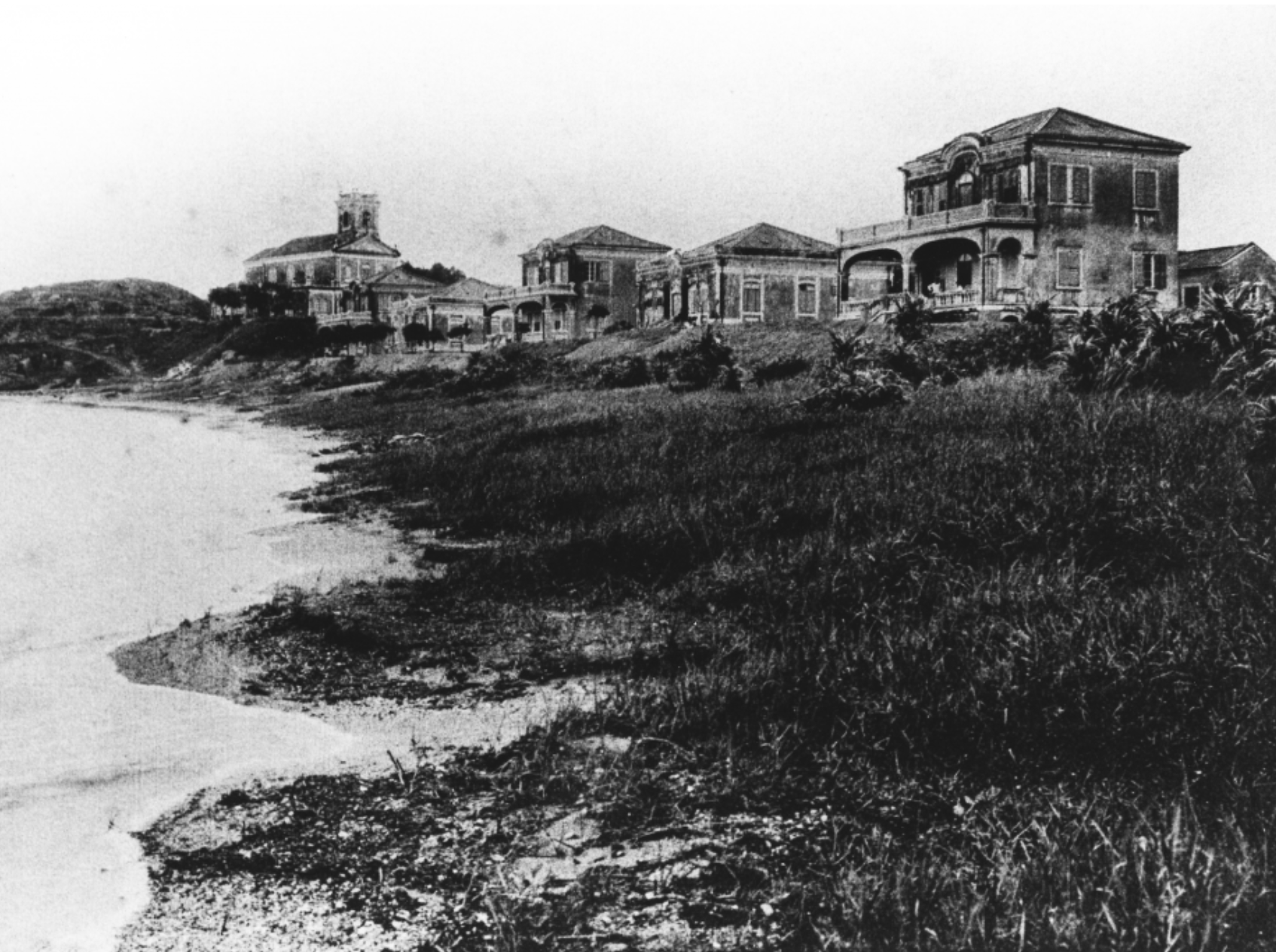
Built in 1921, the Taipa houses were originally constructed for the residences of Portuguese senior civil servants and Macanese families. The five iconic and cultural houses located in Avenida da Praia in the Taipa Village have undergone many changes throughout the years. The houses were classified to have architectural value in 1992 as stated in the Cultural Affairs Bureau. The five houses were then renovated by the Macau government into a museum site “Taipa Houses Museum” and were opened to the public in 1999.
Poster Author
Nixzel Bre Villaluz Dela Cruz
How to cite
LabourMap-Macao: Mass labour impact on Public Works in Macau under Portuguese administration (1849-1999) (P.I. Ana Vaz Milheiro, FCT/2023.14980.PEX).
Taipa Houses. Accessed on 10th March 2026. Available at: https://archlabour.iscte-iul.pt/taipa-houses/
01
Materials & Systems
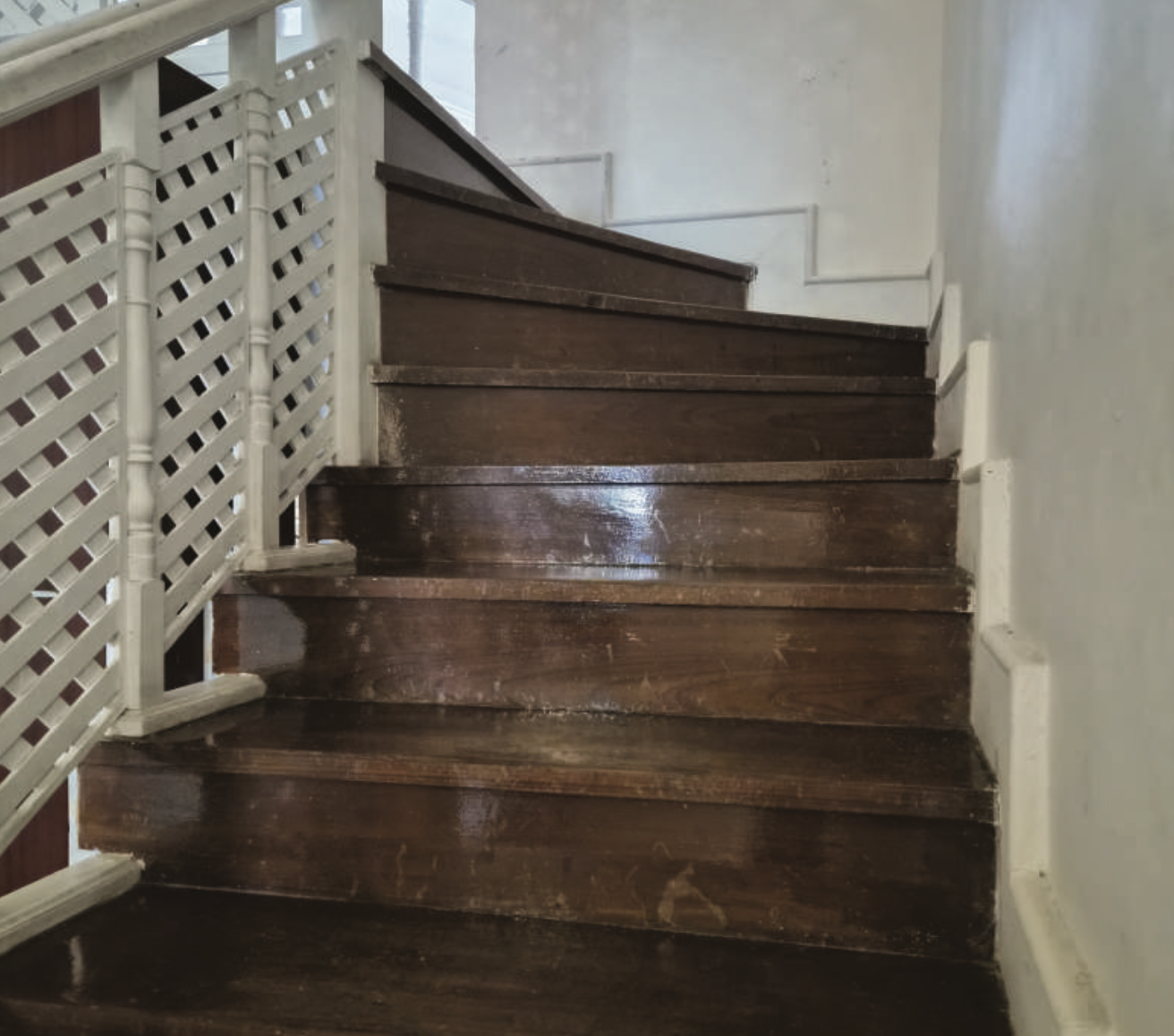
There is only limited information about the materials and systems of the Taipa Houses, but there are some insights and data from construction practices in Macau. Roofs were made from terracotta roof tiles, typically used in Portuguese architecture; not only are they aesthetically pleasing but they also have a rather long durability, resistant to strong winds or rain. The pillars and arches could have been built by using slabs and woods or concrete due to the width. At the time the Taipa Houses were being renovated, traditional practices were used, as well as materials that are compatible with the existing structures to avoid further damage.
02
Workers & Skills
Considering that Macau was still under Portuguese administration while the Taipa Houses were established in 1921, it is most likely that some Portuguese authorities had overseen the construction project. This could mean that Portuguese engineers, architects, and laborers were involved in the construction of the Taipa Houses, although the actual or most of the construction could be carried out by Chinese laborers. This is due to the fact that Macau was colonised and there was a Chinese labor dominance in construction during that period in other countries. Other than that, there should be masons involve, workers who are skilled and responsible for masonry construction.



LabourMap-Macao is an Exploratory Project funded by the Portuguese Foundation for Science and Technology (2023.14980.PEX).
Beta trial disclaimer
The LabourMap-Macao team is responsible for the maintenance of this website, which is intended to facilitate public access to information about the group’s initiatives. Although this is still a beta trial, the intention is to release the information in a timely and accurate manner. Should any errors be brought to the attention of the team, they will be corrected.