


ST. LAWRENCE CHURCH
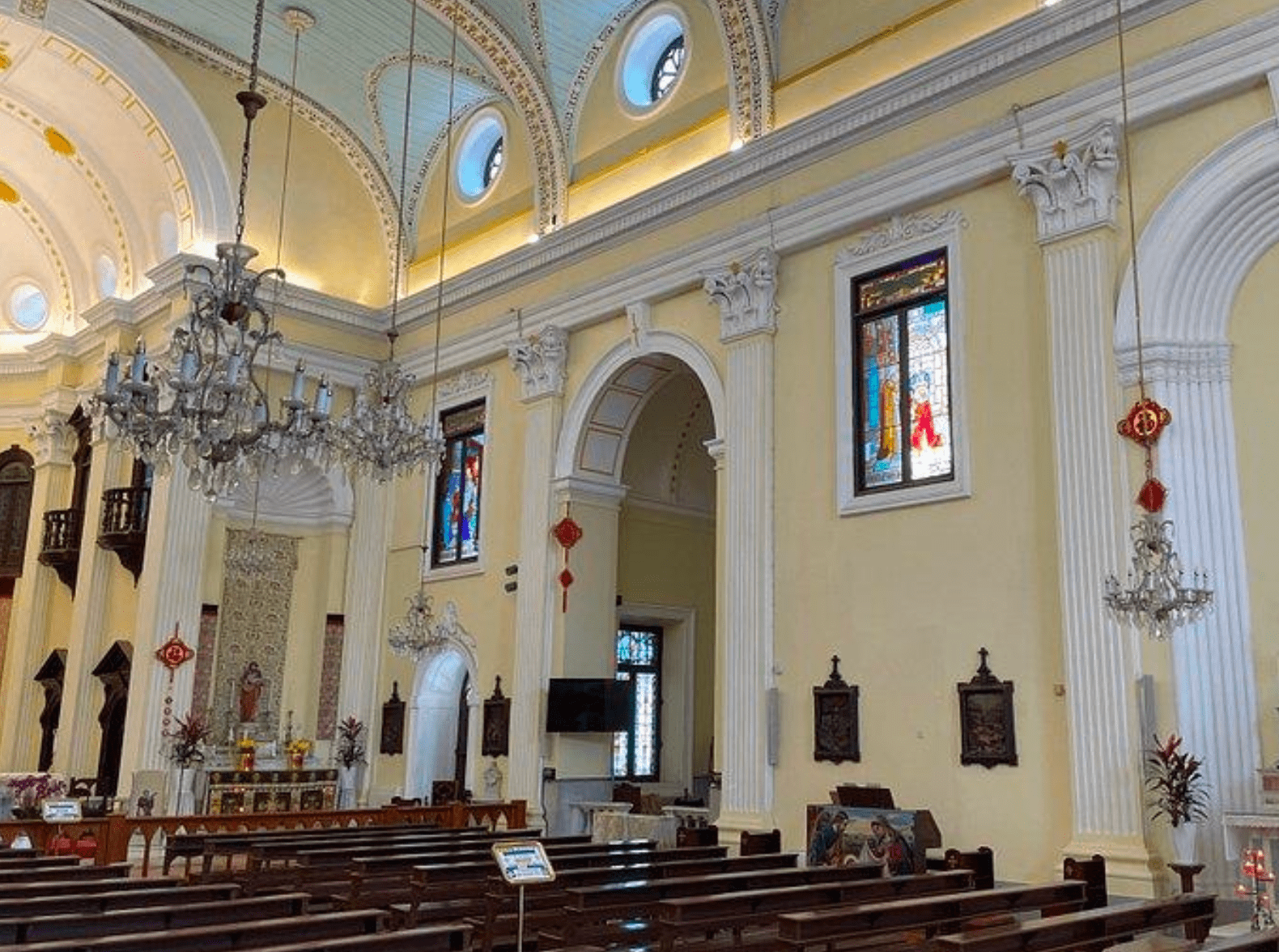
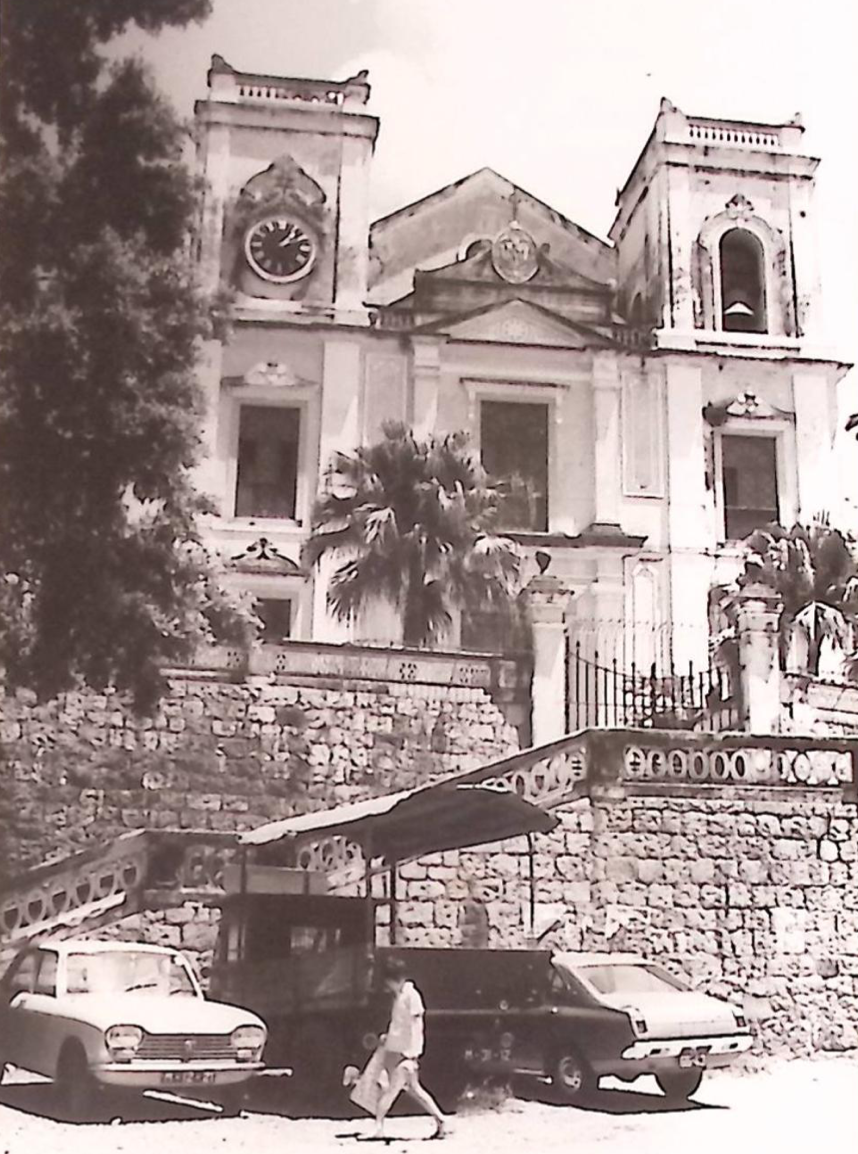
St. Lawrence Church in Macao, one the city’s oldest, was originally built by the Jesuits, before 1560 and rebuild in its present neoclassical form in 1846. Its historical context includes being a gathering place for families of Portuguese sailors waiting for their loved ones to return, which led to its chine name “Feng Shun Tang” or “Hall of the Sooting Winds”. It is a UNESCO world heritage site and was built in a prosperous, affluent neighborhood that reflects Macau’s maritime trade history.
Poster Author
Brenny Noemia
How to cite
LabourMap-Macao: Mass labour impact on Public Works in Macau under Portuguese administration (1849-1999) (P.I. Ana Vaz Milheiro, FCT/2023.14980.PEX).
St. Lawrence Church. Accessed on 10th March 2026. Available at: https://archlabour.iscte-iul.pt/st-lawrence-church/
01
Materials & Systems
The main materials used in its construction included bricks, which were often produced locally, and lime, used as a binder in the mortar to join the bricks and coat surfaces. Wood also played a crucial role, being used both in structural elements, such as beams and roofs, and in interior finishes, such as altars and doors. Additionally, decorative ceramics and tiles were applied to embellish the interior, reflecting the fusion of Portuguese and Chinese styles. These materials and construction techniques were carefully chosen, taking into account Macao’s tropical climate and the availability of local resources.
02
Workers & Skills
Stonemasons played a fundamental role, taking charge of the masonry and construction of the walls, using bricks and stones to ensure the stability of the structure. Carpenters were also essential, being responsible for the construction of the roof and the creation of wooden elements, such as doors and altars, using their skills to work with different types of wood. In addition to these, artists and artisans brought a decorative touch to the church. Painters specializing in frescoes and sculptors who created religious images adorned the interior with works that reflected the spirituality and culture of the time. The master builder oversaw the entire process, coordinating the different groups of workers.


LabourMap-Macao is an Exploratory Project funded by the Portuguese Foundation for Science and Technology (2023.14980.PEX).
Beta trial disclaimer
The LabourMap-Macao team is responsible for the maintenance of this website, which is intended to facilitate public access to information about the group’s initiatives. Although this is still a beta trial, the intention is to release the information in a timely and accurate manner. Should any errors be brought to the attention of the team, they will be corrected.