
Author: admin

  • Construction and labour in motion. A methodological approach to film images of colonial infrastructures

    Construction and labour in motion. A methodological approach to film images of colonial infrastructures

    Event: Construction History and Films International Symposium
    Authors: Francesca Vita, Beatriz Serrazina, Ana Vaz Milheiro
    Date: 19 – 20 February 2026

    Location: CIUL, Lisbon, Portugal
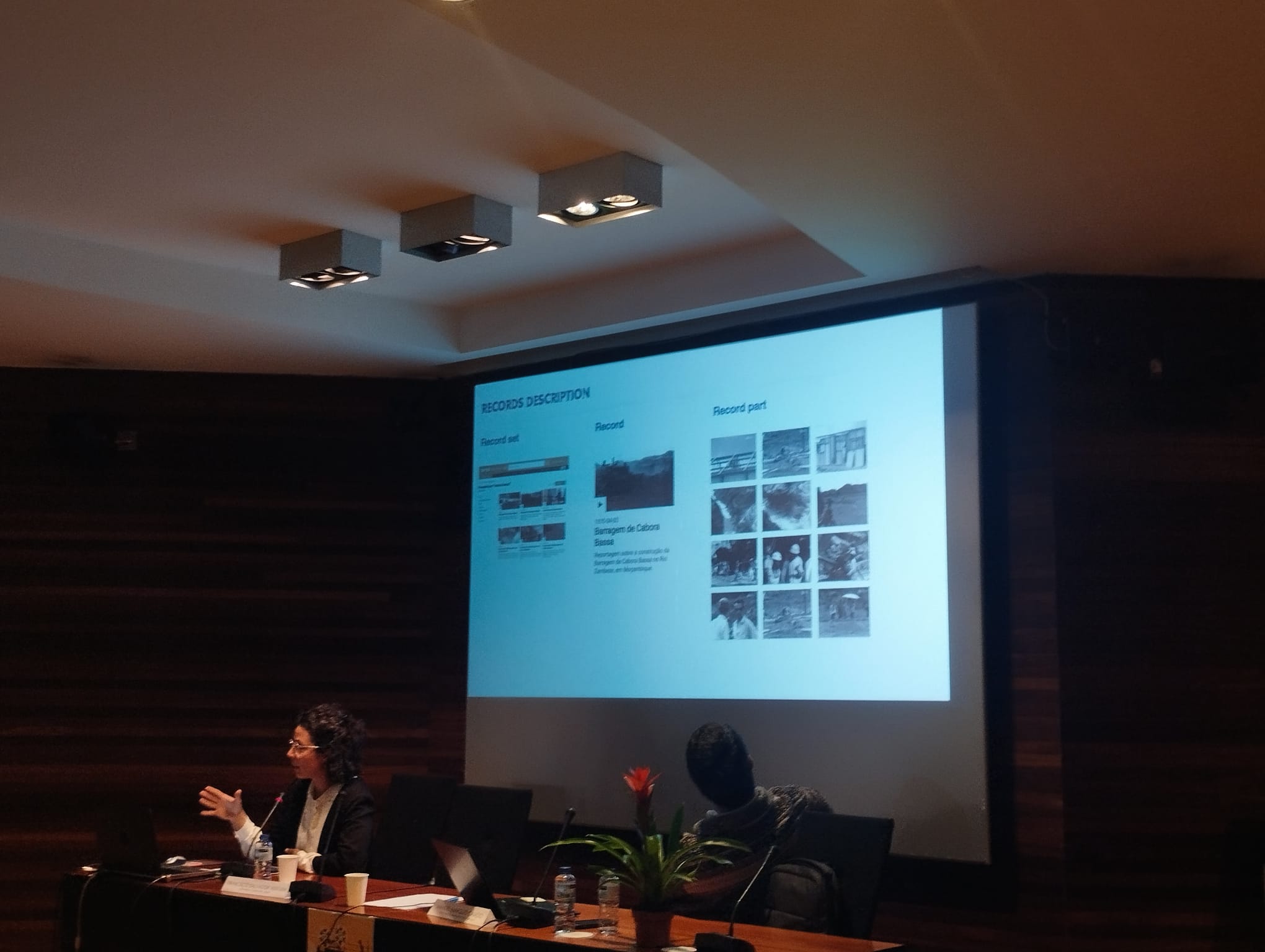

    “Construction and Labour in motion” presentation, 2026
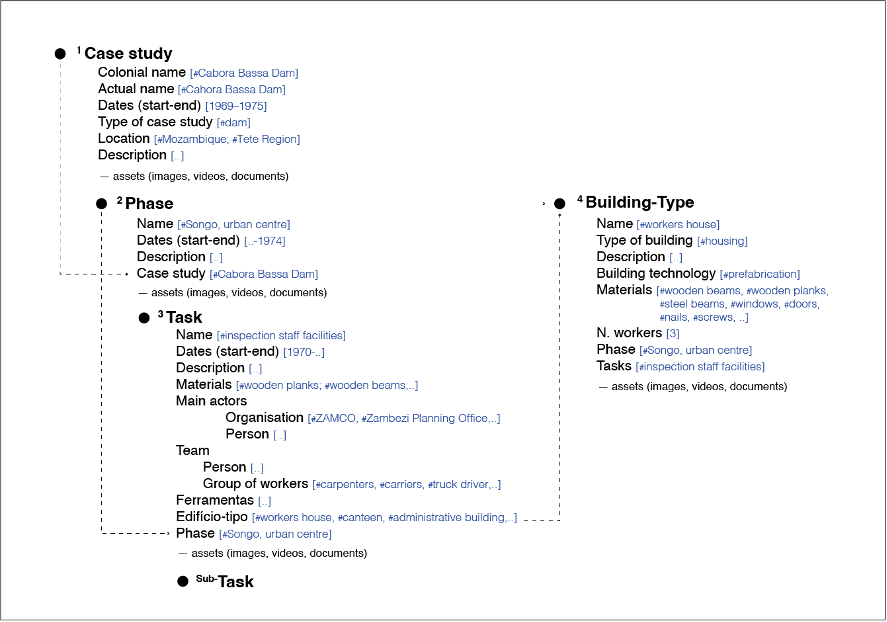
    Database structure

    Summary

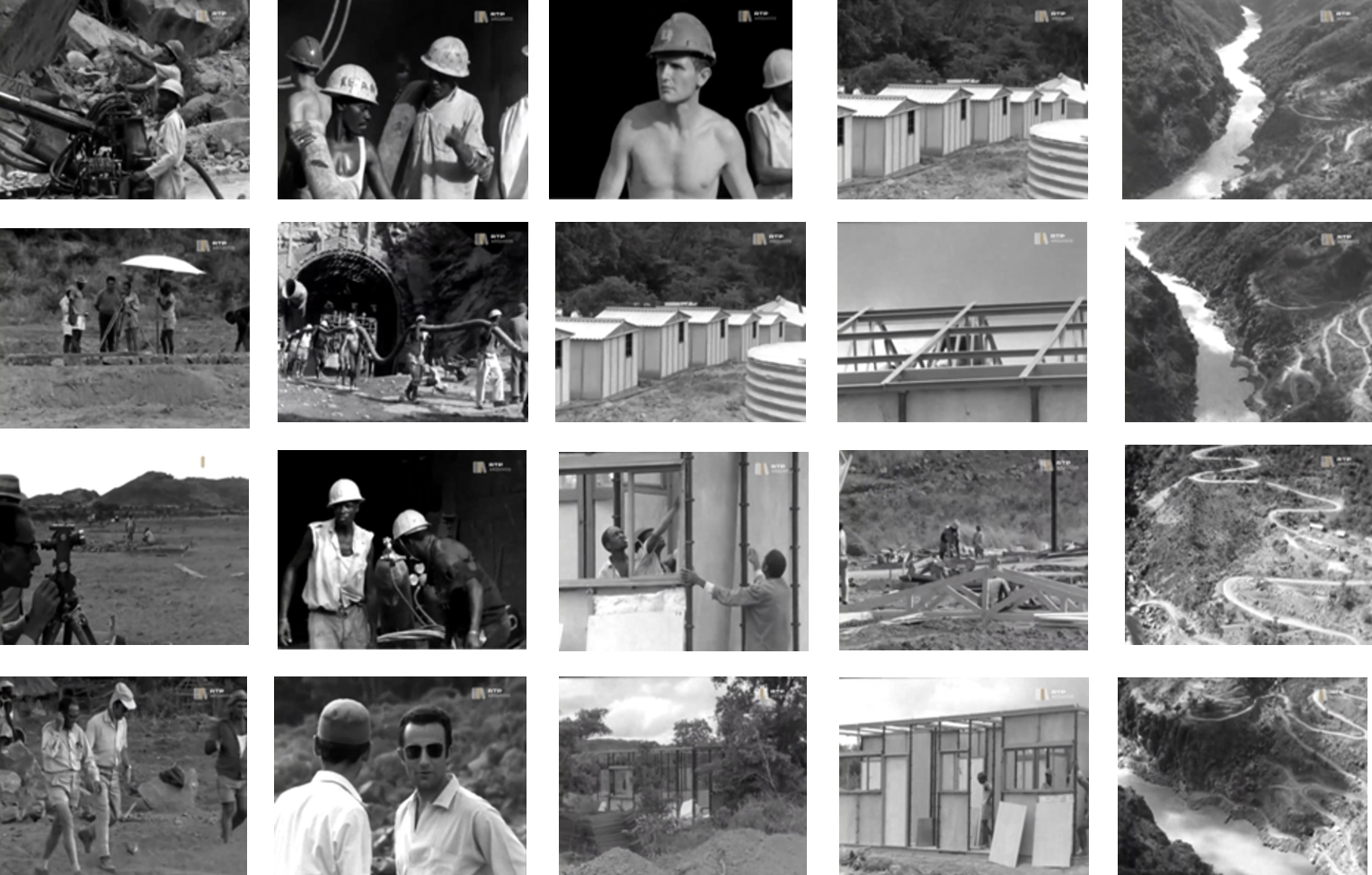
    This paper focuses on the cataloguing, data processing and visualisation of film images for studying construction and labour history during Portuguese colonial rule in Africa. As part of the European-funded project Architecture, Colonialism and Labour (ArchLabour), which examines the impact of labour on colonial architecture, this paper explores how the ArchLabour team has shaped a methodology of visual information management through the creation of a digital database that places film images at the centre of queries on the construction and labour of major colonial infrastructures, including dams, railways, settlements, ports and airports. What methods can be used to trace the multiple dimensions of construction and labour represented in colonial film images? How do tools of data management can assist research on construction history, establishing new relationships between categories and revealing unnoticed aspects of construction? How can data from the visualisation of films help research on construction history and labour?

    The paper discusses the design of a digital database, built from scratch by the ArchLabour team together with a group of visual programming experts, and explores how visual data management can be applied for studying colonial construction and labour. In this light, it contributes with a practical example of film images analysis and proposes operational ways to unveil invisibilities of construction history, subaltern labour, non-human actors and material agency.
  • Building São Januário Hospital in Macau: Portuguese technical perspectives on Chinese labour

    Building São Januário Hospital in Macau: Portuguese technical perspectives on Chinese labour

    Journal: : Architecture + Infrastructures Working Paper Series 1: Colonial and Post-Colonial Landscapes: Architecture, Cities and Labour
    Author: Ana Vaz Milheiro
    Print: Dinâmia’CET-Iscte, 2026


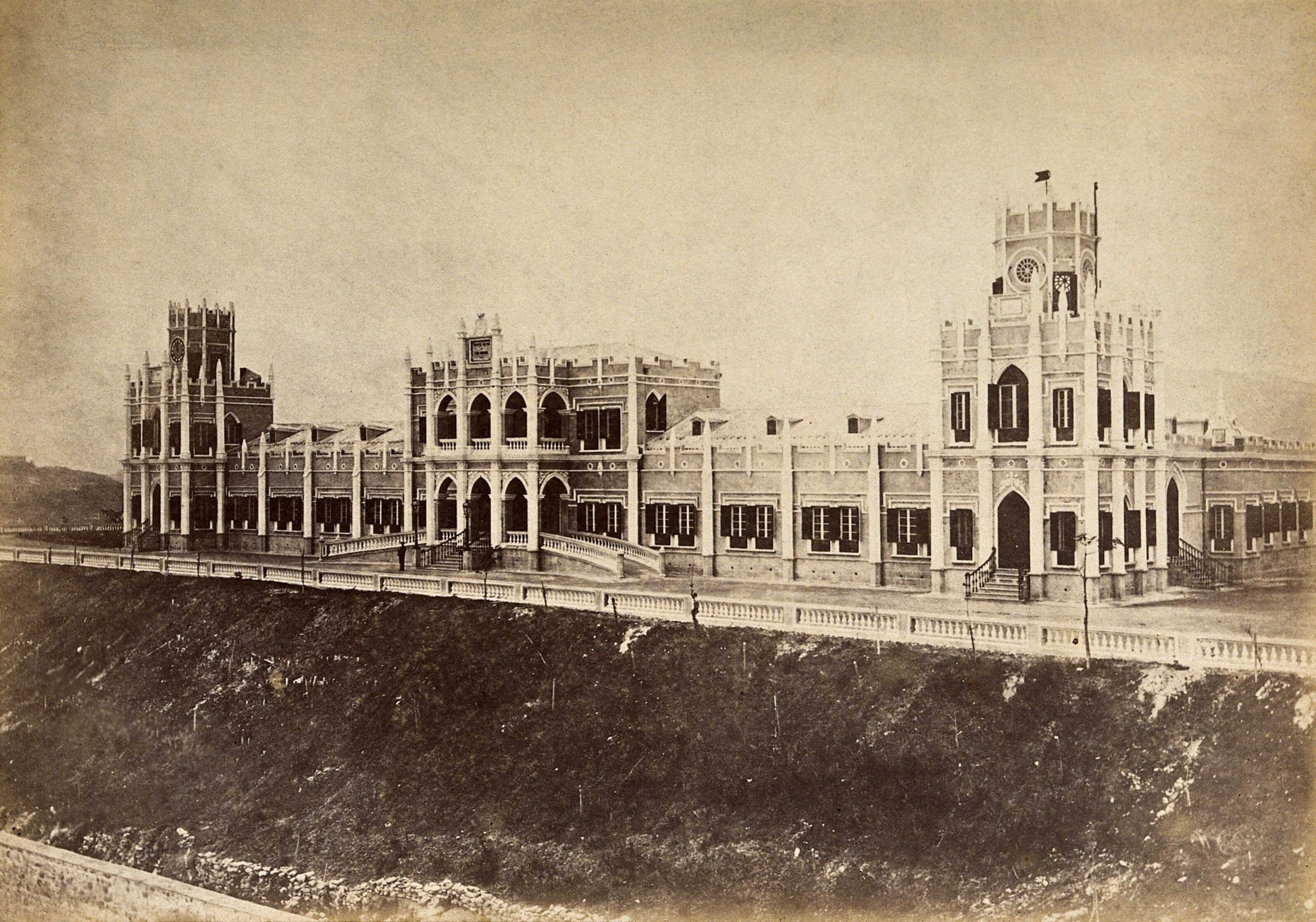
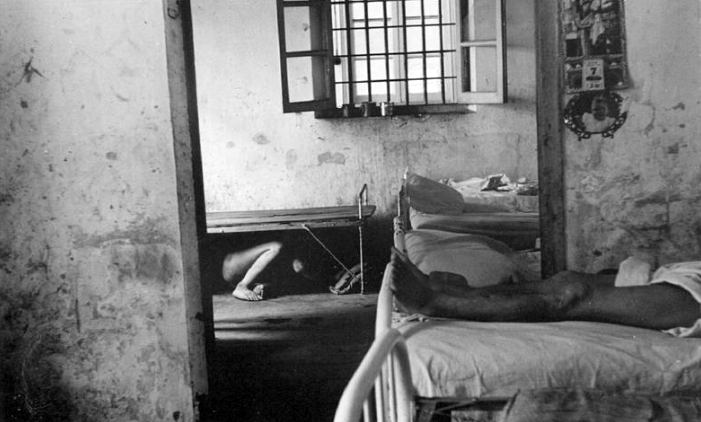
    Infirmary: Conditions at São Januário Hospital c. 1951, [José dos Santos Baptista (Head of the Technical Department of Public Works) and Abel de Carvalho (Radiologist)], Study on the Renovation and Expansion of the Conde de São Januário Central Hospital in Macau, 1951. MO/AM/DA/031/1

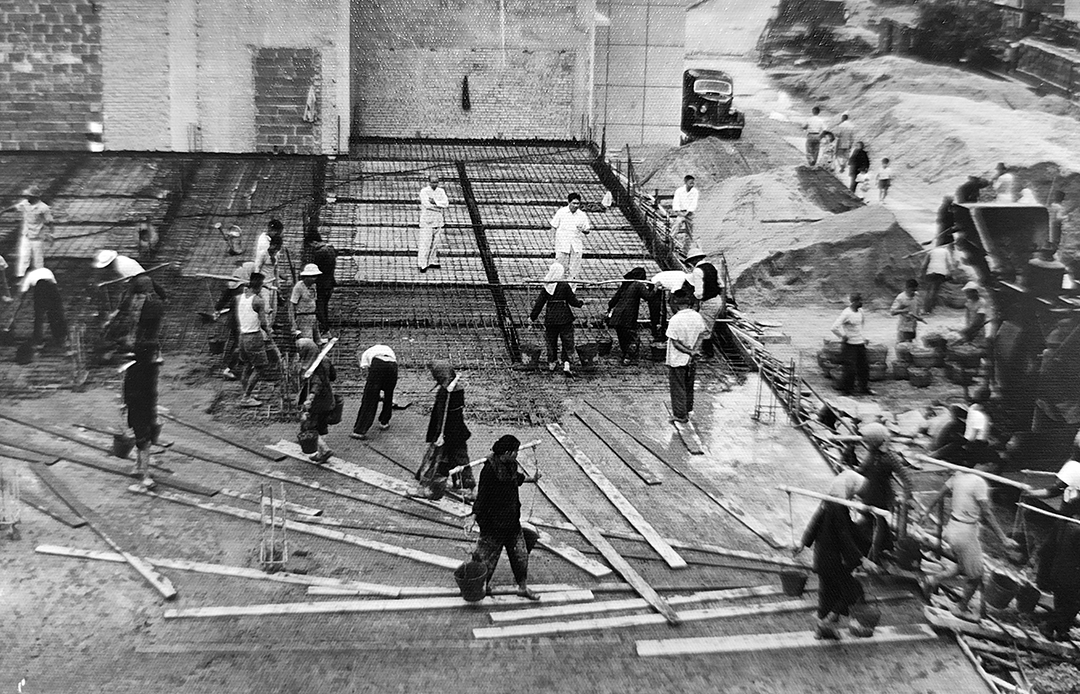
    Concreting of the 1st Floor. Arnaldo Luiz de Siqueira Basto, RTOPM, 1956 Report (1956). AHU, OP03394. 

    Summary

    The historical context of the Conde de São Januário Central Hospital (CHCSJ) in Macau dates to the 1870s. It began as a military hospital under Portuguese administration. The original structure was later replaced in the 1950s with facilities that complied with the rigorous technical standards required for treating tropical diseases. This construction process aligned with the concept of “welfare colonialism,” as described by Bradley (1955), whereby infrastructure became a tool for legitimising the colonial presence.

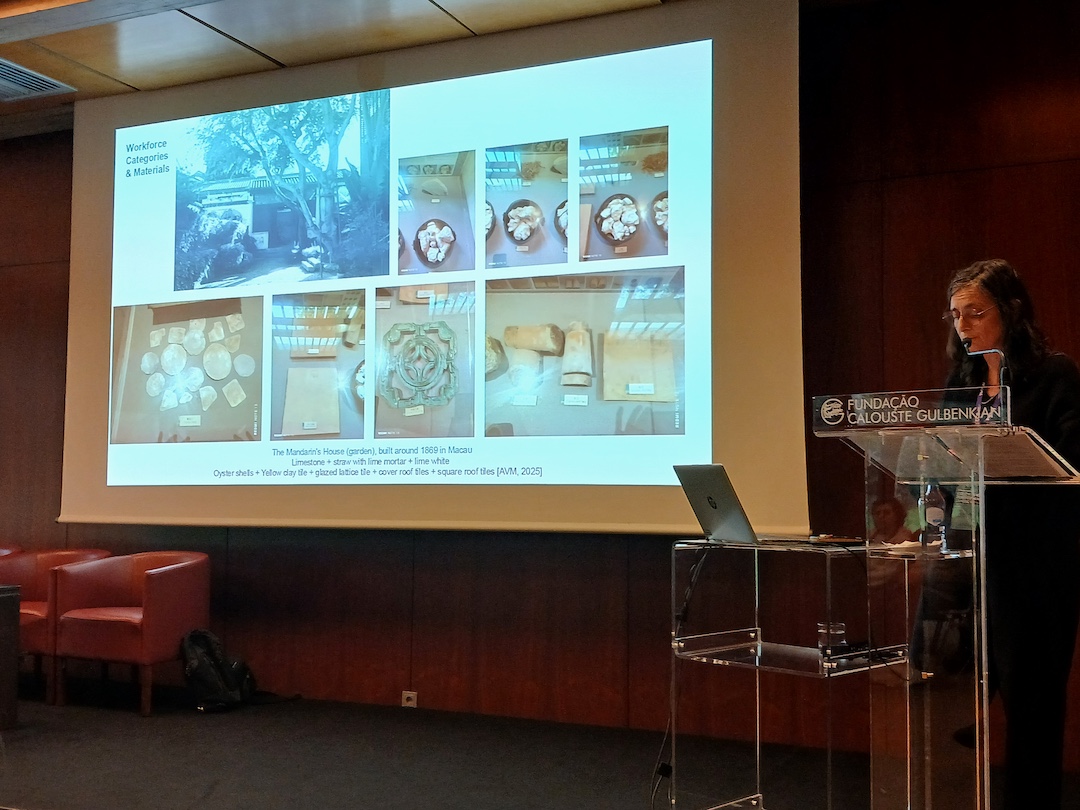
    This research is part of the LabourMap-Macau project and examines the construction of the CHCSJ during two key periods, corresponding to different contracts and interventions: the 19th century and the post-World War II era. Archival documents from 1873 highlight the Portuguese technical team’s deep interest in the Chinese workforce and the gradual “Westernisation” of architectural practices adopted by local labourers. The hospital’s initial construction involved complex bidding processes with companies from both Macau and Hong Kong. During this phase, Portuguese staff faced significant challenges, such as the absence of the metric system among local teams. These challenges required the development of conversion tables and practical solutions to overcome language barriers and ensure the implementation of European design ideas. By the mid-20th century, global construction systems had been fully integrated into Macau. There was a consolidated confidence in the quality of Chinese labour, and recruitment processes had become more streamlined. Notably, official reports from this period show that women were present on construction sites as part of the workforce, with their names explicitly included in technical records. Although both the 1873 pavilion and the 1954 Estado Novo representative building have since been demolished – replaced by a modern structure in 1989 – the histories linked to their construction and the dynamics of their labour force remain vital aspects that revive their historiographical presence and cultural legacy in Macau.

  • Typology in Transition: Modern Housing and Postcolonial Urbanism in Luanda (Working Paper)

    Typology in Transition: Modern Housing and Postcolonial Urbanism in Luanda (Working Paper)

    Journal: Architecture + Infrastructures Working Paper Series 1: Colonial and Post-Colonial Landscapes: Architecture, Cities and Labour
    Authors: Inês Lima Rodrigues, Maria Alice Mendes Correia
    PrintDinâmia’CET-Iscte, 2026


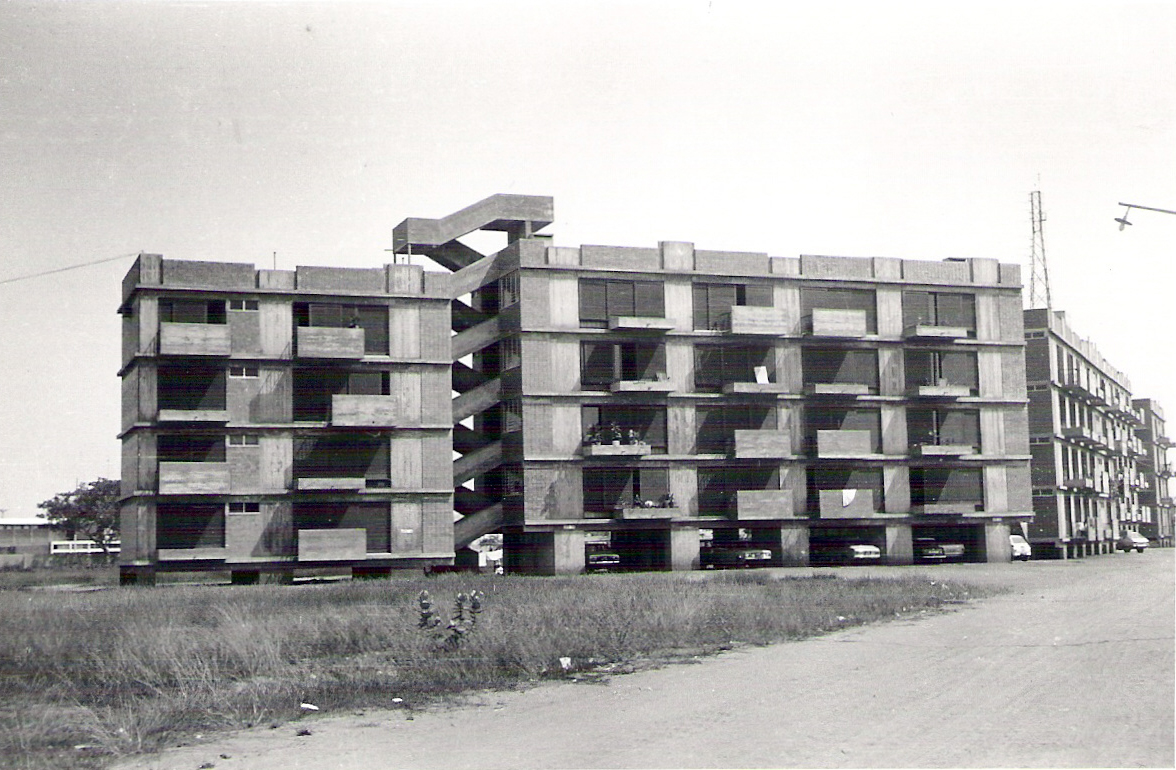
    Built blocks Lots 3, 4 and 5, CTT Neighbourhood, Luanda. Simões de Carvalho and Lobo de Carvalho. Fernão Simões de Carvalho, personal archive.
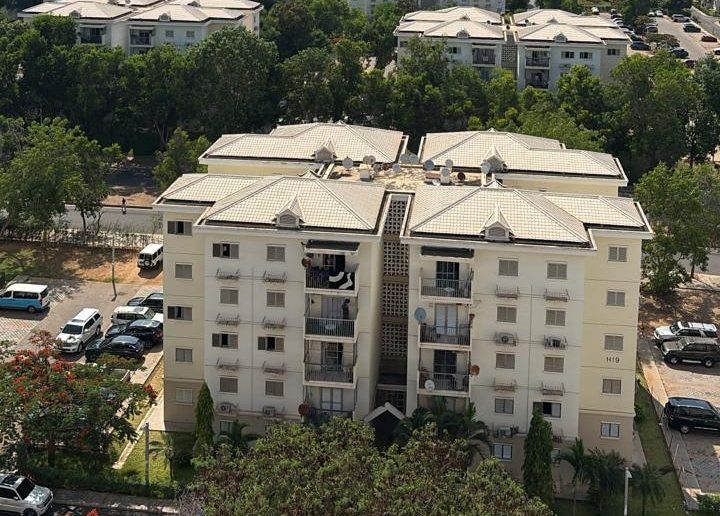
    Kilamba Neighbourhood, Luanda. Works by Third Year students. Academic Year 2024-2025 MAC, AUN.

    Summary


    The architectural patterns of Luanda show how buildings survive political divisions and take on fresh ideological meanings throughout the urban past. The CTT district, developed between 1968 and 1974 by Fernão Simões de Carvalho and Lobo de Carvalho, combines the ultimate aims of Portuguese colonial modernism by seeking to strike a balance among logical planning, social diversity, and climatic adaptation. Emerging after CIAM’s internal discussions and the criticism of a universal modernism, the project converted these changing ideas into a colonial setting characterised by entrenched racial hierarchies and demographic pressure. Though only partially completed, the CTT complex served as a laboratory where post-CIAM issues with flexibility and urban identity were refracted through the managerial rationale of the Estado Novo. Following independence, the typological concepts employed in CTT reappeared in the twenty-first century “new centralities”, including Kilamba and Sequele. Created through Sino-Angolan collaboration and entrenched in neoliberal and post-socialist programs, these vast satellite cities recycled modernist superblock urbanism as a tool for state-led development, market creation, and socio-spatial control. Looking at the CTT complex in conjunction with its postcolonial legacies shows not only the tenacity of modern spatial logic but also the contested development of postcolonial identity, government, and labour, as revealed in typological continuities in Luanda. Hence, the CTT neighbourhood becomes a key hinge connecting late-colonial modernism to modern urbanism in Angola.

  • Tracing Public Works and Labour in Historical Archives: From the Arquivo Histórico Ultramarino to the National Archives of Cabo Verde

    Tracing Public Works and Labour in Historical Archives: From the Arquivo Histórico Ultramarino to the National Archives of Cabo Verde

    Journal: Architecture + Infrastructures Working Paper Series 1: Colonial and Post-Colonial Landscapes: Architecture, Cities and Labour
    Authors: Sónia Pereira Henrique, Filipa Lopes
    Print: Dinâmia’CET-Iscte, 2026


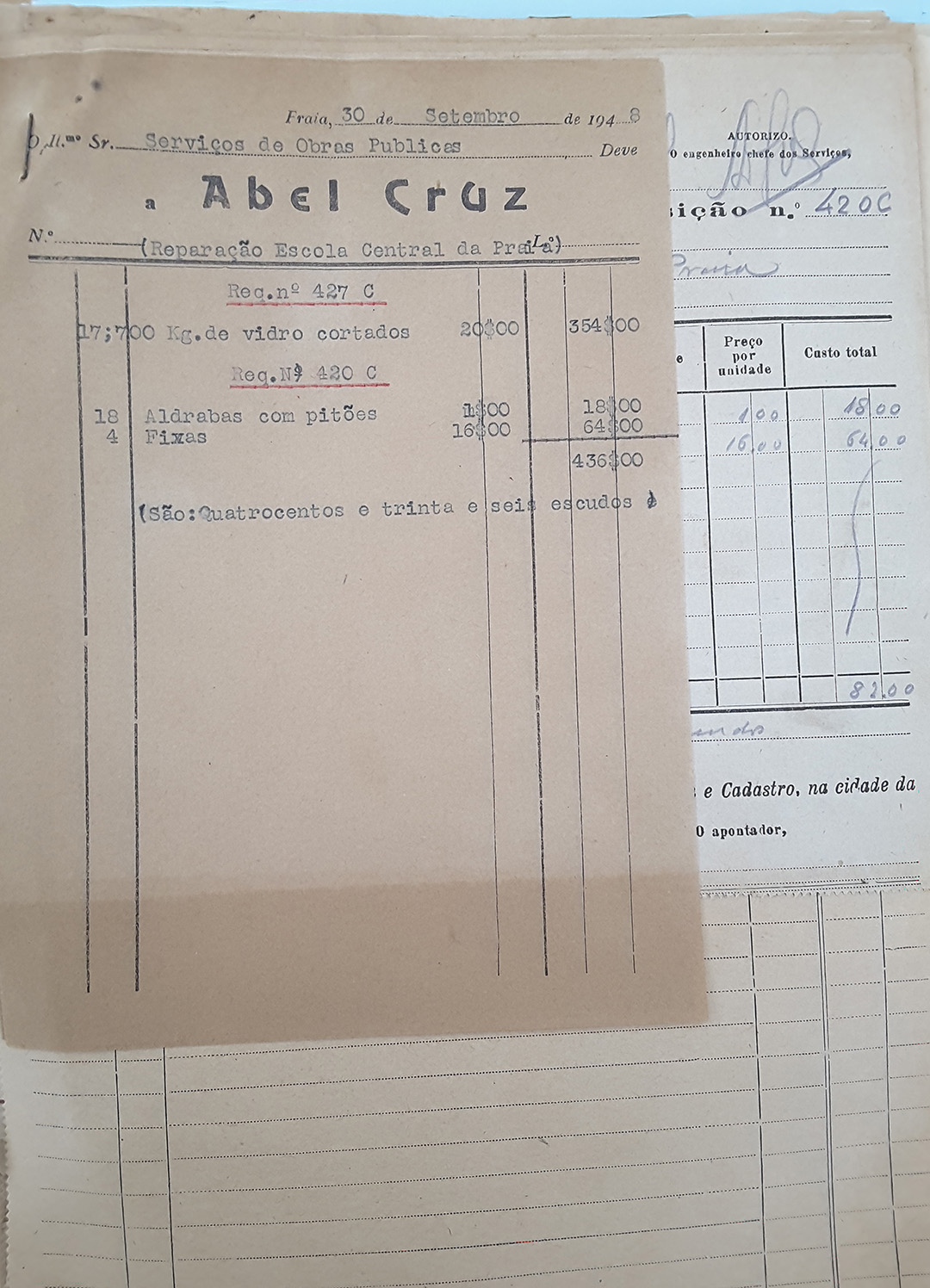
    Invoices for the purchase of materials for the public
    works project to repair the Central School of Praia, 1948.
    Courtesy of the CV, IANCV.
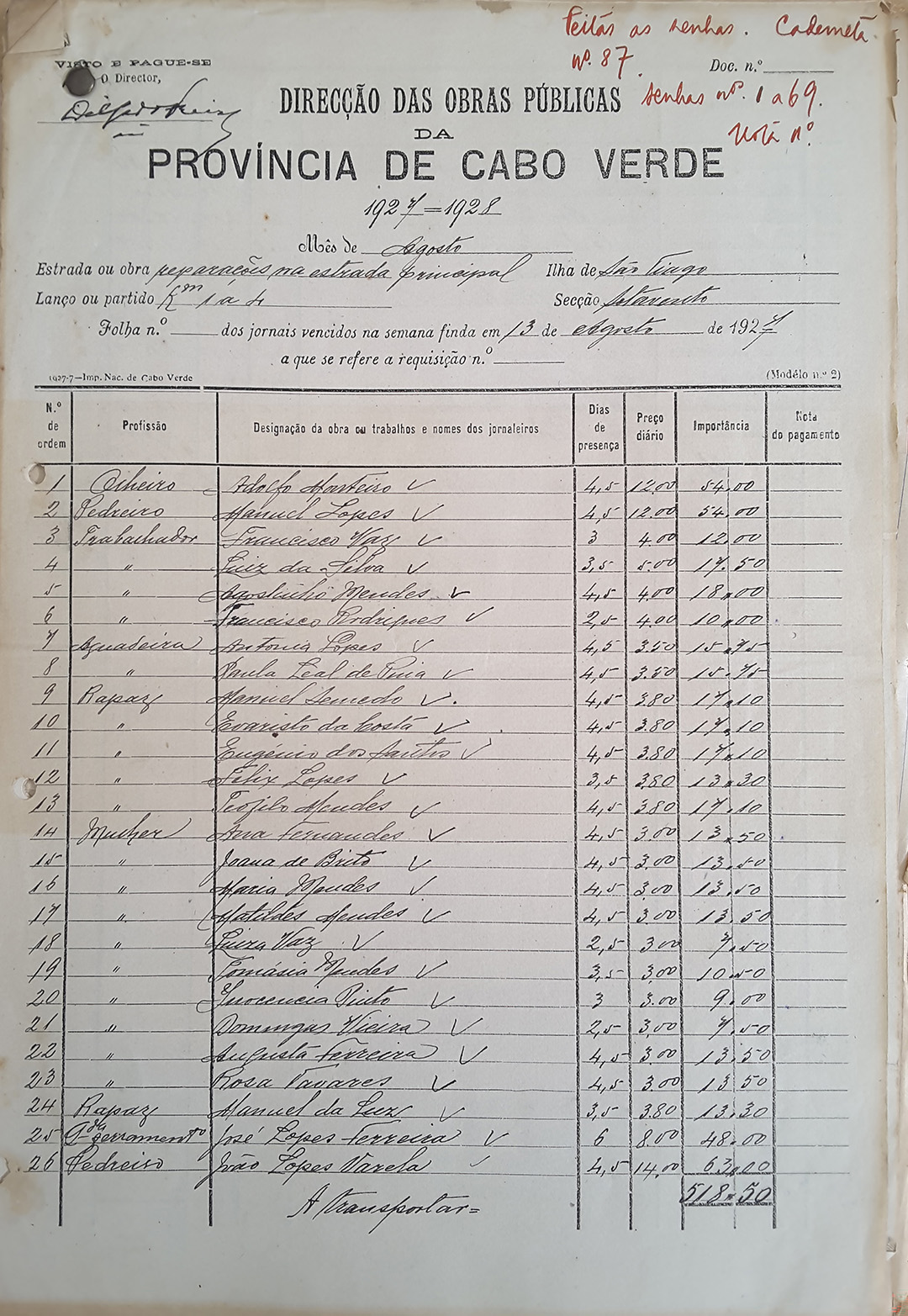
    Part of a salary sheet issued to destitute individuals
    employed on public works projects during the preparation of
    a main road on the island of Santiago, 1927.
    Courtesy of the CV, IANCV.

    Summary

    This paper outlines archival research conducted within the framework of the ERC ArchLabour project and examines the methodological potential of cross‑referencing metropolitan archives with local archives in former Portuguese colonial territories, with Cabo Verde as a focal point. The paper is organised into three sections. The first addresses the archival processing and study of public works records undertaken over the past fifteen years at the Arquivo Histórico Ultramarino in Lisbon. The second presents a preliminary survey of fonds and records relating to public works and labour at the National Archives Institute of Cabo Verde. The final section assesses the challenges and possibilities of cross‑referencing documentation between the two archives, drawing on a case study developed within the ArchLabour. Archival records are used to reconstruct the technical and administrative dimensions of public works projects, while personnel files and labour documentation from Cabo Verde provide insight into the everyday practices and labour experiences that shaped their execution. Combined, these materials demonstrate the methodological value of reading metropolitan and local archives in parallel to understand how colonial administrative processes were planned, negotiated and carried out.


    [Cover] Photograph of berm-side works at the São Nicolau aerodrome, from the BEAPU Report – Cabo Verde Detachment, 1961. PT/AHU/IPAD/MU/DGOPC/DSUH/1886/07501. Courtesy of the PT, AHU.

  • Promising forms and people: narrating the “Golden Age of Construction” in colonial Hong Kong

    Promising forms and people: narrating the “Golden Age of Construction” in colonial Hong Kong

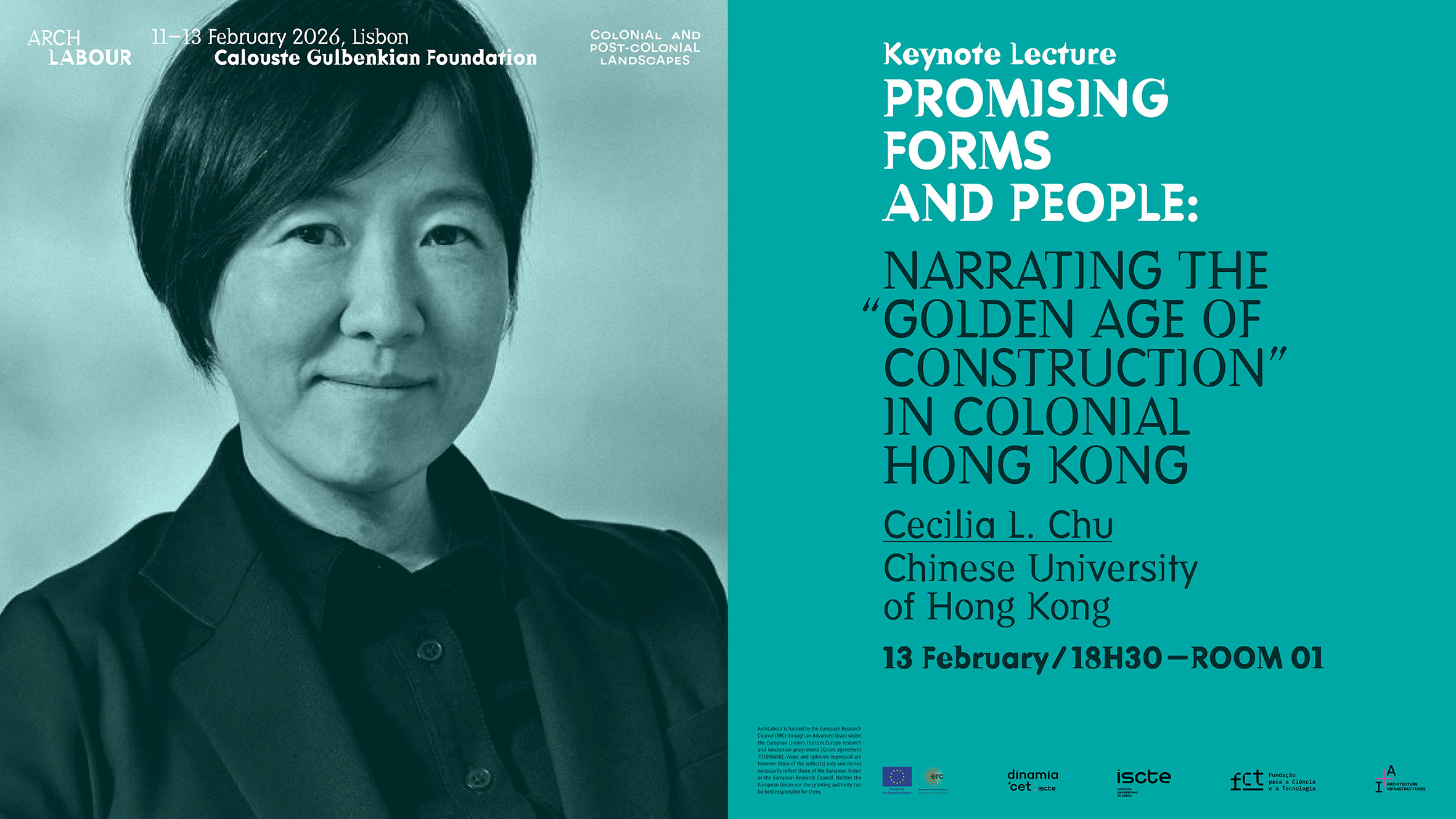
    Promising forms and people: narrating the “Golden Age of Construction” in colonial Hong Kong

    Event: Colonial and Post-Colonial Landscapes. Architecture, Cities, Labour
    Author: Cecilia L. Chu, Chinese University of Hong Kong 
    Date: 13 Feb 2026
    Location: Calouste Gulbenkian Foundation, Lisbon

    Biographical note

    Cecilia L. Chu is an Associate Professor in the School of Architecture at the Chinese University of Hong Kong. Trained as an urban historian with a background in design and conservation, her work focuses on the intersection of professional and popular knowledge of architecture and the built environment. She is the author of Building Colonial Hong Kong: Speculative Development and Segregation in the City, which received the 2023 Best Book Award from the Urban History Association and the 2024 International Planning History Society Book Prize. Chu is a co-founder and past president of DOCOMOMO Hong Kong and an editorial board member of the Journal of Urban History, Journal of the Royal Asiatic Society Hong Kong, Surveying and Environment, and Built Environment. She received her PhD in Architecture from the University of California, Berkeley.

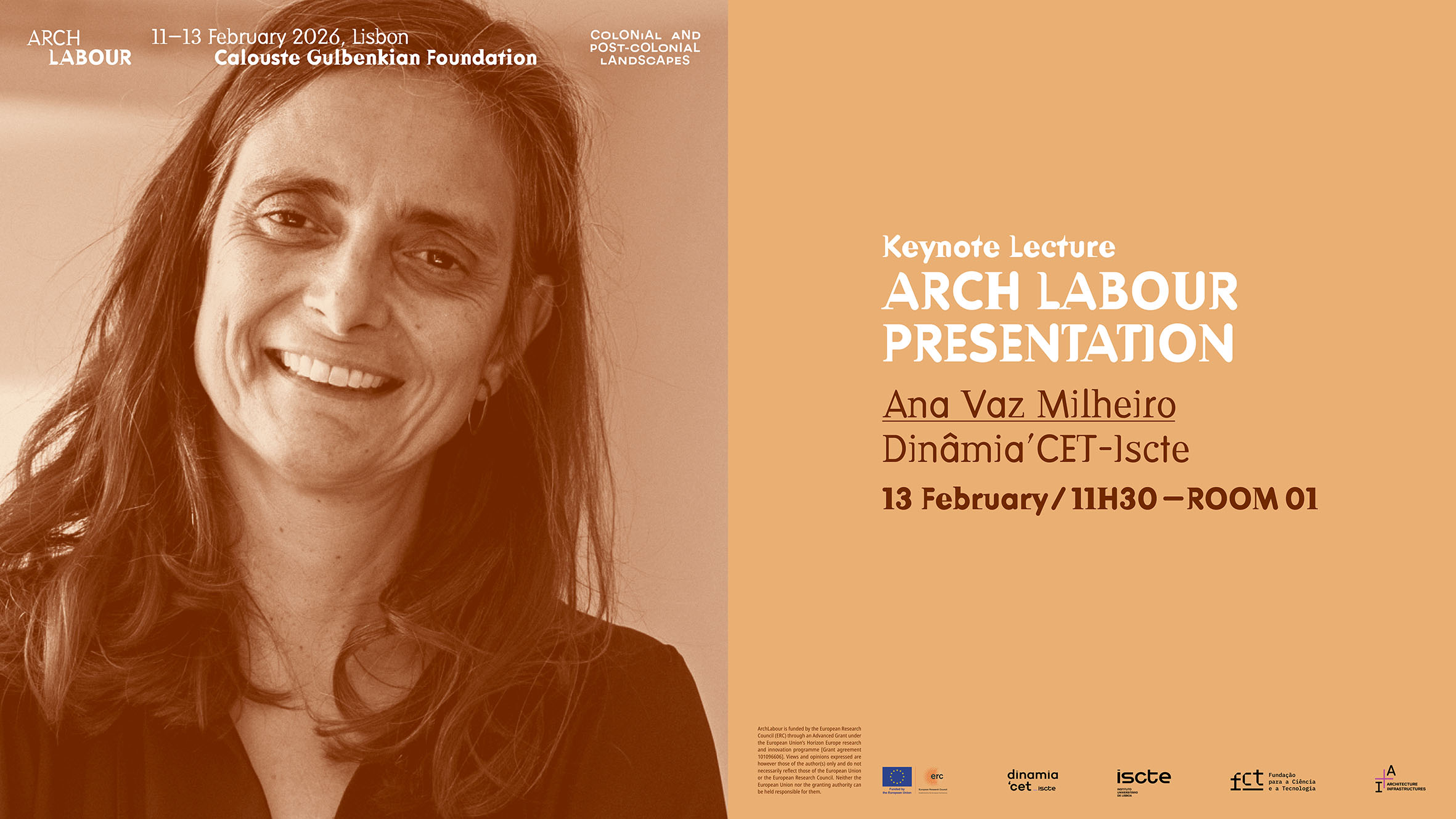
  • ArchLabour Presentation

    ArchLabour Presentation

    Event: Colonial and Post-Colonial Landscapes. Architecture, Cities, Labour
    Authors:
    Ana Vaz Milheiro, Dinâmia’CET-Iscte 
    Date:
    13 Feb 2026
    Location:
    Calouste Gulbenkian Foundation, Lisbon

    Biographical note

    Full Researcher at ISCTE-IUL (DINÂMIA’CET) and ERC Advanced Grantee, she leads the project ArchLabour (2024–2028). A former Associate Professor with Aggregation at the Faculty of Architecture, University of Lisbon (FAUL), she holds a PhD from the University of São Paulo (2004) and a Post-Doc from the University of Porto (FAUP). As a leading expert in colonial and post-colonial architecture, she has served as Principal Investigator for seven major FCT-funded projects, including the ongoing LabourMap-Macau. Her international leadership is evidenced by her role as Chair of the COST Action CA18137 (2019–2023) and as a Fellow at the Israel Institute for Advanced Studies (2019–2020).

    Her award-winning scholarship includes Nos Trópicos sem Le Corbusier (AICA/Carmona e Costa Prize, 2013). She has further distinguished herself in gender studies, notably through the project WomArchStruggle (2023–2024), focusing on women architects in former Portuguese colonial Africa, and her specialized research on female labor at construction sites. She has held research visiting positions at Ghent University and the University of São Paulo and has curated major exhibitions for CCB (Lisbon) and UIA Rio 2021. She is currently a researcher at the African Studies Center (University of Porto) and a professor in several international postgraduate programs in Portugal, Brazil and Macao. More recently she served as a juror for the 2026 Kristine Fallon Prize, which honors scholarship on women navigating and negotiating repressive political, economic, or cultural conditions (IAWA, Virginia Tech).

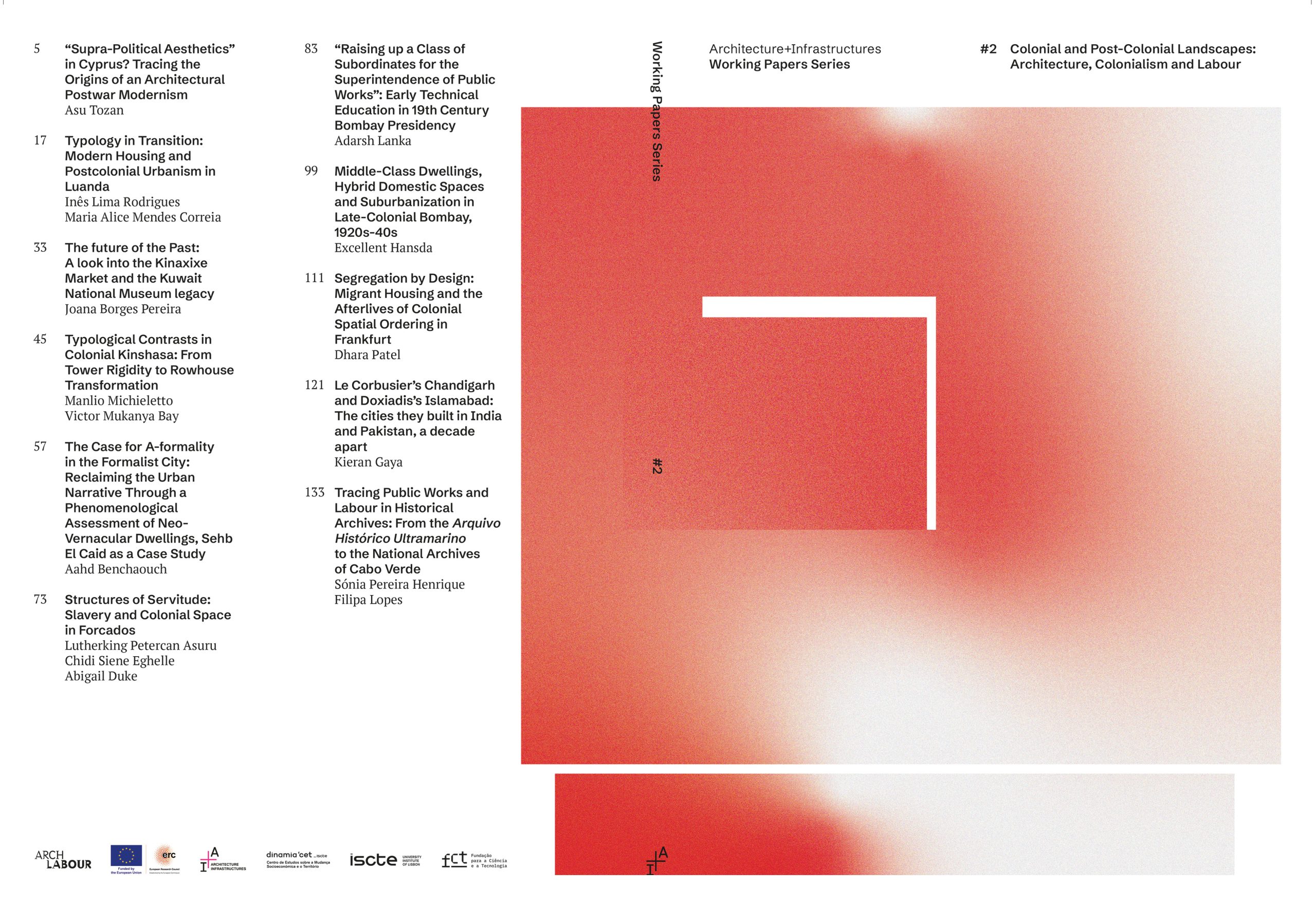
  • Architecture + Infrastructures Working Paper Series 2. Colonial and Post-Colonial Landscapes: Architecture, Cities and Labour

    Architecture + Infrastructures Working Paper Series 2. Colonial and Post-Colonial Landscapes: Architecture, Cities and Labour

    Editors: Beatriz Serrazina, Francesca Vita

    Series Coordinator: Ana Vaz Milheiro
    Publisher: Dinâmia’CET-Iscte, 2026

    Design: vivóeusébio

    Edition: 1st Edition


    Authors: Ana Vaz Milheiro, Arzu Kusaslan, Elke Beyer, Igor Bloch, João Marcos de Almeida Lopes, Lara Melotti Tonsig, Lía Duarte Rodríguez, Liora Bigon, Lucia Riba-Hernández, Maria Luisa Palumbo, Oyewale Oyeleye, Philippe Zourgane, Rafael Manhães


    Summary

    The second volume of the Architecture + Infrastructures Working Paper Series brings together articles presented at the third International Conference Colonial and Post-Colonial Landscapes: Architecture, Cities and Labour, held at the Calouste Gulbenkian Foundation in Lisbon in February 2026. The articles cover a variety of geographical areas, historical periods and topics, shedding light on the many landscapes, buildings, construction practices, individuals, interactions, dimensions and narratives that intersect with the history of colonial architecture, social and labour history, and construction technology.

    The relationship between architecture and labour in colonial contexts provides a promising approach to addressing some of the challenges faced by post-colonial societies, offering diverse perspectives. These include the relationship with “Western” building technologies and materials; the scarcity of traditional construction systems; the undervaluation of these systems in terms of climate adaptation and sustainable solutions; and the persistence of racial and gender inequalities in work environments. This WPS#02 focuses on housing, modernism, and socio-spatial legacies.

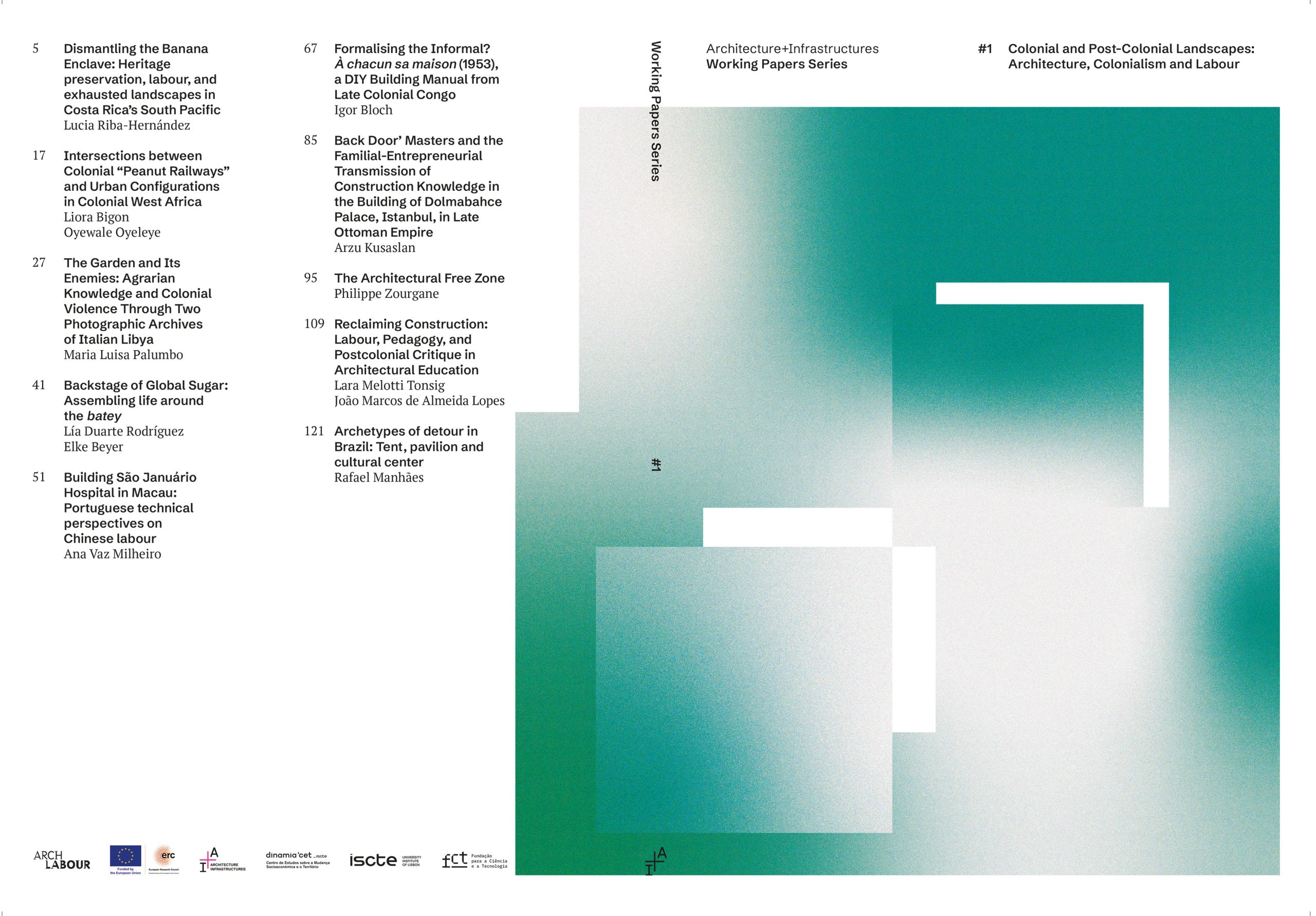
  • Architecture + Infrastructures Working Paper Series 1. Colonial and Post-Colonial Landscapes: Architecture, Cities and Labour

    Architecture + Infrastructures Working Paper Series 1. Colonial and Post-Colonial Landscapes: Architecture, Cities and Labour

    Editors: Beatriz Serrazina, Francesca Vita

    Series Coordinator: Ana Vaz Milheiro
    Publisher: Dinâmia’CET-Iscte, 2026

    Design: vivóeusébio

    Edition: 1st Edition


    Authors: Ana Vaz Milheiro, Arzu Kusaslan, Elke Beyer, Igor Bloch, João Marcos de Almeida Lopes, Lara Melotti Tonsig, Lía Duarte Rodríguez, Liora Bigon, Lucia Riba-Hernández, Maria Luisa Palumbo, Oyewale Oyeleye, Philippe Zourgane, Rafael Manhães


    Summary

    The first volume of the Architecture + Infrastructures Working Paper Series brings together articles presented at the third International Conference Colonial and Post-Colonial Landscapes: Architecture, Cities and Labour, held at the Calouste Gulbenkian Foundation in Lisbon in February 2026. The articles cover a variety of geographical areas, historical periods and topics, shedding light on the many landscapes, buildings, construction practices, individuals, interactions, dimensions and narratives that intersect with the history of colonial architecture, social and labour history, and construction technology.

    The relationship between architecture and labour in colonial contexts provides a promising approach to addressing some of the challenges faced by post-colonial societies, offering diverse perspectives. These include the relationship with “Western” building technologies and materials; the scarcity of traditional construction systems; the undervaluation of these systems in terms of climate adaptation and sustainable solutions; and the persistence of racial and gender inequalities in work environments. This WPS#01 focuses on land, infrastructure, commodities, knowledge transfers, and theory.

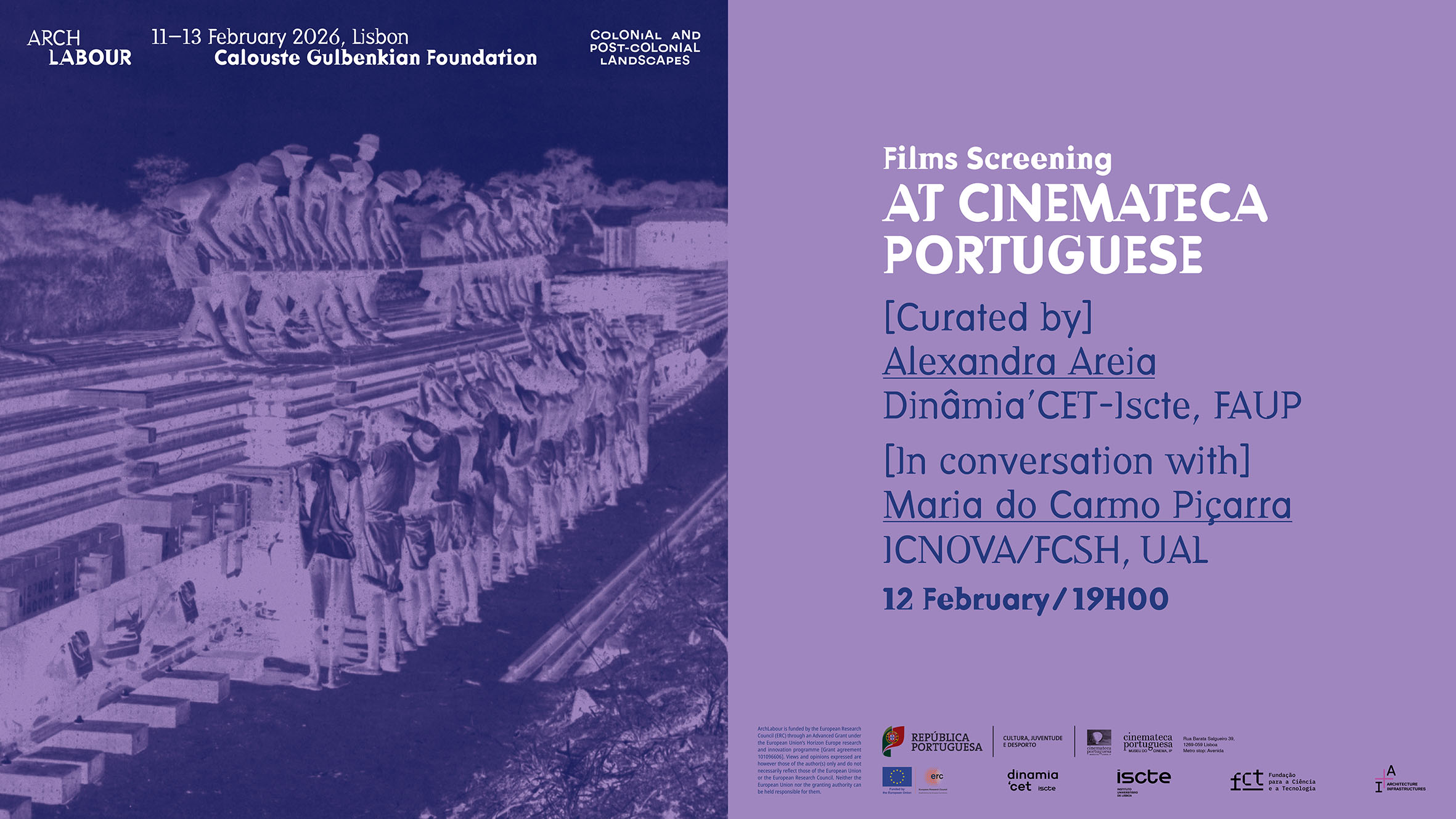
  • Films Screening at Cinemateca Portuguesa

    Films Screening at Cinemateca Portuguesa

    Event: Colonial and Post-Colonial Landscapes. Architecture, Cities, Labour
    Authors: Alexandra Areia, Dinâmia’CET-Iscte, FAUP 
    Date: 12 February 2026
    Location: Cinemateca Portuguesa, Lisbon

    Summary

    The session Landscapes of labour and construction in colonial films. A glimpse into the archival collection of the Portuguese Cinemateca will screen a curated selection of six films from Cinemateca Portuguesa’s archival collection, illustrating a wide range of provenances, purposes, geographic locations, and historical circumstances. The films will be presented chronologically, from the 1920s to 1969, and will cover different sites in Angola, Mozambique, and Cape Verde. Rooted in propagandistic agenda and in underlying narratives of dominance and oppression, which must be critically assessed and acknowledged, the films produced under Portuguese colonial system provide vivid, nuanced and multidimensional insights into the topic of labour within Portugal’s territorial activities in Africa during the 20th century. Considering the political and ideological framework of Portuguese colonialism, this collection of moving images invites reflection on the labour strategies and mechanisms employed by the colonizers in their exploration of African land, nature, and human resources.

  • Archlabour: Architecture, Colonialism and Labour in Portuguese Colonial Rule

    Archlabour: Architecture, Colonialism and Labour in Portuguese Colonial Rule

    Event: Colonial and Post-Colonial Landscapes: Architecture, Cities, Labour
    Chairs: Fernando Pires, Leonor Matos Silva
    Date: 12 February 2026

    Location: Calouste Gulbenkian Foundation, Lisbon (PT)


    Session Speakers (from the right): Ana Vaz Milheiro, Francesca Vita, Filipa Lopes and Beatriz Serrazina. Session chair Fernando Pires on the left.
    Session Speaker: Ana Vaz Milheiro.

    Summary

    Who were the workers involved in architecture and construction works in Portuguese colonial territories in Africa? Where did they come from? How were they recruited? What were their expectations? How were they paid? What were their skills and tasks? What materials and construction systems did they work with? What training did they receive? How did they resist and collaborate? What were the repercussions of these (often compulsory) work experiences? How should this legacy be dealt with? Where to find and how to examine construction workers in archives and sources?

    In this session, researchers from the ArchLabour project will present their ongoing research and discuss some of the project’s questions. The presentations will cover a variety of topics, time frames, geographies and building typologies, ranging from large-scale infrastructure to archival research. The spotlight will be on ArchLabour case studies, main sources and methodologies, including an analysis of construction work on railways, dams, housing and settlements in Angola, Mozambique, Guinea-Bissau, Cape Verde and São Tomé e Príncipe in the 20th century. Key concepts such as subalternity, policies, race, gender, conflict and resilience will be examined in relation to construction materials and systems, the production of localised knowledge and labour skills and categories.


    Presentations