
Communication
The ‘welfare’ as warfare. The two side of the liberation war in Guinea-Bissau 1968–1974
Event: The Military History Consortium Conference
Author: Francesca Vita, Christian Kjellsson
Date: 3 May 2026
Location: Sciences Po Aix, Aix-en-Provence
Summary
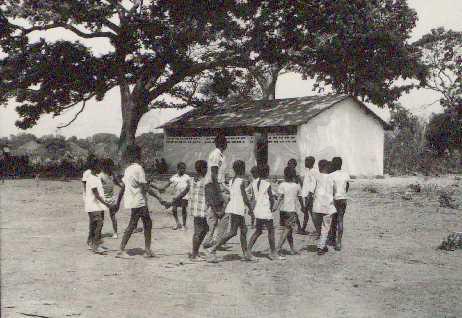
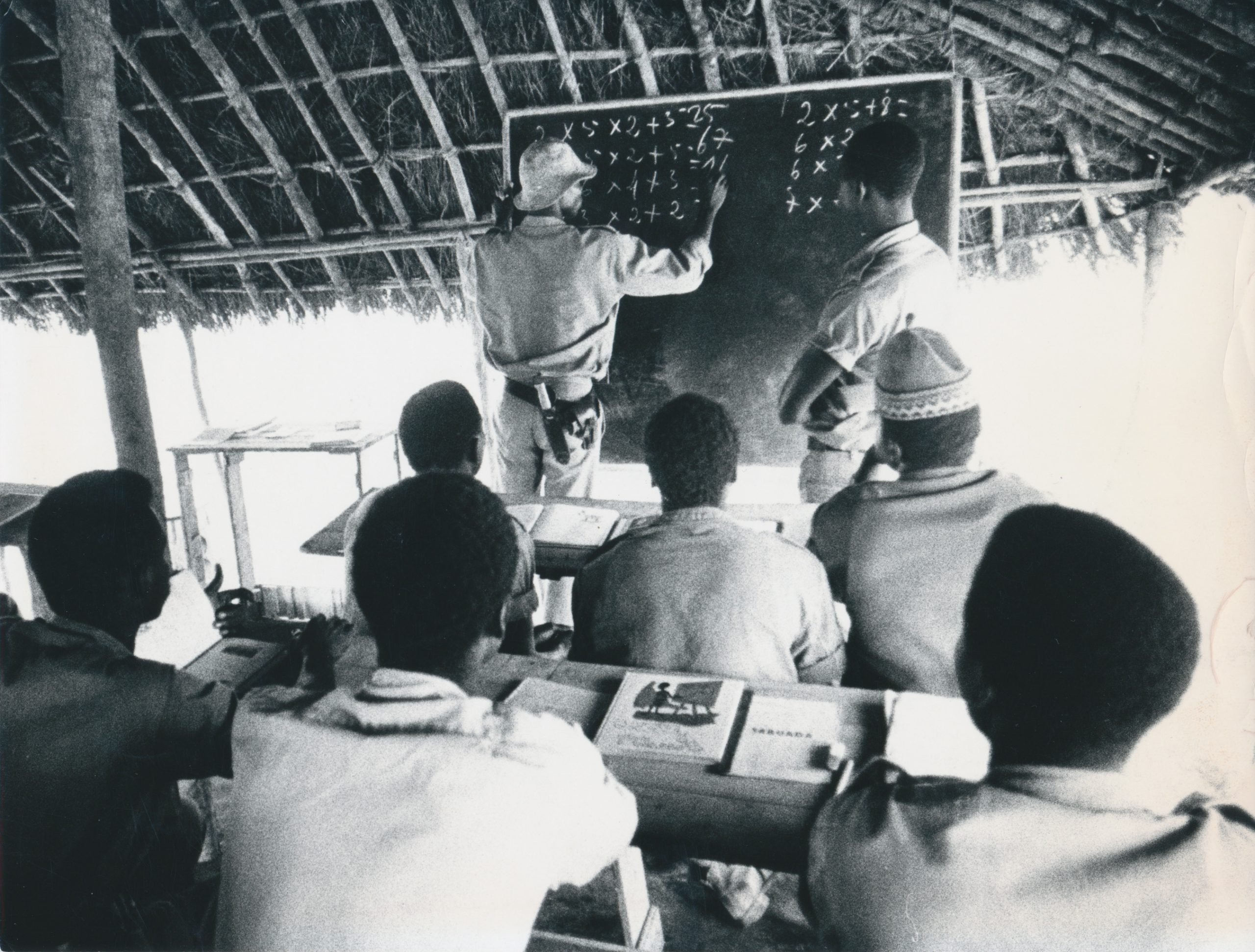
This article focuses on the entanglements between the military and civilian tactics carried out by the Portuguese army and the PAIGC during the last years of the liberation war in Guinea-Bissau 1968–1974. Discussing the psychological warfare and the spatialisation of war through the construction of new infrastructures – for example schools, warehouses and healthcare centres. This article analyses how the Portuguese army and the PAIGC simultaneously undertook strategies within the civilian realm as a tactics of war.
In 1968, when the general António de Spínola was appointed the new governor of the Portuguese Guinea and head of the army, the military strategies implemented to win the war against PAIGC extended from the military to the civilian sphere. Under the guise of rural development, Spínola launched a programme of housing, infrastructures, education and healthcare improvement supported by soft-counterinsurgency and psychosocial warfare to win the hearts and minds of Guinean population. On the other side, the PAIGC’s leader Amilcar Cabral responded to Spínola’s strategy by turning to an unexpected actor to enable a counterstrategy: Sweden. Swedish para-military support to PAIGC comprised material aid, ranging from didactic books to perishable goods, to be delivered to the liberated areas under the party’s control.
In order to tackle the two side of the liberation war, this study relied on the combination of the authors competences within the field of military history and history of architecture, enabling a cross-competence and transnational analysis using archival material from Sweden and Portugal. By discussing how military and civil activities interloop during the war, and for both sides, this paper contributes to new perspectives on the liberation struggle in Guinea-Bissau, highlighting simultaneous strategies of “welfare” as war tactic.
Cover image: Birgitta Dahl, Swedish Social democratic parliamentarian and SIDA employee together with journalist Knut Andreassen visit to PAIGC liberated areas (nov., 1970) [SWE/NordicAfricanInstitute]