
Tag: Fernando Pires

  • A Cidade da Ribeira Grande de Santiago

    A Cidade da Ribeira Grande de Santiago

    Author: Fernando Pires

    Course: Estudio Praia — Projecto Final de Arquitectura Iscte

    Date: 28 September 2026


    Summary

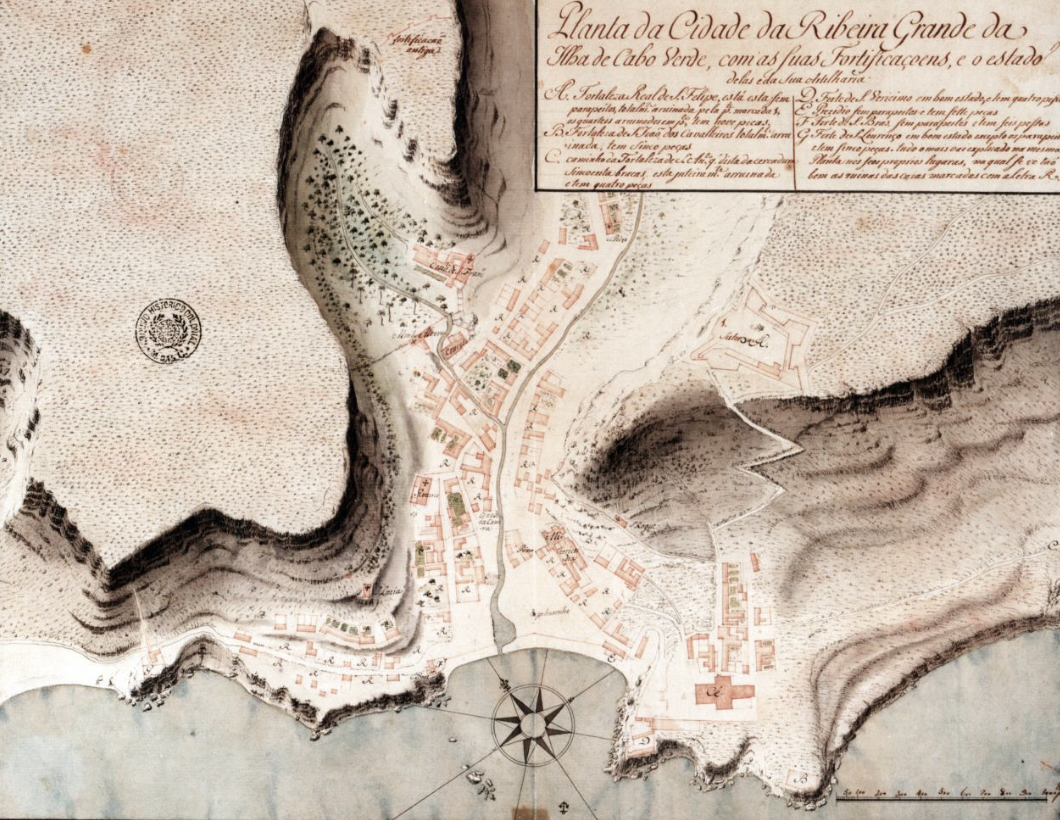
    The open lecture “The City of Ribeira Grande de Santiago” examined the historical formation and urban development of Ribeira Grande, one of the key sites in the history of Portuguese expansion and an important reference in the history of Portuguese urbanism overseas. The lecture highlighted the significance of the city beyond its physical scale, considering its role as an early urban settlement in the tropics and as a central site in the formation of the Portuguese colonial urban experience.

    The lecture focused on the relationship between the city’s historical development and its spatial structure, beginning with the initial settlement around the port and the bay, where administrative and religious buildings were established. Through an analysis of topography, patterns of urban growth, the structure of urban blocks, density and occupation, the session explored the successive stages through which Ribeira Grande developed and the ways in which these processes shaped the spatial form and image of the city.

    Image Credits: Ribeira Grande, António Carlos Andreas, 1769, AHU Col. Cartografia Ms. 119
  • Os Ciclos Históricos do Povoamento e os Processos de Urbanização em Cabo Verde, Séculos XV-XIX

    Os Ciclos Históricos do Povoamento e os Processos de Urbanização em Cabo Verde, Séculos XV-XIX

    Author: Fernando Pires

    Course: Estudio Praia — Projecto Final de Arquitectura Iscte

    Date: 23 September 2026


    Summary

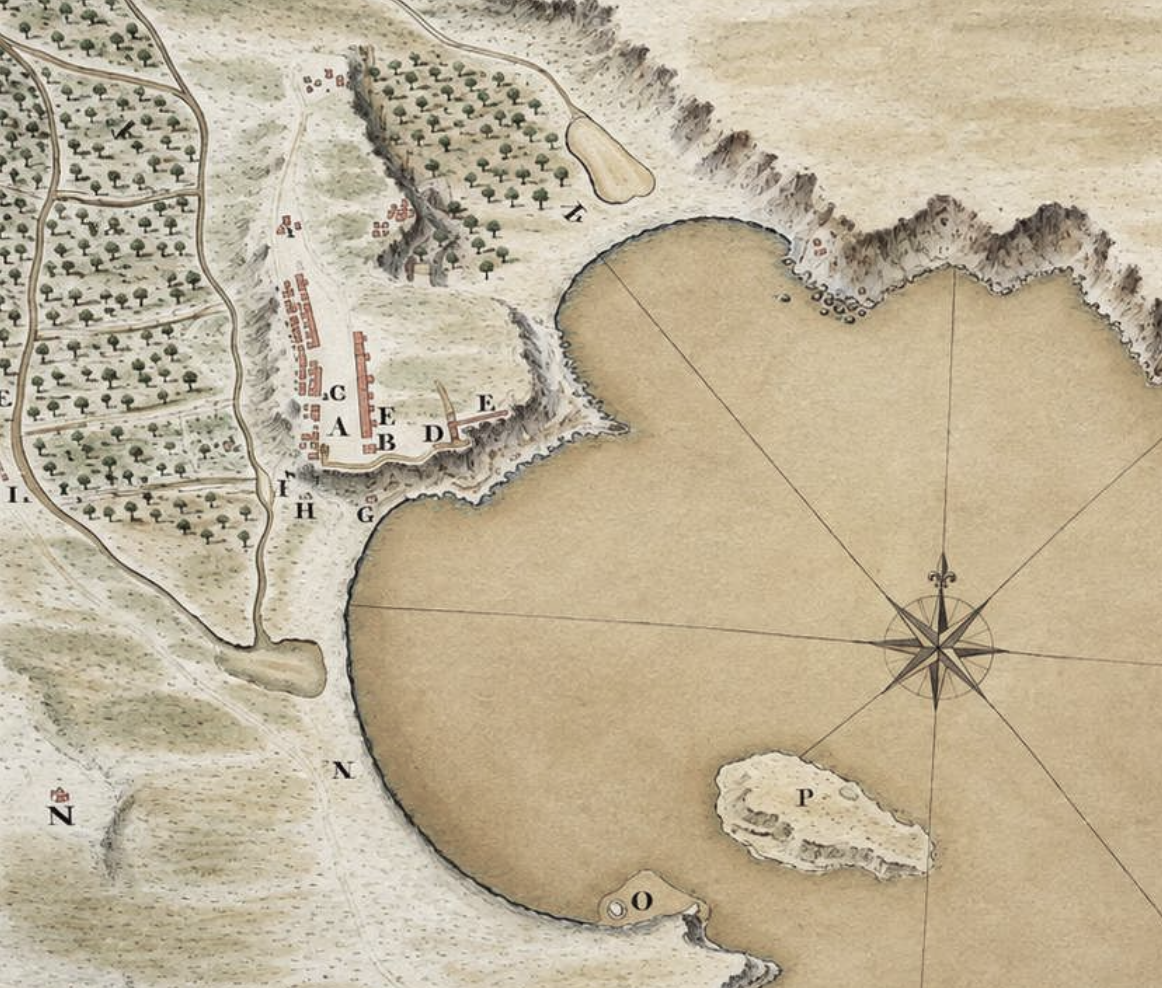
    The open lecture “Historical Cycles of Settlement and Processes of Urbanisation in Cape Verde, 15th–19th Centuries” examined the different phases in the formation and consolidation of the Cape Verdean territory, exploring how processes of settlement contributed to the construction and organisation of space. The lecture considered the specificities of the archipelago, including its geographical location, climatic and ecological conditions, territorial discontinuity, and the fact that the islands were uninhabited at the time of European arrival, as well as the role of the different European and African actors involved in their occupation and transformation.

    Drawing on historical sources and the identification of successive settlement cycles, the lecture explored the relationship between these processes and the emergence and transformation of settlements and towns. It thus approached the urbanisation of Cape Verde between the 15th and 19th centuries as part of a broader process of territorial formation, shaped by the archipelago’s insular condition, successive historical transformations, and the actions of diverse communities and agents.

    Image Credits: Planta da Vila da Praia, António Carlos Andreas, 1778

  • A construção territorial de Cabo Verde – Diálogos entre ilhas: As facetas invisíveis da ocupação do interior

    A construção territorial de Cabo Verde – Diálogos entre ilhas: As facetas invisíveis da ocupação do interior

    Publication: Arquipélagos em Diálogo, VI Seminário Internacional AEAULP
    Authors: Fernando Pires
    Editors: Pedro Rodrigues, Ljijana Čavić and Hugo L. Farias

    Date: 2026


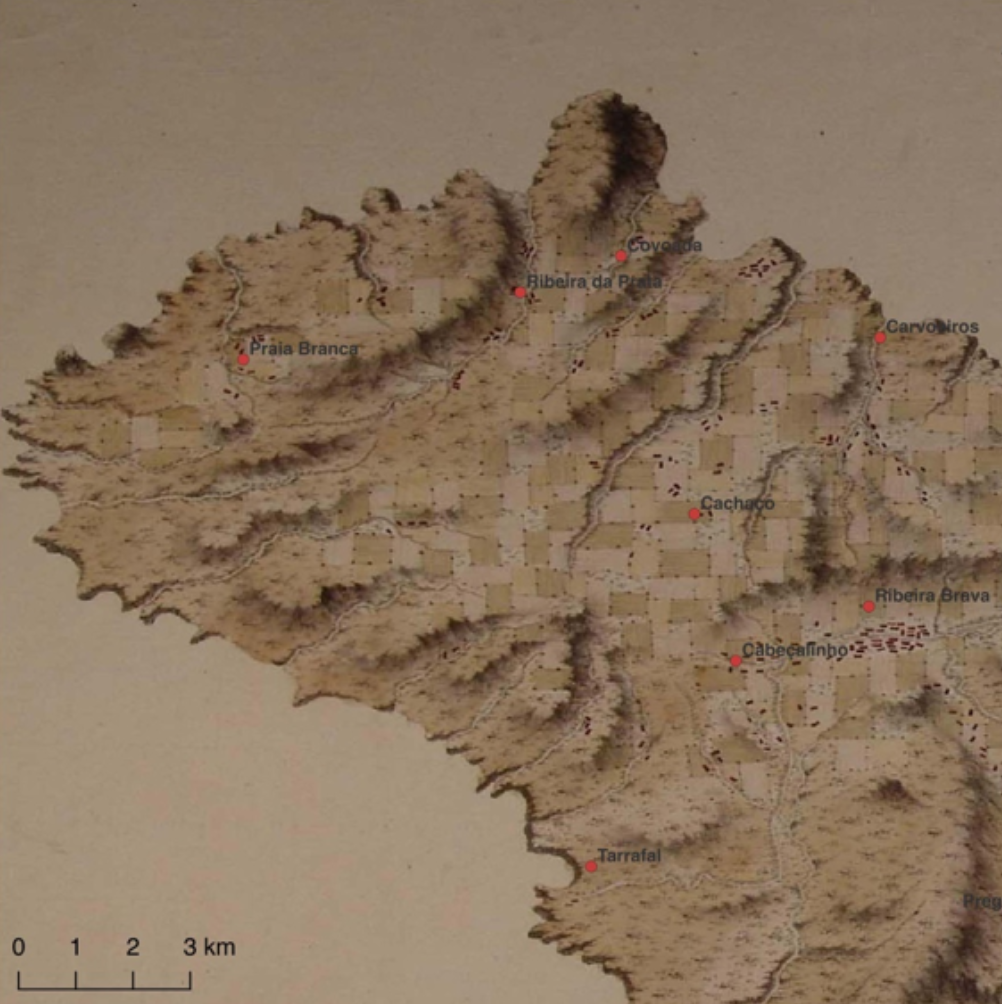
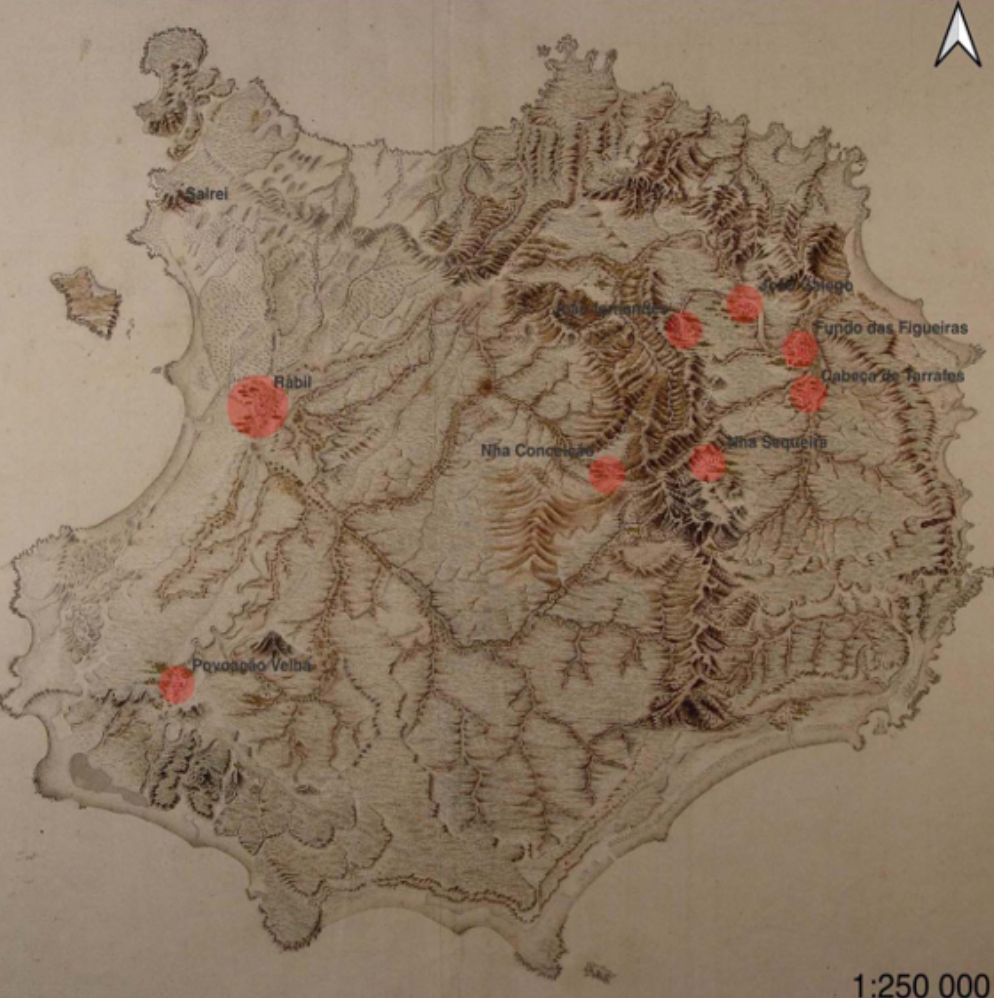
    Áreas mais povoadas da Ilha de São Nicolau. Intervenção sobre pormenor da carta de António Carlos Andreas (c. 178.). Biblioteca Pública Municipal do Porto, Pasta 24. Figura 30.
    Áreas mais povoadas da Ilha da Boavista. Intervenção sobre pormenor da carta de António Carlos Andreas (c. 178.). Biblioteca Pública Municipal do Porto, Pasta 24. Figura 29.

    Summary

    O processo de construção e estruturação do território em Cabo Verde ocorreu de forma lenta e desigual. Essas caraterísticas confirmam a dificuldade em desenhar os seus contornos, sobretudo pela sua longa temporalidade, quase quatro séculos, e também pela natureza cíclica que o acompanha. Os ciclos de povoamento e ocupação das ilhas estão correlacionados com as diferentes fases da história do arquipélago e com a estreita ligação que se estabelece em cada uma delas com as sucessivas transformações da sociedade cabo-verdiana, de escravocrata em camponesa. Nestes ciclos, irromperam cidades, vilas e povoações que organizaram, estruturaram e modelaram o território. São elas os núcleos a partir de onde se estabeleceu um diálogo contínuo entre as ilhas levantando questões relativas à própria identidade do arquipélago, que sucessivamente se reconfigurava. Neste artigo, pretende-se trazer para a discussão este processo e clarificar os interstícios da formação e estruturação do território em Cabo Verde, tendo em conta os diferentes agentes e temporalidades das transformações do território, onde se incluem europeus, africanos e a população já nascida nas ilhas. A intenção é afastar-se da forma tradicional de leitura do processo, em que o foco prioritário são os núcleos urbanos do litoral, invertendo o olhar para o interior.


    [Eixo temático: 9. Cidade e território, (in)formalidades e temporalidades.]

    Read the article here.