
Category: Uncategorized

  • Diamang

    Diamang

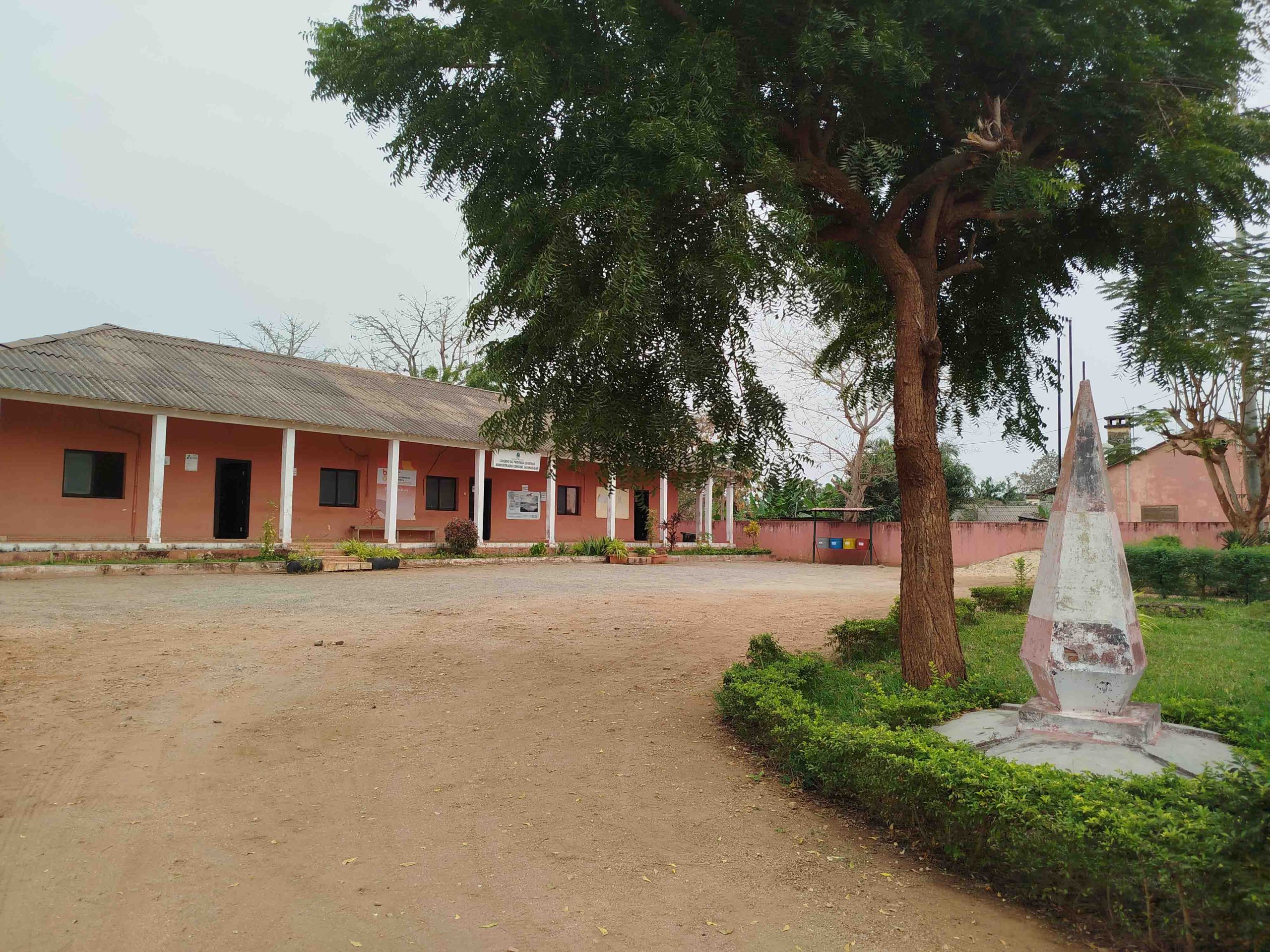
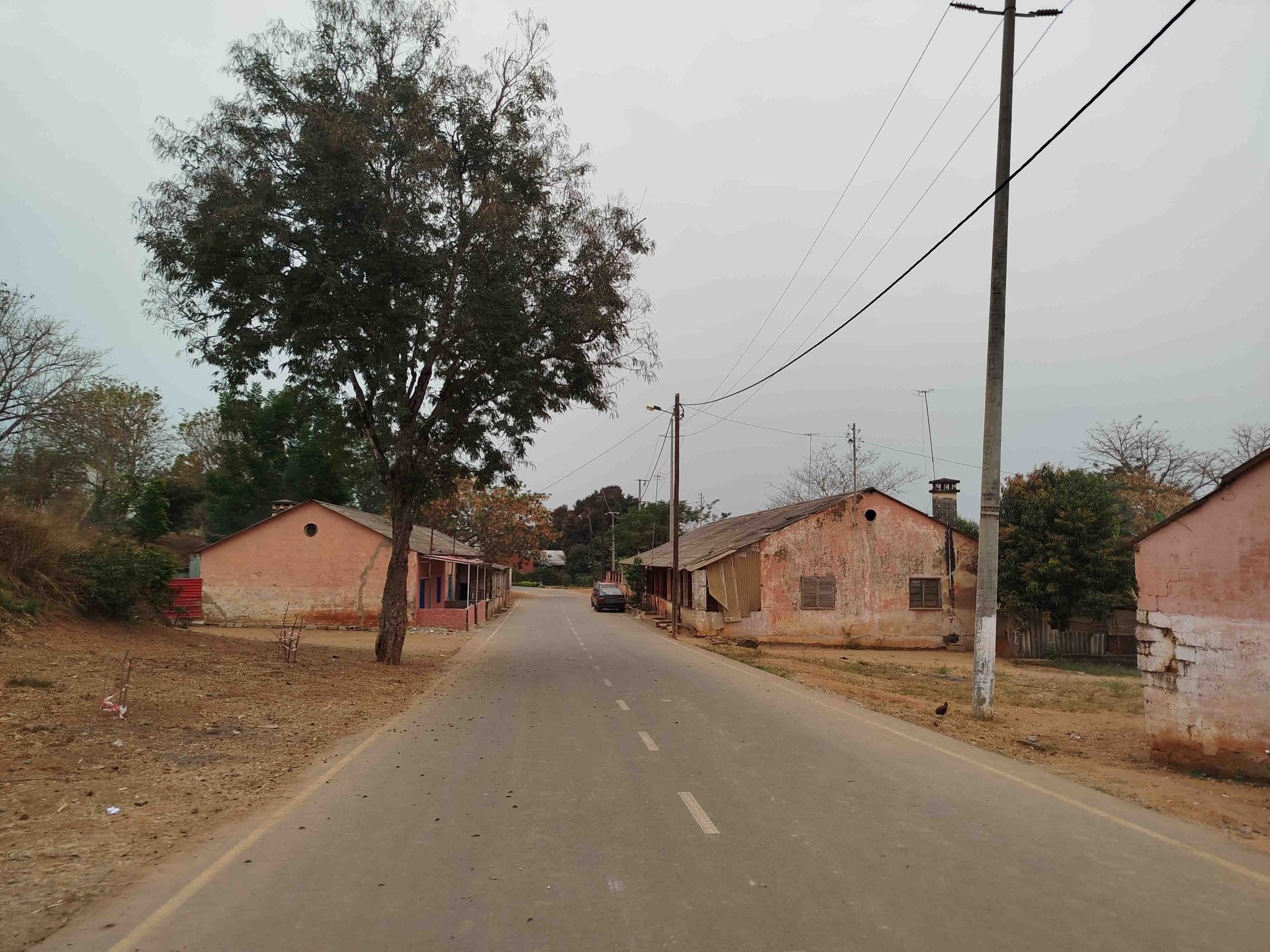
    DIAMANG, ANGOLA

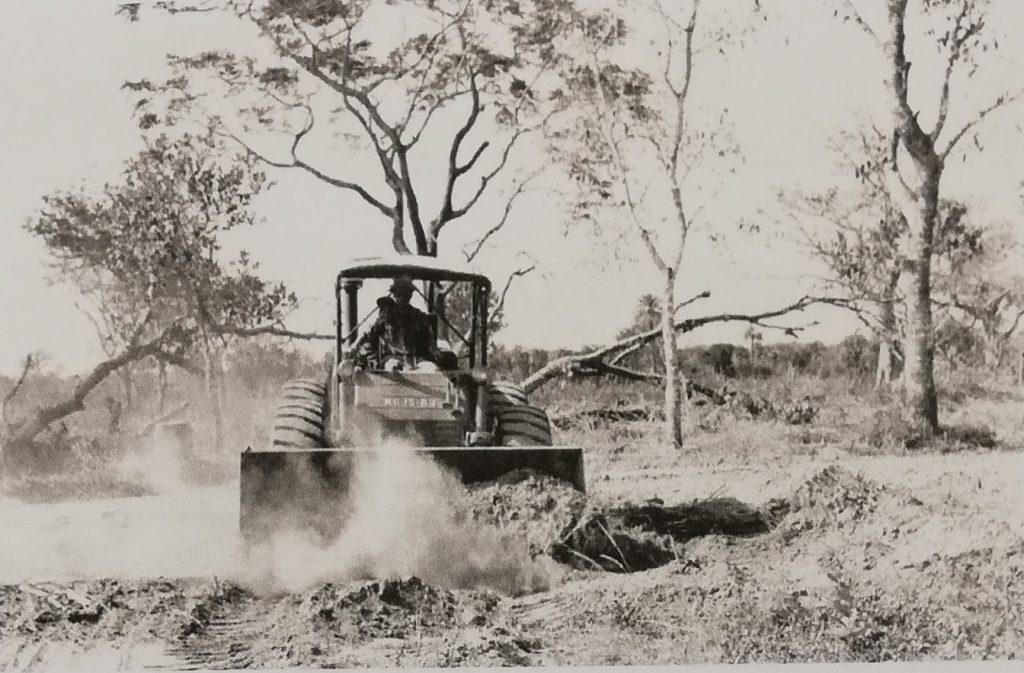
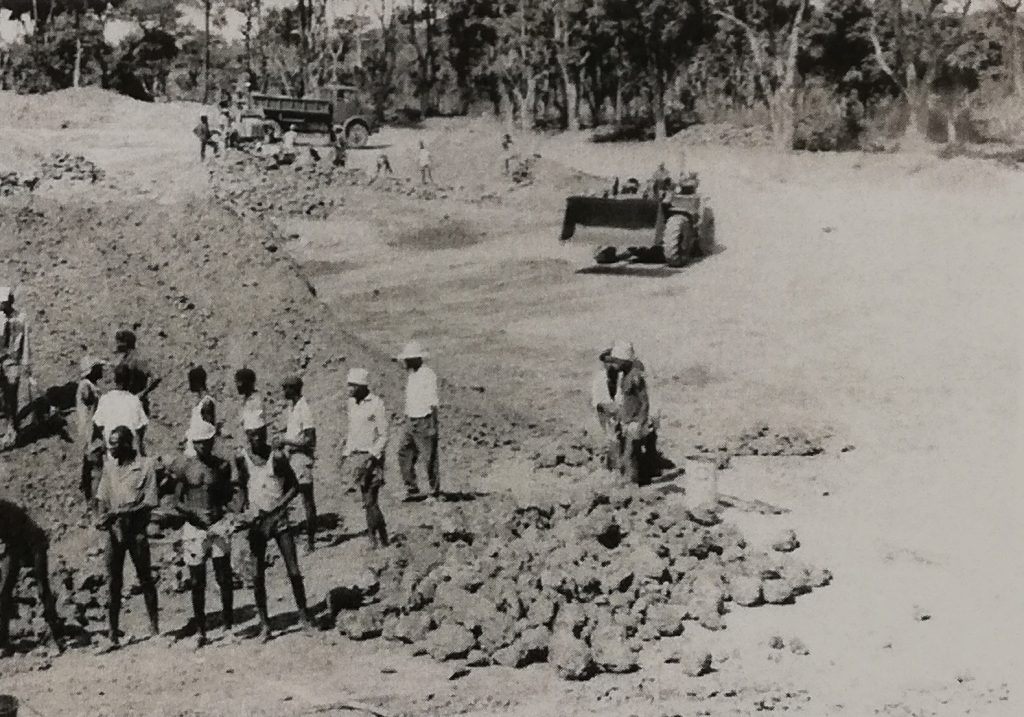
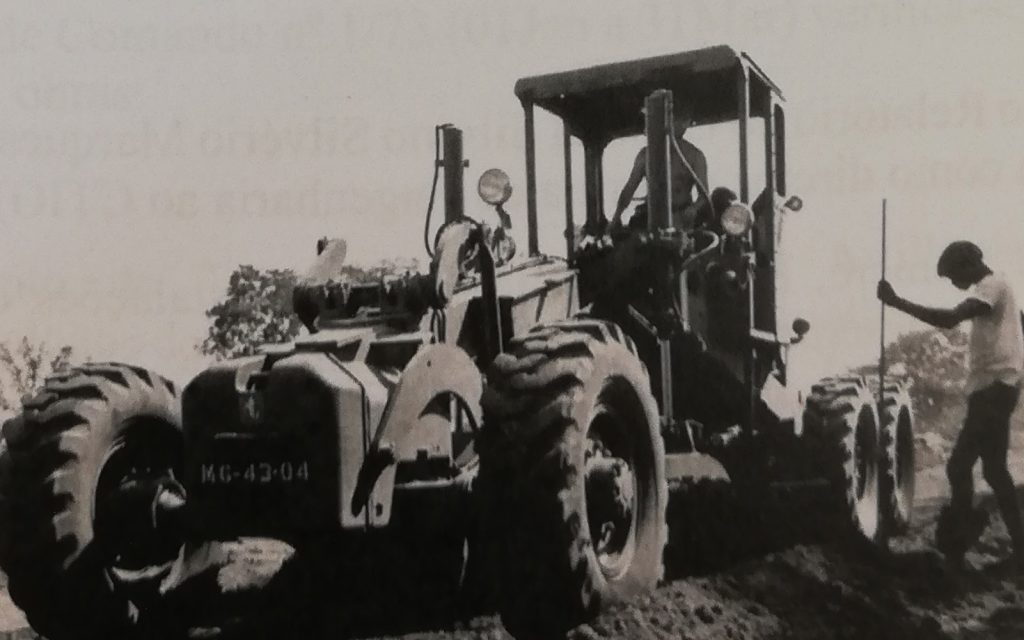
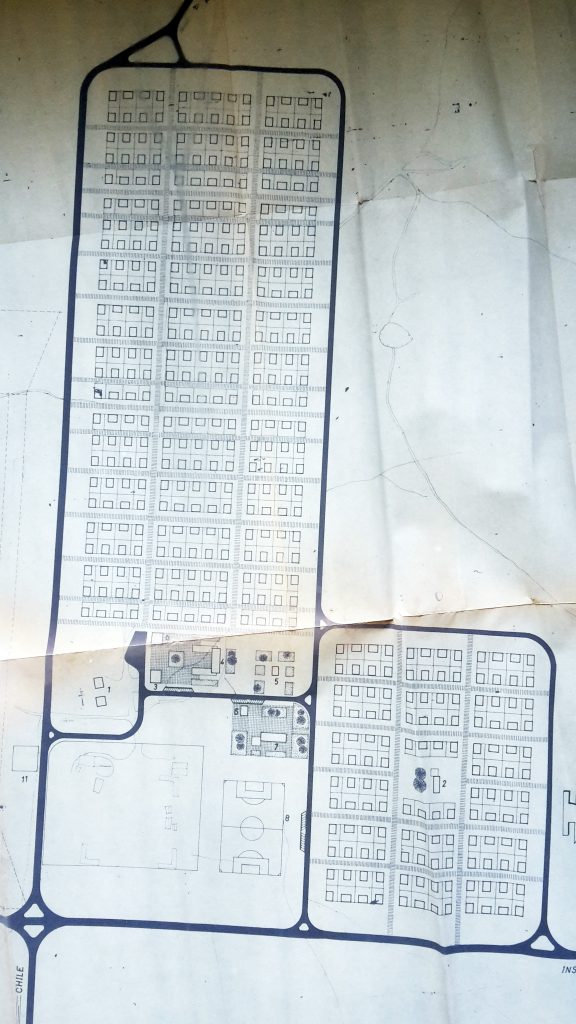
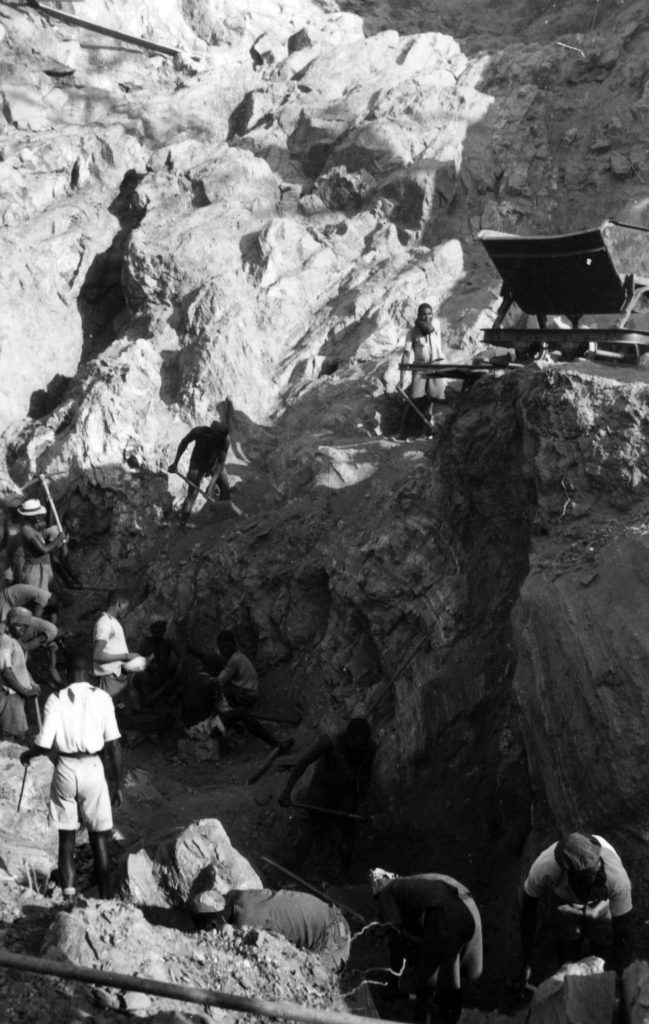
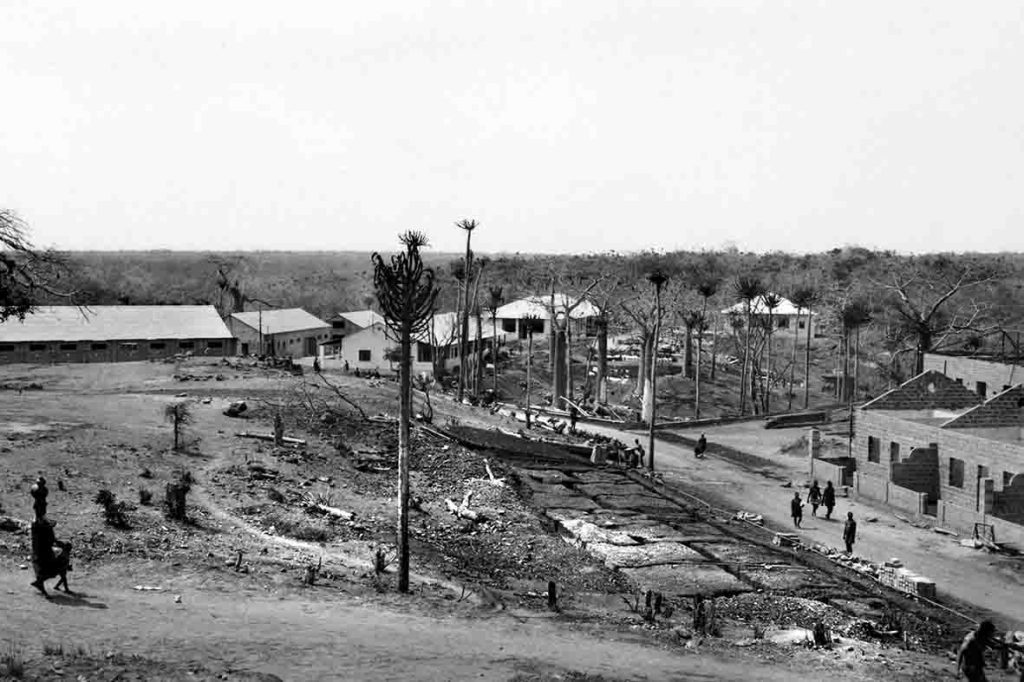
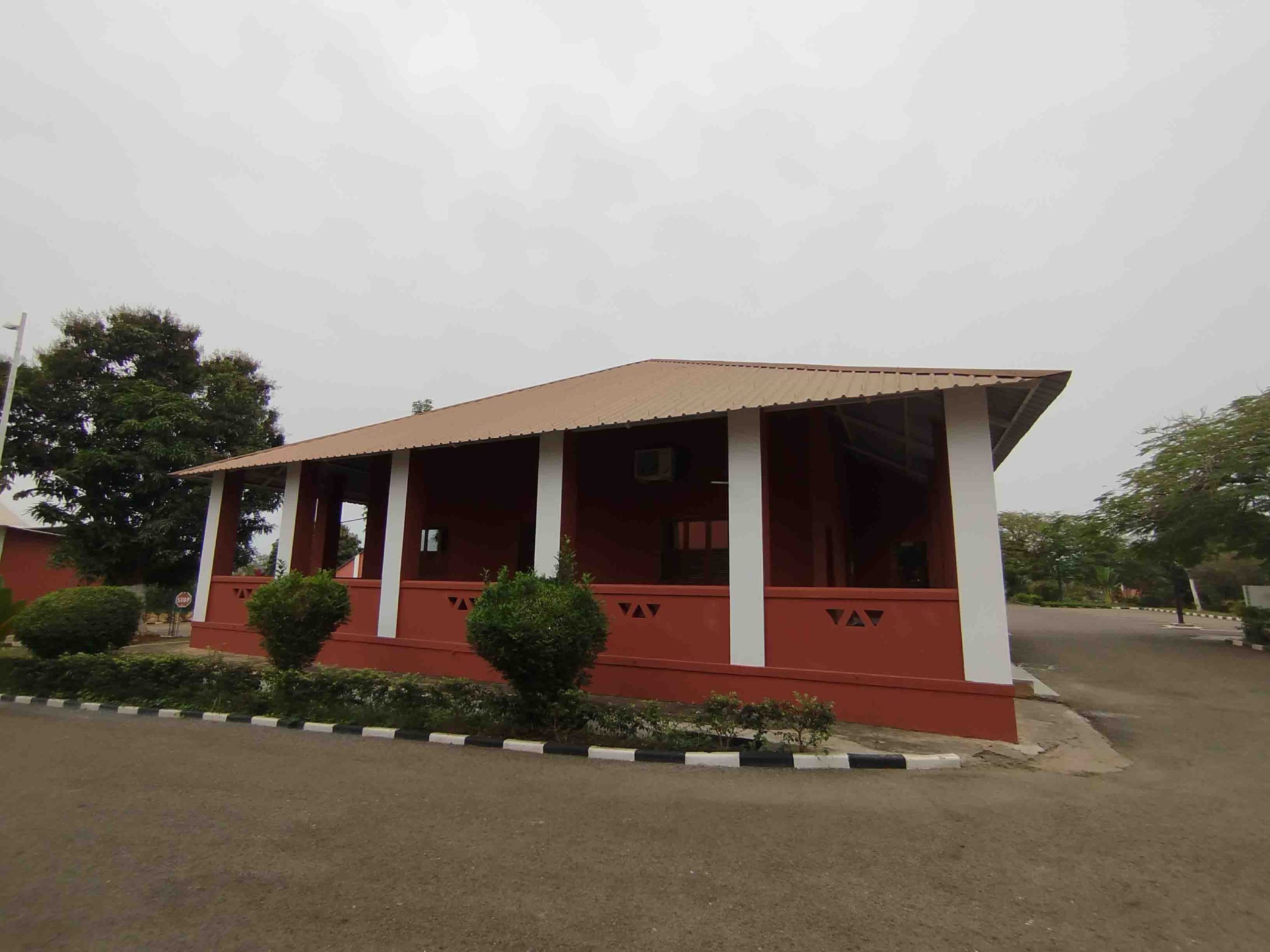
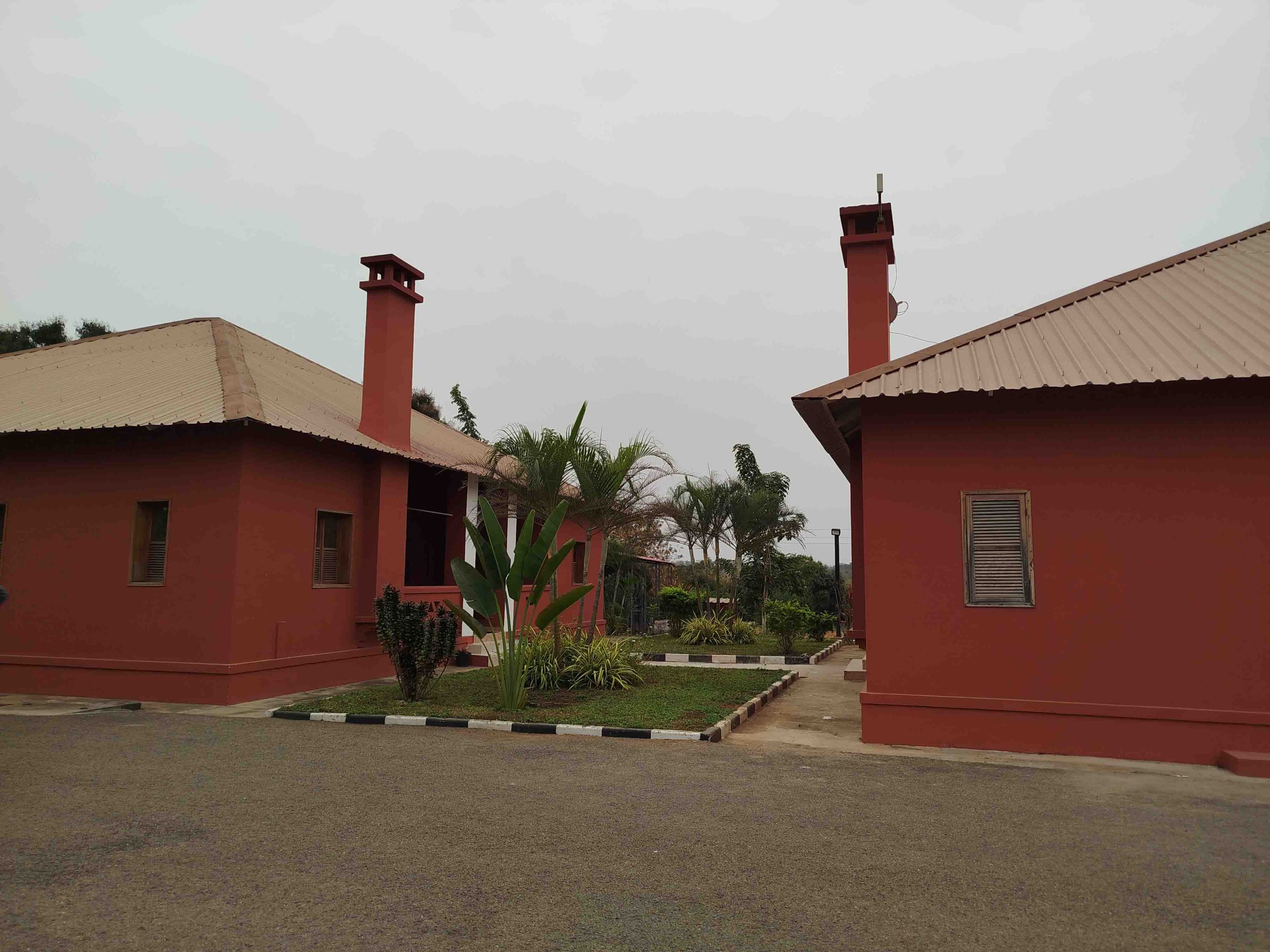
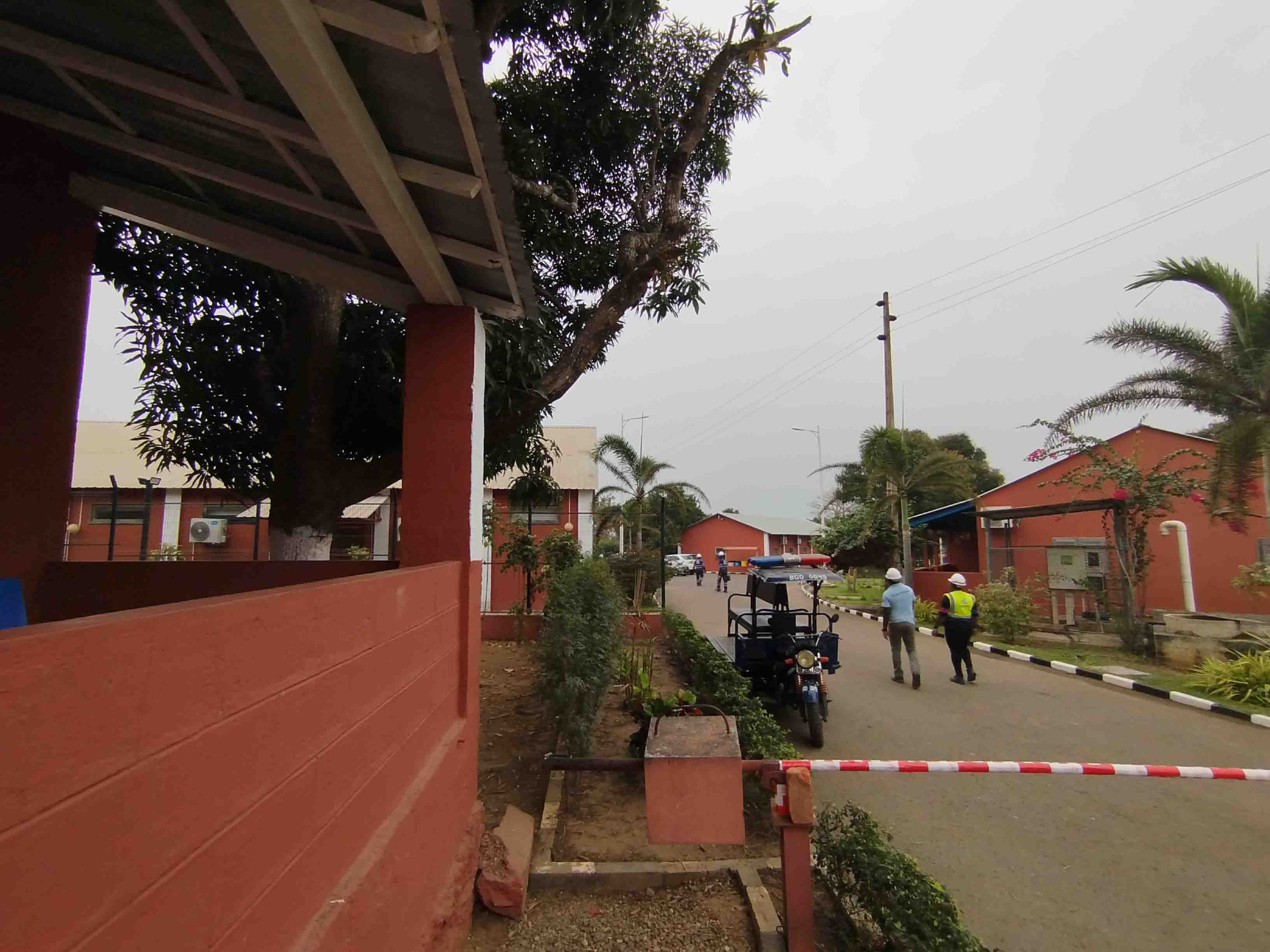
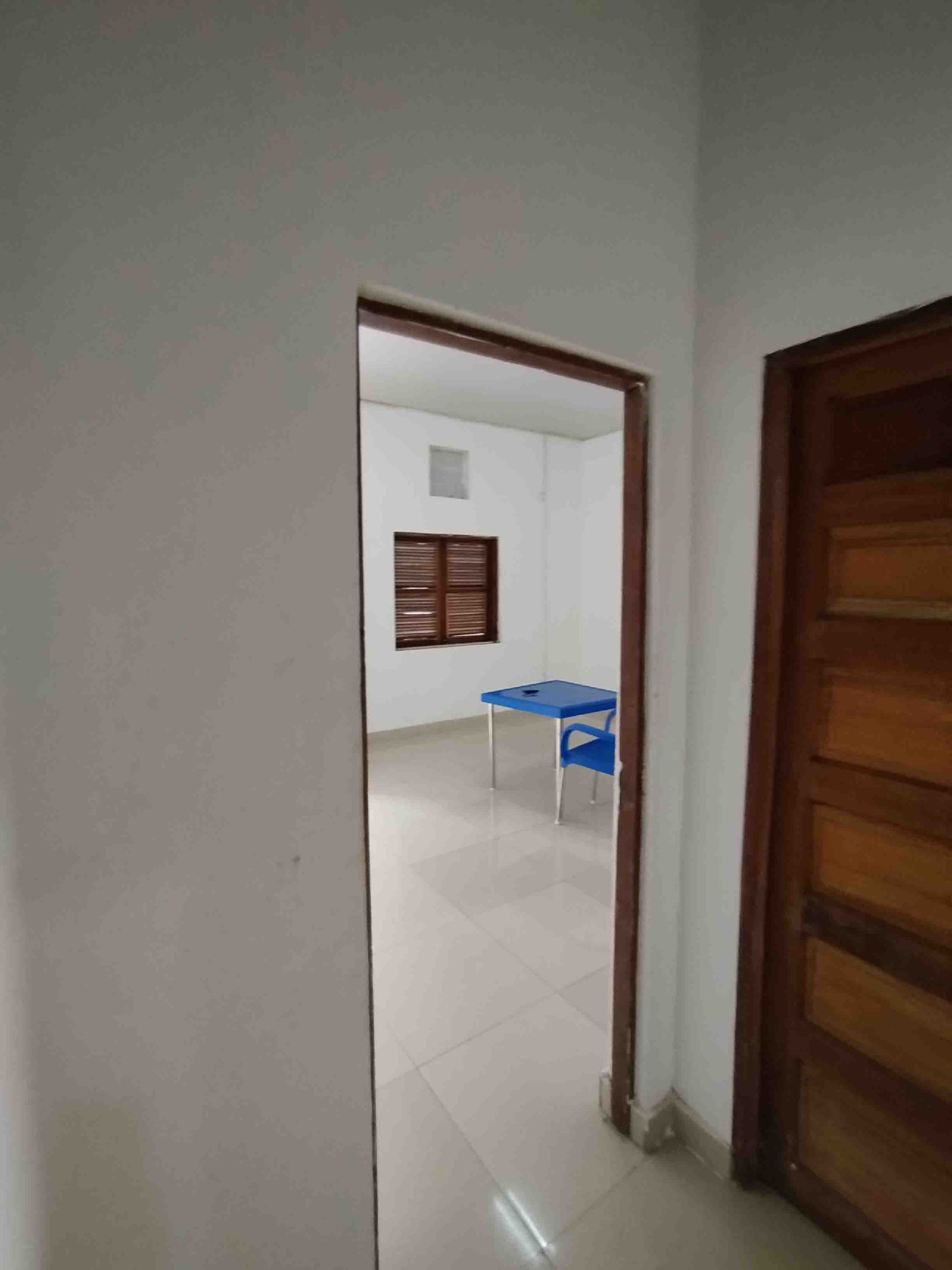
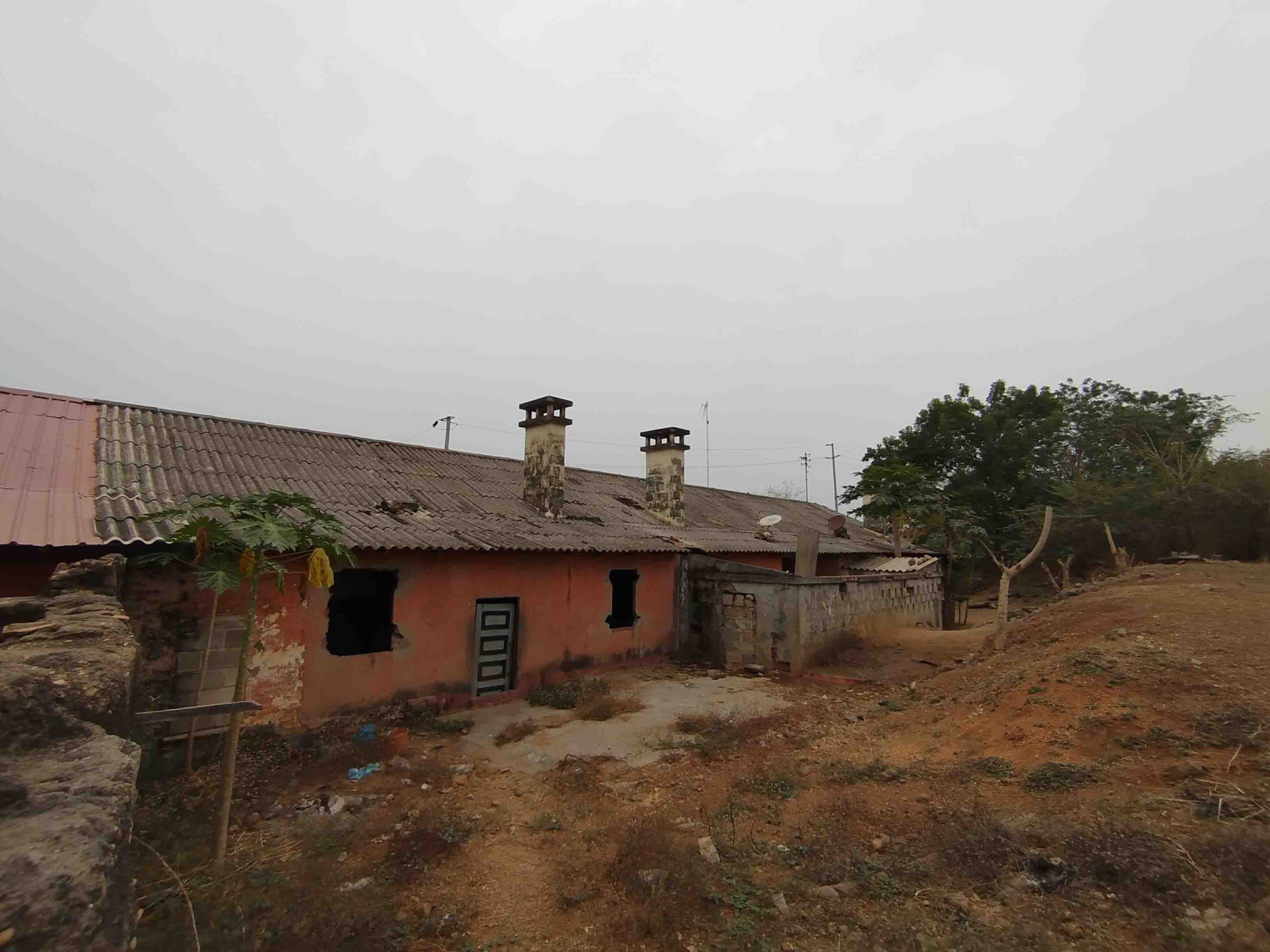
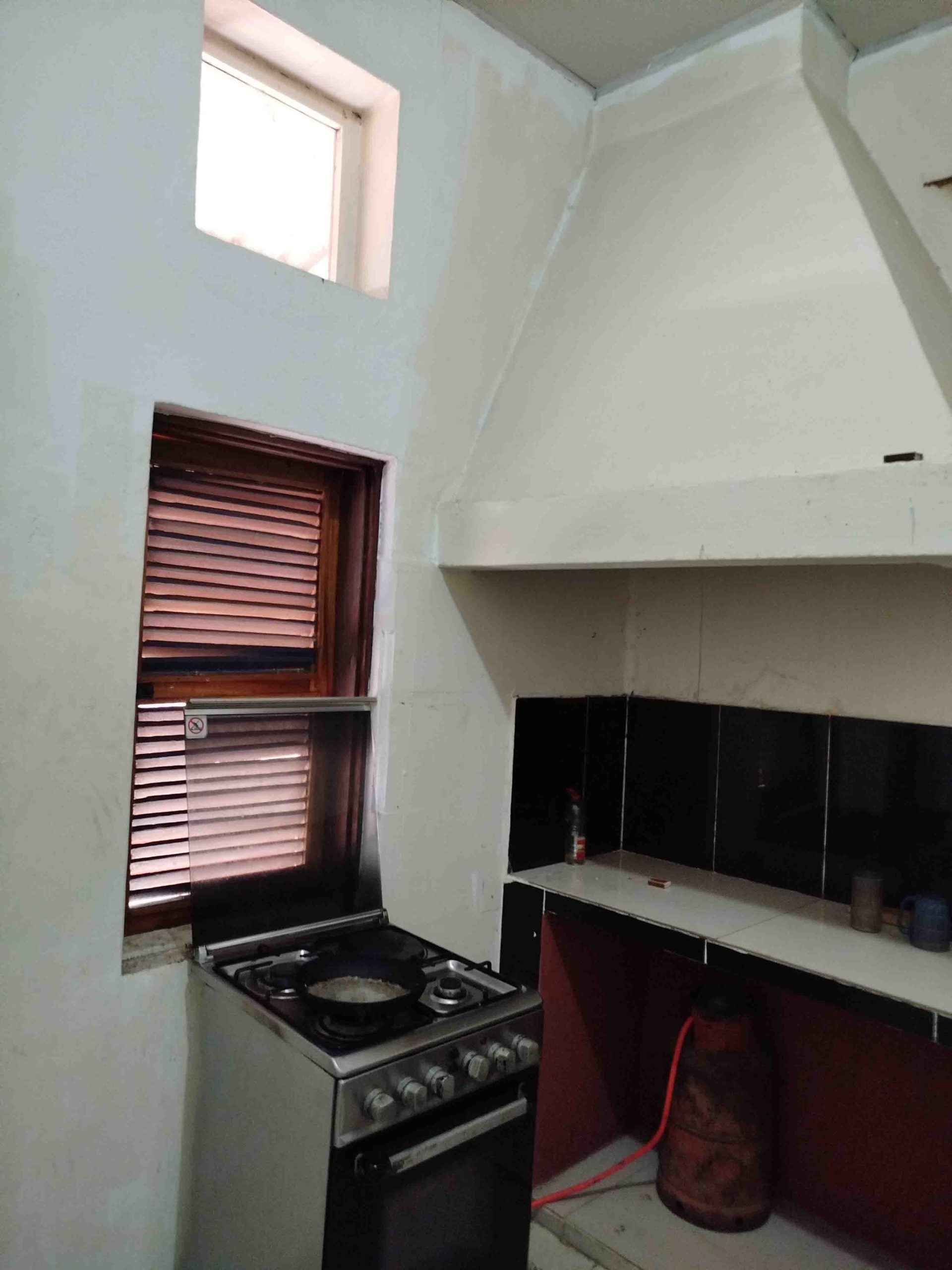
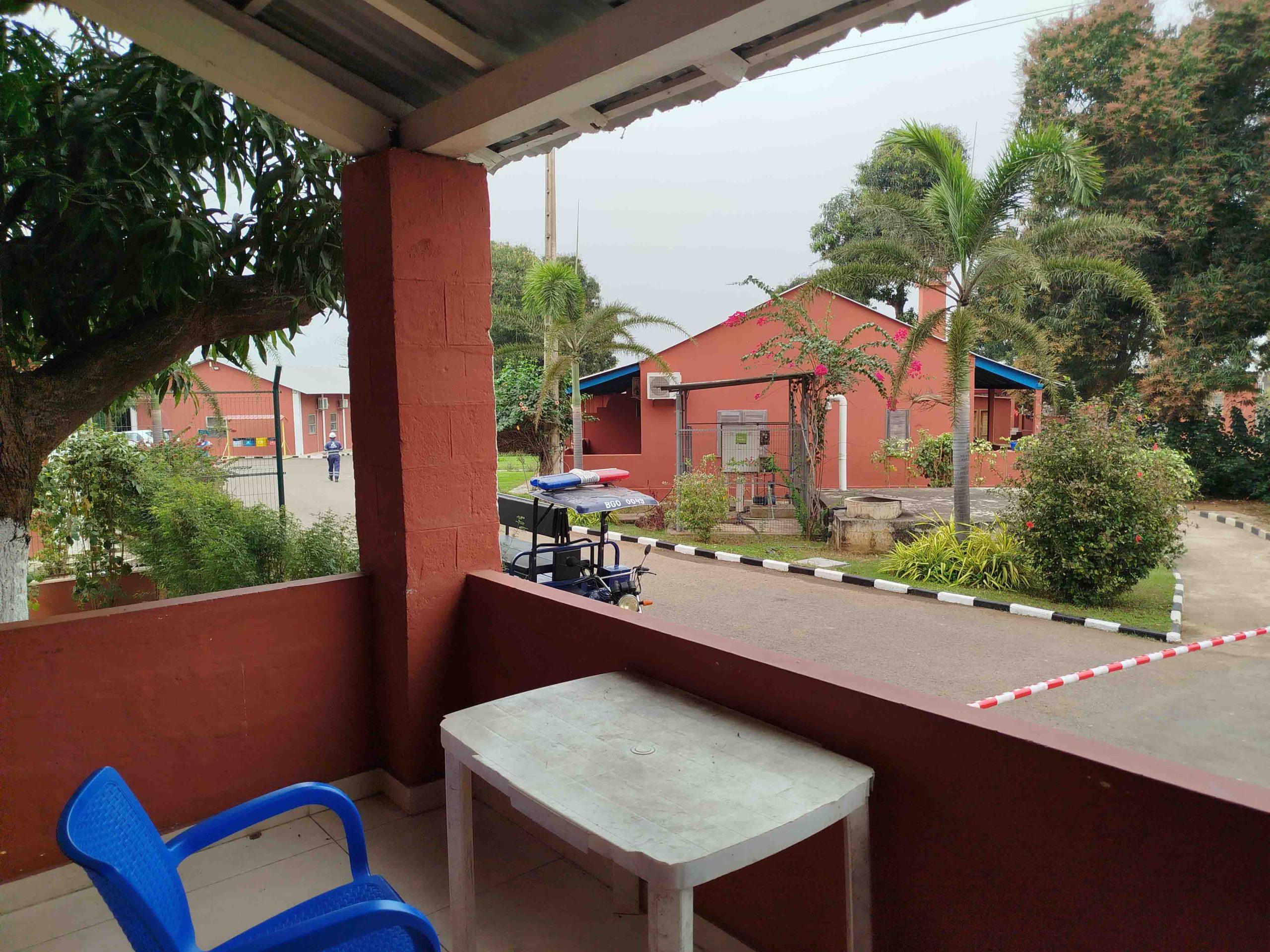
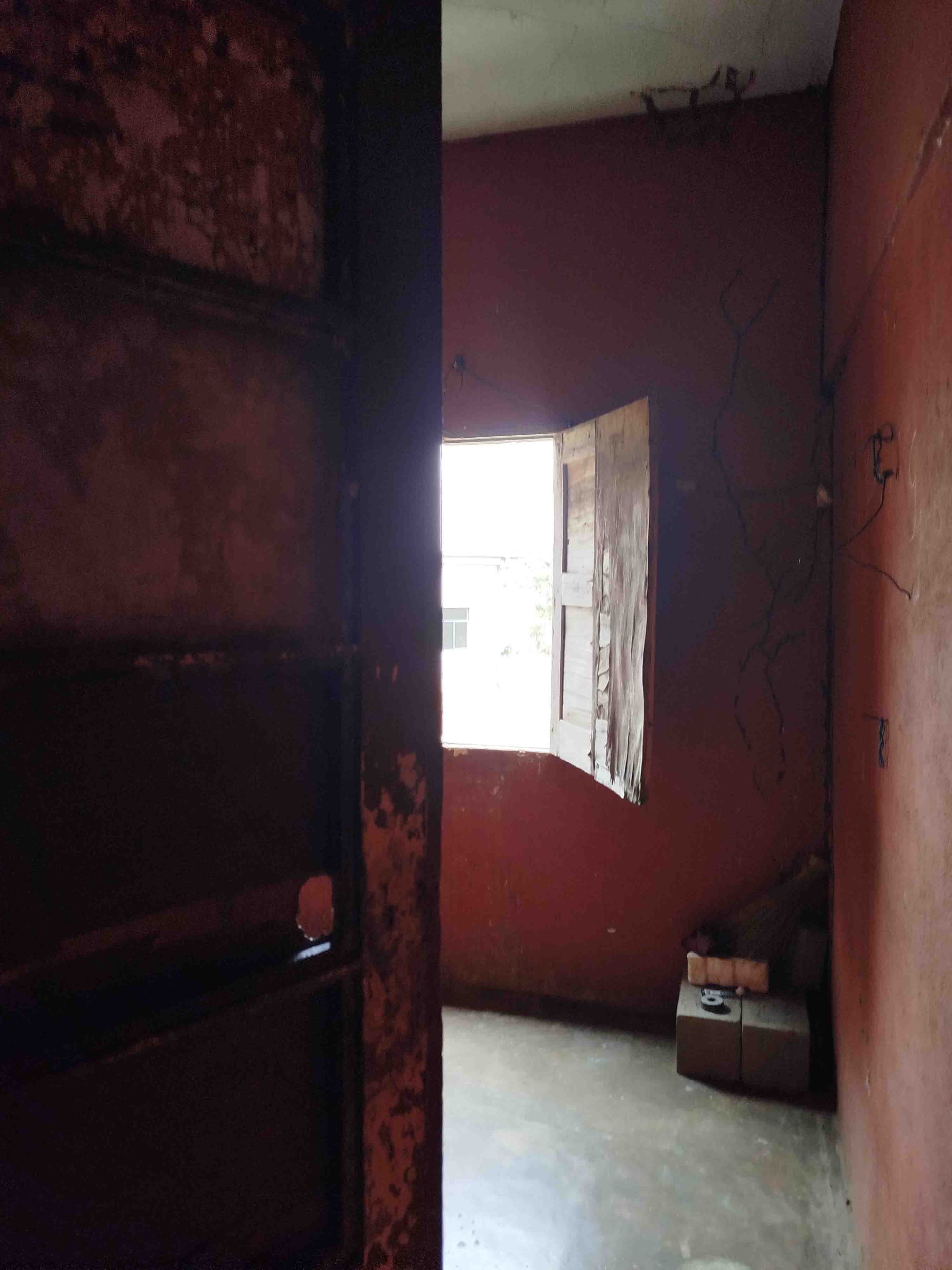
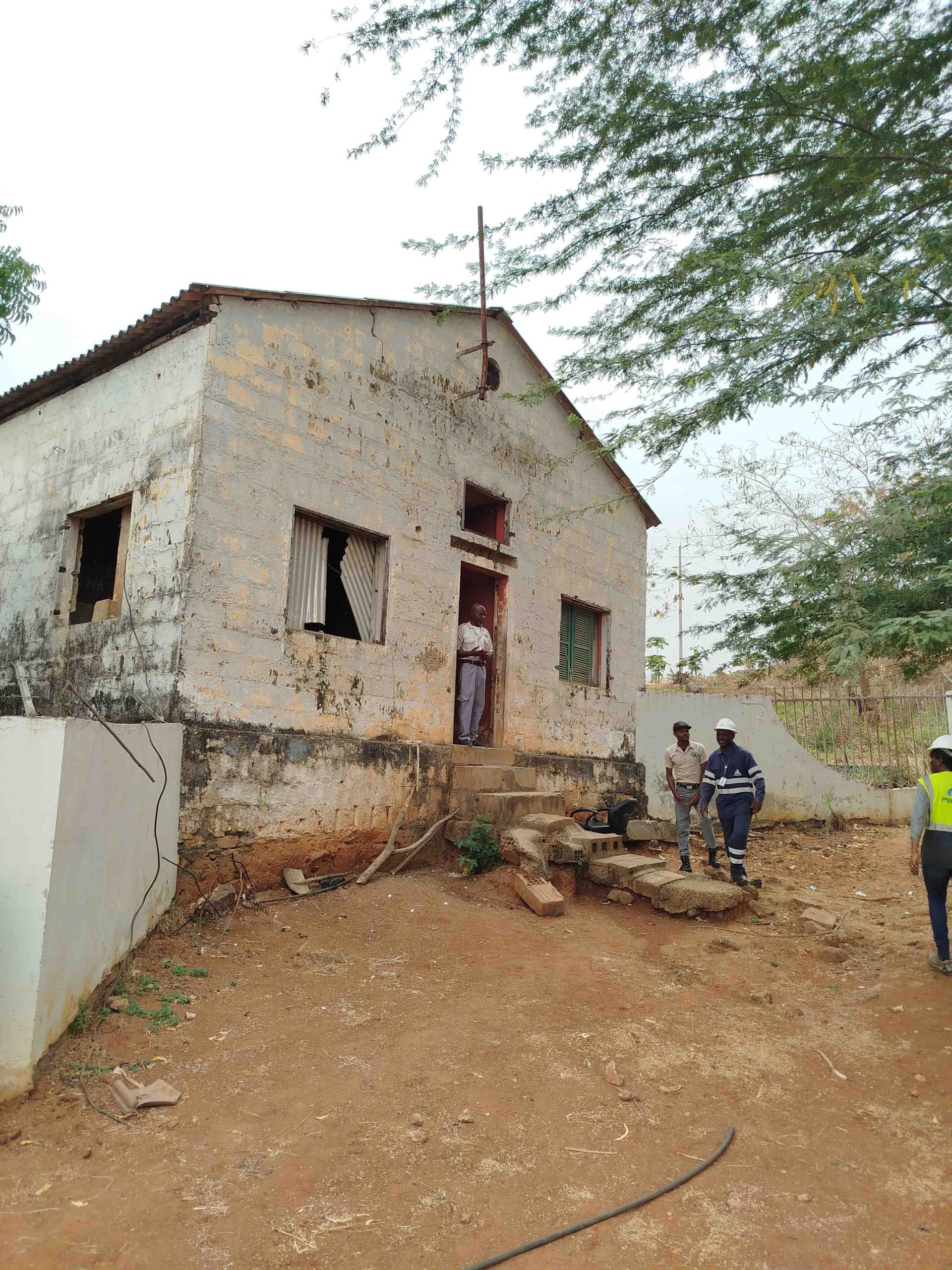
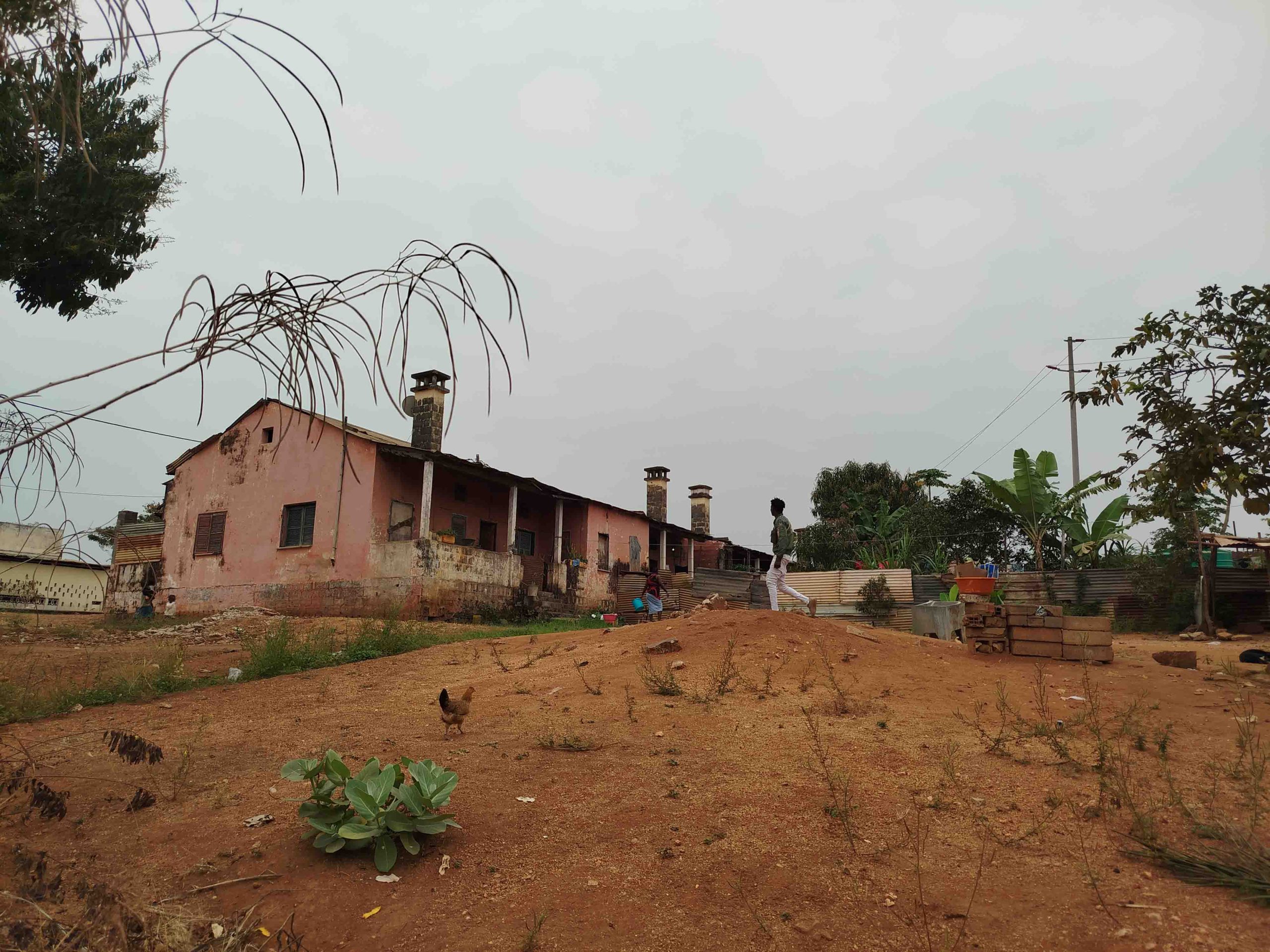
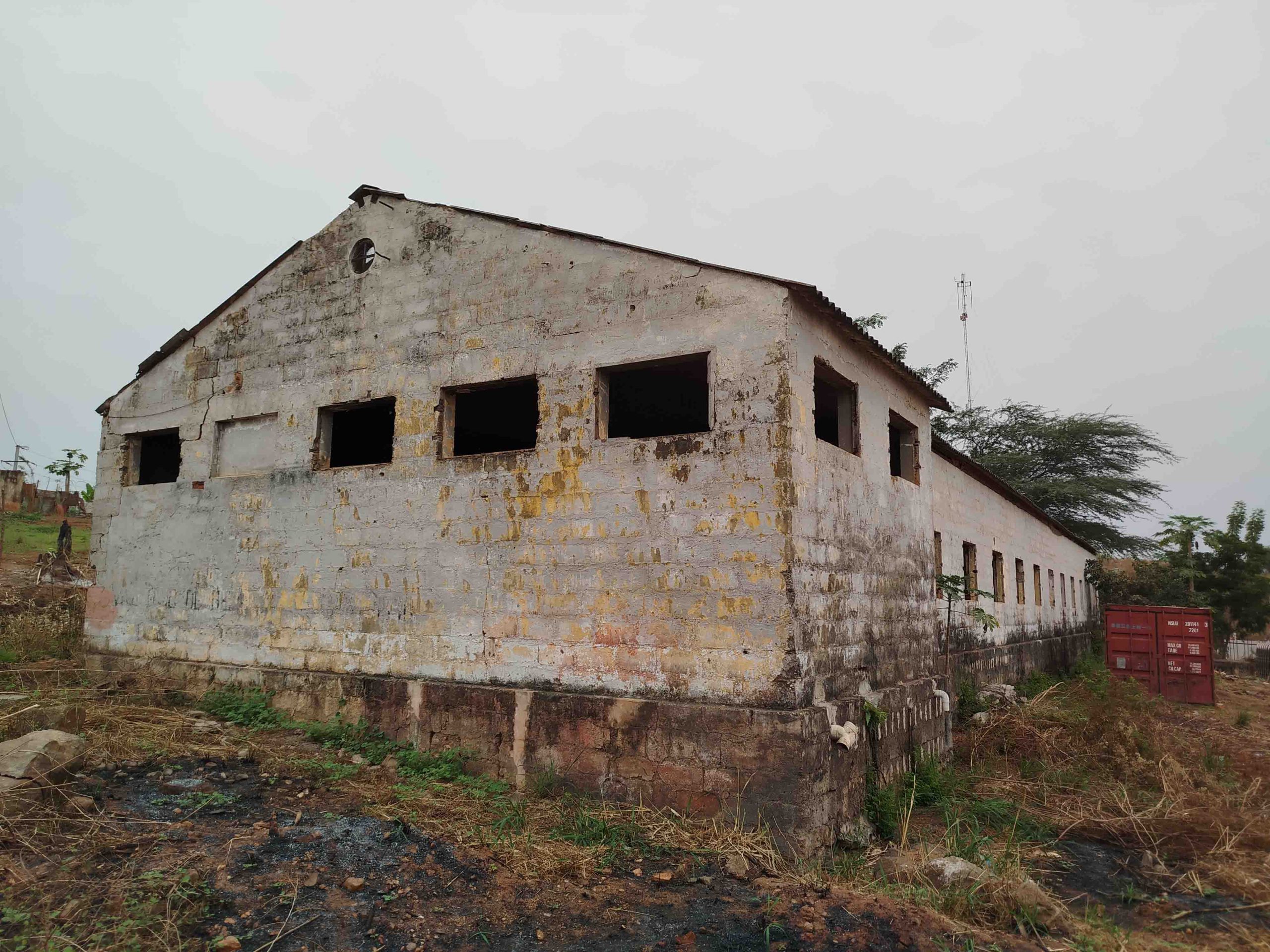
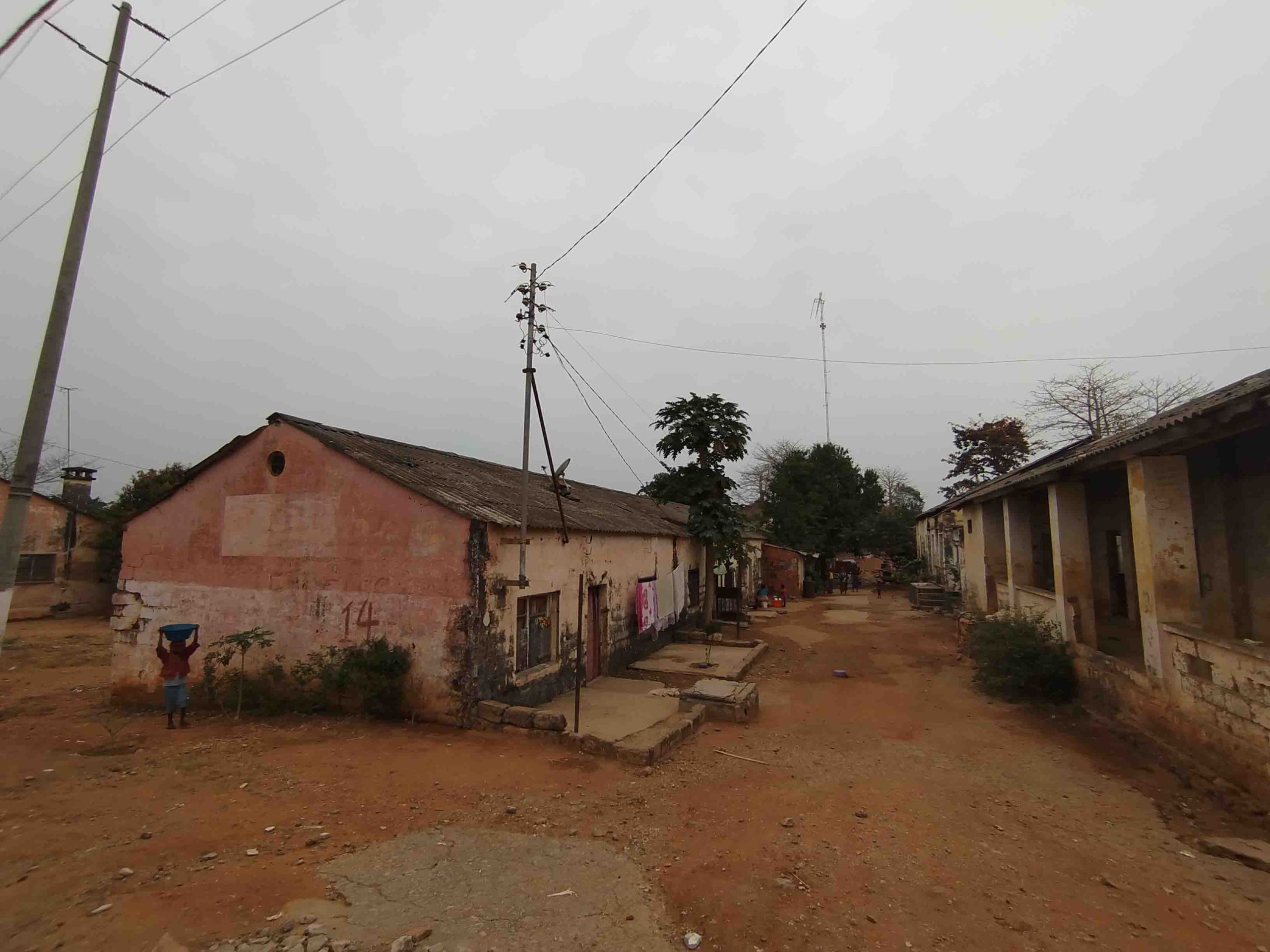
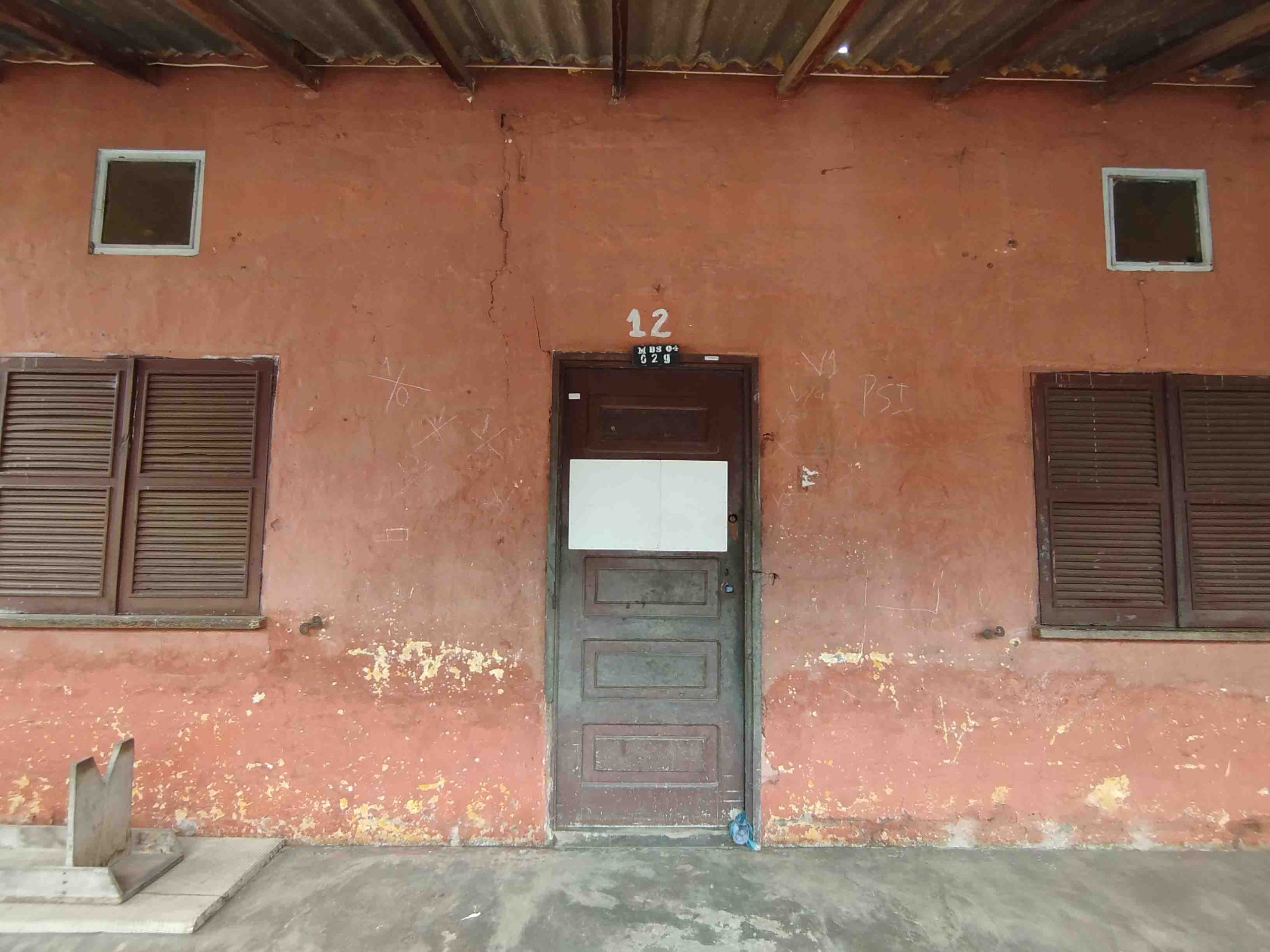
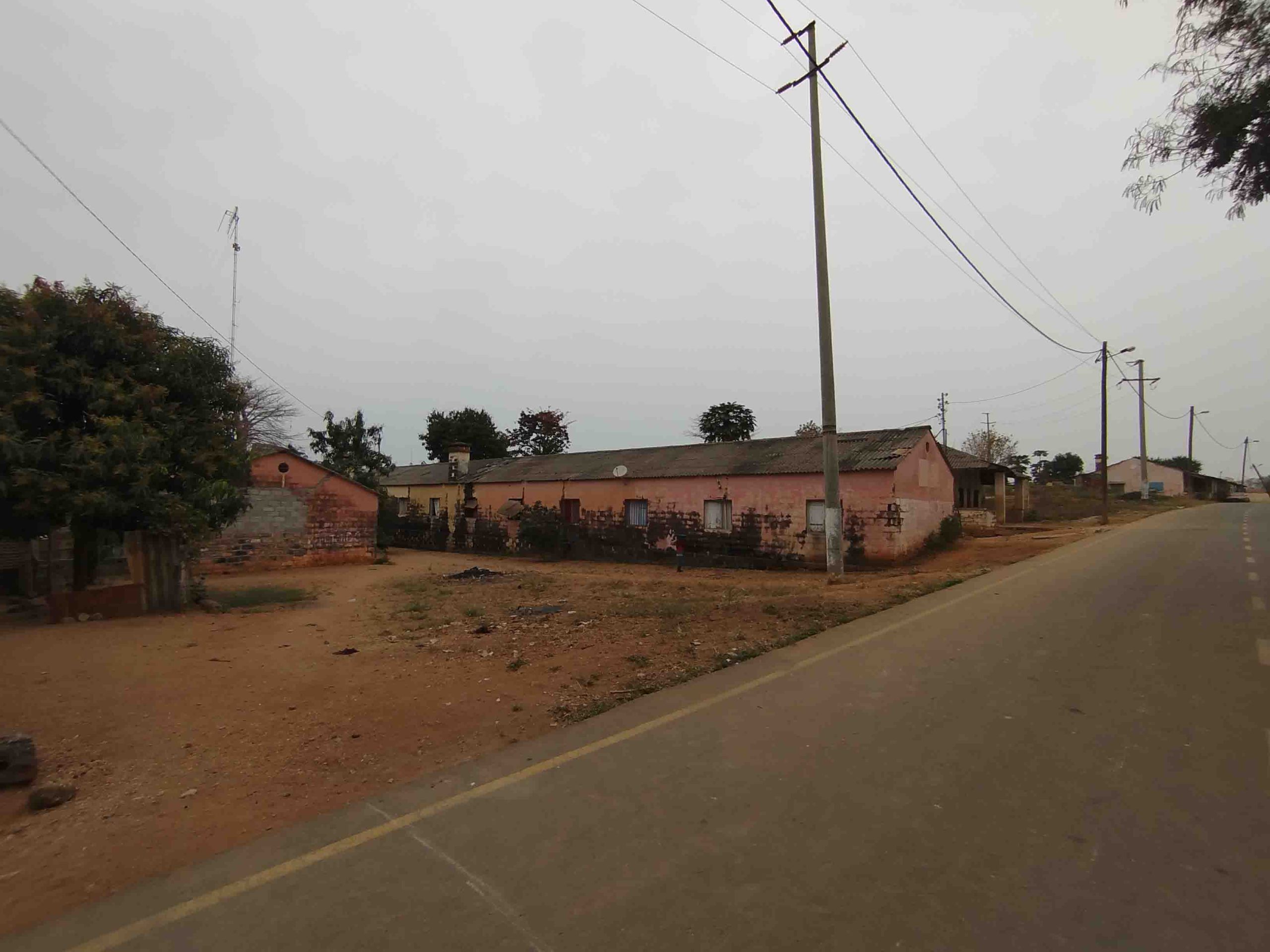
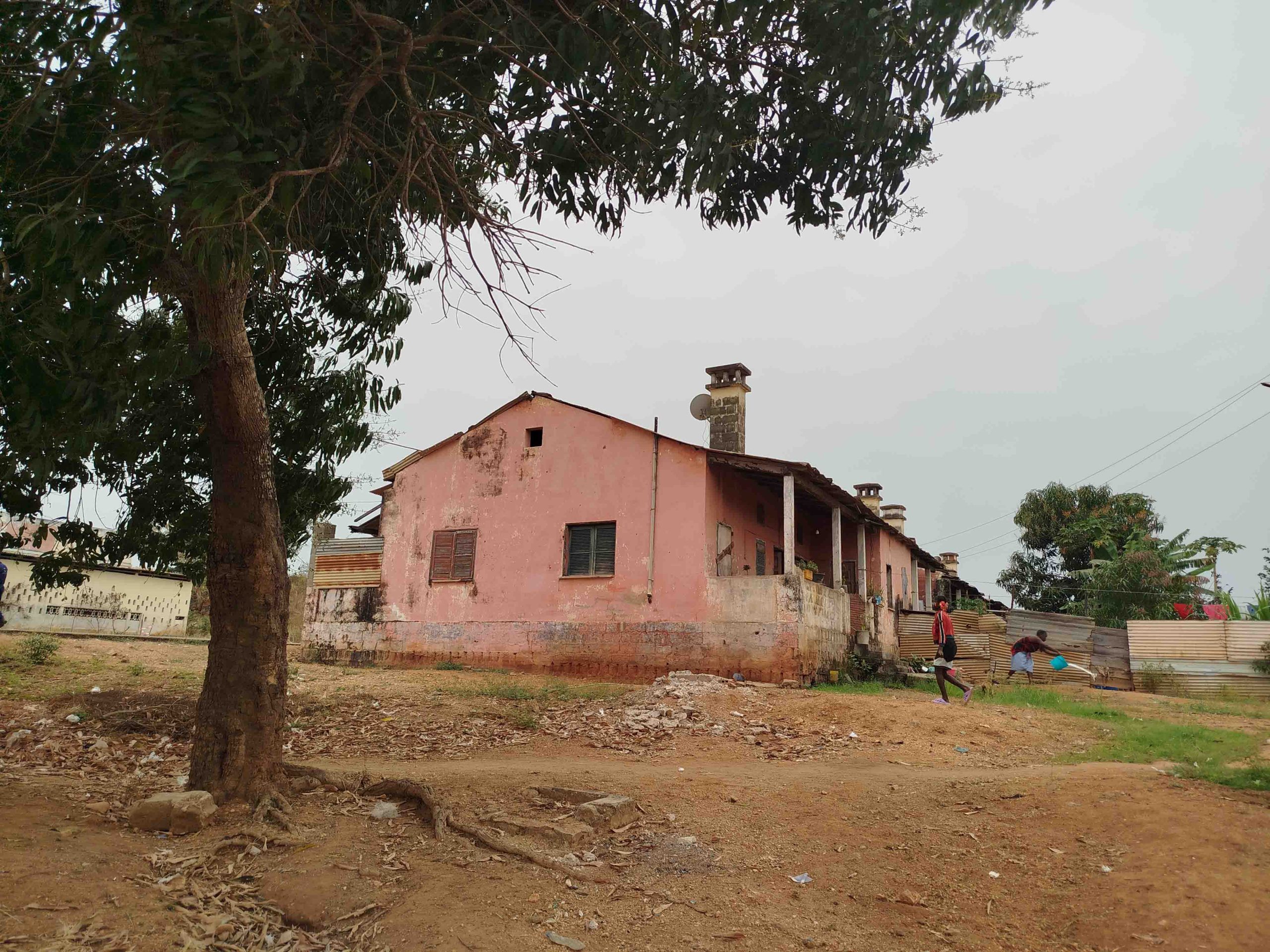
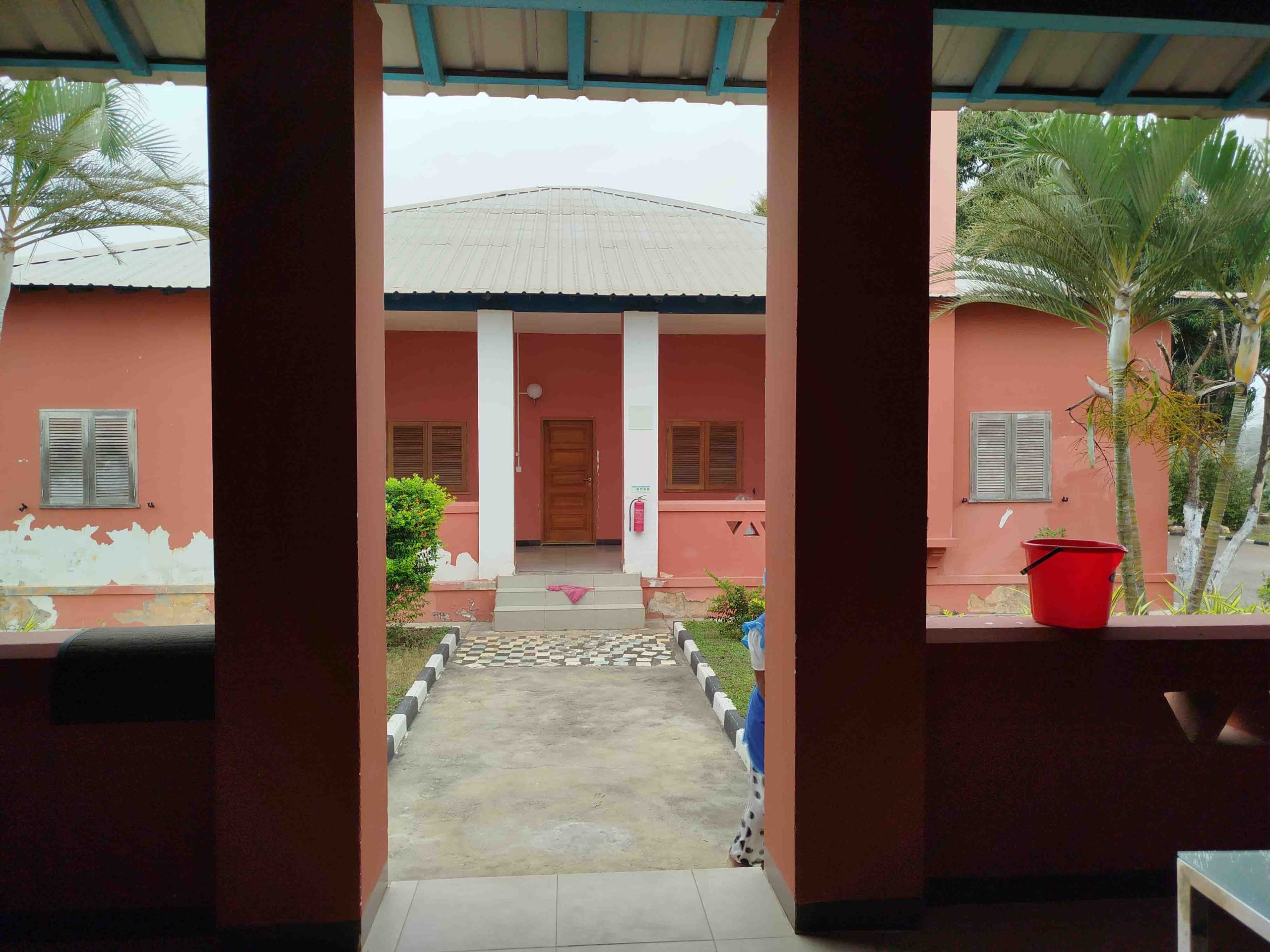
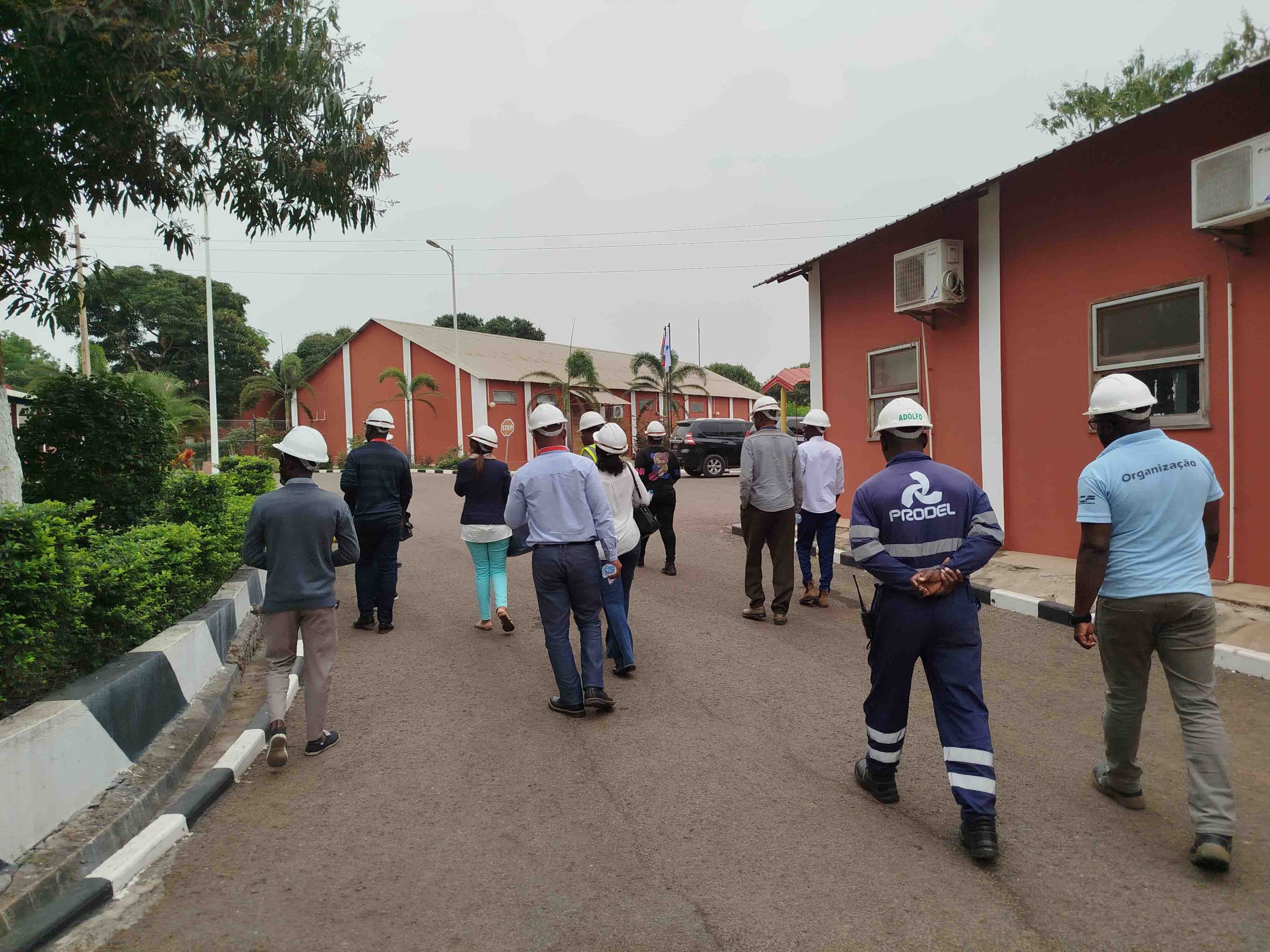
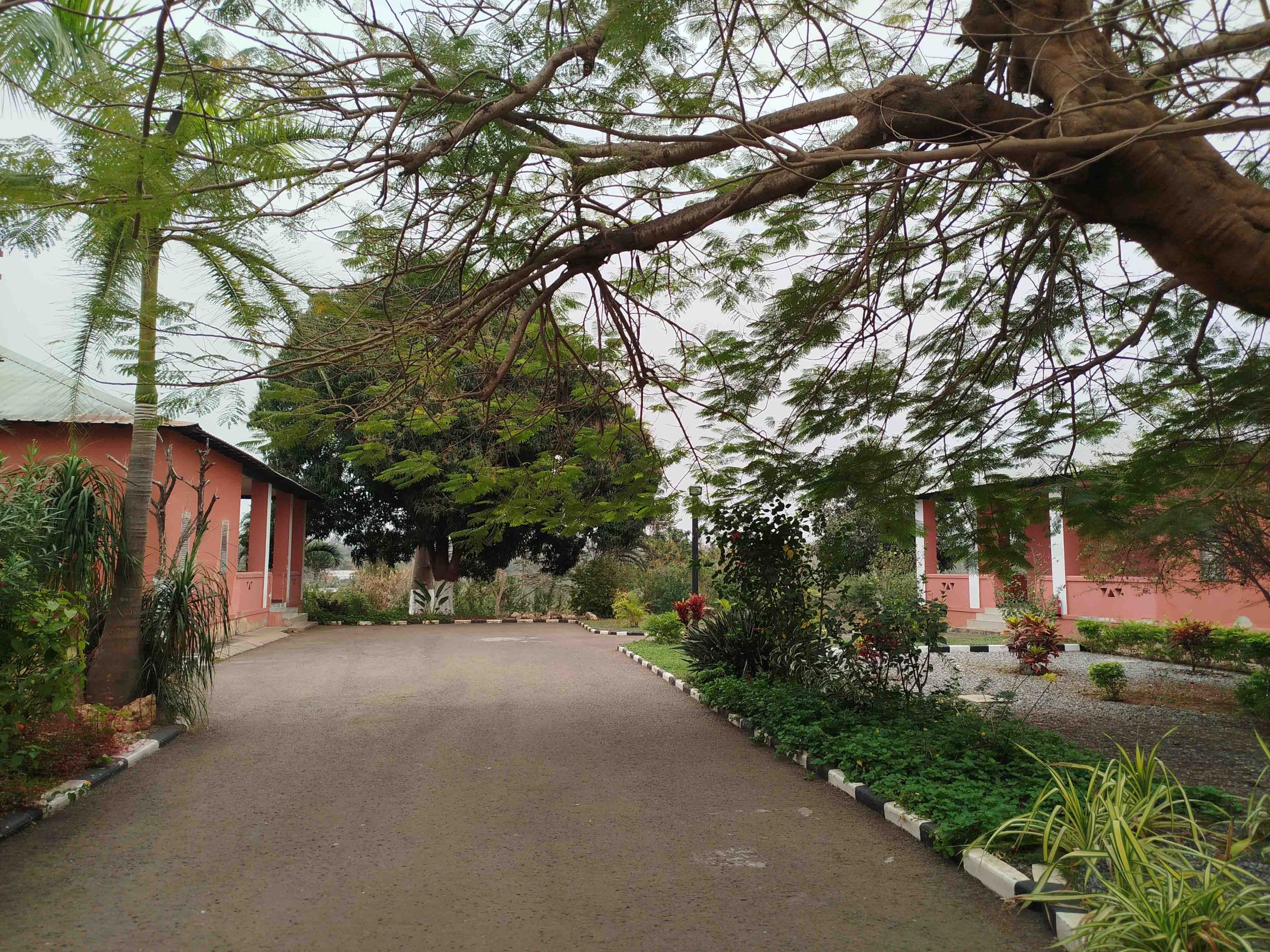
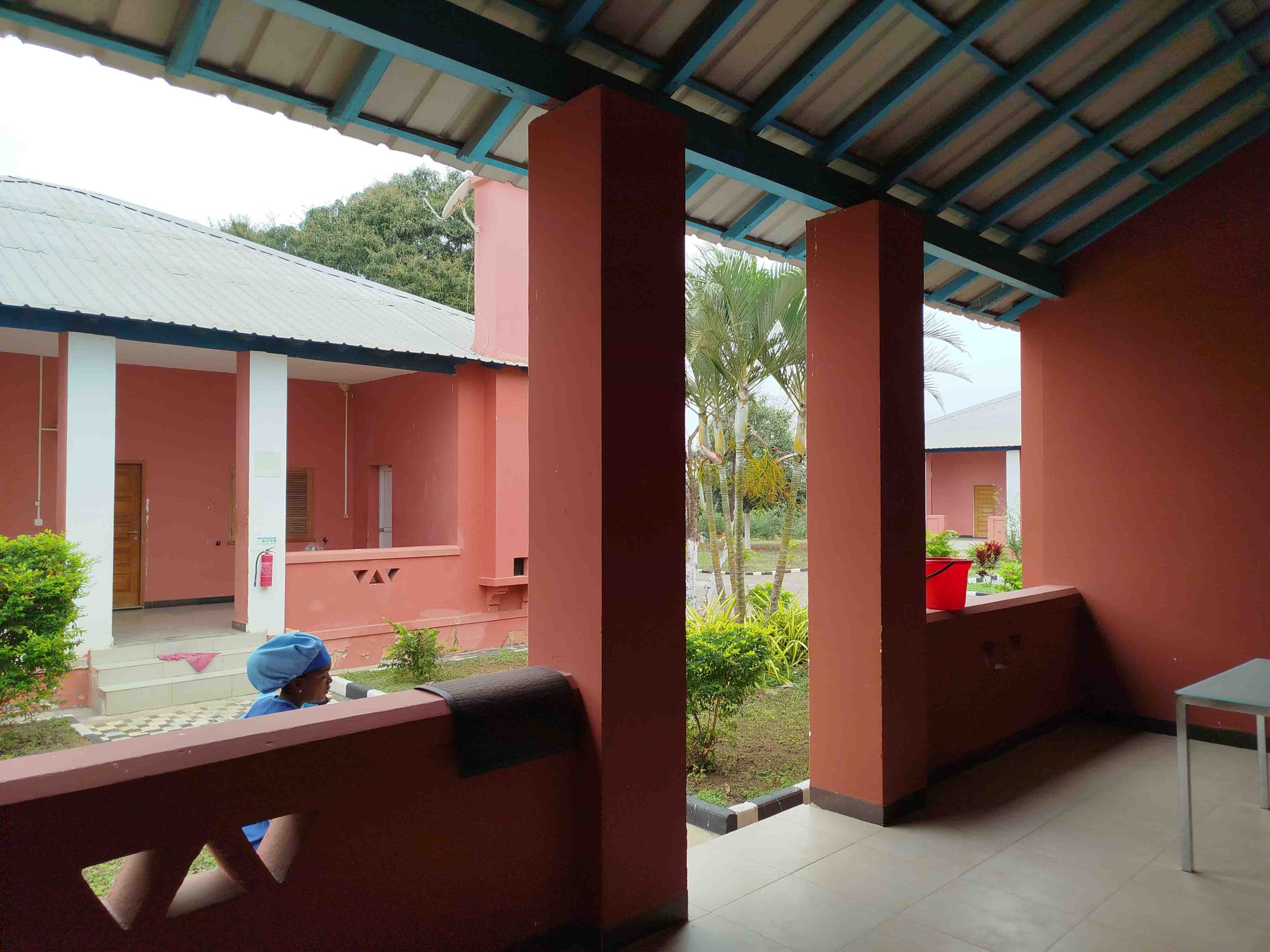
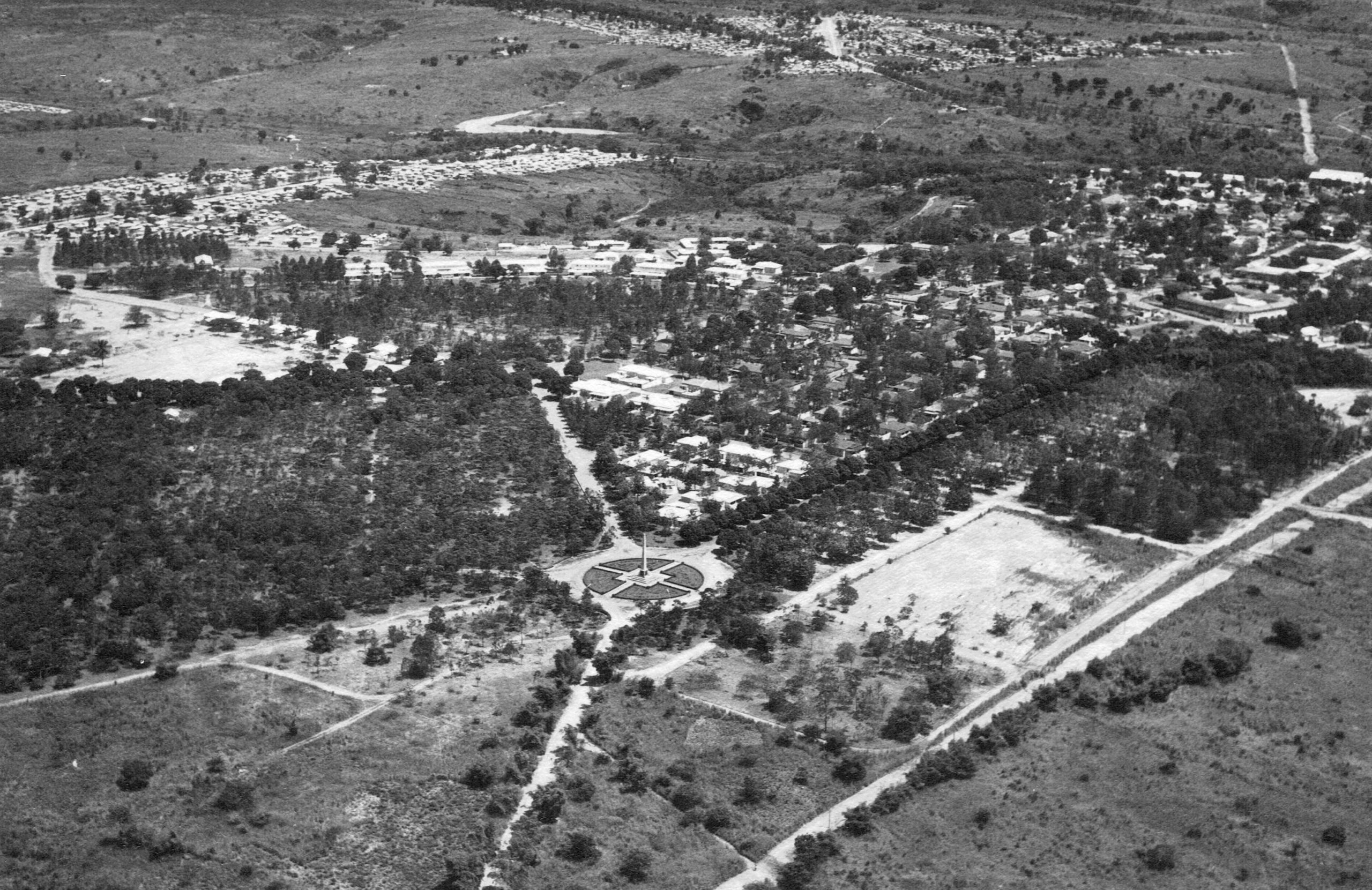
    Diamang (Companhia dos Diamantes de Angola) was a private mining company that operated in Lunda, Angola, from the 1910s until the late 1980s. Its concession area covered 45,483 km² – approximately half the size of mainland Portugal. The centre of this mining hub was the village of Dundo, located a few kilometres from the border with the former Belgian Congo. Other mining groups included Cassanguidi, Maludi, Andrada, Lucapa, Calonda and Luzamba. Over time, thousands of workers were engaged in constructing housing, equipment, and infrastructure, including roads, bridges, aerodromes, thermal power stations, and dams..

    How to cite

    ArchLabour: Architecture Colonialism and Labour (P.I. Ana Vaz Milheiro, ERC-funded 10.3030/101096606, 2024-2028). DIAMANG, Angola. Accessed on 4th March 2026. Available at: https://archlabour.iscte-iul.pt/diamang/
    Last update: February 23, 2026

    01. Plan & Construction

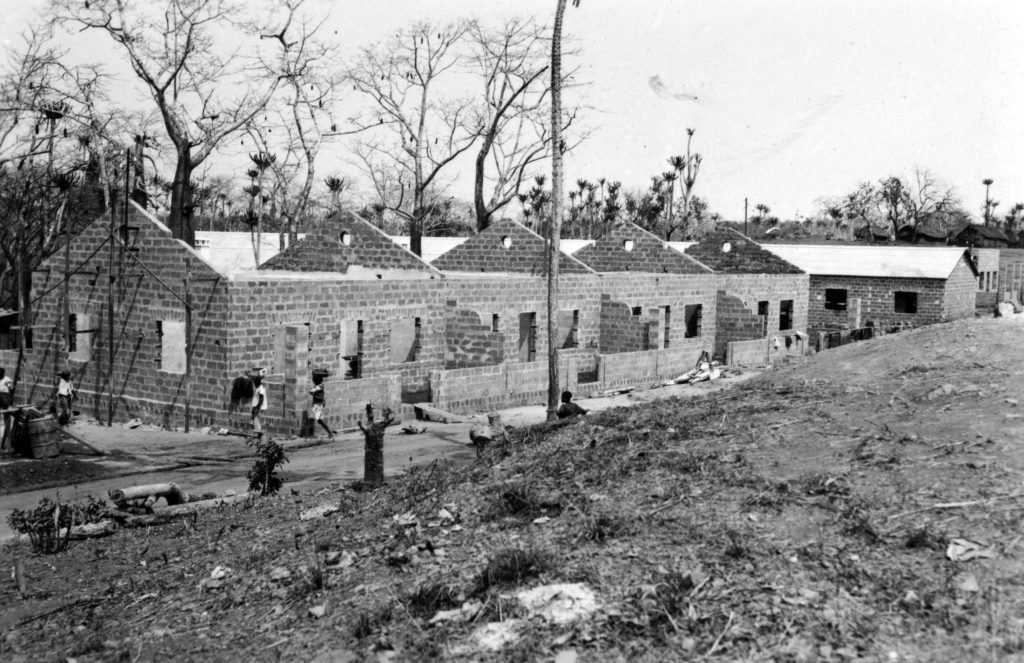
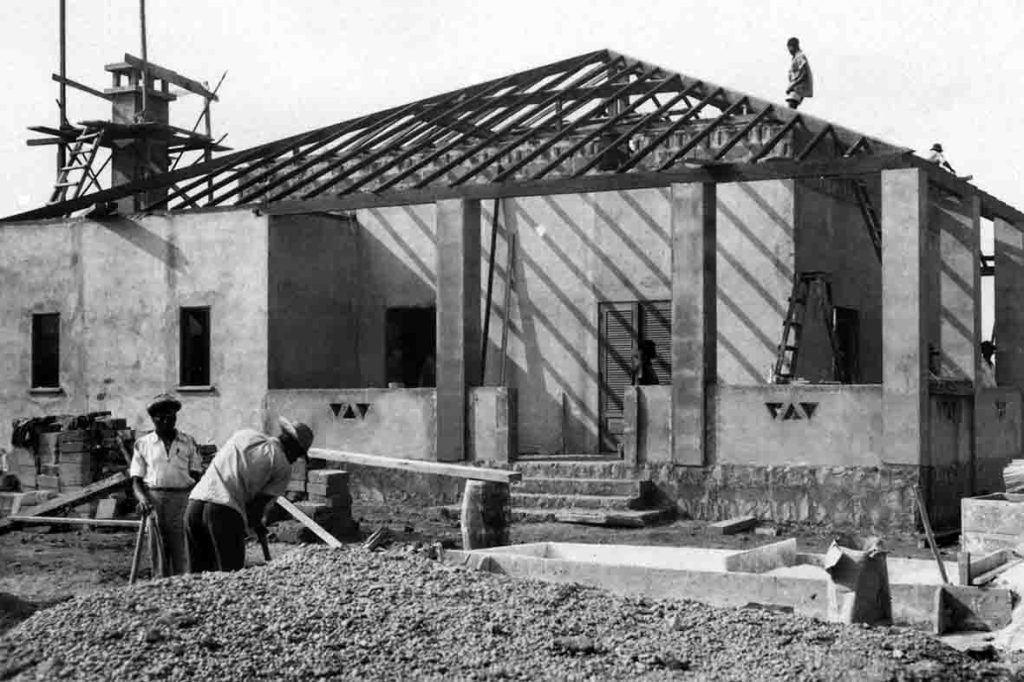
    The first designs for Diamang’s settlements and buildings were created by American mining engineers. The Concession Services, founded in 1942, assembled the first teams dedicated to construction work within the mining concession. Around the same time, the mining posts in Lunda were renamed ‘urban centres’, reflecting the company’s commitment to creating high-quality spaces. Thousands of single-family houses with extensive gardens and numerous facilities, including schools, parks, recreation centres, hospitals, museums and laboratories, were built. Over the next few decades, Diamang established several departments dedicated solely to spatial planning and construction. These became increasingly specialised, including the Construction team in 1950 and the Civil Construction Services in 1957, as well as their subsequent branches.

    02. Labour

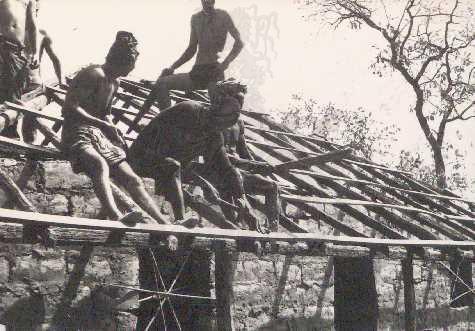
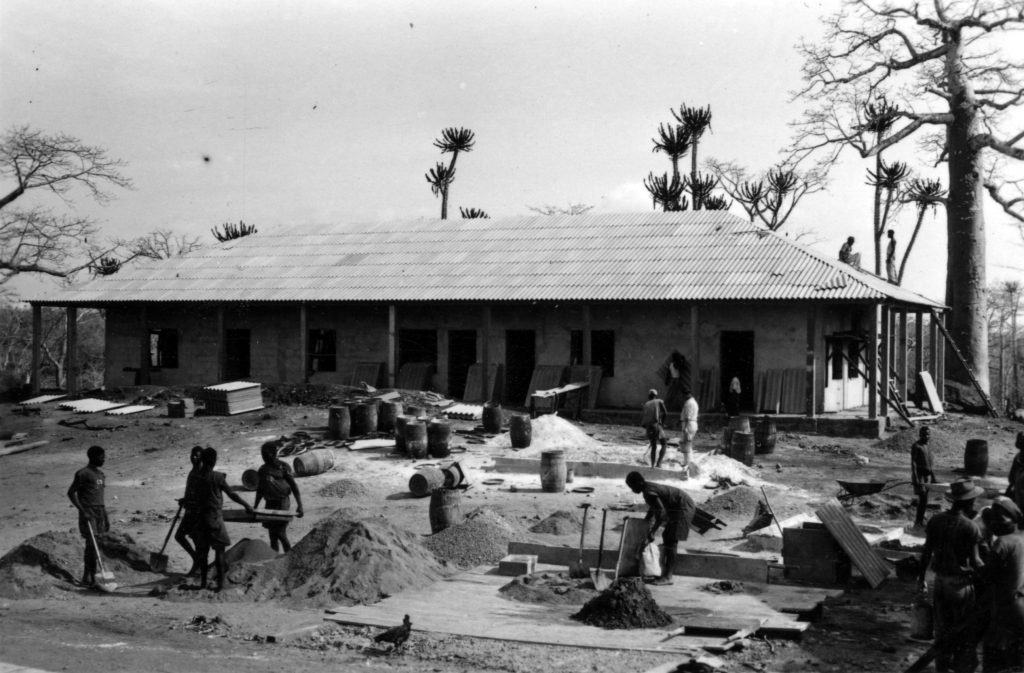
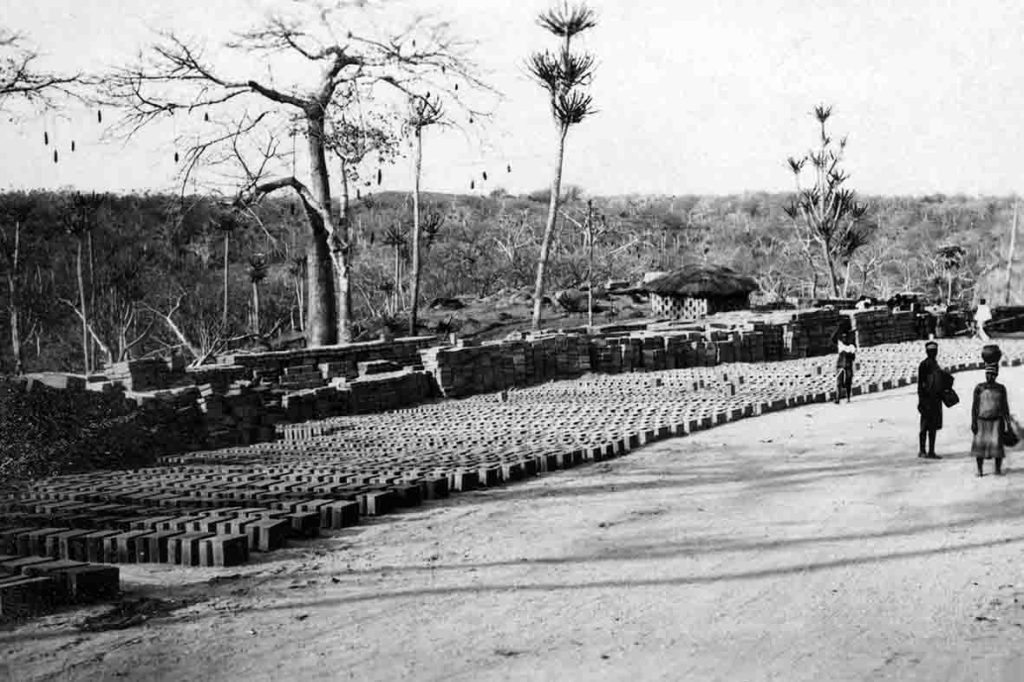
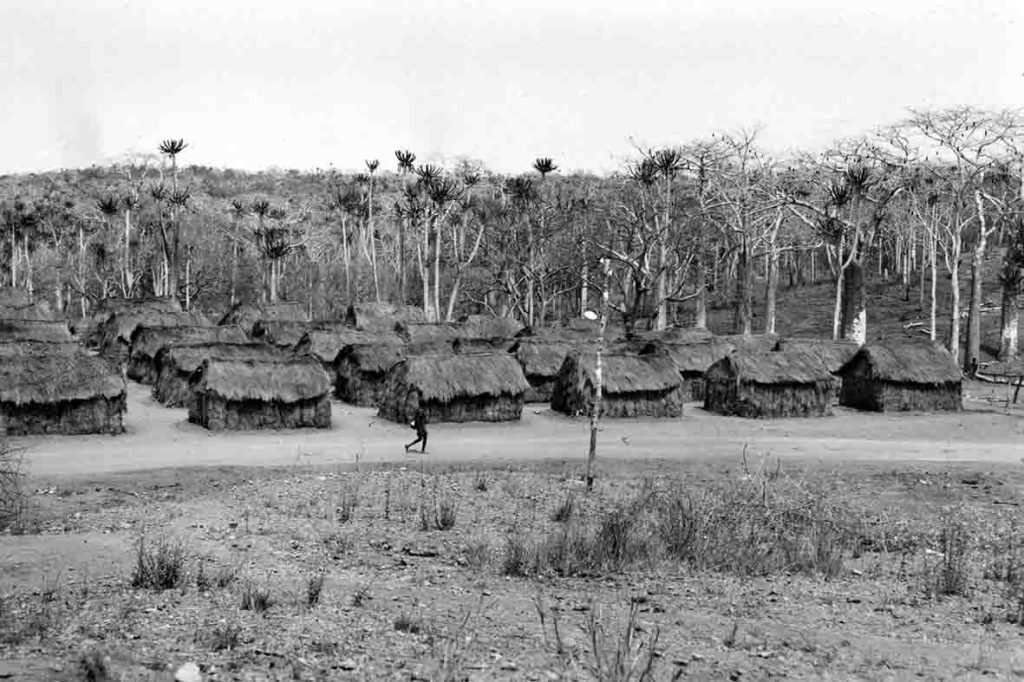
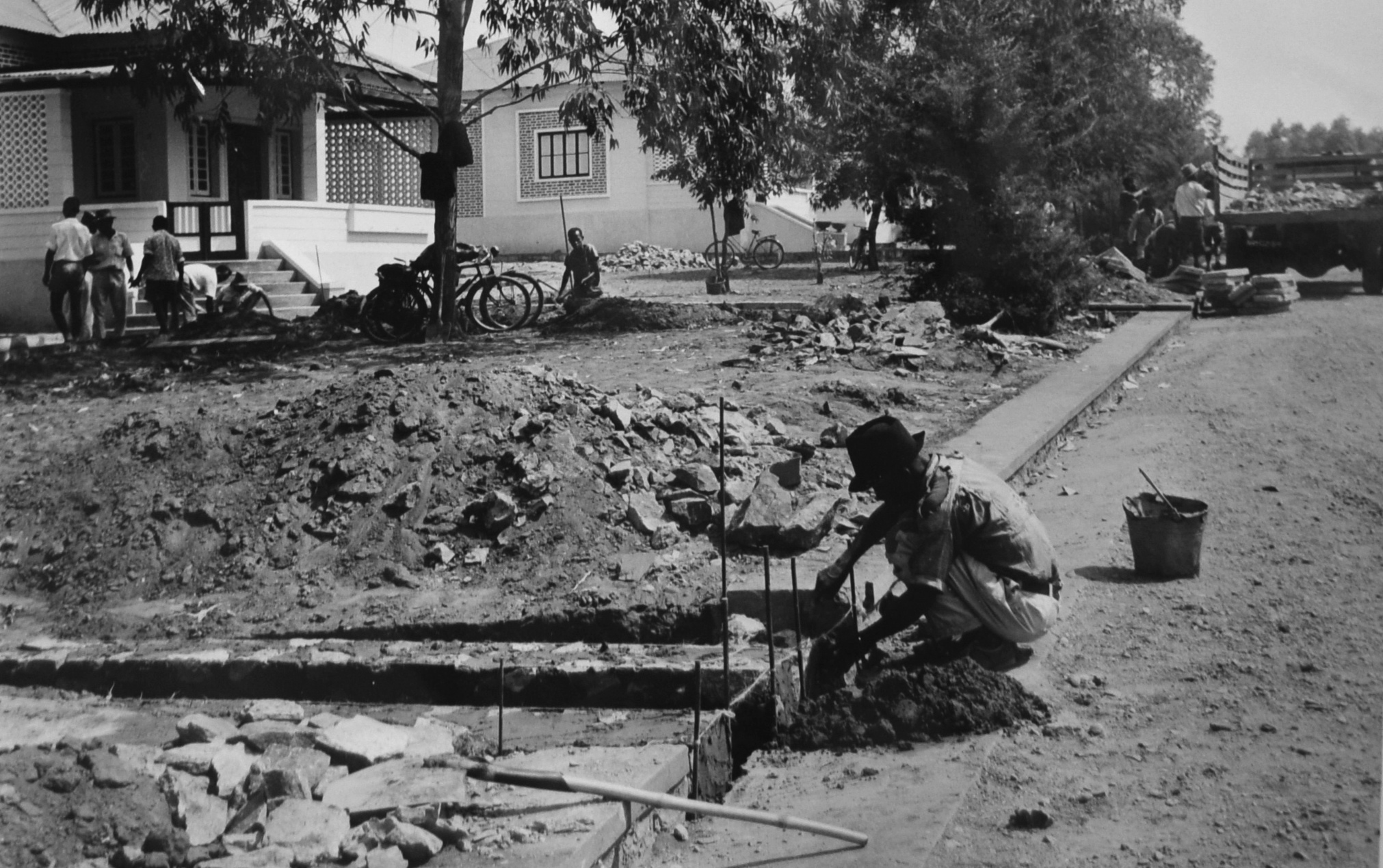
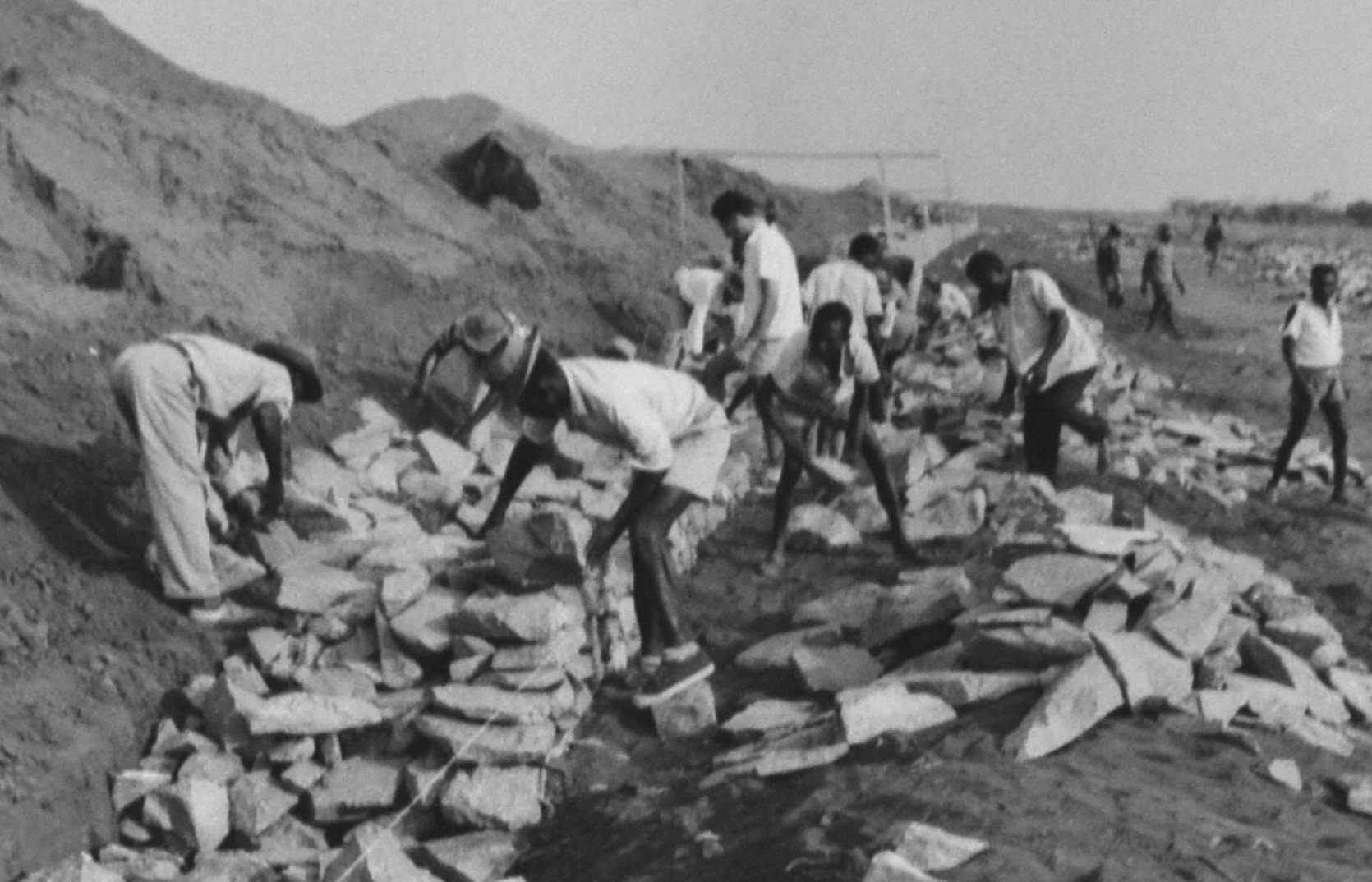
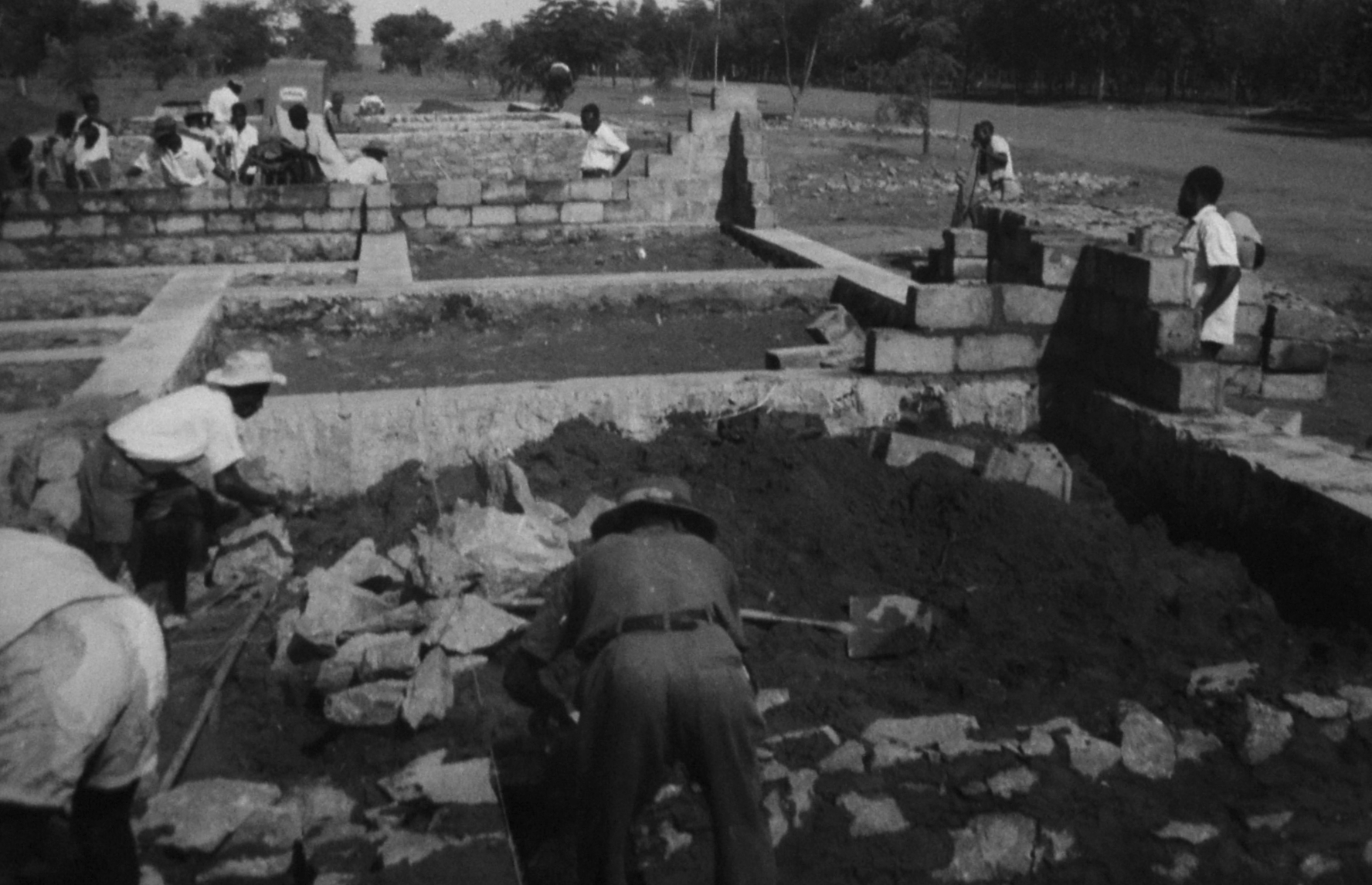
    In the 1940s, Diamang employed around a thousand African workers for earthmoving, construction, building repairs, and general maintenance of gardens and parks in the main settlements. Among them were contractors and day labourers. A separate department supervised the construction of villages for African families around mining sites with its own construction teams. Women also participated in these tasks, mainly by obtaining building materials, transporting water and producing clay for bricks. By 1960, around 5,000 workers (20% of the company’s total workforce) were employed in building construction, road construction and urbanisation services.
    03. Skills & Technologies

    Diamang constantly engaged in experiments with new construction technologies, mostly for economic and reputational reasons. After the Second World War, the company tested various construction systems and materials, including Wallace Neff’s concrete ‘Airform’ houses, wooden ‘Trajinha’ prefabricated houses, and Jean Prouvé’s metal ‘Studal’ demountable houses. These building processes involved organising workshops, training African workers and manufacturing bricks and carpentry locally. Diamang never employed architects and frequently relied on housing projects promoted by other mining companies in Central Africa, particularly Union Minière du Haut Katanga.

    Location

    Archival Records

    Visual Materials Outputs

    Fieldwork

  • Port of Beira and Railway

    Port of Beira and Railway

    PORT OF BEIRA AND RAILWAY, MOZAMBIQUE

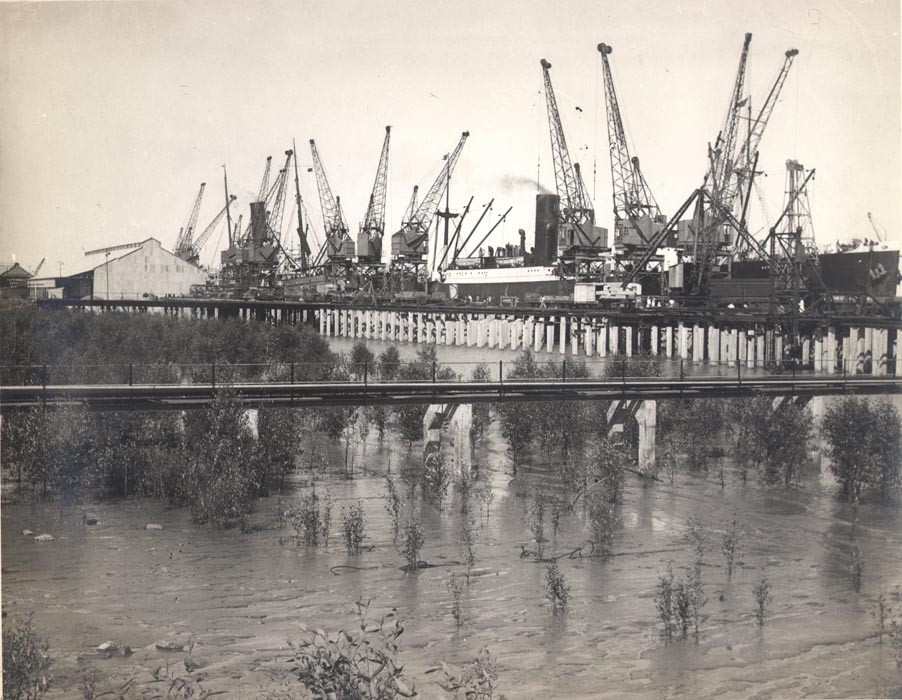
    The Port of Beira is located on the east coast of Africa, at the mouth of the Púngué [Pungwe]River in Mozambique. Construction began in the late 19th century as key infrastructure for the Mozambique Company’s territorial administration. The port’s development was influenced by the Anglo-Portuguese Treaty of 1891 and was closely linked to the expansion of two significant railway lines: the Beira Railway and the Trans-Zambezia Railway. The port and railway were expanded in several phases, mainly with British knowledge, capital and technology. Over the years, the port wasbeen equipped with a dozen wharves and an oil pipeline.

    How to cite

    ArchLabour: Architecture Colonialism and Labour (P.I. Ana Vaz Milheiro, ERC-funded 10.3030/101096606, 2024-2028). Port of Beira and Railway, Mozambique. Accessed on 4th March 2026. Available at: https://archlabour.iscte-iul.pt/port-of-beira-and-railway/

    Last update: February 12, 2026

    01. Plan & Construction

    The construction of the Port of Beira was initiated by the Mozambique Company through successive contracts with the British firm Pauling & Lawley. The port underwent several expansions between 1926 and 1945 by the Beira Works Company, until it was nationalised by the Portuguese colonial government in 1949. Pauling was also awarded the contract for the Beira railway line, following studies by Eduard Pouhin and Renato Baptista, as well as a contract with Theodore Van Laun, an associate of Cecil Rhodes. Construction began in 1892, following a route designed by Mansergh. The line stretched 321 km from Beira to the Machipanda border, passing through several major towns in the Manica and Sofala regions: Dondo, Vila Machado, Gondola, Vila Pery and Vila de Manica..

    02. Labour

    The location of the port was determined not only by the need to occupy that region of Mozambique, but also by the recognition of a labour force already present in the area. According to Paiva de Andrada, one of the port’s leading proponents, the mouth of the Púngué River offered excellent natural conditions and was “one of the regions where the largest number of indigenous workers could be found”. The Mozambique Company established its own network of African intermediaries responsible for recruiting African labourers. According to the 1950 Beira census, around 5,500 African men were employed at the port. There were also groups of white, mixed-race, and Asian workers.

    03. Skills & Technologies

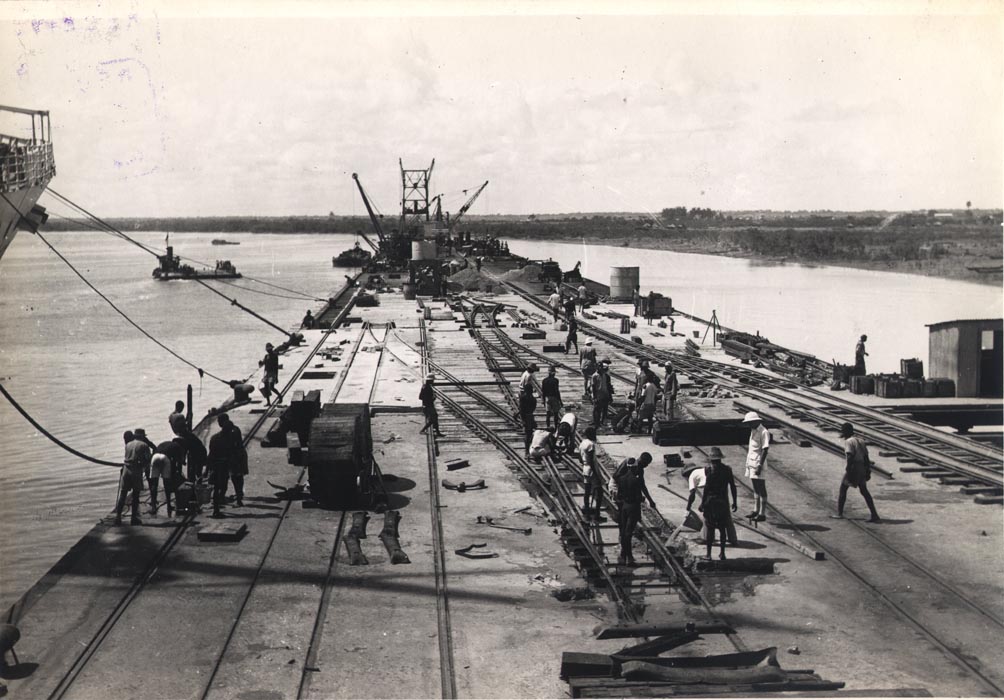
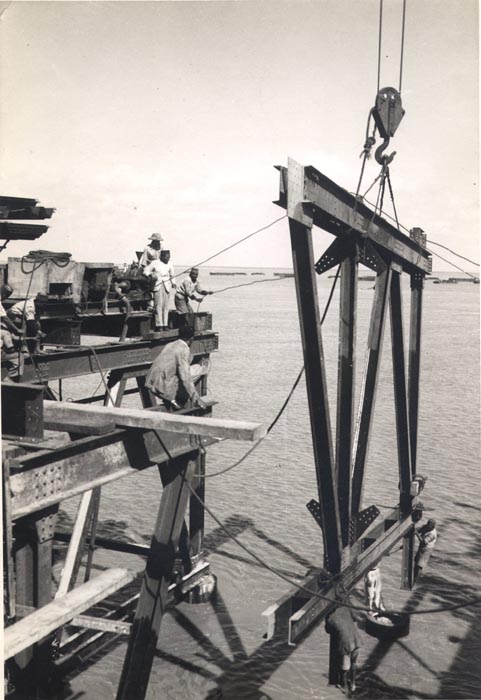
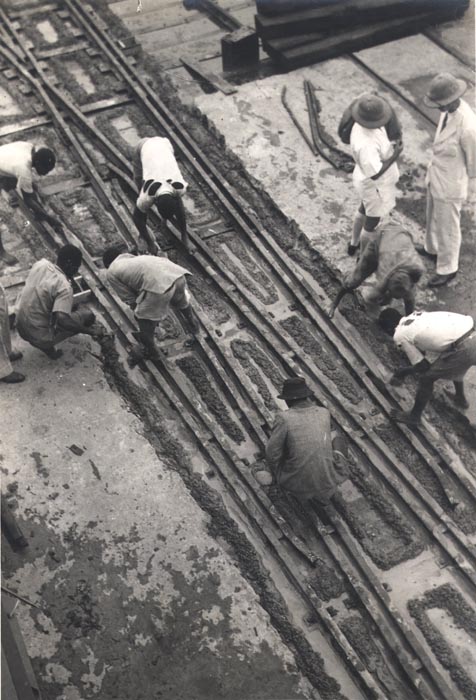
    The photographs of the Beira Works Company show the progress of the construction and expansion of the port. This work included building defensive walls for Beira, constructing several berthing quays, installing electrical systems, installing lifts for transporting grain and coal, and laying Decauville lines to connect to the railway lines and transport materials. The quay structures required manual and specialised work on the foundations, including pile driving and stone crushing. Rolling and leader structures were assembled using heavy-duty cranes, wooden beams and air pumps, among other equipment.

    Location

    Archival Records

    Visual Materials Outputs

    Fieldwork

  • Strategic Villages, Guinea-Bissau

    Strategic Villages, Guinea-Bissau

    STRATEGIC VILLAGES, GUINEA-BISSAU

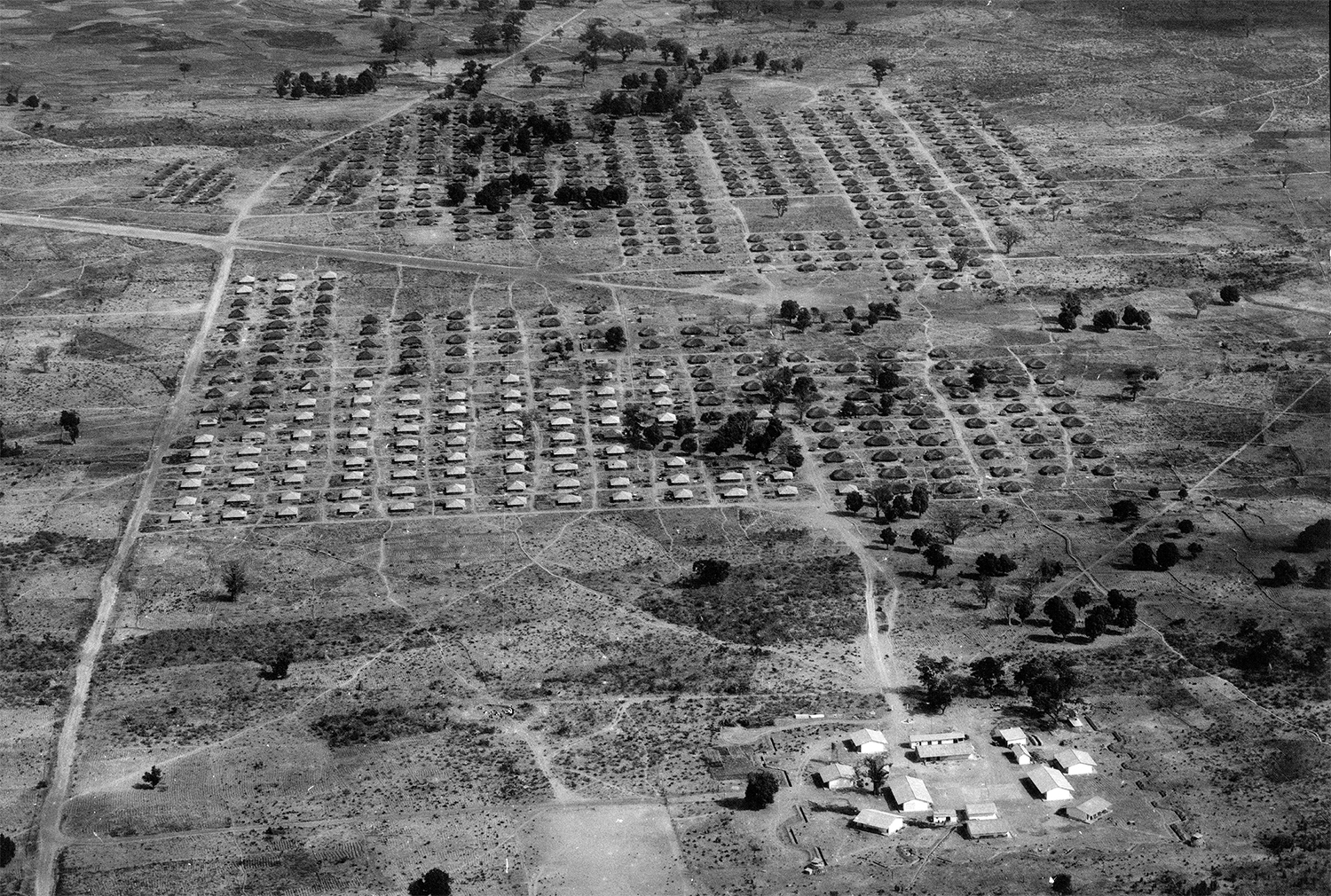
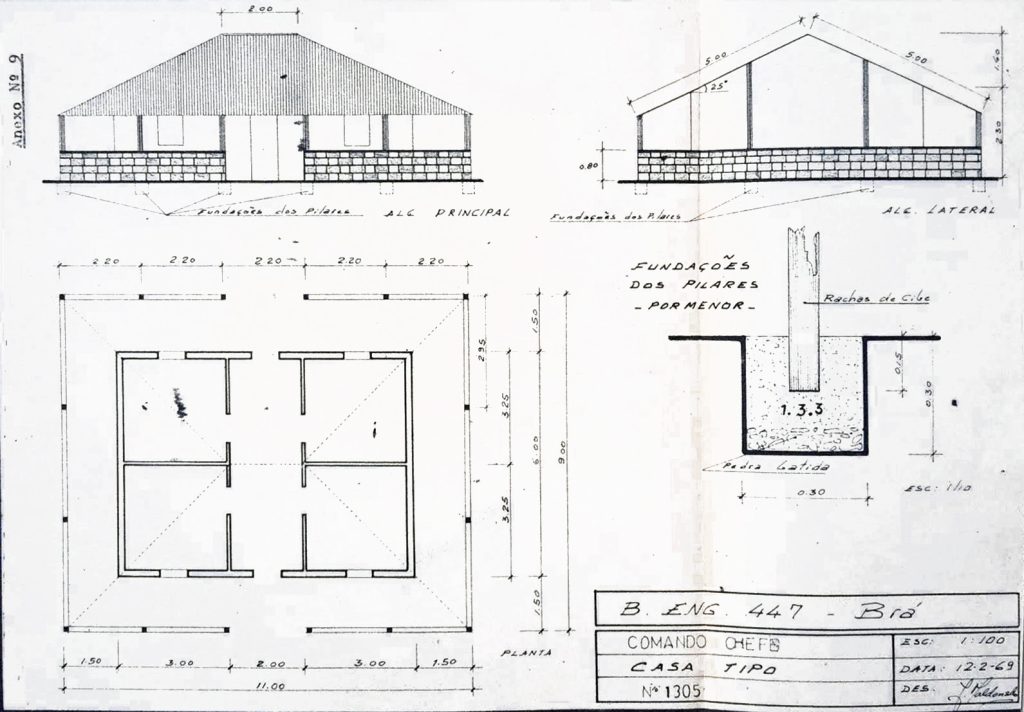
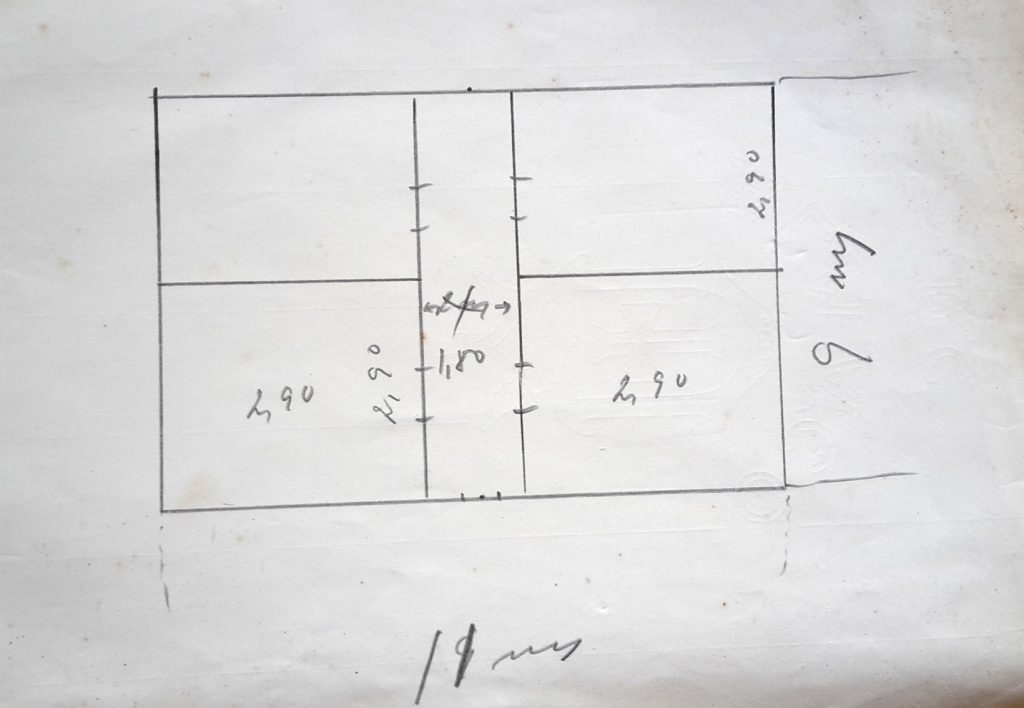
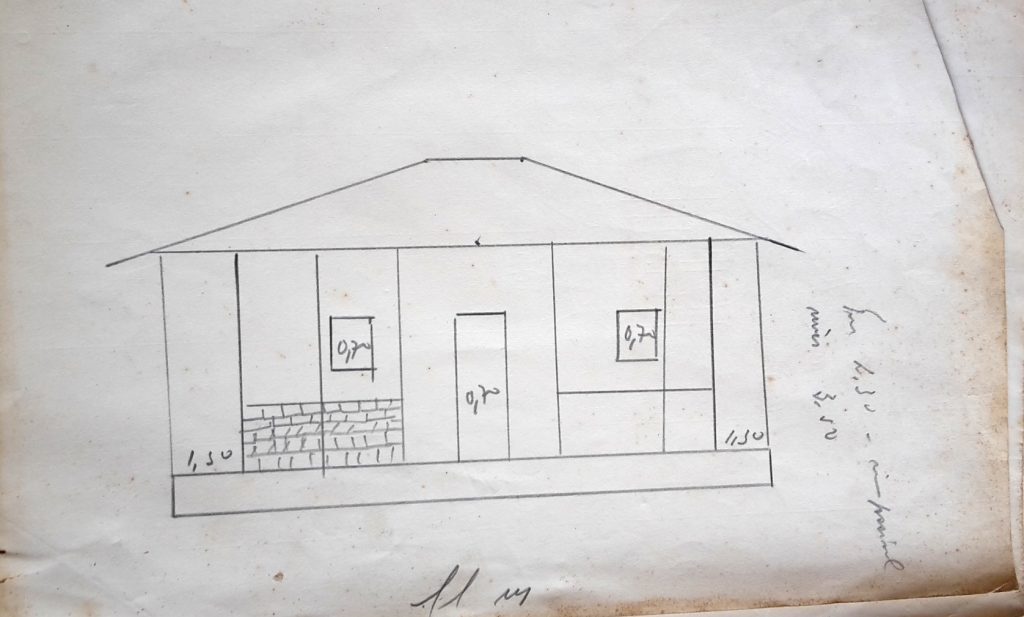
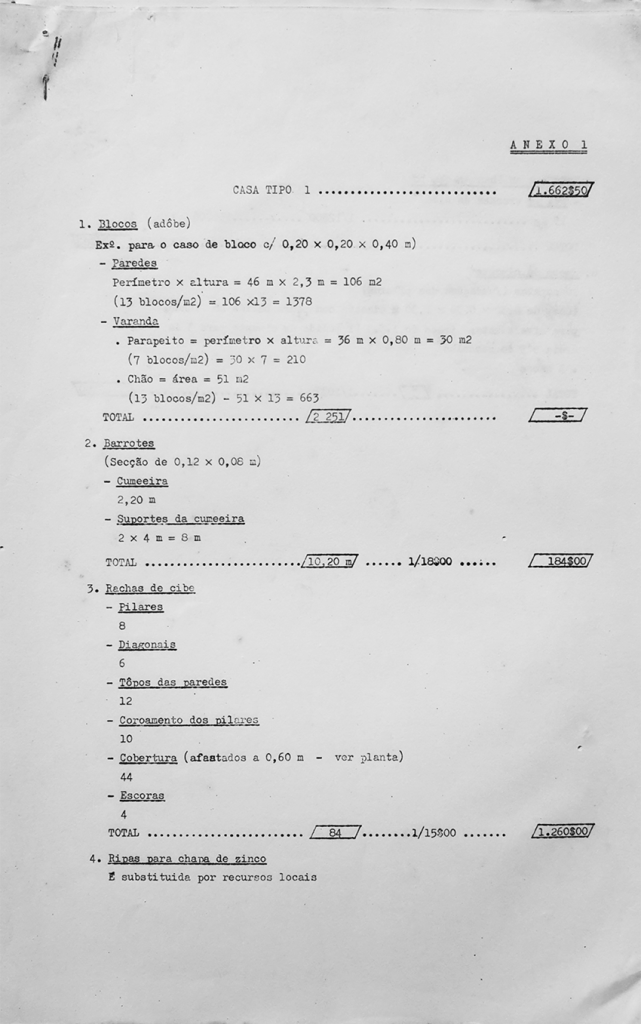
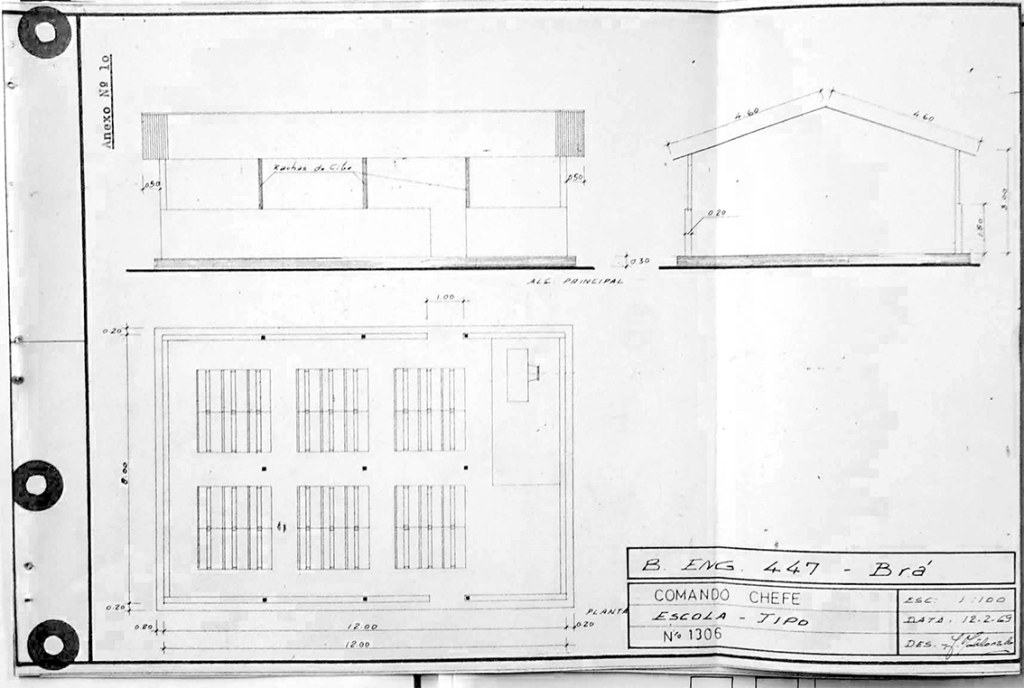
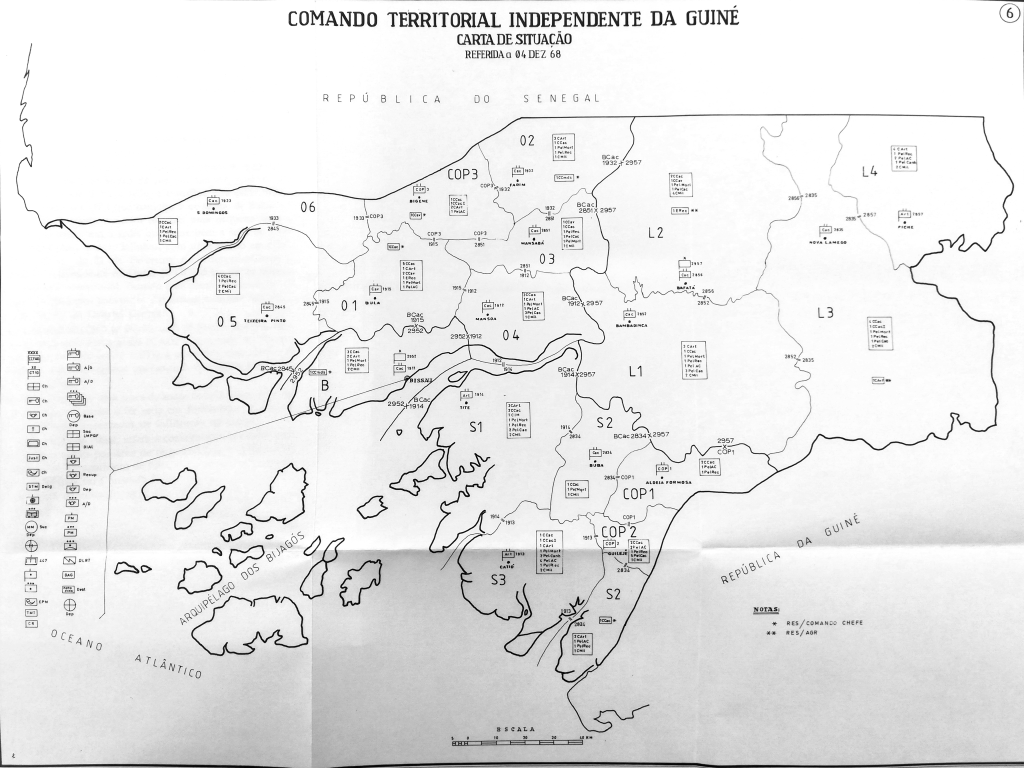
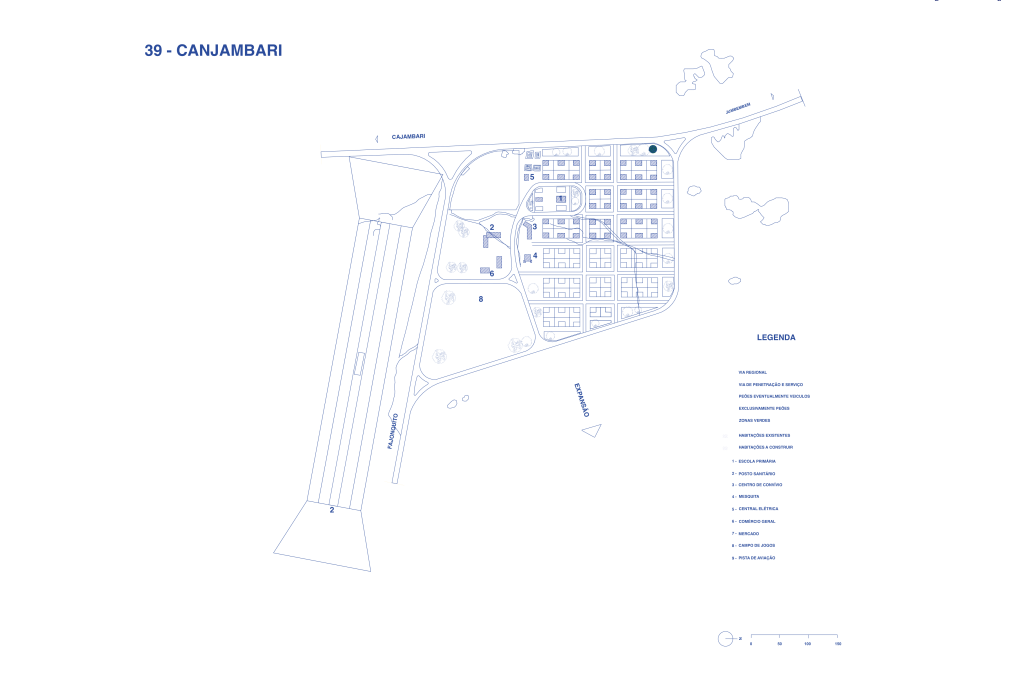
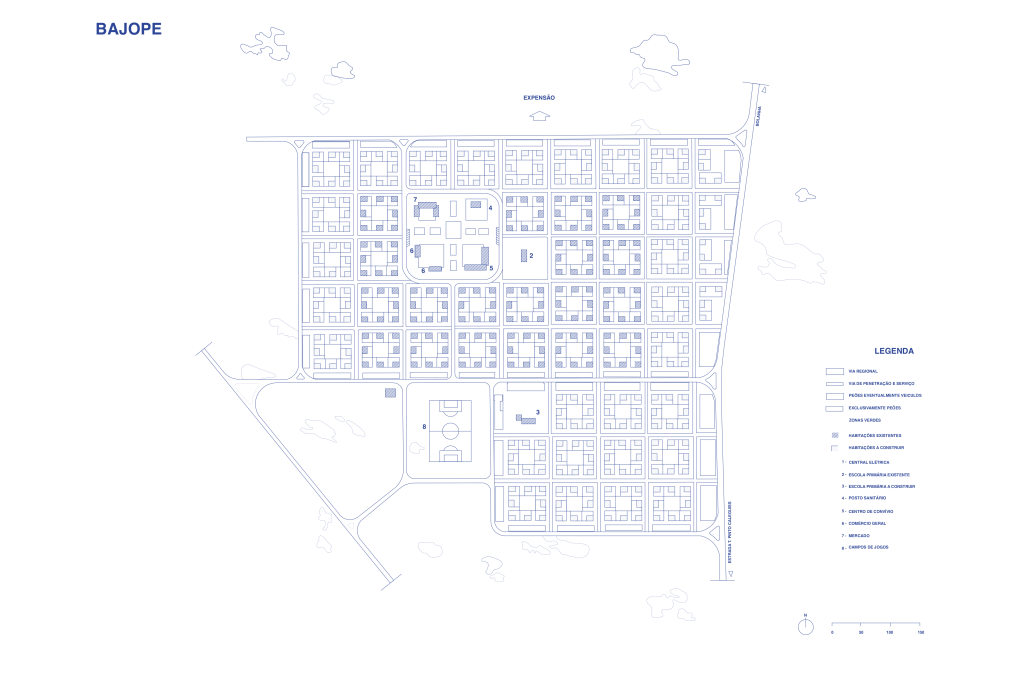
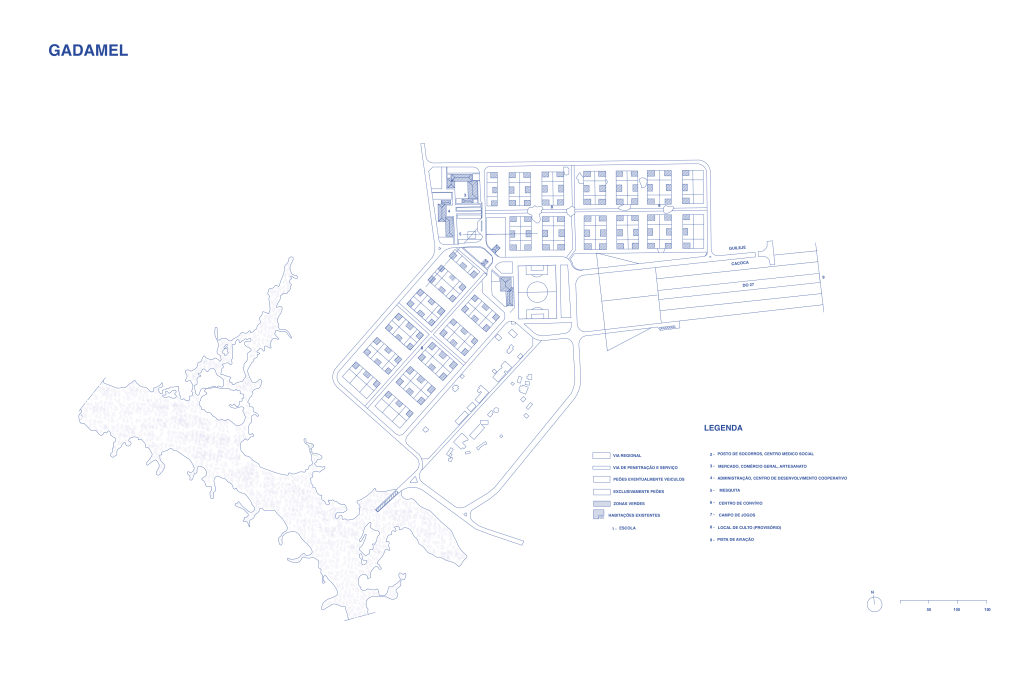
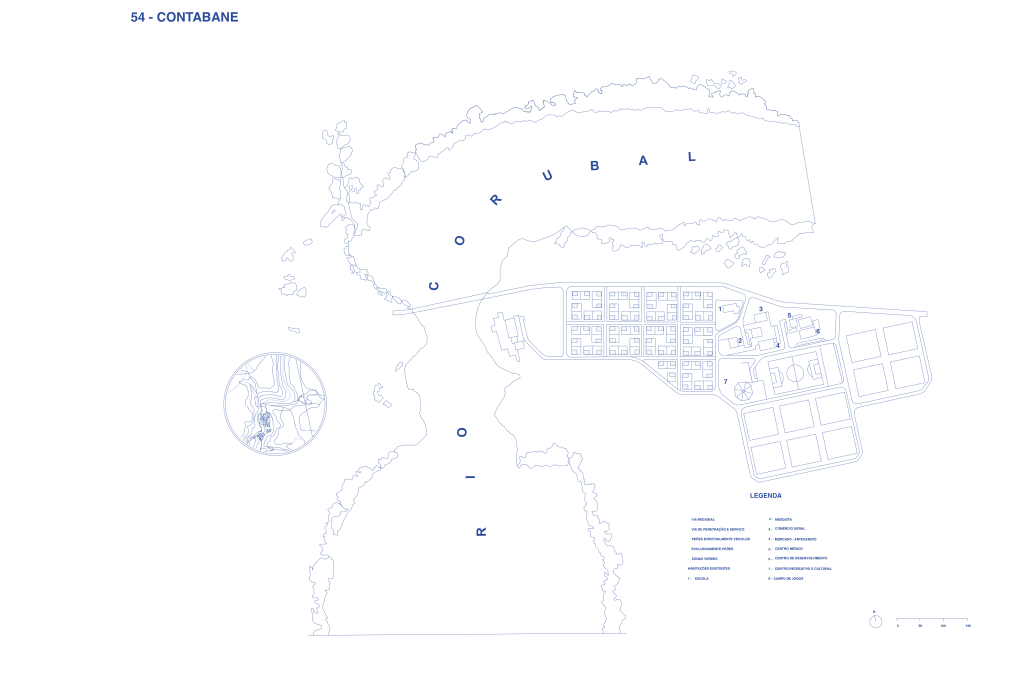
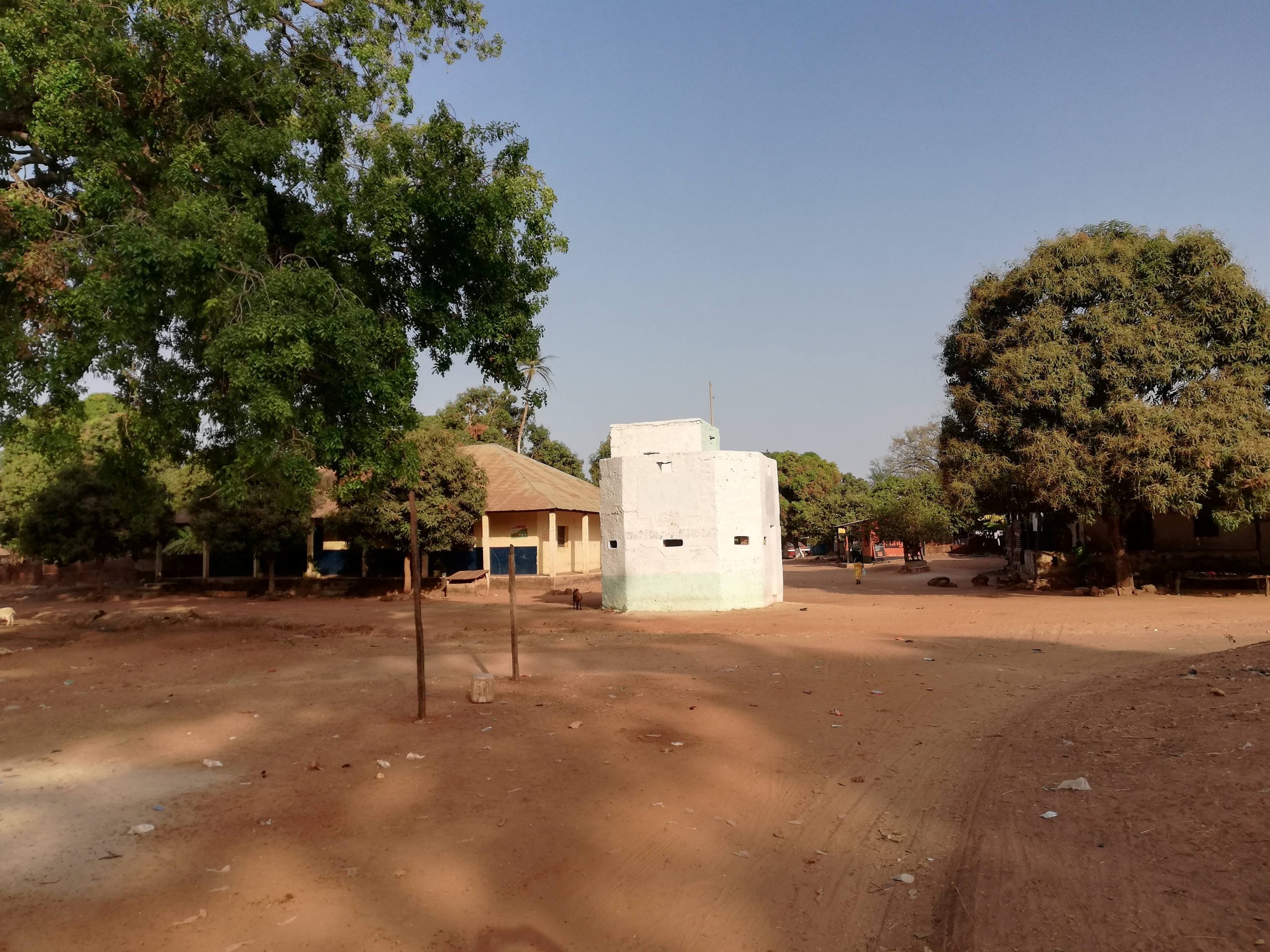
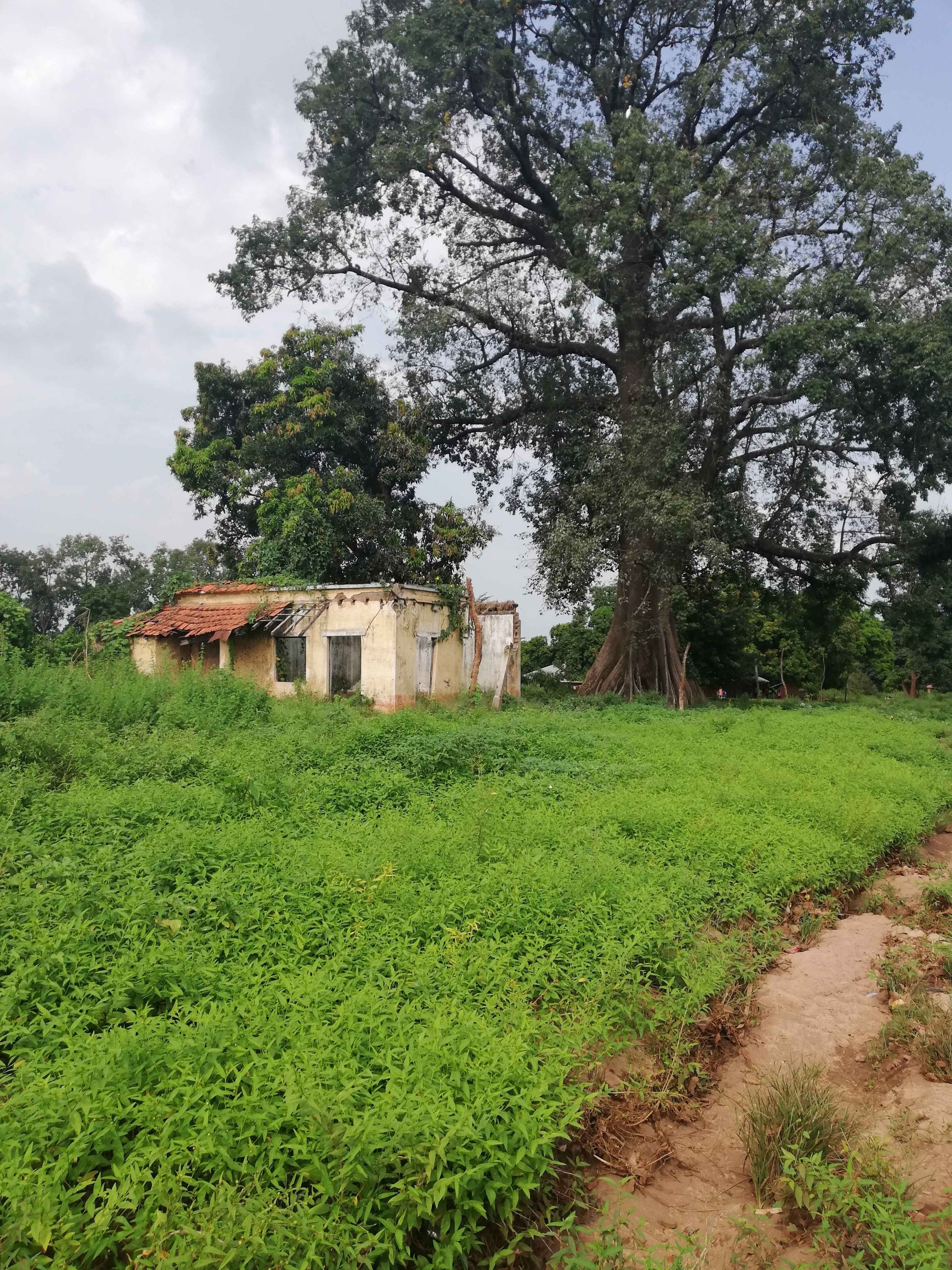
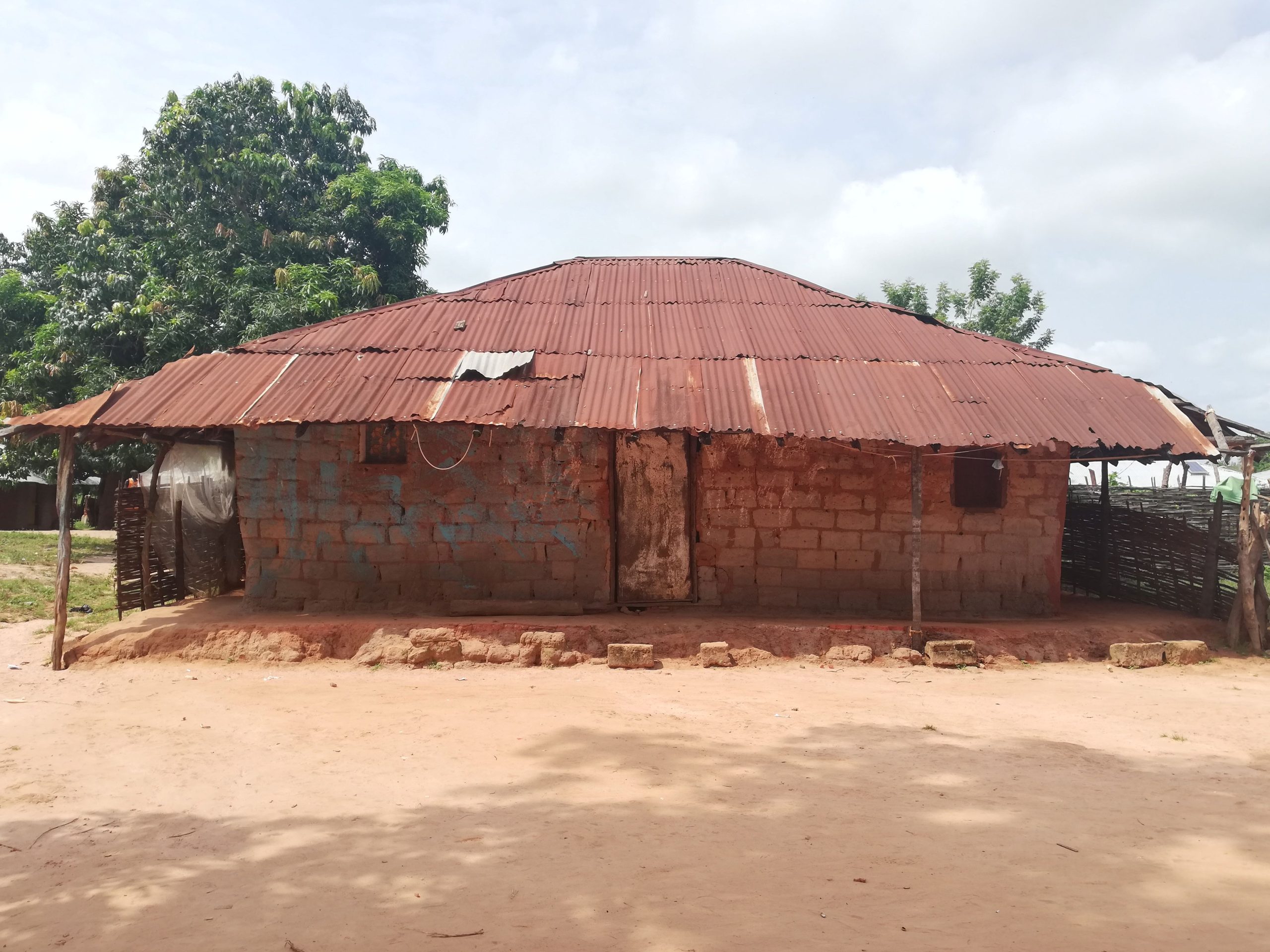
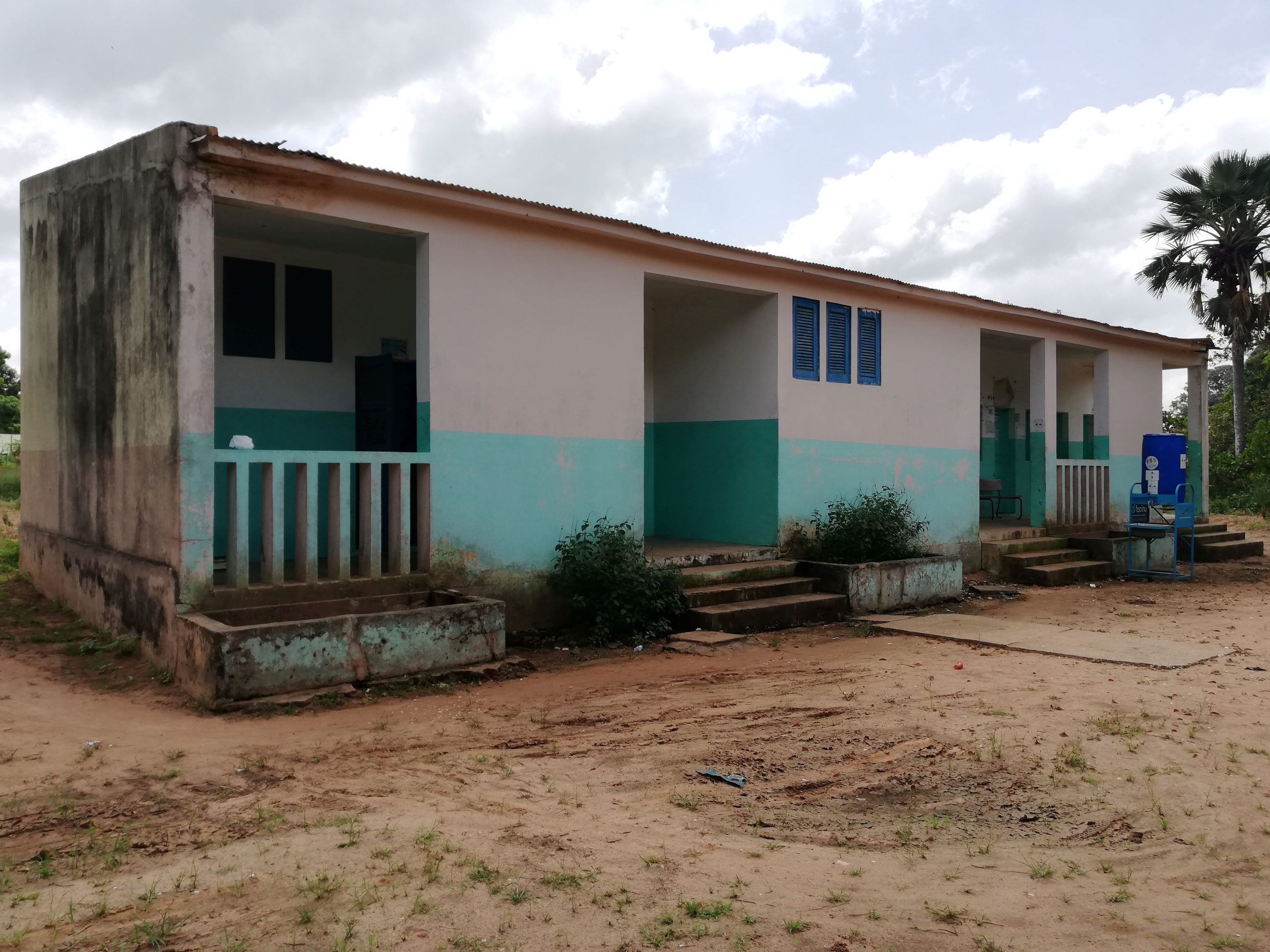
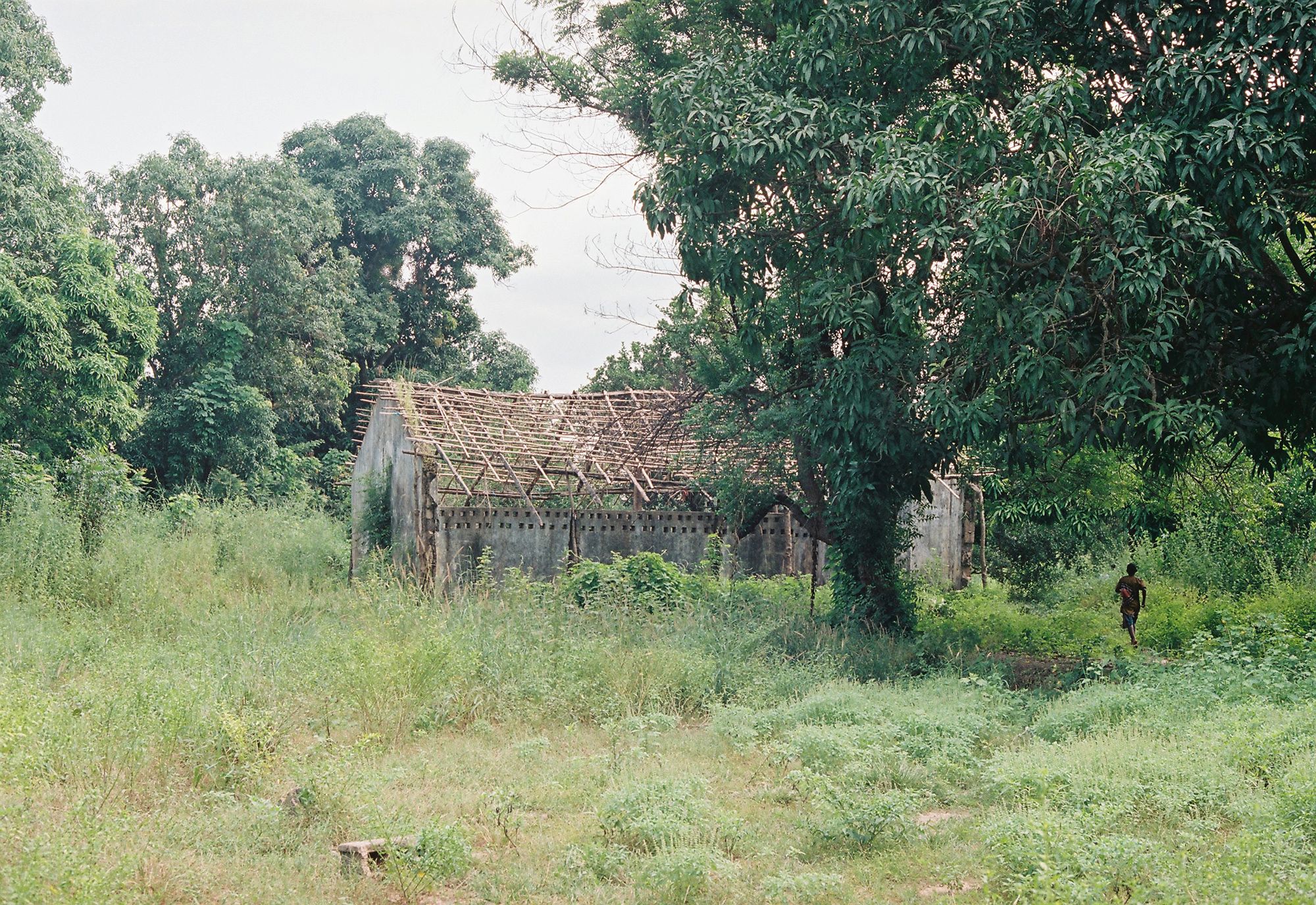
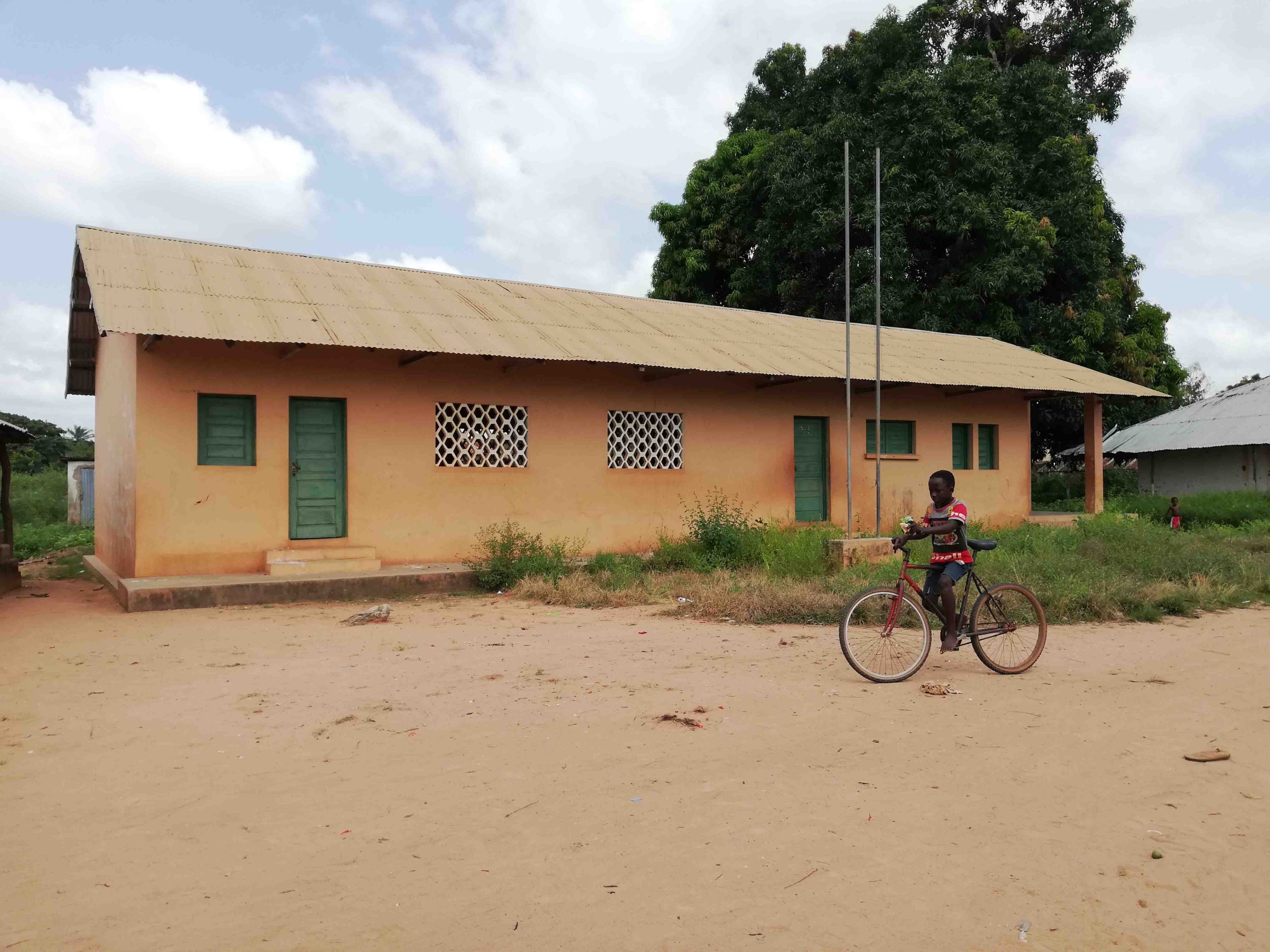
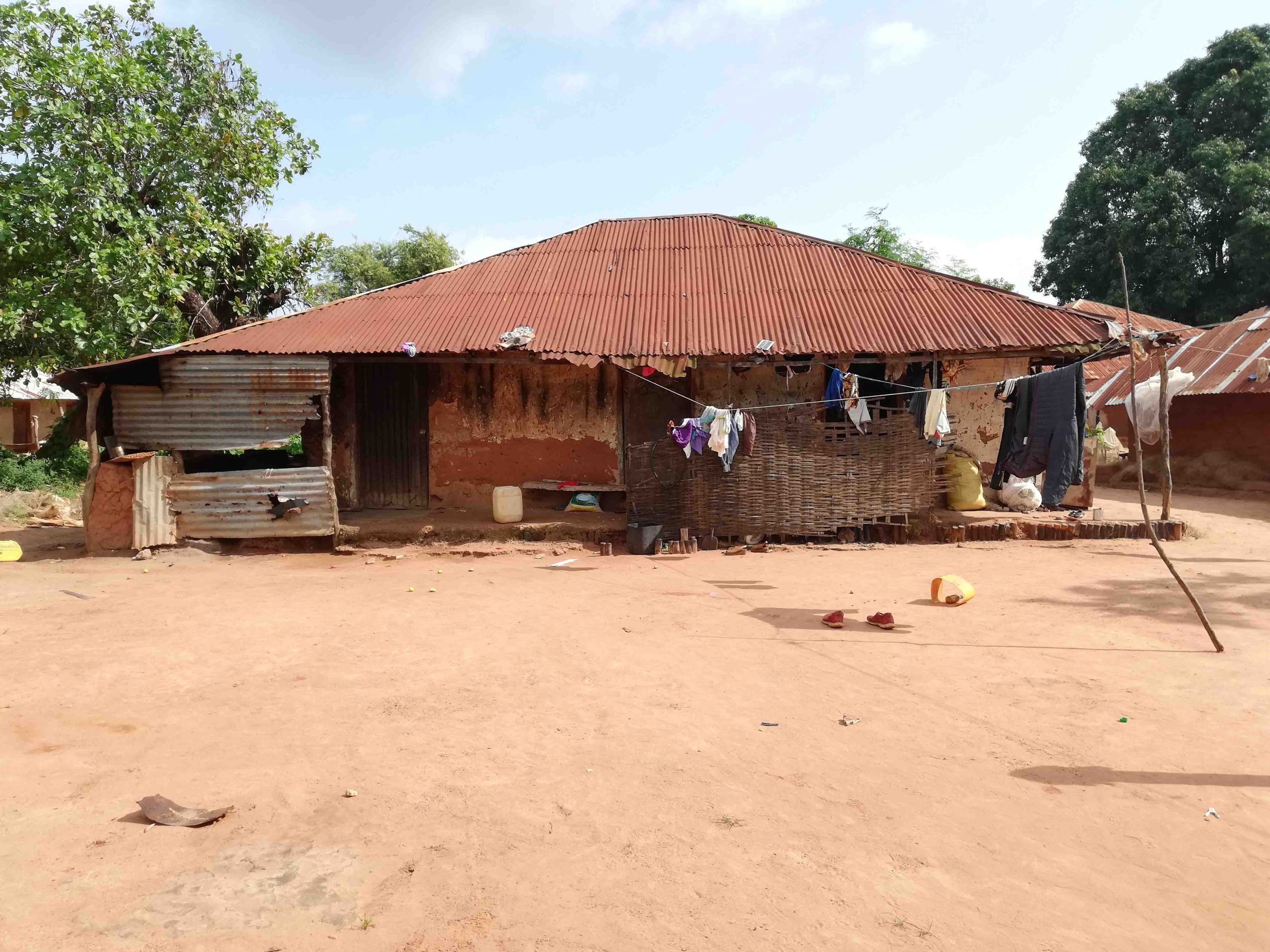
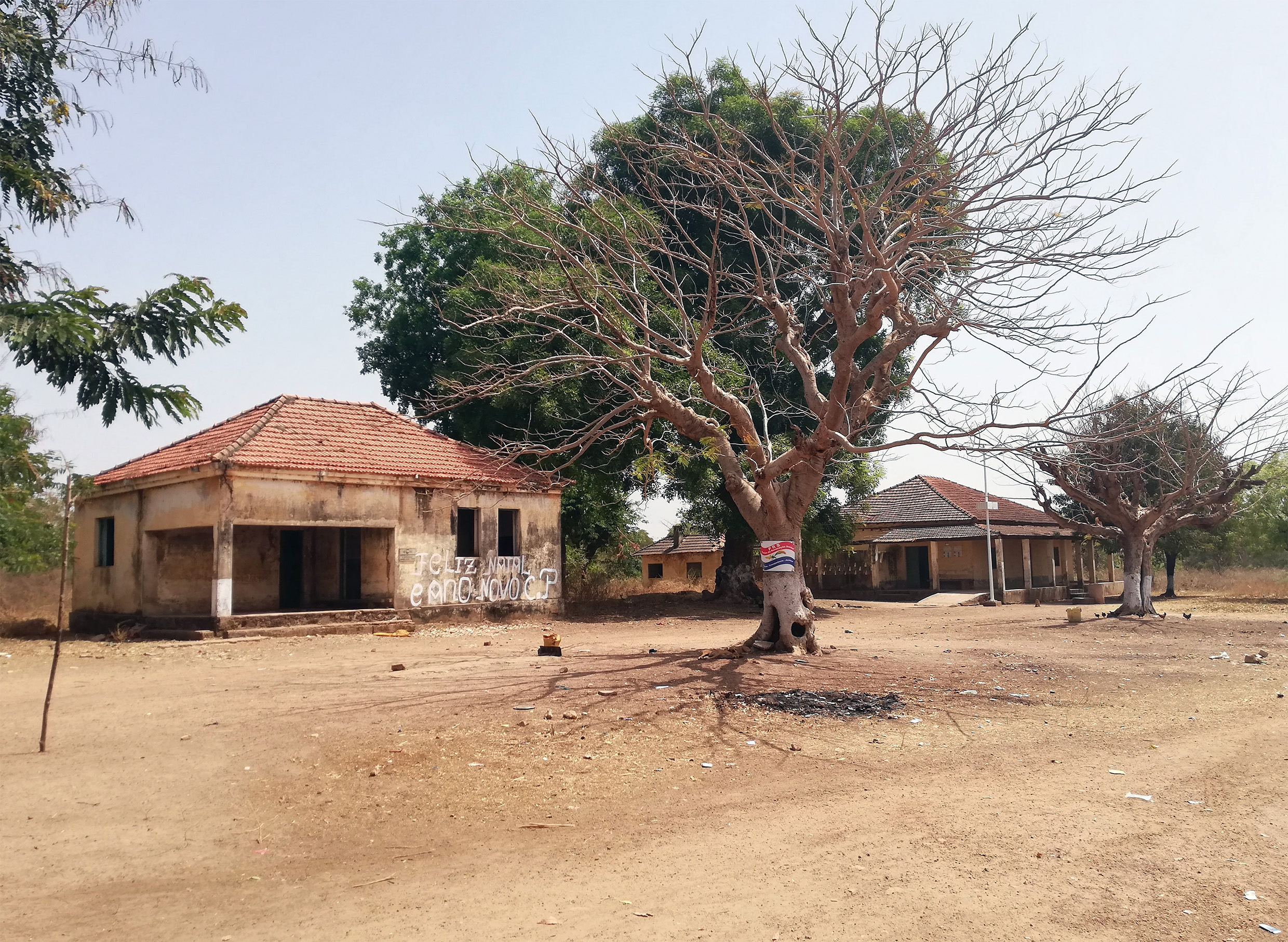
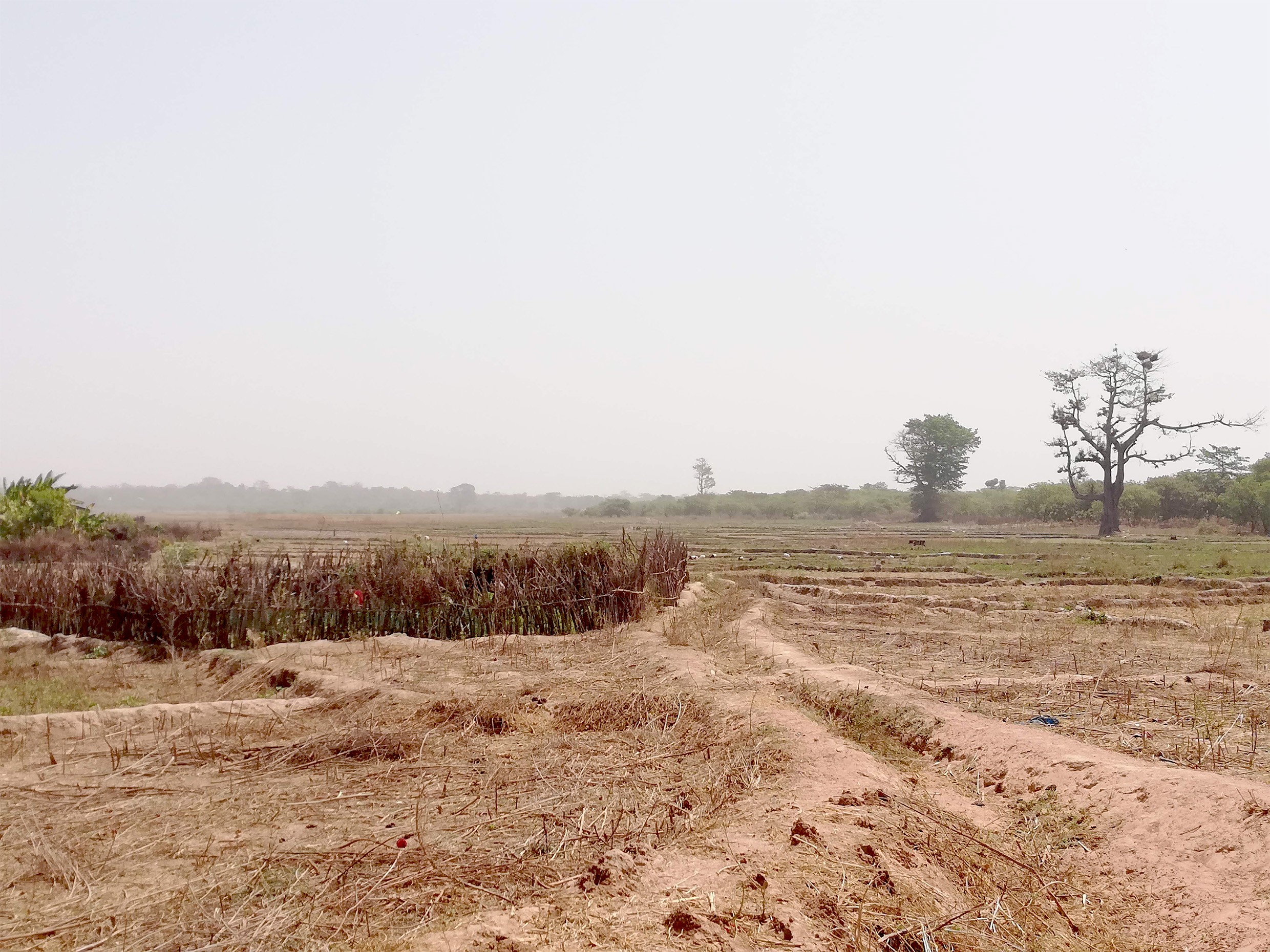
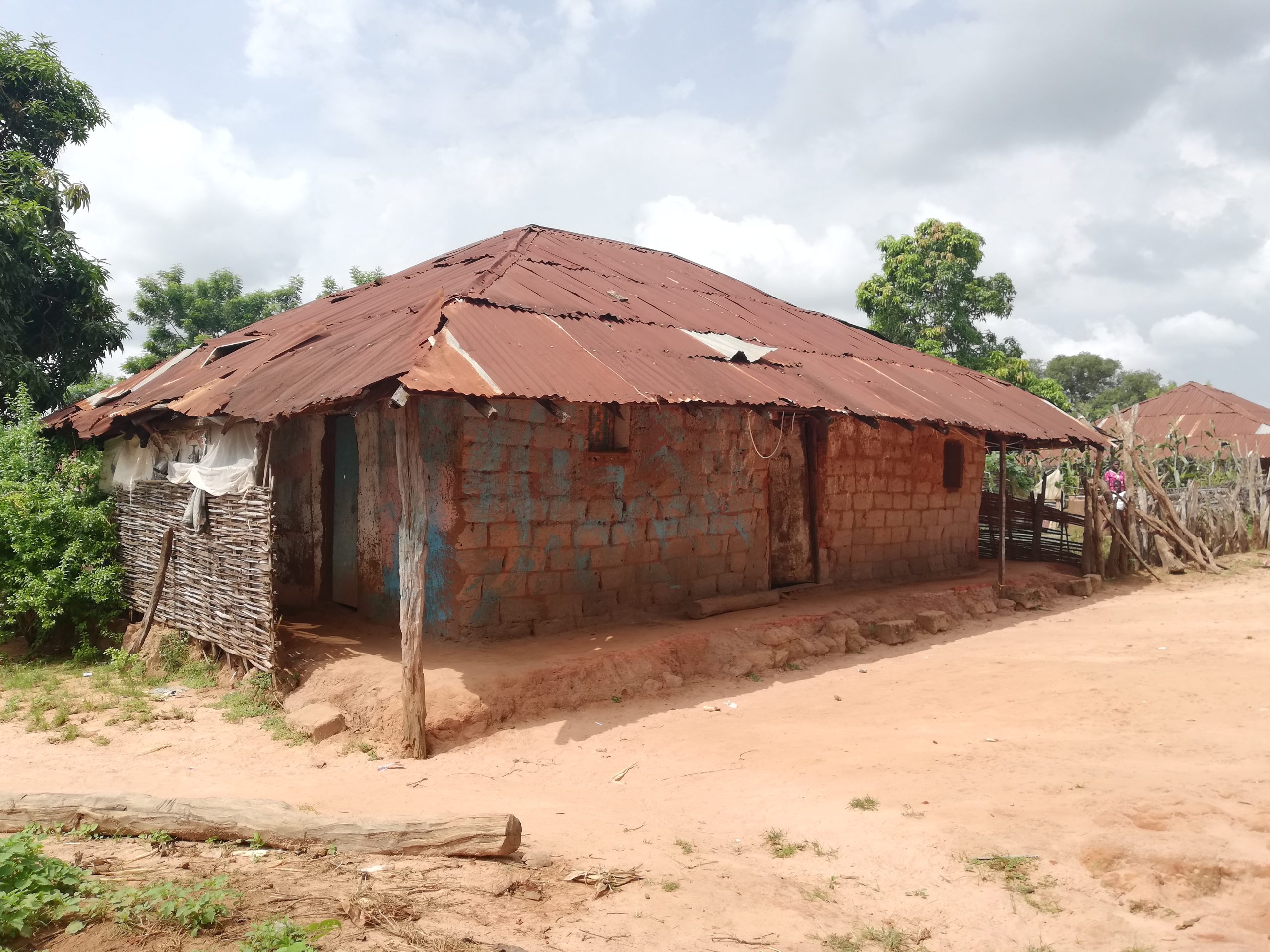
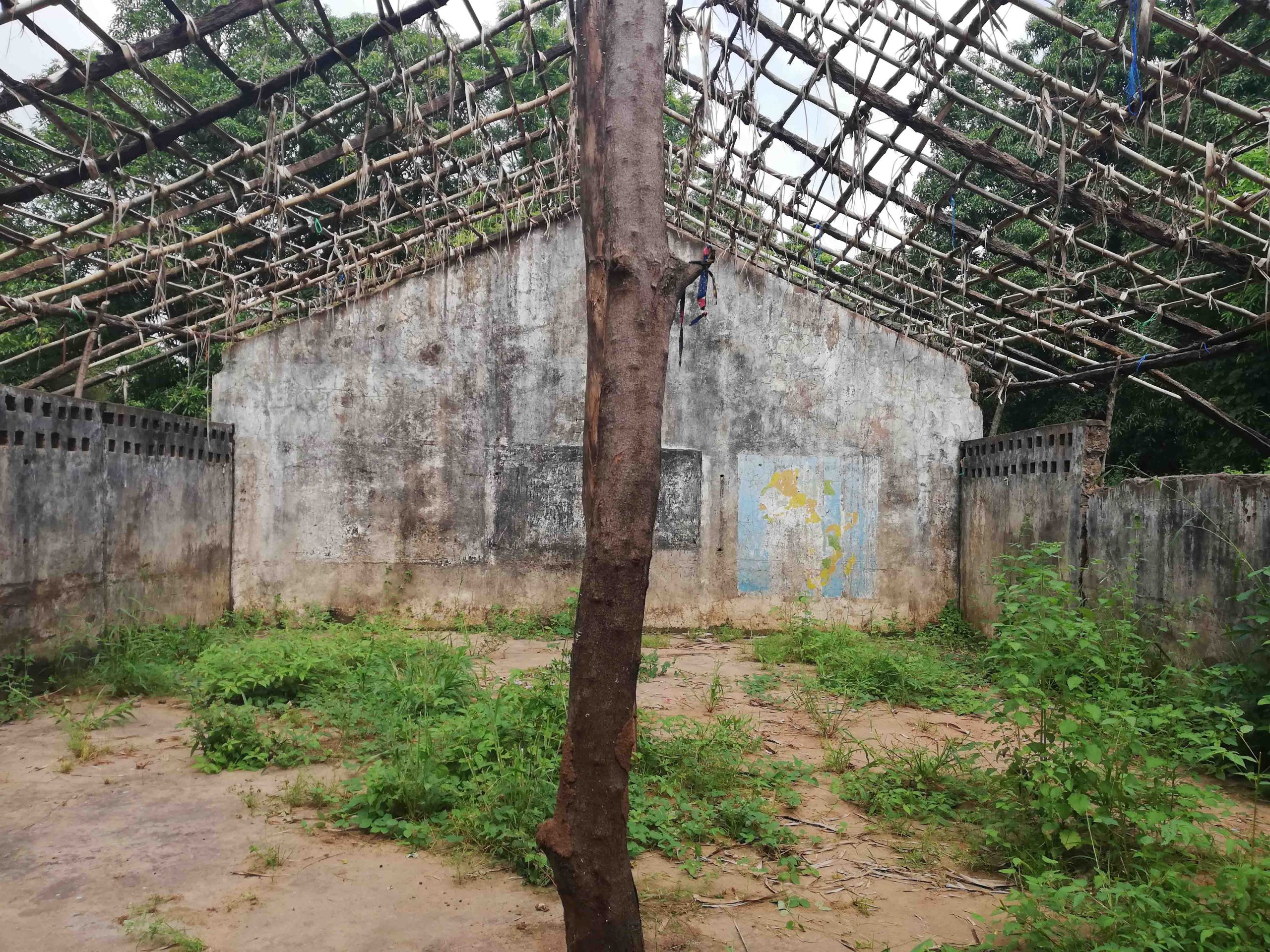
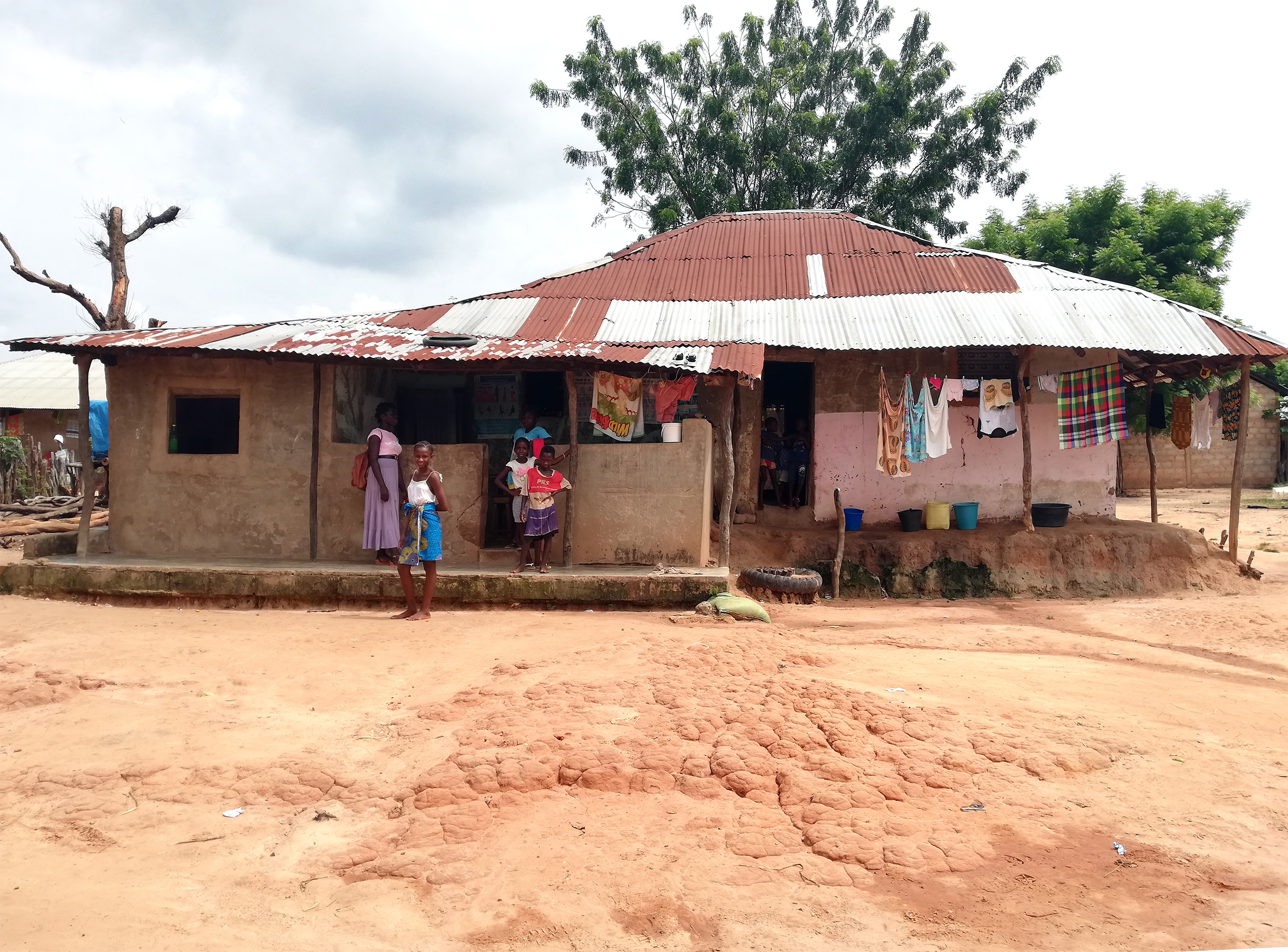
    Between 1968 and 1974, during the last years of the Guinean war of independence, under the general governor António de Spínola, between 60 to 140 strategic villages were built in Guinea-Bissau with the aim of regrouping rural population living in strategic war zones (e.g., borders, proximity to rivers, populated areas etc.). These villages provided rural population with basic housing conditions, collective facilities, water supply and military “security”. In few years, by “winning hearts and minds” of the Guinean population, the Portuguese army achieved to coordinate the construction of approximately 8313 houses, 196 schools, 51 sanitary posts, but also new roads, bridges and airstrips built mostly by African labour.

    How to cite

    ArchLabour: Architecture Colonialism and Labour (P.I. Ana Vaz Milheiro, ERC-funded 10.3030/101096606, 2024-2028). Strategic Villages, Guinea-Bissau. Accessed on 4th March 2026. Available at: https://archlabour.iscte-iul.pt/strategic-villages-guinea-bissau/

    Last update: February 12, 2026

    01. Plan & Construction

    The first designs for Diamang’s settlements and buildings were created by American mining engineers. The Concession Services, founded in 1942, assembled the first teams dedicated to construction work within the mining concession. Around the same time, the mining posts in Lunda were renamed ‘urban centres’, reflecting the company’s commitment to creating high-quality spaces. Thousands of single-family houses with extensive gardens and numerous facilities, including schools, parks, recreation centres, hospitals, museums and laboratories, were built. Over the next few decades, Diamang established several departments dedicated solely to spatial planning and construction. These became increasingly specialised, including the Construction team in 1950 and the Civil Construction Services in 1957, as well as their subsequent branches.

    02. Labour

    In the 1940s, Diamang employed around a thousand African workers for earthmoving, construction, building repairs, and general maintenance of gardens and parks in the main settlements. Among them were contractors and day labourers. A separate department supervised the construction of villages for African families around mining sites with its own construction teams. Women also participated in these tasks, mainly by obtaining building materials, transporting water and producing clay for bricks. By 1960, around 5,000 workers (20% of the company’s total workforce) were employed in building construction, road construction and urbanisation services.

    03. Skills & Technologies

    Diamang constantly engaged in experiments with new construction technologies, mostly for economic and reputational reasons. After the Second World War, the company tested various construction systems and materials, including Wallace Neff’s concrete ‘Airform’ houses, wooden ‘Trajinha’ prefabricated houses, and Jean Prouvé’s metal ‘Studal’ demountable houses. These building processes involved organising workshops, training African workers and manufacturing bricks and carpentry locally. Diamang never employed architects and frequently relied on housing projects promoted by other mining companies in Central Africa, particularly Union Minière du Haut Katanga.

    Location

    Archival Records

    Visual Materials Outputs

  • Waterford School, Eswatini

    Waterford School, Eswatini

    WATERFORD SCHOOL, ESWATINI

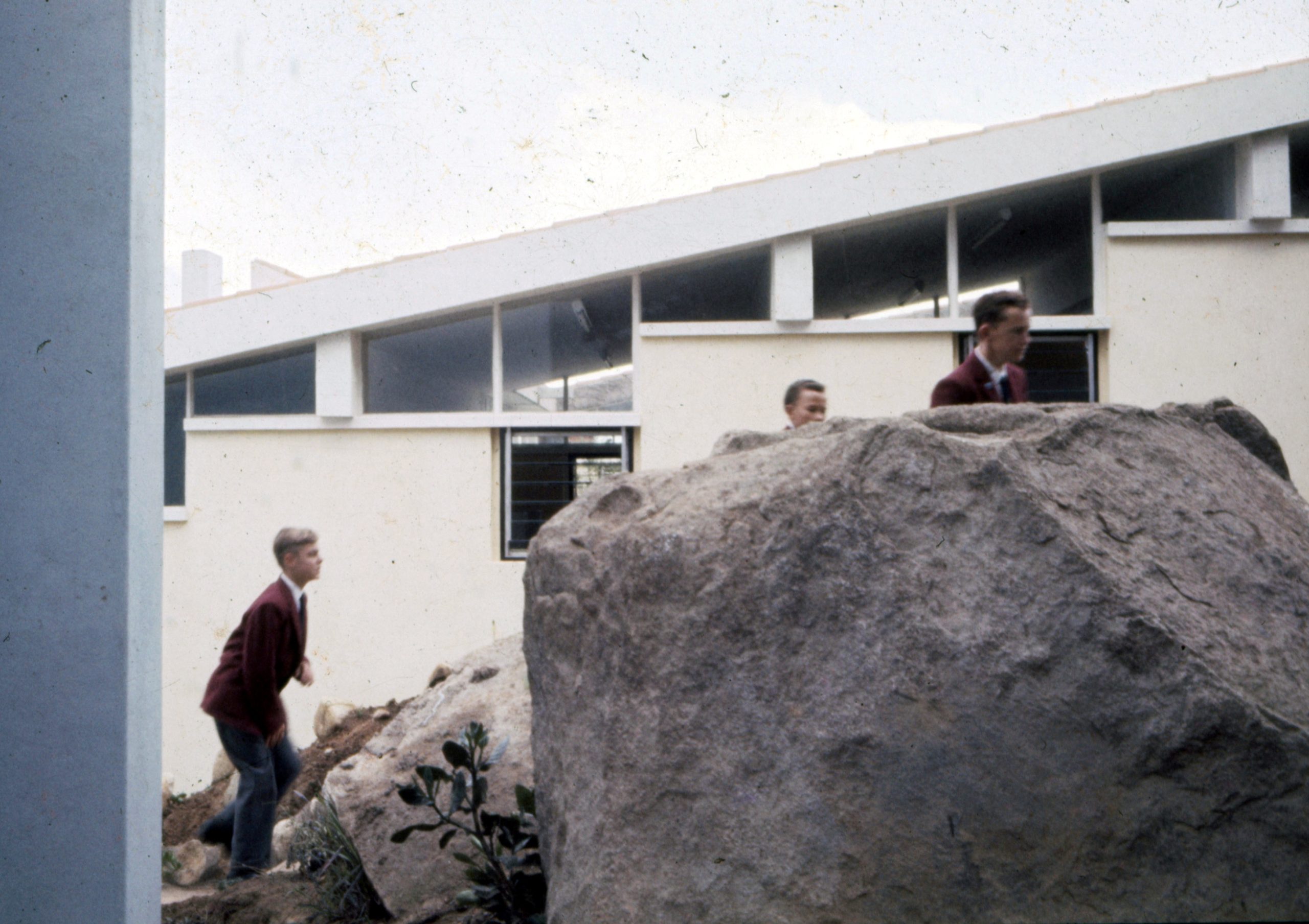
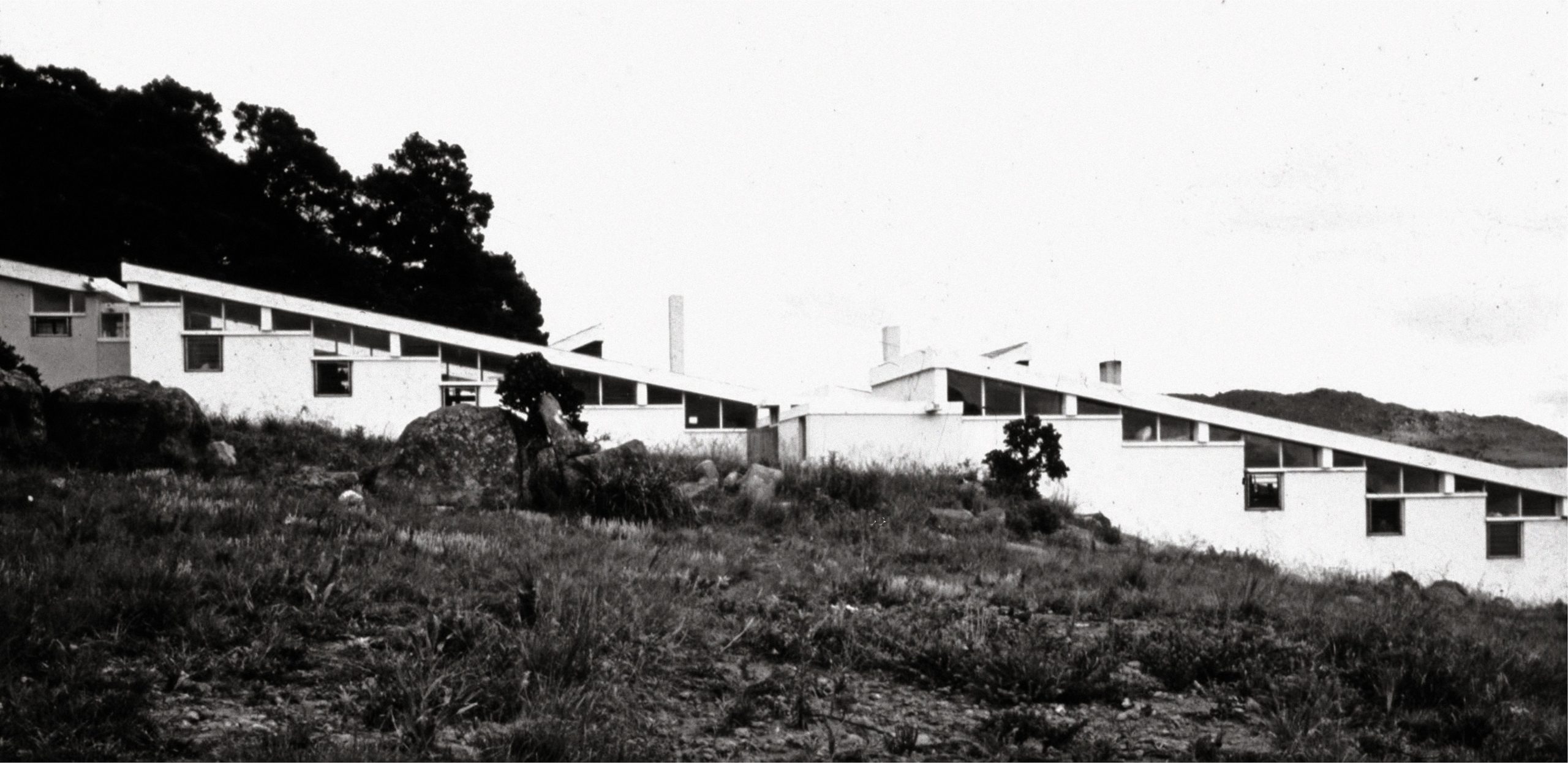
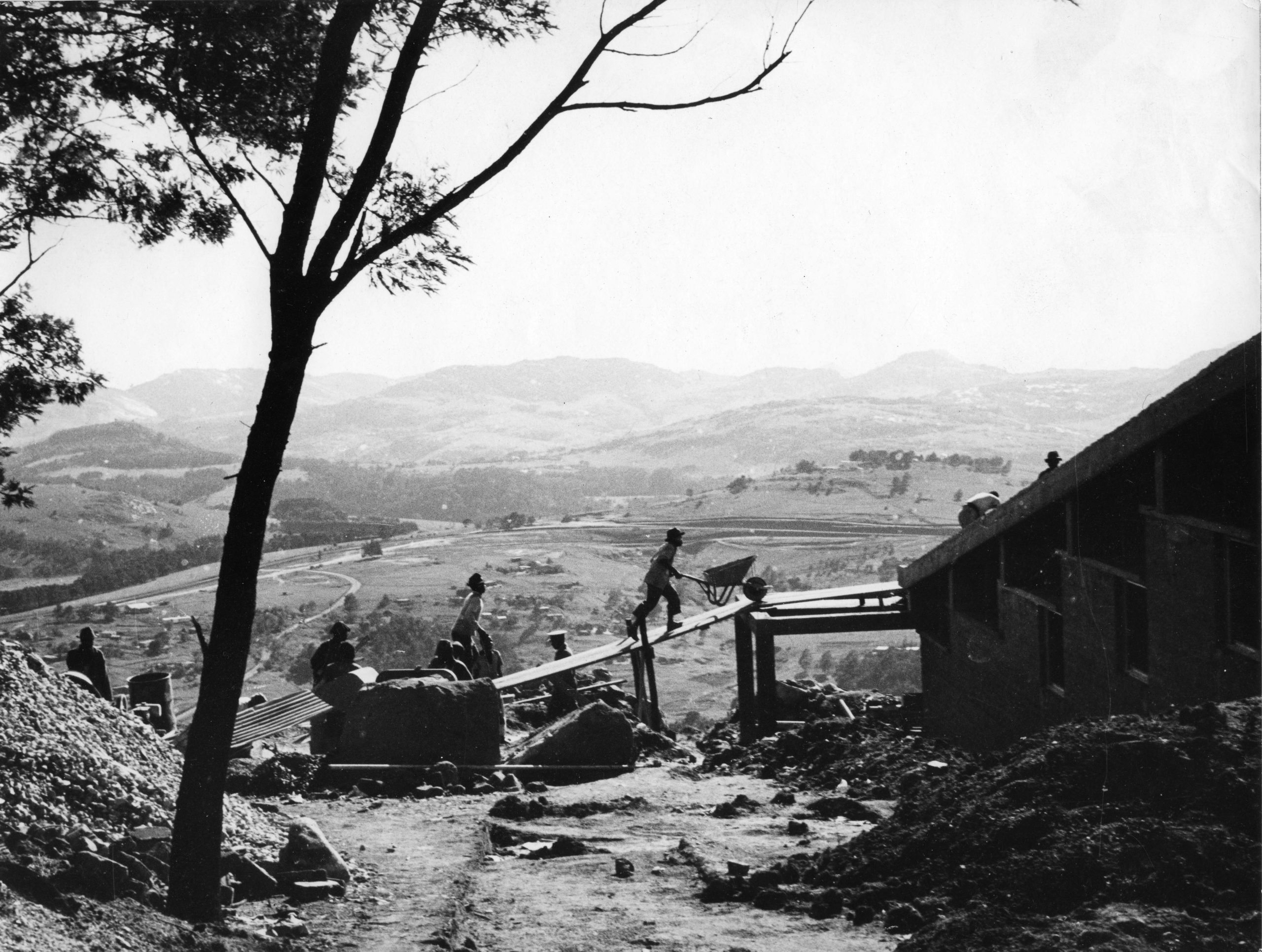
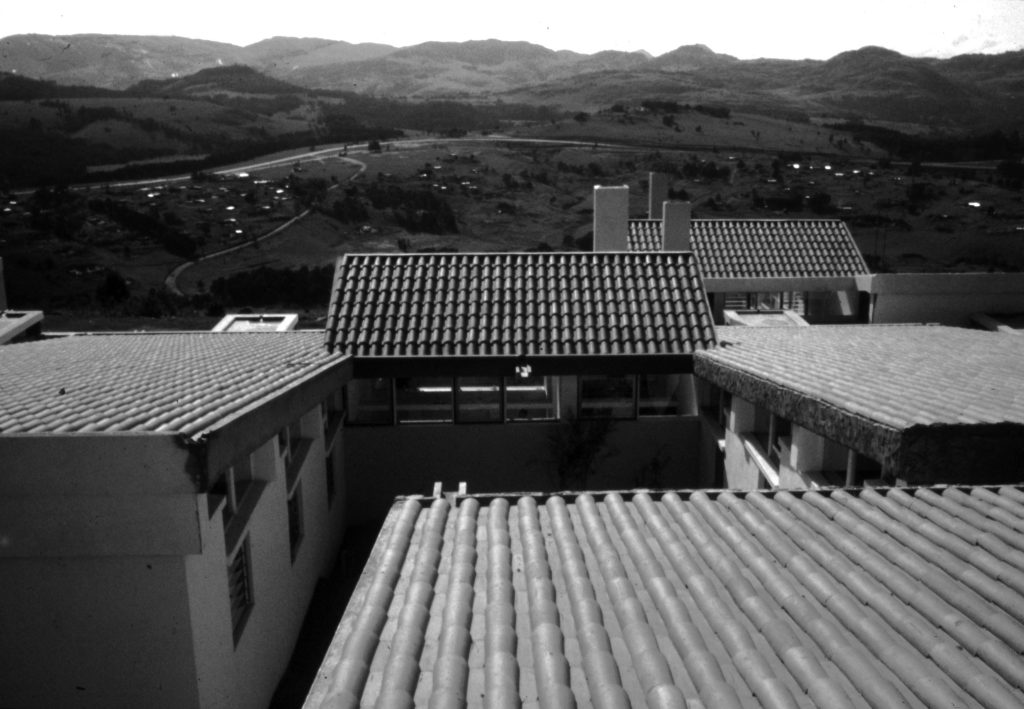
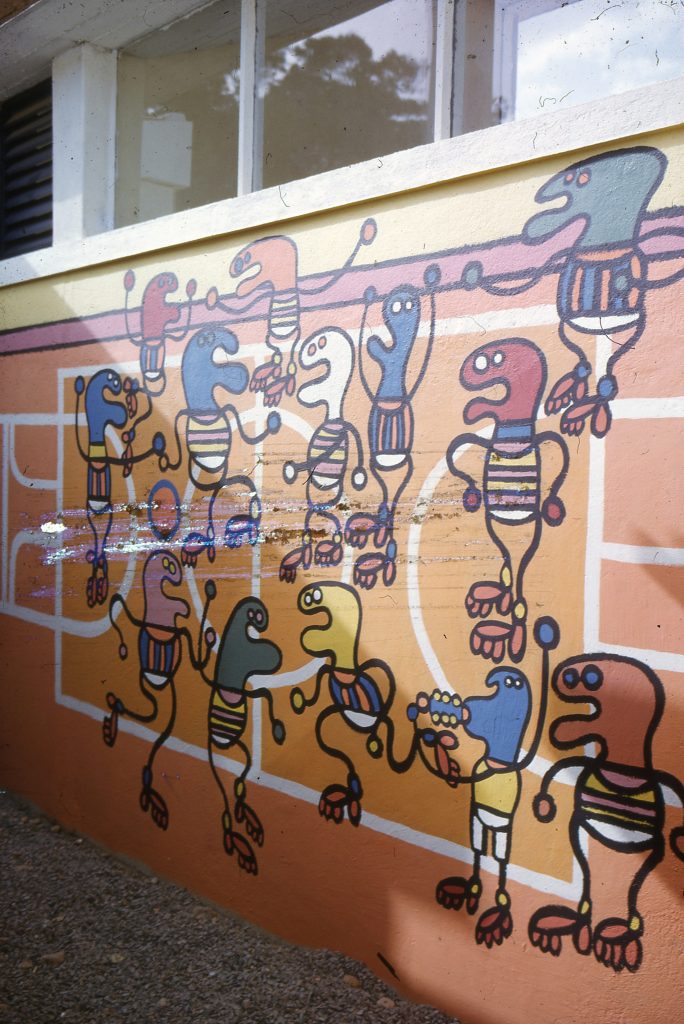
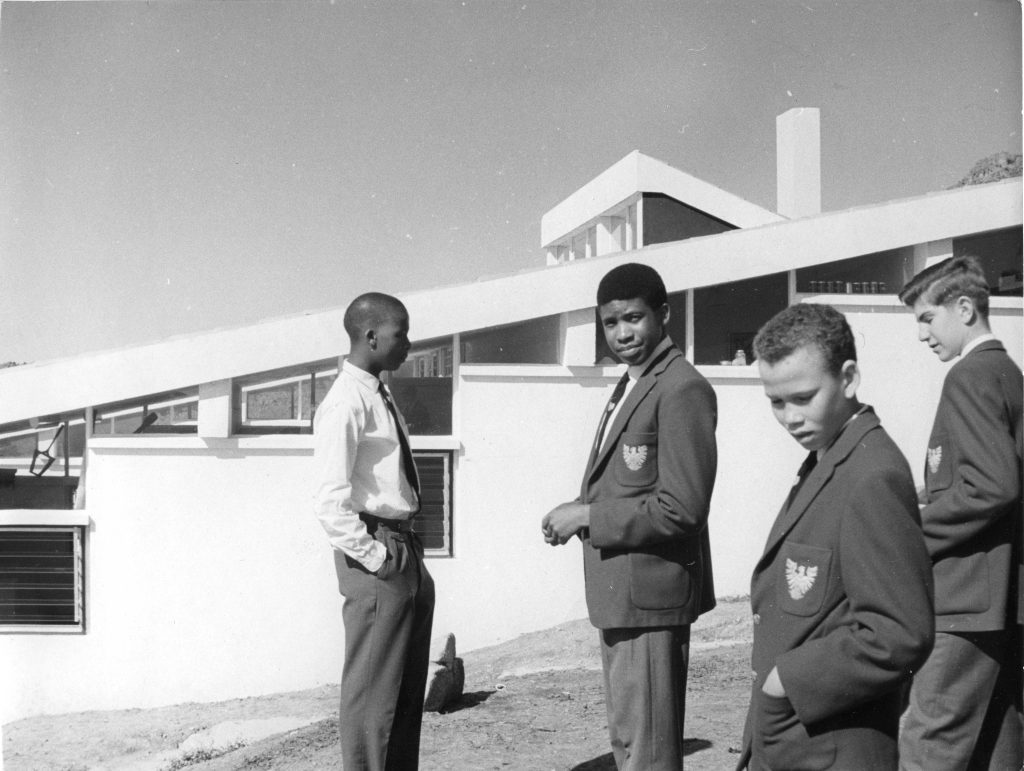
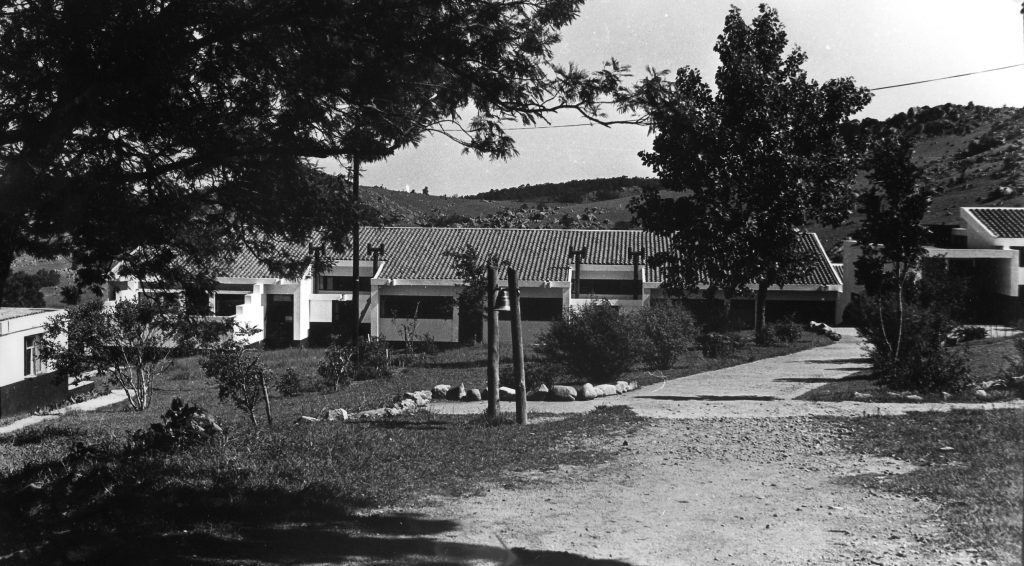
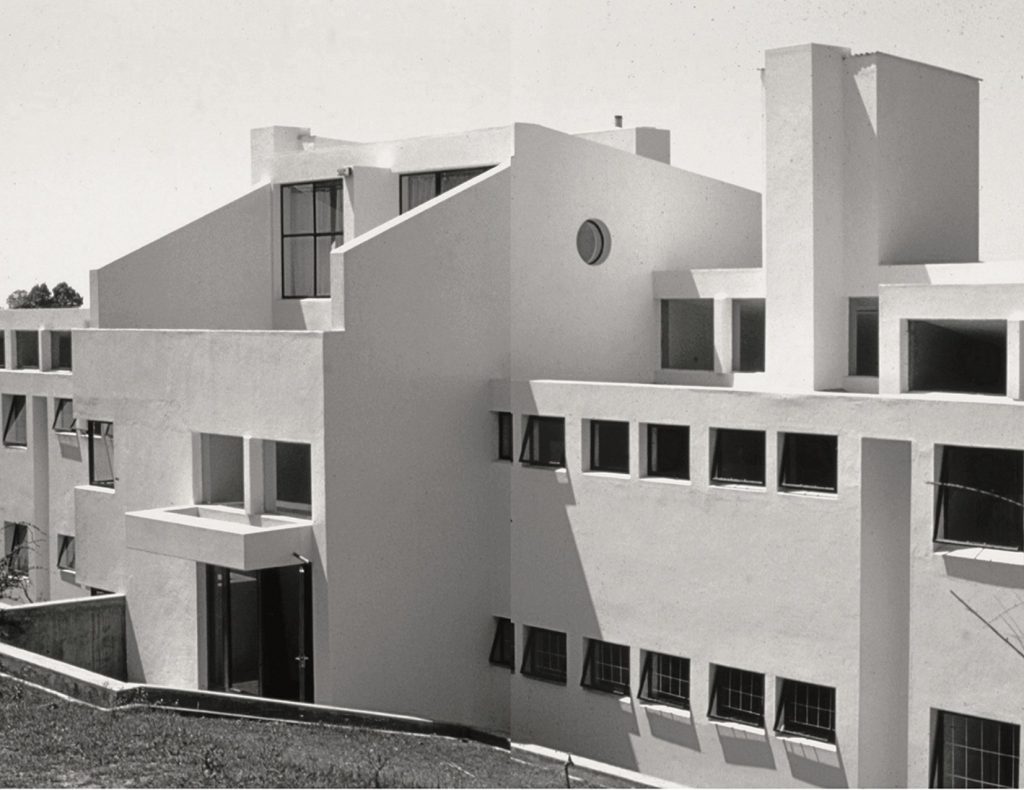
    Waterford School is situated on a hill four miles from Mbabane, the principal town of Swaziland (British Protectorate), now the kingdom of Eswatini. In defiance of apartheid, it was founded by Michael Stern as a multi-racial secondary school for boys, regardless of their ethnicity, religion or income. It opened on February 2, 1963, inspired by British institutions and sponsored by private patrons. The 200-acre site is located 4,500 feet above sea level and 500 feet above Mbabane. “Rondavels”, a pre-existing group of buildings, served as the first classrooms and other accommodation. The new complex occupied the hills, leaving the flat area free for sports facilities. Access was via a difficult road, which gave the site an atmosphere of isolation. 

    How to cite

    ArchLabour: Architecture Colonialism and Labour (P.I. Ana Vaz Milheiro, ERC-funded 10.3030/101096606, 2024-2028). Waterford school, Eswatini. Accessed on 4th March 2026. Available at: https://archlabour.iscte-iul.pt/waterford-school-eswatini/

    Last update: February 12, 2026

    01. Plan & Construction

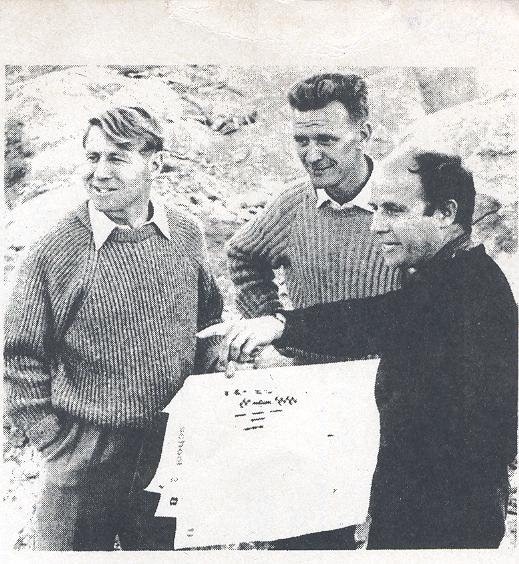
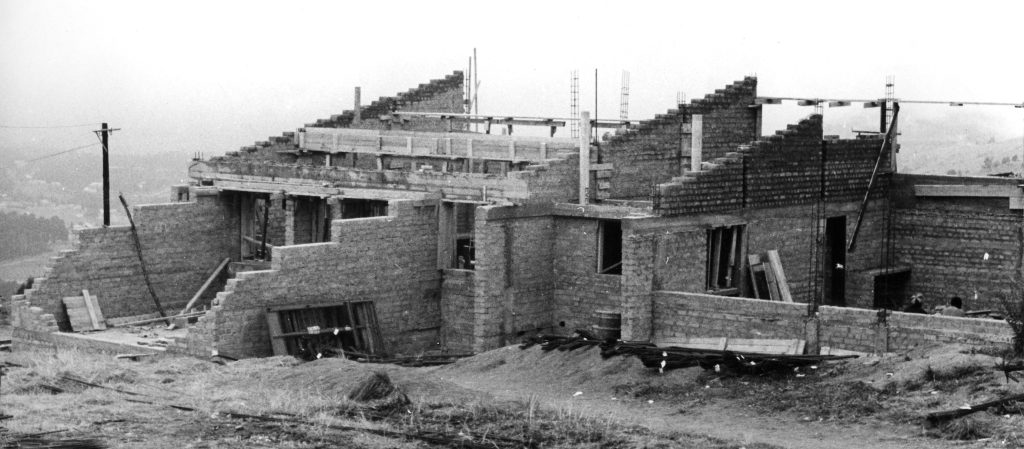
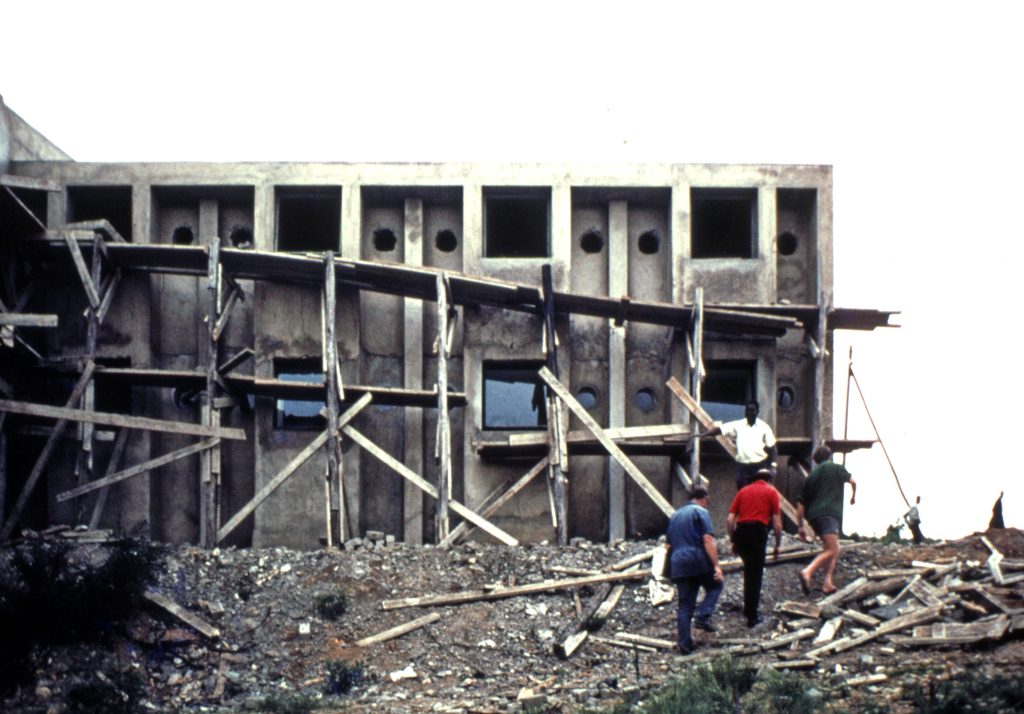
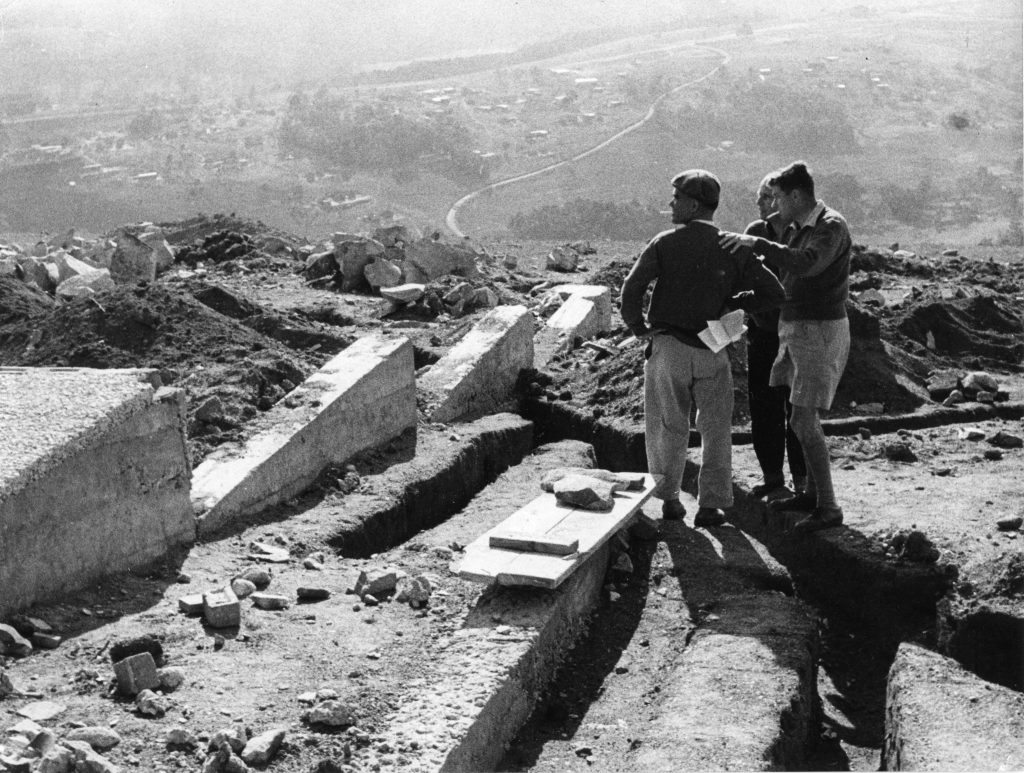
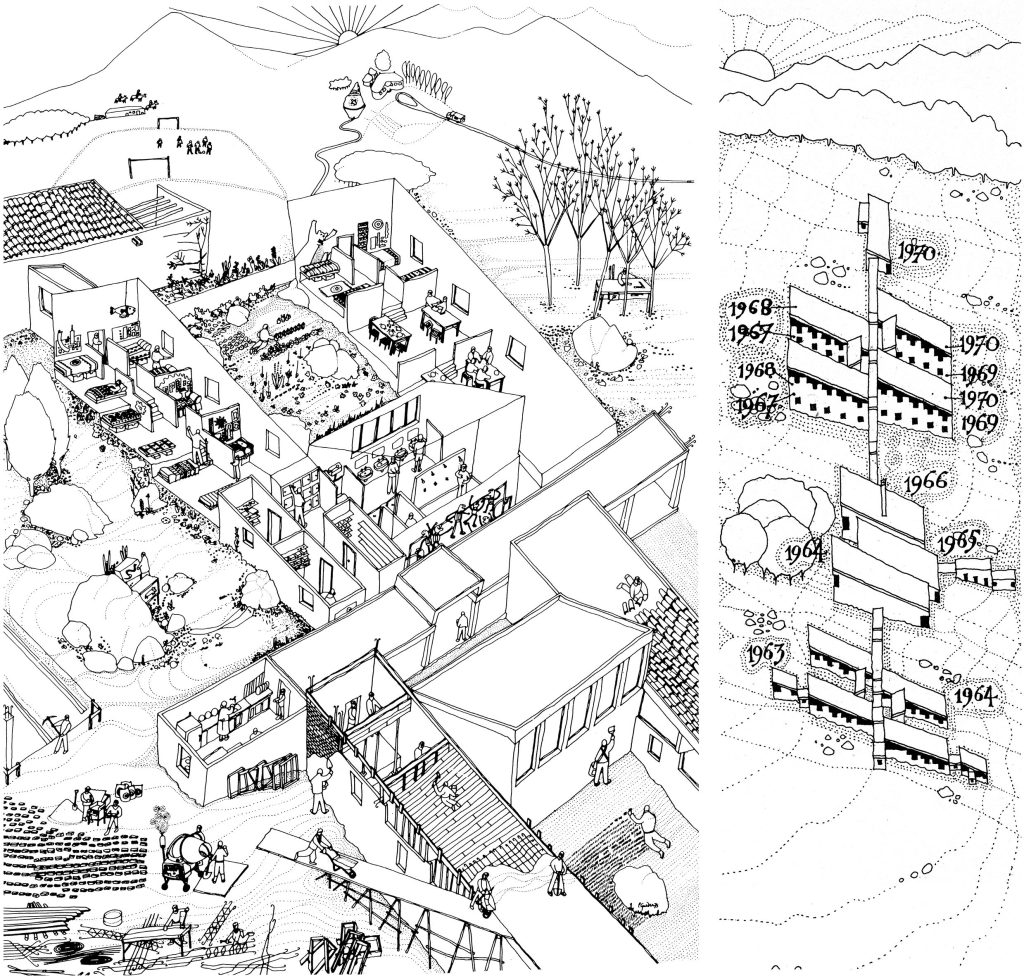
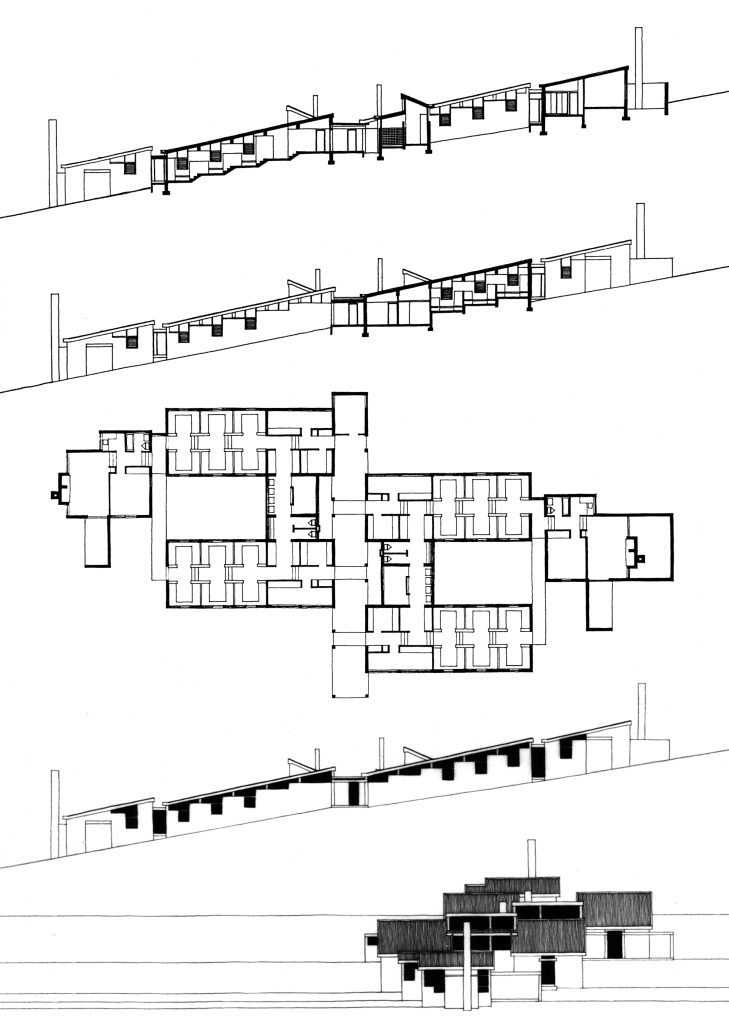
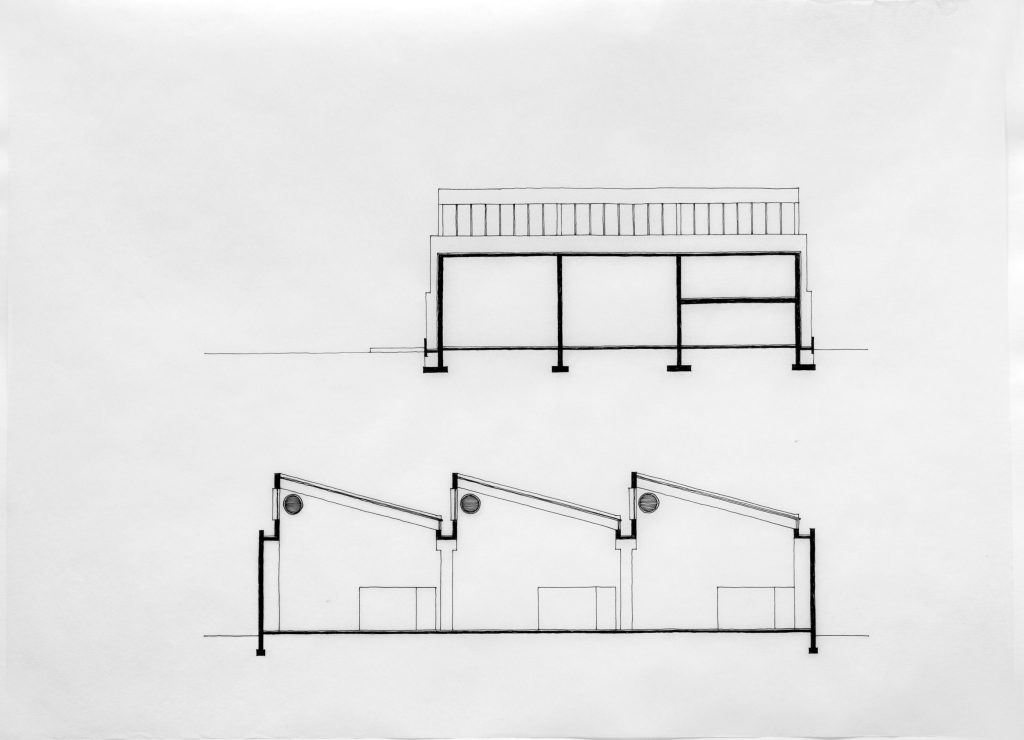
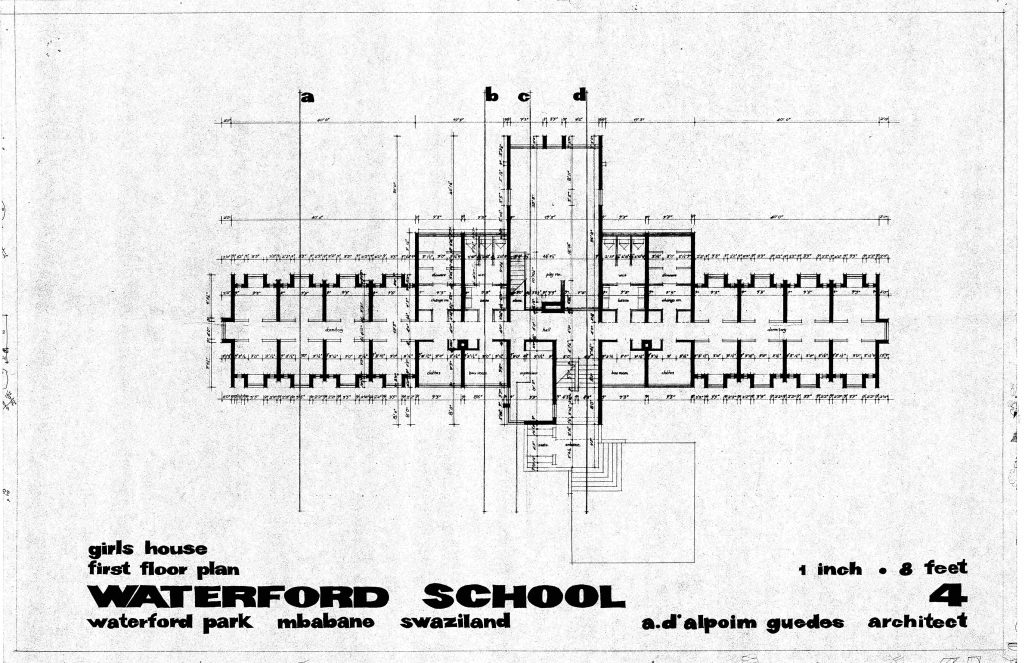
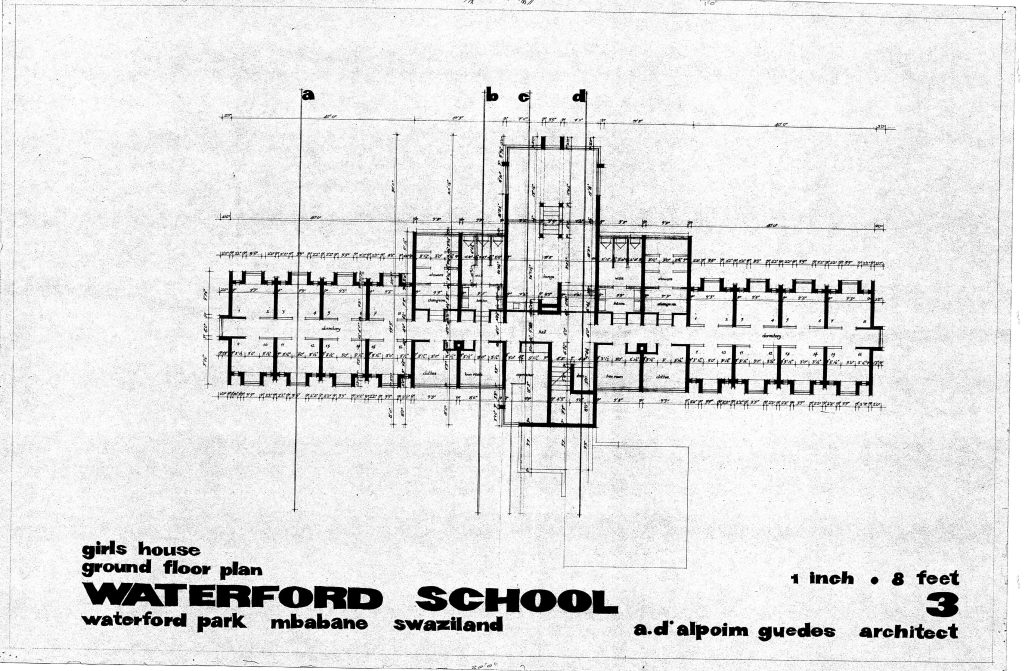
    Pancho Guedes was the architect of the first phase, on a pro bono basis (1961-1972). A drawing by former student Pedro Guedes dated the different phases of the first nucleus, structured from a level corridor/open-air gallery, with perpendicular buildings following the slope: one-storey dormitories, ending with two staff/teachers’ houses (1963-1964); three blocks for collective activities, including meals (1964-1966); two-storey dormitories (1967-1970), culminating in a residence (1970). The library, two classroom blocks and laboratories were built nearby. A girls’ dormitory was built away from this first core but near the “Rondavels” (1969-1972). As the complex expanded, the internal functions changed, ensuring that the school could be used while the building work continued. 

    02. Labour

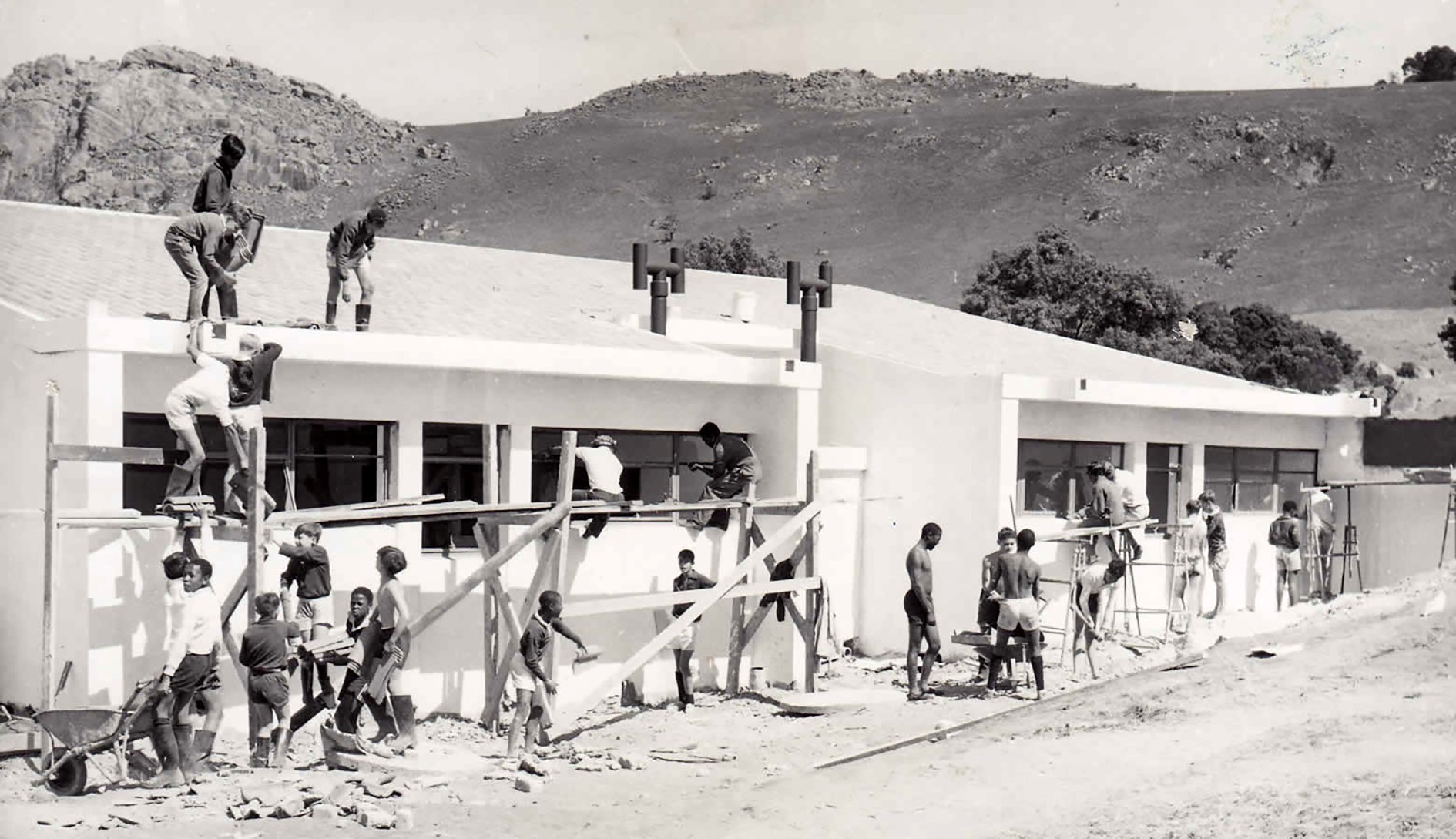
    James Richardson, an experienced British carpenter, who settled with his family at the beginning of the school’s construction, was one of the pillars of the enterprise. He was part of the team that coordinated a workforce of local labour, augmented by mostly of Waterford residents – pupils, staff and teachers. They were joined by Mozambican workers brought in by the architect Pancho Guedes and the Portuguese builder Machado, who replaced the first contractor of South African origin. Students and teachers performed unskilled tasks, supervised by more qualified laborers. The different languages that coexisted on the building site reflected the heterogeneity of the agents involved. 

    03. Skills & Technologies

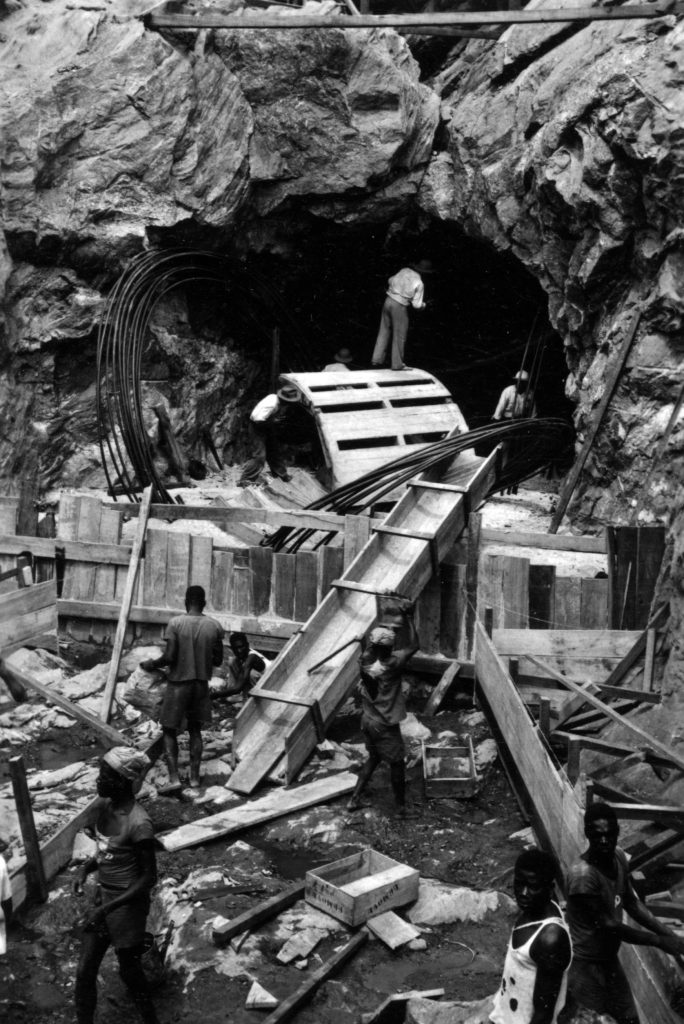
    The initial construction work consisted of clearing the land of granite boulders. The sequence of tasks included making sun-cured sand and cement bricks and molding them on site; laying foundations and compacting the earth; formwork and concreting; assembling cages of reinforcement from straight steel rods; pouring concrete roof slabs; and laying roof tiles. The construction systems mixed the Portuguese tradition practiced in Mozambique with the South African one, the latter using industrially produced components such as standardized steel windows. Although the construction was solid, the finishes were precarious, as a result of unskilled labor (including students) in tasks such as painting. At least one mural was frescoed in one of the dormitory courtyards. 

    Location

    Archival Records

    Visual Materials Outputs

    Fieldwork

  • Benguela Railway, Angola

    Benguela Railway, Angola

    BENGUELA RAILWAY, ANGOLA

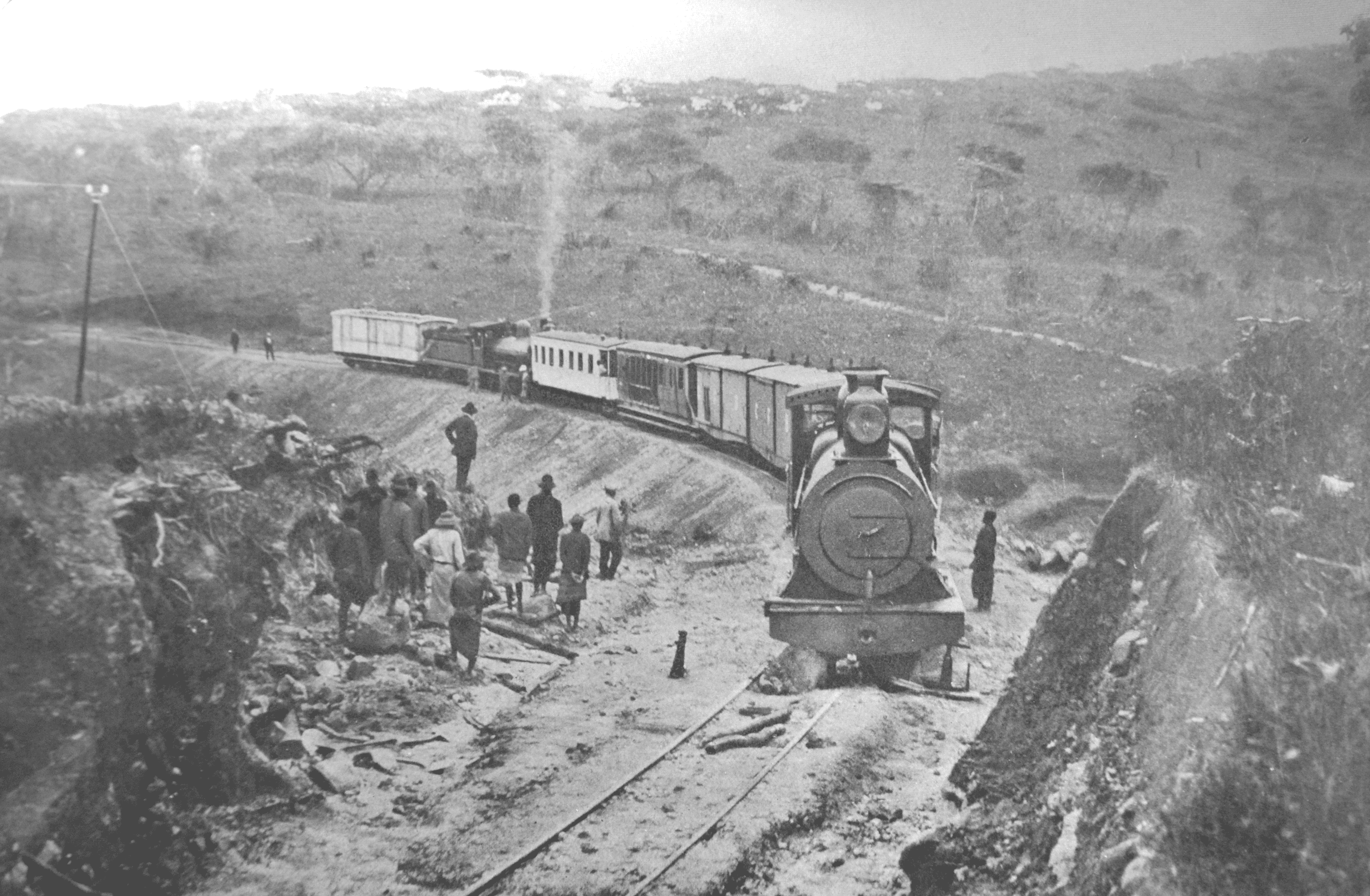
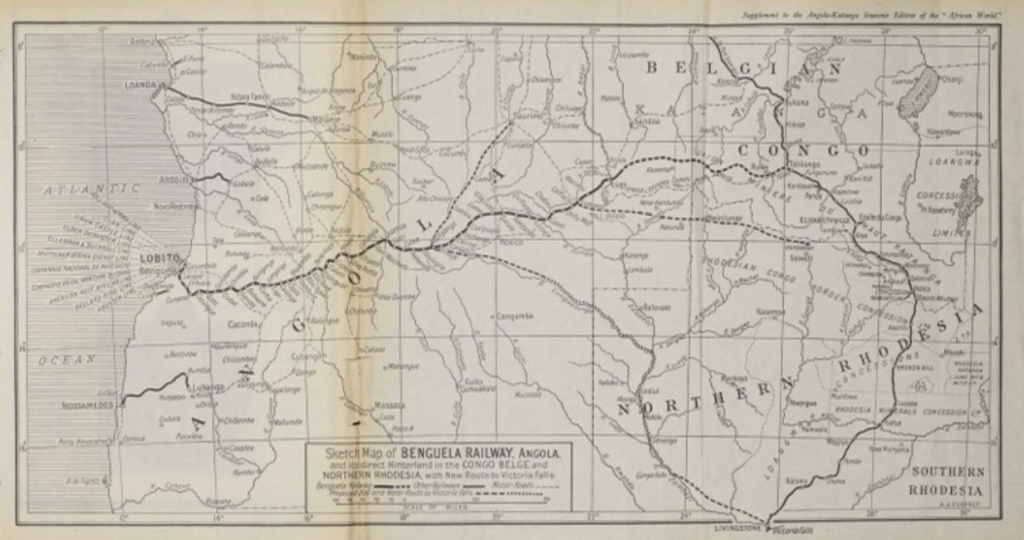
    The Benguela Railway, built between 1903 and 1931, was one of the most important mobility infrastructures developed during European colonialism in Africa, bringing together Portuguese, British and Belgian interests. The railway is 1,866 km long, with almost 60 stations, and connects Lobito, on the Angolan coast, with Luau, a small town near the eastern border – and then extends to the Katanga mining region in the Belgian Congo.

    How to cite

    ArchLabour: Architecture Colonialism and Labour (P.I. Ana Vaz Milheiro, ERC-funded 10.3030/101096606, 2024-2028). Benguela railway, Angola. Accessed on 4th March 2026. Available at: https://archlabour.iscte-iul.pt/benguela-railway-angola/

    Last update: February 12, 2026

    01. Plan & Construction

    Construction of the Benguela Railway began on 1 March 1903 and involved two British contractors with extensive experience of building railways in Africa. George Pauling & Co. started the earthworks and imported some rails from England. Th following year, Norton Griffiths & Co. continued the process, completing the first section of 197 kilometres to Cubal in 1908. Pauling was later reappointed and completed the railway to Luau in 1929 (with a long hiatus between 1913 and 1920 due to the economi effects of the First World War). Other smaller contractors, such as the Italian Vigano, also worked on some sections.

    02. Labour

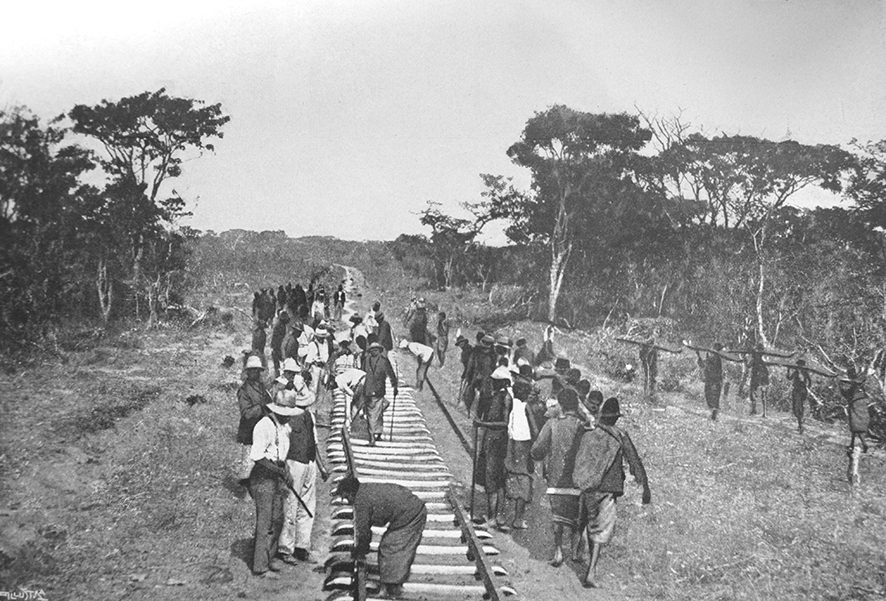
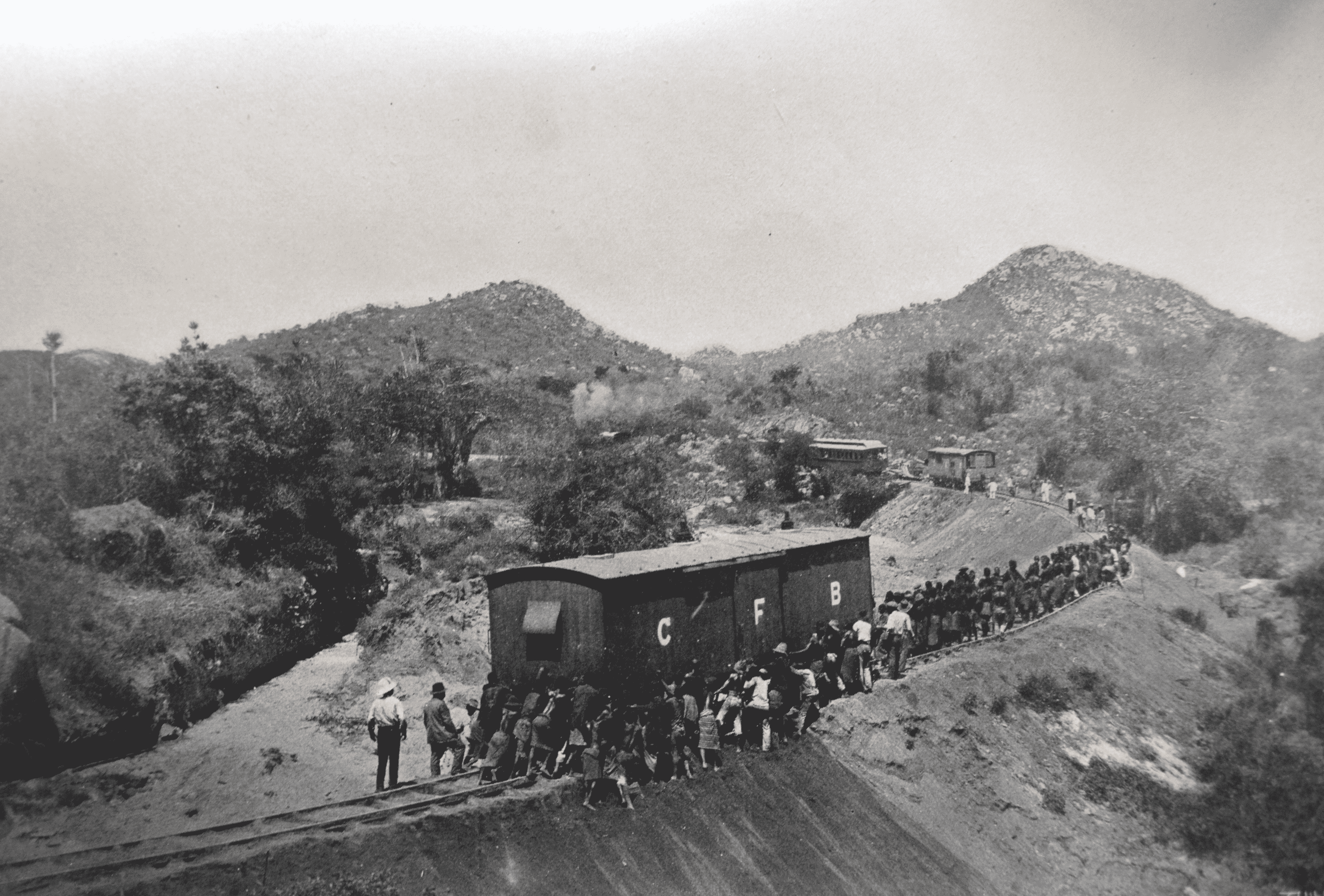
    For the first decade, the work was carried out by 7,000 men working day and night in continuous shifts. Most came from abroad, including Ghana, Liberia (especially “kroo boys”), French West Africa (Senegal), Cape Verde, the Belgian Congo and South Africa. About 2,000 Indians (known as “coolies”) were recruited in Natal and India, some with their families. From 1912 there was a shift towards using local labour in Angola. By this time, construction work was being carried out by smaller teams. Some 2,200 Africans were involved in clearing land, earthworks, steelwork, bridge and telegraph construction and bricklaying. Their wages were “between 100 and 140 réis” – almost half the amount quoted by the Portuguese colonial government in 1900, perhaps because of the “voluntary” position of these men.
    03. Skills & Technologies

    Each section of the line faced different topographical conditions and logistical problems, requiring different techniques, materials and numbers of workers. The first section, for example, involved the construction of an advanced “rack” system. Unlike the “European” personnel, the African workers had no formal qualifications and were not expected to have experience in railway construction. Their assessment by the railway managers was based on ethnic prejudice as well as physical and social ability. Some groups, such as the Kroo, were valued for their physical strength, while others, such as the Quilengues men, were valued for their commitment to the work.

    Location

    Archival Records

    Visual Materials Outputs

    Fieldwork

  • Mabubas Dam, Angola
    Mabubas Dam, Angola

    MABUBAS DAM, ANGOLA

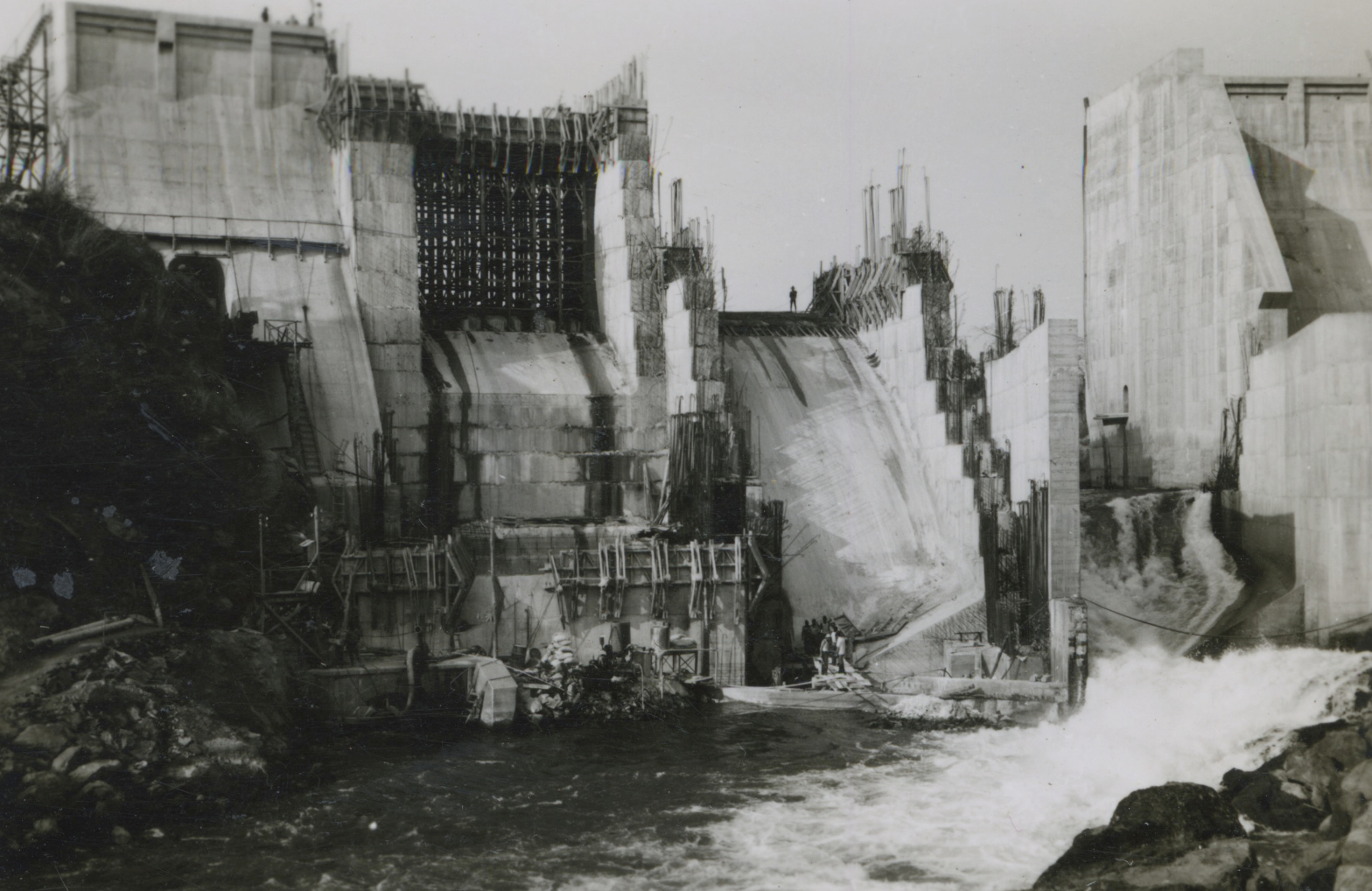
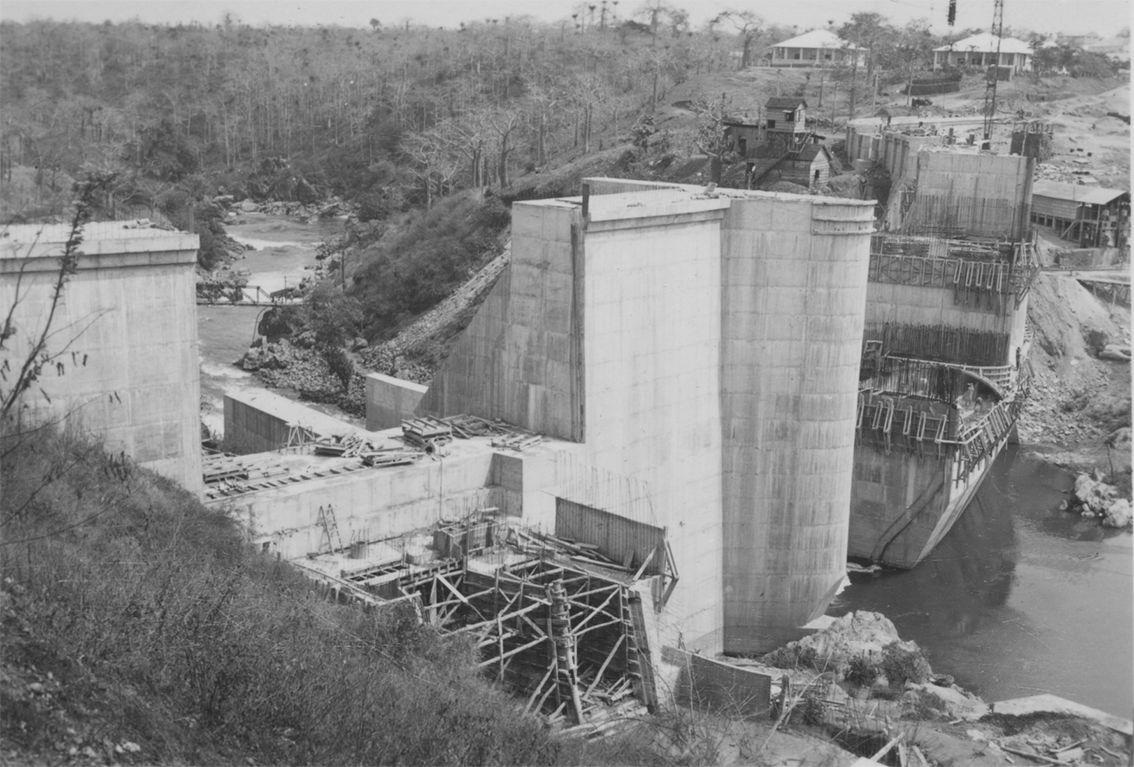
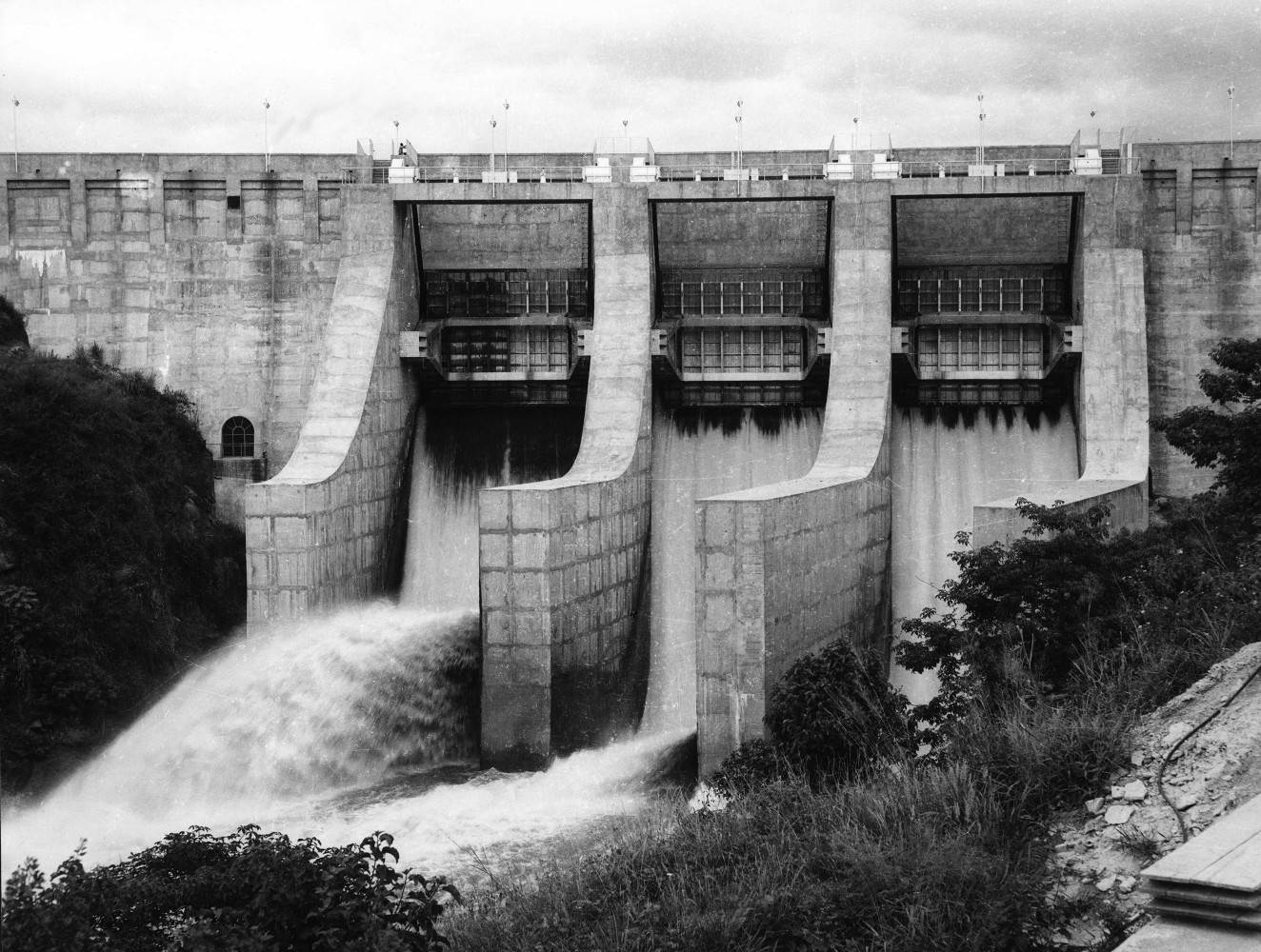
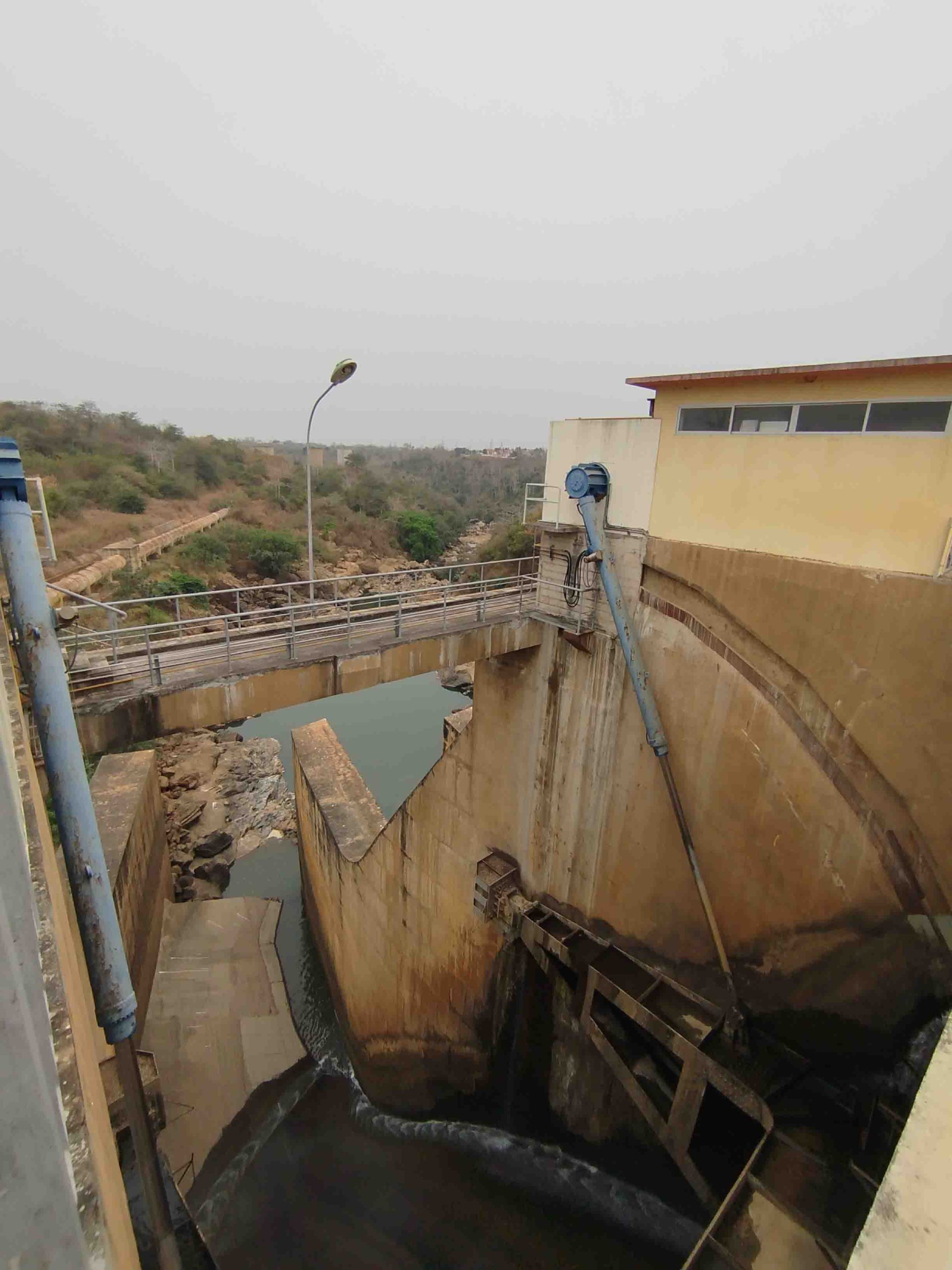
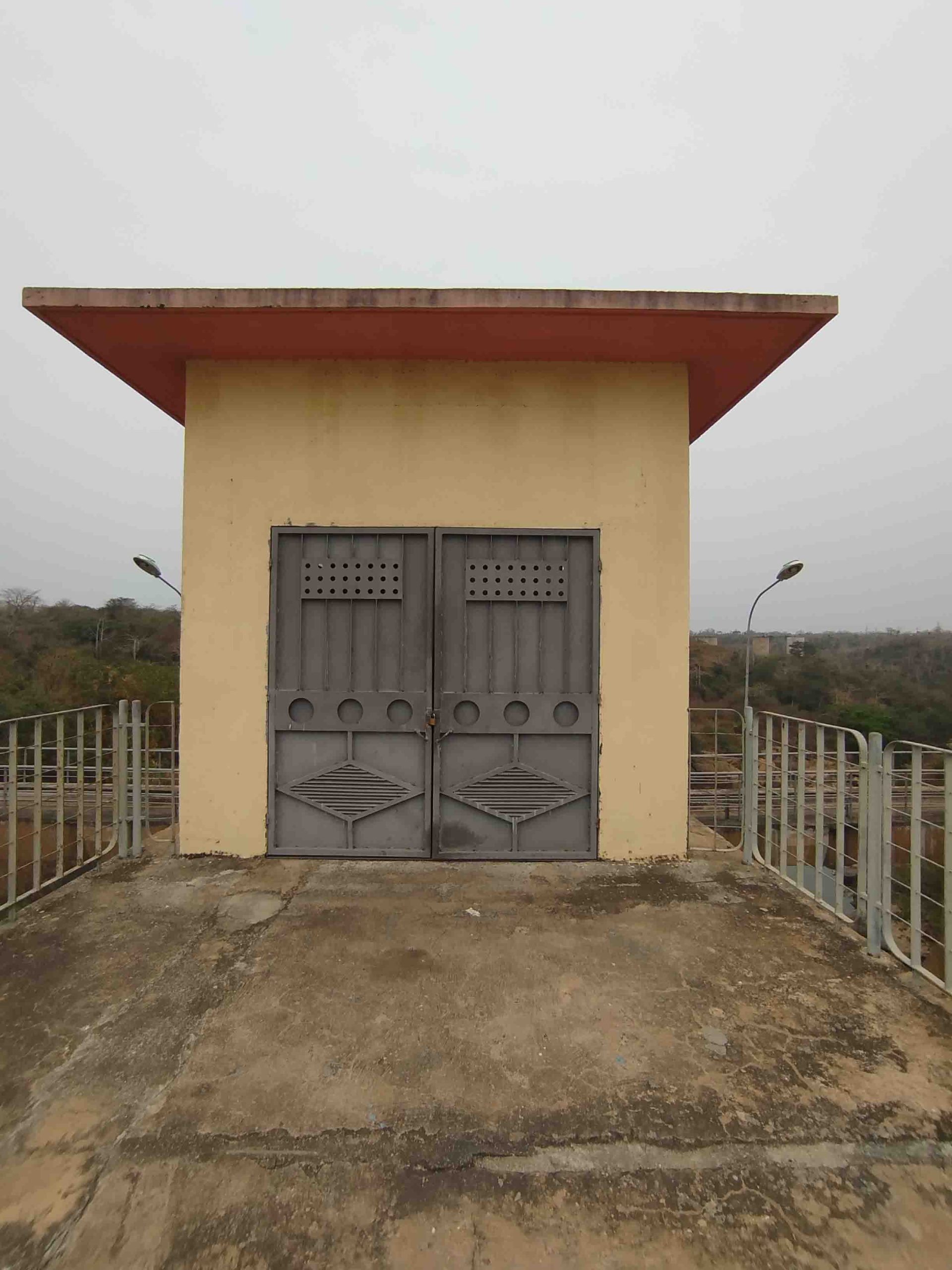
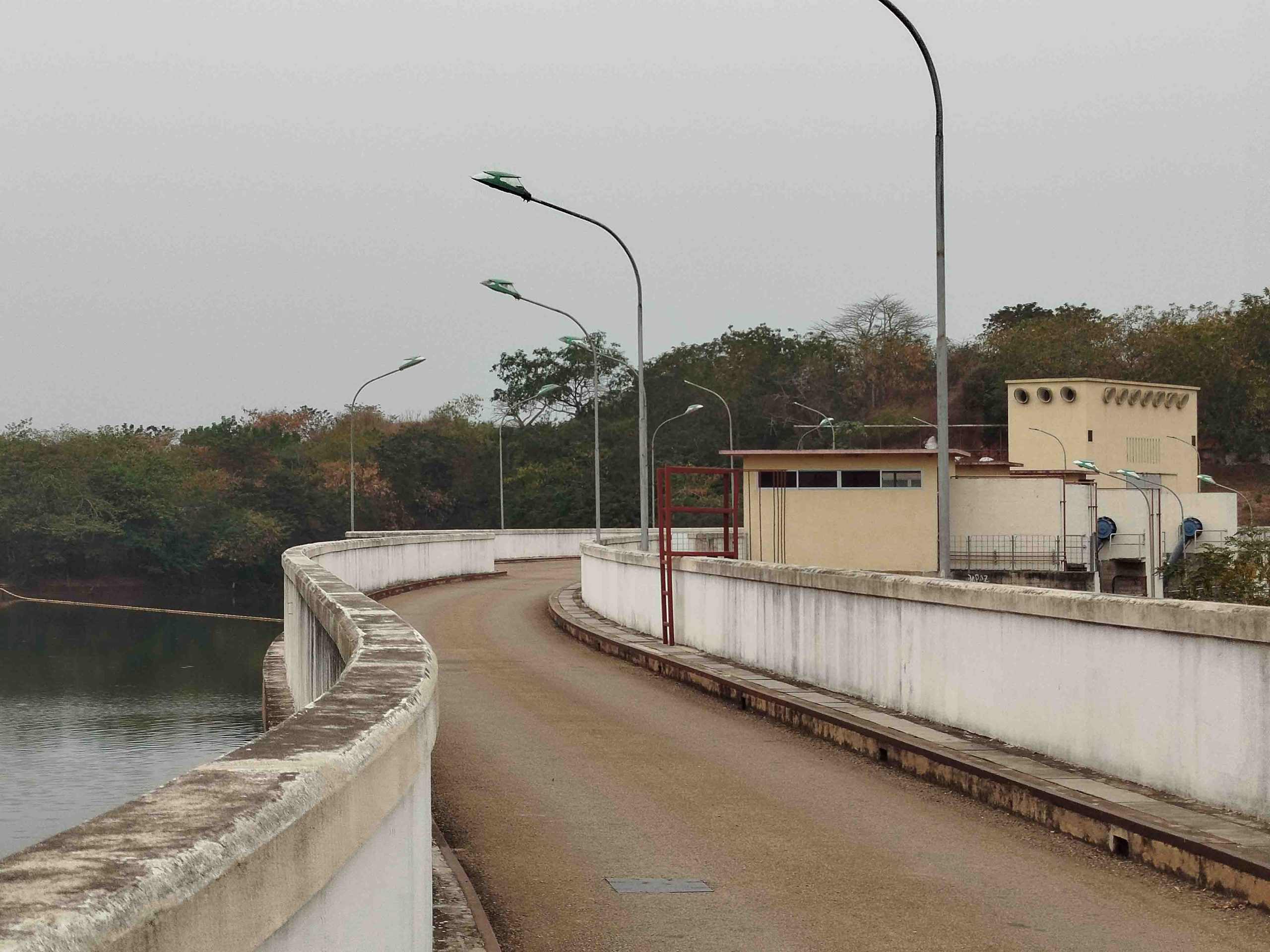
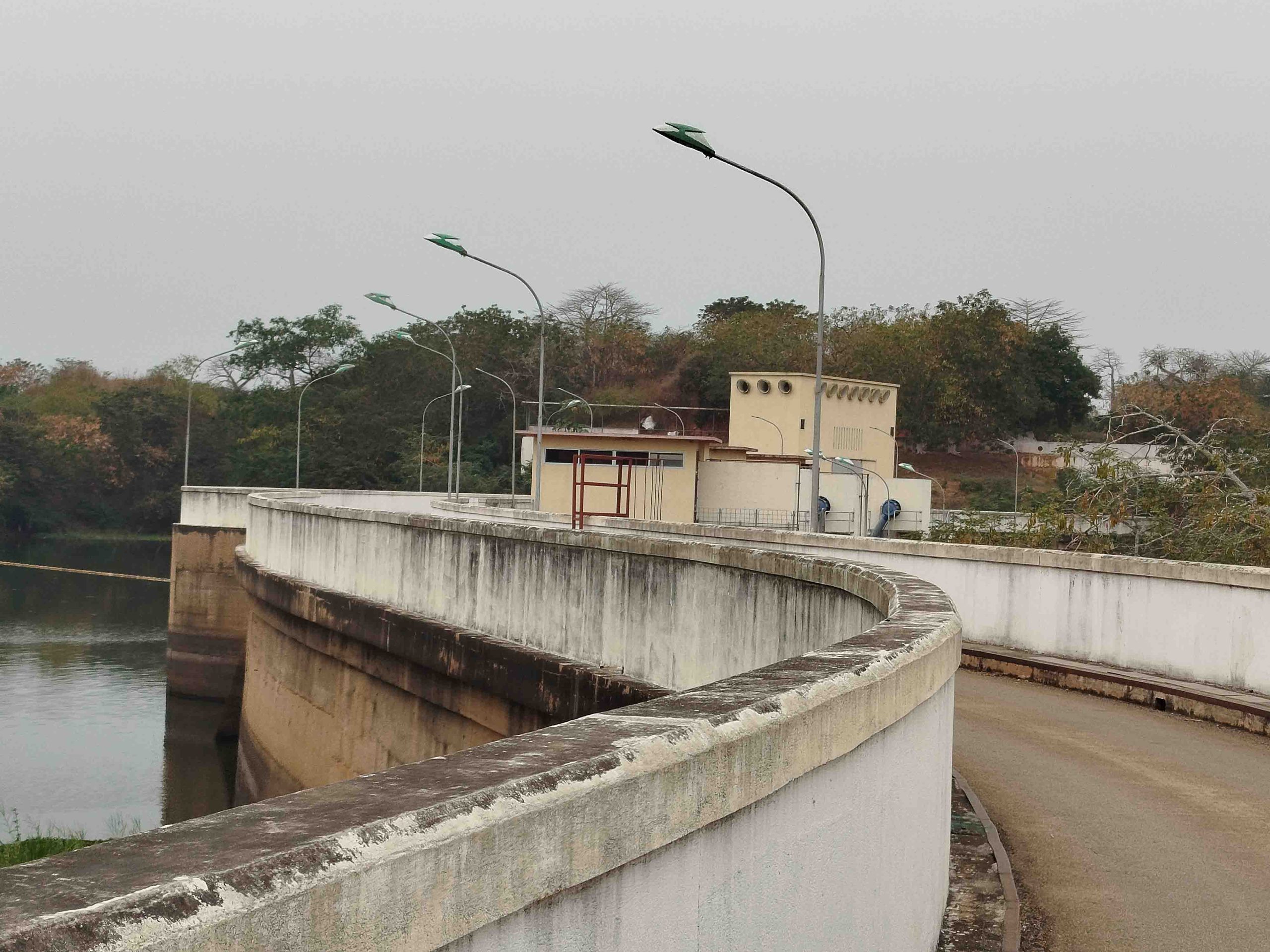
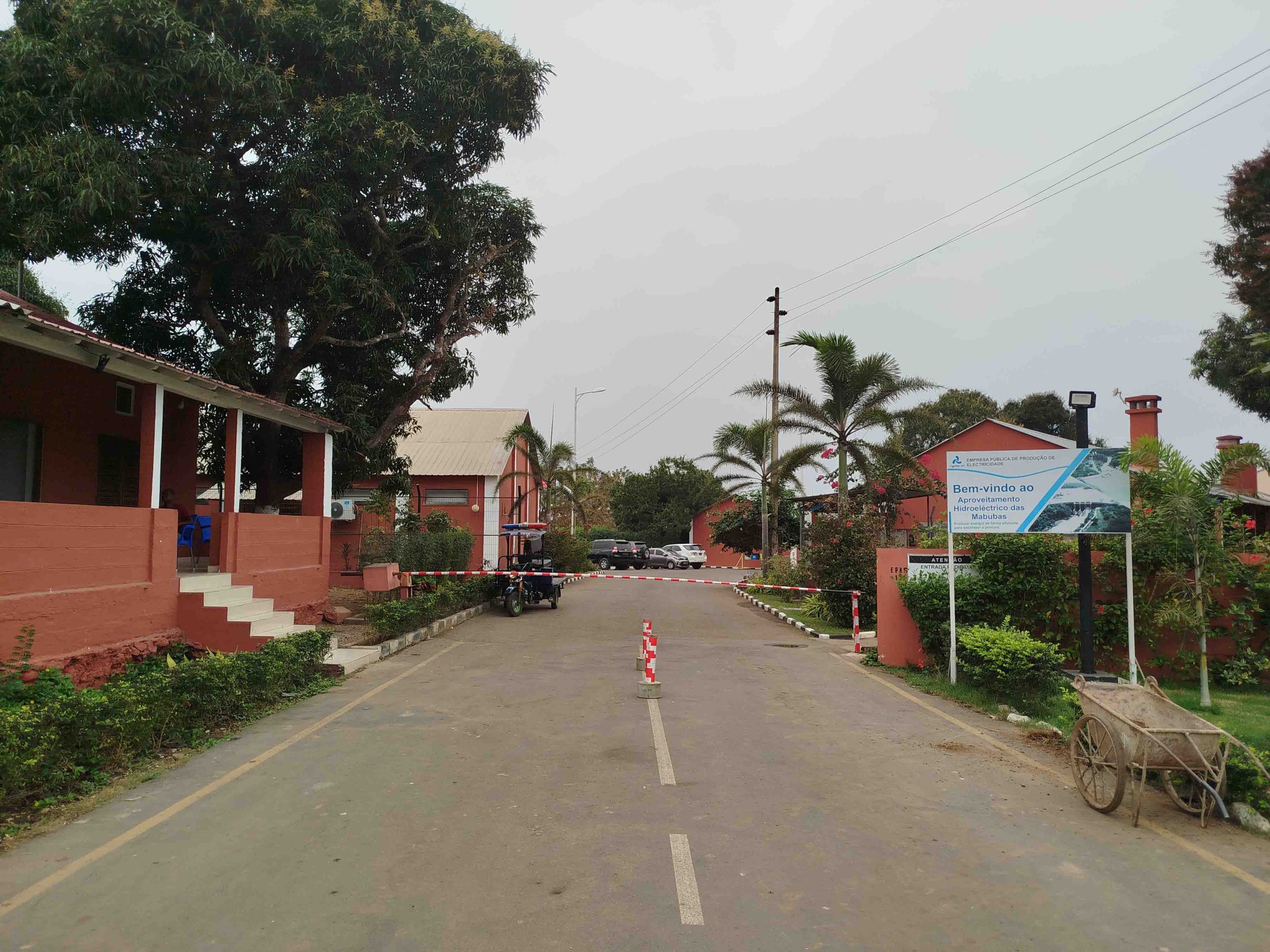
    The Mabubas Dam (1948-1954) – formerly known as Capitão Teófilo Duarte Dam, after the name of the Portuguese Minister of Colonies at the time –, was the first large hydroelectric work promoted by the Portuguese state in Africa. Its construction started in February 1948 at an isolated place near Luanda, Angola.

    How to cite

    ArchLabour: Architecture Colonialism and Labour (P.I. Ana Vaz Milheiro, ERC-funded 10.3030/101096606, 2024-2028). Mabubas Dam, Angola. Accessed on 4th March 2026. Available at: https://archlabour.iscte-iul.pt/mabubas-dam-angola/

    Last update: February 12, 2026

    01. Plan & Construction

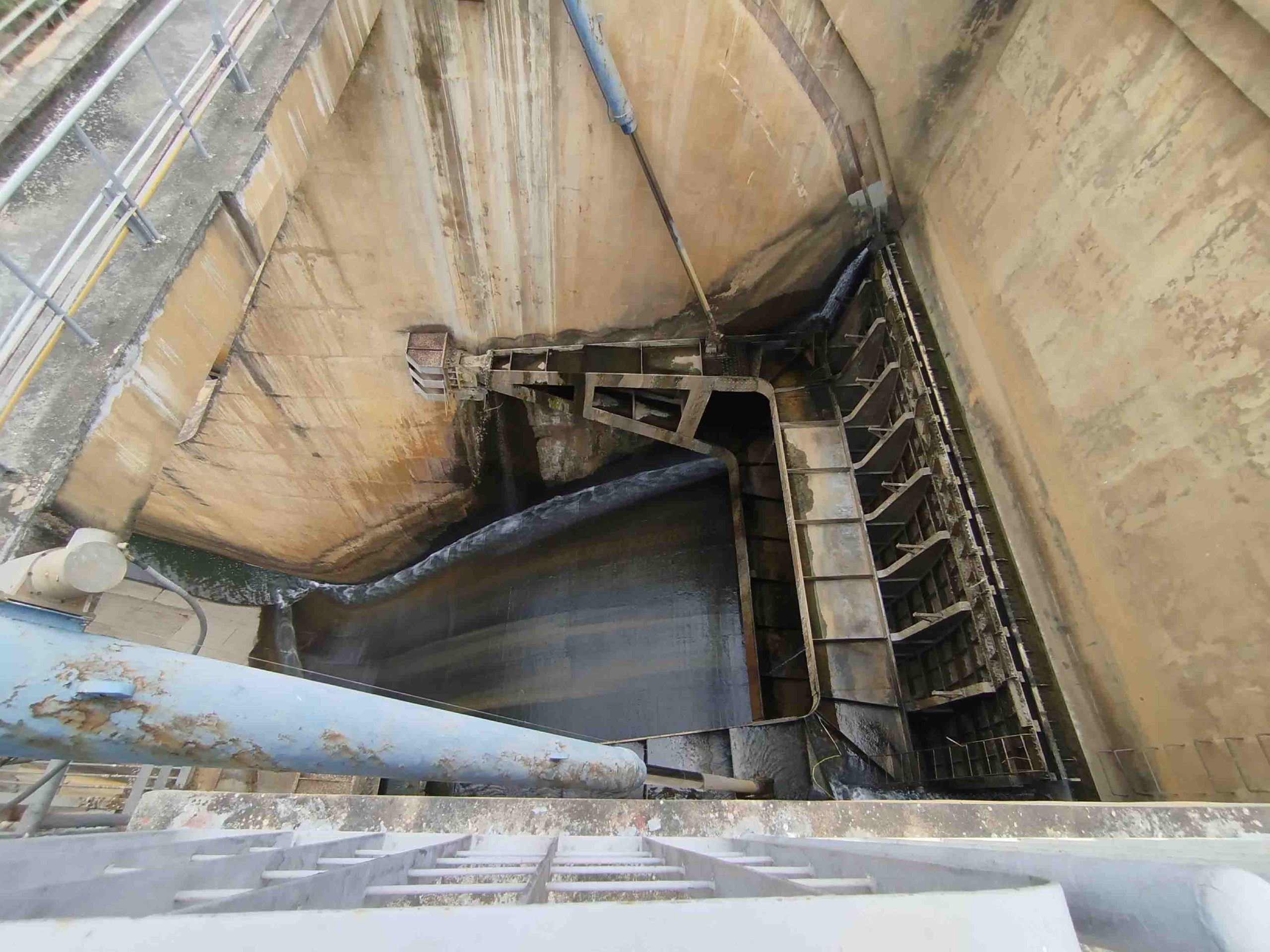
    The project included a gravity dam with a triangular profile and a curved plan: 40 meters high, 282 meters long, and 63,000 m3 of concrete. Portuguese, French and British construction companies were involved in the production, such as Luso-Dana, Neyrpic Portuguese, Obras Metálicas Electro-Soldadas (OMES), Sociedade de Electricidade e Fomento, Construções Especiais, Cimentation Company, The S. Morgan Smith Company and Westinghouse Electric Company. After some failed attempts, the Portuguese state hired the British firm Sir Alexander Gibb & Partners, which re-evaluated the initial plans in 1944, and continued with French and Danish experts.

    02. Labour

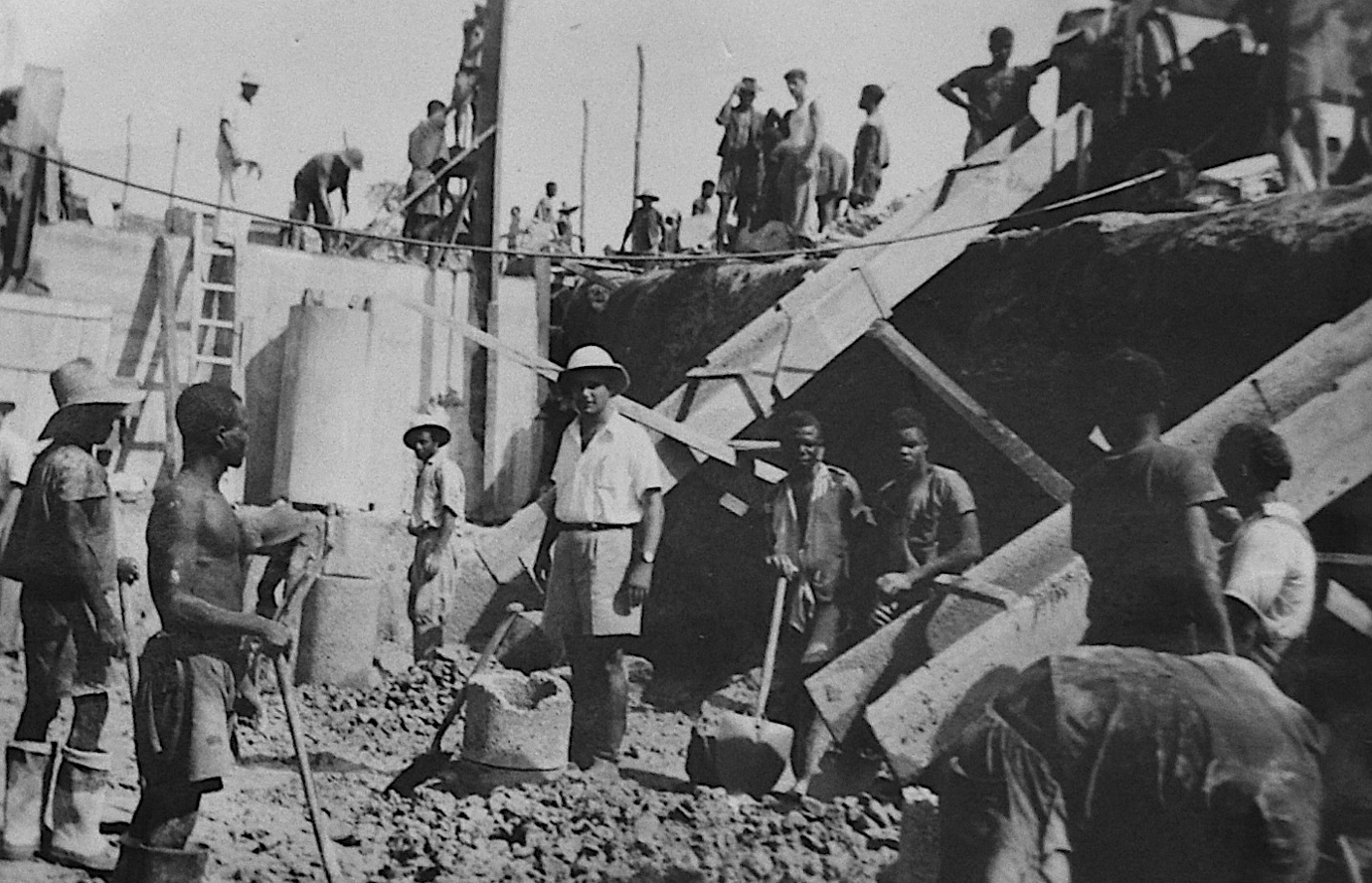
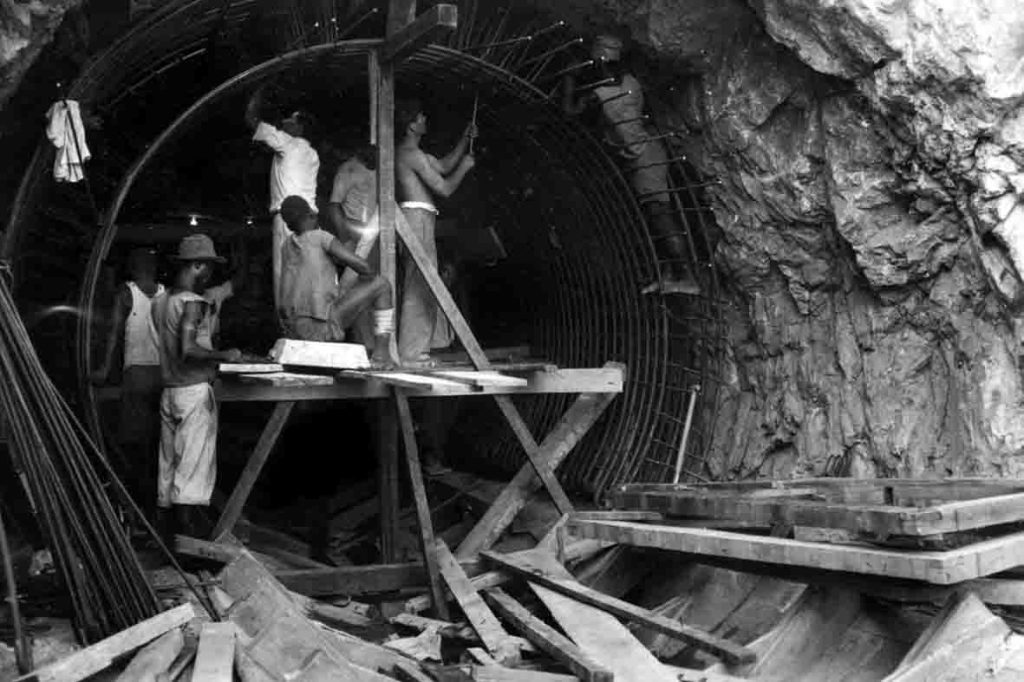
    At its peak, the construction gathered 1,053 workers, described in inspection reports as Indigenous and Europeans. “European” and “assimilated” labourers made up the most qualified group; yet accounting for no more than 15% of the workforce. Unskilled positions were held by the remainder of the workers, including 17% “volunteers”. The movement of people at the yard increased over time, with hundreds of men arriving and leaving every month. Inside Angola, the contingents came from Camacupa, Bié, Alto Quanza, Huambo, Dande, Zombo, Pombo, Ambrizete, Dembos, Cambo, Duque de Bragança and Malange, among others.

    03. Skills & Technologies

    Over 30 fields of expertise took part in the construction, from engineers, doctors, nurses, accountants, executive managers, assistants and cooks to construction managers, foremen, toolmakers, bailiffs, warehouse keepers, electricians, motorists, bricklayers, machinists, plumbers, electricians, painters, carpenters, miners, ditchdiggers, quarrymen and servants. Both European and African laborers had to deal with many materials and techniques that combined traditional methods with cutting-edge technology. The simultaneity of systems, materials, and skills was a significant feature of the building site and a decisive factor in the success of the work.

    Location

    Archival Records

    Visual Materials Outputs

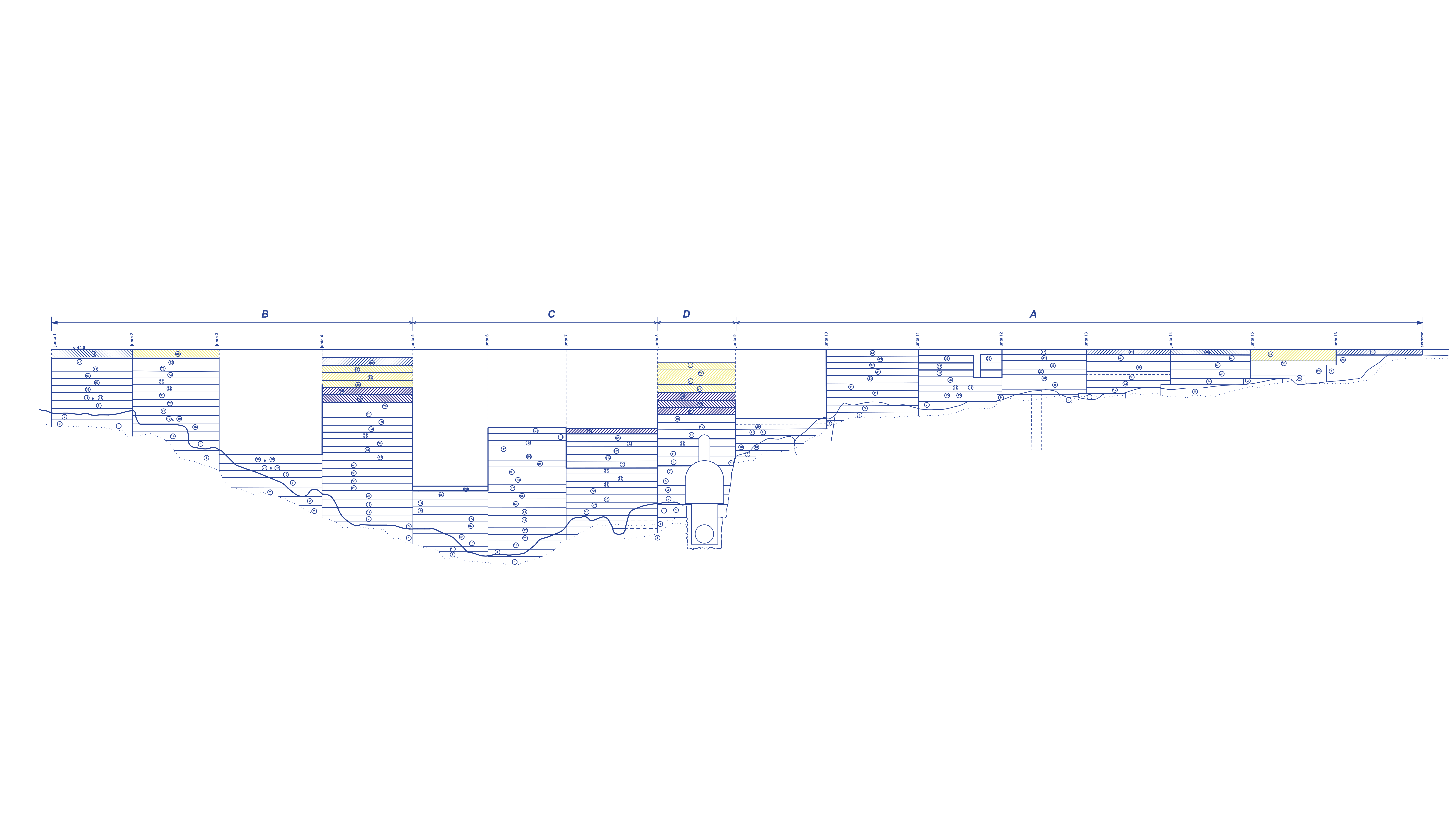
    Dam Section, concrete pouring progress, 1950.(AHU/OP5600; Drawing ArchLabour/ Nayara Alcantara, 2025)

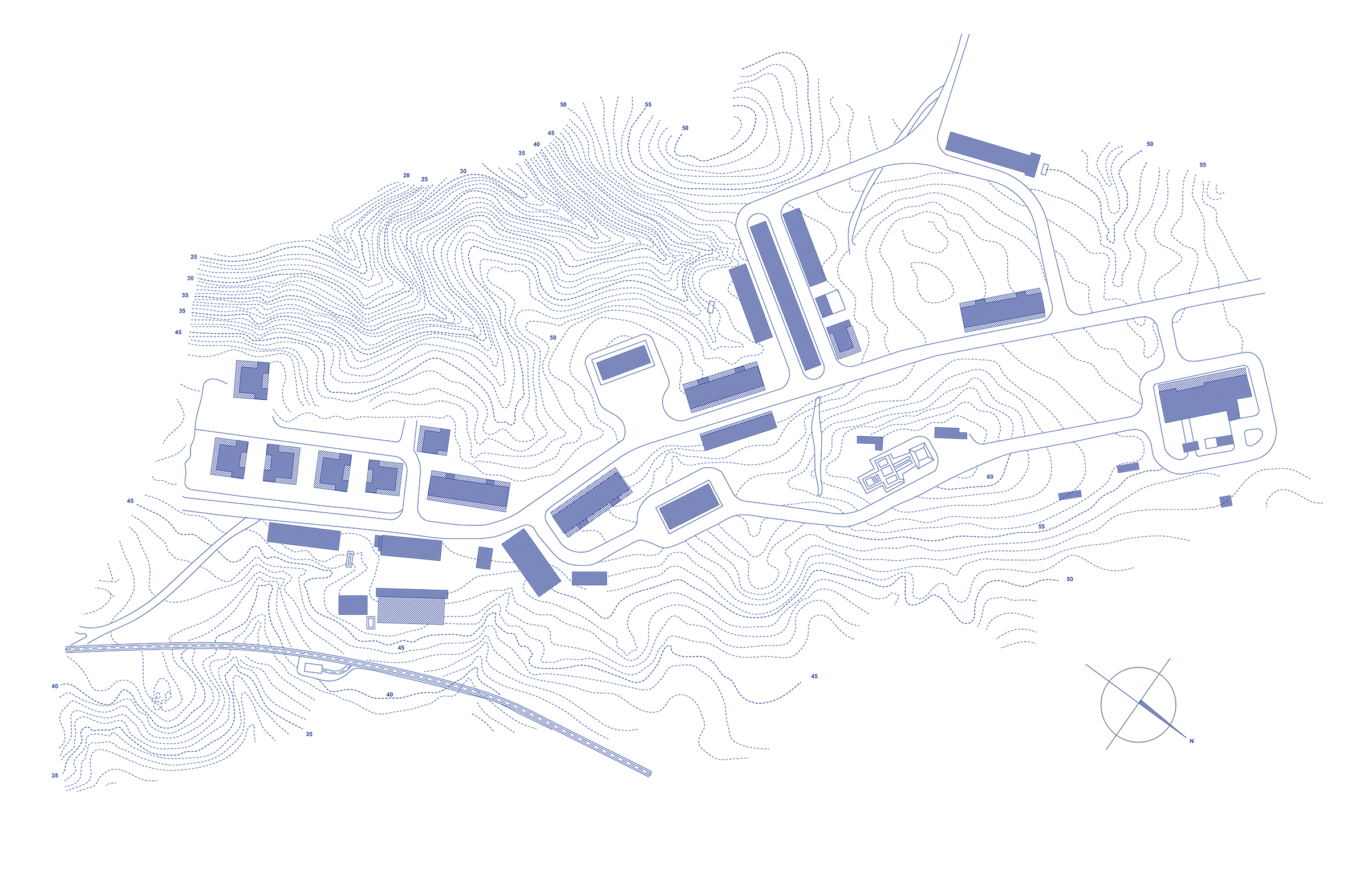
    Construction Site, plan (PT/TT/AOS/D-N/002/0020/00008;Drawing ArchLabour/ Nayara Alcantara, 2025)

    Hydroelectric Power Plant, plan (PT/TT/AOS/D-N/002/0020/00008; Drawing/ Nayara Alcantara, 2025)