Author: admin

  • Colonial and Post-Colonial Landscapes: roundtable series I. Infrastructures + Labour + War

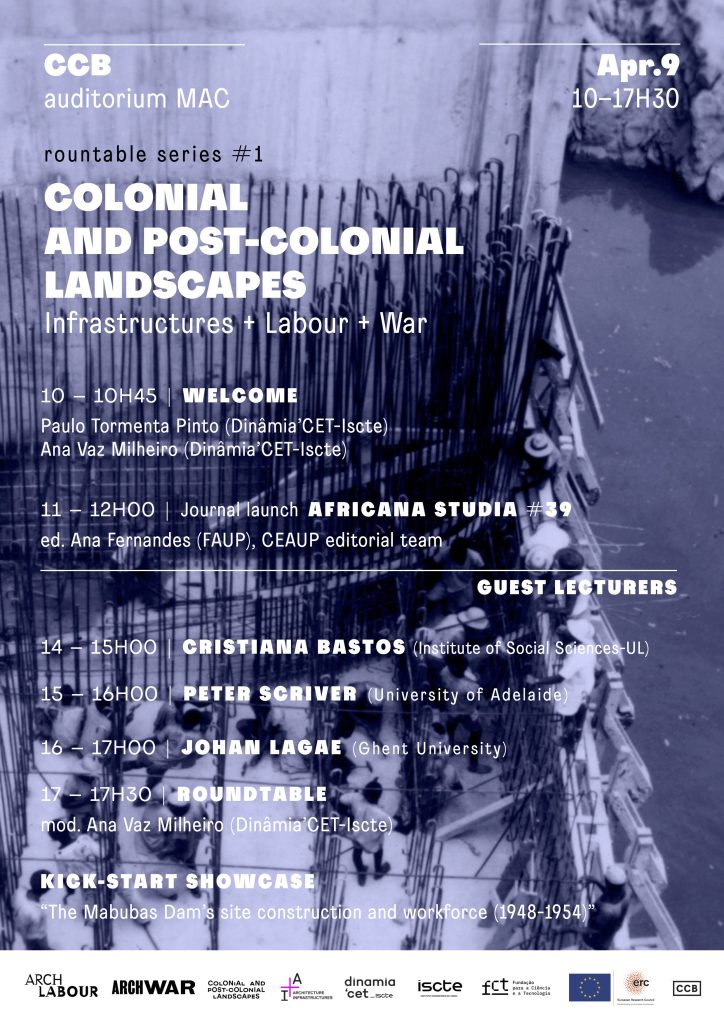
    Colonial and Post-Colonial Landscapes: roundtable series I. Infrastructures + Labour + War

    Event: Colonial and Post-Colonial Landscapes: roundtable series I
    Date: 9 April 2024

    Location: Centro Cultural de Belém, Lisbon, Portugal


    Summary

    Since 2019, the Colonial and Post-Colonial Landscapes International Congresses (CPCL) have been critical forums in enquiring about the entanglements between Architecture and Portuguese colonialism. While built works have often been the focus of Architectural history, multiple agents and agendas remain to be grasped. This first Roundtable on Infrastructures + Labour + War aims to question the role of still overlooked actors and agencies on different occupation strategies during late Portuguese colonialism. The debate will bring together the teams from the research projects ArchWar, funded by the Portuguese Foundation for Science and Technology (FCT), and ArchLabour, funded by the European Research Council (ERC), both based at Dinâmia’CET-Iscte, along with invited consultants and scholars.

    The morning session will feature the launch of the special issue “Colonial and Post-Colonial Landscapes: Architecture, Cities and Infrastructures” (no. 39) of the journal Africana Studia (ed. CEAUP). The volume brings together a set of articles selected from the first edition of the CPCL Congresses, held in Calouste Gulbenkian Foundation, Lisbon. The session will be moderated by Ana Silva Fernandes (University of Porto), editor of this issue, and participated by the authors, either in person or remotely.

    In the afternoon, Cristiana Bastos (University of Lisbon), Peter Scriver (University of Adelaide), and Johan Lagae (University of Ghent) will share their perspectives on unskilled labour, building yards and colonial public works, crossing different inter-imperial experiences and setting forward new avenues for research. Ana Vaz Milheiro (Iscte-IUL), the Principal Investigator of ArchWar and ArchLabour projects, will chair the debate.

  • Wartime residential rural landscapes the Guinea- Bissau case during the colonial/liberation war with the Portuguese (1963–1974)

    Wartime residential rural landscapes the Guinea- Bissau case during the colonial/liberation war with the Portuguese (1963–1974)

    Journal: Cogent Arts & Humanities, Vol. 11, No. 1, 2303184
    Author: Ana Vaz Milheiro
    Date: 2024


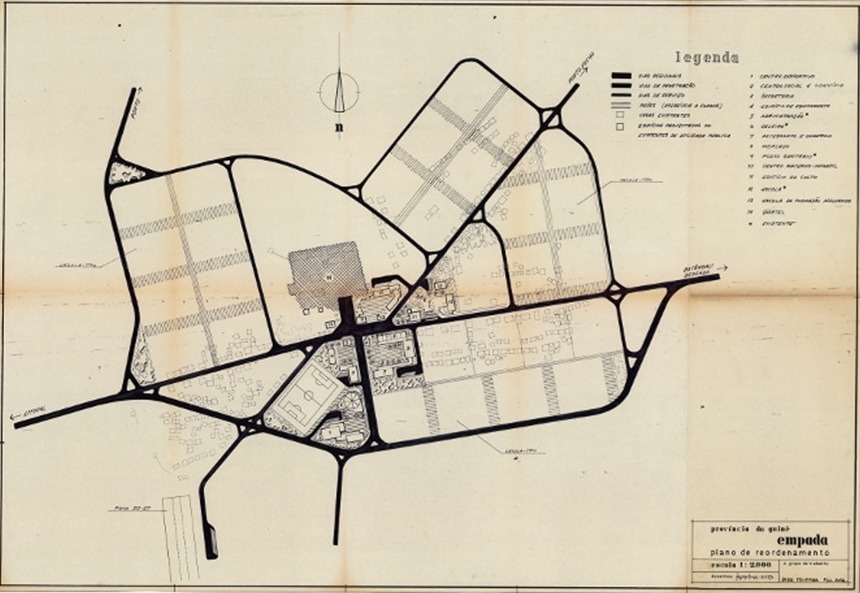
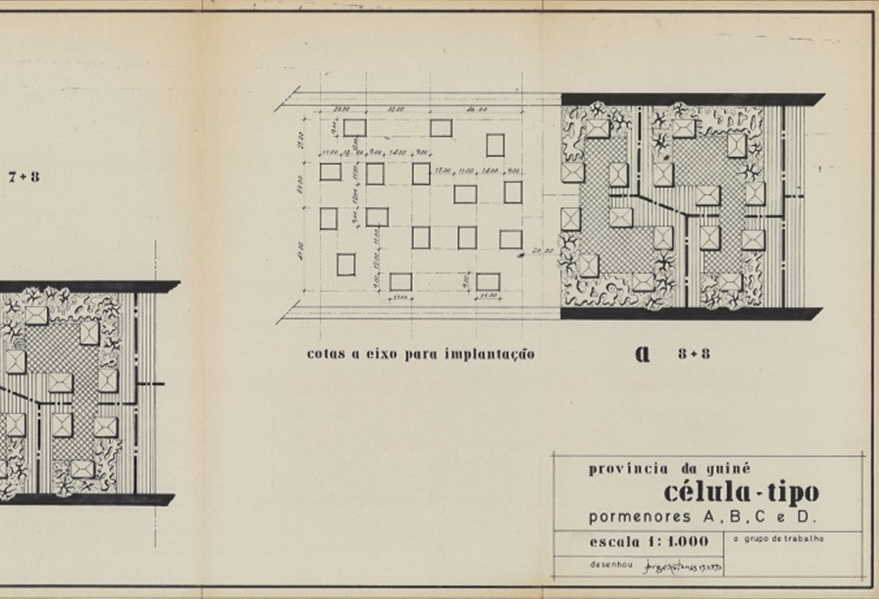
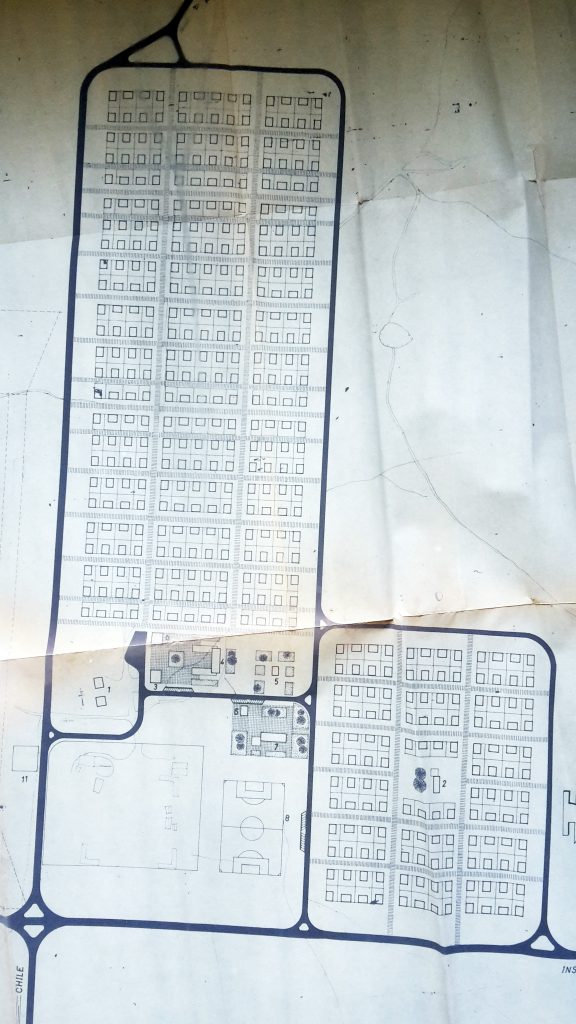
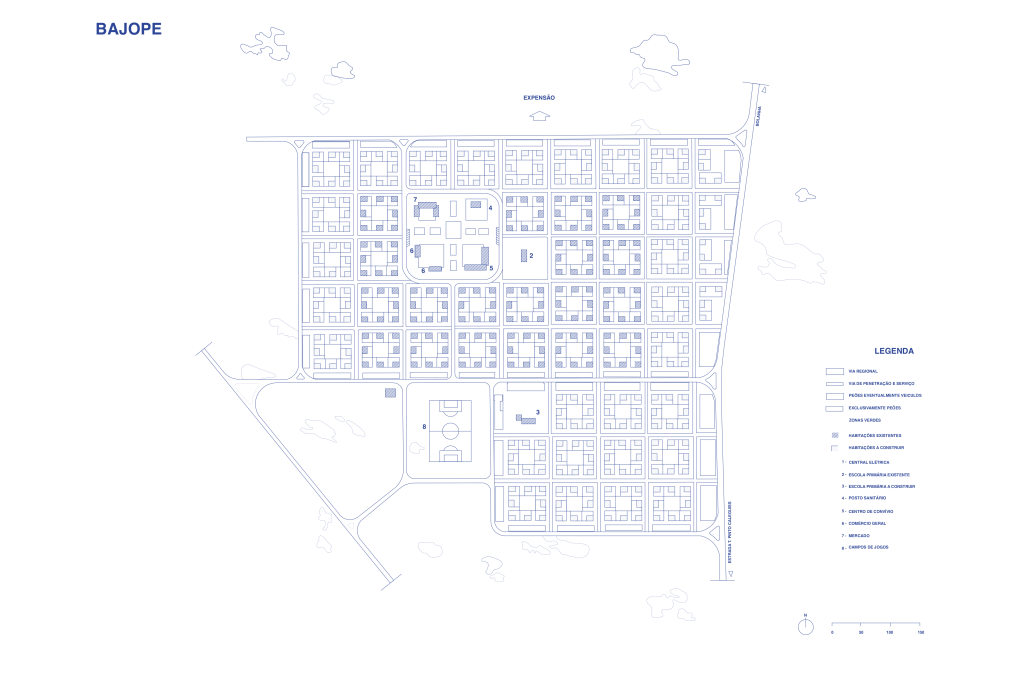
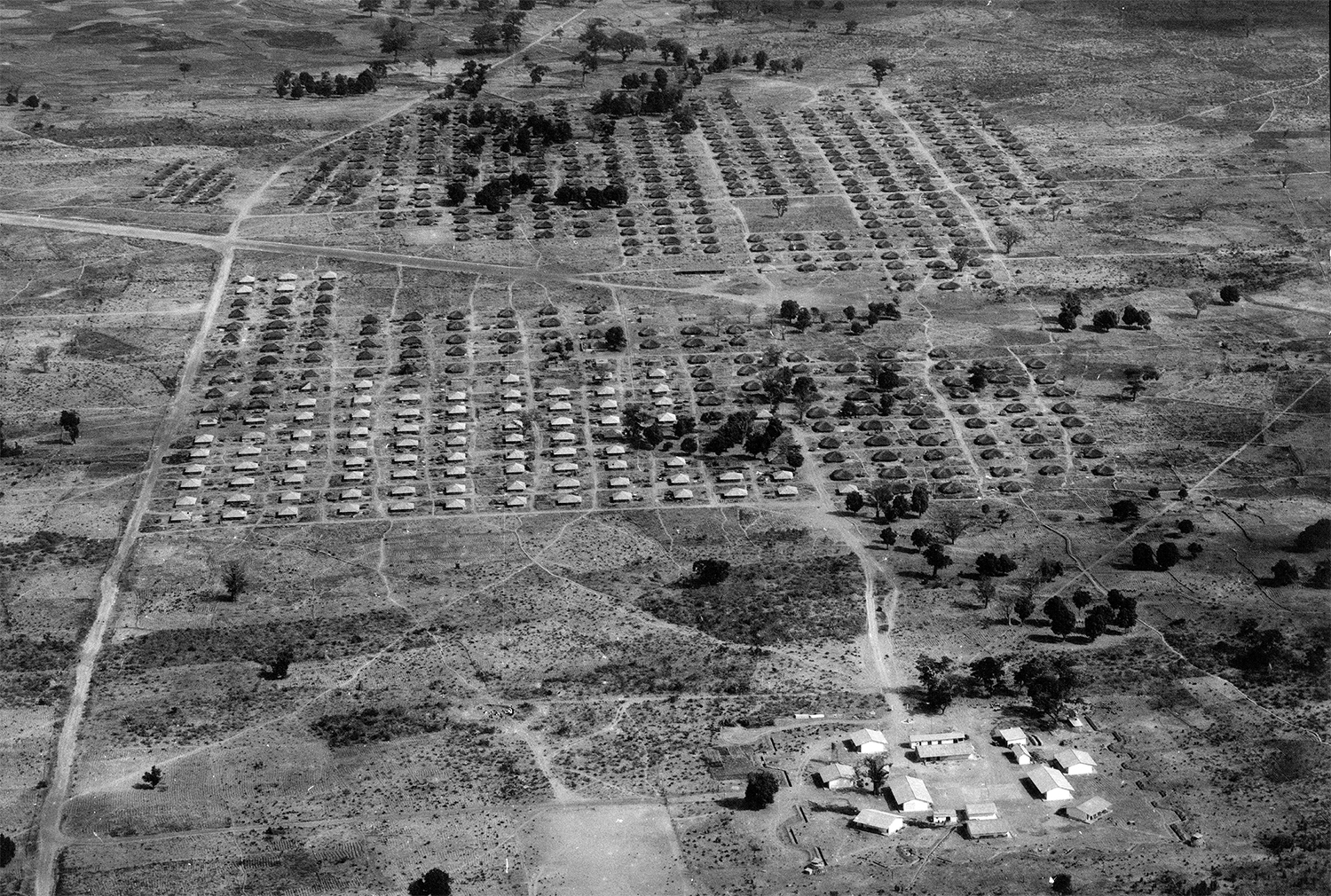
    Empada resettlement, Guinea, Plano de Reordenamento de Empada, António Moreira Veloso, Urbanism and Housing Services Board of the General-Directorate of Public Works and Communications, Overseas Ministry, 1970, Source: Arquivo Histórico Ultramarino [IPAD 858].
    Empada resettlement, Guinea, Plano de Reordenamento de Empada, António Moreira Veloso, Urbanism and Housing Services Board of the General-Directorate of Public Works and Communications, Overseas Ministry, 1970, Source: Arquivo Histórico Ultramarino [IPAD 858].

    Summary

    This paper aims to study the military housing campaigns carried out in the last 14 years of Portuguese colonialism (1961–1975), through archival and documentary treatment, cartography, historical and architectural description. Critical assessment and architectural analysis of the settlements and villages promoted in a warfare context allows an assessment of how large-scale housing programs are still present in the built and social landscapes of formerly colonized countries. Some of the data recollected suggests that, in Guinea, about 100 military resettlements were built; in Angola, only in the Lunda region, 730 villages were intervened; and in Mozambique the new settlements caused the displacement of one million peasants. The article will focus on the Guinea case by introducing what is described here as ‘the architects’ feebleness’, debating the pragmatism of the military in opposition to the idealism of the architects.


    Related Case Studies

  • “Uma Guiné Melhor”:  the psychological action and the spatialization of population control in rural areas. The strategic villages in Guinea-Bissau between 1968 -1973

    “Uma Guiné Melhor”: the psychological action and the spatialization of population control in rural areas. The strategic villages in Guinea-Bissau between 1968 -1973


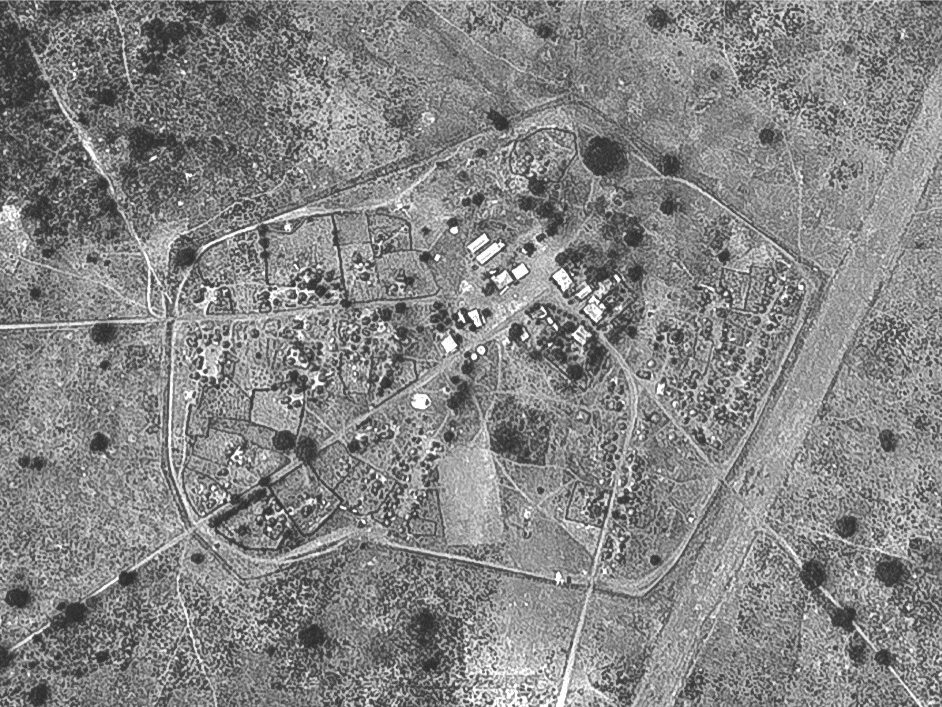
    Bajocunda village after military occupation, before António de Spínola’s policy. Source: AHM/DIV/3/47/AP2/19040
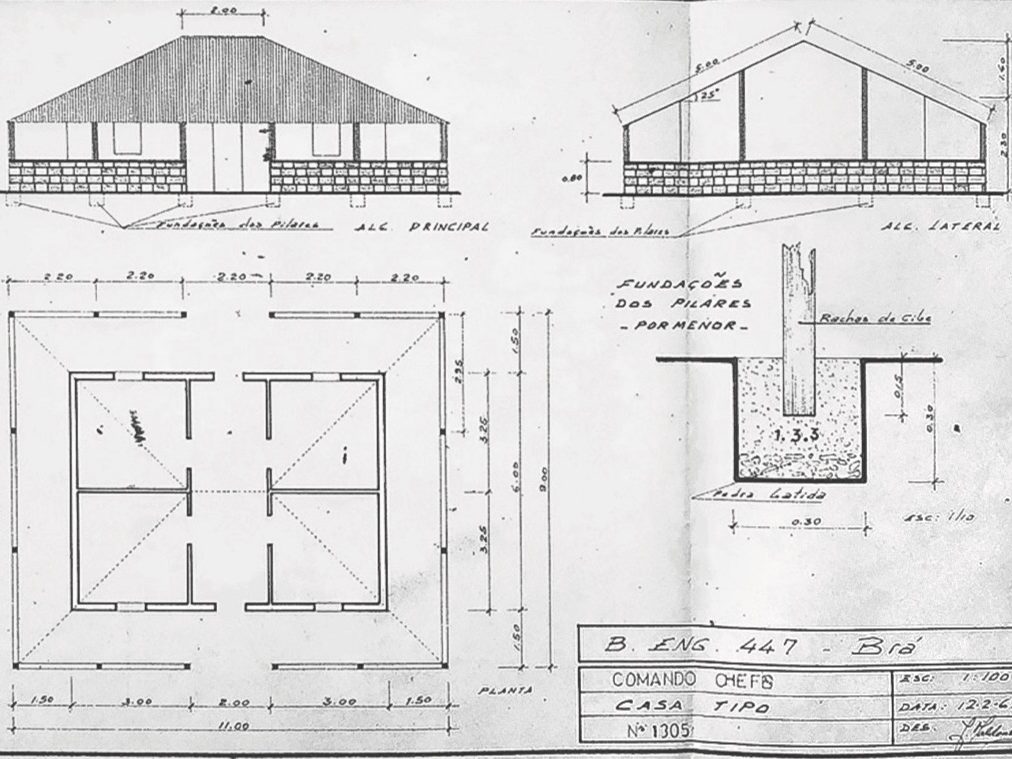
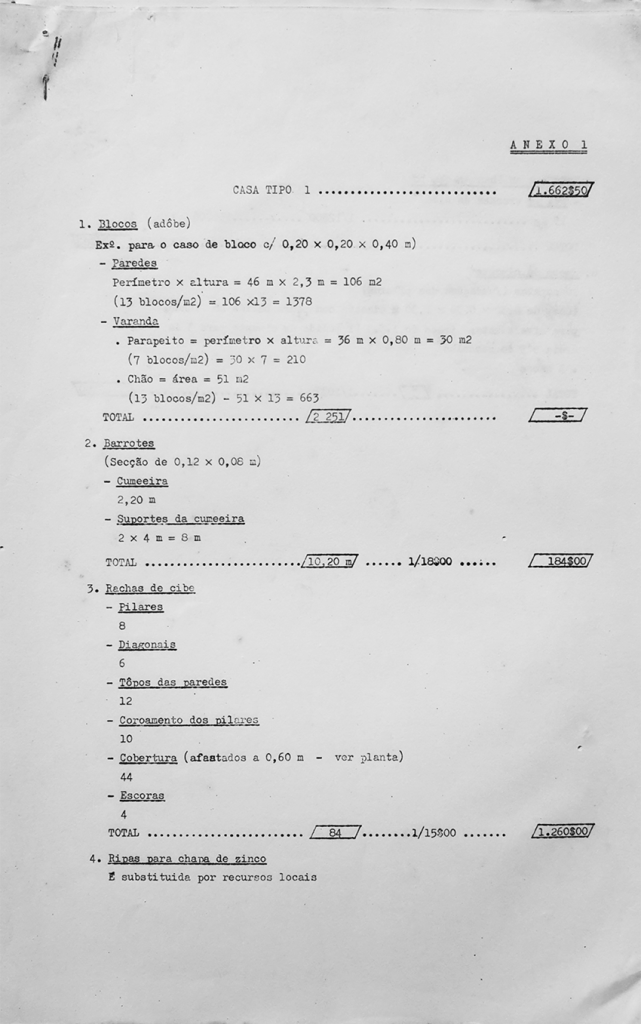
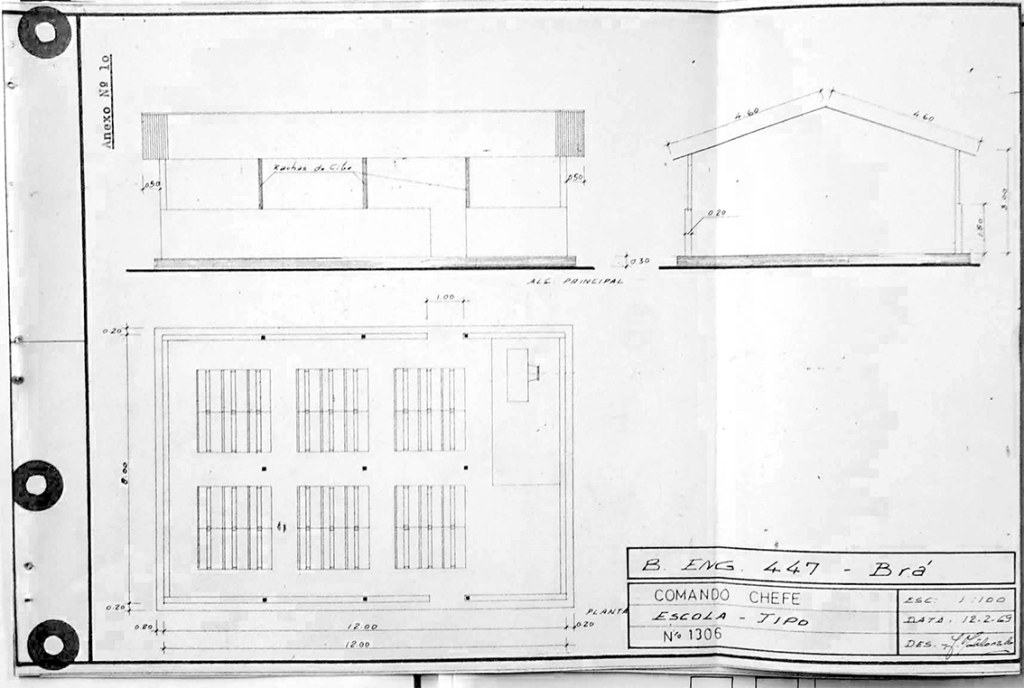
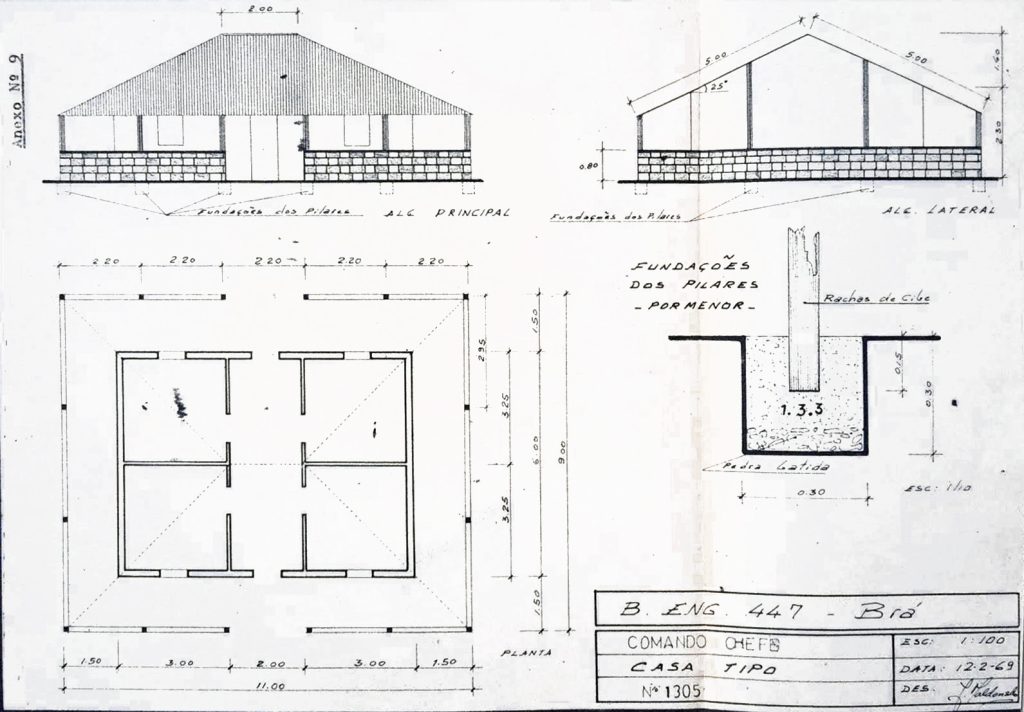
    Dwelling typology implemented by the army (1969). Source: INEP/B.1.2/13

    Summary

    In the last decade of Guinea-Bissau colonization, the Portuguese government accelerated the process of territory occupation. While colonial administration announced to promote and improve living conditions of the Guinean population, nevertheless the population experienced a violent intrusion in their private and public life by the colonial authorities. The effective territory occupation and the clash with the rural population started during the War of Independence and especially during the government of Governor General António de Spínola (1968-1972), under the so-called “Uma Guiné Melhor” (“A Better Guinea”) plan. The plan has not only been a psychological-propaganda campaign, but it revealed a clear military occupation strategy to achieve through the construction and the development of “strategic camps that imprison” the local population (Ledda, 1970:119). The aim of this paper is to examine the construction of those strategic camps, to explore the housing typologies and to question the social, spatial and economic impact on the life of the rural Guinean population. This article aims to frame the controversial messages of the integration policy acclaimed in the “Uma Guiné Melhor” plan by exploring and analysing the strategies of spatialization of people in action between 1968-1973.

    Related Case Studies

  • Africana Studia no. 39 – Paisagens coloniais e pós-coloniais: arquitetura, cidades, infraestruturas

    Africana Studia no. 39 – Paisagens coloniais e pós-coloniais: arquitetura, cidades, infraestruturas

    Journal: Africana Studia no. 39 – Paisagens coloniais e pós-coloniais: arquitetura, cidades, infraestruturas
    Date: 9 April 2024

    Location: Lisbon, Portugal


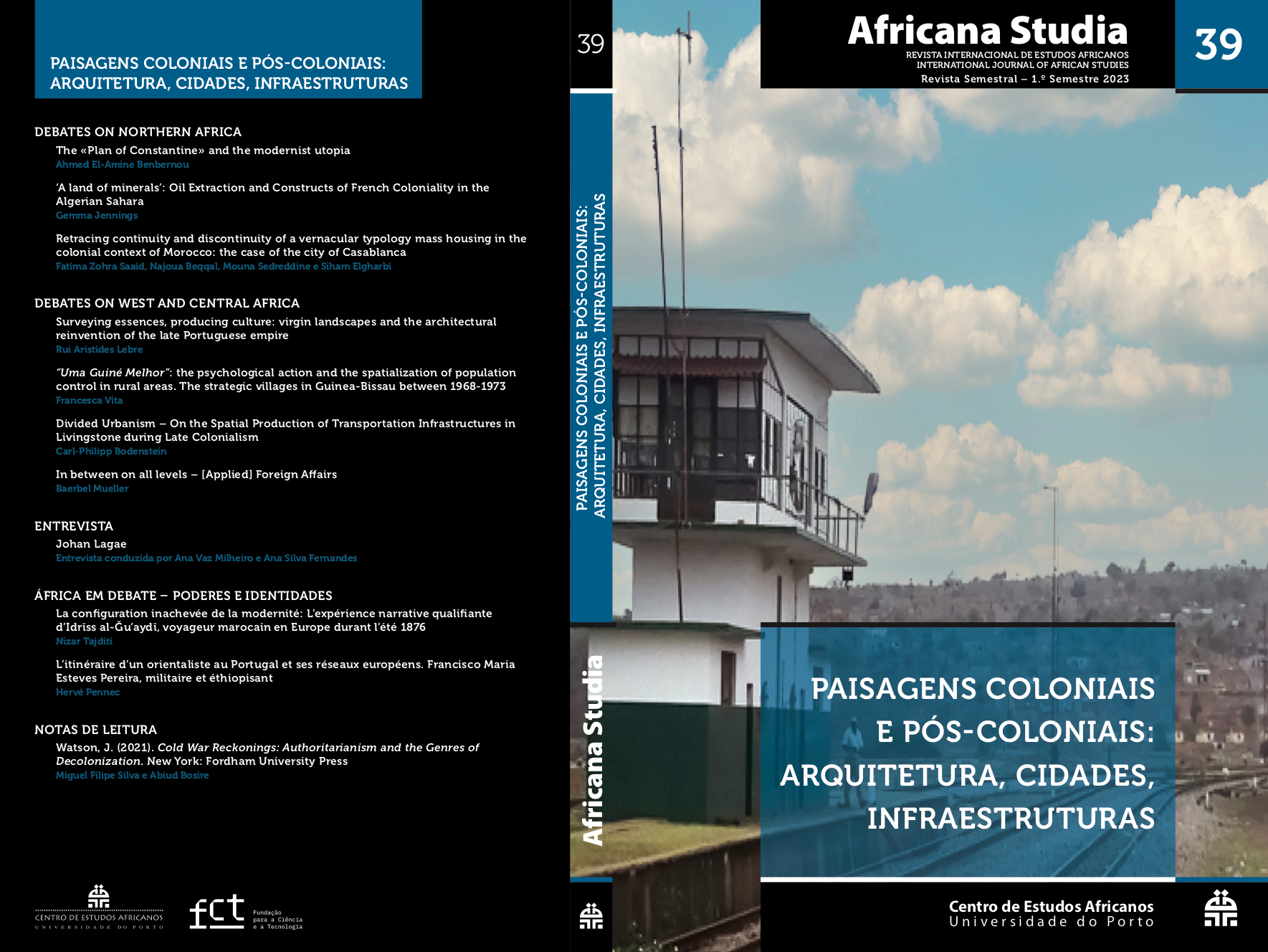
    Cover Africana Studia No. 39

    Summary

    This special number of Africana Studia results from a selection of papers submitted to the “Colonial and Postcolonial Landscapes: Architecture, Cities, Infrastructures – I International Congress”, which took place at the Calouste Gulbenkian Foundation, in Lisbon, in January 2019. The congress was part of the research project entitled “Coast to Coast – Late Portuguese Infrastructural Development in Continental Africa (Angola and Mozambique): Critical and Historical Analysis and Postcolonial Assessment” funded by ‘Fundaçã o para a Ciência e Tecnologia’ (FCT – Foundation for Science and Technology), with the reference PTDC/ATP- AQI/0742/2014, which lasted from 2015 to 2020. Gathering several institutions from Angola, Mozambique and Portugal as research partners, this project analyzed how the colonial strategies for territorial domination in Angola and Mozambique reflected upon the post-independent and current socio-spatial developments, especially focusing on three specific typologies of colonial public works: transport networks, hydroelectric facilities and settlements for resource exploitation.
    Within this framework, the congress sought to broaden these concerns in three dimensions:
    (i) at geographical level, by opening up the discussion to different territories of former colonial history, beyond Angola and Mozambique, thus creating opportunities for the discussions on colonial structural impacts in diverse contexts, allowing for contrasting strategies and agents,
    as well as socio-spatial transformations;
    (ii) at disciplinary level, by sharing perspectives from several scientific backgrounds with implications in the built environment, therefore promoting the joint discussions over the complex issues that are present in the production of space, in particular the creation and reproduction of social and territorial asymmetries; and
    (iii) at the materiality level, aiming to discuss not only built testimonies of colonial administration, but also immaterial or invisible actions that led to spatial definitions of power and dominance, and mechanisms of segregation or democratization of access to resources and common goods. Therefore, the selected papers provide contributions to rethink colonial projects and interventions, considering their circumstances, complexities and impacts, often contradictory and perverse, from different perspectives and case-studies, allowing for a multi-layered interpretation of architecture and urbanism’s roles within colonial frameworks.

    This group of texts therefore exposes contradictions and complexities of the late colonial administration in several contexts which, while presenting different cases and specificities, broadly show how colonial discourses of modernization, democratization and integration of local populations were simultaneously mechanisms of reproduction of domain and legitimation of territorial occupation, through more visible or subtle means, in which architecture and urbanism served this agenda. Therefore, this demonstrates the importance of a reflection not only on impacts and long-term repercussions of these processes, but also of a critical and ethical questioning on the roles of these disciplines as tools of segregation or effective democratization towards our future societies and territories.

  • Confessions on a construction site. Comparative histories of gender-based work during the former ‘Portuguese Empire’

    Confessions on a construction site. Comparative histories of gender-based work during the former ‘Portuguese Empire’

    Communication

    Event: IASTE 2024 “The Dinamism of Tradition”
    Authors: Ana Vaz Milheiro

    Date: 6 January 2024

    Location: Riyadh, Saudi Arabia


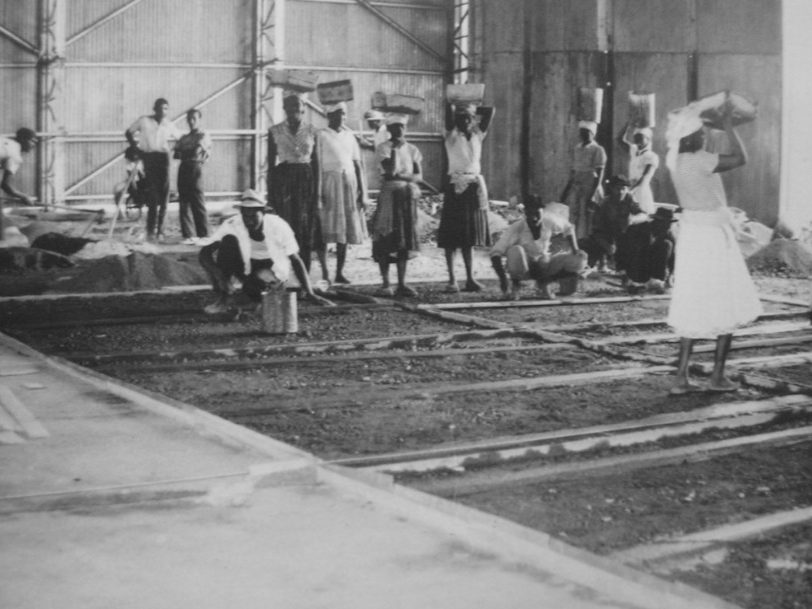
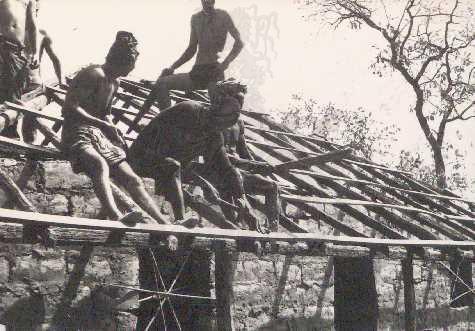
    Praia’s airfield hangar, paving works, Santiago, Cape Verde, 1956-1957. Source: Instituto do Arquivo Nacional de Cabo Verde
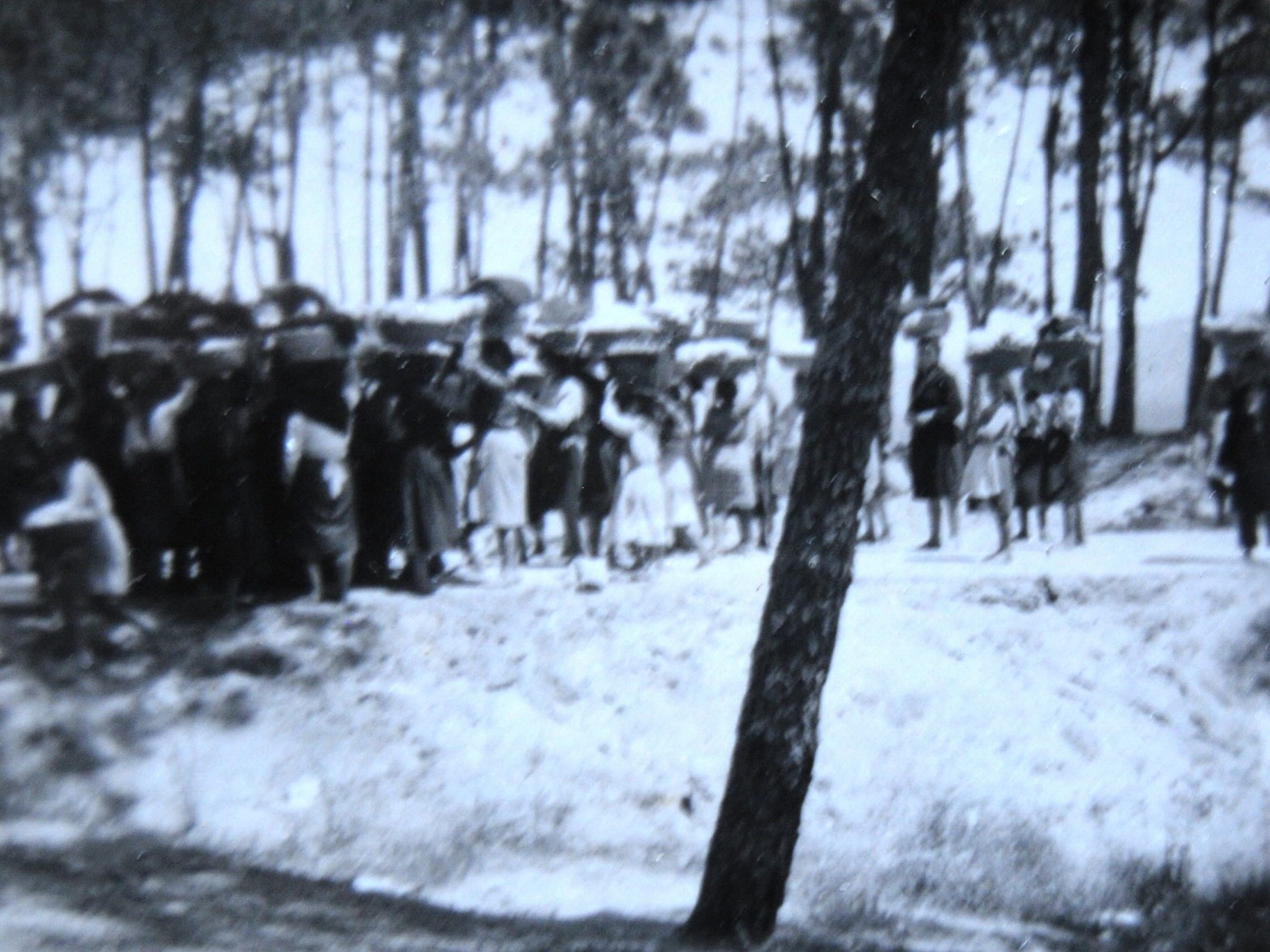
    Women on the building site of the Ofir tourist resort, designed by the Portuguese architect Alfredo de Magalhães, Portugal, 1946. Source: Courtesy of Tiago Bragança

    Summary

    This paper addresses the daily-life on building sites experienced by women in the territories colonised by the Portuguese beginning from a kick-start question: what would be their expectations? It is considered that these sites can today be characterised as “places of innovation and knowledge” (Valérie Nègre, 2021). It is thus suggested that they were spots that opened the possibility of social ascension through qualified and professional training, viewing this transfer process as a development of the trading zone concept described by Pamela O. Long in 2019 as “an arena in which there is a substantive communication between someone trained by apprenticeship in a workshop and someone trained in a text-based system, usually in a university”. But was this possibility of knowledge displacement open to men and women on an equal footing? If the answer is no and women were not recognised as having any qualifications/skills, what role was reserved for them on the building site? How would their presence be felt and what impact would it have on the organisation of labour and decisions on the agenda and design of infrastructure and architecture? Did their “biological nature” as carers could give them any leading role in the management of domestic spaces, their organisation, plastic options and technological material resources? While focusing the debate on women who had experiences in colonial environments, the paper looks at the Portuguese condition of economically poor women in “metropolitan” Portugal before the April 1974 revolution. These “other women” identified here as “metropolitan”, and also “builders”, would become visible in the images that Portuguese architects recorded in their search for vernacular architecture in the second half of the 1950s (the same learning would eventually migrate to the colonial territories, where architects would begin to take an interest in vernacular systems on the eve of the 1960s). These Portuguese women were integrated in rural or fishing communities that circulated in family units, manipulating ancestral techniques. Shown as field helpers, carrying earth for mud construction, or in less technically demanding tasks, such as the whitewashing of houses, they did not compete in the arena with men, “the real players”, considered to be the real bearers of knowledge that was being valued at the time (in a dynamic that had something of a bottom-top feel to it, even if the architects were not in a position to assimilate it from today’s perspective). They would belong to the same cycle of poverty as their colleagues from the colonial territories, but their expectations would be on another level, since a third fatality of being a woman, being poor and being colonised would be added to the latter, and it is this that the presentation seeks to answer through the identification of some case studies, between Cape Verde and Angola. The intention is thus to begin to unveil the stories that the building sites also tell us from the perspective of gender-based labour and through the comparison between the metropolis and the colonies, making possible readings richer and more substantiated.
  • Neighborhoods, Angola

    Neighborhoods, Angola

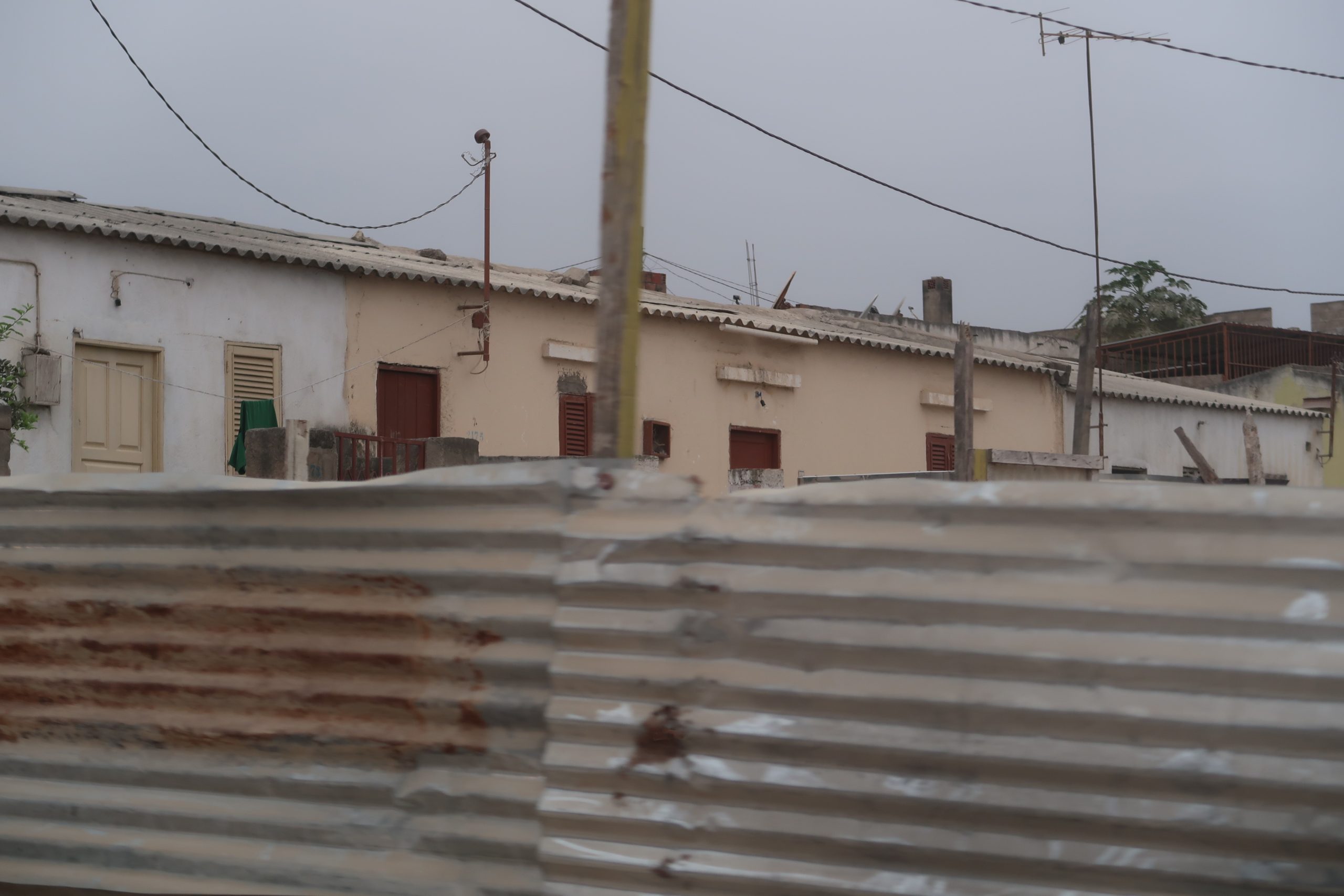
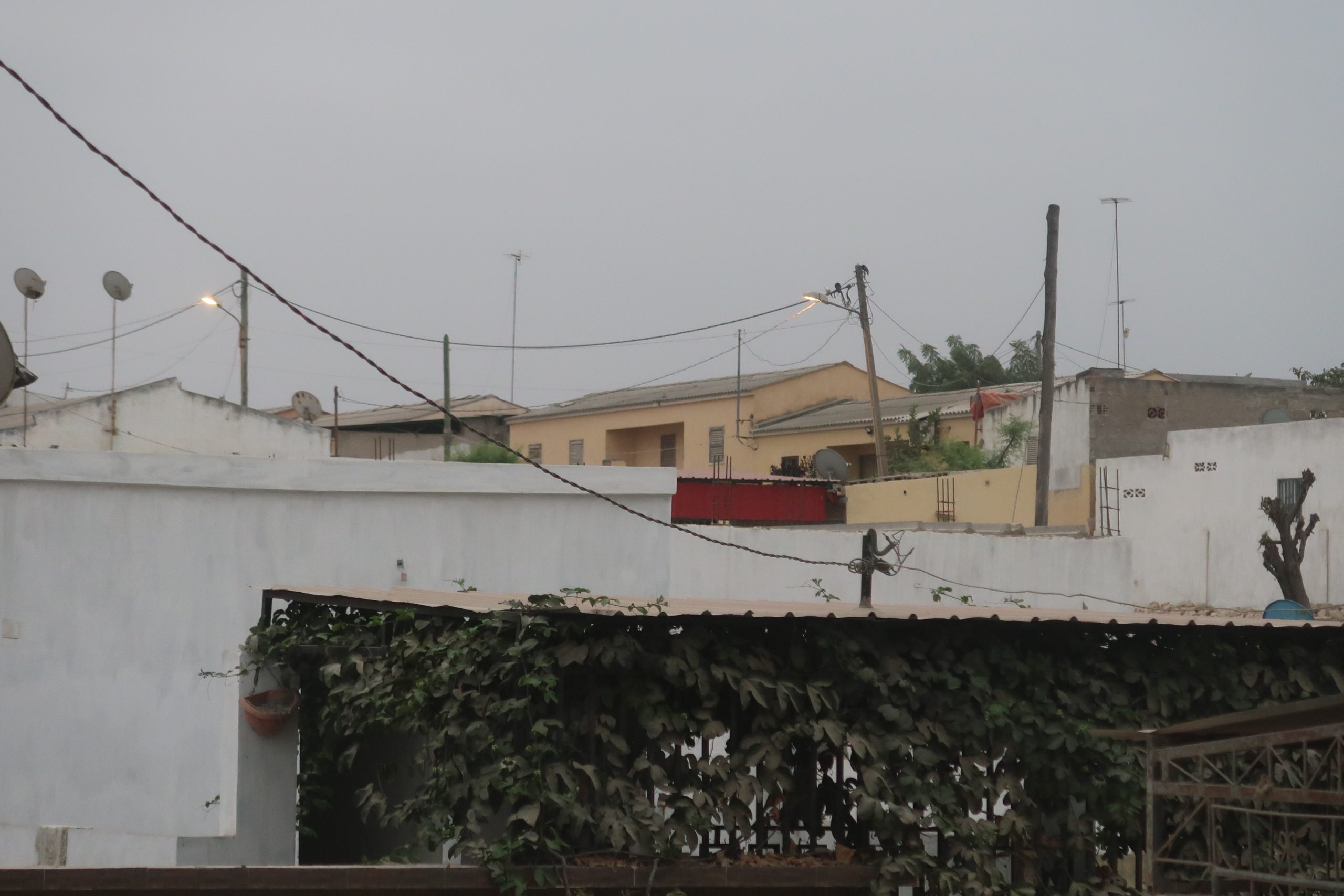
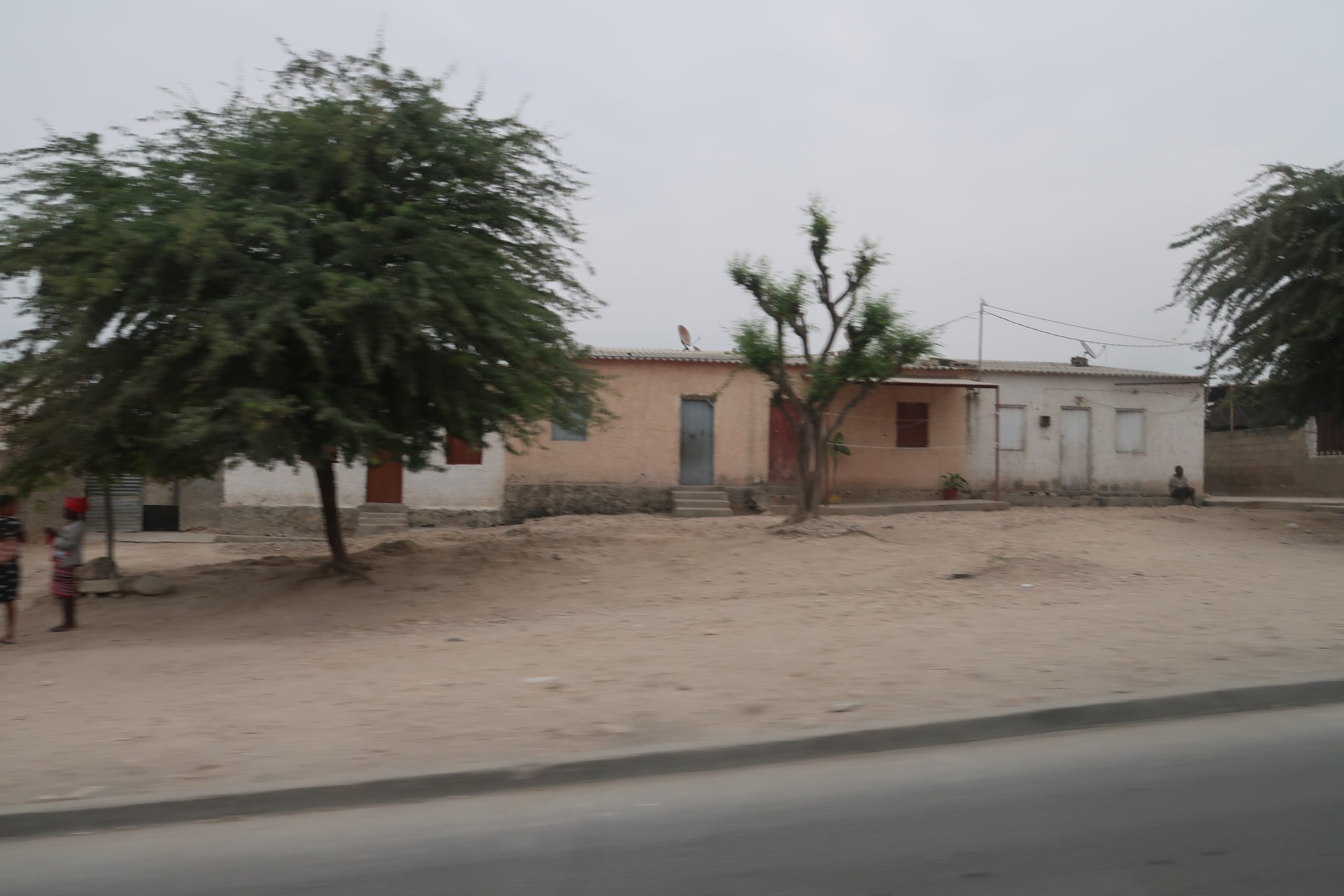
    NEIGHBORHOODS – 03 – ALTO LIRO OPERATION, ANGOLA

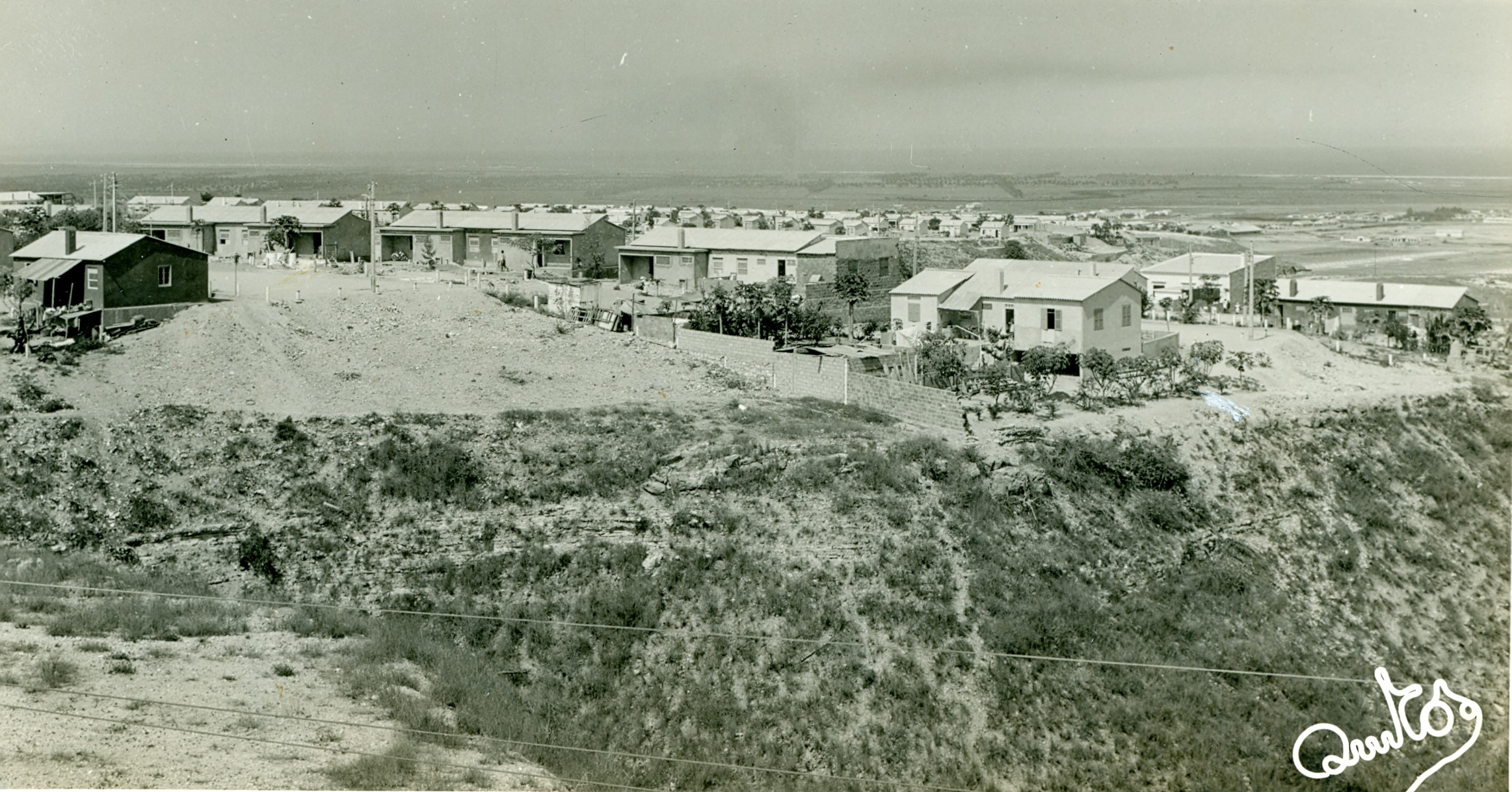
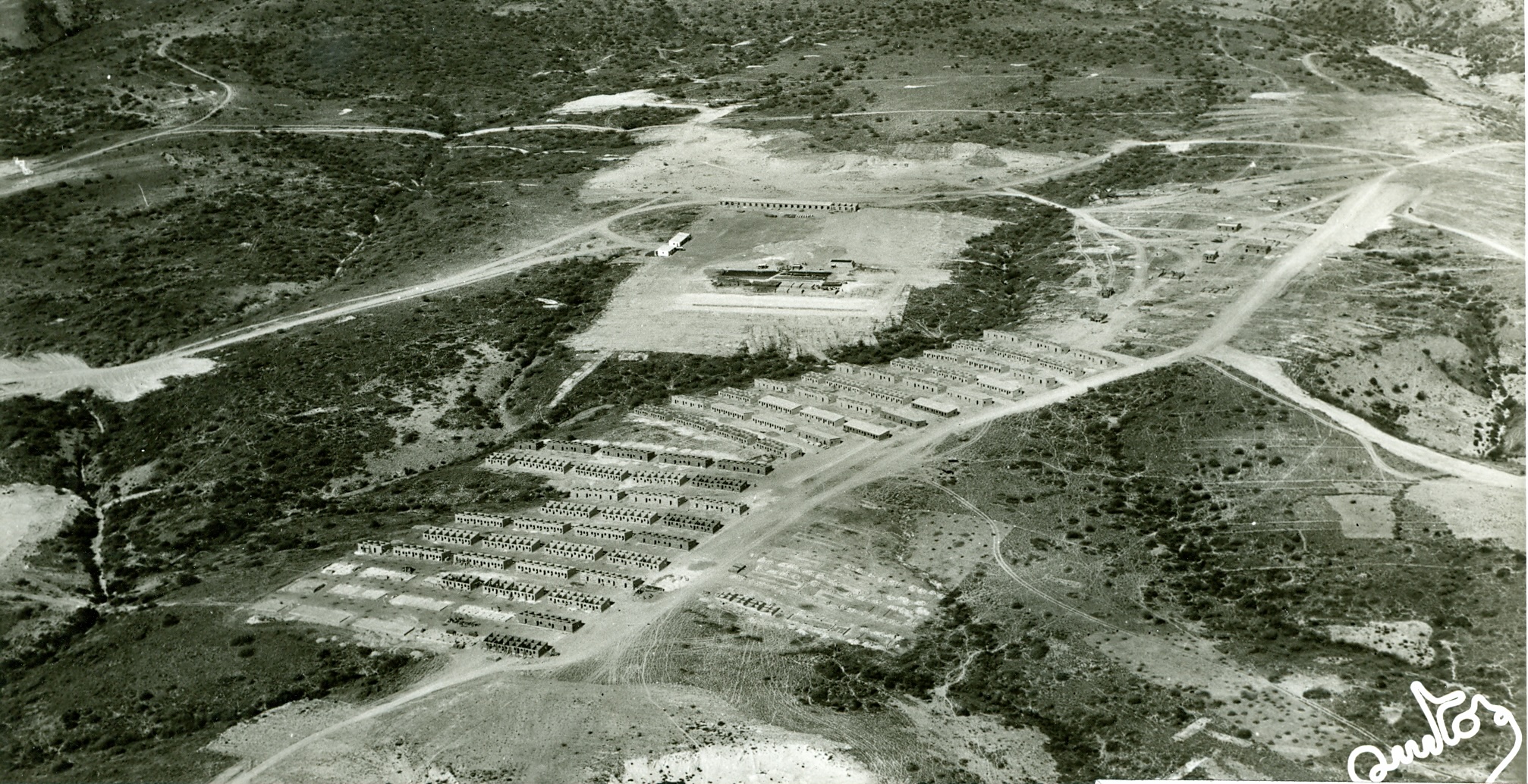
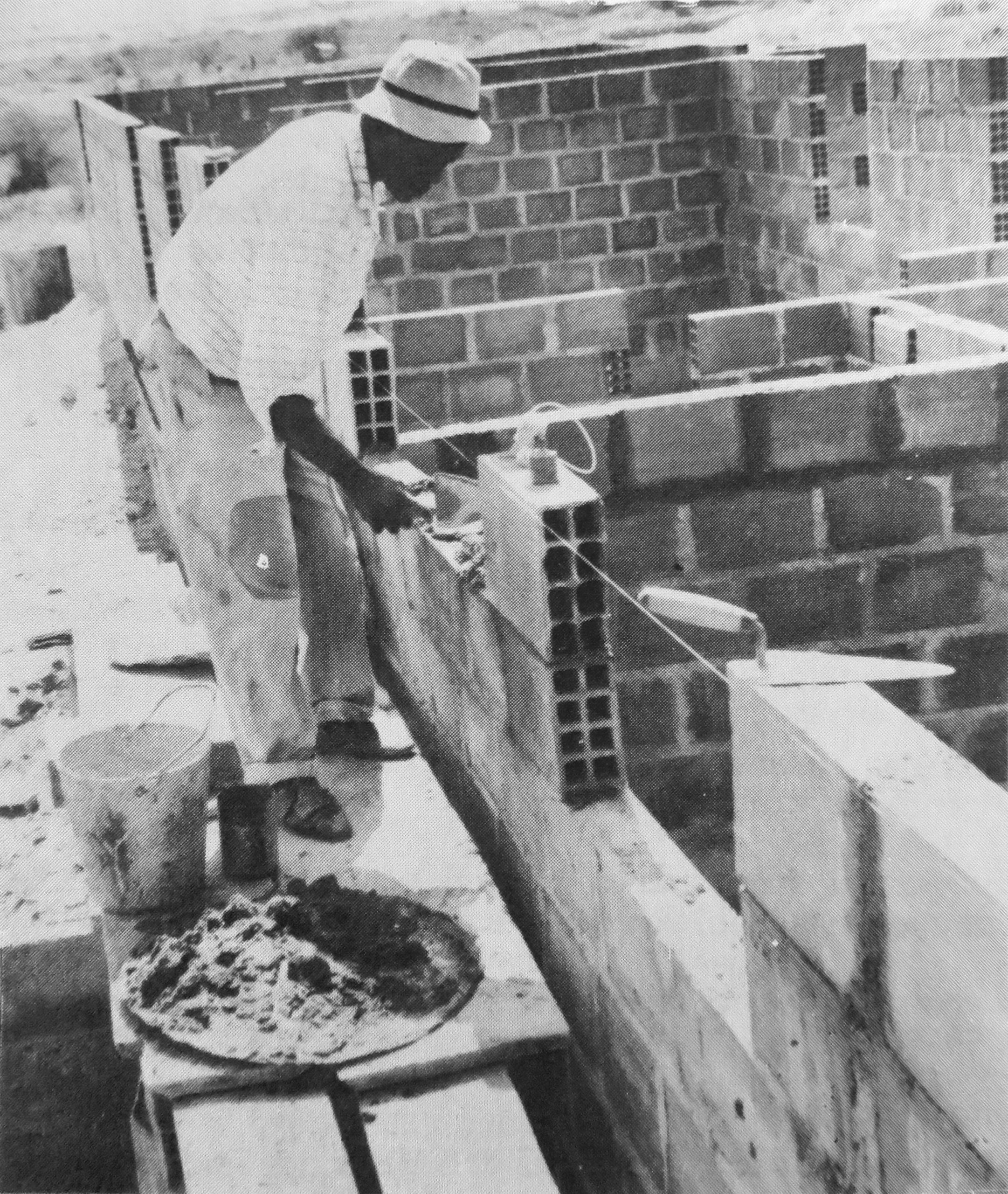
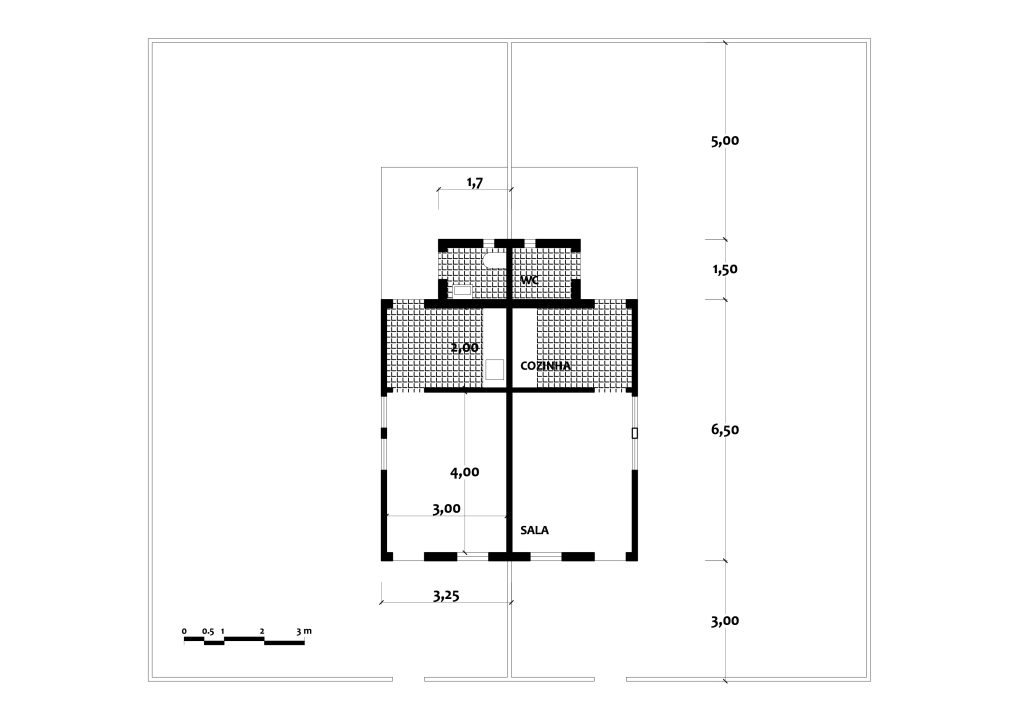
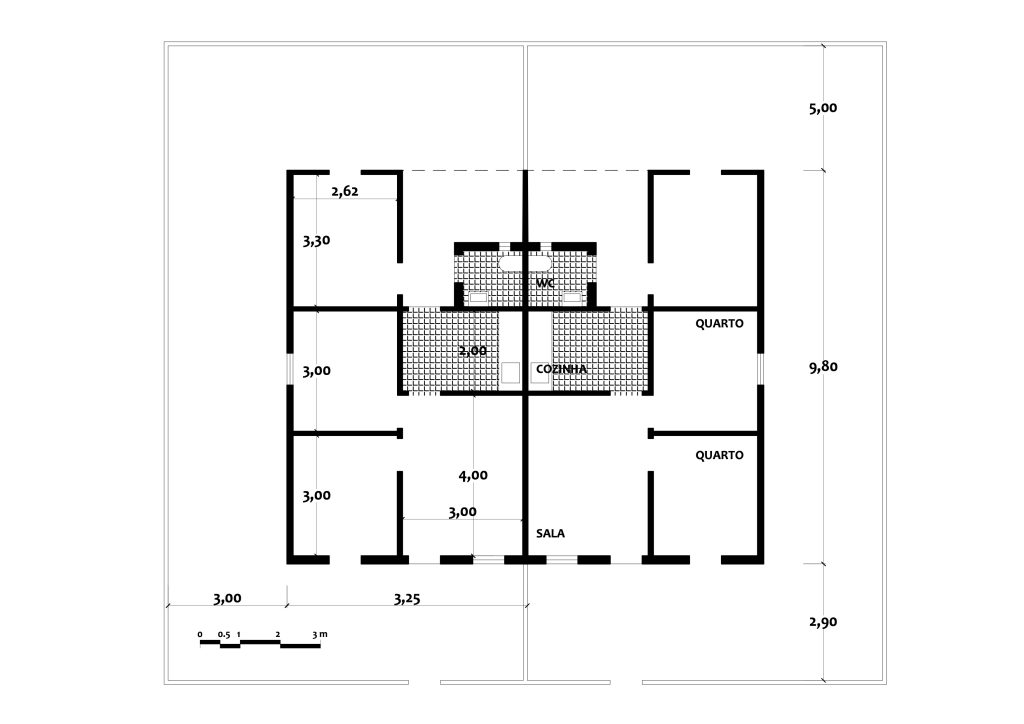
    The “Operação Alto Liro” was a collective housing program launched by the Urbanization Services of the Lobito City Council, Angola, in 1971. It was located on the surrounding plateaus, 120 meters above sea level, north of the Lobito-Luanda Road. It occupied 68 hectares, divided into 155-square-meter plots, initially calculated for 1,543 dwellings and 7,500 families. The aim was to contain the growth of “sanzalas,” formed by newly arrived urban populations. Until 1973, about four units were built per day. The inhabitants, called “concessionaires”, were responsible for building the houses through a system of assisted self-construction, with financial aid. The municipality was responsible for road layout, facilities, and sanitation.
    How to cite

    ArchLabour: Architecture Colonialism and Labour (P.I. Ana Vaz Milheiro, ERC-funded 10.3030/101096606, 2024-2028). Neighborhoods – 03 – Alto Liro Operation, Angola. Accessed on 3rd March 2026. Available at: https://archlabour.iscte-iul.pt/neighborhoods-angola/
    Last update: February 12, 2026

    01. Plan & Construction

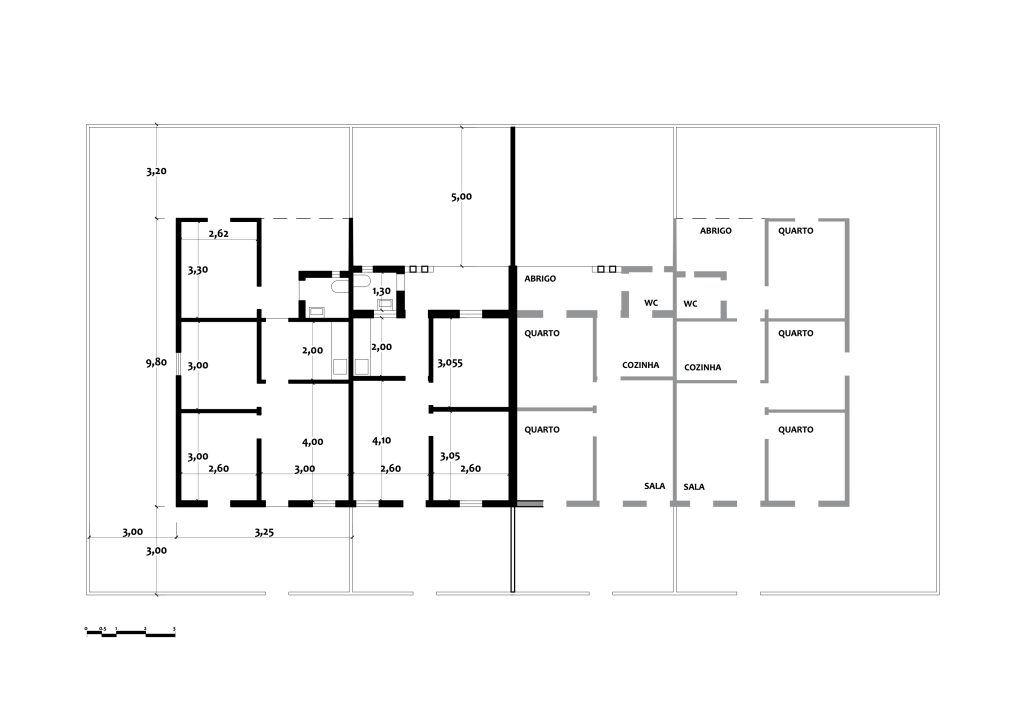
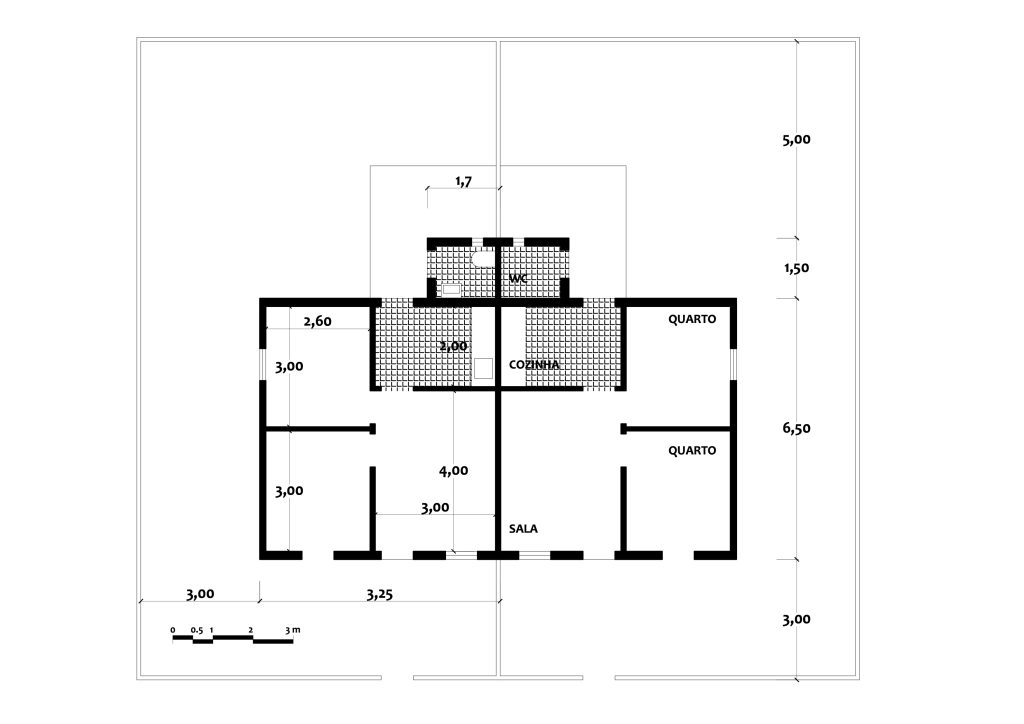
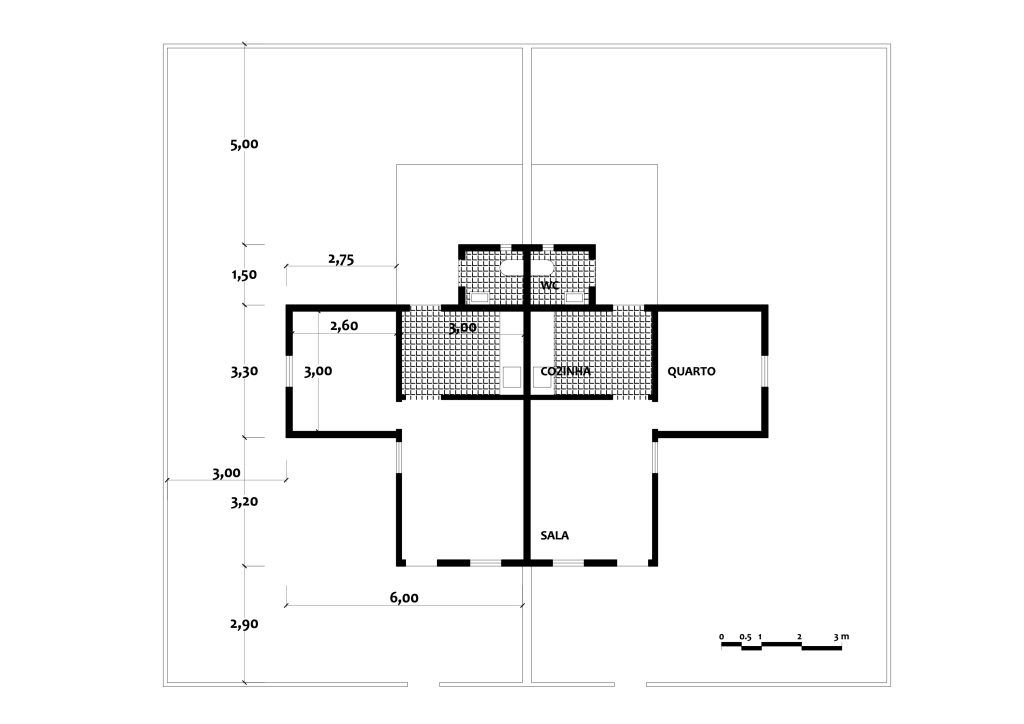
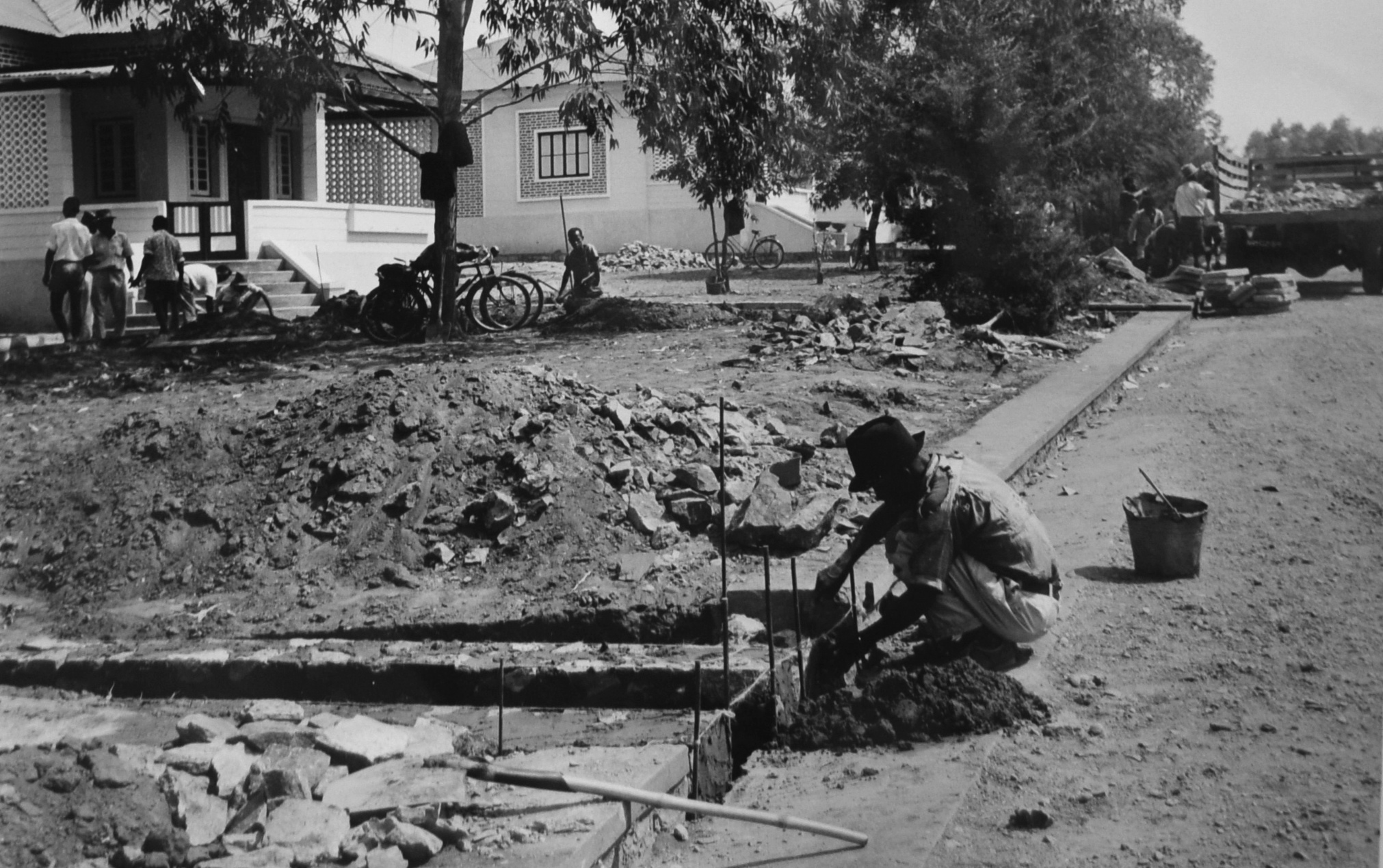
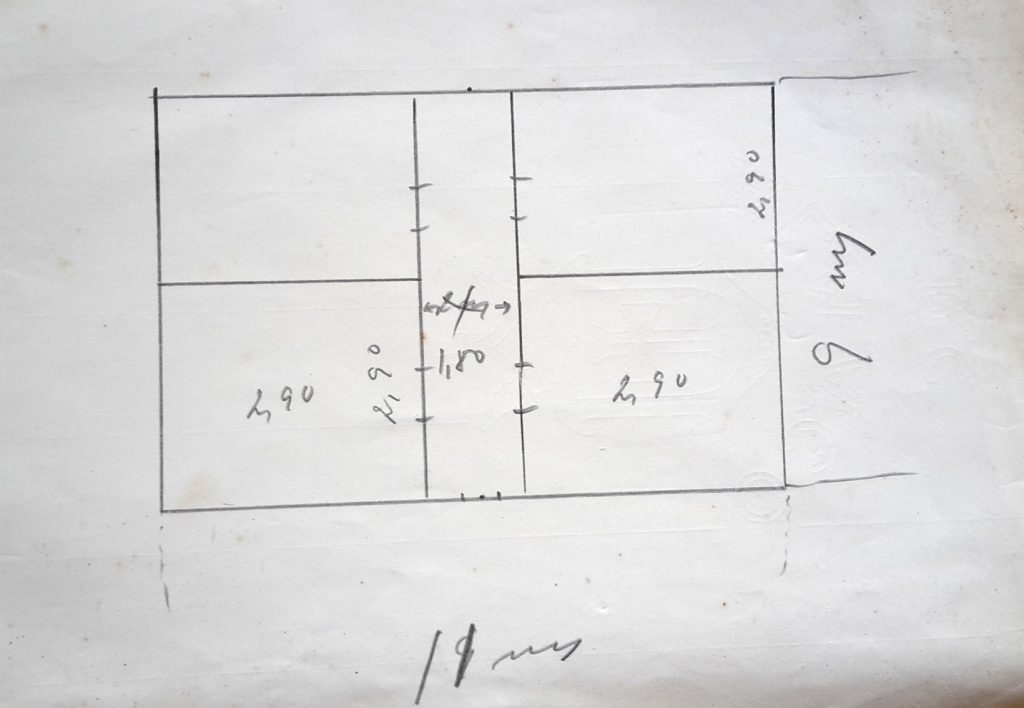
    Under the Lobito Housing and Urban Redevelopment Program, the fifth phase began in 1973 and was expected to last two years, corresponding to “Operação Alto Liro”. The two previous ones involved implementation and tracing the financing model (1971-1973), preceded by experiments in self-construction and property regime (1959-1970). The Urbanization Services plan included commercial and educational infrastructure, sanitary facilities and laundries, leisure areas. Approved concessionaires obtained a plot and access to bank loans for materials and services. Provided with an optional standard residential design, they were required to comply with alignment requirements. The residential core entailed of only one room (living room/bedroom), a kitchen, and a bathroom, to be expanded to three new side rooms.

    02. Labour

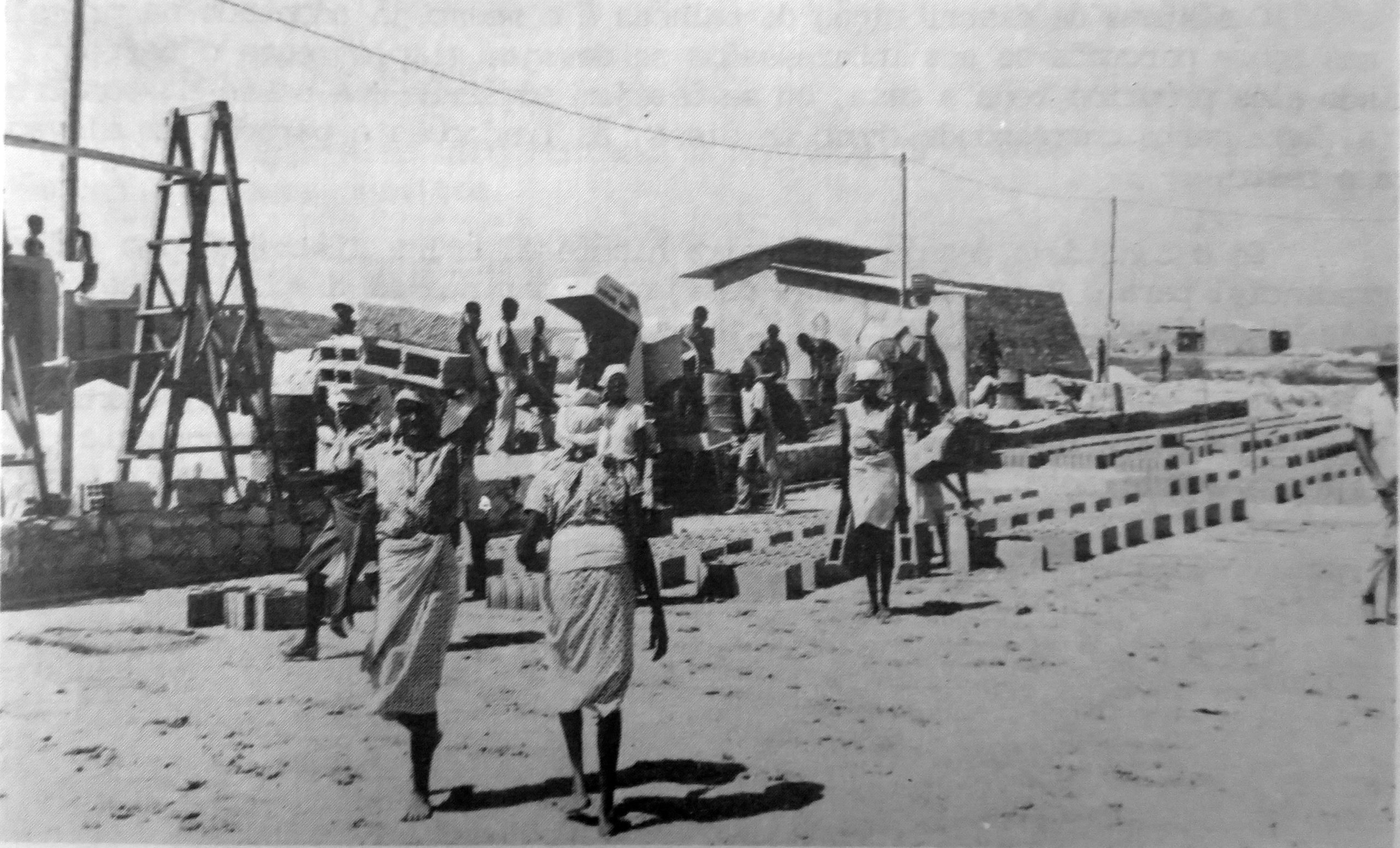
    The construction of the units was the responsibility of each concessionaire, who received technical assistance. They could buy an empty plot or one that already had foundations and walls built. The office, located on site, centralized the distribution of plots by the “neighborhood manager” and the delivery of materials stored in the warehouse. The lack of training among families compromised their autonomy as builders, making it necessary to hire professionals such as bricklayers and carpenters. Small contractors emerged, paid through private loans, contributing to the recognition of specialized tasks. The operation was monitored by the head of the Inspection and Works Brigade assigned to the site.

    03. Skills & Technologies

    Prior to the operation, land and water were provided free of charge to manufacture adobe bricks and stones for the foundations. The use of increasingly “Western” technology required materials produced by local industries, which were purchased by the authorities for resale to contractors. After 1973, 151,000 bricks or blocks, 400 kg of explosives, 640 cubic meters of stone, and 1,300 cubic meters of sand were supplied monthly. Interruptions in the supply of materials made it necessary to expand support by finding new quarries. A construction site was set up in Alto Liro to manufacture cement blocks. Stone and sand were used for the foundations; brick and cement for the walls; zinc or aluminum sheets, fiber cement, tiles, and beams for the roof; doors and windows had prefabricated wooden frames.

    Location

    Archival Records

    Visual Materials Outputs

    Fieldwork

  • Diamang

    Diamang

    DIAMANG, ANGOLA

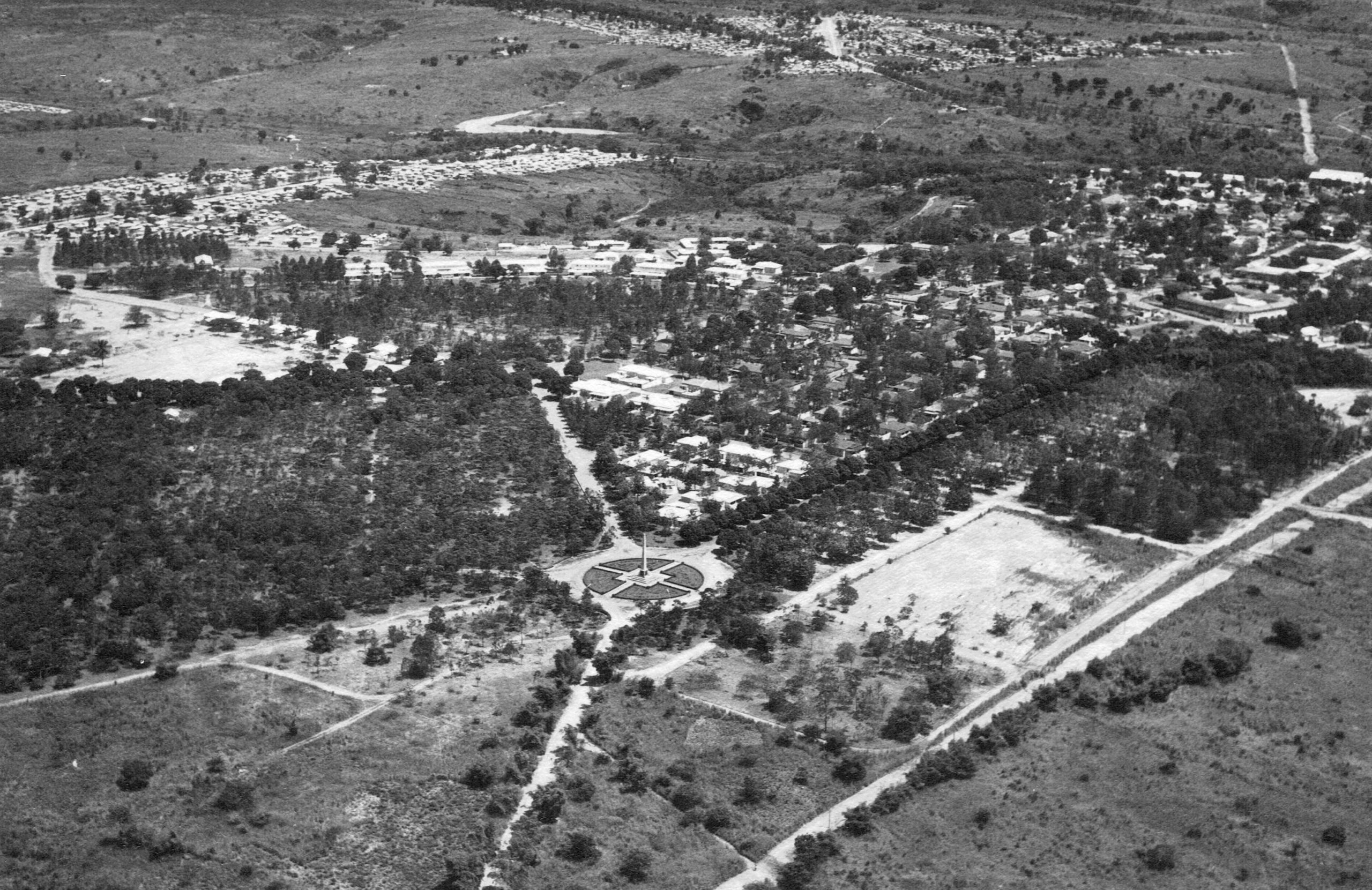
    Diamang (Companhia dos Diamantes de Angola) was a private mining company that operated in Lunda, Angola, from the 1910s until the late 1980s. Its concession area covered 45,483 km² – approximately half the size of mainland Portugal. The centre of this mining hub was the village of Dundo, located a few kilometres from the border with the former Belgian Congo. Other mining groups included Cassanguidi, Maludi, Andrada, Lucapa, Calonda and Luzamba. Over time, thousands of workers were engaged in constructing housing, equipment, and infrastructure, including roads, bridges, aerodromes, thermal power stations, and dams..

    How to cite

    ArchLabour: Architecture Colonialism and Labour (P.I. Ana Vaz Milheiro, ERC-funded 10.3030/101096606, 2024-2028). DIAMANG, Angola. Accessed on 3rd March 2026. Available at: https://archlabour.iscte-iul.pt/diamang/

    Last update: February 23, 2026

    01. Plan & Construction

    The first designs for Diamang’s settlements and buildings were created by American mining engineers. The Concession Services, founded in 1942, assembled the first teams dedicated to construction work within the mining concession. Around the same time, the mining posts in Lunda were renamed ‘urban centres’, reflecting the company’s commitment to creating high-quality spaces. Thousands of single-family houses with extensive gardens and numerous facilities, including schools, parks, recreation centres, hospitals, museums and laboratories, were built. Over the next few decades, Diamang established several departments dedicated solely to spatial planning and construction. These became increasingly specialised, including the Construction team in 1950 and the Civil Construction Services in 1957, as well as their subsequent branches.

    02. Labour

    In the 1940s, Diamang employed around a thousand African workers for earthmoving, construction, building repairs, and general maintenance of gardens and parks in the main settlements. Among them were contractors and day labourers. A separate department supervised the construction of villages for African families around mining sites with its own construction teams. Women also participated in these tasks, mainly by obtaining building materials, transporting water and producing clay for bricks. By 1960, around 5,000 workers (20% of the company’s total workforce) were employed in building construction, road construction and urbanisation services.

    03. Skills & Technologies

    Diamang constantly engaged in experiments with new construction technologies, mostly for economic and reputational reasons. After the Second World War, the company tested various construction systems and materials, including Wallace Neff’s concrete ‘Airform’ houses, wooden ‘Trajinha’ prefabricated houses, and Jean Prouvé’s metal ‘Studal’ demountable houses. These building processes involved organising workshops, training African workers and manufacturing bricks and carpentry locally. Diamang never employed architects and frequently relied on housing projects promoted by other mining companies in Central Africa, particularly Union Minière du Haut Katanga.

    Location

    Archival Records

    Visual Materials Outputs

    Fieldwork

  • Port of Beira and Railway

    Port of Beira and Railway

    PORT OF BEIRA AND RAILWAY, MOZAMBIQUE

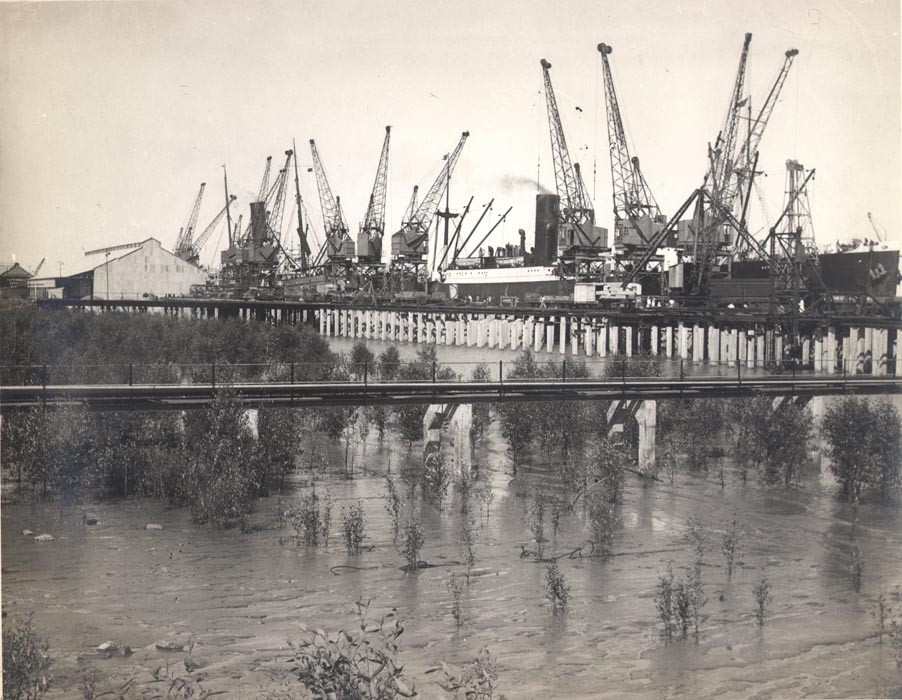
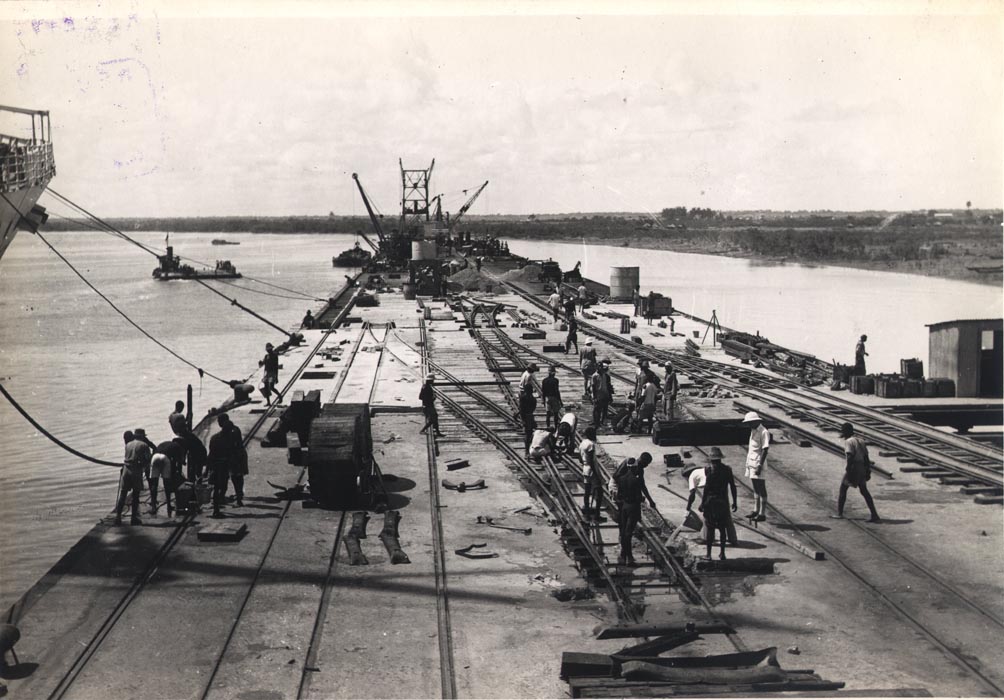
    The Port of Beira is located on the east coast of Africa, at the mouth of the Púngué [Pungwe]River in Mozambique. Construction began in the late 19th century as key infrastructure for the Mozambique Company’s territorial administration. The port’s development was influenced by the Anglo-Portuguese Treaty of 1891 and was closely linked to the expansion of two significant railway lines: the Beira Railway and the Trans-Zambezia Railway. The port and railway were expanded in several phases, mainly with British knowledge, capital and technology. Over the years, the port wasbeen equipped with a dozen wharves and an oil pipeline.

    How to cite

    ArchLabour: Architecture Colonialism and Labour (P.I. Ana Vaz Milheiro, ERC-funded 10.3030/101096606, 2024-2028). Port of Beira and Railway, Mozambique. Accessed on 3rd March 2026. Available at: https://archlabour.iscte-iul.pt/port-of-beira-and-railway/

    Last update: February 12, 2026

    01. Plan & Construction

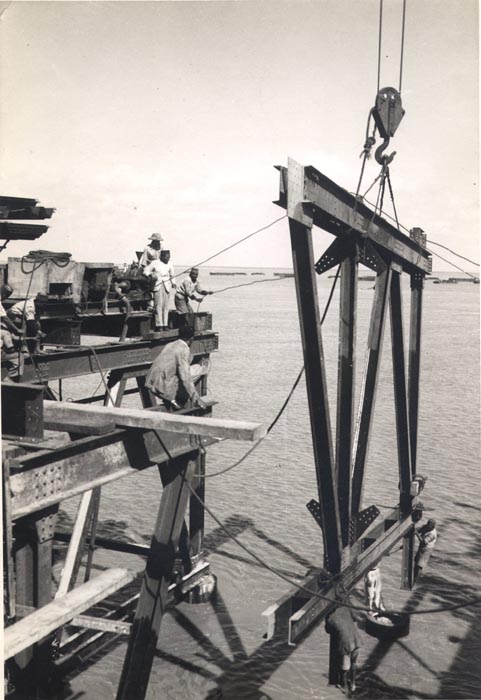
    The construction of the Port of Beira was initiated by the Mozambique Company through successive contracts with the British firm Pauling & Lawley. The port underwent several expansions between 1926 and 1945 by the Beira Works Company, until it was nationalised by the Portuguese colonial government in 1949. Pauling was also awarded the contract for the Beira railway line, following studies by Eduard Pouhin and Renato Baptista, as well as a contract with Theodore Van Laun, an associate of Cecil Rhodes. Construction began in 1892, following a route designed by Mansergh. The line stretched 321 km from Beira to the Machipanda border, passing through several major towns in the Manica and Sofala regions: Dondo, Vila Machado, Gondola, Vila Pery and Vila de Manica..

    02. Labour

    The location of the port was determined not only by the need to occupy that region of Mozambique, but also by the recognition of a labour force already present in the area. According to Paiva de Andrada, one of the port’s leading proponents, the mouth of the Púngué River offered excellent natural conditions and was “one of the regions where the largest number of indigenous workers could be found”. The Mozambique Company established its own network of African intermediaries responsible for recruiting African labourers. According to the 1950 Beira census, around 5,500 African men were employed at the port. There were also groups of white, mixed-race, and Asian workers.

    03. Skills & Technologies

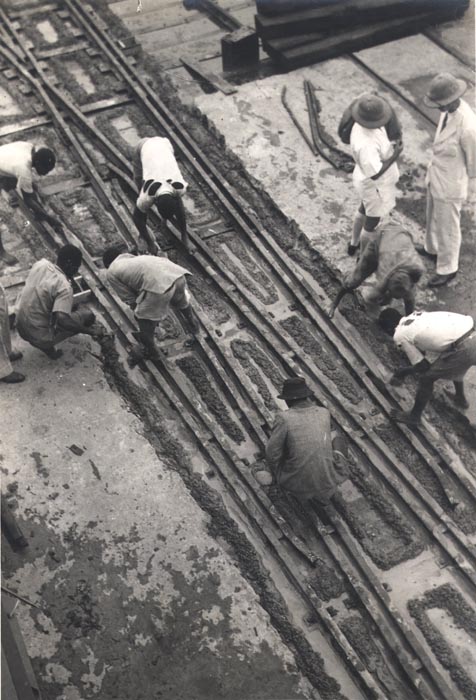
    The photographs of the Beira Works Company show the progress of the construction and expansion of the port. This work included building defensive walls for Beira, constructing several berthing quays, installing electrical systems, installing lifts for transporting grain and coal, and laying Decauville lines to connect to the railway lines and transport materials. The quay structures required manual and specialised work on the foundations, including pile driving and stone crushing. Rolling and leader structures were assembled using heavy-duty cranes, wooden beams and air pumps, among other equipment.

    Location

    Archival Records

    Visual Materials Outputs

    Fieldwork

  • Strategic Villages, Guinea-Bissau

    Strategic Villages, Guinea-Bissau

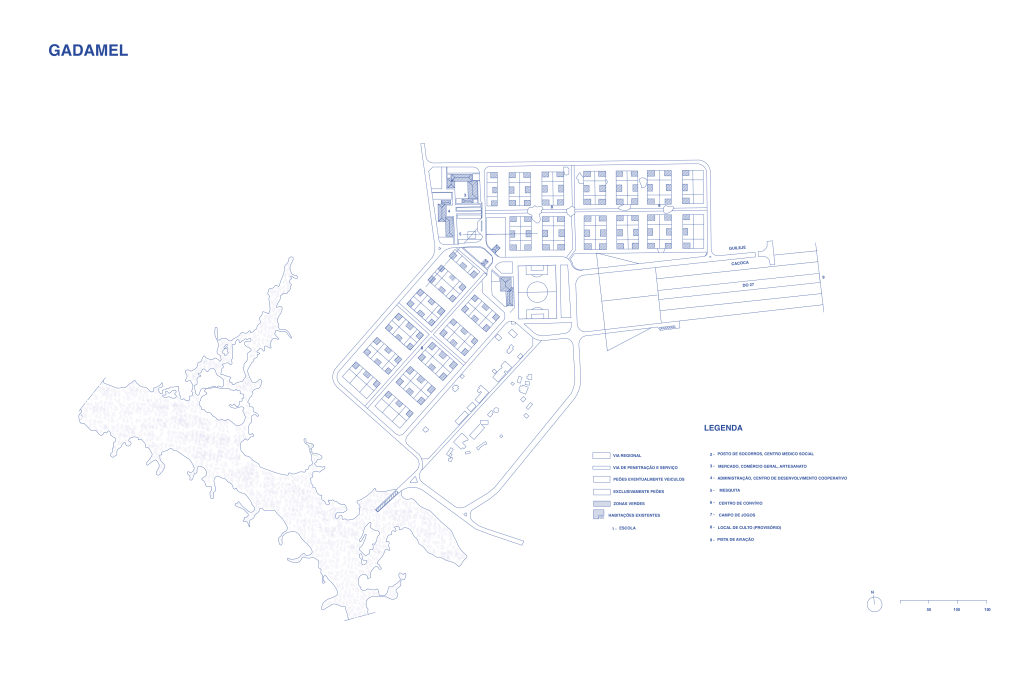
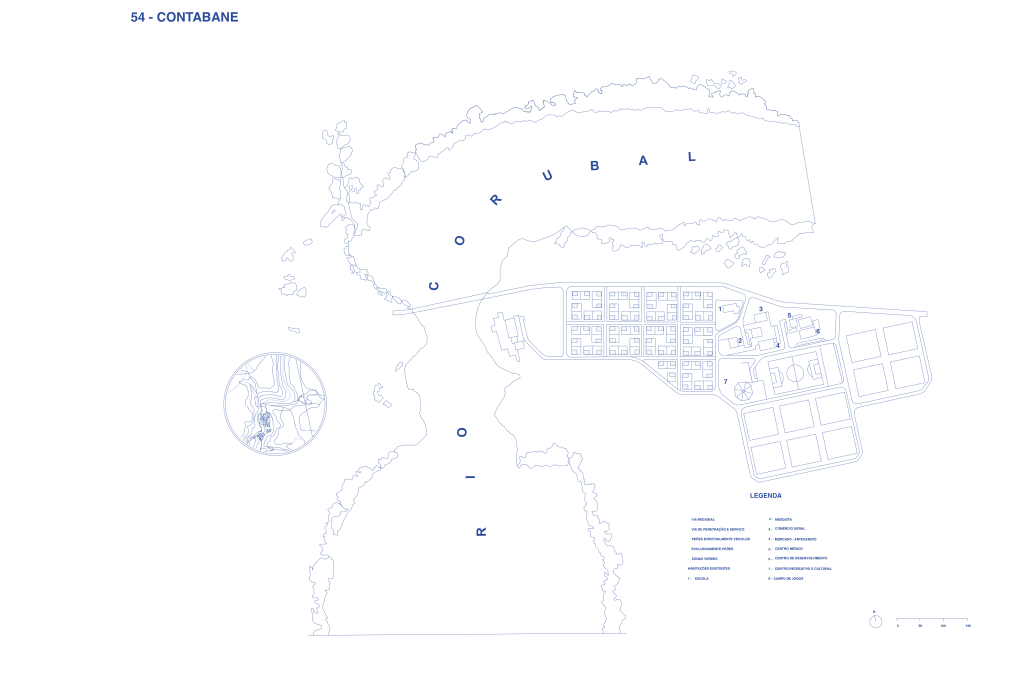
    STRATEGIC VILLAGES, GUINEA-BISSAU

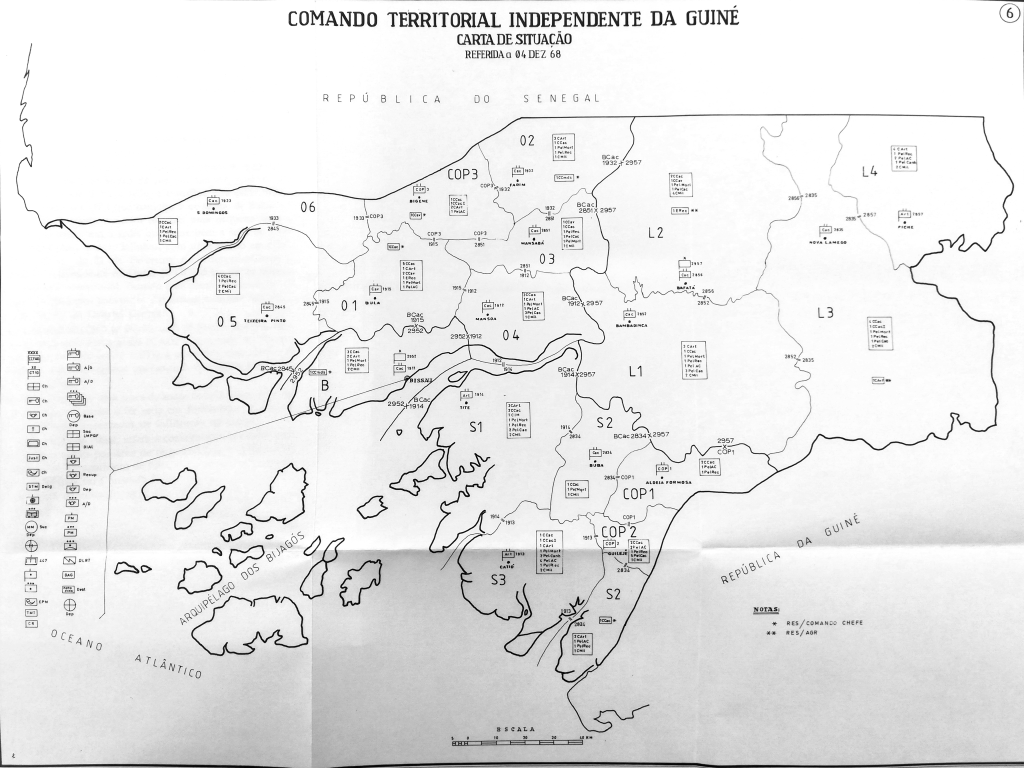
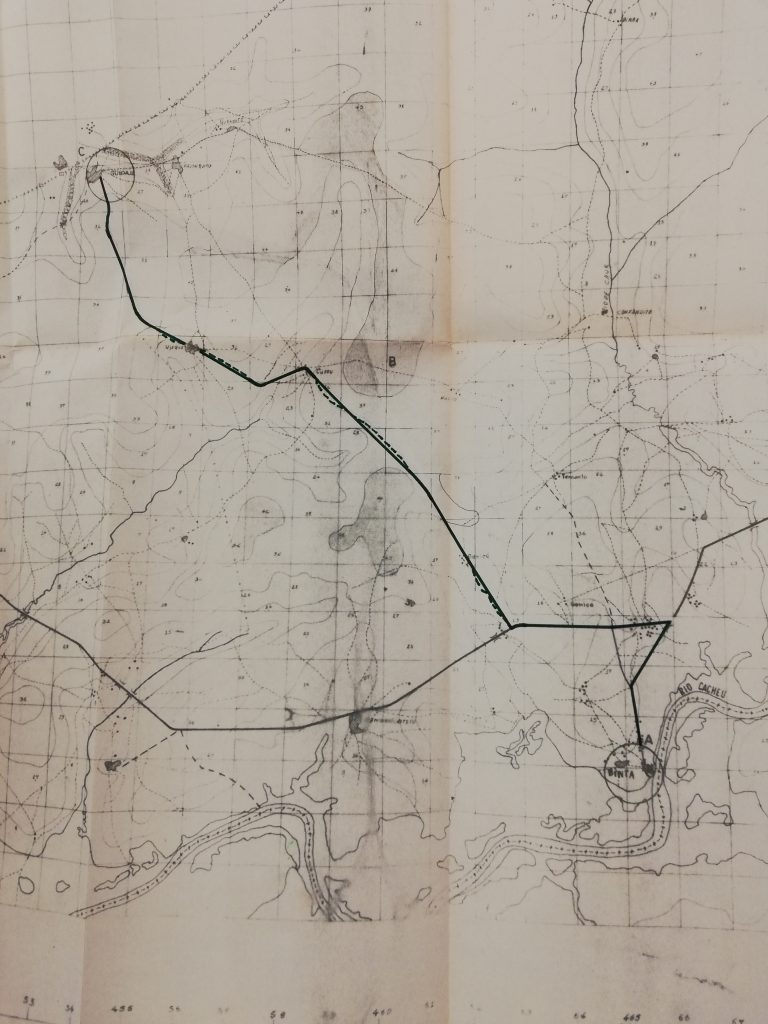
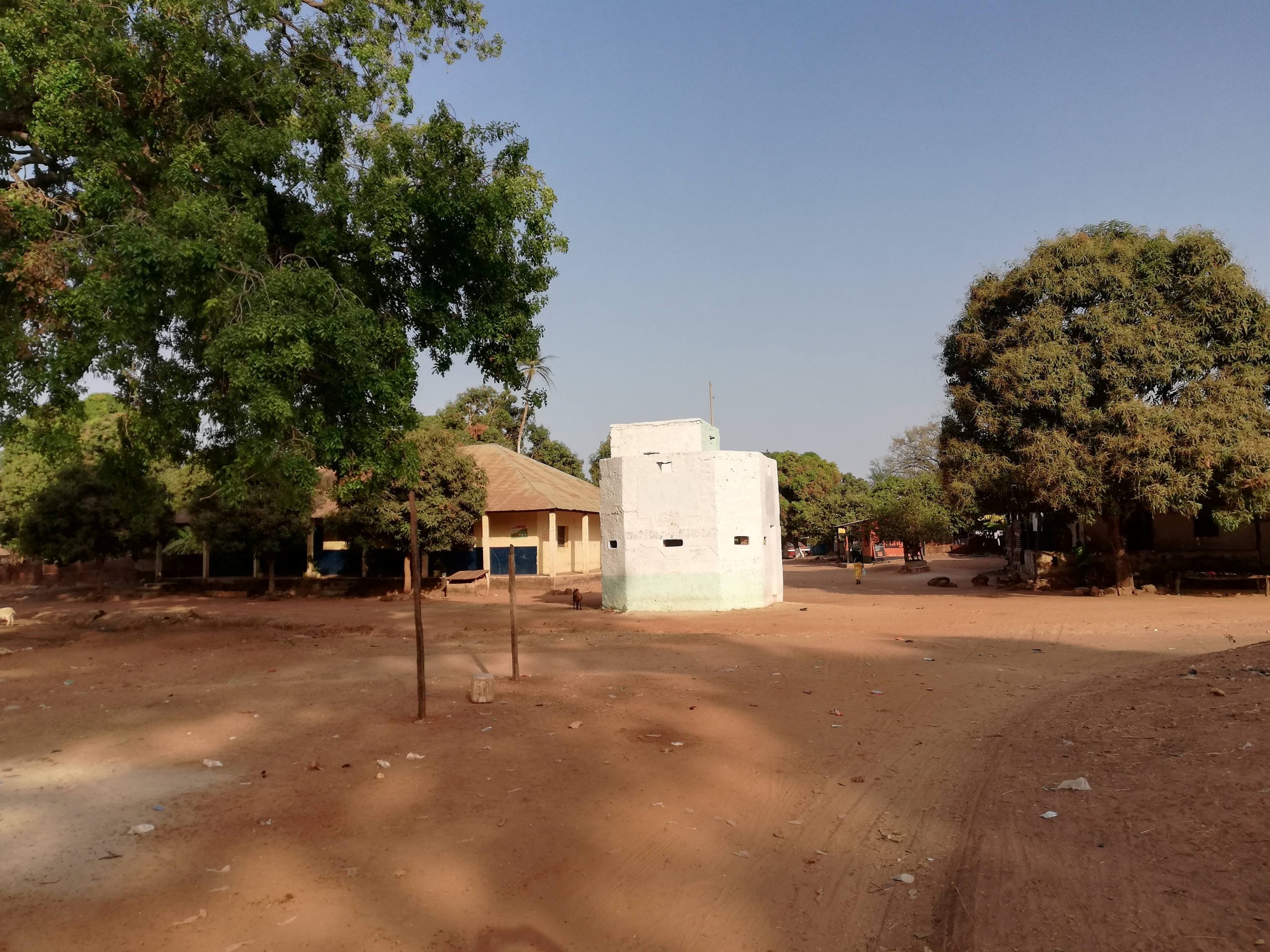
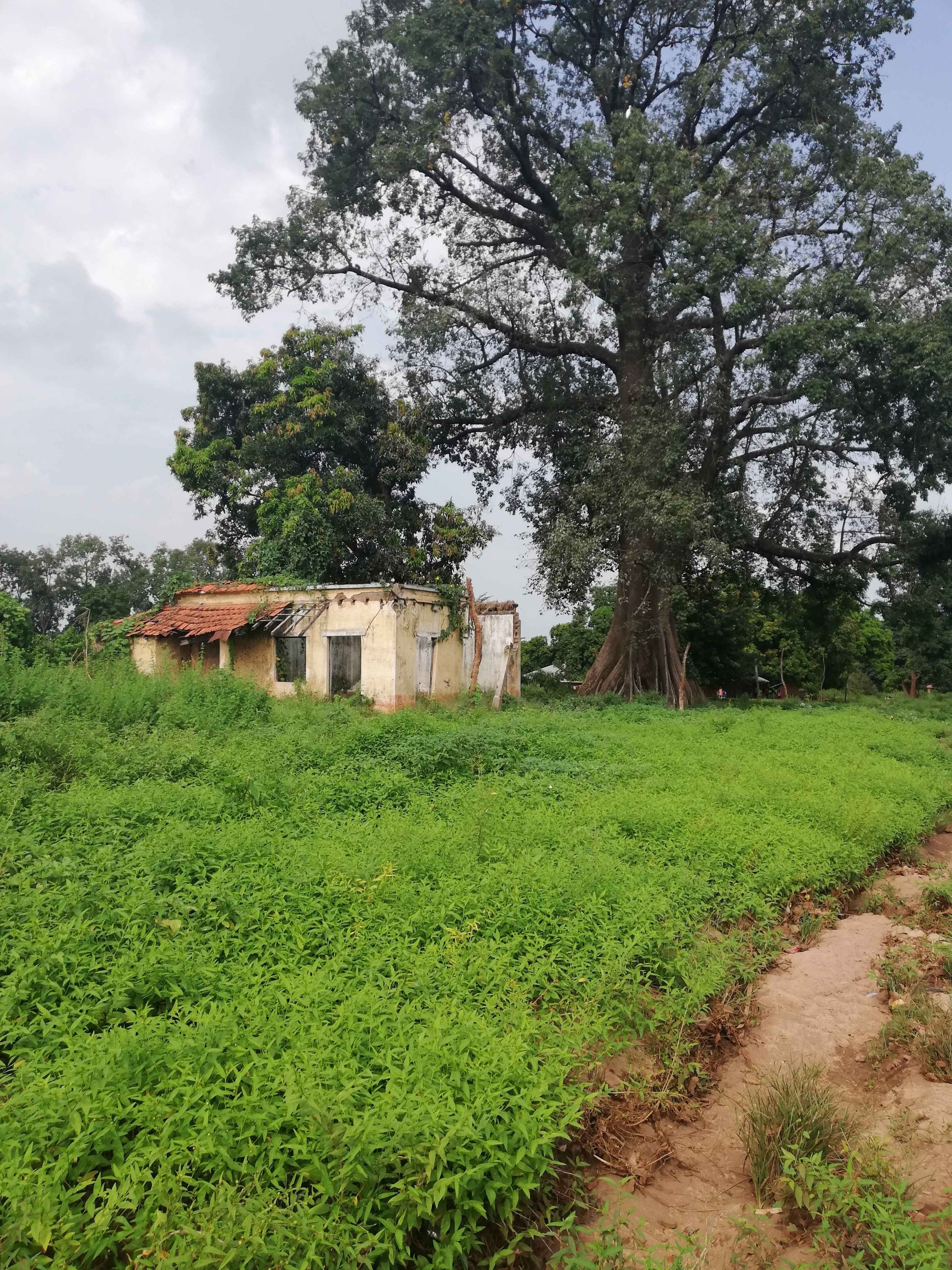
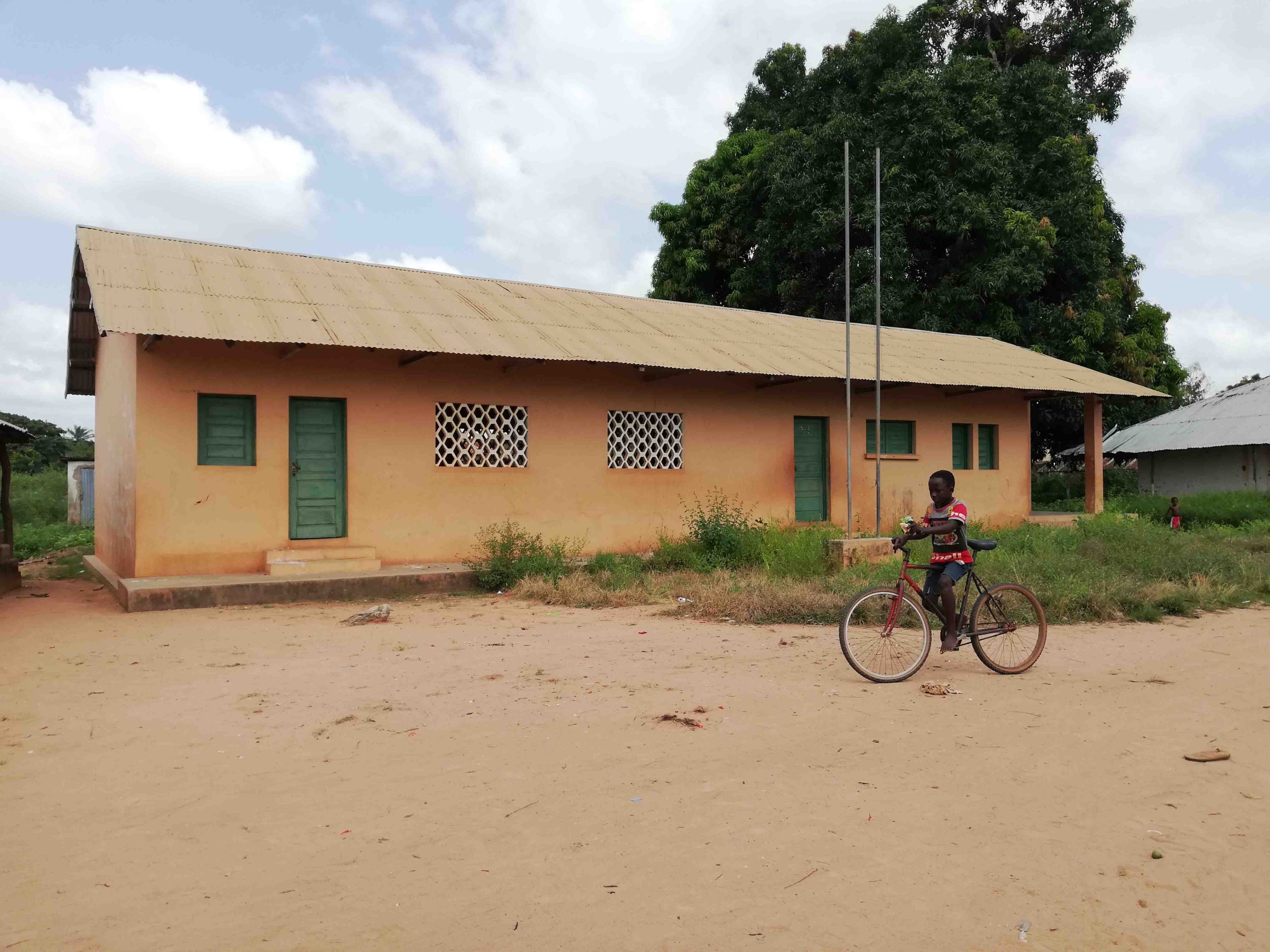
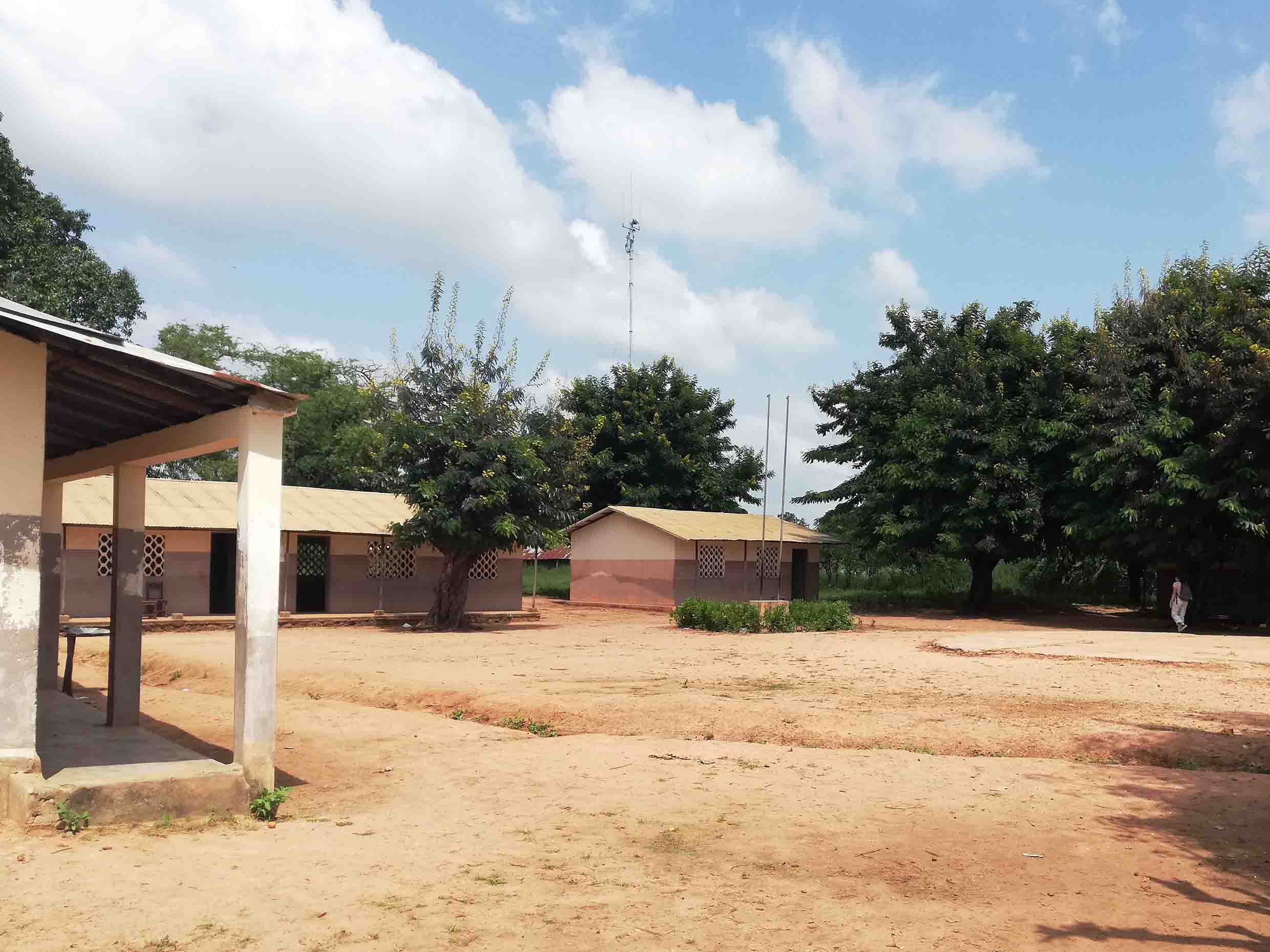
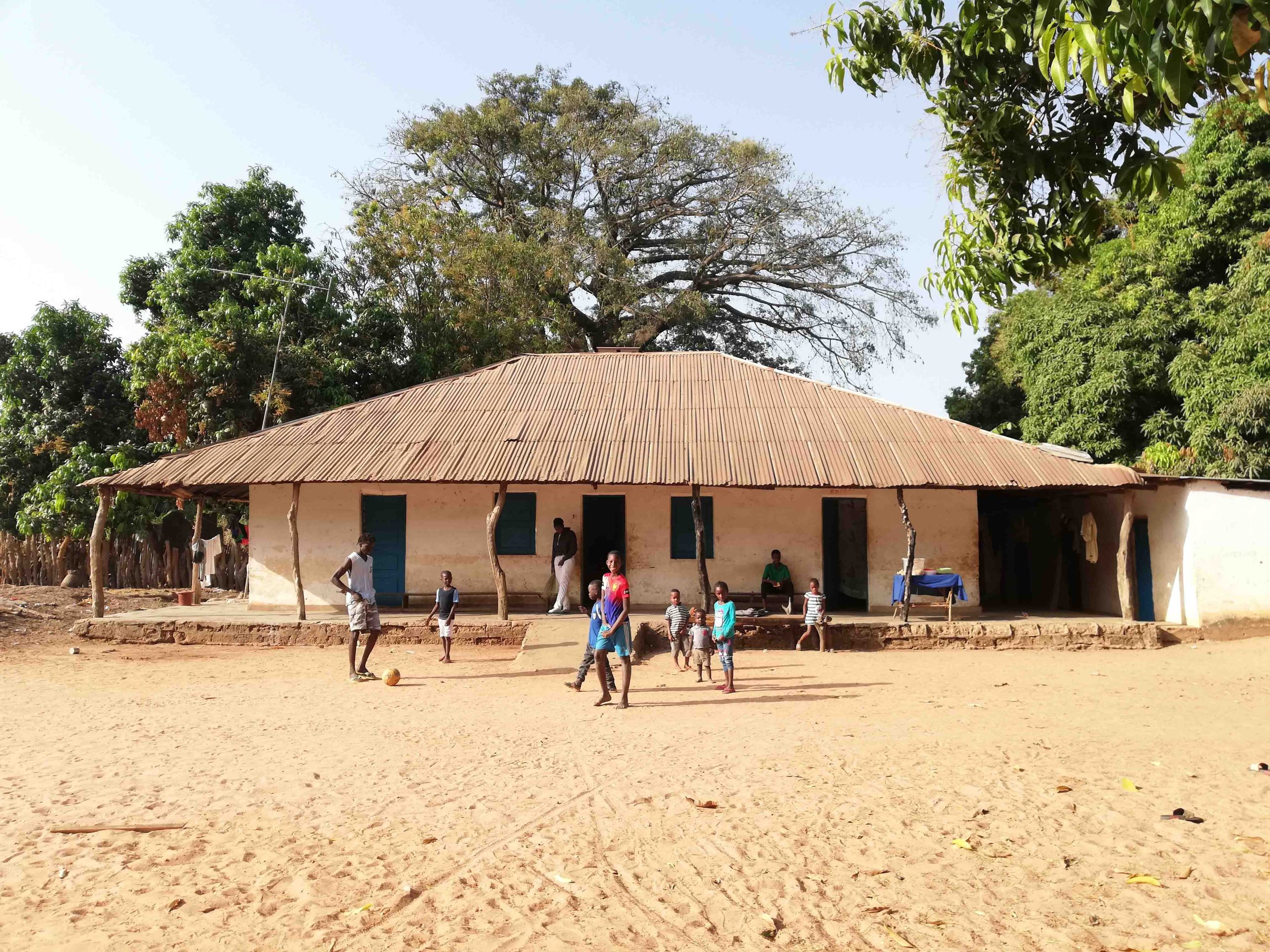
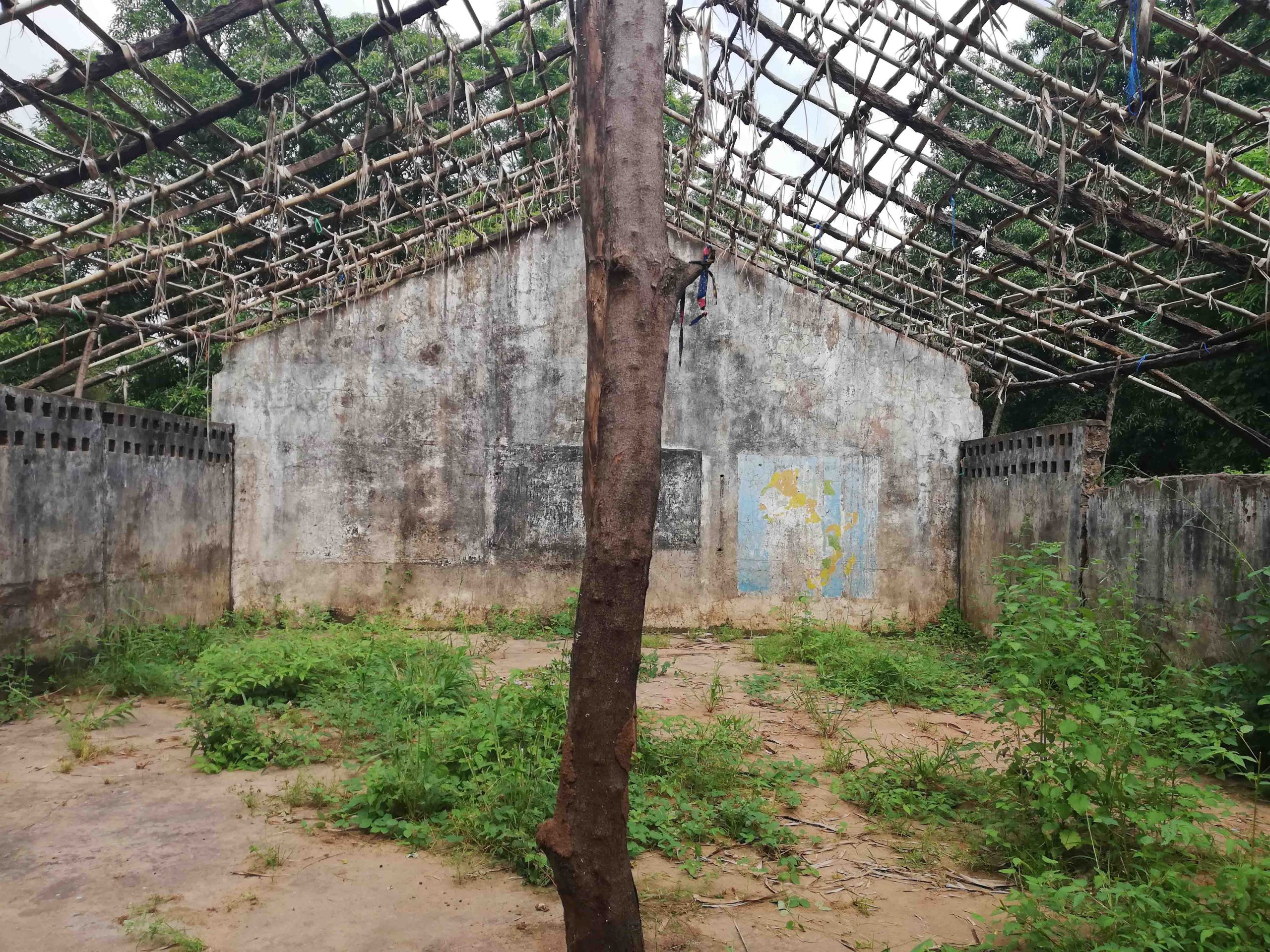
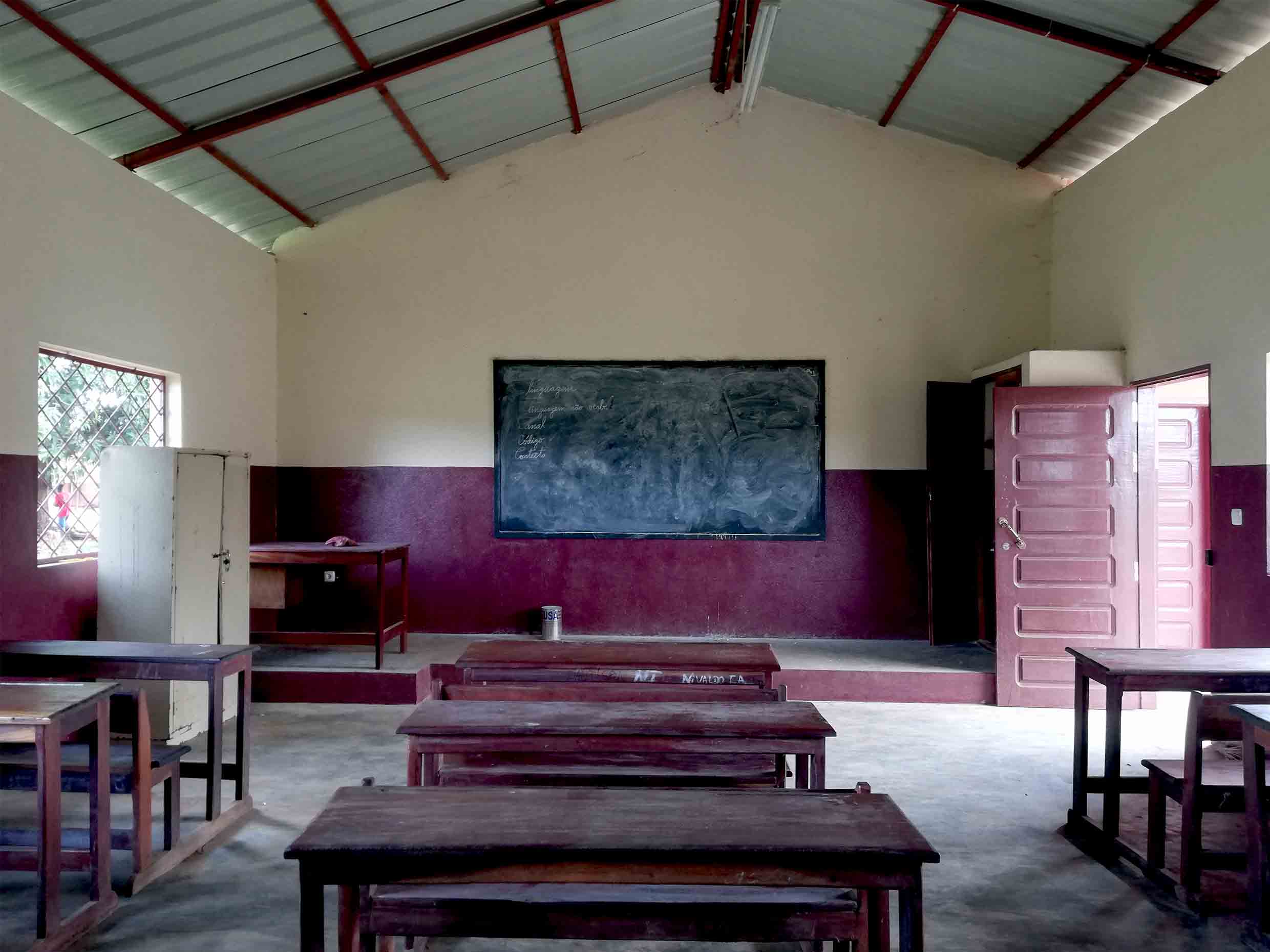
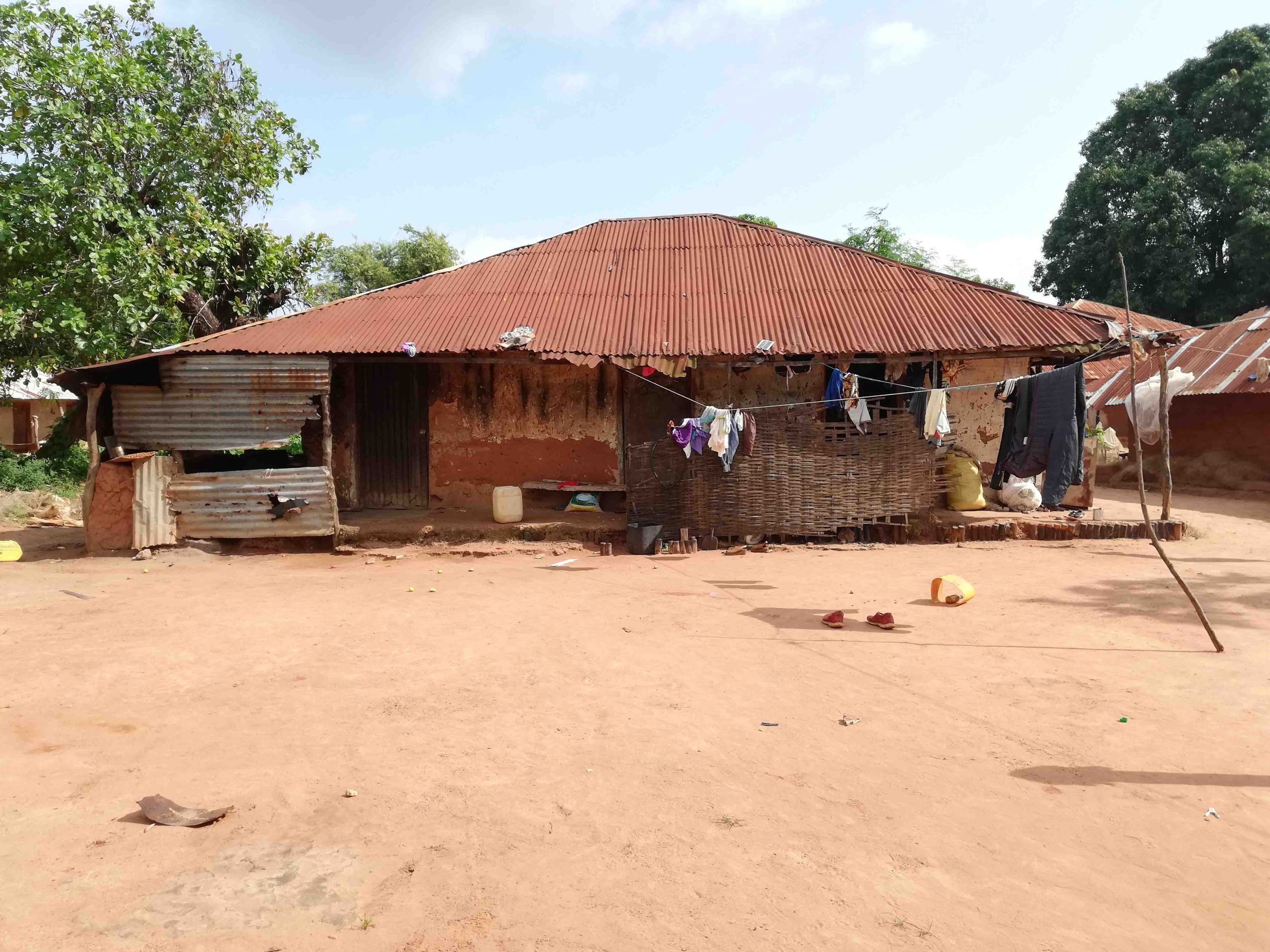
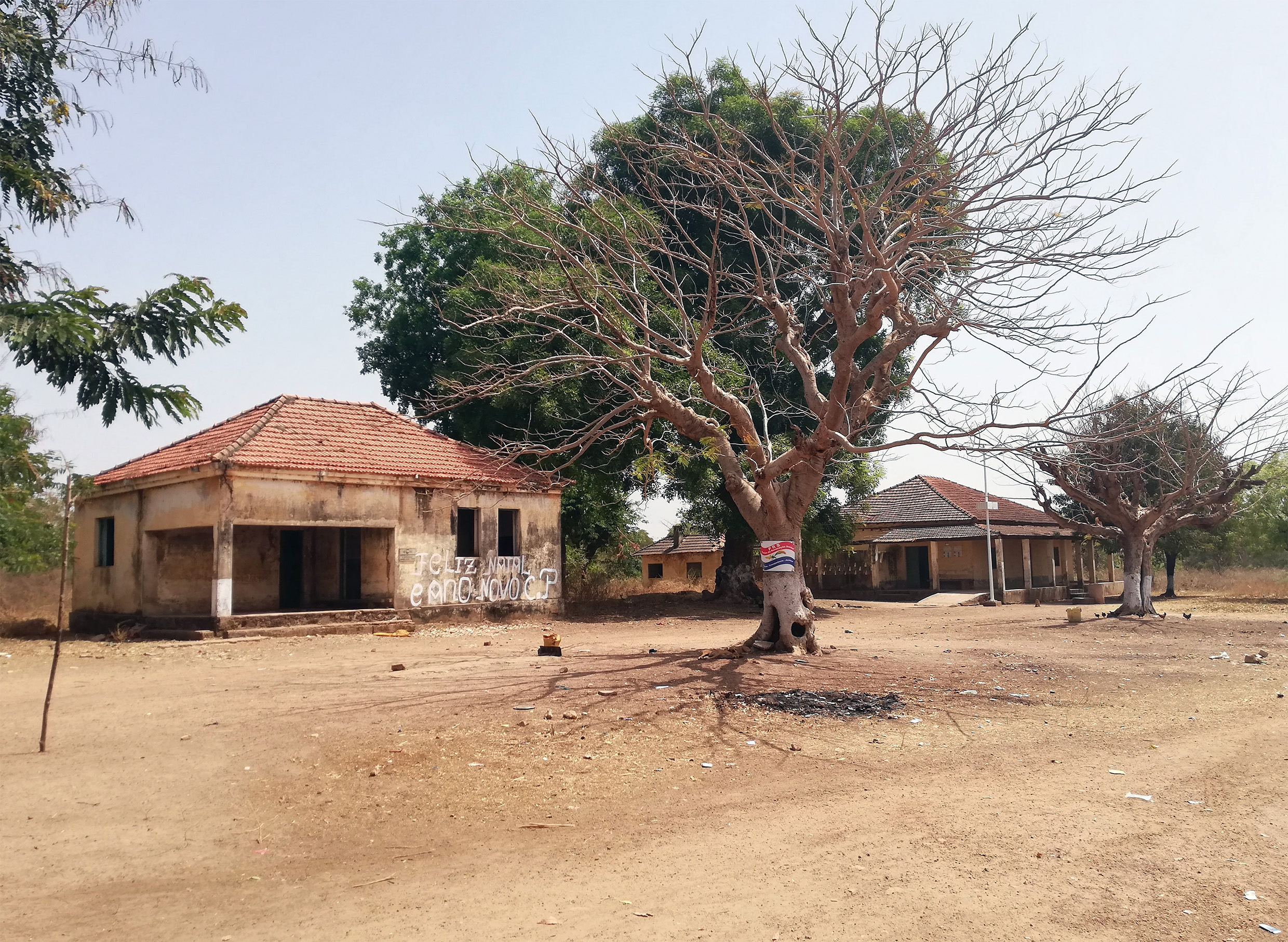
    Between 1968 and 1974, during the last years of the Guinean war of independence, under the general governor António de Spínola, between 60 to 140 strategic villages were built in Guinea-Bissau with the aim of regrouping rural population living in strategic war zones (e.g., borders, proximity to rivers, populated areas etc.). These villages provided rural population with basic housing conditions, collective facilities, water supply and military “security”. In few years, by “winning hearts and minds” of the Guinean population, the Portuguese army achieved to coordinate the construction of approximately 8313 houses, 196 schools, 51 sanitary posts, but also new roads, bridges and airstrips built mostly by African labour.

    How to cite

    ArchLabour: Architecture Colonialism and Labour (P.I. Ana Vaz Milheiro, ERC-funded 10.3030/101096606, 2024-2028). Strategic Villages, Guinea-Bissau. Accessed on 3rd March 2026. Available at: https://archlabour.iscte-iul.pt/strategic-villages-guinea-bissau/

    Last update: February 12, 2026

    01. Plan & Construction

    The first designs for Diamang’s settlements and buildings were created by American mining engineers. The Concession Services, founded in 1942, assembled the first teams dedicated to construction work within the mining concession. Around the same time, the mining posts in Lunda were renamed ‘urban centres’, reflecting the company’s commitment to creating high-quality spaces. Thousands of single-family houses with extensive gardens and numerous facilities, including schools, parks, recreation centres, hospitals, museums and laboratories, were built. Over the next few decades, Diamang established several departments dedicated solely to spatial planning and construction. These became increasingly specialised, including the Construction team in 1950 and the Civil Construction Services in 1957, as well as their subsequent branches.

    02. Labour

    In the 1940s, Diamang employed around a thousand African workers for earthmoving, construction, building repairs, and general maintenance of gardens and parks in the main settlements. Among them were contractors and day labourers. A separate department supervised the construction of villages for African families around mining sites with its own construction teams. Women also participated in these tasks, mainly by obtaining building materials, transporting water and producing clay for bricks. By 1960, around 5,000 workers (20% of the company’s total workforce) were employed in building construction, road construction and urbanisation services.

    03. Skills & Technologies

    Diamang constantly engaged in experiments with new construction technologies, mostly for economic and reputational reasons. After the Second World War, the company tested various construction systems and materials, including Wallace Neff’s concrete ‘Airform’ houses, wooden ‘Trajinha’ prefabricated houses, and Jean Prouvé’s metal ‘Studal’ demountable houses. These building processes involved organising workshops, training African workers and manufacturing bricks and carpentry locally. Diamang never employed architects and frequently relied on housing projects promoted by other mining companies in Central Africa, particularly Union Minière du Haut Katanga.

    Location

    Archival Records

    Visual Materials Outputs

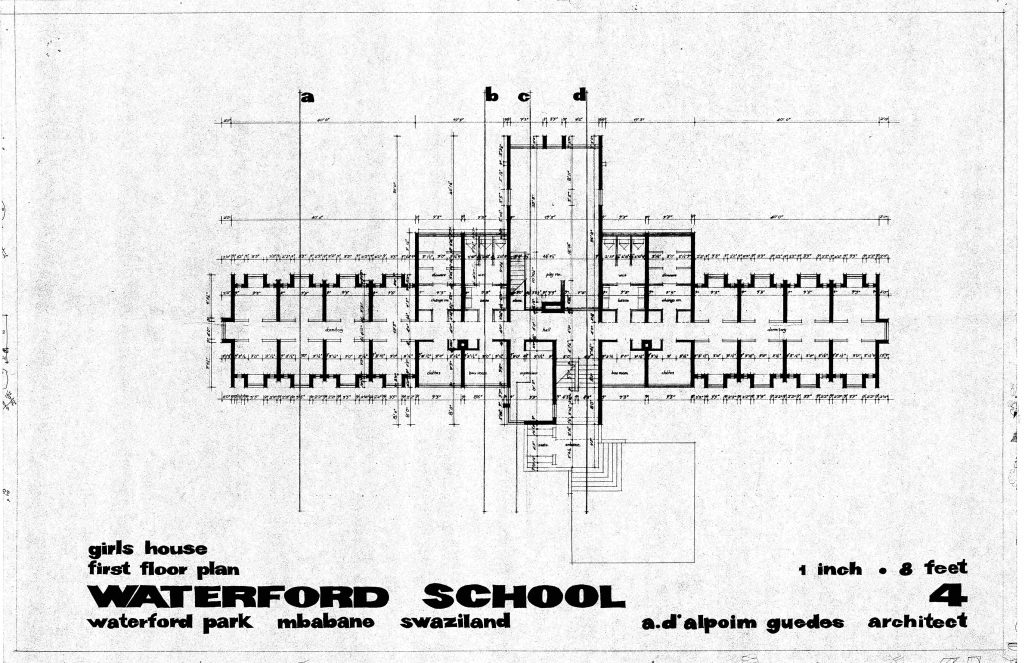
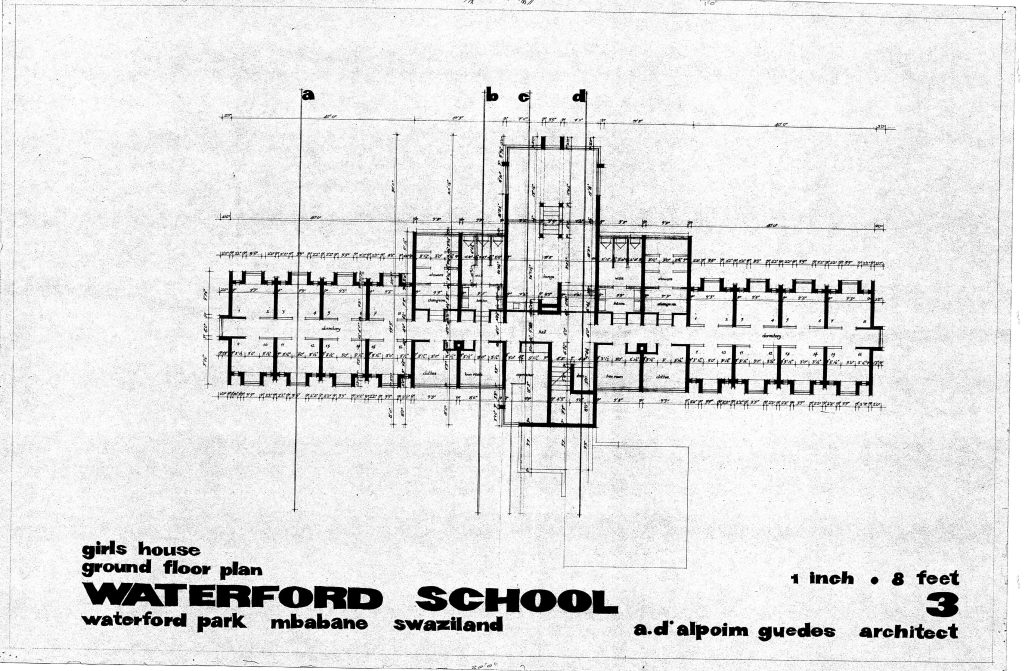
  • Waterford School, Eswatini

    Waterford School, Eswatini

    WATERFORD SCHOOL, ESWATINI

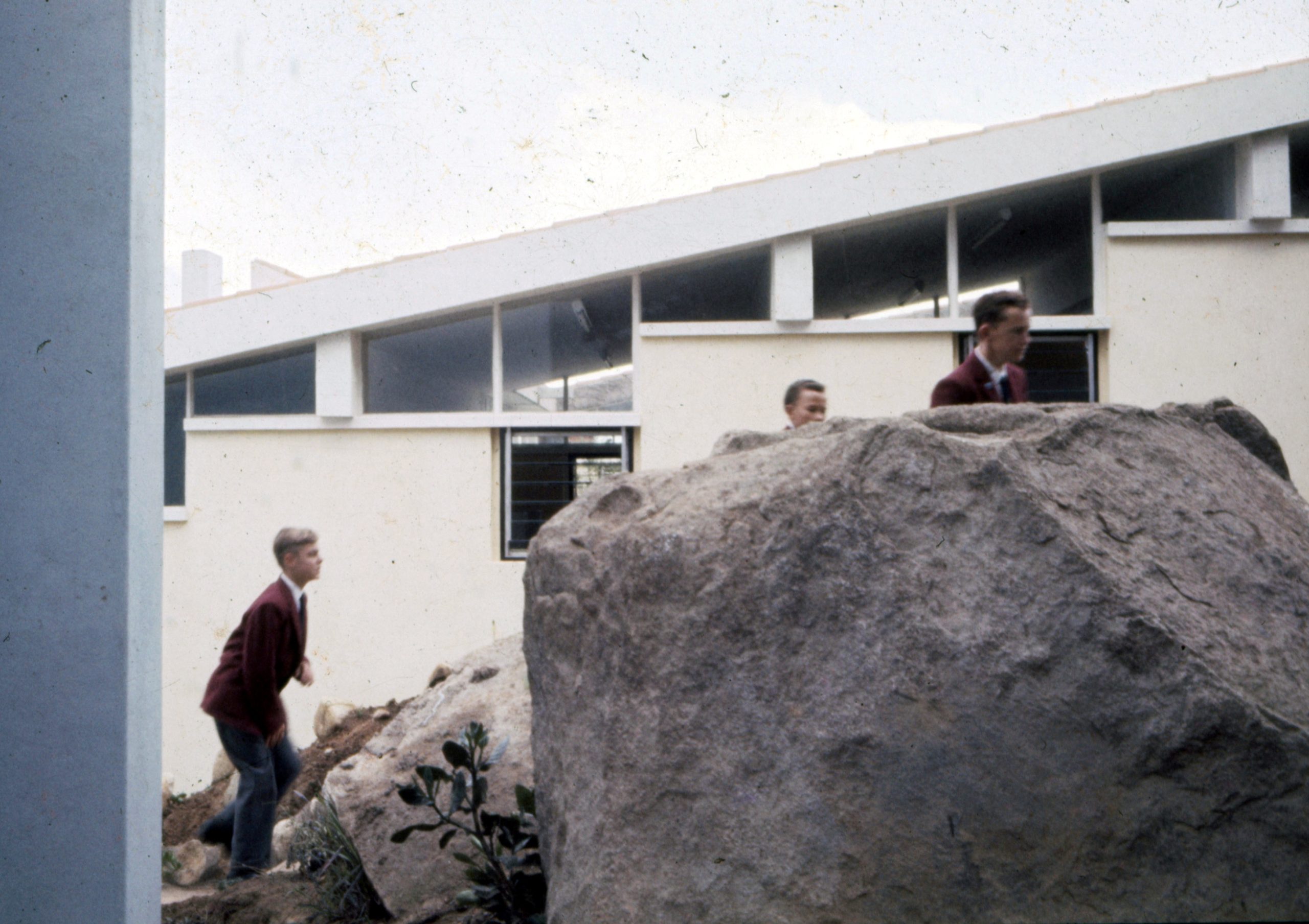
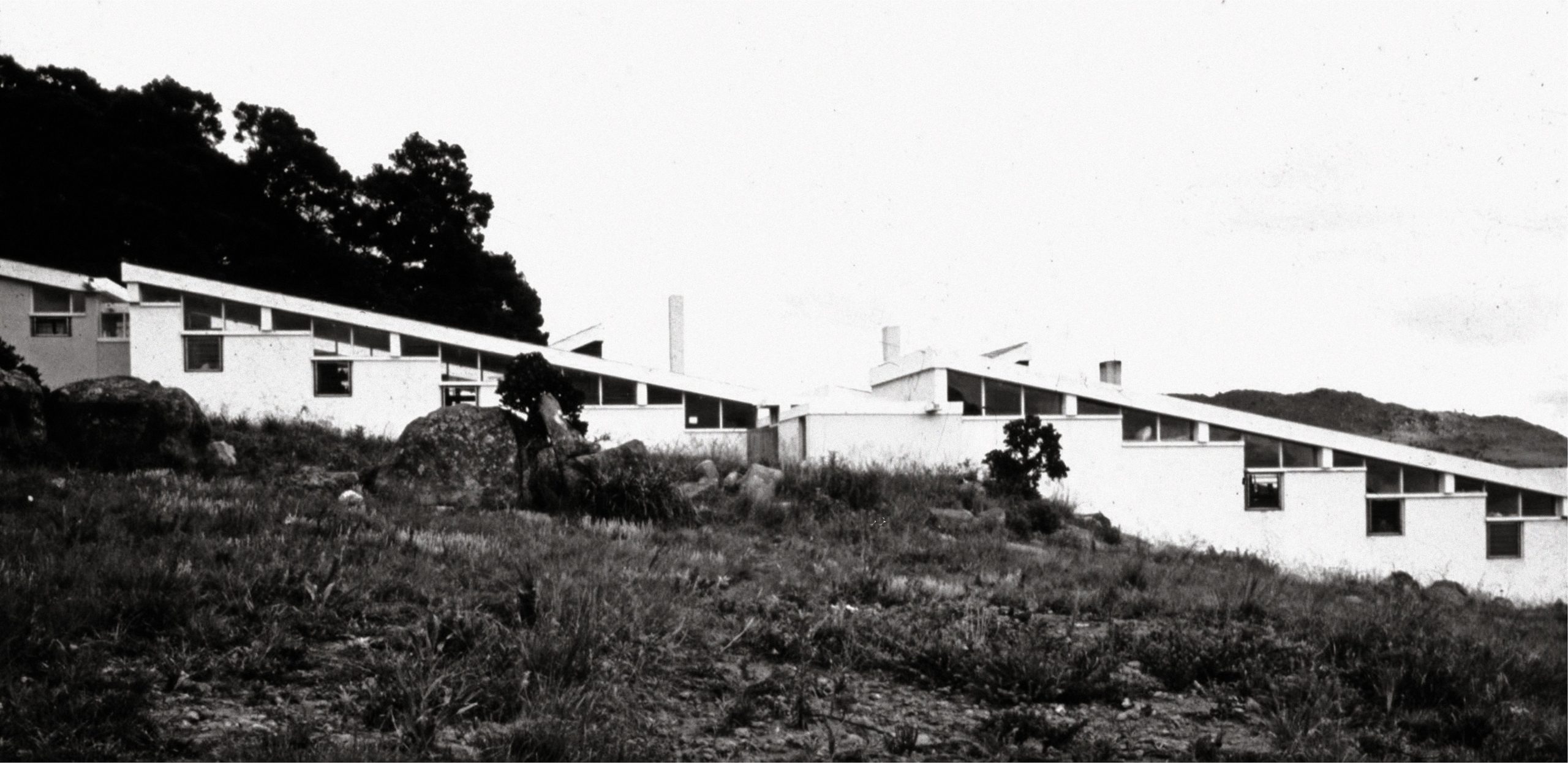
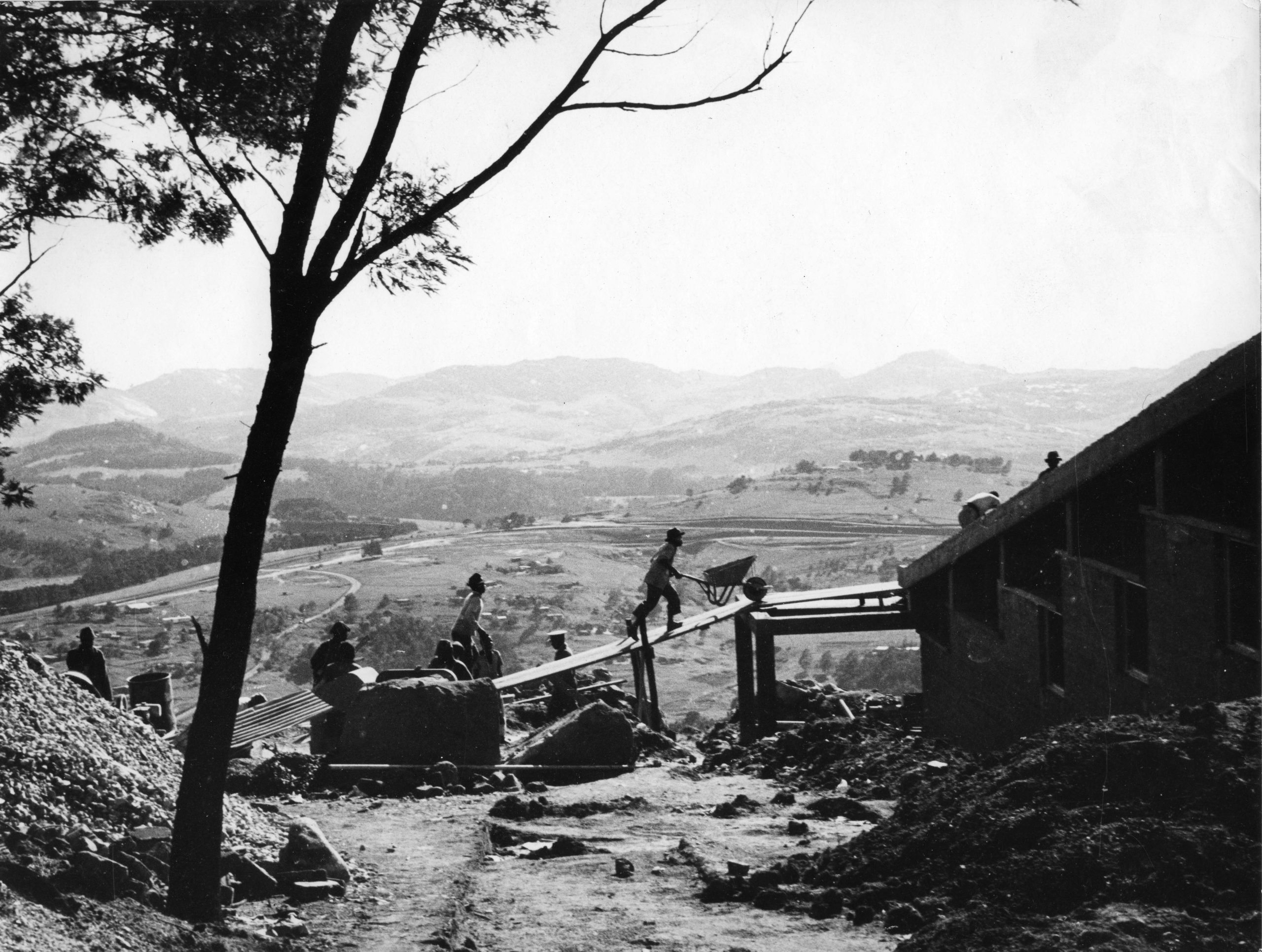
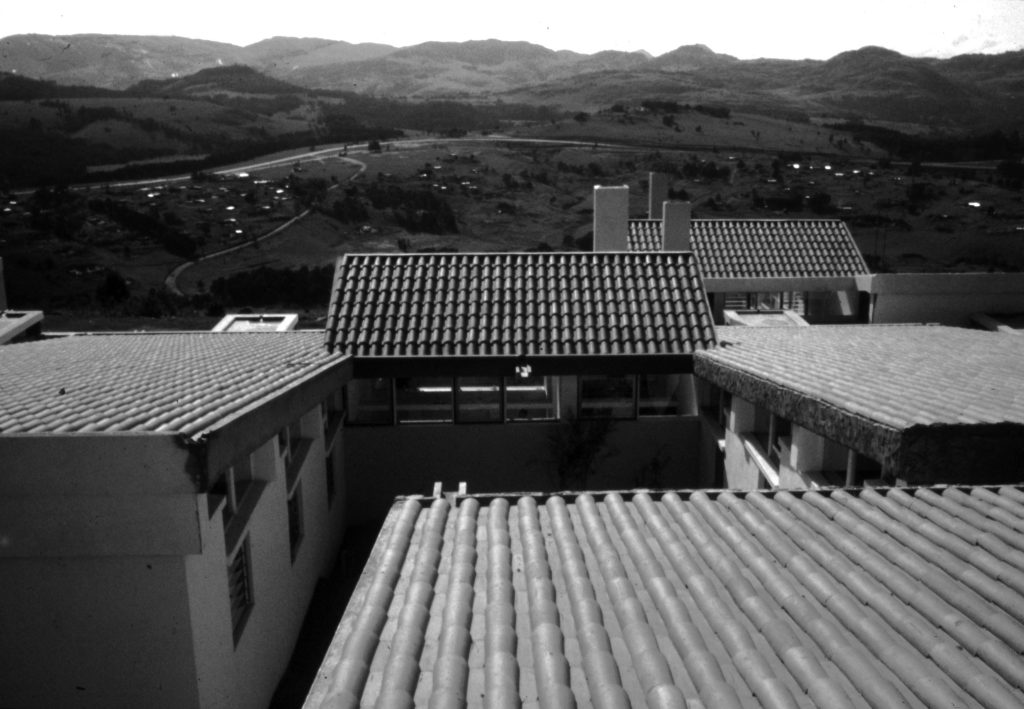
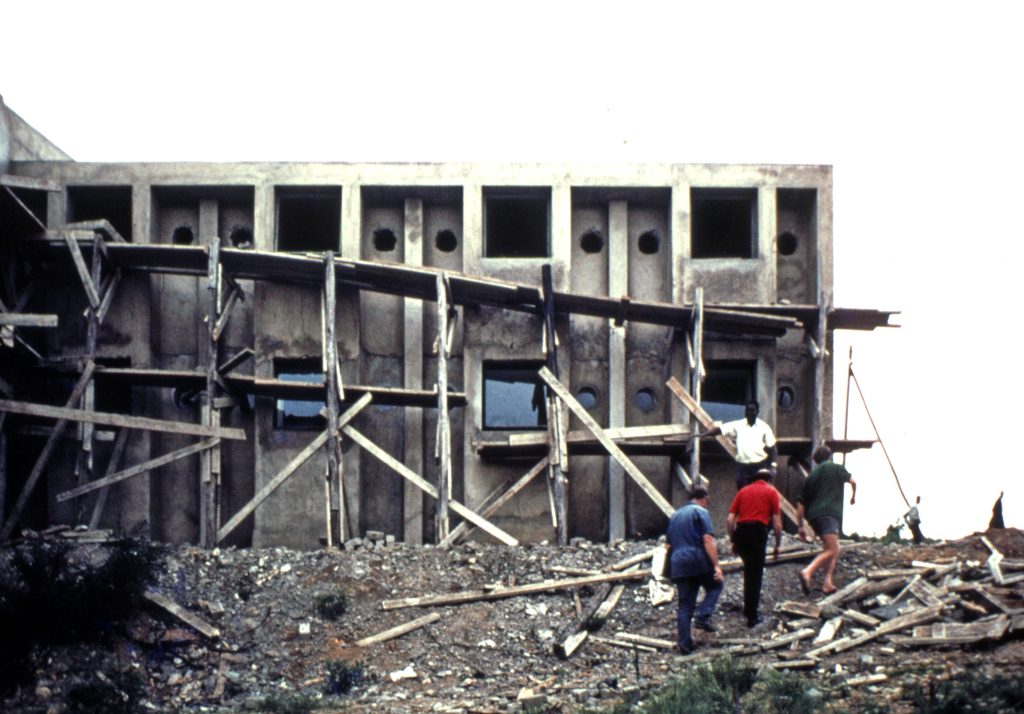
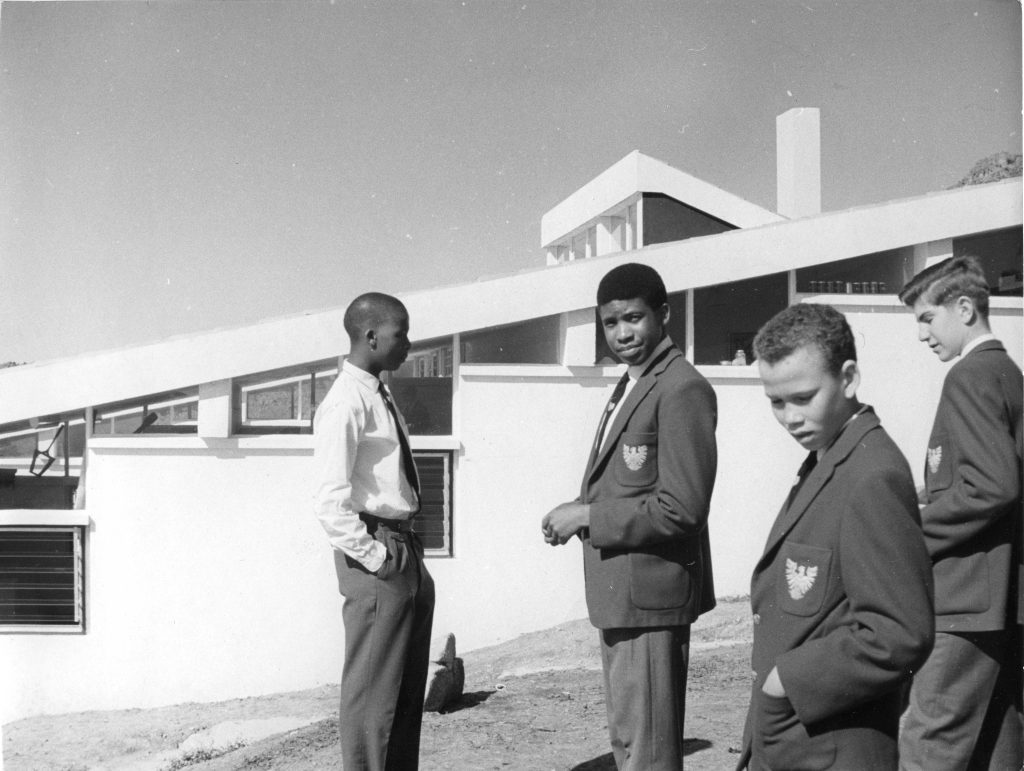
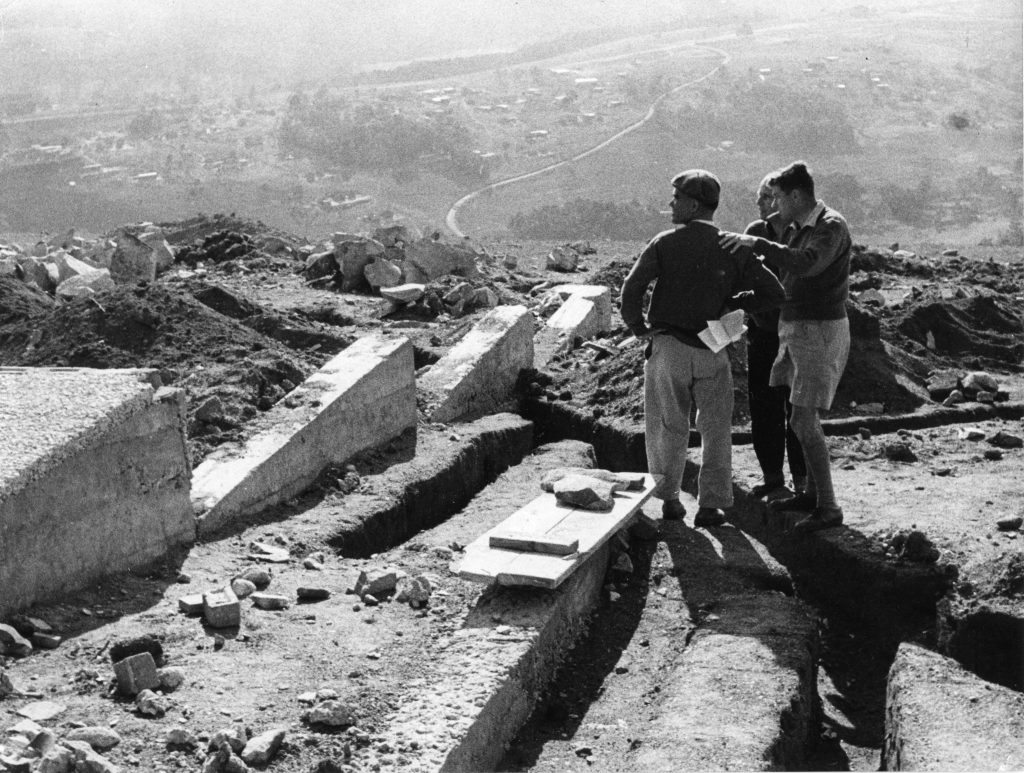
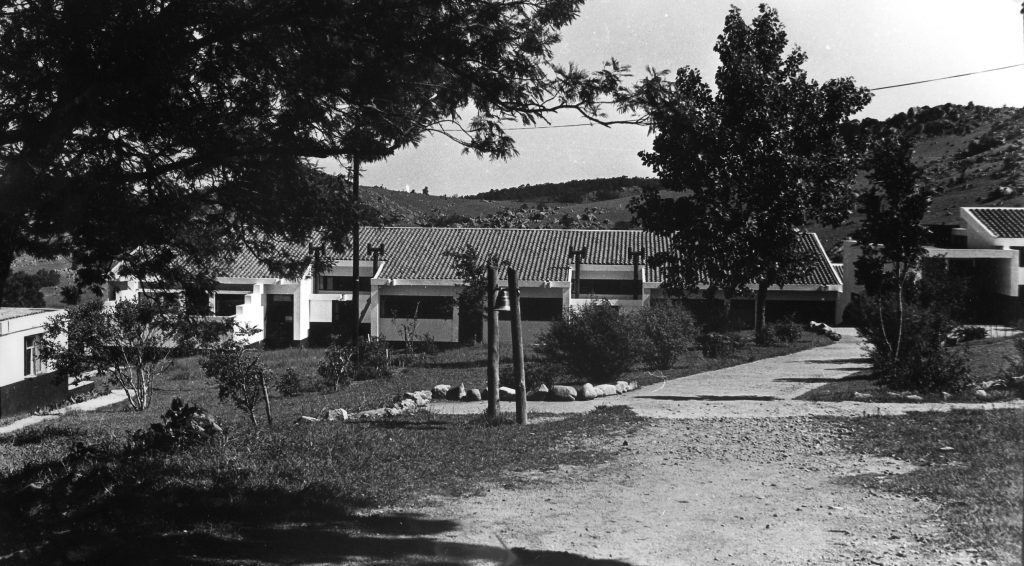
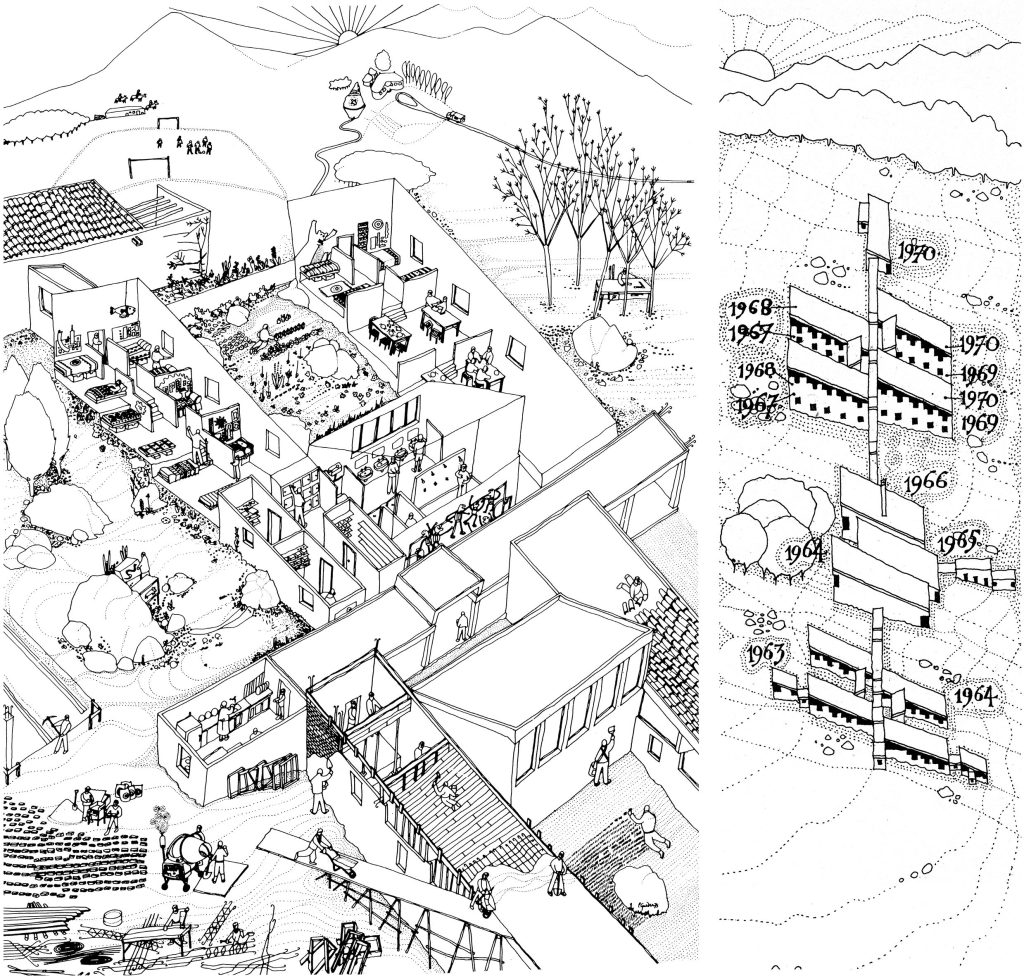
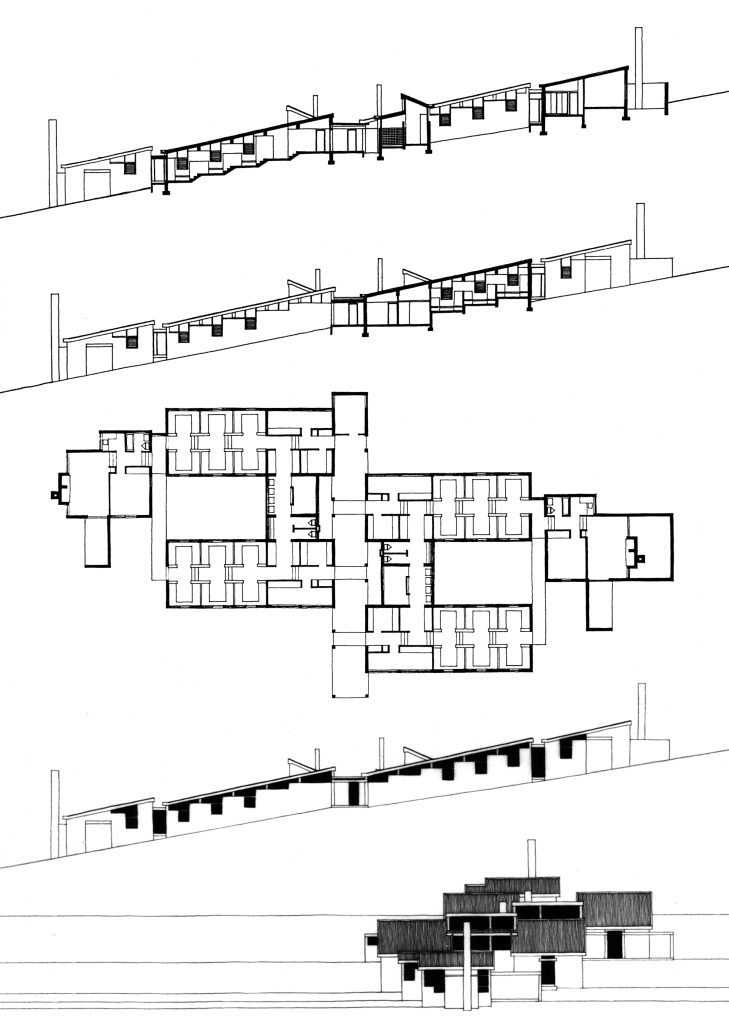
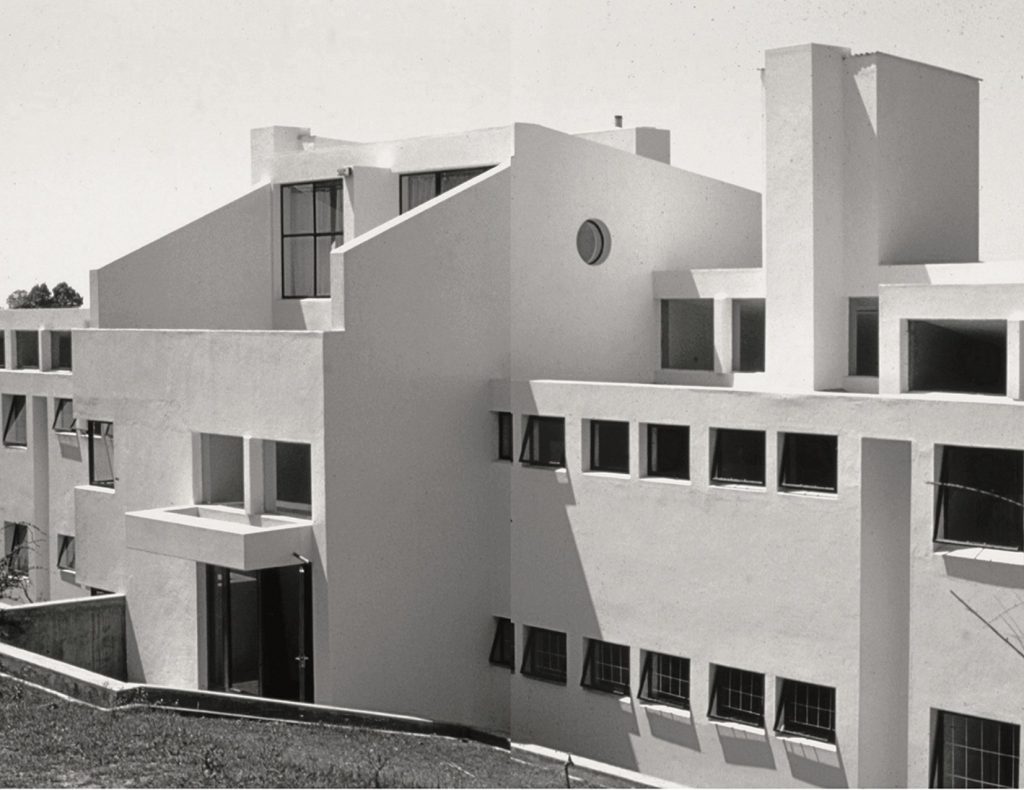
    Waterford School is situated on a hill four miles from Mbabane, the principal town of Swaziland (British Protectorate), now the kingdom of Eswatini. In defiance of apartheid, it was founded by Michael Stern as a multi-racial secondary school for boys, regardless of their ethnicity, religion or income. It opened on February 2, 1963, inspired by British institutions and sponsored by private patrons. The 200-acre site is located 4,500 feet above sea level and 500 feet above Mbabane. “Rondavels”, a pre-existing group of buildings, served as the first classrooms and other accommodation. The new complex occupied the hills, leaving the flat area free for sports facilities. Access was via a difficult road, which gave the site an atmosphere of isolation. 

    How to cite

    ArchLabour: Architecture Colonialism and Labour (P.I. Ana Vaz Milheiro, ERC-funded 10.3030/101096606, 2024-2028). Waterford school, Eswatini. Accessed on 3rd March 2026. Available at: https://archlabour.iscte-iul.pt/waterford-school-eswatini/

    Last update: February 12, 2026

    01. Plan & Construction

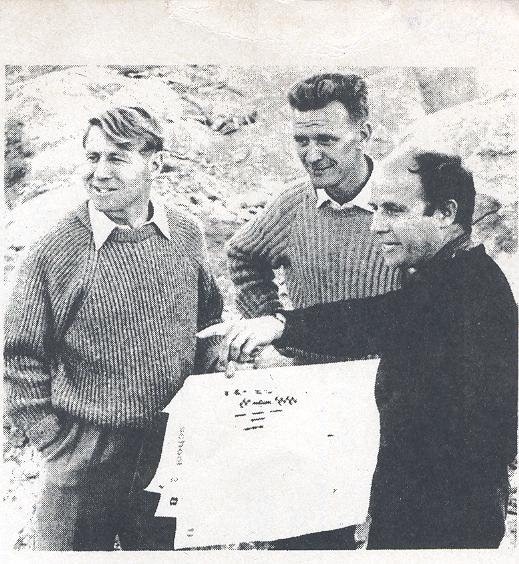
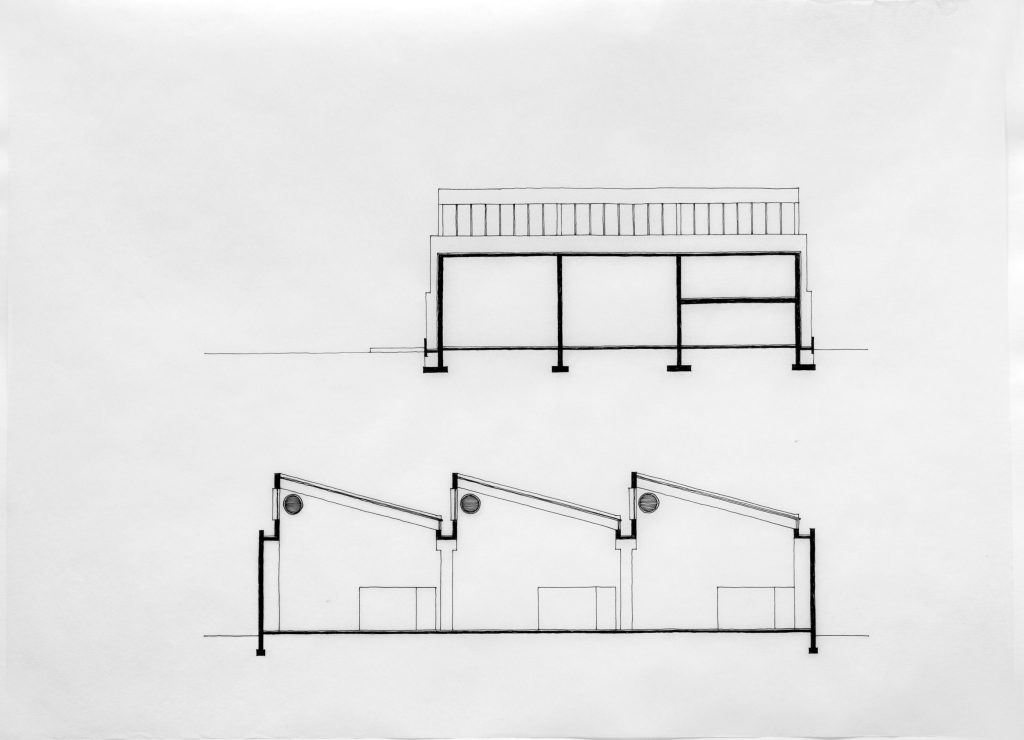
    Pancho Guedes was the architect of the first phase, on a pro bono basis (1961-1972). A drawing by former student Pedro Guedes dated the different phases of the first nucleus, structured from a level corridor/open-air gallery, with perpendicular buildings following the slope: one-storey dormitories, ending with two staff/teachers’ houses (1963-1964); three blocks for collective activities, including meals (1964-1966); two-storey dormitories (1967-1970), culminating in a residence (1970). The library, two classroom blocks and laboratories were built nearby. A girls’ dormitory was built away from this first core but near the “Rondavels” (1969-1972). As the complex expanded, the internal functions changed, ensuring that the school could be used while the building work continued. 

    02. Labour

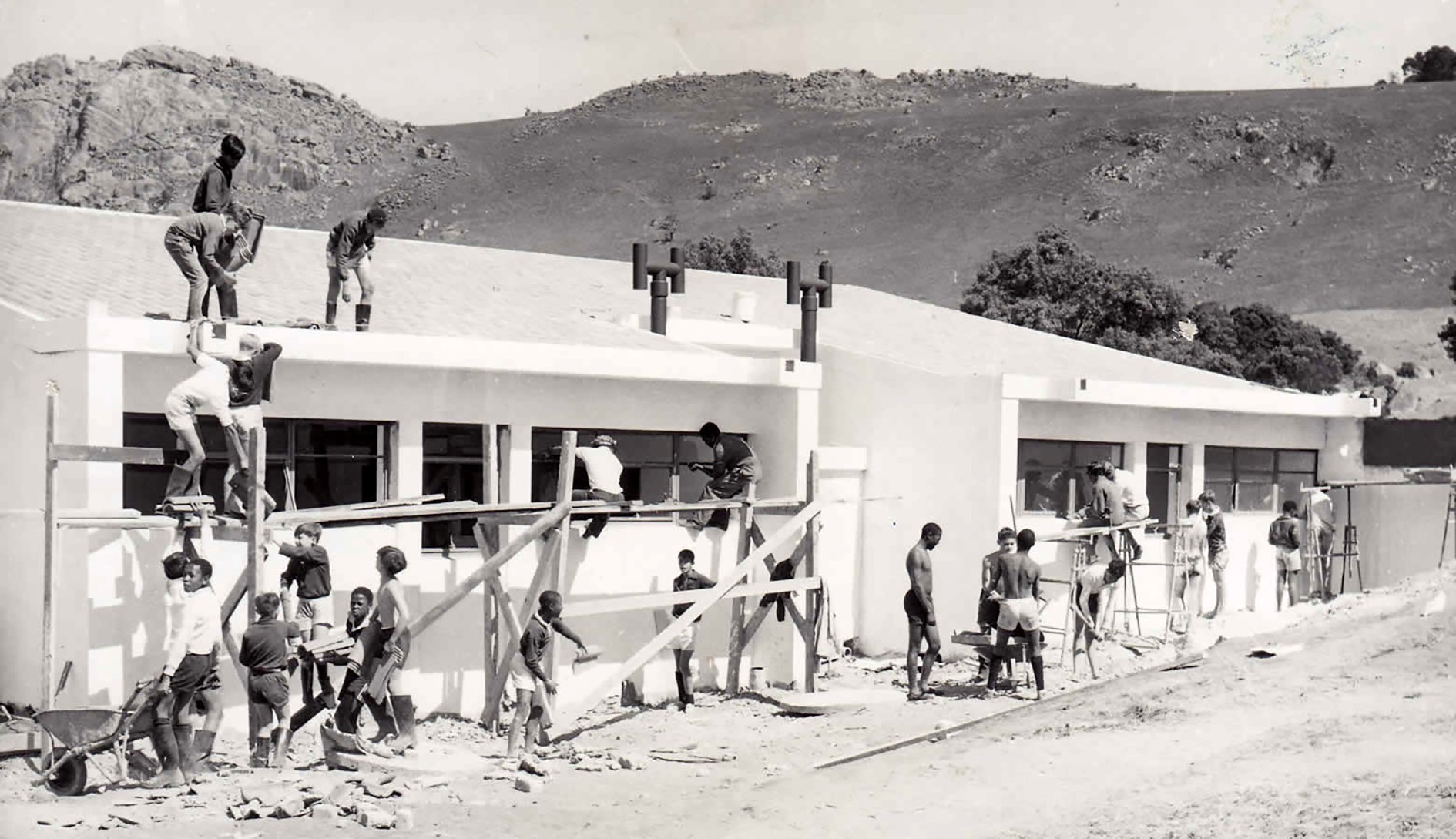
    James Richardson, an experienced British carpenter, who settled with his family at the beginning of the school’s construction, was one of the pillars of the enterprise. He was part of the team that coordinated a workforce of local labour, augmented by mostly of Waterford residents – pupils, staff and teachers. They were joined by Mozambican workers brought in by the architect Pancho Guedes and the Portuguese builder Machado, who replaced the first contractor of South African origin. Students and teachers performed unskilled tasks, supervised by more qualified laborers. The different languages that coexisted on the building site reflected the heterogeneity of the agents involved. 

    03. Skills & Technologies

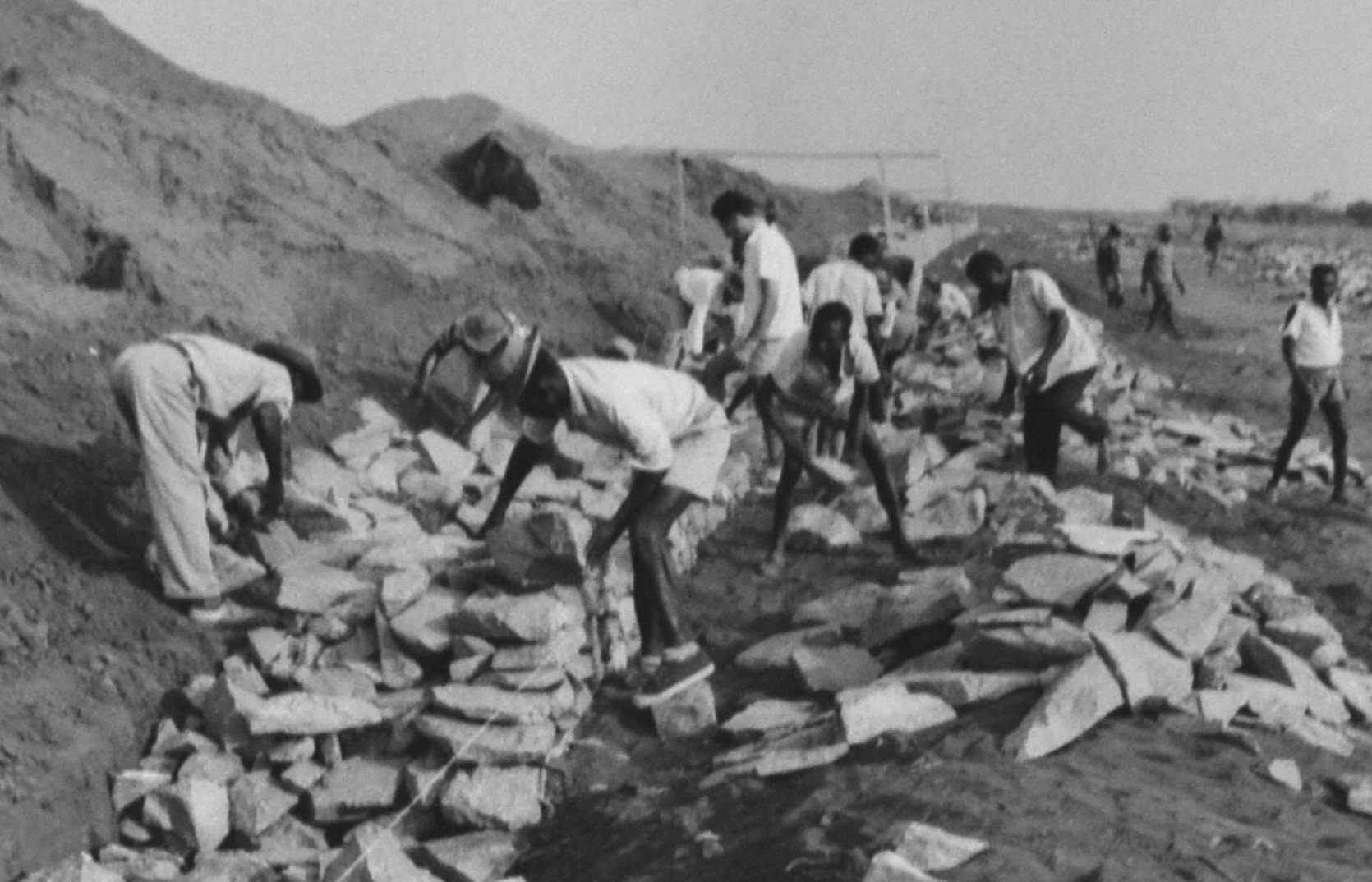
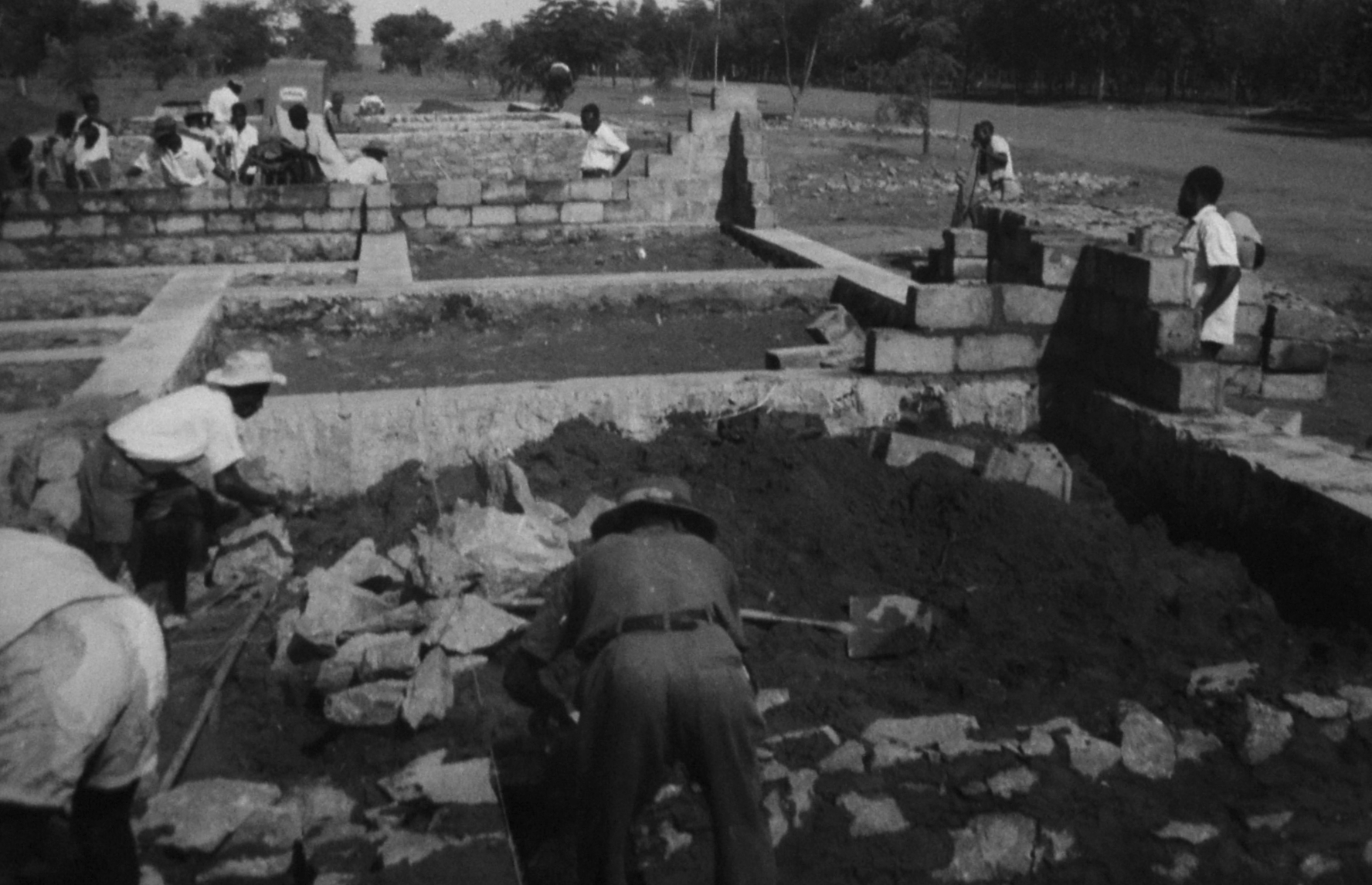
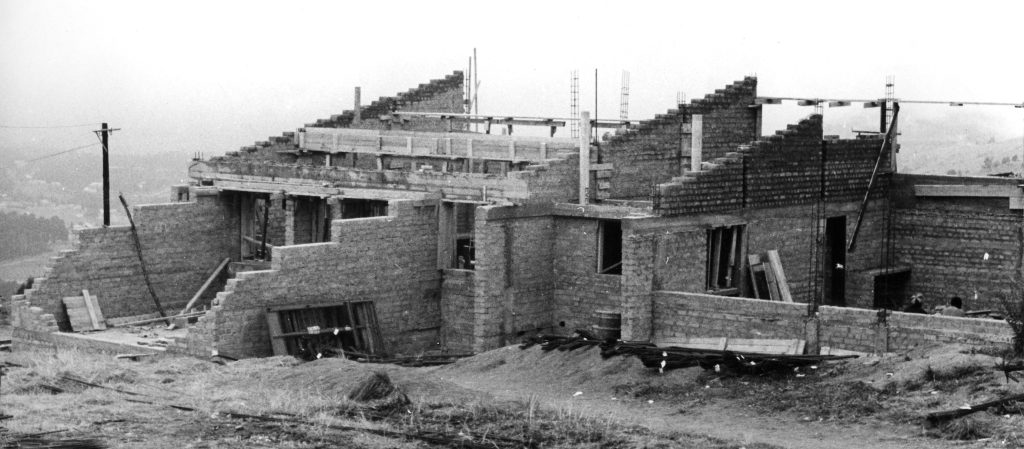
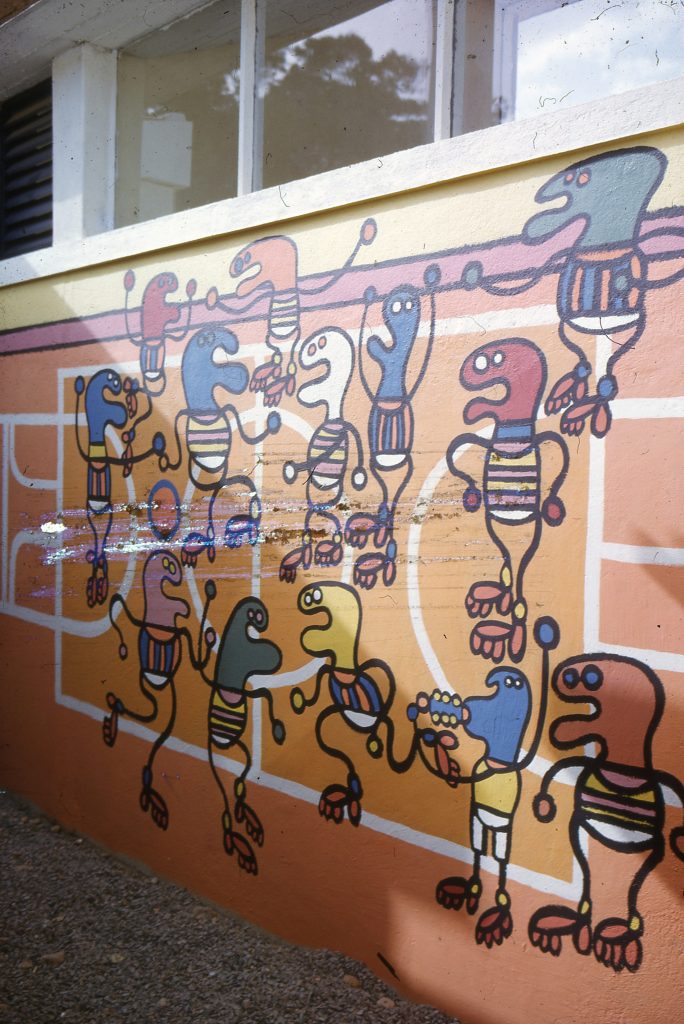
    The initial construction work consisted of clearing the land of granite boulders. The sequence of tasks included making sun-cured sand and cement bricks and molding them on site; laying foundations and compacting the earth; formwork and concreting; assembling cages of reinforcement from straight steel rods; pouring concrete roof slabs; and laying roof tiles. The construction systems mixed the Portuguese tradition practiced in Mozambique with the South African one, the latter using industrially produced components such as standardized steel windows. Although the construction was solid, the finishes were precarious, as a result of unskilled labor (including students) in tasks such as painting. At least one mural was frescoed in one of the dormitory courtyards. 

    Location

    Archival Records

    Visual Materials Outputs

    Fieldwork