

A-MÁ TEMPLE
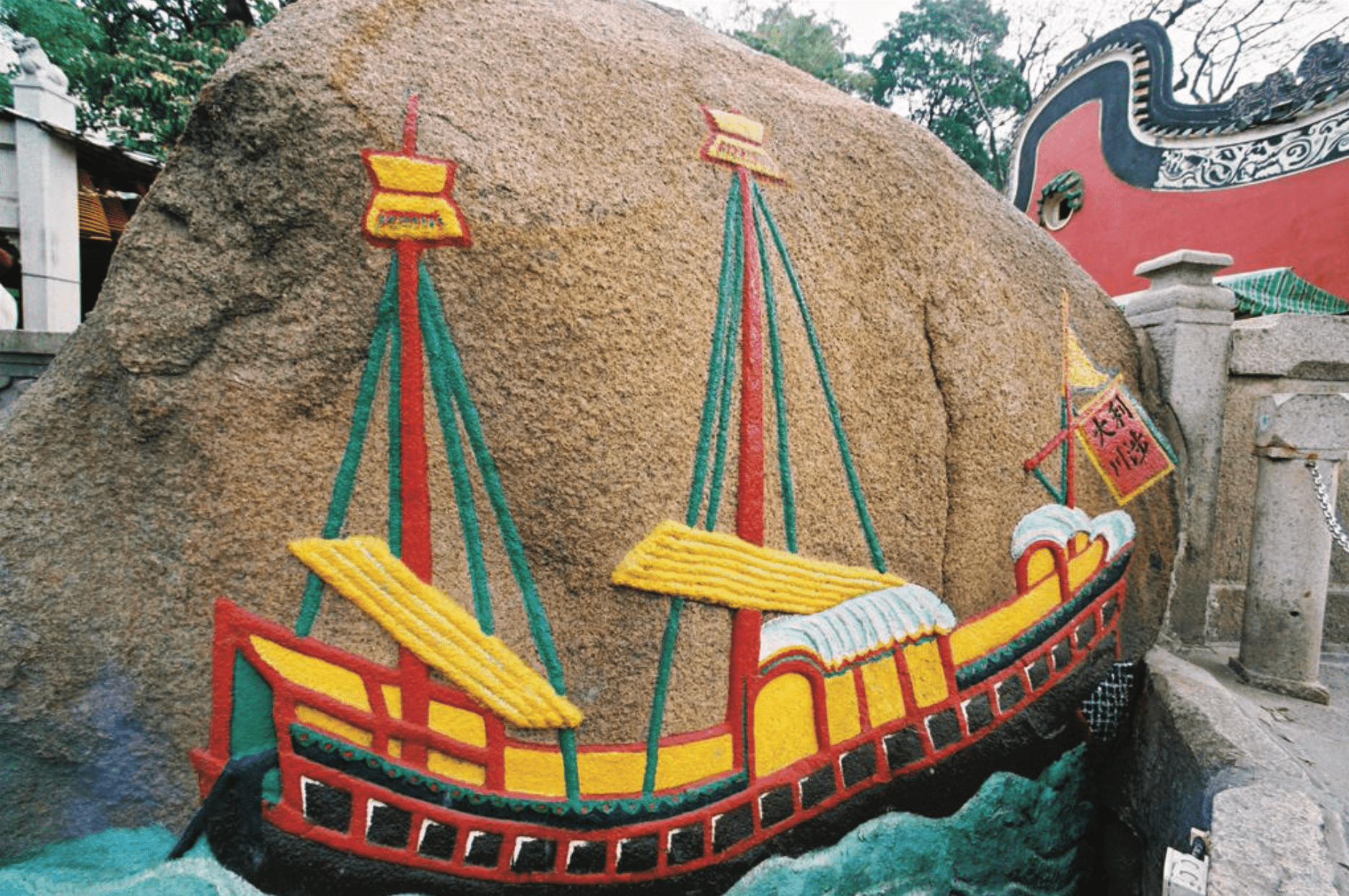
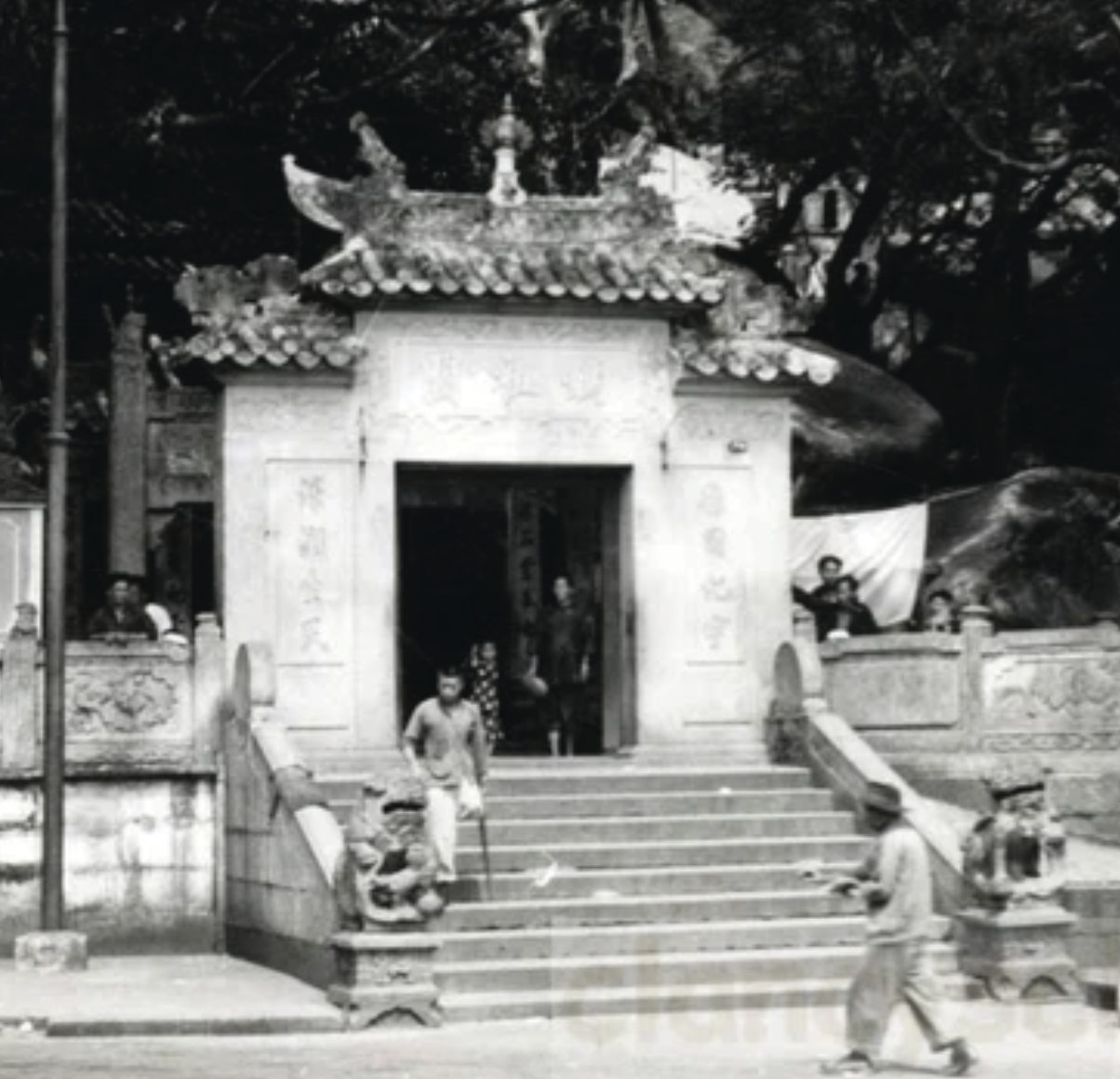
The A-Ma Temple, also known as Barra Temple, is one of the oldest and most historically significant temples in Macau. This temple honors A-Ma (also known as Mazu or Tin Hau), the goddess of seafarers and fishermen Its existence predates the city itself, as it was already an established site when Portuguese sailors first landed on the peninsula in 1553. In fact, the temple is intrinsically linked to the origin of Macau’s name, it is believed the Portuguese heard the location referred to as “A-Má Gau” (Bay of A-Ma) and transcribed it as “Macau”. Today, the temple is part of the UNESCO-listed Historic Centre of Macau.
Poster Authors
Mariana Correia and Angela Wang
Sabrine Semedo
Ho Chong Hong Arthur
Lui Pui Sin Vanessa
How to cite
LabourMap-Macao: Mass labour impact on Public Works in Macau under Portuguese administration (1849-1999) (P.I. Ana Vaz Milheiro, FCT/2023.14980.PEX). A-Ma Temple (1). Accessed on 10th March 2026. Available at: https://archlabour.iscte-iul.pt/a-ma-temple/
01
Materials & Systems
Macau’s A-Ma Temple is an example of traditional Chinese temple construction, using materials and techniques perfected over centuries. Its main structural system is timber construction, a hallmark of Chinese sacred architecture. The load-bearing system consists of solid timber columns and intricate dougong assemblies (traditional Chinese interlocking wooden brackets that transfer a building’s roof load to columns).
The primary materials are granite and timber, sourced locally. Granite is used for the foundations of the platform, staircases, and protective walls, attaching the temple to the hillside. The walls are often filled, constructed of gray brick, and serve no structural function. The wide, curved roofs are covered with glazed terracotta tiles, usually in imperial yellow or green, which are both decorative and functional for rainwater drainage.
02
Workers & Skills
The construction and preservation of the A-Ma Temple relied on a collaborative, hierarchical workforce. The Temple was built by different groups of skilled workers. Master builders who worked with stone created the arches and carved the rocks. Woodworkers built the beautiful halls and curved roofs. These workers were experts in traditional Chinese building. They were probably brought together by community leaders or religious groups who wanted to build the temple. These teams worked on different parts of the temple at different times over many years. Their combined skills and hard work created the entire temple complex we see today.


LabourMap-Macao is an Exploratory Project funded by the Portuguese Foundation for Science and Technology (2023.14980.PEX).
Beta trial disclaimer
The LabourMap-Macao team is responsible for the maintenance of this website, which is intended to facilitate public access to information about the group’s initiatives. Although this is still a beta trial, the intention is to release the information in a timely and accurate manner. Should any errors be brought to the attention of the team, they will be corrected.