

Communication
“Creolizar” para resistir: A escola de Chorão Ramalho em Macau
Event: Docomomo Portugal
Authors: Ana Vaz Milheiro, Beatriz Serrazina
Date: 20-21 October 2025
Location: Coimbra, Portugal
Summary
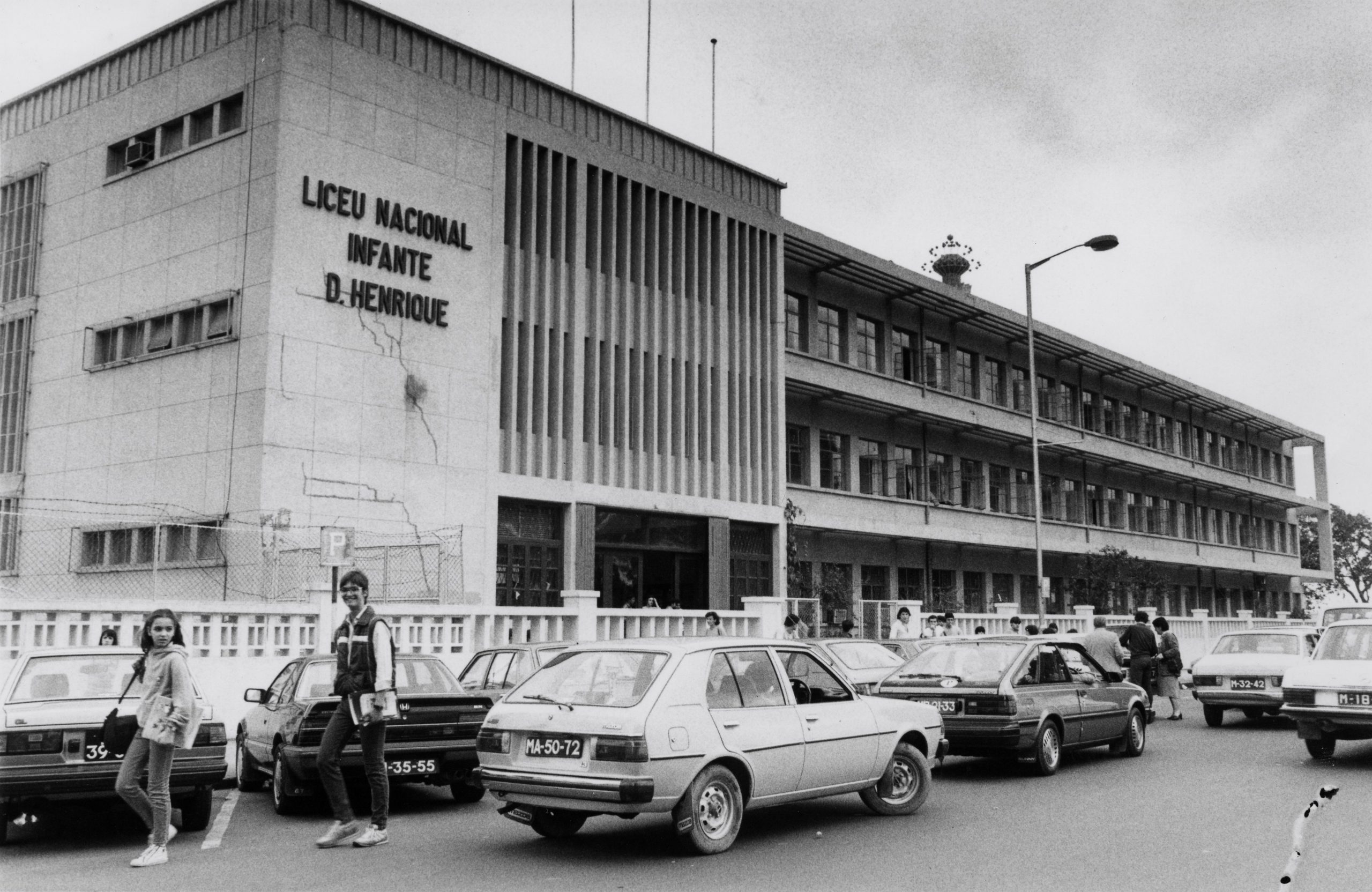
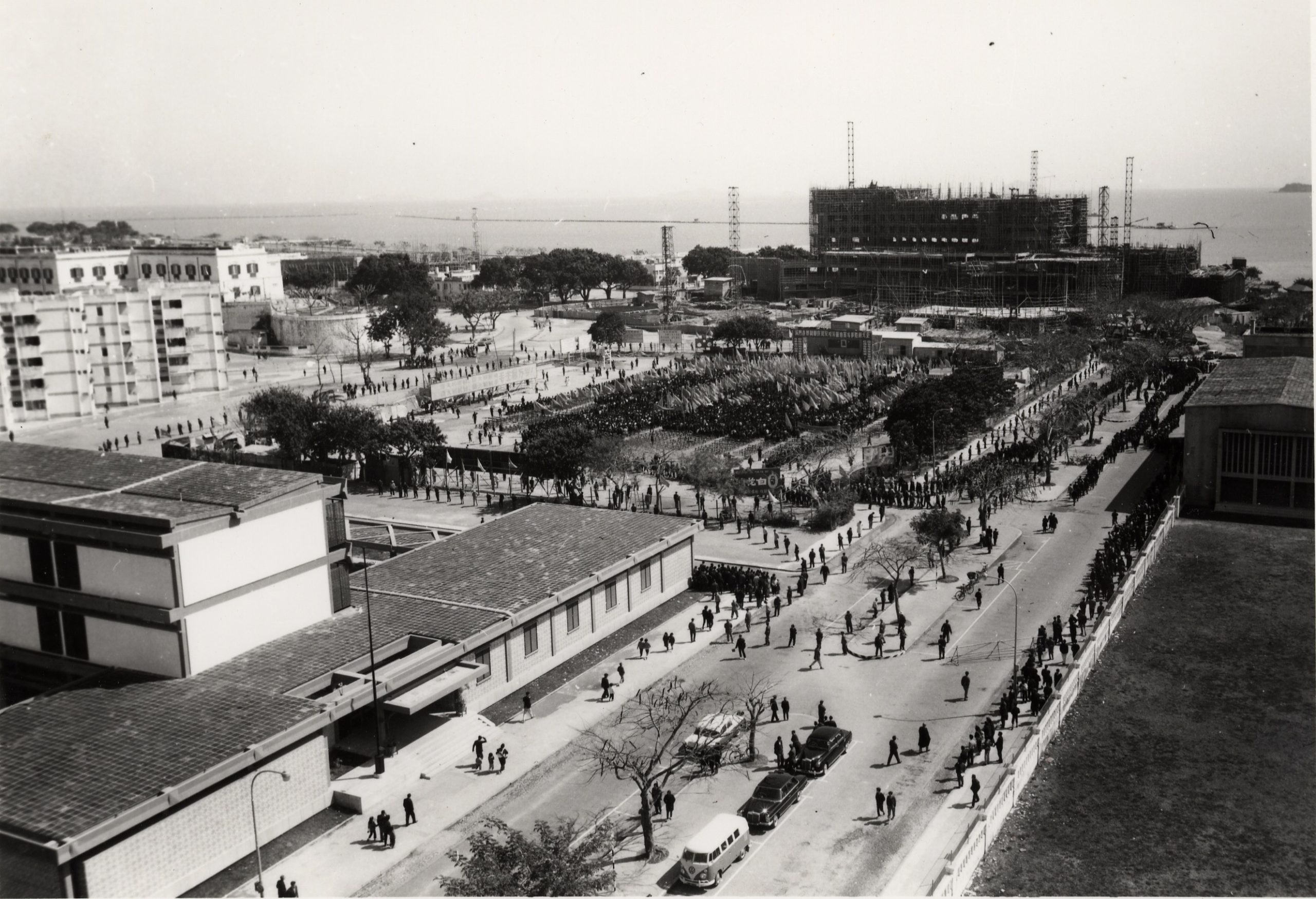
How were educational spaces constructed at the end of the Portuguese colonial period in Macau? How was the discipline of architecture used to establish proximity with cultures that the Portuguese considered ‘autonomous and closed’? How did modern Western languages become inclusive through ‘detail’ and ‘multiple codes’ (Colquhoun, 1991)? What role did Macanese workers play in this process? This article examines two schools: the Pedro Nolasco Commercial School, designed in 1962 by Raúl Chorão Ramalho (1914–2002), and the Infante D. Henrique National High School, designed in 1956 by the Overseas Urbanisation Office. The contrast between the two buildings reveals the ‘linguistic evolution’ of teaching programmes within colonial agencies.
The Commercial School is considered a milestone in the ‘creolisation’ (‘patuá’) of architecture in the territory, combining Eastern references with Portuguese identity elements. This contrasted with the monumentalised, historicist composition of the Lyceum, which supposedly embodied the “anti-modern” character of the metropolitan agency. In 1989, the old high school was demolished without protest. However, Chorão Ramalho’s building survived threats of destruction thanks to interventions by Carlos Marreiros (1999) and Rui Leão and Carlotta Bruni (‘Reading Room’, 2008).
This text questions the stylistic differences between the two schools, arguing that it was Chorão Ramalho’s modernist approach that ensured the building’s preservation. It examines the Commercial School in terms of the composition of the construction teams to illustrate how its materiality also depended on the workforce. The aim is to describe the building’s quality as a shared action between the various players on the construction site, from architects to labourers and workers. Finally, it considers whether the building’s familiarity to the Macanese community, due to the presence of these latter construction agents, played a role.
Click here for the conference program.

LabourMap-Macao is an Exploratory Project funded by the Portuguese Foundation for Science and Technology (2023.14980.PEX).
Beta trial disclaimer
The LabourMap-Macao team is responsible for the maintenance of this website, which is intended to facilitate public access to information about the group’s initiatives. Although this is still a beta trial, the intention is to release the information in a timely and accurate manner. Should any errors be brought to the attention of the team, they will be corrected.