
Working Paper
Typology in Transition: Modern Housing and Postcolonial Urbanism in Luanda
Journal: Architecture + Infrastructures Working Paper Series 1: Colonial and Post-Colonial Landscapes: Architecture, Cities and Labour
Authors: Inês Lima Rodrigues, Maria Alice Mendes Correia
Print: Dinâmia’CET-Iscte, 2026
Summary
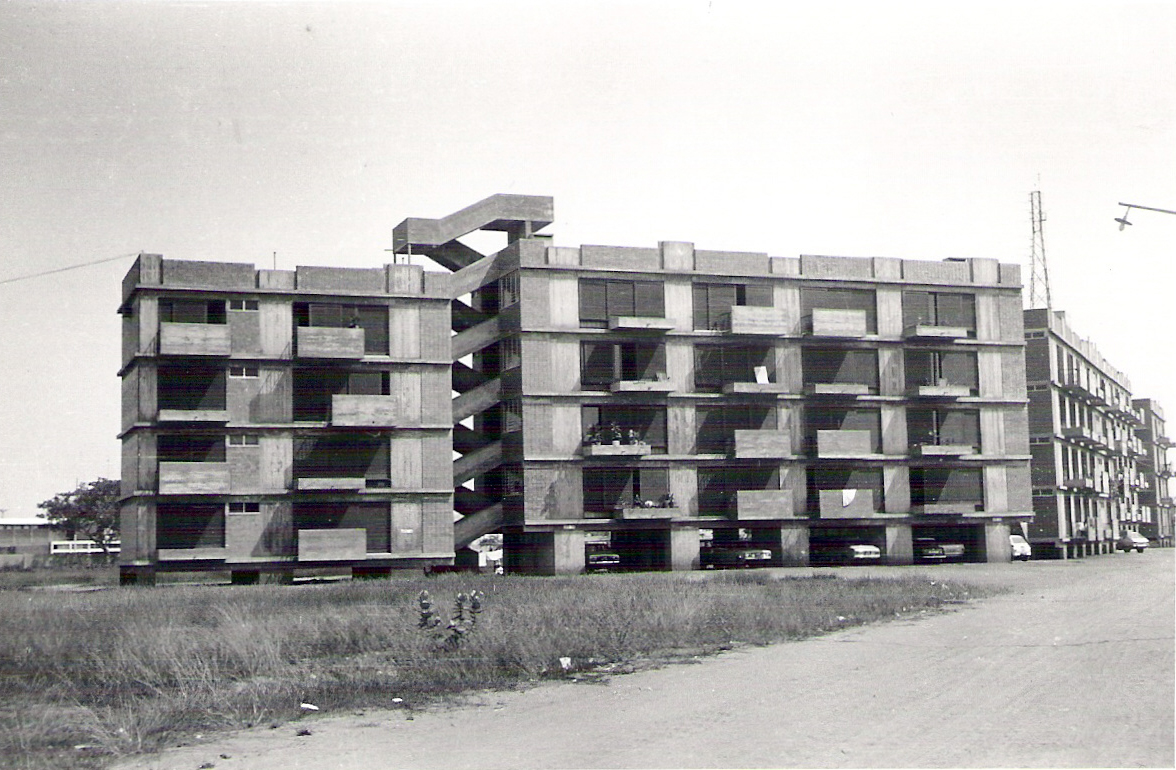
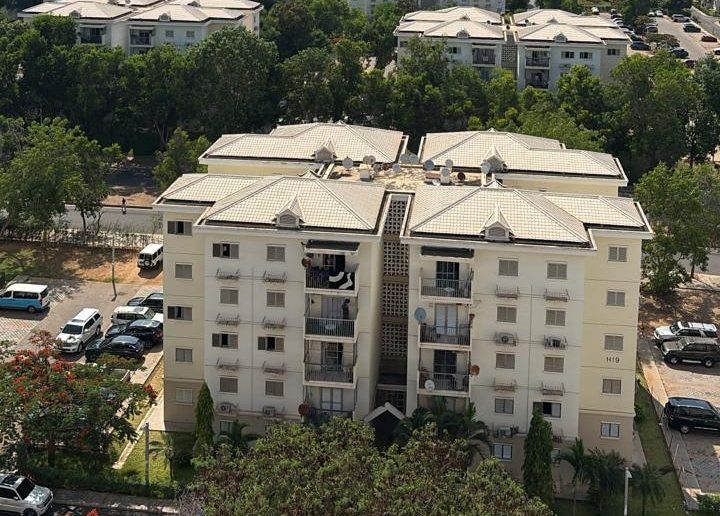
The architectural patterns of Luanda show how buildings survive political divisions and take on fresh ideological meanings throughout the urban past. The CTT district, developed between 1968 and 1974 by Fernão Simões de Carvalho and Lobo de Carvalho, combines the ultimate aims of Portuguese colonial modernism by seeking to strike a balance among logical planning, social diversity, and climatic adaptation. Emerging after CIAM’s internal discussions and the criticism of a universal modernism, the project converted these changing ideas into a colonial setting characterised by entrenched racial hierarchies and demographic pressure. Though only partially completed, the CTT complex served as a laboratory where post-CIAM issues with flexibility and urban identity were refracted through the managerial rationale of the Estado Novo. Following independence, the typological concepts employed in CTT reappeared in the twenty-first century “new centralities”, including Kilamba and Sequele. Created through Sino-Angolan collaboration and entrenched in neoliberal and post-socialist programs, these vast satellite cities recycled modernist superblock urbanism as a tool for state-led development, market creation, and socio-spatial control. Looking at the CTT complex in conjunction with its postcolonial legacies shows not only the tenacity of modern spatial logic but also the contested development of postcolonial identity, government, and labour, as revealed in typological continuities in Luanda. Hence, the CTT neighbourhood becomes a key hinge connecting late-colonial modernism to modern urbanism in Angola.
Click here to download the paper.