

Communication
The prohibition of the trafficking of Asian labourers in the Atlantic at the end of XIX century
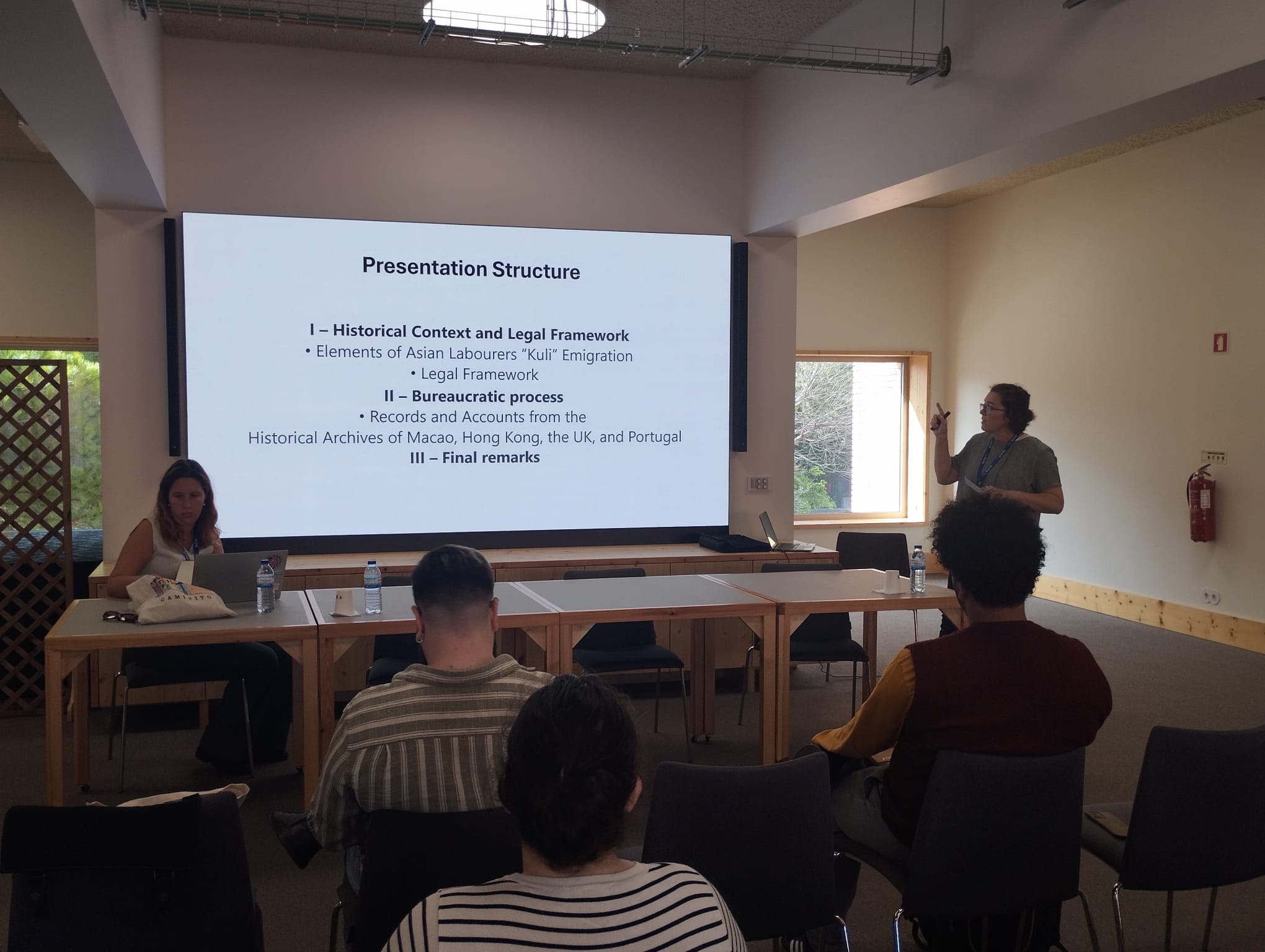
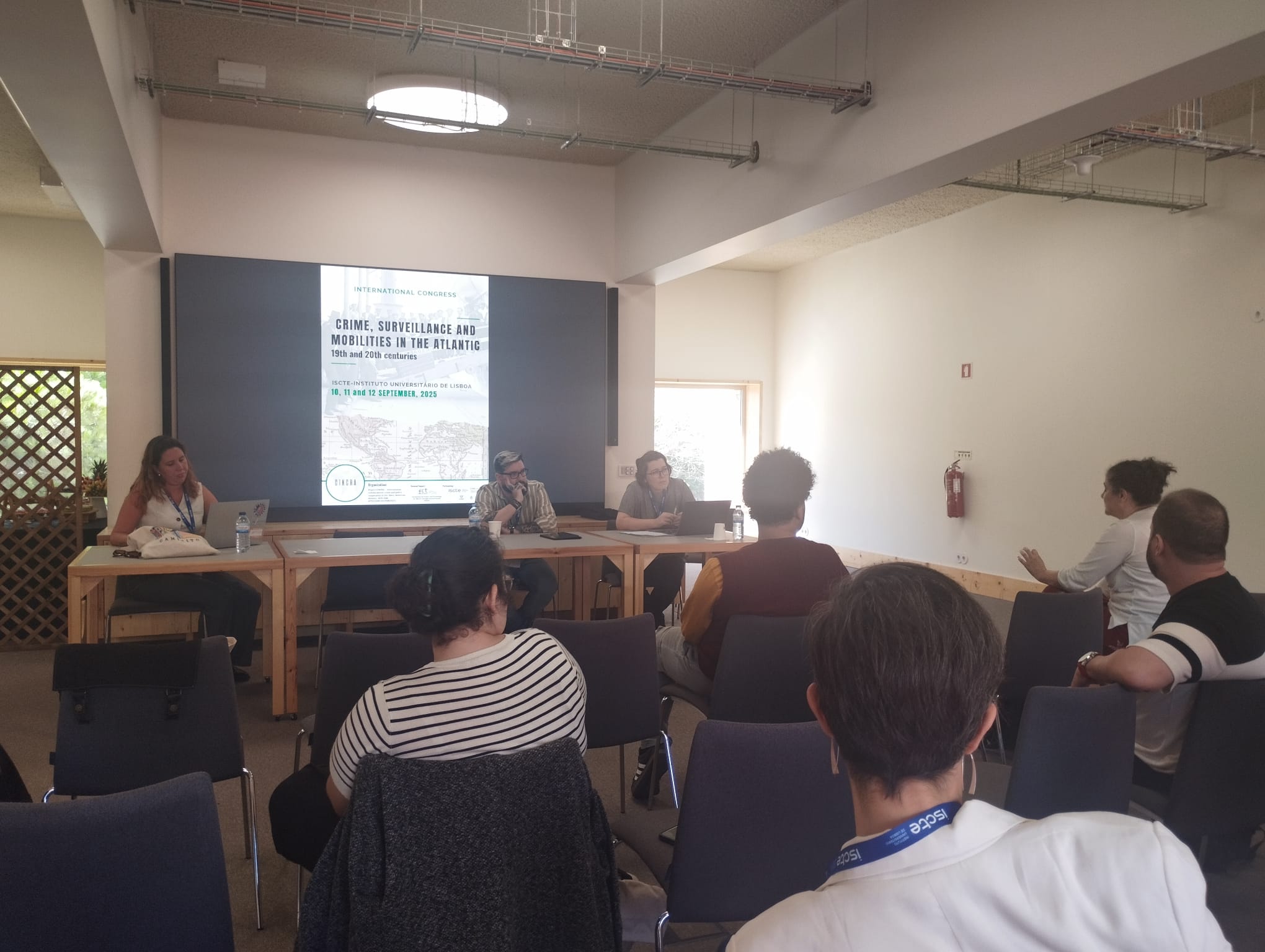
Event: International Congress: Crime, Surveillance and Mobilities in the Atlantic, 19th and 20th centuries
Authors: Sónia Pereira Henrique
Date: 10 – 12 September 2025
Location: CIES-Iscte Centre for Research and Studies in Sociology, Lisbon, Portugal
Summary
The phenomenon of transatlantic mobility, as designed by the Portuguese empire, has been shown to encompass both human trafficking and forced labour. The analysis of an evolving population of labourers migrating from Asia to Africa, specifically India and China, facilitates an investigation beyond the confines of Portuguese colonial public works. These labourers constitute a foundational layer of other implications associated with work conditions, incorporating commercial, cultural and legal dimensions. The term “coolie” configures a designation applied to Indian workers mobilised to perform labour in the colonial possessions. Initially, that labour force was allocated to plantations; however, due to labour shortages, it did also encompass a wide range of tasks outside of rural contexts. This assertion may be extended to the concept of origins, as the designation in question was also applied to Chinese-origin workers.
The expansion and deepening of the historiographical debate surrounding the transnational movement of people and the surveillance of international crime in the Atlantic axis must include the Asian contingents trafficked as labour workforce to Africa and South America. In the context of Portuguese colonial public works, the Benguela Railway – Angola’s largest railway – required a significant workforce of people from diverse backgrounds working in a range of skilled trades. As the African workforce was not proving sufficient for the development of the Portuguese public works overseas, Asian workers were also recruited into the colonial project. Furthermore, this workforce provides an invaluable opportunity to explore the concepts of crime, surveillance and mobilities, which consisted of servitude and oppression, whether in the context of plantations – where this movement originally began – or public works due to labour workforce shortages. The decay of slavery and the continuing demand for goods, it became crucial to determine how to monetise the abolitionist movement. Irrespective of the nuances of this free labour, which bore a striking resemblance to enslaved work, apprenticeships and indentured labour emerged as prominent forms of employment. Transversing multiple thematic axes, this proposal explores transnational criminal behaviour of human trafficking and its entanglement in national, imperial and international control and surveillance on migration and mobility, as well as the internationalization of political, technical and public debates around the criminal question.
Click here for more information.