
Exhibition
Arquitetura Europeia e Expressões Coloniais, 1750-1899
Event: [Class] Teoria e História da Arquitetura III, 2º ano, MIA
Coordinator: Inês Lima Rodrigues
Date: 20-27 May 2026
Location: Iscte – University Institute of Lisbon
Summary
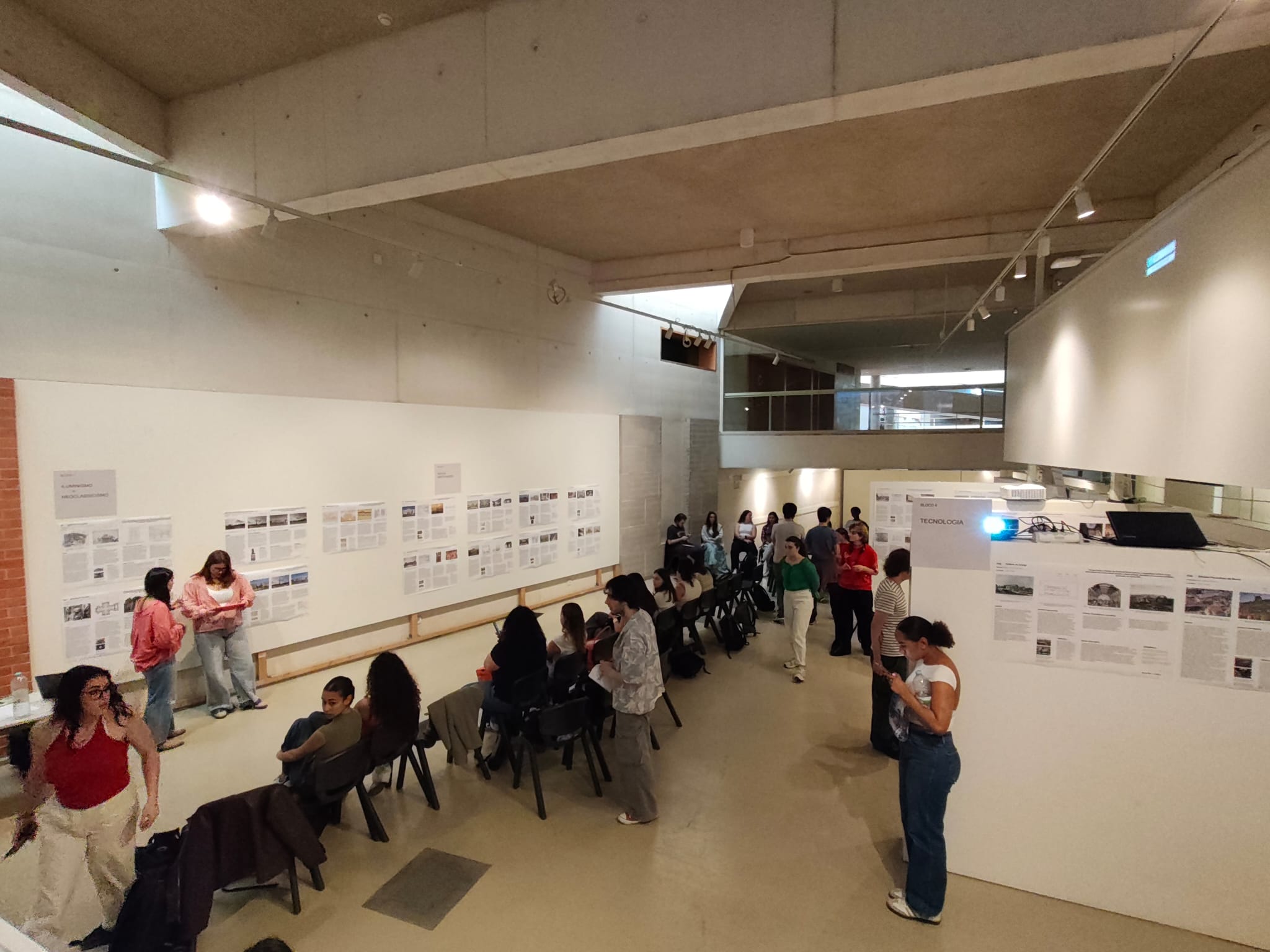
[Exhibition organised by Professor Inês Lima Rodrigues and students from the class Teoria e História da Arquitetura III, Integrated Master’s Degree in Architecture, at Iscte, Lisbon. The students’ posters offer a critical analysis of European architecture and its colonial manifestations between 1750 and the end of the 19th century, including in Macau. The students develop critical research methods by combining visual representation, comparative analysis, an understanding of the historical context, technical and structural analysis, and critical essays.]
_
Ler a arquitetura como documento histórico
A exposição apresenta os trabalhos finais desenvolvidos pelos estudantes da Unidade Curricular Teoria e História da Arquitetura III, do 2.° ano do Mestrado Integrado em Arquitetura, dedicados à análise crítica da arquitetura europeia e as suas expressões coloniais entre 1750 e o final do século XIX. A estrutura temática e cronológica da exposição parte da narrativa historiográfica proposta por Barry Bergdoll em European Architecture 1750-1890, obra fundamental da unidade curricular, que interpreta este período não como sucessão linear de estilos, mas como transformacão política, cultural e técnica da arquitetura europeia.
O póster como instrumento de investigação
Reunindo 30 casos de estudo, a exposição atravessa o Iluminismo, o Neoclassicismo, os nacionalismos oitocentistas, a industrialização, a emergência da tecnologia e a transferência de modelos arquitetónicos para os territórios coloniais. Os pósters desenvolvem processos de investigação crítica através da articulação entre representação visual, análise comparativa, enquadramento historiográfico, leitura técnico-construtiva e ensaio crítico.
Técnica, ideologia e modernidade
Do Panteão de Soufflot ao Crystal Palace, da Biblioteca de Labrouste ao Palácio de Ferro, em Luanda, os trabalhos revelam como a arquitetura se tornou simultaneamente representação política, inovação técnica e instrumento territorial. Entre posters, projeções e percursos visuais cruzados, a exposição propõe uma leitura crítica da arquitetura através da relação entre história, representação, técnica e espaço construído.
Quando projetamos hoje, que heranças continuamos a ativar?