

Panel
Archlabour: Architecture, Colonialism and Labour in Portuguese Colonial Rule
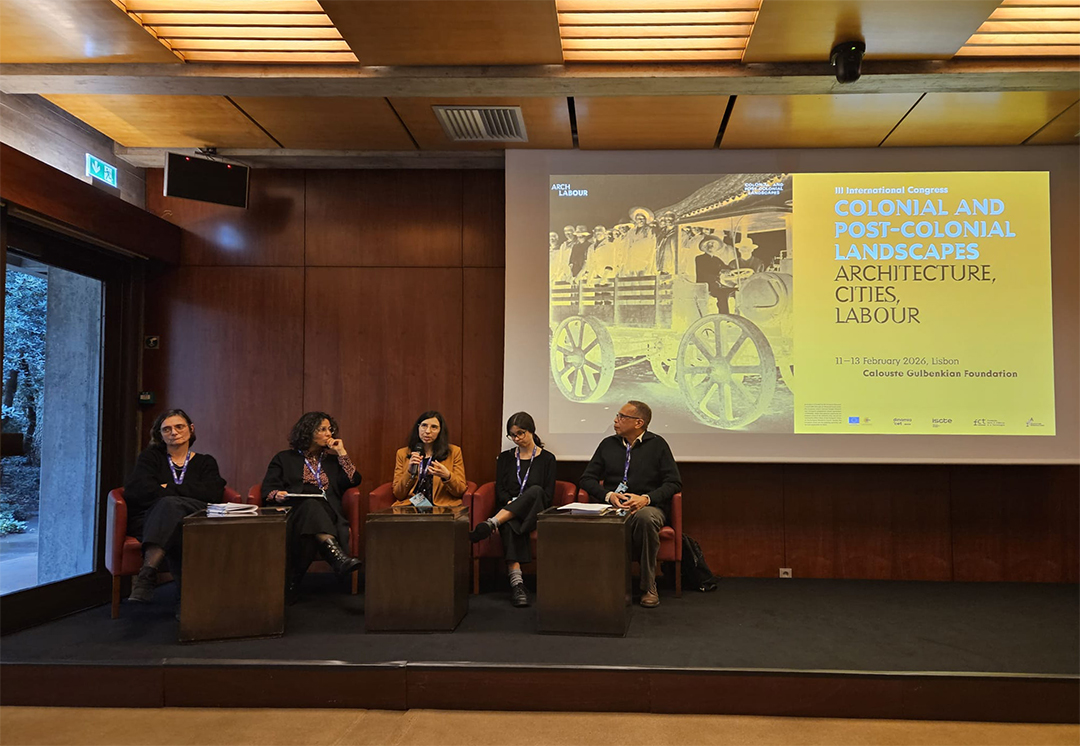
Event: Colonial and Post-Colonial Landscapes: Architecture, Cities, Labour
Chairs: Fernando Pires, Leonor Matos Silva
Date: 12 February 2026
Location: Calouste Gulbenkian Foundation, Lisbon (PT)
Summary
Who were the workers involved in architecture and construction works in Portuguese colonial territories in Africa? Where did they come from? How were they recruited? What were their expectations? How were they paid? What were their skills and tasks? What materials and construction systems did they work with? What training did they receive? How did they resist and collaborate? What were the repercussions of these (often compulsory) work experiences? How should this legacy be dealt with? Where to find and how to examine construction workers in archives and sources?
In this session, researchers from the ArchLabour project will present their ongoing research and discuss some of the project’s questions. The presentations will cover a variety of topics, time frames, geographies and building typologies, ranging from large-scale infrastructure to archival research. The spotlight will be on ArchLabour case studies, main sources and methodologies, including an analysis of construction work on railways, dams, housing and settlements in Angola, Mozambique, Guinea-Bissau, Cape Verde and São Tomé e Príncipe in the 20th century. Key concepts such as subalternity, policies, race, gender, conflict and resilience will be examined in relation to construction materials and systems, the production of localised knowledge and labour skills and categories.
Presentations
- Sónia Pereira Henrique and Filipa Lopes: Tracing Public Works in Historical Archives: From the Arquivo Histórico Ultramarino to the National Archive of Cabo Verde
- Francesca Vita: Uncovering colonial labour and construction. Building a Database for Cataloguing and Analysis
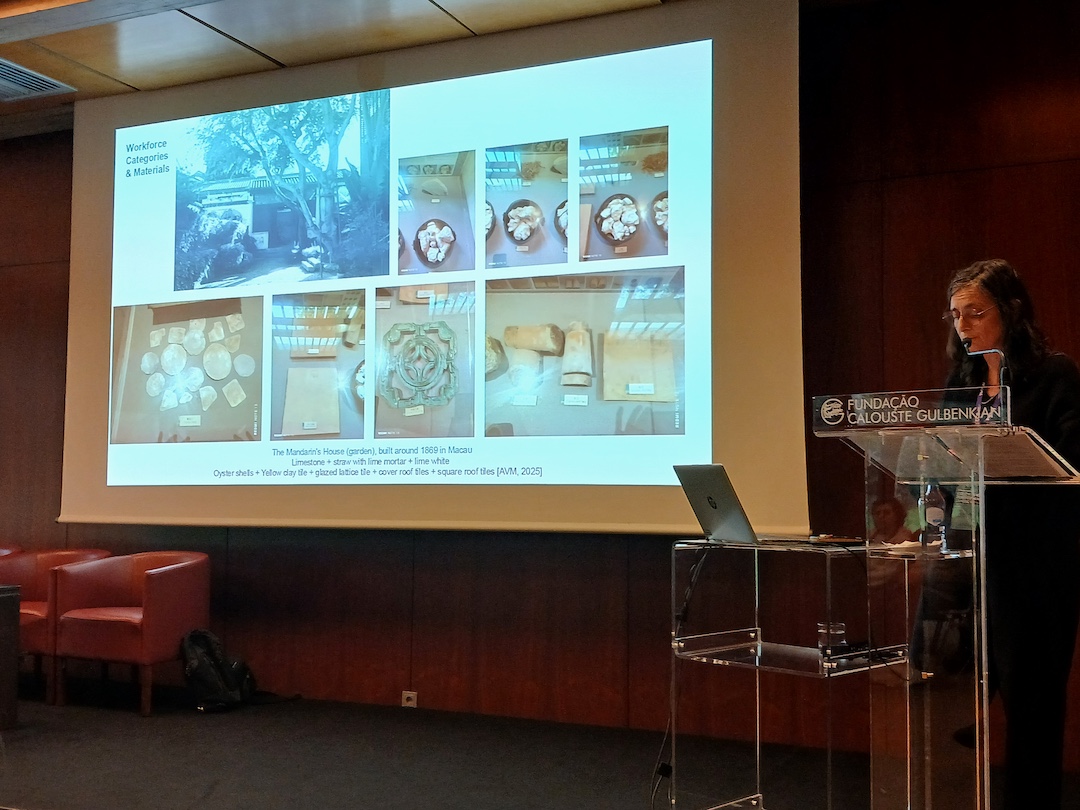
- Ana Vaz Milheiro: Building São Januário Hospital: Portuguese technical perspectives on Chinese Labour
- Beatriz Serrazina: Constructing the Benguela Railway: Labour, Skills and Materials in Colonial Africa