

Journal Article
The Salazar Foundation’s Private Housing Assistance in Africa During Late Portuguese Colonial Rule (1969–78)
Journal: Journal of the Society of Architectural Historians 85 (2): 253–274.
Authors: Ana Vaz Milheiro
Date: 2026
Summary
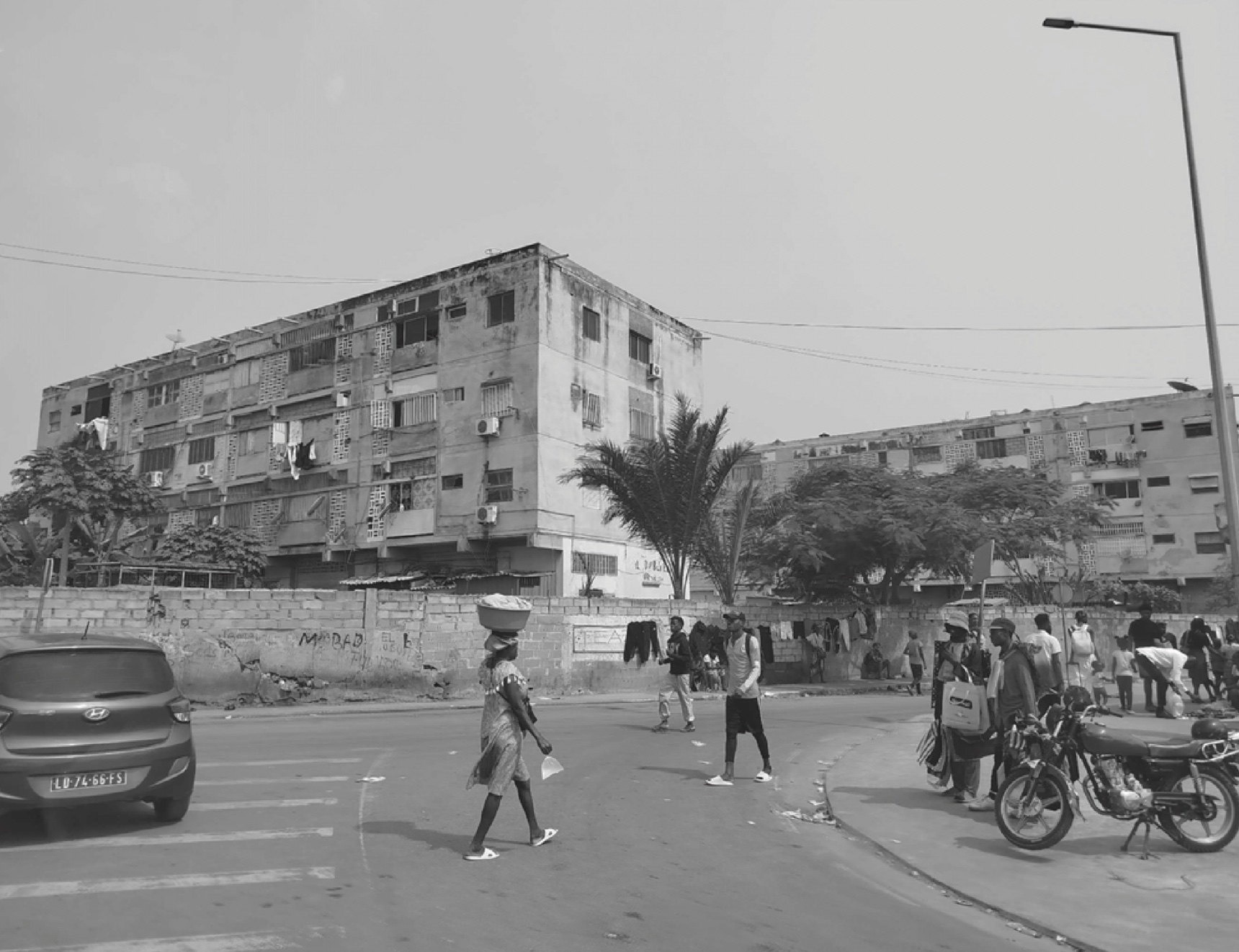
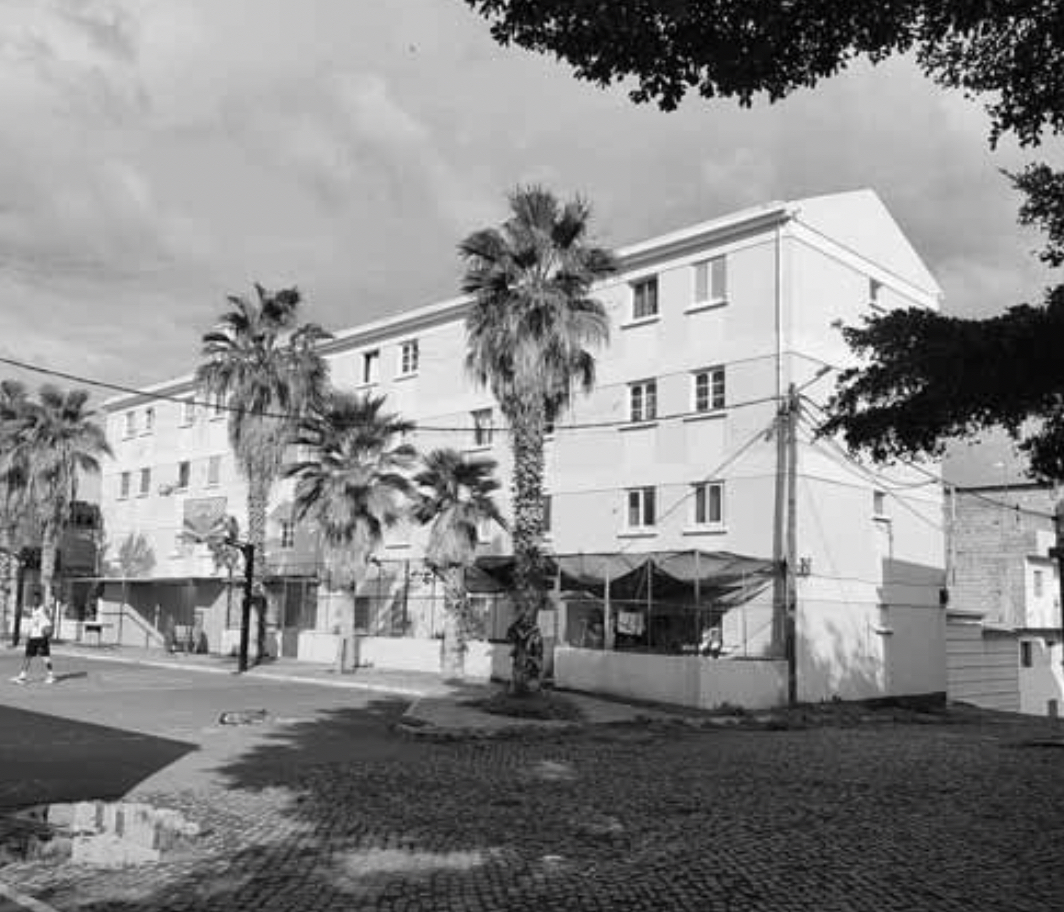
The Fundação Salazar, or Salazar Foundation, was a private agency set up in the late 1960s to build assisted housing for the “economically weak” urban and rural populations across Portugal and former African and Asian territories under Portuguese rule (Angola, Mozambique, Guinea-Bissau, Cape Verde, São Tomé and Príncipe, and Timor). It developed small-scale neighborhoods using consistent programmatic typologies (collective four-story blocks in urban/suburban locations and single-family houses in rural or peri-urban areas). By 1978, when the Salazar Foundation was dissolved, it had built neighborhoods in twenty-four Portuguese cities and nineteen former colonial regions, with a total of 2,067 housing units. This article examines the foundation’s activities, which were supported at the highest levels of metropolitan and colonial powers and also became the subject of political propaganda. It questions the housing program as a key strategy of the Portuguese rule to control populations and delay their potential involvement in the anticolonial struggle.
Read the full article here.