

Summary
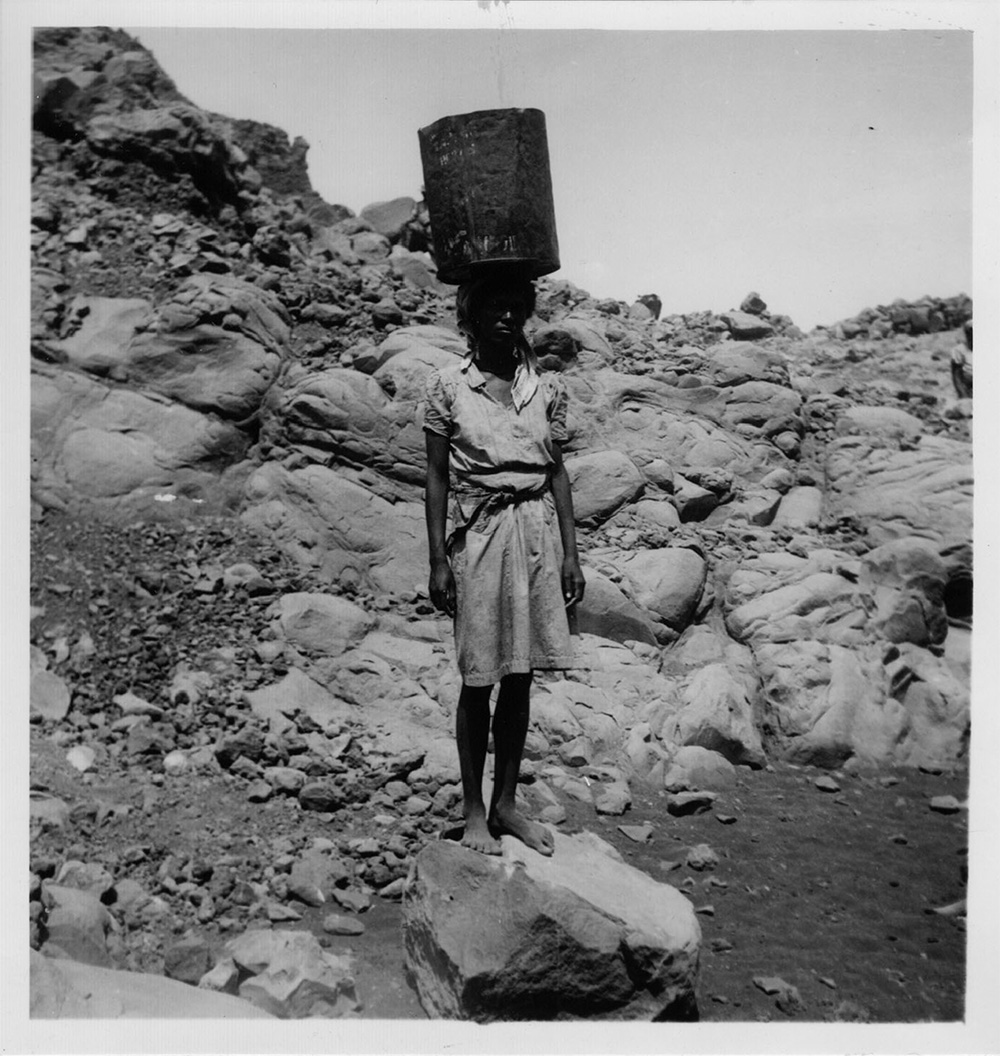
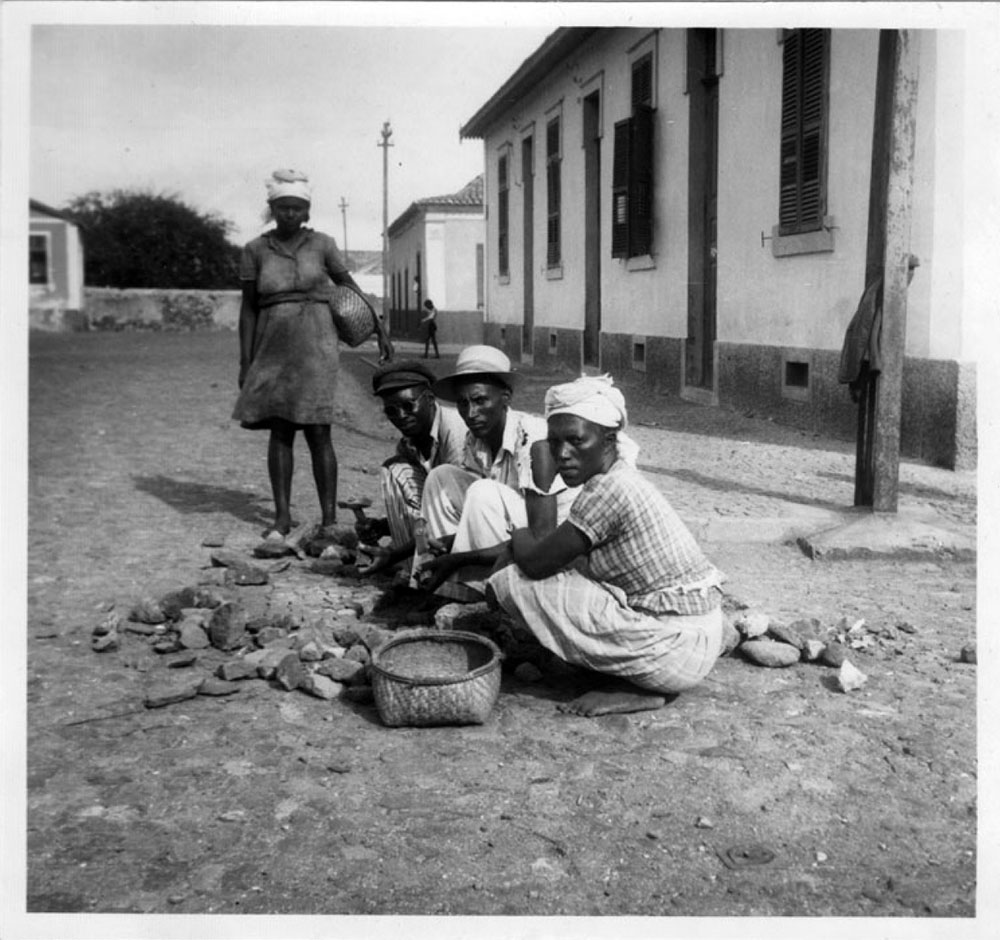
References to the existence of women in Portuguese Colonial Public Works can be found on payrolls since the turn of the nineteenth century. Their work was subordinated to men’s work and they consistently earned lower wages. After World War II, their presence in quarries, or dealing with small pavement repairs, would endure in economically precarious geographies. One of these locations was Cape Verde, where positions for carpenters, bricklayers, and construction helpers were left vacant after the emigration of men. This situation was not very different from that in rural Portugal, where women, mostly illiterate, also constituted a cheap workforce. Examining gendered labor in colonial Cape Verde, this article analyzes the complex coexistence of subalternity, race, and extreme poverty in an understudied context. Women workers were generally associated with unskilled labor and high demands on a large scale. In light of their apparent invisibility in colonial records, this paper considers whether and how the characteristics of this group impacted design projects. It also explores whether working in Public Works meant the emancipation of women who were heads of single-parent families or only represented the perpetuation of inequality.
Click here to access the article.